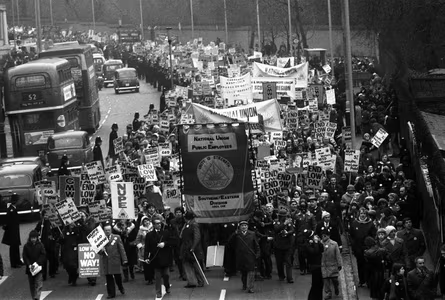
Part Two of The Stranger in my House is set against what is now called the Winter of Discontent – A term that comes from Shakespeare’s play Richard III, but it was used in an interview by the then Prime Minister James Callaghan and was taken up by the media. It lasted between November 1978 to February 1979 in the United Kingdom and, following opposition from the Trades Union Congress (TUC), took on the form of widespread strikes by both the private and public sector. Trade unions demandied pay rises greater than the limits Prime Minister, James Callaghan, and his Labour Party government imposed in an effort to control inflation.
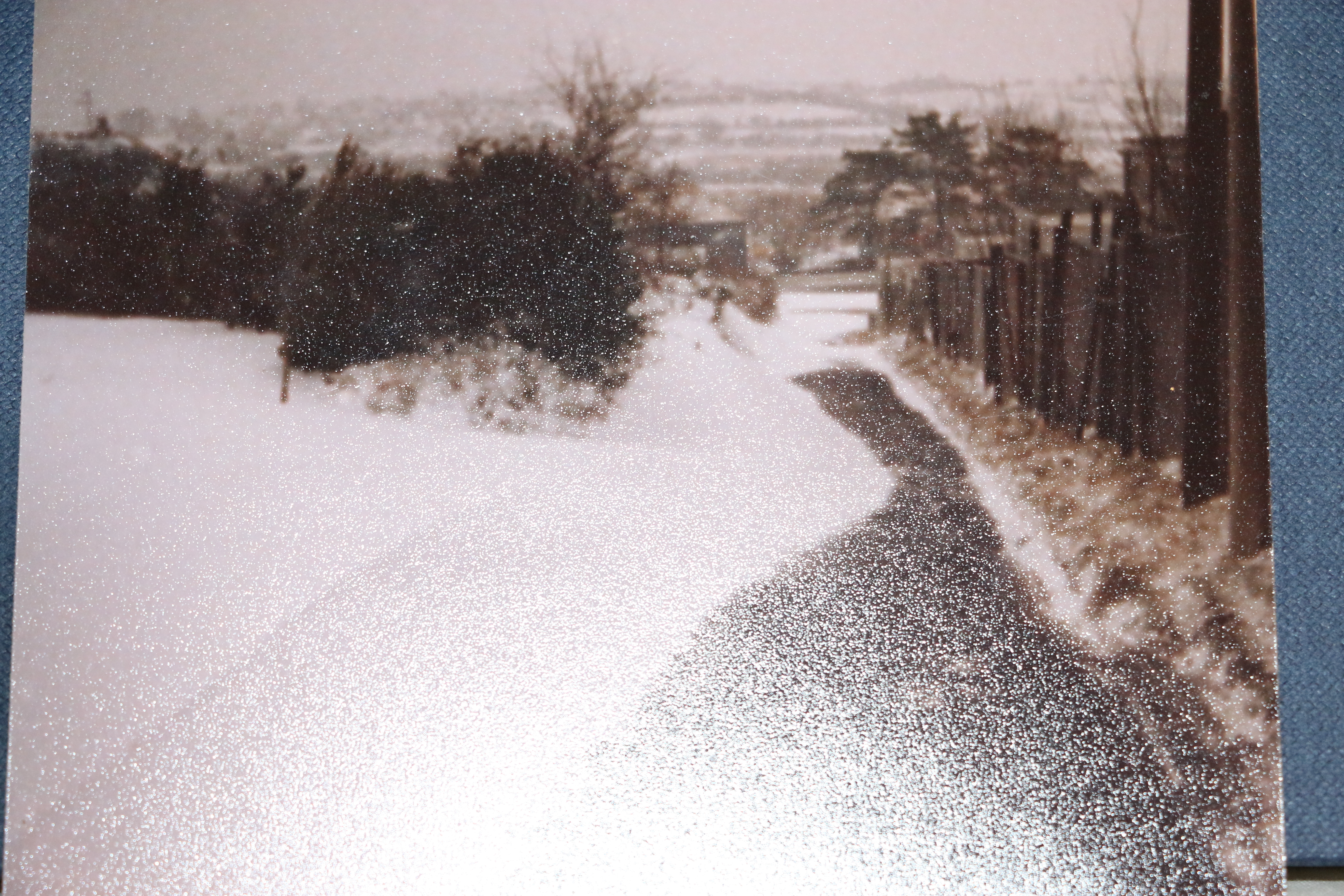
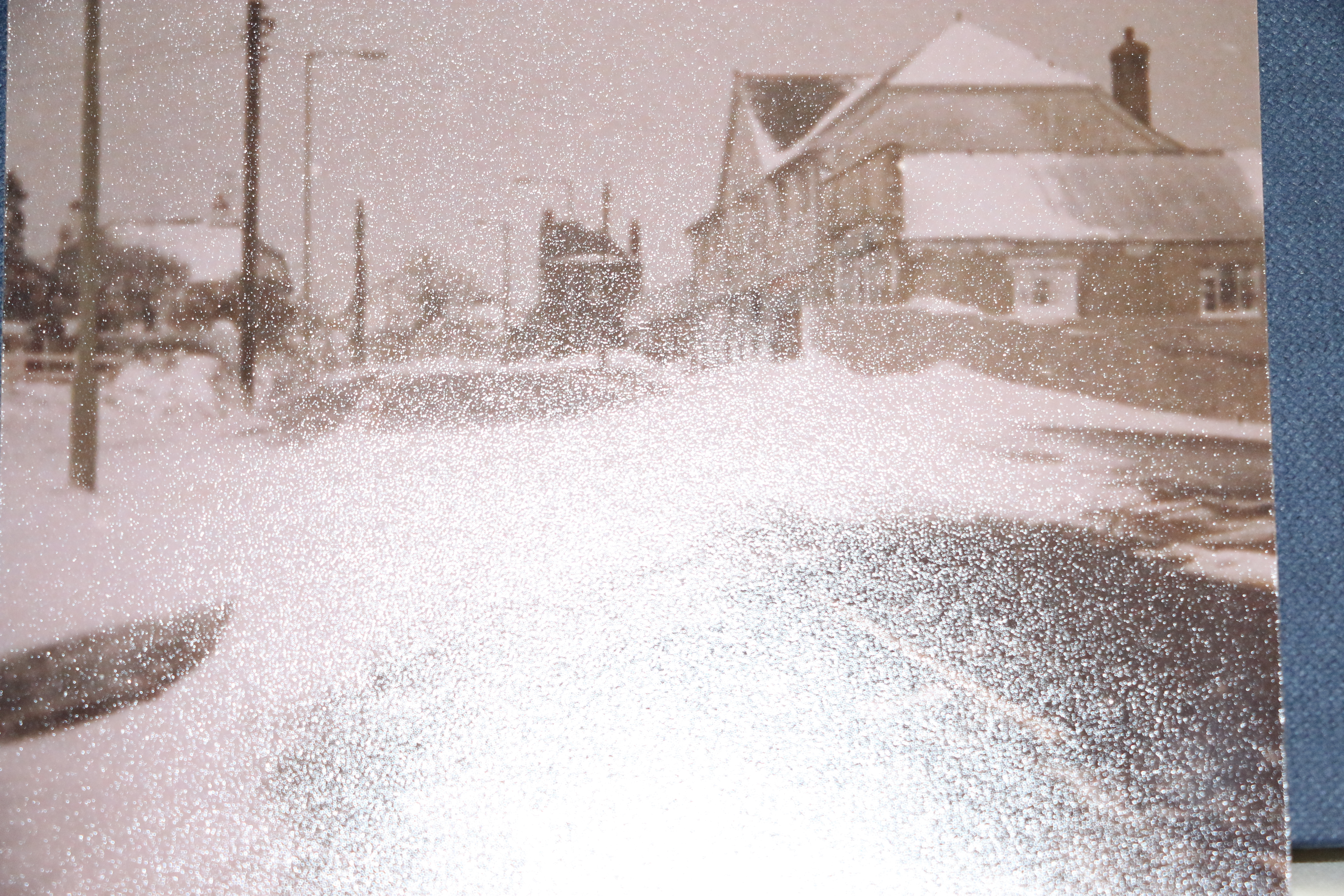
It was also the coldest winter in sixteen years. Heavy snowfall and freezing temperatures disrupted transport, businesses, and energy supplies.
In January 1979 (between the 1st and the 14th), some 20,000 railwaymen held four one-day strikes. There were strikes by haulage drivers, petrol tank drivers, and eventually municipal workers – 1,250,000 of them organised a one-day national strike on 22 January 1979.
The most notorious incident was the grave diggers’ strike on Merseyside, which hit the headlines with the press vilifying trade unions for their lack of sympathy with the bereaved, and, it was argued, with the needs of the nation.
But it was a strike by refuse collectors that came to symbolise the complete breakdown of UK public services. Local councils rapidly ran out of storage space as the binmen continued to strike, so rubbish was left in streets and open public spaces instead.


A gripping ‘cuckoo in the nest’ domestic thriller
After the death of their mum, twins Chloe and Charlie are shocked when their dad introduces Lynne as their ‘new mummy’. Lynne, a district nurse, is trusted in the community, but the twins can see her kind smile doesn’t meet her eyes. In the months that follow they suffer the torment Lynne brings to their house as she stops at nothing in her need to be in control.
Betrayed, separated and alone, the twins struggle to build new lives as adults, but will they find happiness or repeat past mistakes? Will they discover Lynne’s secret plans for their father? Will they find each other in time?
The Stranger in My House is a gripping ‘cuckoo in the nest’ domestic thriller, exploring how coercive control can tear a family apart. Set in Yorkshire and Cardiff, from the 60s to the winter of discontent, The Stranger in My House dramatises both the cruelty and the love families hide behind closed doors.
“Judith Barrow’s greatest strength is her understanding of her characters and the times in which they live.” Terry Tyler
Grateful for this reader’s review. One of the first for The Stranger in my House, when it was published in November 2024.
Received the book today and finished it in the one sitting!
Judith Barrow’s done it again! The Stranger in My House is a book that showcases her renowned credentials. The characters are superbly drawn, the tension grows steadily and with each turn of the page your heart is gripped by the dilemmas facing the young protagonists, twins Charlie and Chloe, and their well-intentioned father. As with The Memory (shortlisted for Wales Book of the Year) it’s the way Barrow takes the ordinary and everyday, that we recognise and identify with, and skilfully uses her eye for human behaviour to turn it into something that becomes a nightmare we can readily believe in.
The story begins in 1967 and over the following decade the sense of time and place is expertly done without being intrusive. At the core of the tale is coercion and the reader can see how cleverly the others are being manipulated by the woman who undermines them and shatters their family bonds. My dislike for Lynne and her son Saul built with the book’s momentum. There was that fear that they would get away with unimaginable cruelty and malice. To counter that, were those whose innate love and kindness provided a heartwarming buffer.
From the start, I was gripped and that grip tightened inexorably. It’s becoming a cliché to say that you couldn’t put a book down – but I couldn’t. I had to know what was going to happen next. It mattered. That is the hallmark of a great author.


 Judith Barrow