Trust and Secrets: The two things in families that make or break the familial bond.

Trust is the one thing that families should be able to take for granted. Trust born from love, from the belief that each member knows the other because they have lived together, seen the weakness and strength of each other. Having faith in each other means there is trust in theirselves, in their judgements, in the confidence that they are implicitly correct in that conclusion. But of course trusting can be the automatic option, the unquestionable. It also avoids any confrontation between siblings, parents, relatives. It means that every one can get on with their lives, not having to think too hard about the actions of everyone else in the family. It’s taken for granted that each believes whatever they are told. Don’t question. In turn it’s accepted that each can also reveal whatever they want to disclose about themselves, their thoughts, their actions. And take for granted that they are believed.

There is only one problem with that premise. Everyone is alone in their heads. No one (whatever anyone believes to the opposite) can read minds. What we present to the world, the façade we choose to show is our decision.

 And that is where the secrecy comes in. Although it’s undeniable that every family has its secrets, it’s the substance of them that count. Of course secrets can also be trivial, small, kept in a loving way (a celebratory surprise, a present) or as a kindness, hiding something that is better kept under wraps if the person keeping it believes that.

On the other hand, harrowing, life-changing secrets can damage an entire family for some time. Even forever. Those kinds of secrets break that instinctive trust, that belief that those closest to us, who we love and respect, are truthful. Are not lying.

Families can be complicated. That’s an obvious statement. And where there are families with secrets, there are stories. And these are the stories that are at the root of all my books.

Links:

The Stranger in my House

The Memory

Sisters:

Social Media links

https://judithbarrowblog.com/


https://twitter.com/judithbarrow77


https://www.facebook.com/judith.barrow.3


https://www.honno.co.uk/authors/judith-barrow

https://www.bookbub.com/profile/judith-barrow

One of the highlights of my time so far on www.showboat.tv – my interview with Debby Campbell, daughter of Glen Campbell. #Interview #starstruckwho me? #songs #books #TuesdayBookBlog

Interviewing Debby, who is one of the easiest people to talk to, despite her and her father’s fame. She is so open, so honest, so interesting. And it was fascinating to delve into the reasons she wrote her book.

Over the last few years, I have interviewed many authors and writers of various genres. It’s fun, something I enjoy. Pre-pandemic it was in the studios, but since it’s been through zoom which means it’s easier to chat with anyone from all over the world.

The great thing about www.showboat.tv is that, unlike many other online interviews, these chats are edited. So any waffling (usually on my part), any stumbling or stuttering, or, as they say “Up North” any faffing about, is never seen by the audience.

And the other, brilliant part of the whole process, is that it brings the authors and their books, to the attention of readers and viewers all across the world.

What more could a writer ask? My future posts will be about some of the authors I’ve interviewed so far. I’ll be asking them a little more about them selves and how they enjoyed ( or dreaded!) the experience. How it was for them… kind of thing!!

About Debby Campbell

Country music singer and activist for Alzheimer’s, Debby Campbell was born in Albuquerque, New Mexico in 1956 to Diane Kirk and Glen Travis Campbell. She is the eldest of 8 children and the daughter of the most famous “Rhinestone Cowboy” Glen Campbell. Debby loved singing from an early age and spent many summers with her dad on tour, and in the television studios with his Glen Campbell Goodtime Hour television show.

Debby graduated high school in England living with her mom and step-dad Jack, while her step-dad was in the Air Force. Her dad, Glen became a world sensation, and would perform in England and send for Debby so she could spend time with him.

In her early 20’s, Debby married and became a mother of 3, two boys and a girl. She lived in Italy, and the US during this time and currently loves being a grandmother to 6 grandchildren and 1 great-grand child.

In the mid 80’s Debby became a flight attendant and today, remains flying international as well as domestic.

In 1987 Debby became part of her dad’s show on tour as a featured singer, along with her full time job as a flight attendant. She toured and traveled with the Glen Campbell show for 24 years, which included travels to Europe, Australia, New Zealand, Tasmania and Bermuda and so many more. Many of the Glen Campbell fans became loyal fans & friends of Debby’s and she has remained friends with them today.

Her appreciation for Country music landed her with her own show in Branson, Missouri at the Roy Clark Theatre in the early 90’s. She continued her career as a featured singer at the Grand Palace with her dad and then on to her Dad’s Theatre –The Glen Campbell Goodtime Theatre and ending with a residency at the Andy Williams Moon River Theatre.

Debby’s bragging rights include hosting the Jerry Lewis MDA Telethon, performances at the Grand Ole Opry, opened for greats and Grammy Award artist such as Charlie Daniels, Jerry Reed, Eddie Rabbit, Colin Raye, and performing the National Anthem for the National Finals Rodeo in Las Vegas. She is an author of her recently released book titled “Life with My Father Glen Campbell”. She has also been credited with recording duets with her dad on “United We Stand”, “Let It Be Me”, and “Little Green Apples” and on multiple recording of Glen’s “Live with South Dakota Symphony” on CD and DVD. As Glen recorded some of his final music, Debby was instrumental on background vocals.

Debby is active with the Alzheimer’s cause and finds time for her first priority, family and friends. She golfs, enjoys bowling, travel and of course singing.

Link to Debby’s website: http://DebbyCampbellmusic.com/

Burning Bridges: Life With My Father Glen Campbell

The Glen Campbell story is one of exceptional musical talent, a glittering career and a frequently disturbed personal life. In August, 2017, after battling Alzheimer’s disease, his death was announced to the world.

This celebratory Omnibus enhanced edition of Burning Bridges: Life With My Father Glen Campbell includes both an interactive digital timeline of his life, filled with videos and images of live performances and interviews, as well as a Spotify collection of the greatest recordings that Glen Campbell ever made.

As a studio musician Campbell contributed to countless Sixties and Seventies records; as a solo artist he produced the classic hits GalvestonBy The Time I Get To PhoenixWichita Lineman and Rhinestone Cowboy; he had a successful US TV show, co-starred with John Wayne in the film True Grit, and was lauded for his talents. However, a series of failed marriages saw this shining star fall heavily into serious substance abuse, and the fabric of his life unravelled.


Persistent short-term memory loss resulted from this turbulence and Glen Campbell would have few constants in his life as the years waned on. One of them, however, was the co-author of this book, his daughter Debby. She witnessed his struggles and suffering, both musically and personally, as well as the beginning of his decline into Alzheimer’s disease.

Burning Bridges: Life With My Father Glen Campbell is a loving but unflinching reminiscence of a multi-talented musician, a troubled man and a father. Debby Campbell provides a poignant, eye-witness account of a musical legend like no other.

Links to buy:

Amazon – kindle version: Burning Bridges: Life With My Father Glen Campbell

Amazon hard Cover: Burning Bridges: Life With My Father Glen Campbell

A short note from Showboat tv

Actually, two zoom interviews have been uploaded with the incredible Debby Campbell, daughter of the legendary country singer, Glen Campbell. In Booksmart, she talks to Judith Barrow about her book documenting her life of the road with her father, while on Inside Notes, she discusses her latest album plus her new single “Sunflower”.Watch them for a limited time free of charge on the homepage www.showboat.tv

And here Showboat TV tells us how to watch anytime

BECOME A SUBSCRIBER AND WATCH MORE

Our Pricing Plans…

FREE: 0.00 GBP

No Subscription:

  • Access full archive on demand -NO
  • Access all spotlight pages -NO
  • Watch featured programmes -YES
  • Watch 7 daily screens -YES
  • Watch live broadcasts -YES

1.49 GBP

1 week

Access full archive on demand -YES

  • Access all spotlight pages – YES
  • Watch featured programmes – YES
  • Watch 7 daily screens – YES
  • Watch live broadcasts – YES
  • Recurring payments – N0

2.99 GBP

  • Monthly
  • Access full archive on demand – YES
  • Access all spotlight pages – YES
  • Watch featured programmes – YES
  • Watch 7 daily screens – YES
  • Watch live broadcasts – YES
  • Cancel any time – YES

Our Past Shapes Our Present And Our Future. (Whether We Like That Or Not) #BOTY2021 #memories #secrets #TheMemory #ThursdayThrowback @honno

Seeing the results of the Wales Book of the Year Award 2024, and reading one or two of the books of the shortlisted authors over the last month, brought back memories of 2021 when I was nominated for the Literature Wales Book of the Year Award. It still feels strange.

The Memory was published around the first week of the first lockdown and I thought it became lost in all the disruption and anxiety of the pandemic. So, when I first heard that the book was being nominated, it was a complete surprise. Naturally I was also thrilled because, at that time,The Memory was so different from my first four novels, which are historical family sagas. And I wasn’t sure how it would be received by the readers who had enjoyed those books. So, to be recognised by Literature Wales for the Wales Book of the Year Award 2021, The Rhys Davies Trust Fiction Award, was a great accolade for me.

I believe we are all affected by our pasts; experiences that shape our present and future. And, as writers, memories feed our stories. Families fascinate me: the love, the loyalties, the rivalry, the complex relationships. Layers that are in all families. The casual acceptance of one another in a family can bring the best and the worst out in all of us, so there is a wealth of human emotions to work with. This is how The Memory evolved. A little of the background comes from a time when I was a carer for my aunt who lived with us. She developed dementia and I kept a journal so we could talk about what we’d done each day. Many years after she’d died, some of those recollections crept into The Memory. And then there are the memories from my childhood, when I had a friend who was a Downs Syndrome child. The affection she gave, the happiness that seemed to surround her, is something I remembered long after she died of heart failure at the age of eleven. And I wanted that love to be a huge part of the book, a main theme. Fundamentally it’s the story of a secret that is never discussed within a family, but which has had a profound lifelong effect on the relationship between the mother and daughter. The Memory is sometimes poignant, sometimes sad, but is threaded throughout with humour.

Reviews for The Memory:

“… As a reader, when a character becomes as completely real to me as Irene does, I often find myself wondering what happened next for her. But Irene’s story is so perfectly and elegantly resolved that I know without a shade of doubt what her future holds.The Memory is not a comfortable or easy read. But if you’re looking for a beautifully written, character-driven story with a dark base but superb resolution, it just might be the perfect choice.”

” …The writing is what I’ve come to expect from Judith Barrow. The effortless prose brings a fresh quality to the mundane and familiar.
There’s also a building menace to the book and a sense of foreboding that drives you on right to the surprising end.
The Memory is a remarkable book and I wholeheartedly recommend it.”

When The Memory was shortlisted for the Wales Book of the Year Award in 2021 I was also pleased for Honno. I’d been published by them for many years and I believe it also gave them some much deserved recognition.

And I’m thrilled that Honno will be publishing my eighth book with them in November.

The Stranger in My House.

After the death of their mum, twins Chloe and Charlie are shocked when their dad introduces Lynne as their ‘new mummy’. Lynne, a district nurse, is trusted in the community, but the twins can see her kind smile doesn’t meet her eyes. In the months that follow they suffer the torment Lynne brings to their house as she stops at nothing in her need to be in control.

Betrayed, separated and alone, the twins struggle to build new lives as adults, but will they find happiness or repeat past mistakes? Will they discover Lynne’s secret plans for their father? Will they find each other in time?

The Stranger in My House is a gripping ‘cuckoo in the nest’ domestic thriller, exploring how coercive control can tear a family apart. Set in Yorkshire and Cardiff, from the 60s to the winter of discontent, The Stranger in My House dramatises both the cruelty and the love families hide behind closed doors.

“Judith Barrow’s greatest strength is her understanding of her characters and the time.” TerryTyler


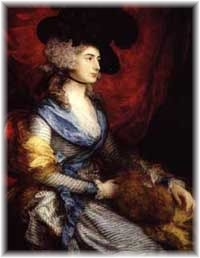
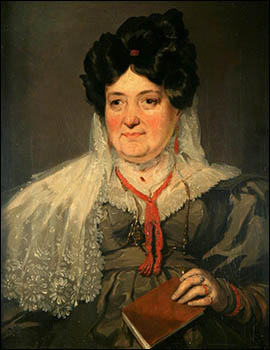
Ann Hatton ( Ann of Swansea) and Sarah Siddon #FamousSisters #relationships #families #stage #actresses, #authors #poetry @honno

Sisters Ann of Swansea and Sarah Siddon

Ann Hatton and her older sister Sarah, were the daughters of Roger Kemble and Sarah Ward, who led a troupe of travelling actors. Sarah was born in Brecon in July 1755, Ann, otherwise known as Ann of Swansea, in Worcester in April 1764. There were ten other siblings.

All, except Ann, were early performers on stage with their parents.Considered by her family to be unsuitable to be on stage, owing to a disability (she had a slight limp), Ann was more or less excluded from the family. Later in life she often said she received little love from her parents, and that her education was neglected.

In contrast Sarah was well educated, adored by her parents, and performed her first major Shakespearean role, as Ariel, at the age of nine.

Yet both fell in love with men whom their mother and father thought unsuitable. Ann, at the early age of sixteen, married a man called Curtis who was actually already married, and was later convicted and jailed for bigamy. She was considered to have brought disrepute on the family and was cast out by them; their only concern was their determination to validate their respectability within the theatrical world.

Sarah was dealt with in a different way. Initially sent away to work as a lady’s maid because she began a relationship with William Siddons, (one of the members of her father’s troupe), she was soon forgiven by her parents, who gave their blessing for her to marry William. Sarah was then allowed to continue her acting career. She was so outstanding that she was noticed by David Garrick, actor, playwright, theatre manager and producer, who took her to London to appear on the stage at Drury Lane, although her first role at Drury lane wasn’t a total success.

Rejected and isolated Ann became increasingly depressed and suicidal, actually attempting suicide in Westminster Abbey. She lurched from one catastrophe to another. After her failed marriage she attempted to earn her own money by working for a Dr James Graham, a sex therapist, who ran a business called the Temple of Health and Hymen, in Pall Mall. Her family was enraged to discover he advertised the lectures Ann gave as “given by Mrs Curtis, Mrs Siddons’ younger sister”.

In 1783, Ann produced her first volume of poems, (Poems on Miscellaneous Subjects). Again she gained her family’s wrath; she published the collection under the name of “Ann Curtis, sister of Mrs Siddons”.

The Kemble family was determined to disassociate themselves from Ann, so Sarah, joined with one of their brothers, granted Ann a yearly allowance, but only with a condition that Ann lived at least a hundred and fifty miles away from London.

The annual payment meant that Ann’s reputation and station in society became more acceptable, and in 1792 she married William Hatton.

They emigrated to America, and it was here that she wrote her opera libretto Tammany (otherwise known as The Indian Chief), which was given its première on Broadway. This was the first known libretto written by a woman.

Following the triumph of her libretto, Ann and William returned to Britain, and by 1799, had settled in Swansea in South Wales, where they ran a bathing-house and lodgings near the coast until William’s death in 1806. She then moved to Kidwelly. One of her poems, Swansea Bay, describes her emotions as she left Swansea. Eventually, she returned to Swansea in 1809 where she settled down to write her poetry and Romantic novels. These encapsulated themes of social and moral parody,(sometimes with gothic leitmotifs). She used the pseudonyms of “Ann of Swansea” and Ann of Kidwelly.

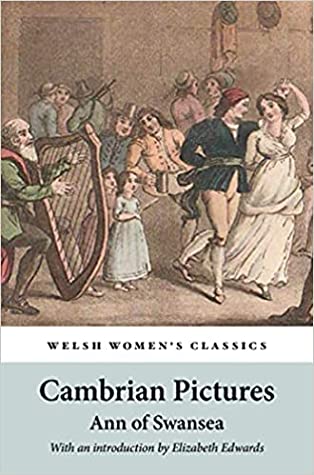
Many of her books were set in Wales; Cambrian Pictures, published by my publishers, Honno, is one of them.

Sarah and her husband William, took up the life of a travelling thespian, playing many parts all over the country. She cleverly chose roles that made her more popular, that protected her image and preserved her reputation as a wife and mother of five children, as well as an actress. This helped her to avoid any rumourmongering and scandal that usually plagued actresses at the time. She ultimately became Britain’s most renowned and highly paid actress in the 1780s, much sought after by equally famous painters, such as Sir Joshua Reynolds, to sit to have her portrait painted. She even gave private readings for the king and queen at Windsor Castle and Buckingham House. Reputed to have a striking stage presence she became most famous for her role as Lady Macbeth; a role she was reported as played to perfection, and she was also called the Queen of Tragedy.

But, after thirty years the marriage between Sarah and William became strained and they separated.

She retired from the stage in June of 1812, playing Lady Macbeth in Macbeth. So enthralled by her performance were the audience that they continued clapping when she finally left the stage and the play ended there.

She died in 1831 and was buried in St. Mary’s, Paddington. Her funeral was attended by thousands, and a statue of her was later created by Francis Legatt Chantrey and erected in Westminster Abbey (ironically, as I said, earlier, the place where her sister, Ann attempted suicide after her first marriage to the bigamist, Curtis, and when she was both ostracized by her family, and desperately poor). .

Ann died and was buried in 1838 in a churchyard in High Street, Swansea. She left most of her belongings to her servant Mary Johns, executor of her will, as a “very small remuneration for her affectionate, honest and undeviating conduct” for almost 16 years.

At no time in my research for this post, did I discover that the two sisters ever met again.

It occurred to me that, sometimes, it is only through fate and coincidence that estranged families are forced into contact. And so it is for the two sisters, Angie and Mandy (later known as Lisa) in my next book, Sisters. Due to be published by Honno on the 26th January 2023, I’m thrilled that it’s now available to be pre-booked.

.
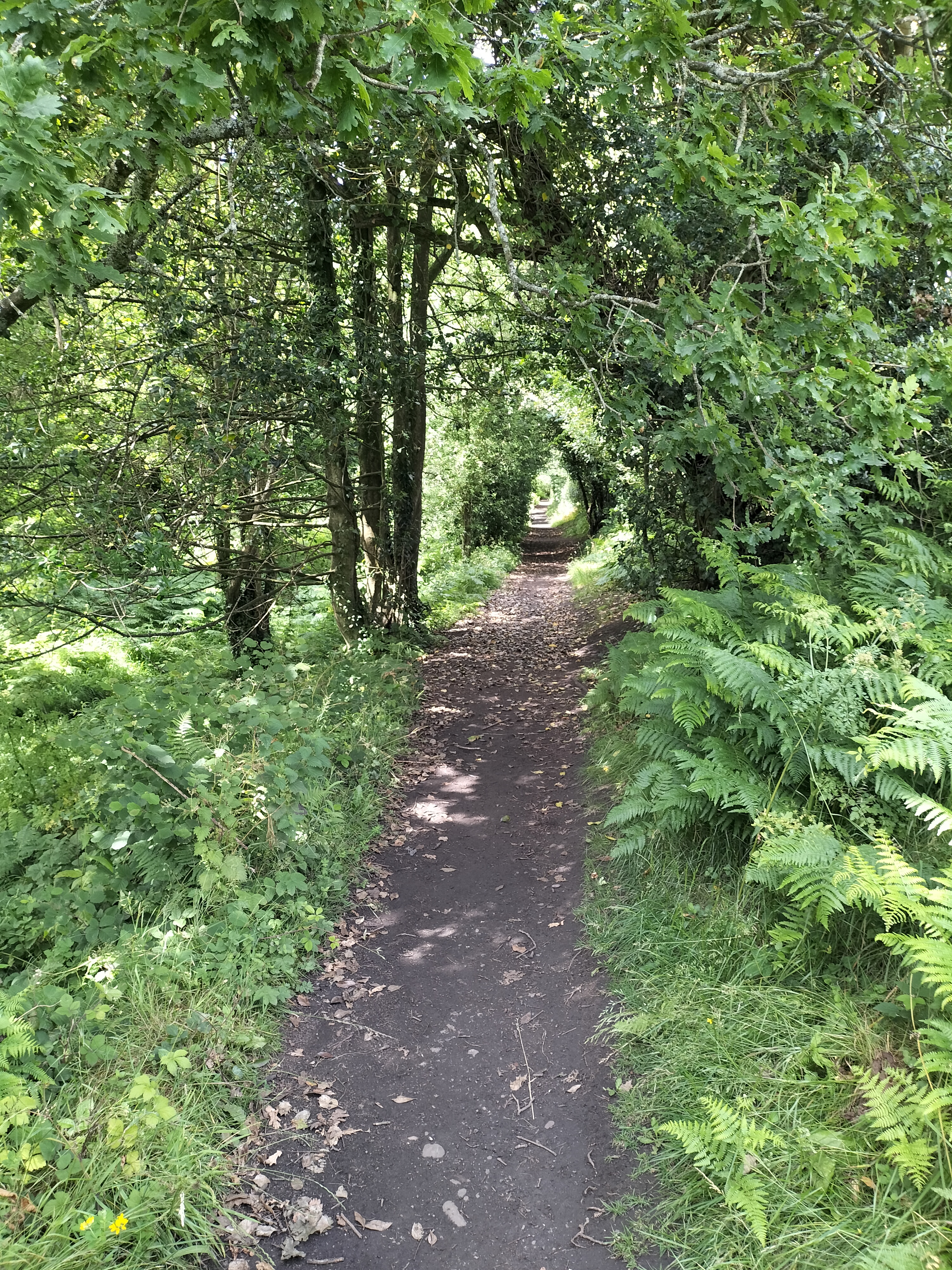
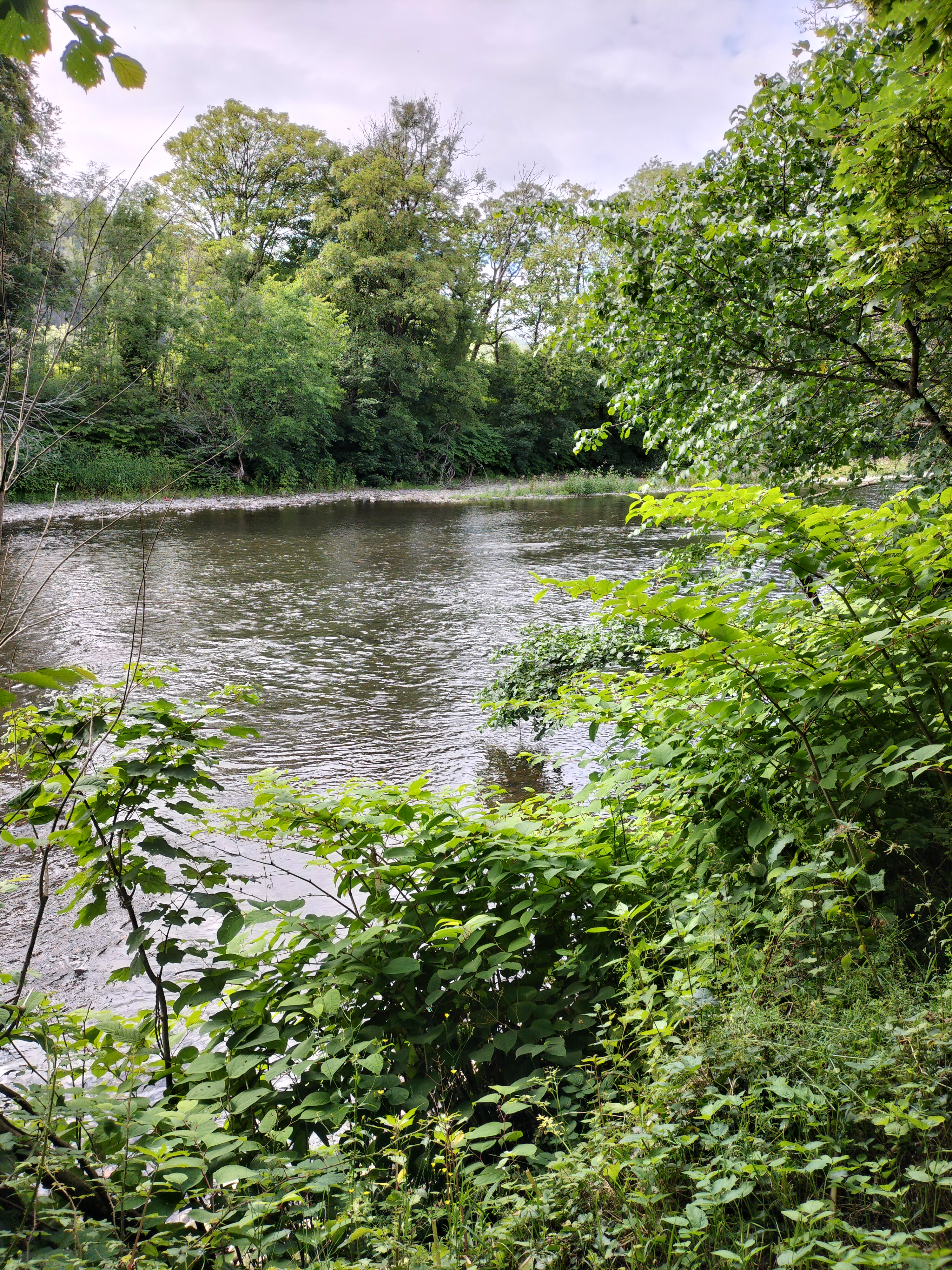
Walking the Taff Trail – Well a small section of it anyway. And more of a stroll than a walk. #walks #cycling #photos #ThursdayThrowback #memories #history

An update to my post: Tongwynlais: Historic tollhouse given new lease of life:https://www.bbc.co.uk/news/uk-wales-62718289

Edmundo Ferreira-Rocha, of Cardiff council’s Urban Park Rangers, and councillor Linda Morgan cut the ribbon at the opening ceremony. © Tongwynlais Historical Society.

© Tongwynlais Historical Society.

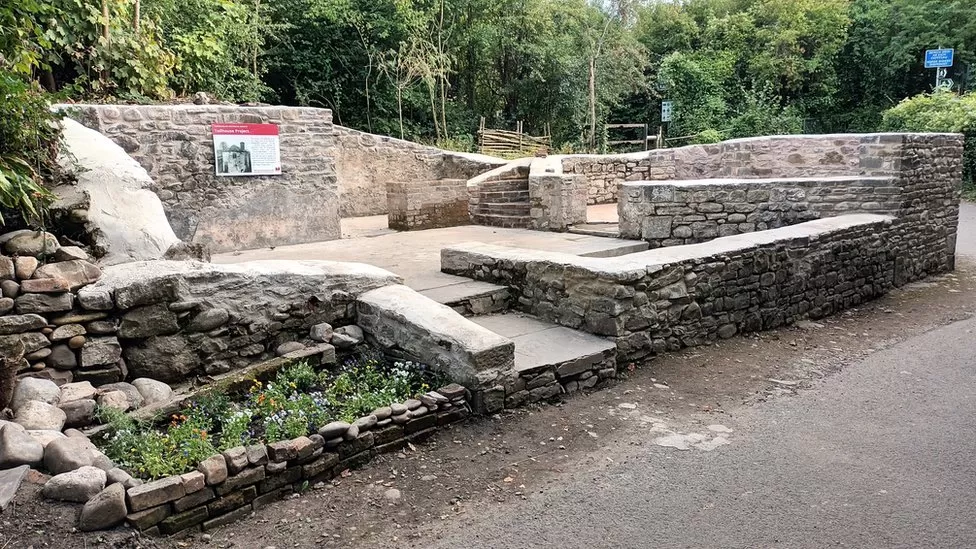
Villagers have restored the shell of a historic “unloved eyesore” tollhouse demolished more than 70 years ago. The original building was among hundreds used to collect money from 18th and 19th century travellers. Volunteers in Tongwynlais, on the edge of Cardiff, have spent more than a year rebuilding it as the first step towards creating a local history trail. “Our volunteers have been fantastic,” said Sarah Barnes, of the Tongwynlais Historical Society.

*******************************************************************************************************

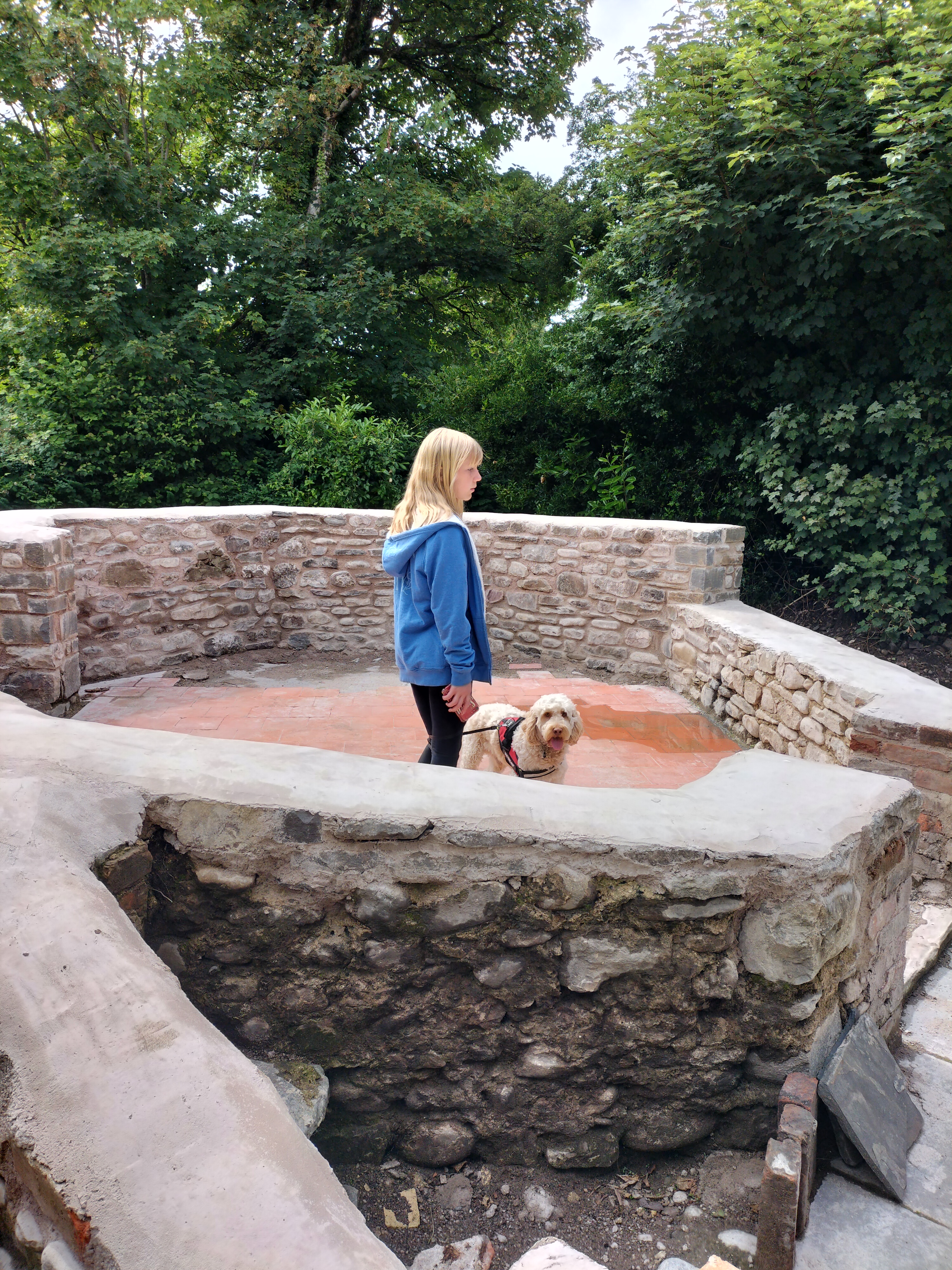
Before this wonderful restoration granddaughter and I walked the Taff Trailso thought you might like to see the before and after. Or, in the case of this blog, the “after and before”.

Put a lovely sunny day, with a dog desperate to go a walk, with a granddaughter who needs to be dragged from her mobile and bribed by the thought of a chocolate brownie and a drink of Sprite, and there was only one place to head for, the cafe in the garden centre at the end of the Taff Trail in Radyr.

The Radyr section of this lovely river walk is one we’ve done often

But this time we decided to meander along various smaller paths, even though we needed to retrace our steps numerous times. I was so glad we did because look what we found:

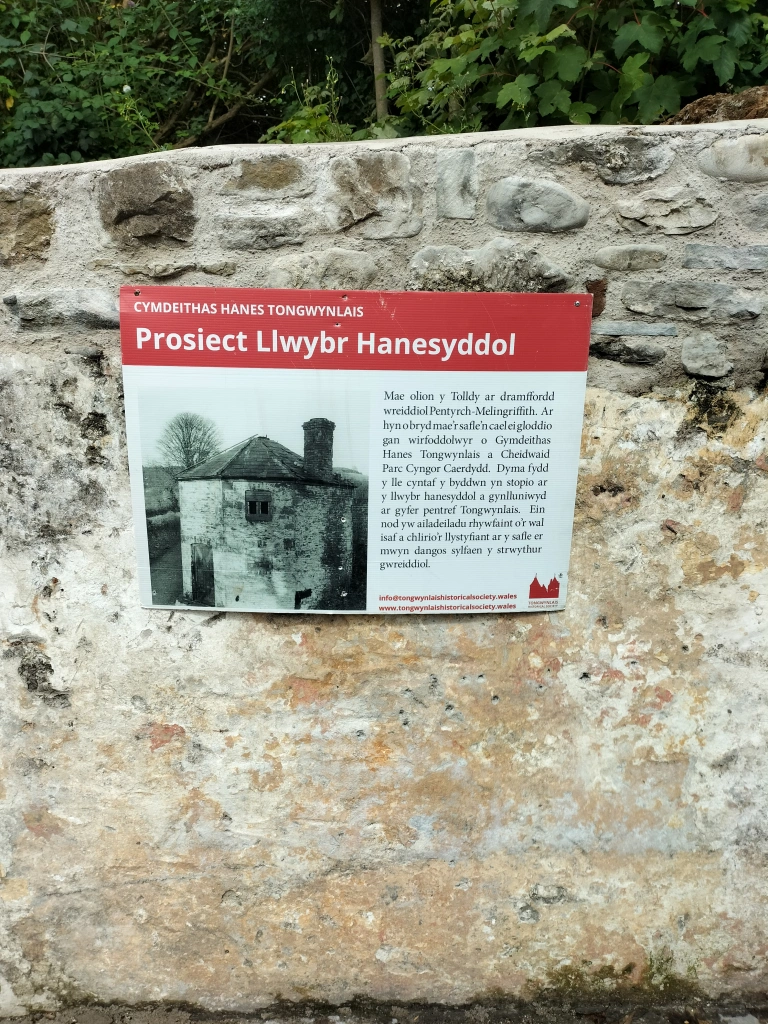
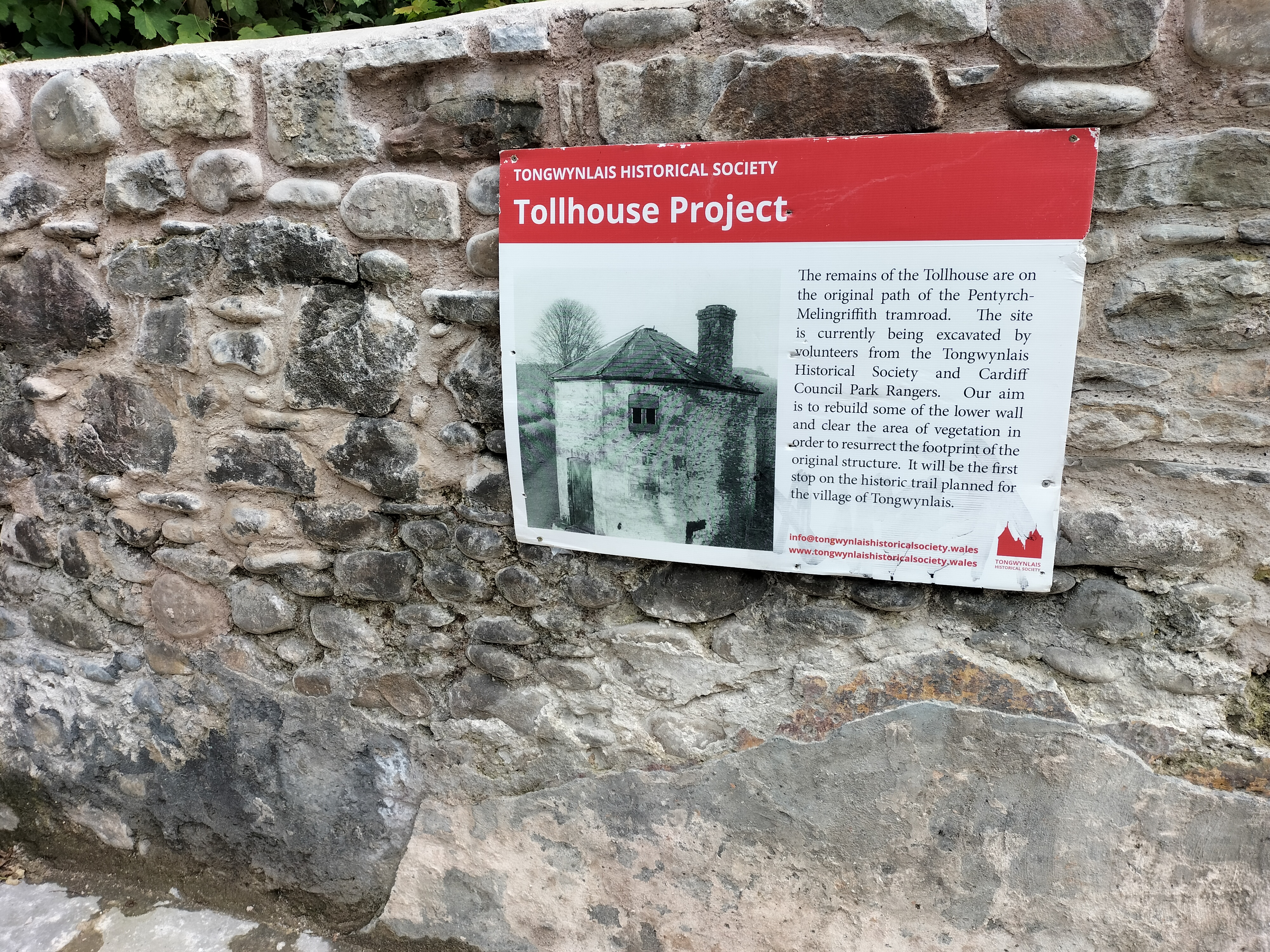
The tollhouse, once used by the Pentyrch and Melingriffith Iron and Tinplate Works in the late 1800s

Thanks to the Tongwynlais Historical Society ( co-founders,Sarah Barnes and Rob Wiseman) the Tollhouse returns to life. What was once nothing more than a few visible bricks covered in 70 years of vegetation, is now a recognisable shell complete with growing wildflower garden

I thought I’d better seek permission to add some of the photographs from the Tongwynlais Historical Society. I made contact with a very helpful chap, Jack Davies, whose fascinating website also contains an article about the Tollhouse and other history of the village: https://tongwynlais.com/history/

Granddaughter, Seren, with soulful companion, Benji, who patiently waited to continue his walk.

Seren also very kindly leant a hand to point out this lovely heart shaped stone, with a wonderful inscription:

Which immediately brought to mind (well, my mind anyway), my book, The Heart Stone, which was published by Honno, in 2021: So, never one to pass up on an opportunity…

The inspiration for The Heart Stone partly came from research for my degree on The First World War some years ago; a subject that both fascinates and repulses me. At the time I’d found my grandfather’s army records and discovered he’d volunteered to join the local Pals Battalion with two of his friends, although they were all underage.

I only ever remember him as a small man who spent his days in a single bed under the window in the parlour, who coughed a lot, and was very grumpy. He died when I was eight.

There was no conscription at the beginning of the war. The Pals Battalions were formed, to answer Lord Kitchener’s call for volunteers, by encouraging local magistrates to drum up community spirit and patriotic fervour.

 The gist of the speeches used were that young men,”…  should form a battalion of pals, a battalion in which friends will fight shoulder to shoulder for the honour of Britain and the credit of their town and villages.”

 My grandfather was gassed in 1916 near the Somme. He was also shell-shocked and was unemployed for the rest of his life. Once, my mother told me he had never spoken of his experience but had suffered nightmares for as long as she could remember. And that there were whole streets around the house where they’d lived where the men had never returned.

It’s a haunting image.

Four years ago, after my mother passed away and we were clearing her home, I found my grandfather’s army papers again.

 During the following week, whilst my husband and I were walking along the Pembrokeshire coastal path, we found a smooth stone, almost heart shaped, placed on top of a cairn amongst the Marram grass. Picking up the stone to examine it, a folded paper blew from underneath. There had been words on it but were, by then, indecipherable.

 A love note, I thought; a love note under a heart shaped stone.

 A love note, under a heart shaped stone, from a young man who had never returned.

 And so The Heart Stone started to form.

The Heart Stone was published by Honno Press in Feb 2021

And a Review of The Heart Stone:

https://amzn.to/3bCkx8w

And a buying link:

Amazon.co.uk: https://amzn.to/3hupbc1

Also available from Honno

And a little bit about me:

I’m,originally from Saddleworth, a group of villages on the edge of the Pennines, but have lived in Pembrokeshire, Wales, for over forty years.

I have an MA in Creative Writing with the University of Wales Trinity St David’s College, Carmarthen. BA (Hons) in Literature with the Open University, a Diploma in Drama from Swansea University. I’m also is a Creative Writing tutor and hold workshops on all genres.

And here I am:

https://twitter.com/judithbarrow77
https://www.facebook.com/judith.barrow.

My Review of African Ways by Valerie Poore #memoir #TuesdayBookBlog


african


Book Description:

This is the story of a young woman’s first encounters with rural South Africa. Coming from the all-mod-cons society of Britain at the beginning of the 1980’s, the author is literally transplanted to a farm in the foothills of the Drakensberg mountains in what is now Kwazulu Natal.

Once there, she finds her feet in the ways of Africa
with the help of a charming, elderly Dutch couple, 
an appealing but wily African farm hand, his practical and motherly daughter and a wise and fascinating neighbour who has a fund of local knowledge.

These are tales of a different kind of life, which
include living without electricity, hand-milking cows, drought, veld fires and mad-cap adventures into the unknown.

They are stories told with deep affection and respect, and above all a liberal dose of tongue-in-cheek humour.


My Review: I gave  African Ways 5*out of 5*

Valerie Poore’s African Ways is a brilliant memoir that draws the reader in from the first page.

It is obvious from the beginning how much this author opens herself to people, places…and adventures that most of us would back away from.

I was enthralled throughout by her wonderful descriptions of the land where she made her home with her husband and two young children for three years in the 1980s ( a farm in Natal, South Africa). The love she has for the country and for the neighbours and friends that surrounded her (some with such fabulous names!) shines through in  her writing.

Despite everything: the droughts the families endured, the fires ( I was riveted by her portrayal of the unbelievably brave way she, her husband and friends battled against one fire and then, though exhausted, continued their BBQ), the venomous snakes, the swarm of bees that invaded her home and the lack of electricity, it is obvious she embraced the whole experience. 

And, threaded throughout the author reveals her superb  sense of humour; there are some great ‘laugh out loud’ stories and even some chuckles, despite the dangers, recollections.

African Ways is a memoir I can thoroughly recommend. In fact I would say, you should…really you should…read this book. 

Buying Links:

Amazon.co.uk: http://amzn.to/2mYreIN

Amazon.com: http://amzn.to/2mWSp6Y


Valerie Poore


Val Poore was born in London, England, and grew up in both north London and the west of Dorset. After completing her degree in English, History and French at Bournemouth, she took a further course in the conservation and restoration of museum artefacts at Lincoln College of Art which qualified her for nothing at all really. She then spent two years doing furniture restoration before going to South Africa in 1981 with her husband and small children. 

Valerie left South Africa permanently in 2001 and has settled in the Netherlands, where she shares her time between a liveaboard barge in Rotterdam and a cottage in Zeeland. She teaches academic and business English on a freelance basis and still writes in her spare time, although she admits there’s not enough of that at the moment. In fact, she has been writing since childhood and wrote stories, articles and radio plays for years before embarking on her first book in 2005. Val loves travelling especially when it involves roughing it a bit. She feels that she has better adventures and more interesting experiences that way. 

She has written six books altogether: the Skipper’s Child (teen/kidult fiction), How to Breed Sheep, Geese and English Eccentrics (sort of grown-up, humorous fiction), Watery Ways and Harbour Ways (memoirs of her first years of living on a barge in Holland), Walloon Ways (three years as a weekend Belgian) and African Ways (a memoir her life on a farm in South Africa). Her seventh book (another novel) is in progress but is taking rather longer than she had hoped. This is simply due to real life getting in the way.