
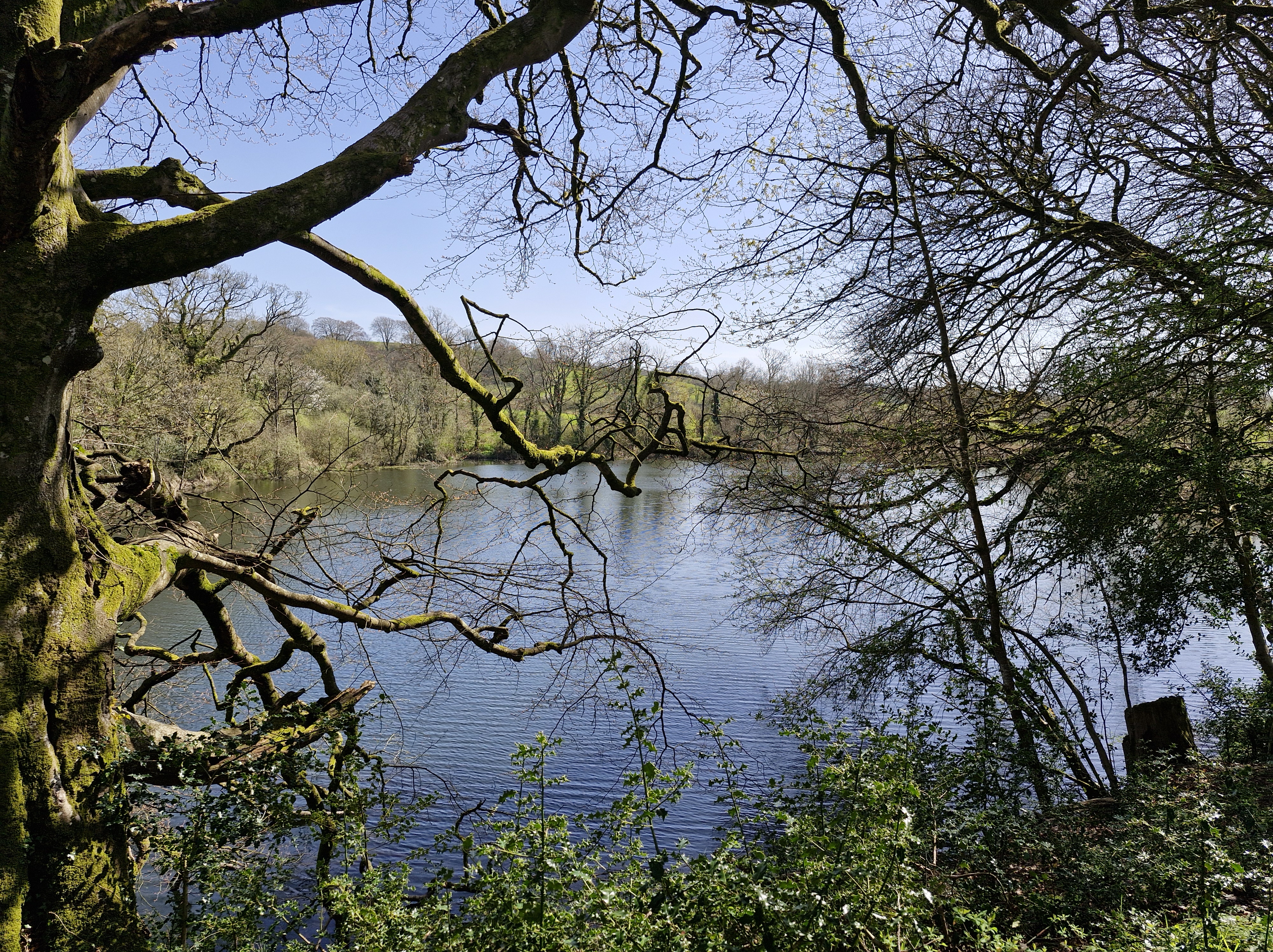
Or rather sauntered, because that’s the only way to take in these glorious grounds and to study the abundance of plants that are Indigenous to so many countries in the world’s largest single-span glasshouse.
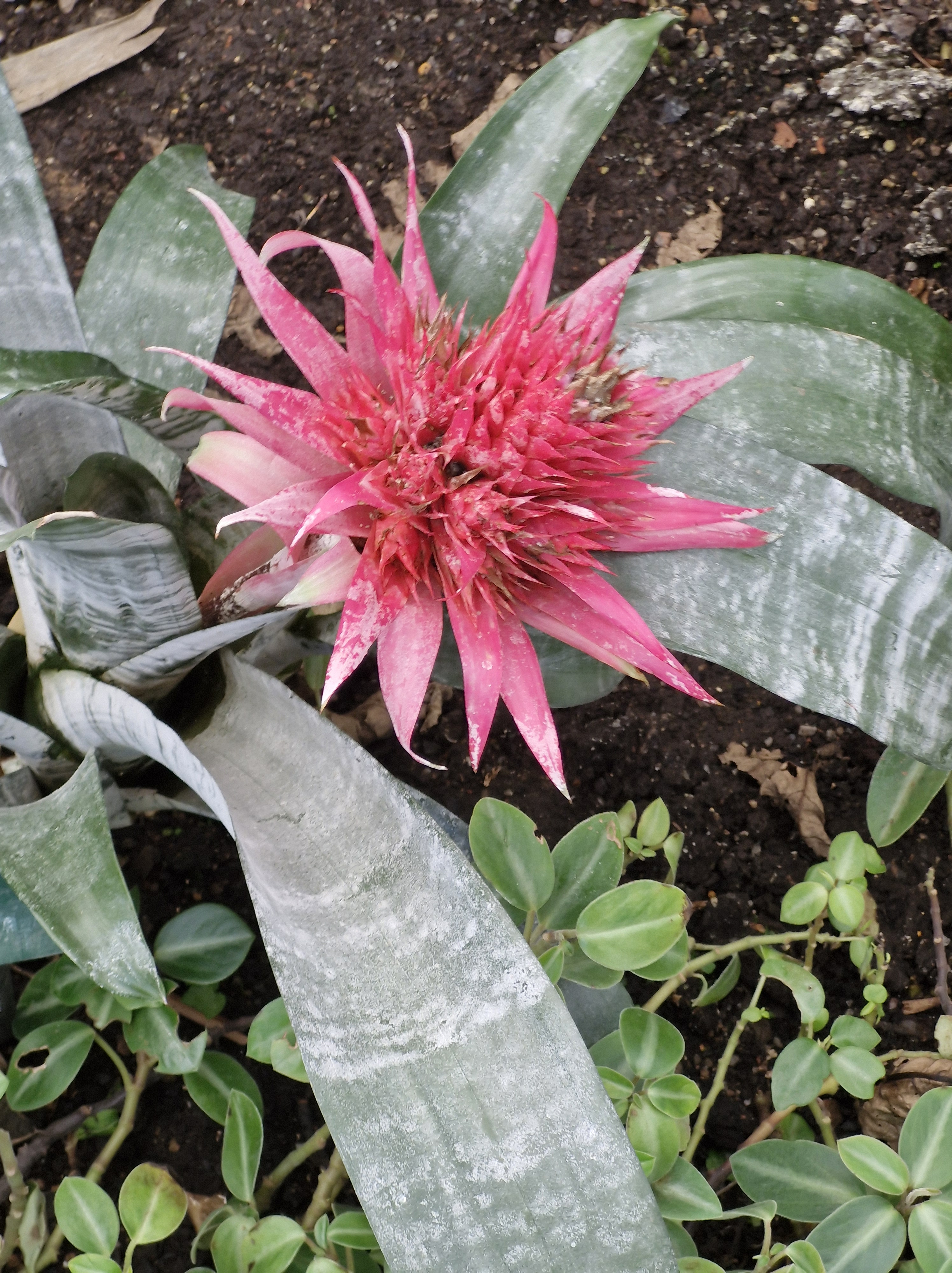
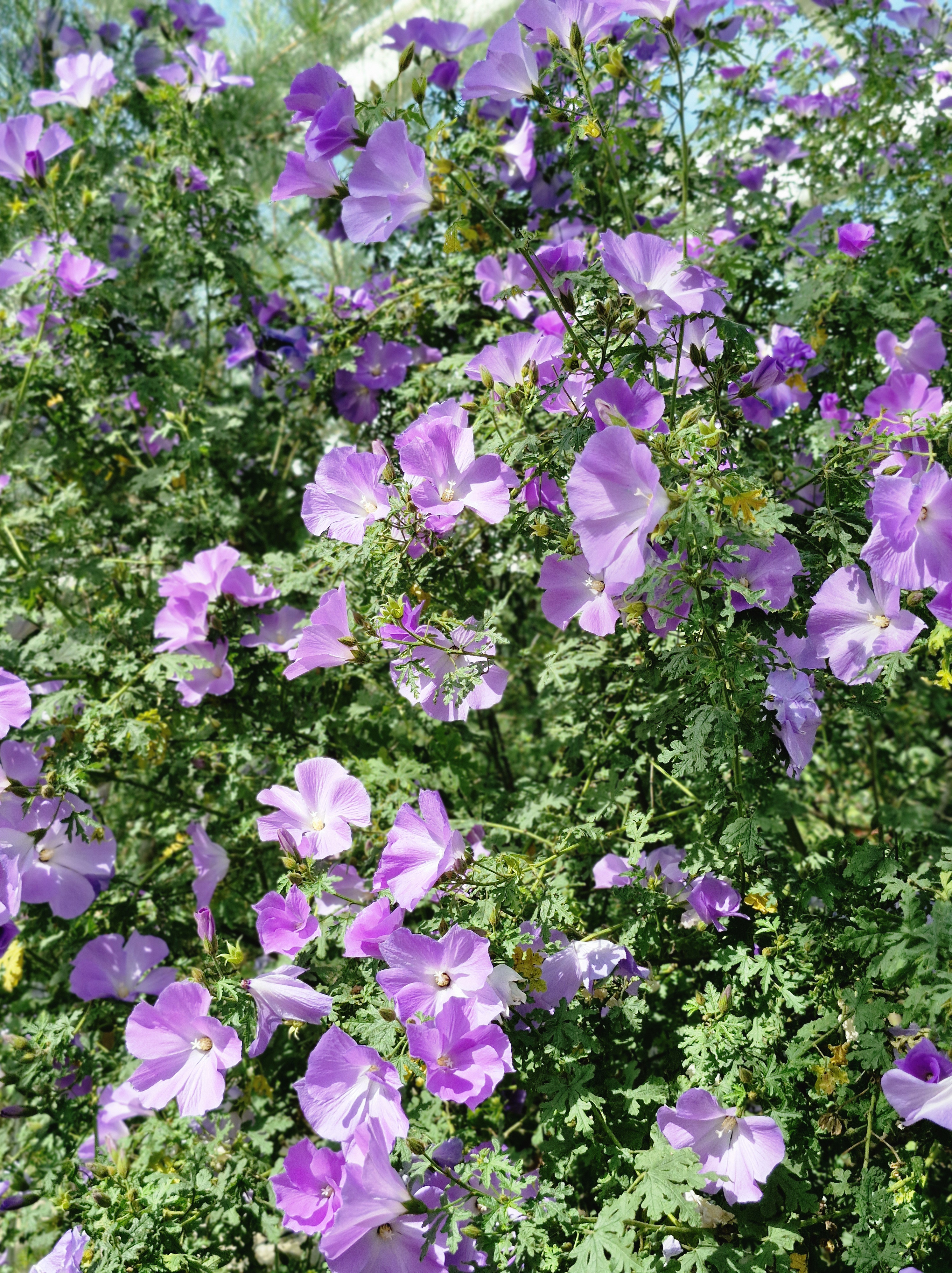

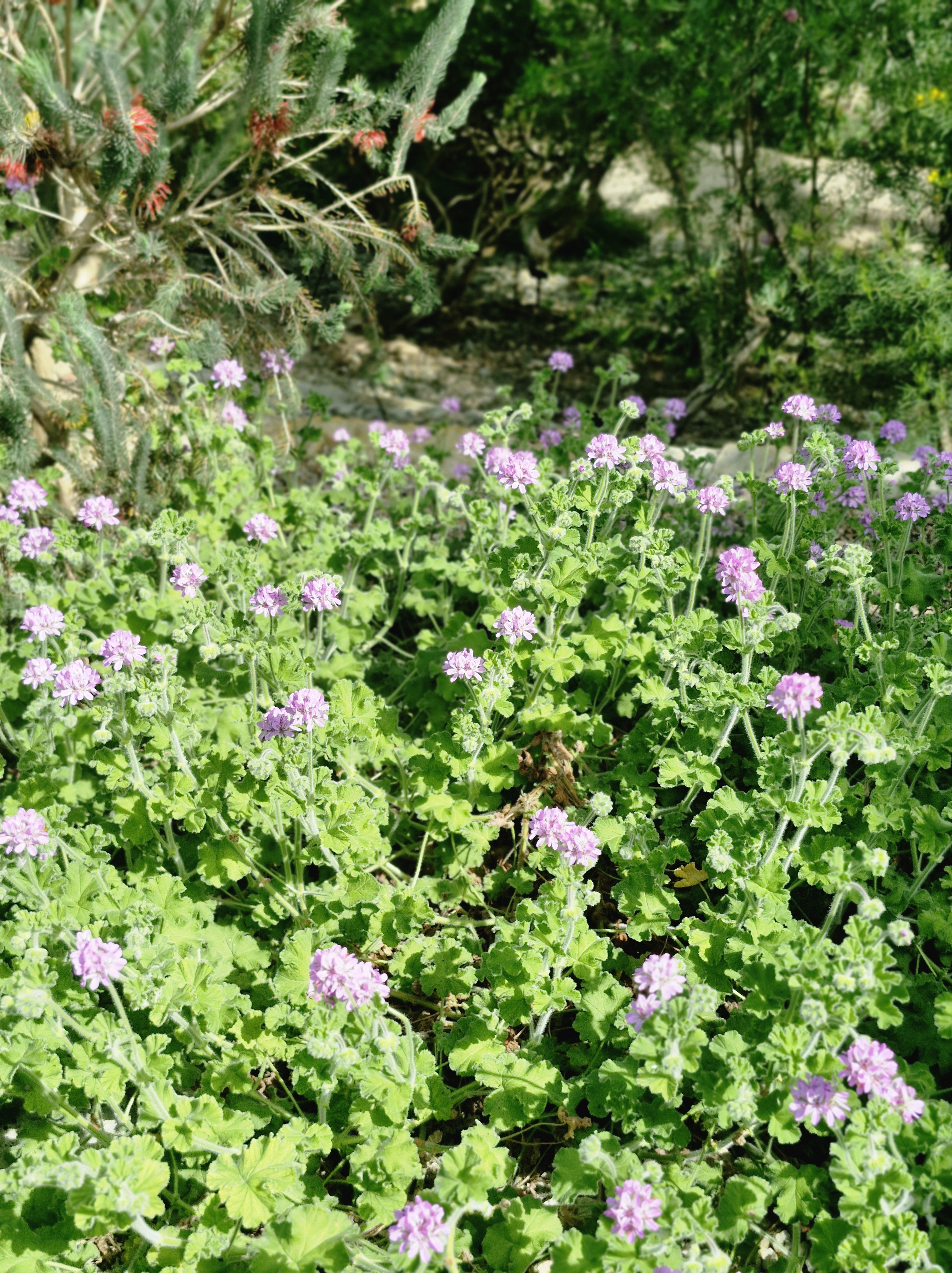
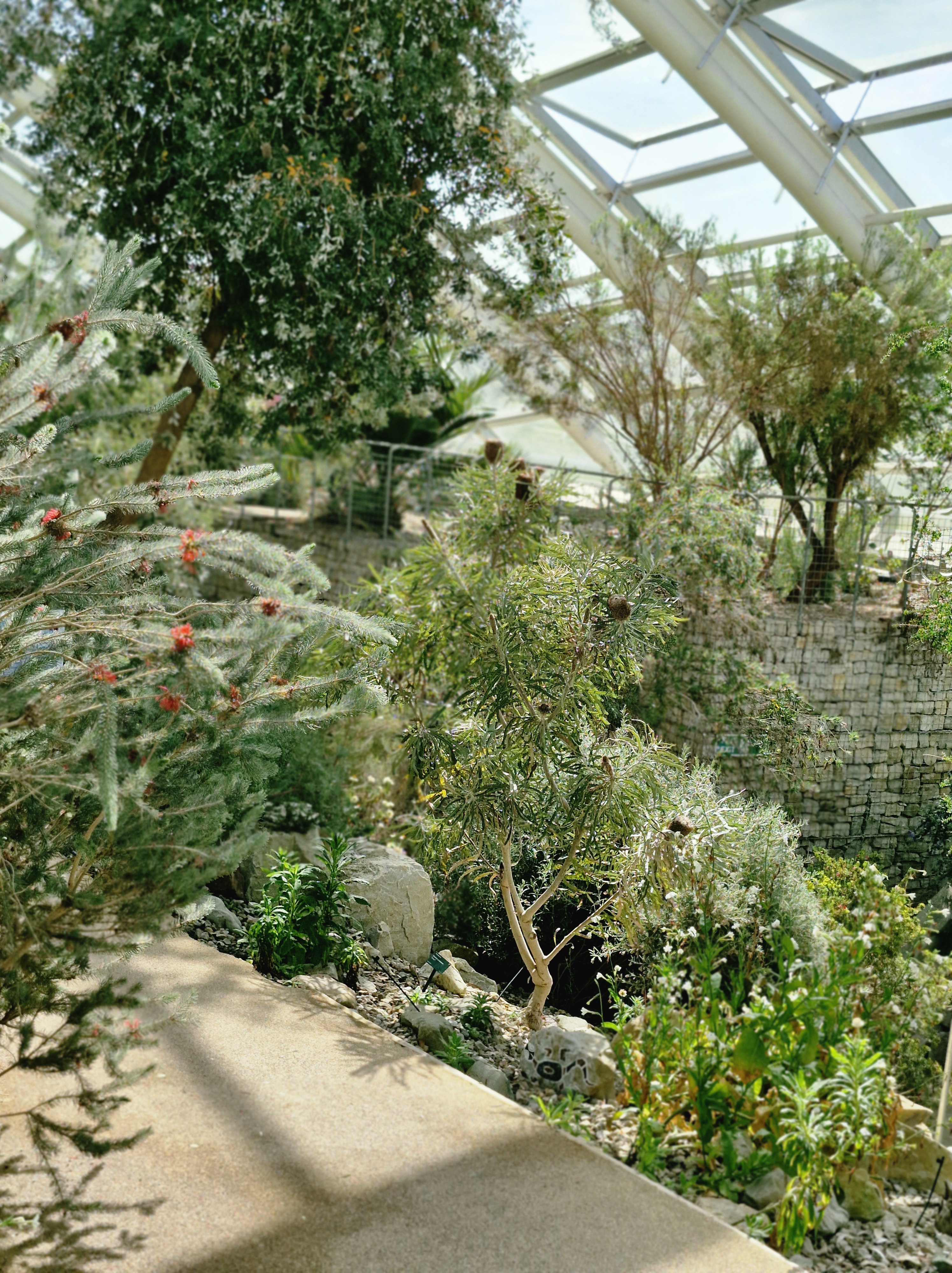
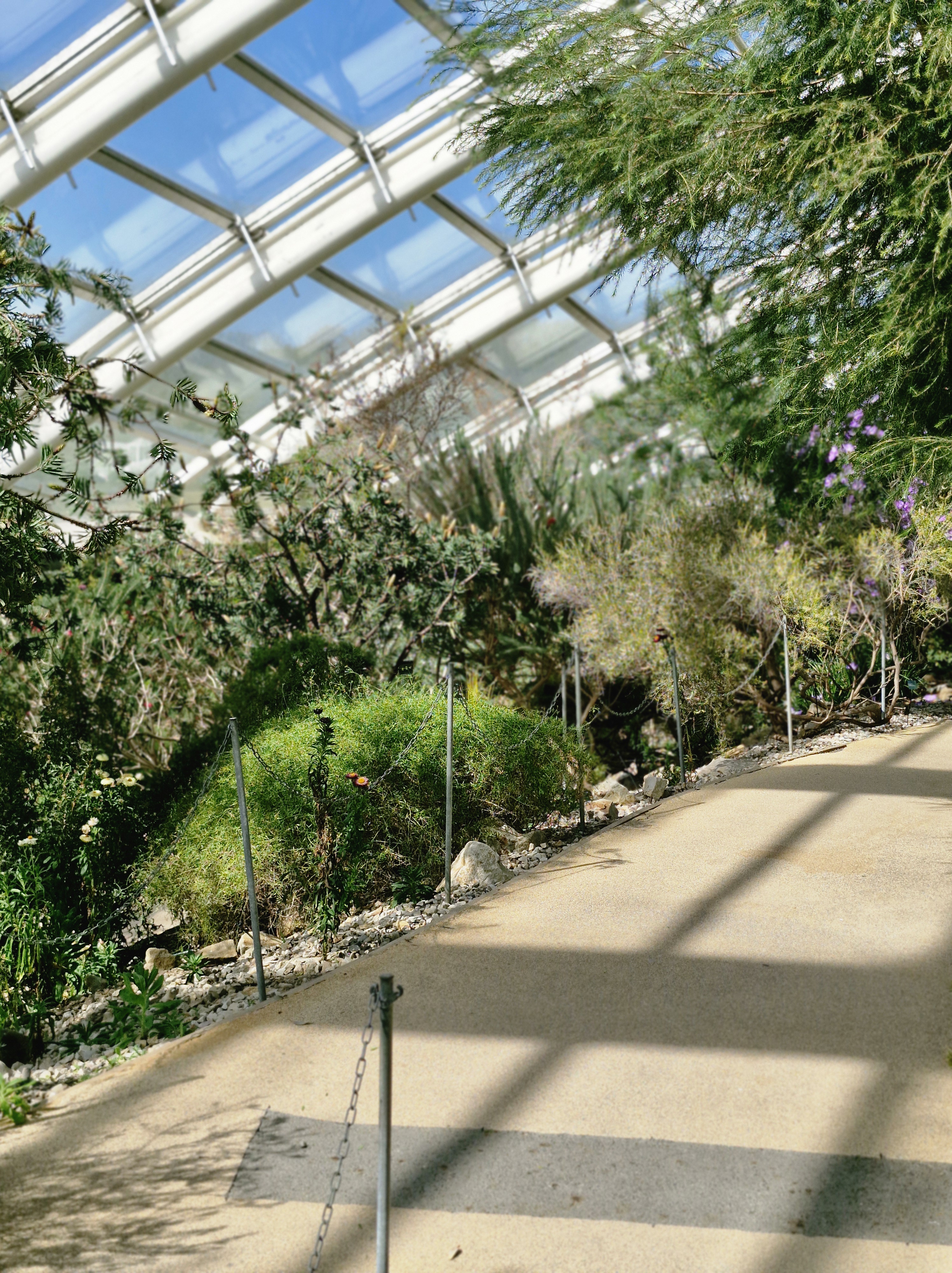
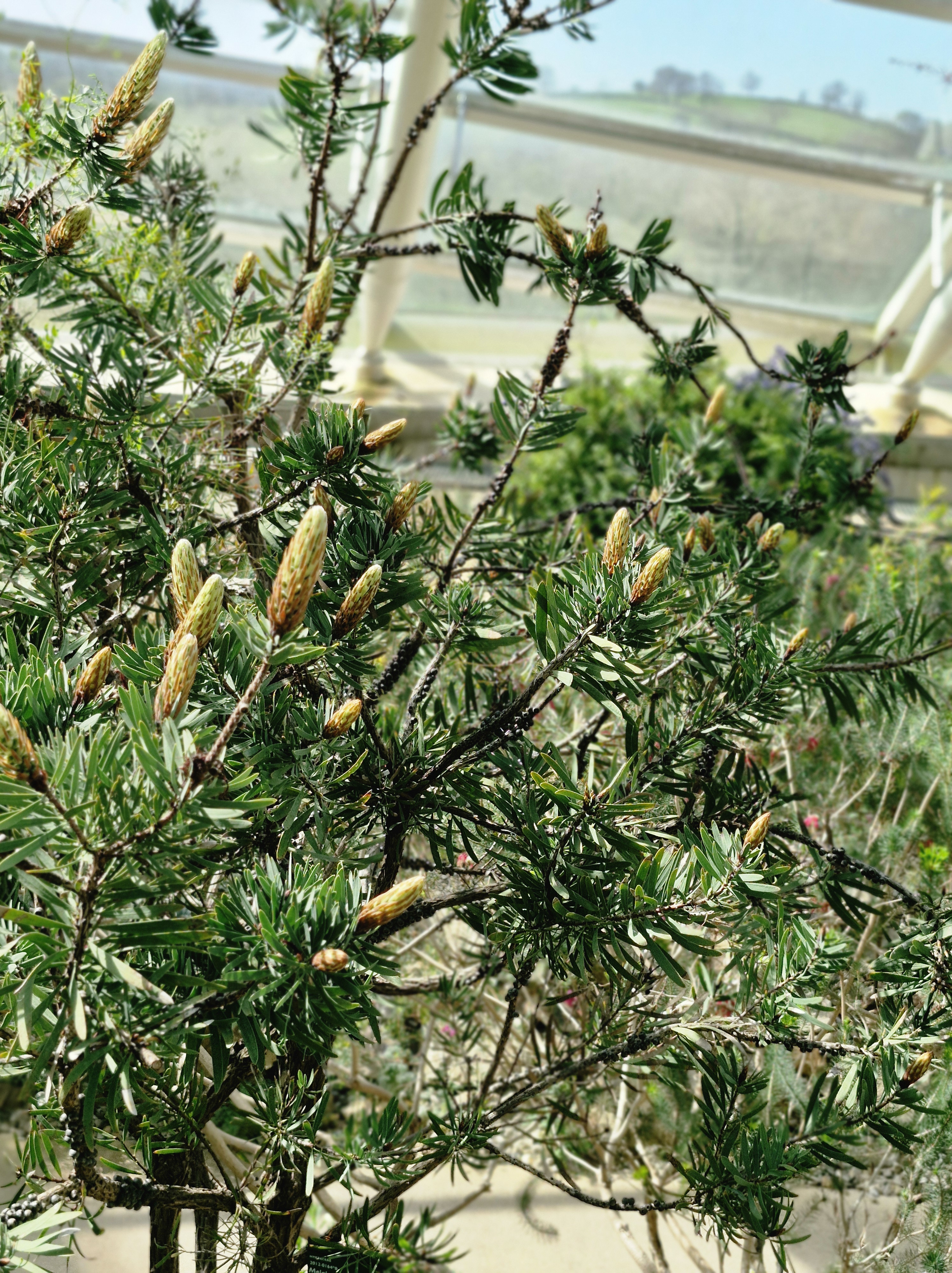
The National Botanic Garden is located at Llanarthney in the River Tywi valley, Carmarthenshire, Wales, not too far from our home. So, not only are we lucky enough to live near the stunning Pembrokeshire coast, these impressive gardens are also almost on our doorstep. How fortunate are we!
And, on the day of our visit we had the one day of glorious weather that week.
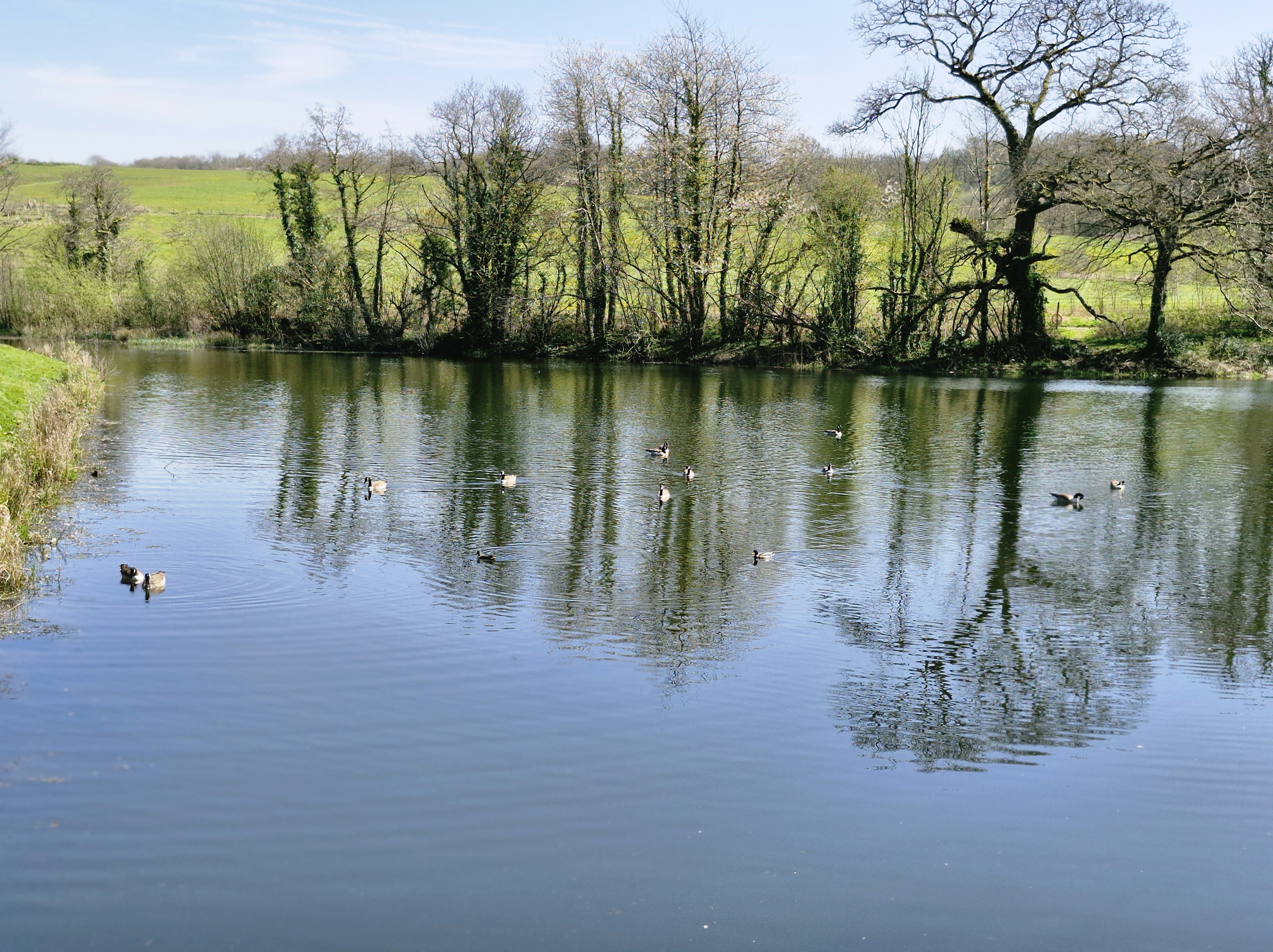
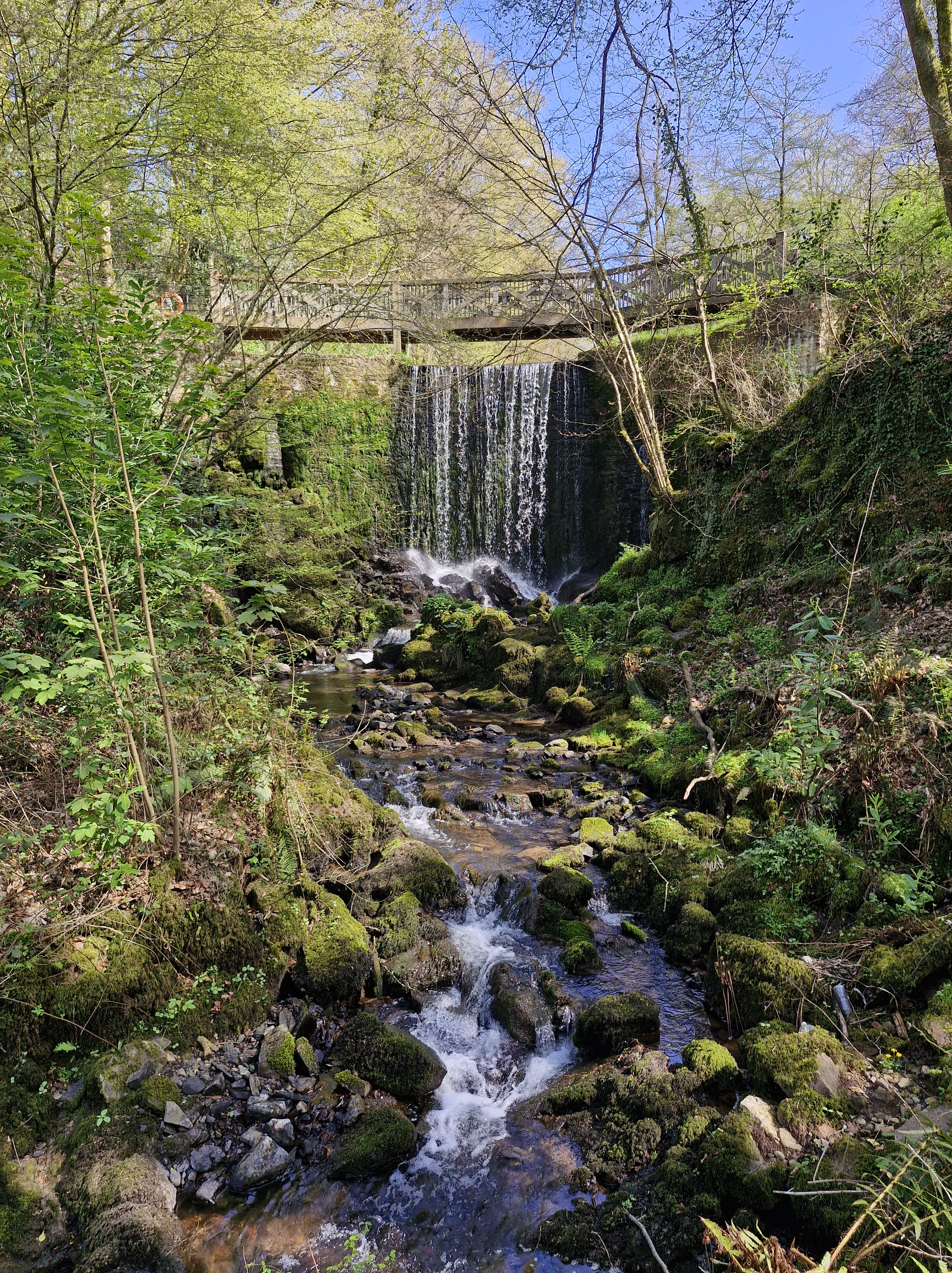
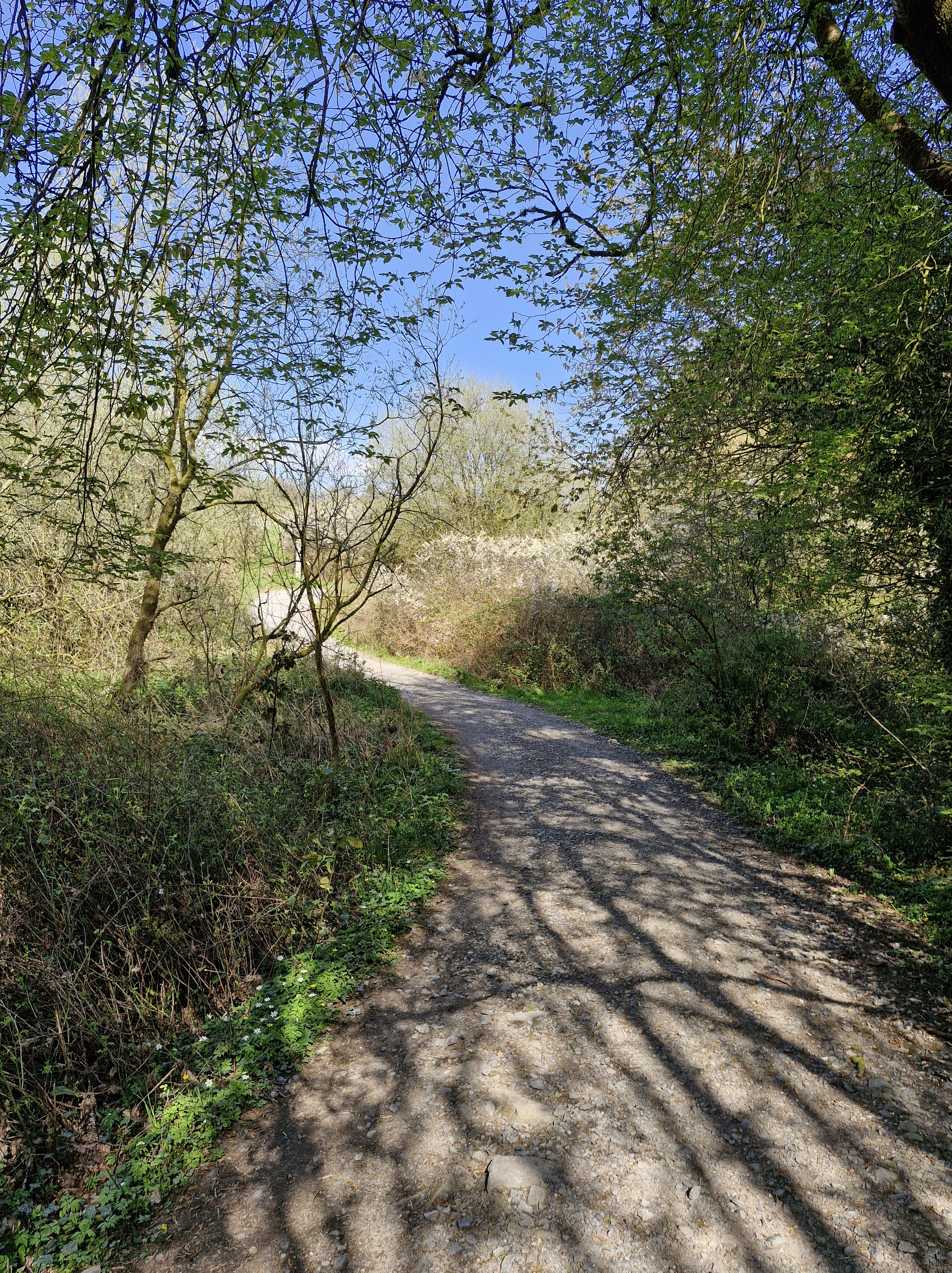
The National Botanic Garden of Wales is on the former Middleton Estate.
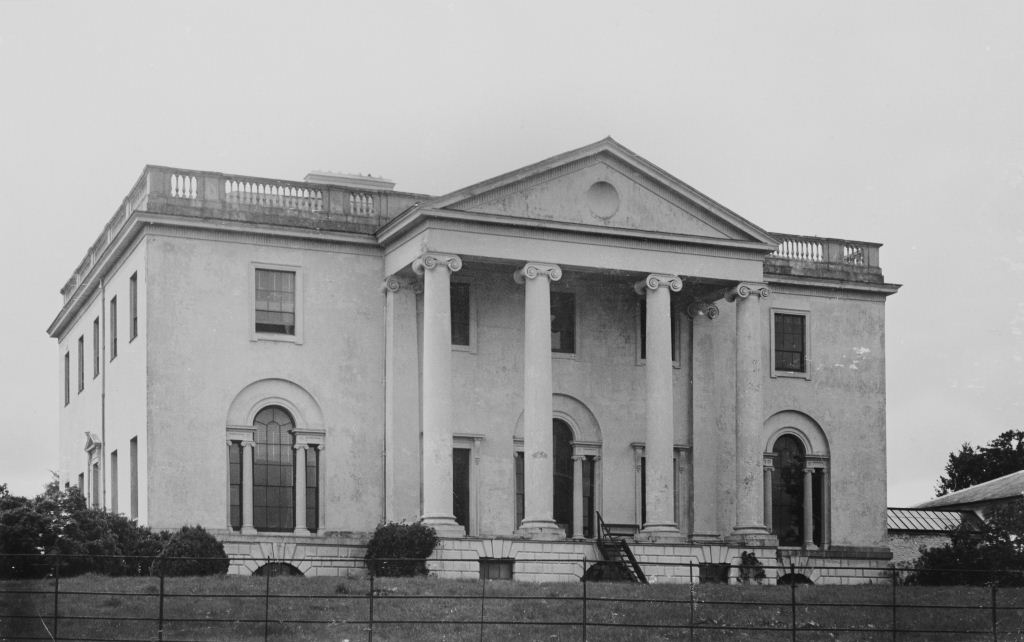
The Middleton Estate was so named after the three Middleton brothers from Chester, who helped set up the East India Company in 1600 in order to trade in highly profitable spices.
Two hundred years later, in 1789, William Paxton returned to Britain from being the Master of the Mint in Bengal for the East India Company. With the fortune he had made in India and together with his business associate, Charles Cockerell he employed Charles’ brother the architect Samuel Pepys Cockerell to design Middleton Manor. Paxton had the park laid out: planting trees, damming streams to form four lakes and waterfalls, having bridges and bath houses built. He also had a folly constructed to commemorate Nelson’s heroic deeds in the Battle of Trafalgar, named Paxton’s Tower.
In the 1930s there was a fire that destroyed Middleton Manor. The remains were subsequently demolised in 1954. Only the foundations arestill visible.
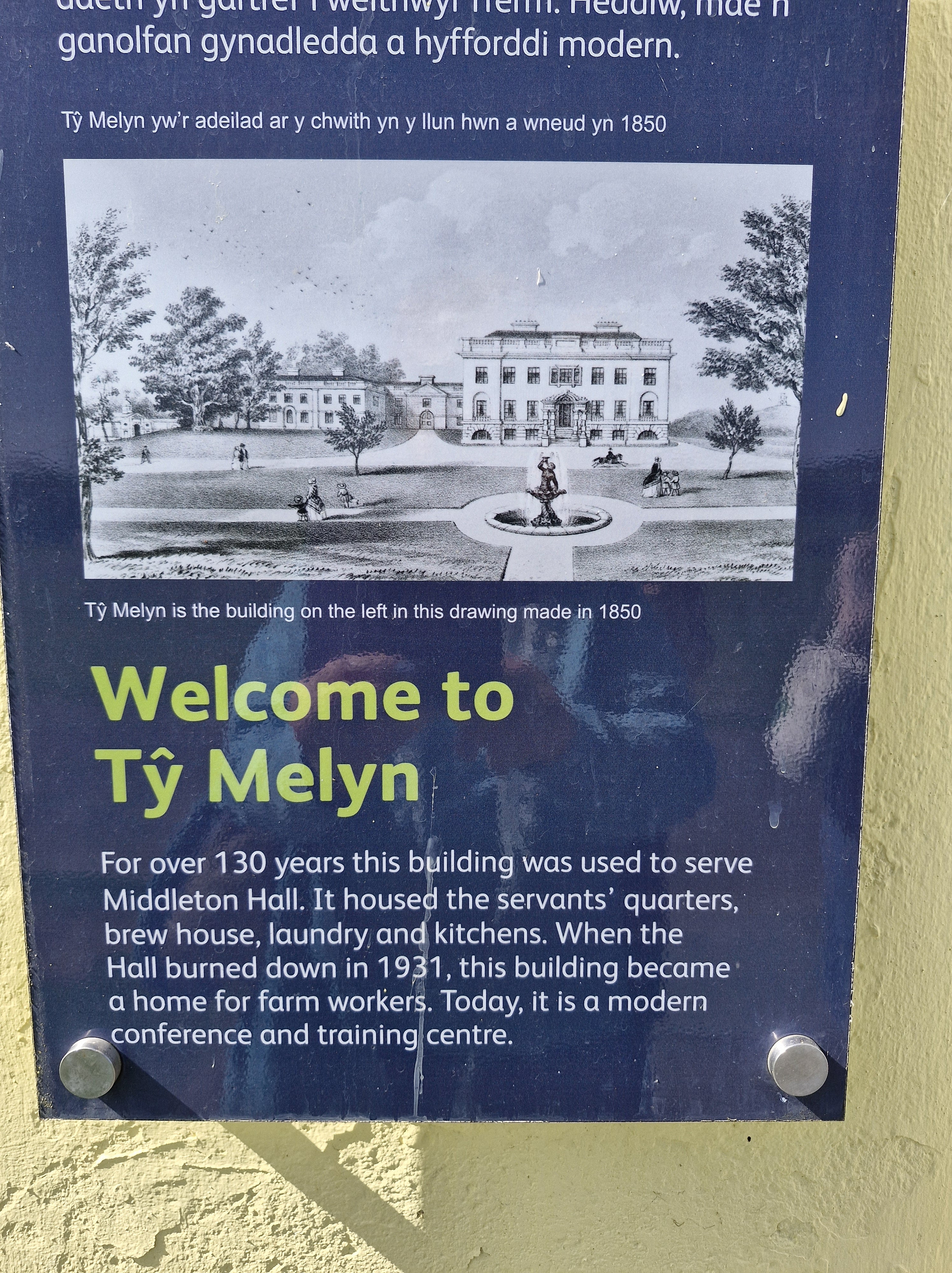
Ty Melyn is now a venue for conferences, board meetings, training days. seminars, presentations, exhibitions etc.
Other buildings which survived were the stable buildings (now a café (( delicious food!!)) a gallery and offices) an ice-house and the double-walled garden with the remains of its Peach-house.
There is/has been acknowledgement of the unease about the heritage of the land that the Botanical Gardens stands on. Read more on this: https://tinyurl.com/227k9eyc. And there is an excellent article written by Meurig Williams under the umbrella of Nation Cymru: https://tinyurl.com/52v3ckf5.
But this shouldn’t detract from the initial and ongoing aims of National Botanic Garden of Wales, which is a charity backed by the Welsh Government. Since its opening it has been dedicated to research, conservation of biodiversity and sustainability, and lifelong learning and the enjoyment of the visitor.
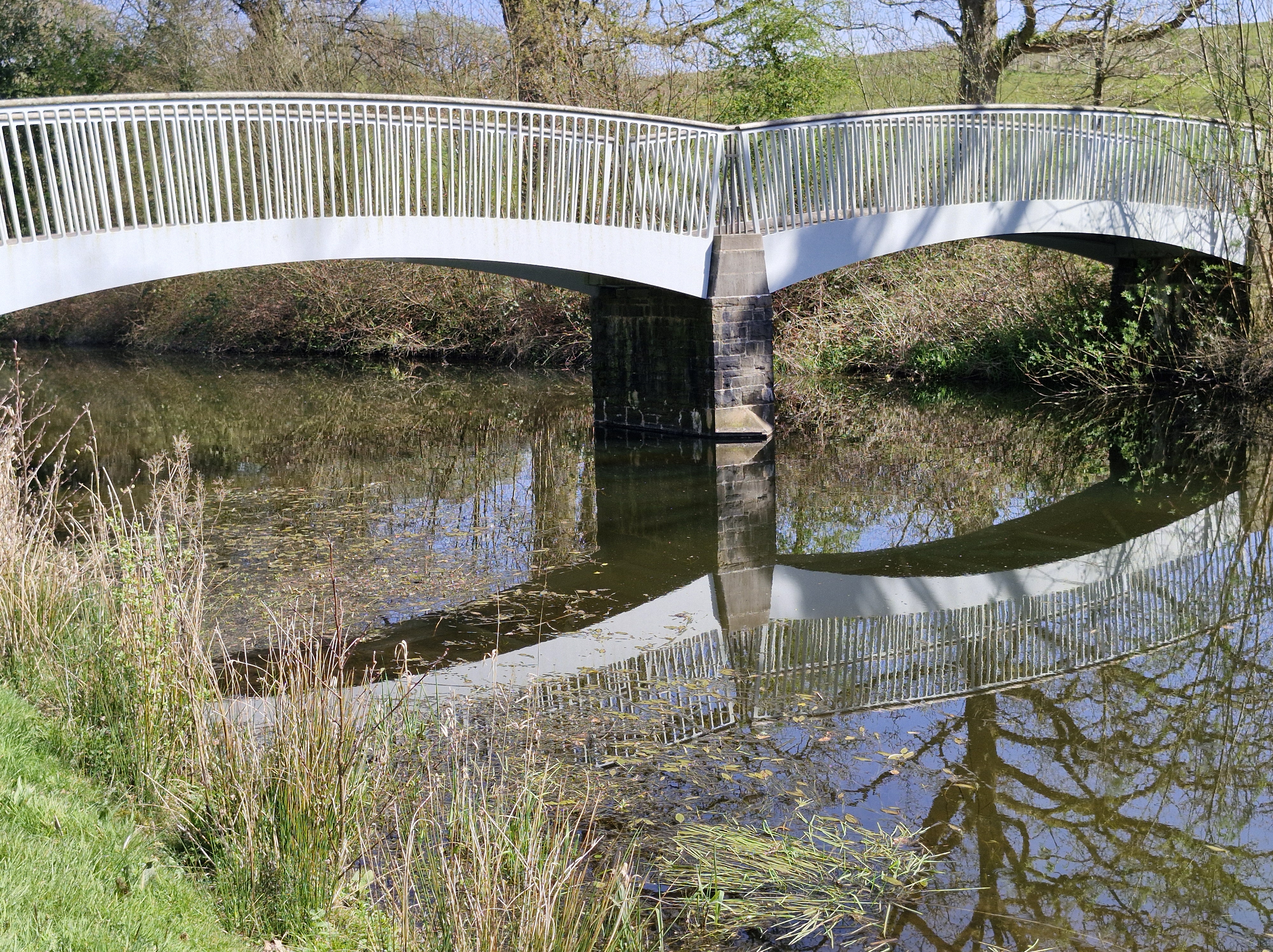
Opened in May 2000, the site of the gardens was partly chosen because it was an example of the grand scale garden design of past eras. And the fundamental principles of the National Botanic Garden of Wales are strictly adhered to.
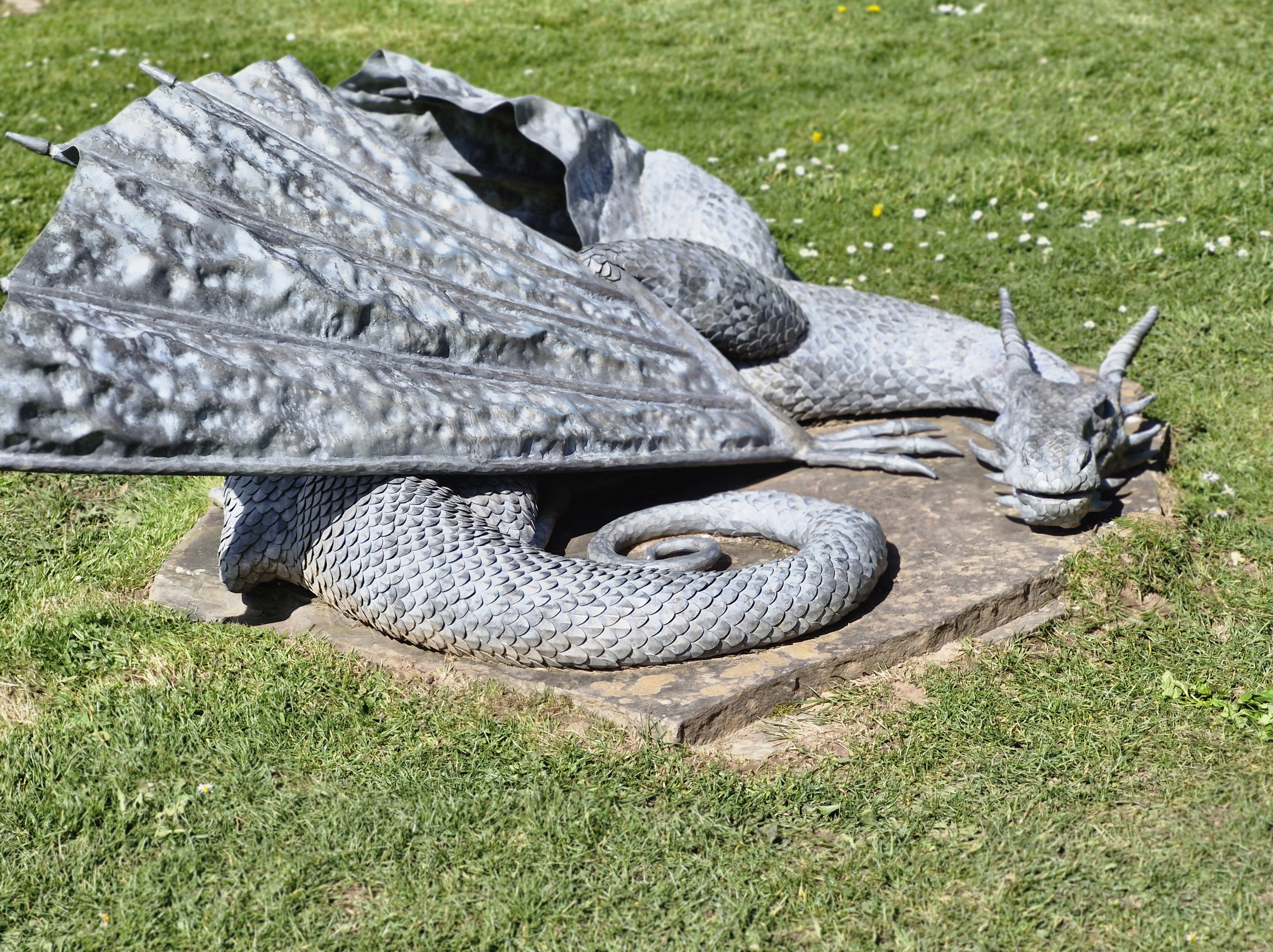
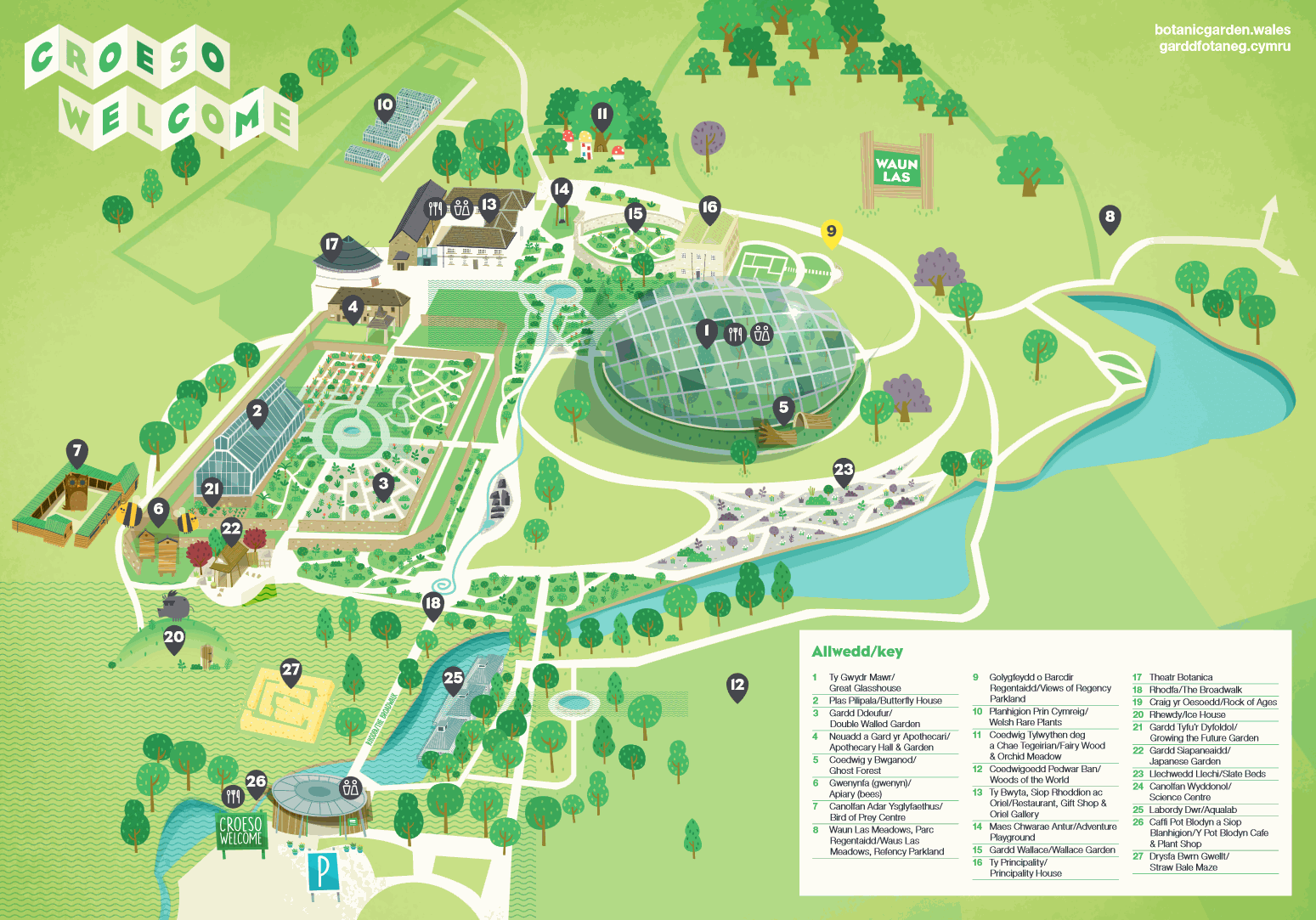
We’ve visited the gardens many times over the years, different times, different seasons, for different events. There is always much to see, much to enjoy.
This time I also learned that a certain Welsh Suffragette lived here at one time. During my research for the prequel of my Haworth Series, A Hundred Tiny Threads, I discovered that many Welsh Suffragettes and Suffragists joined the peaceful march to London in 1913. I’ve given many talks on that event. Tempted to write a post about her…
Discover more from Judith Barrow
Subscribe to get the latest posts sent to your email.
 Judith Barrow