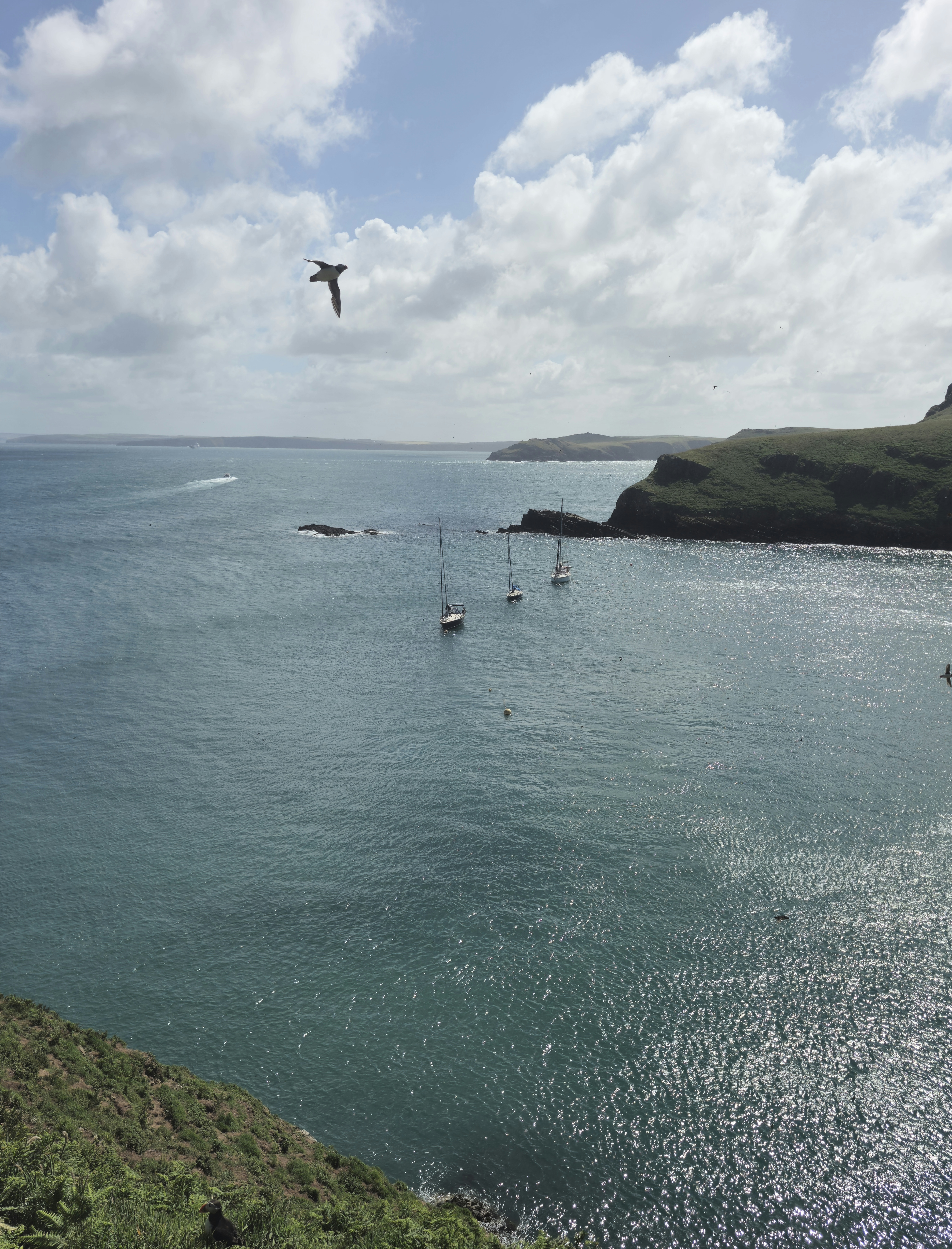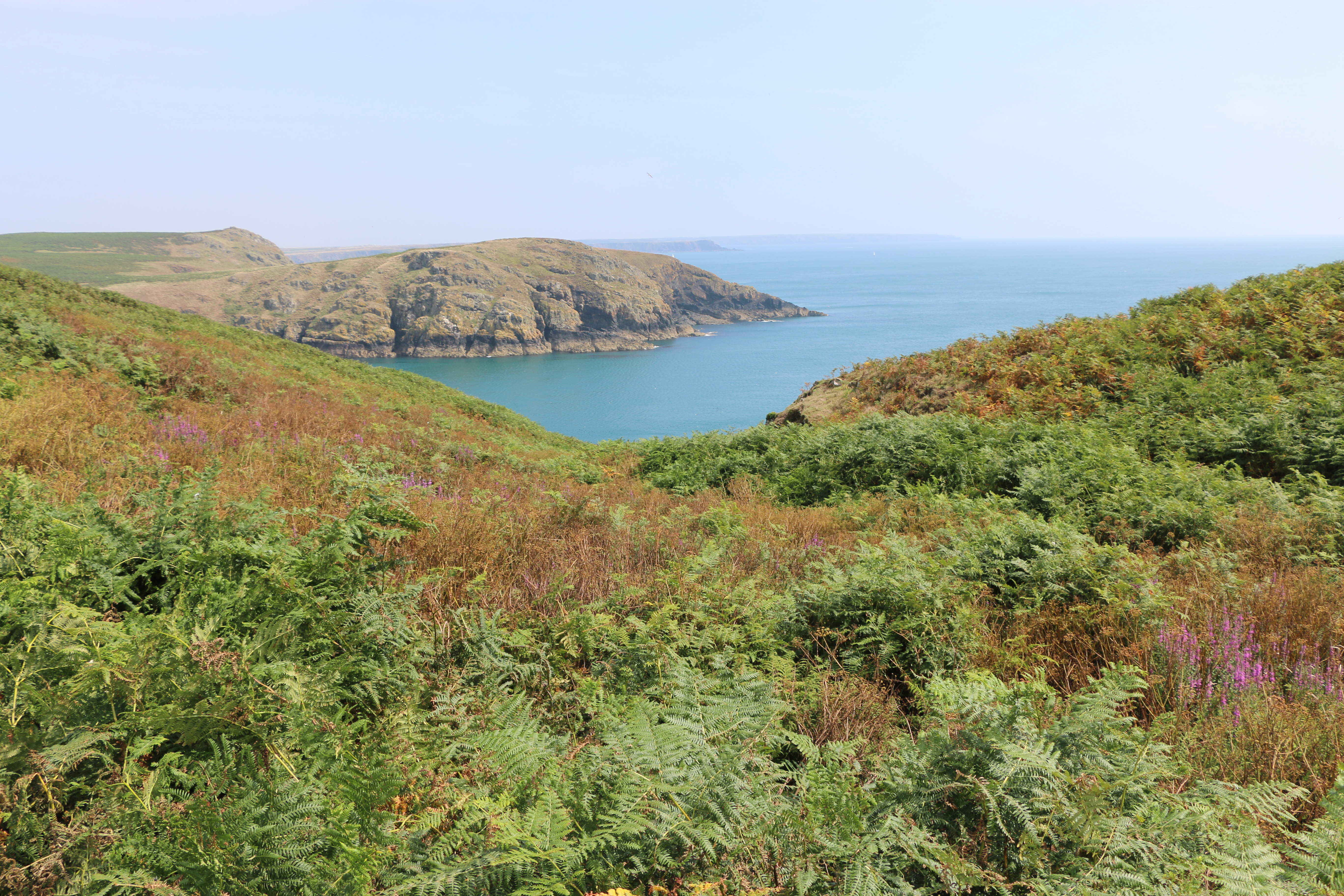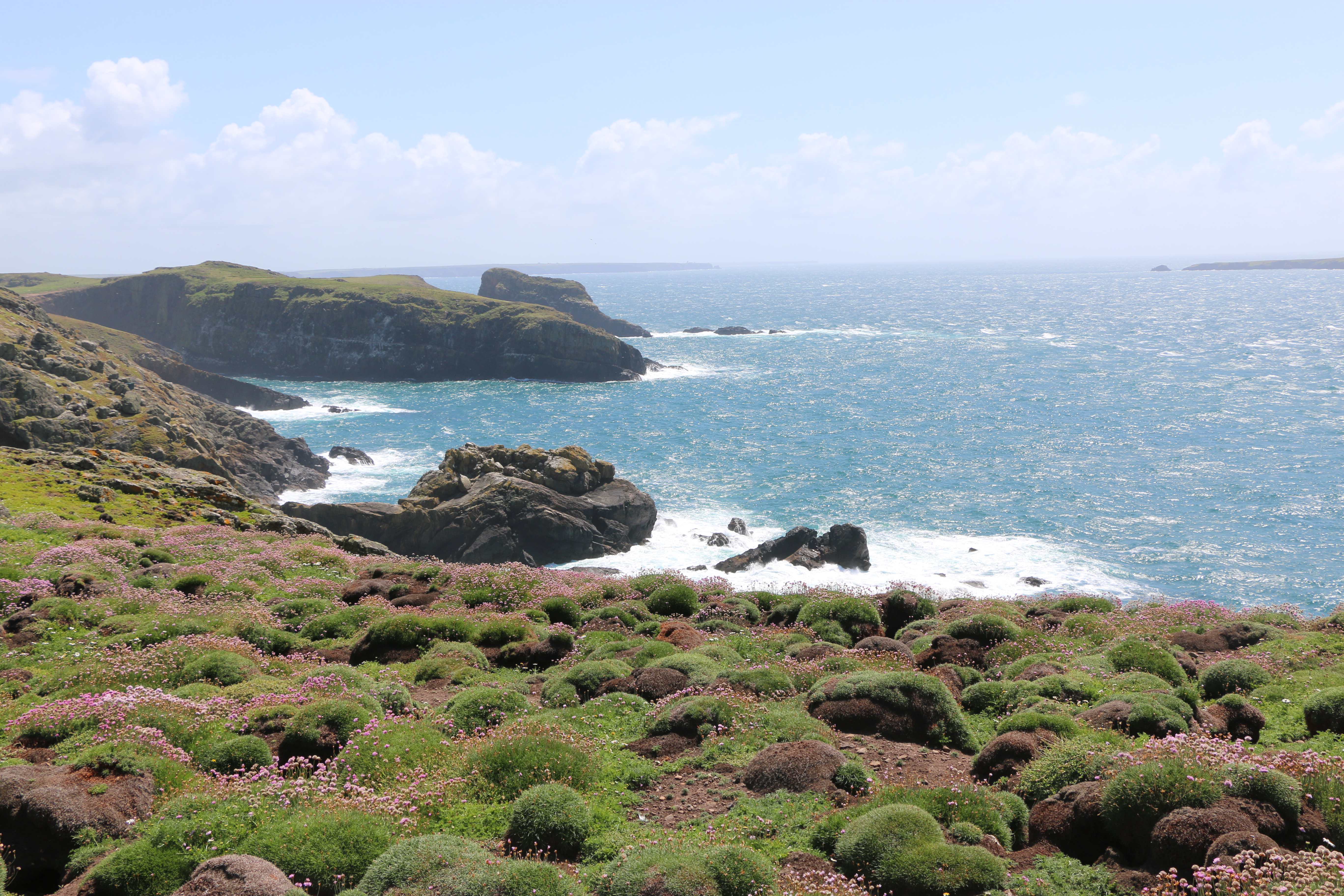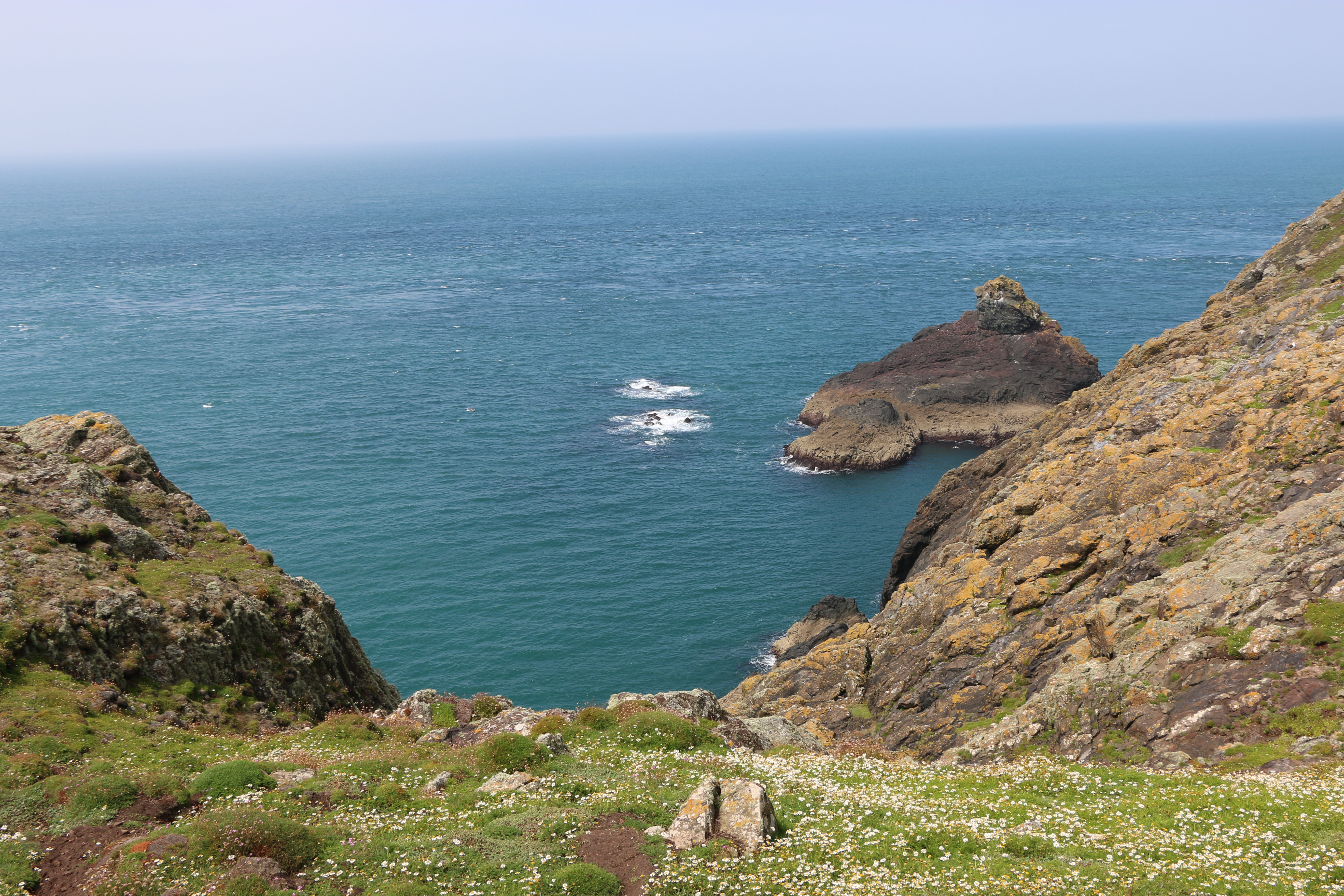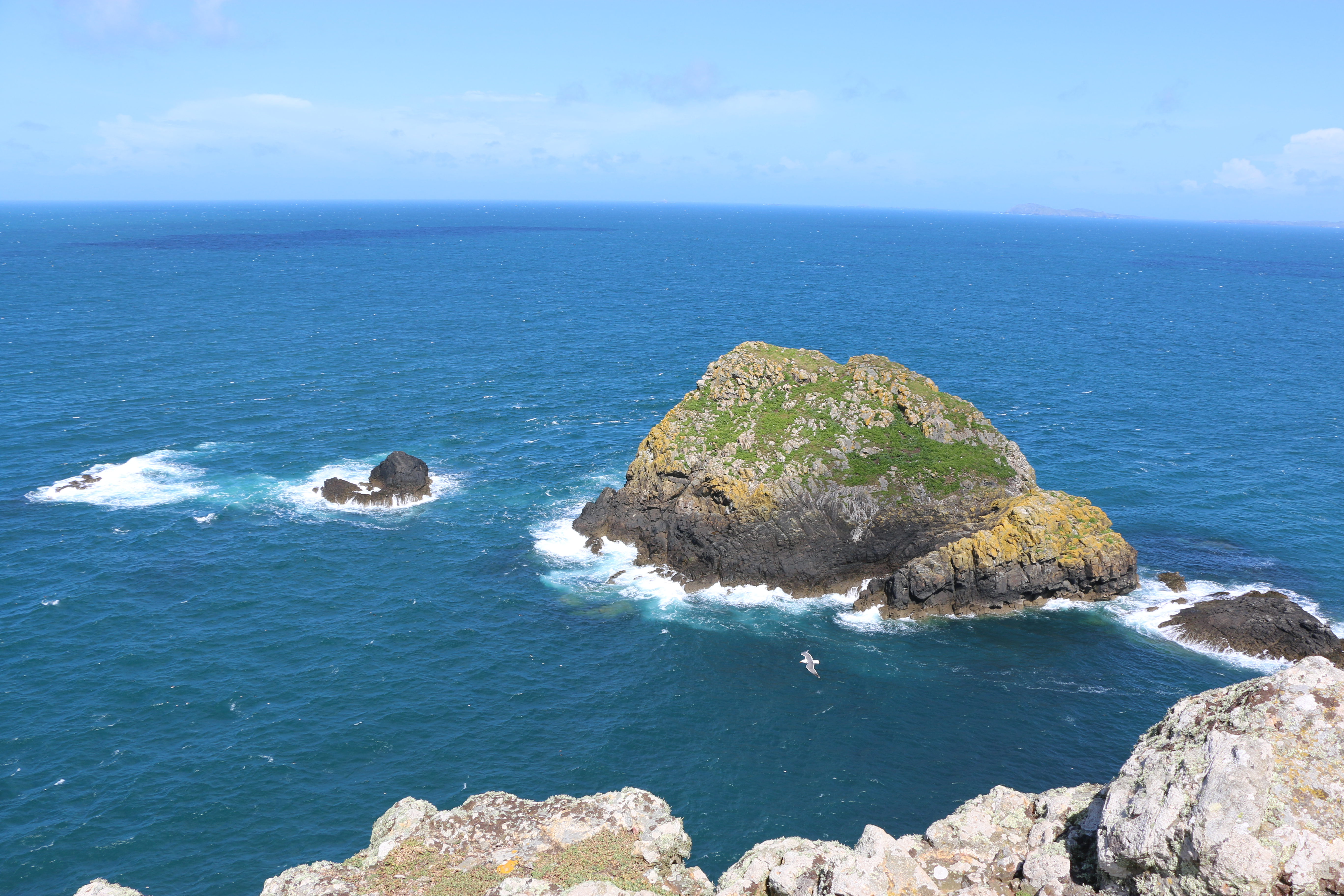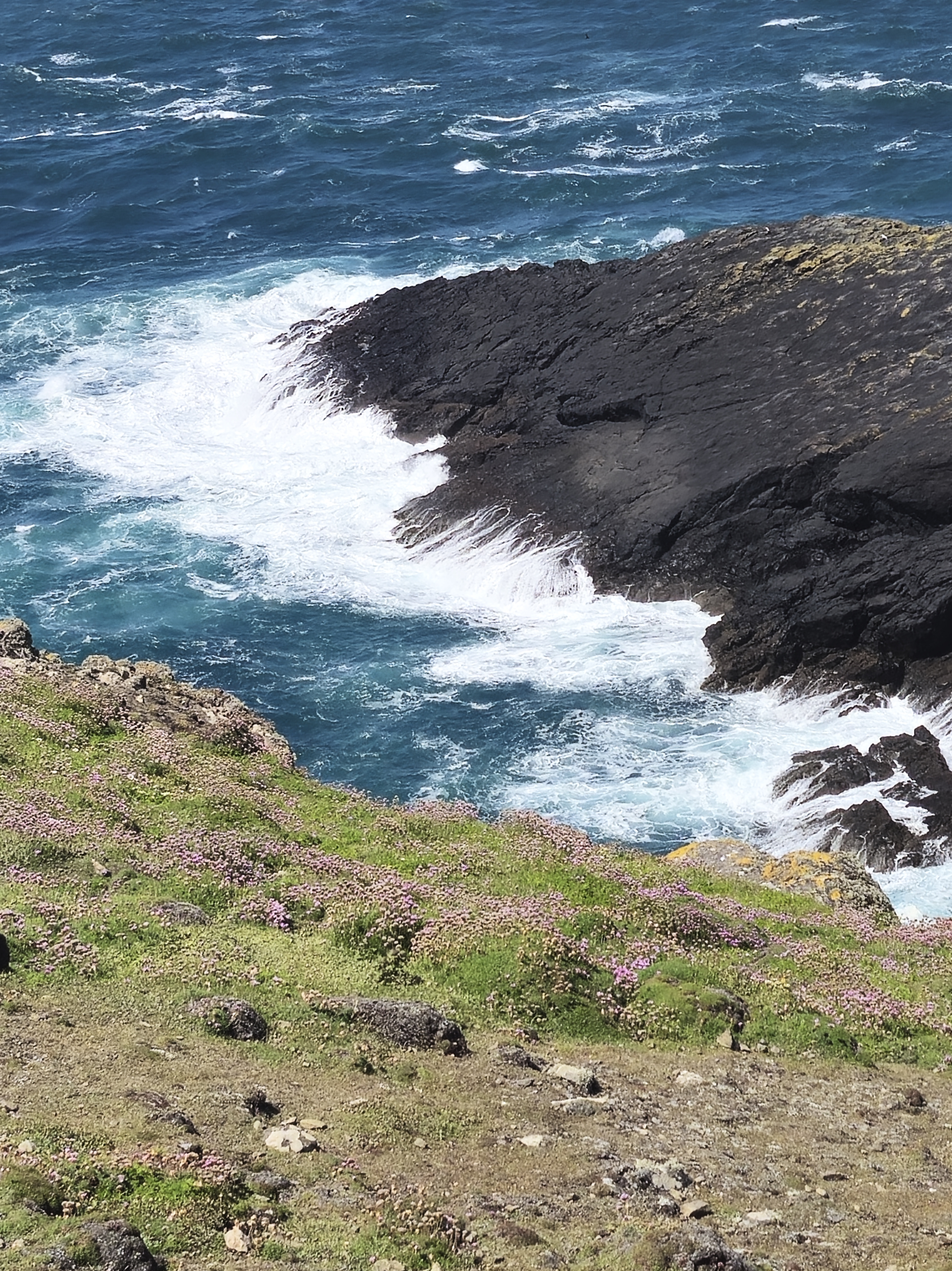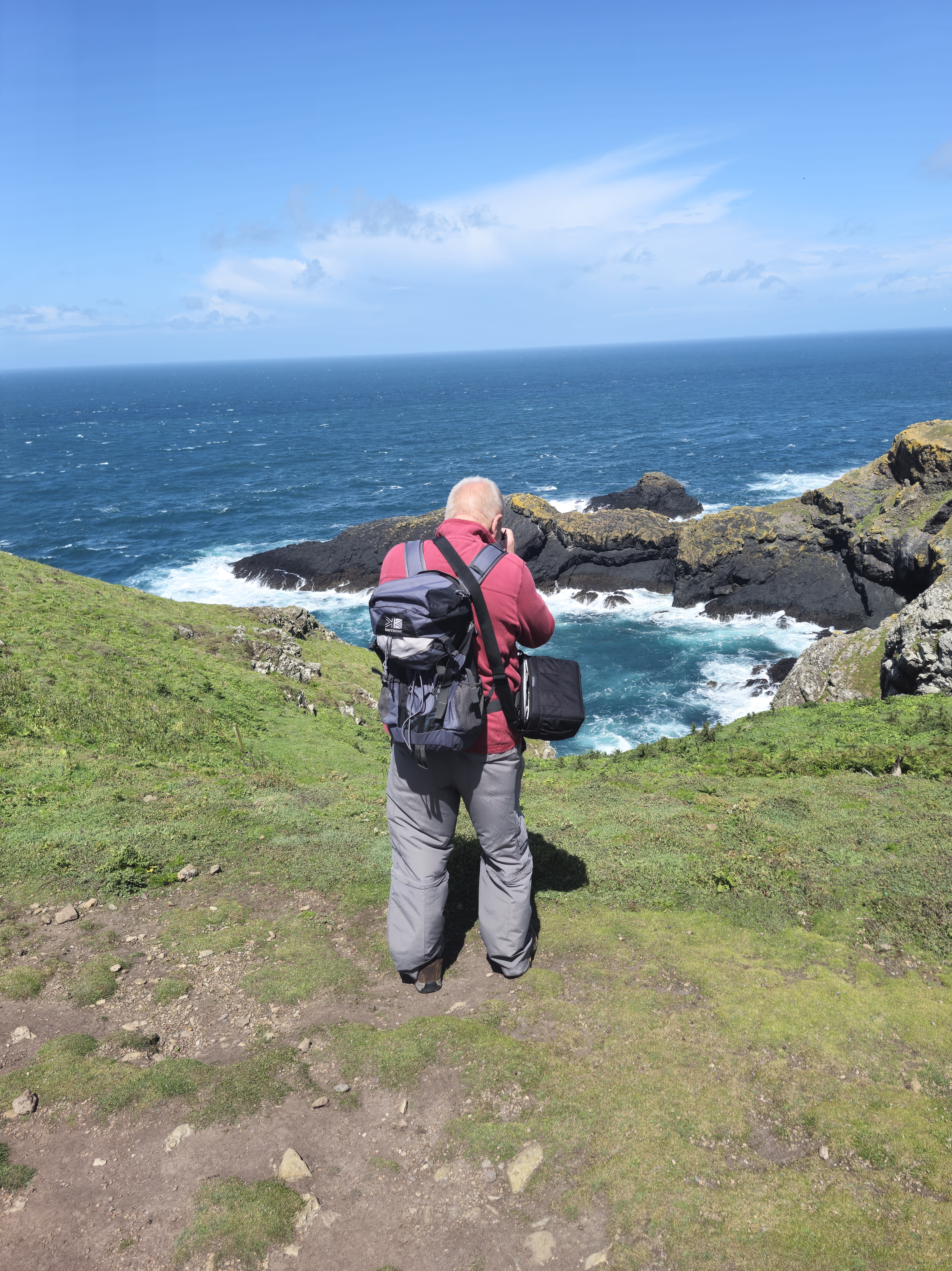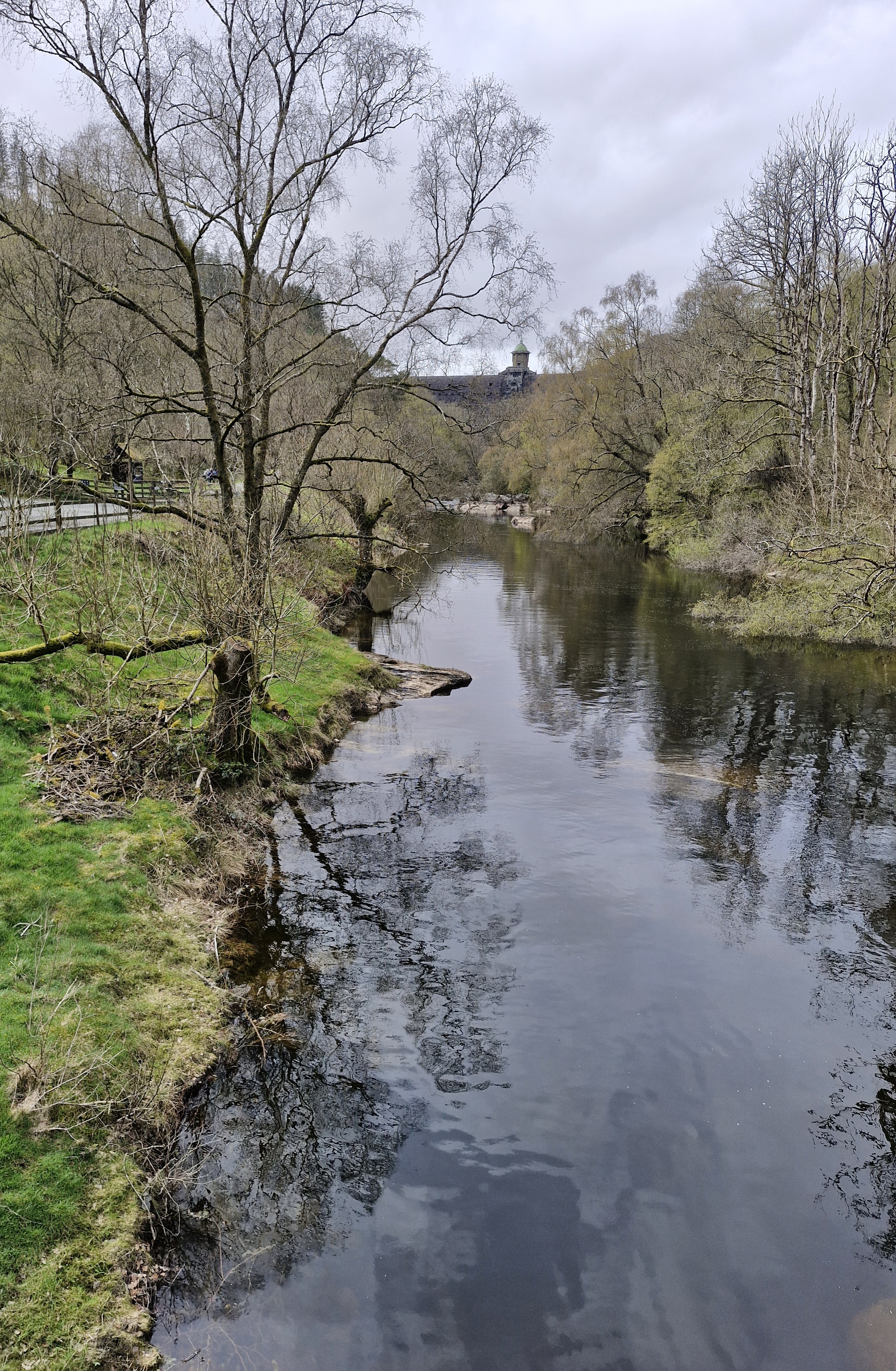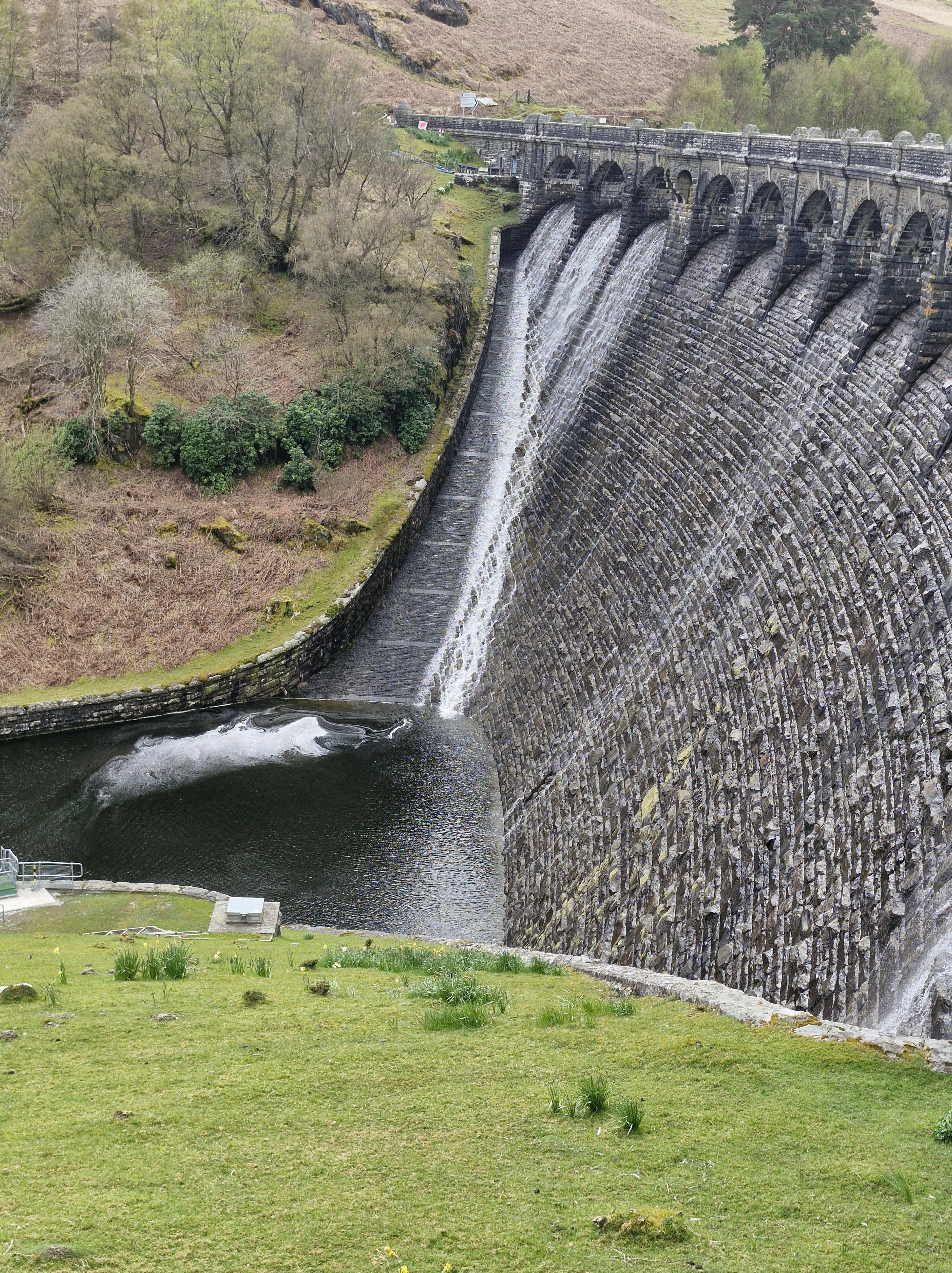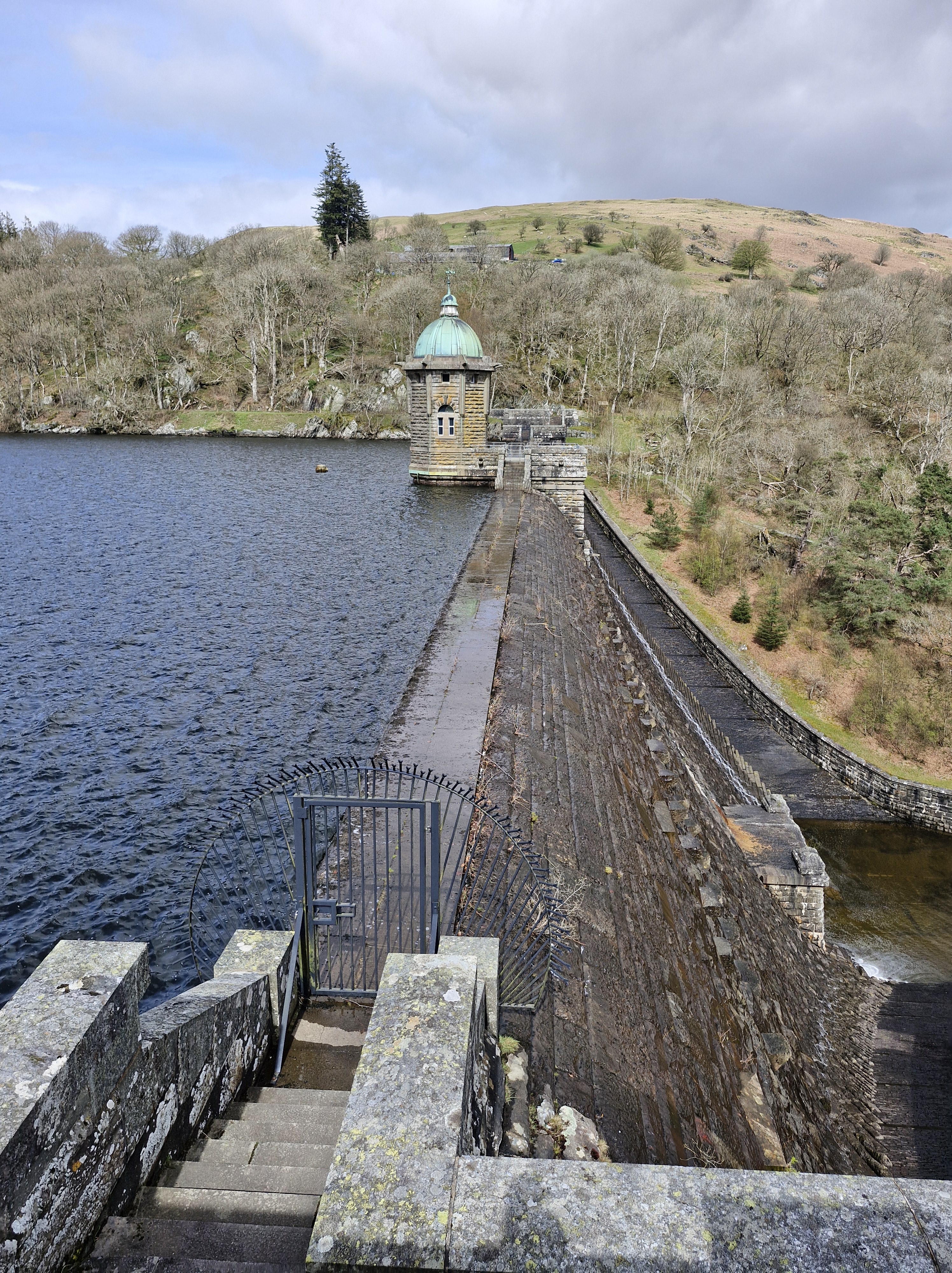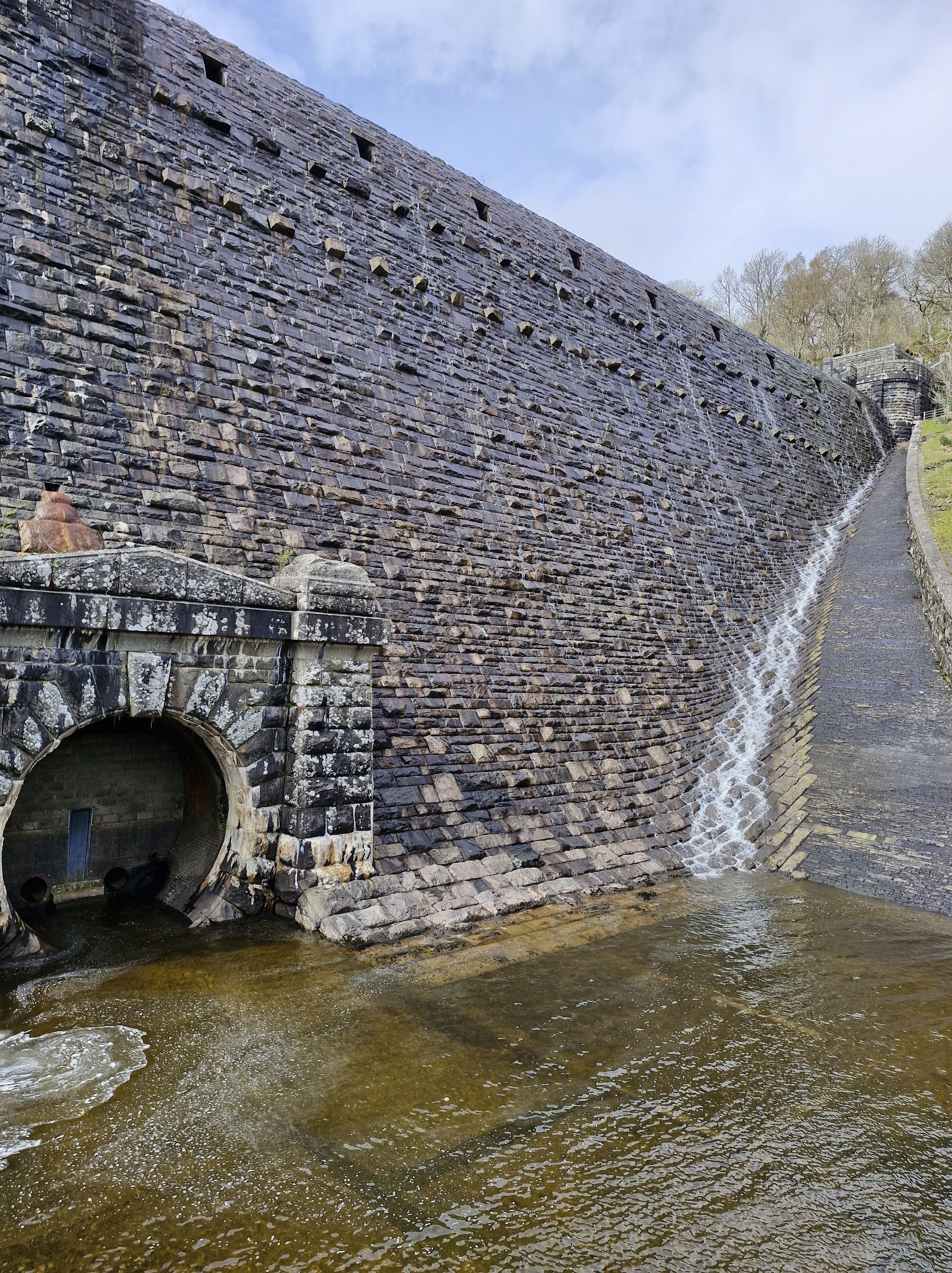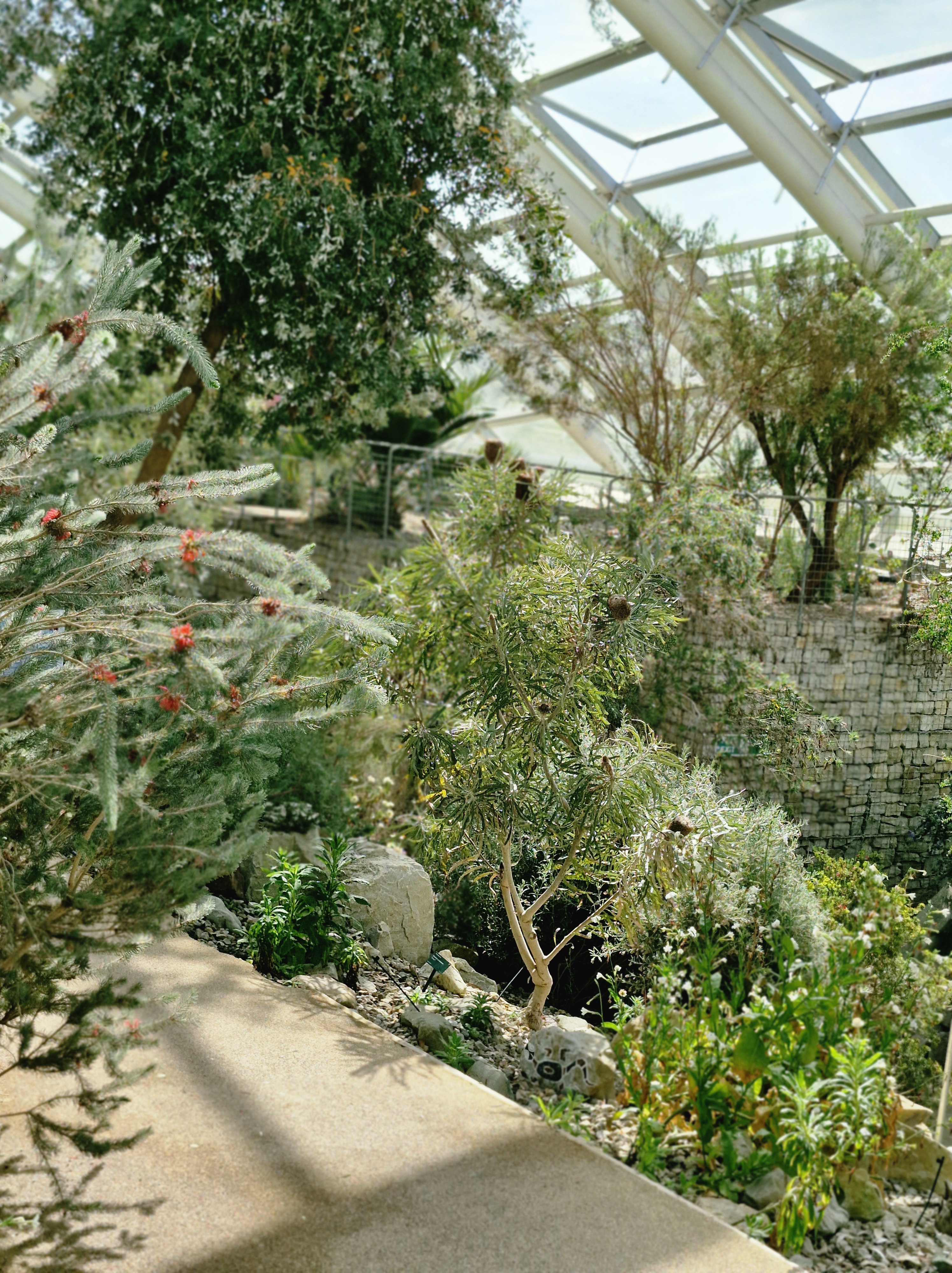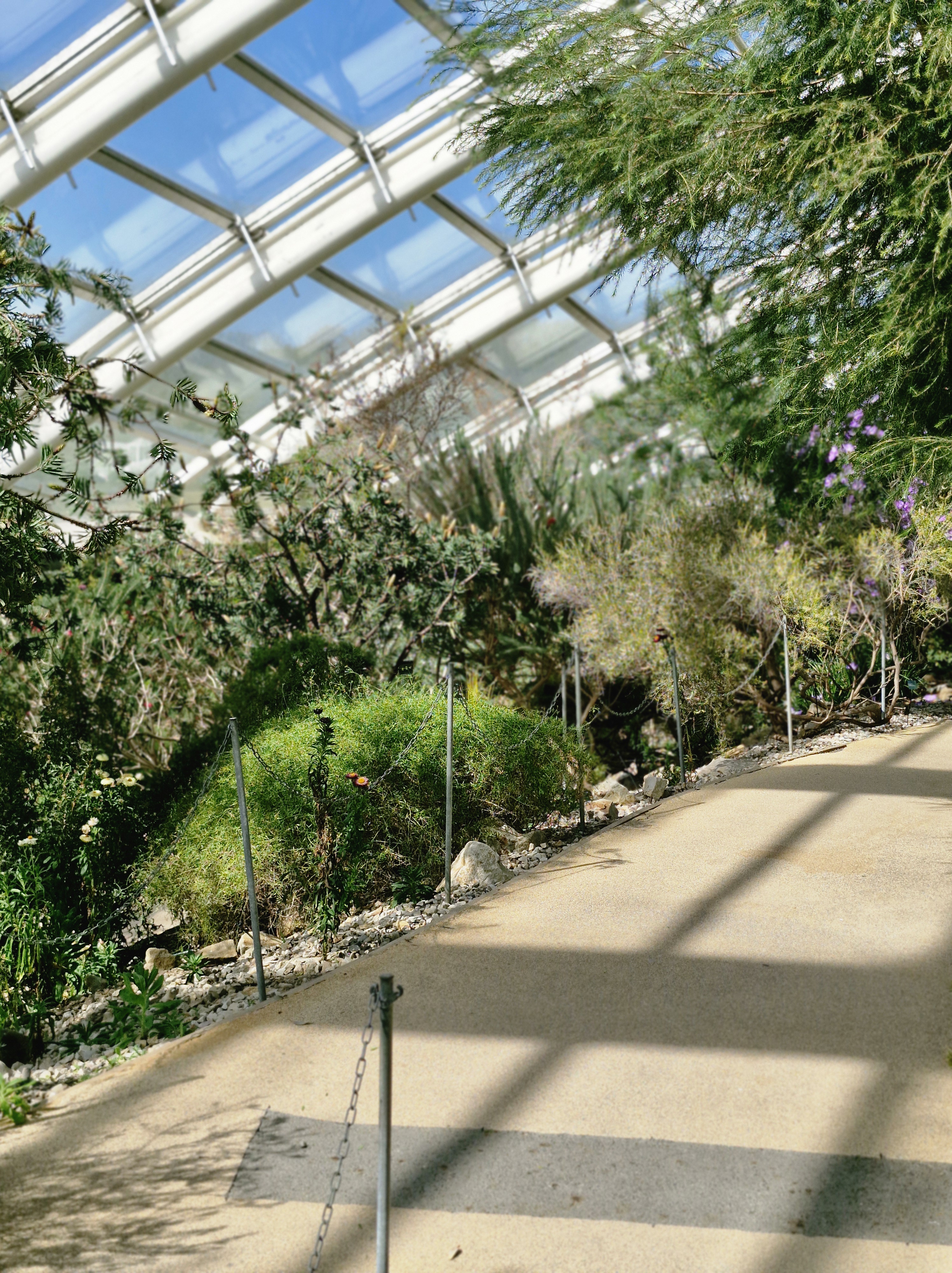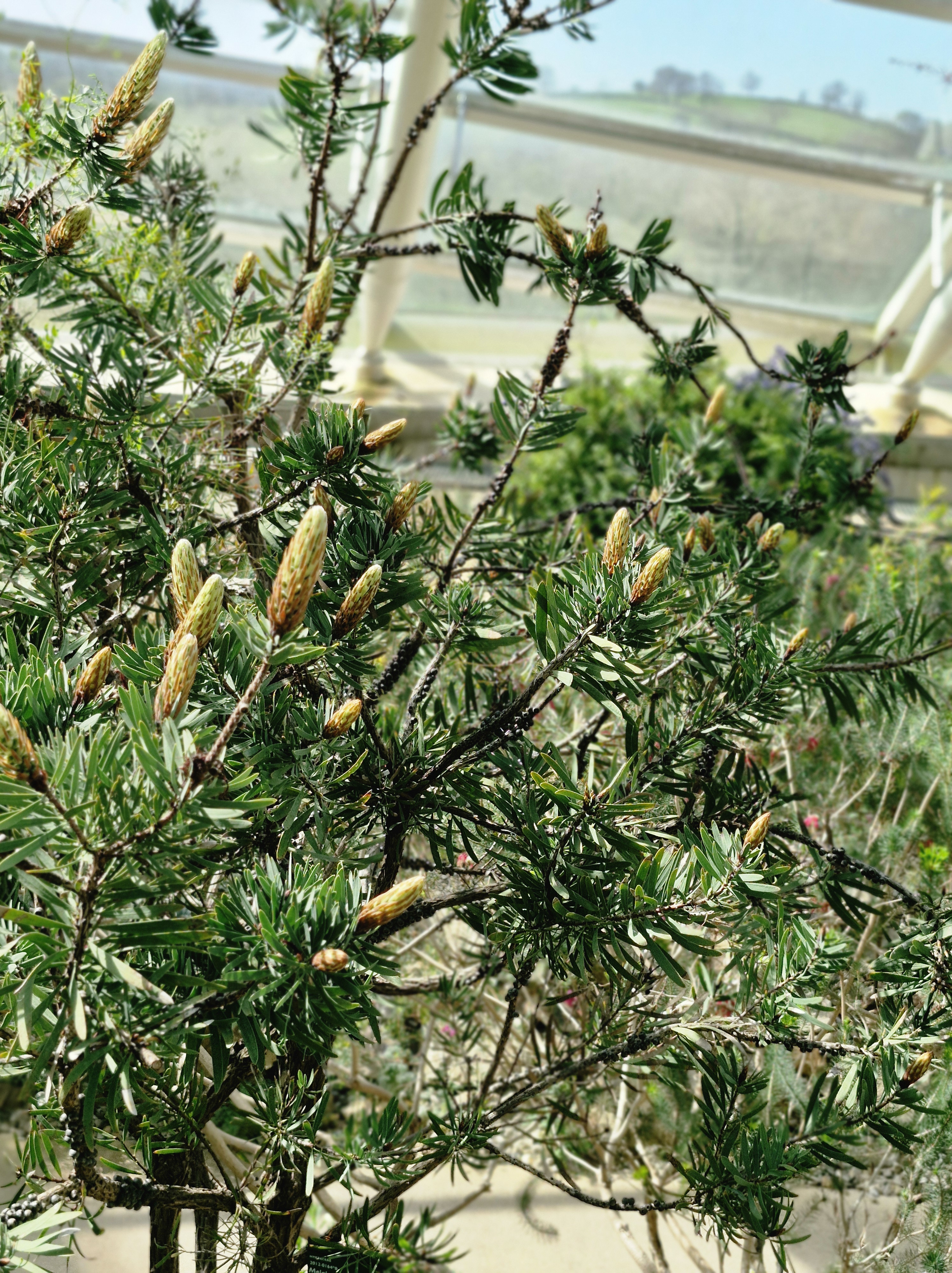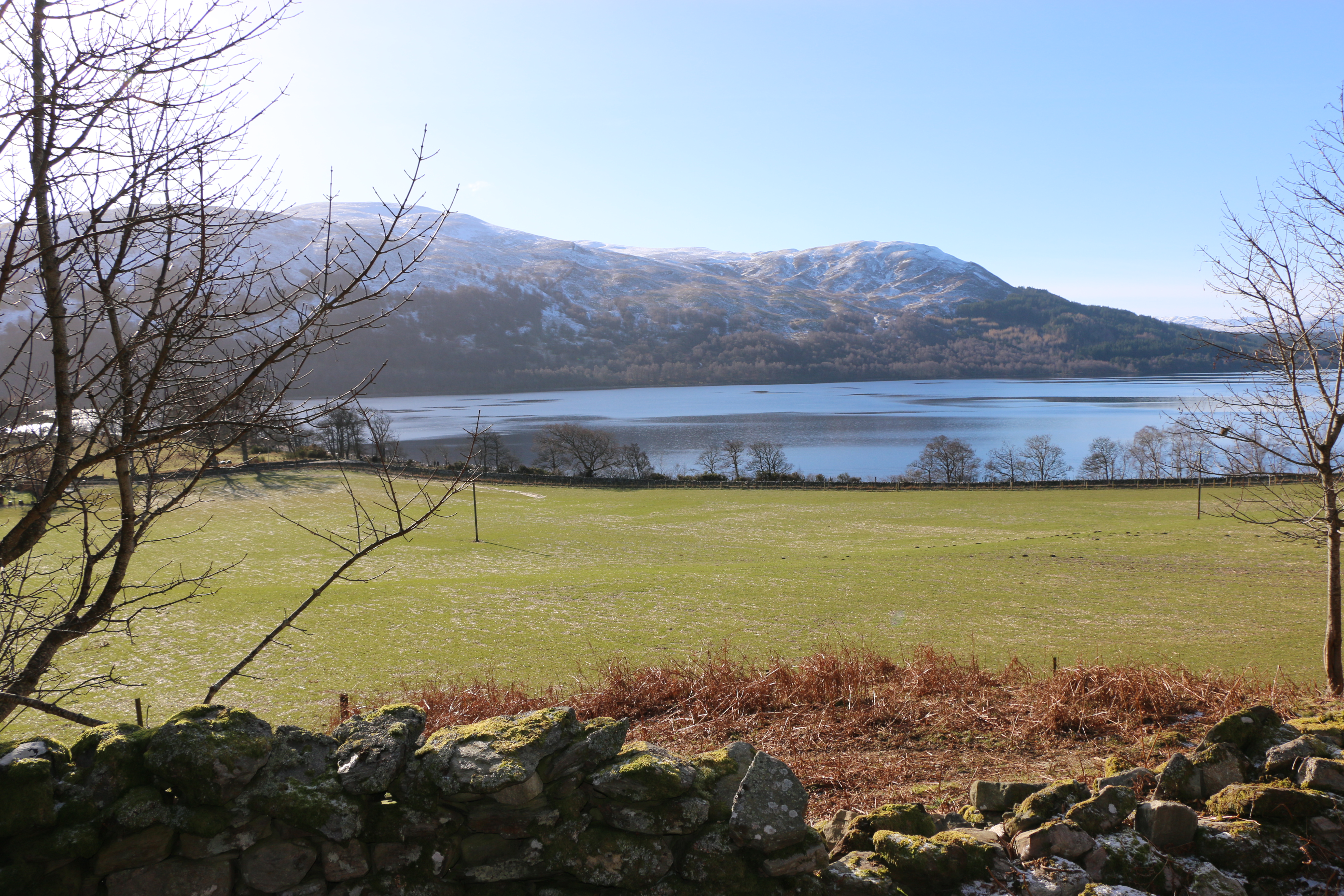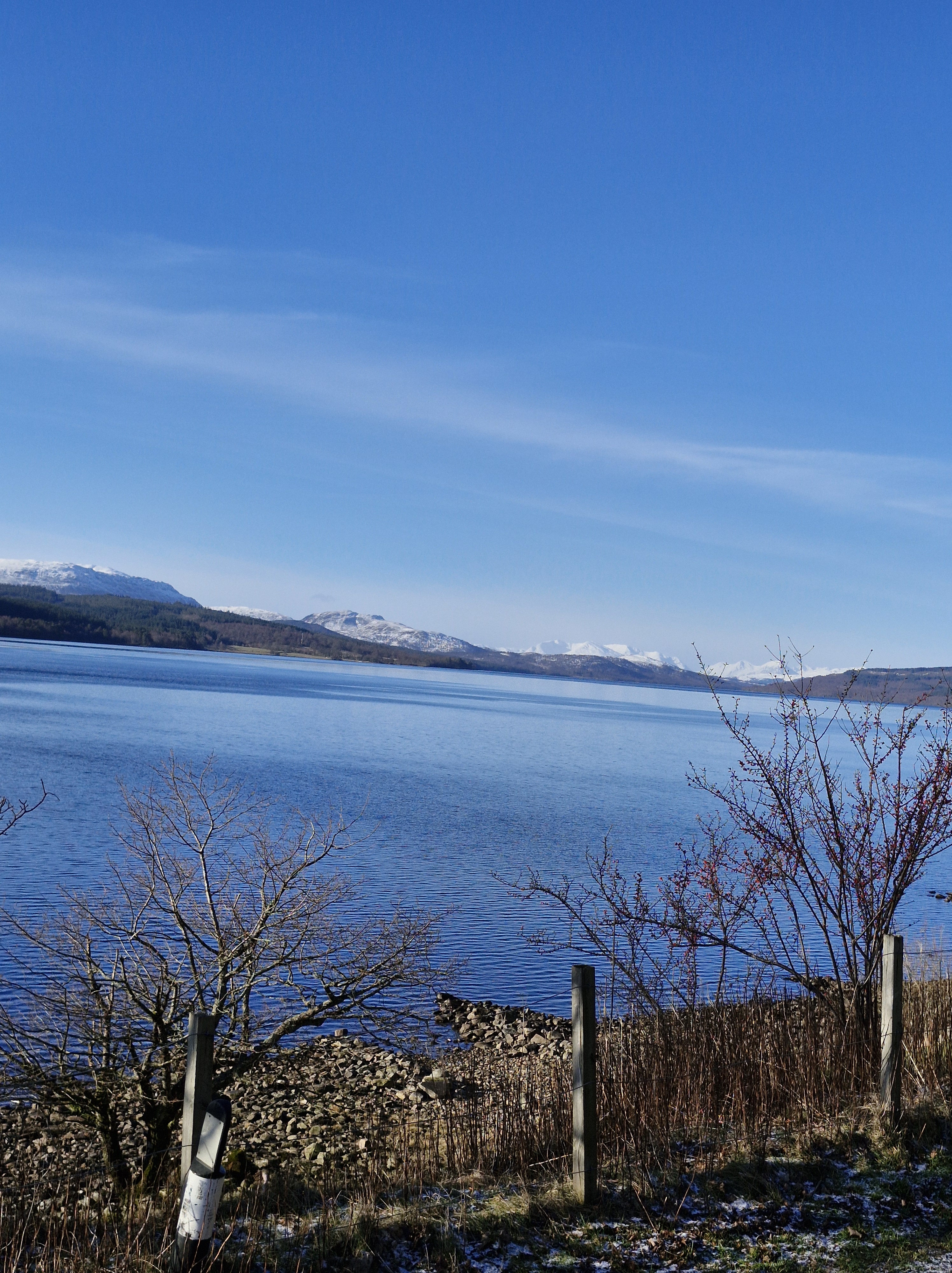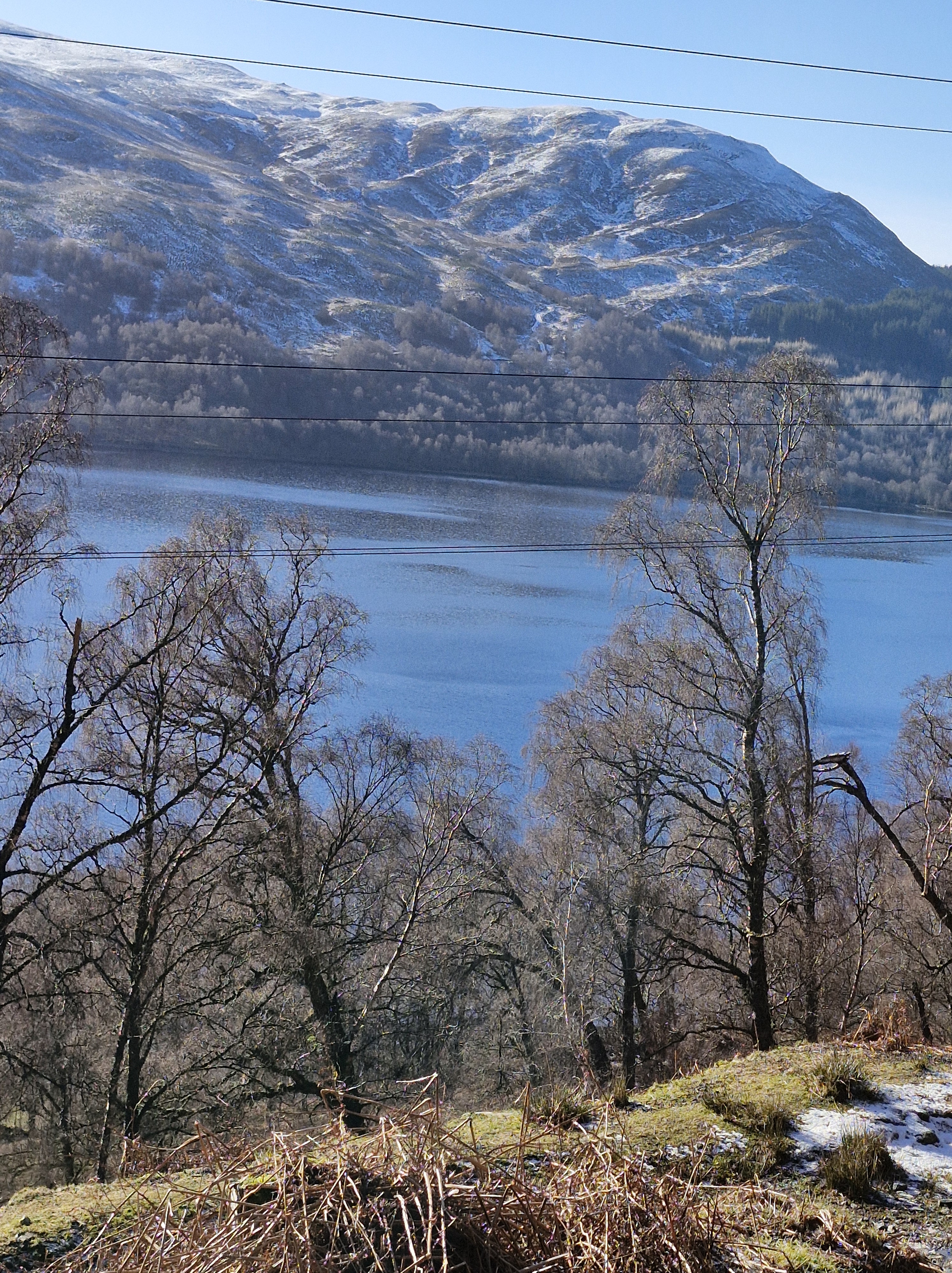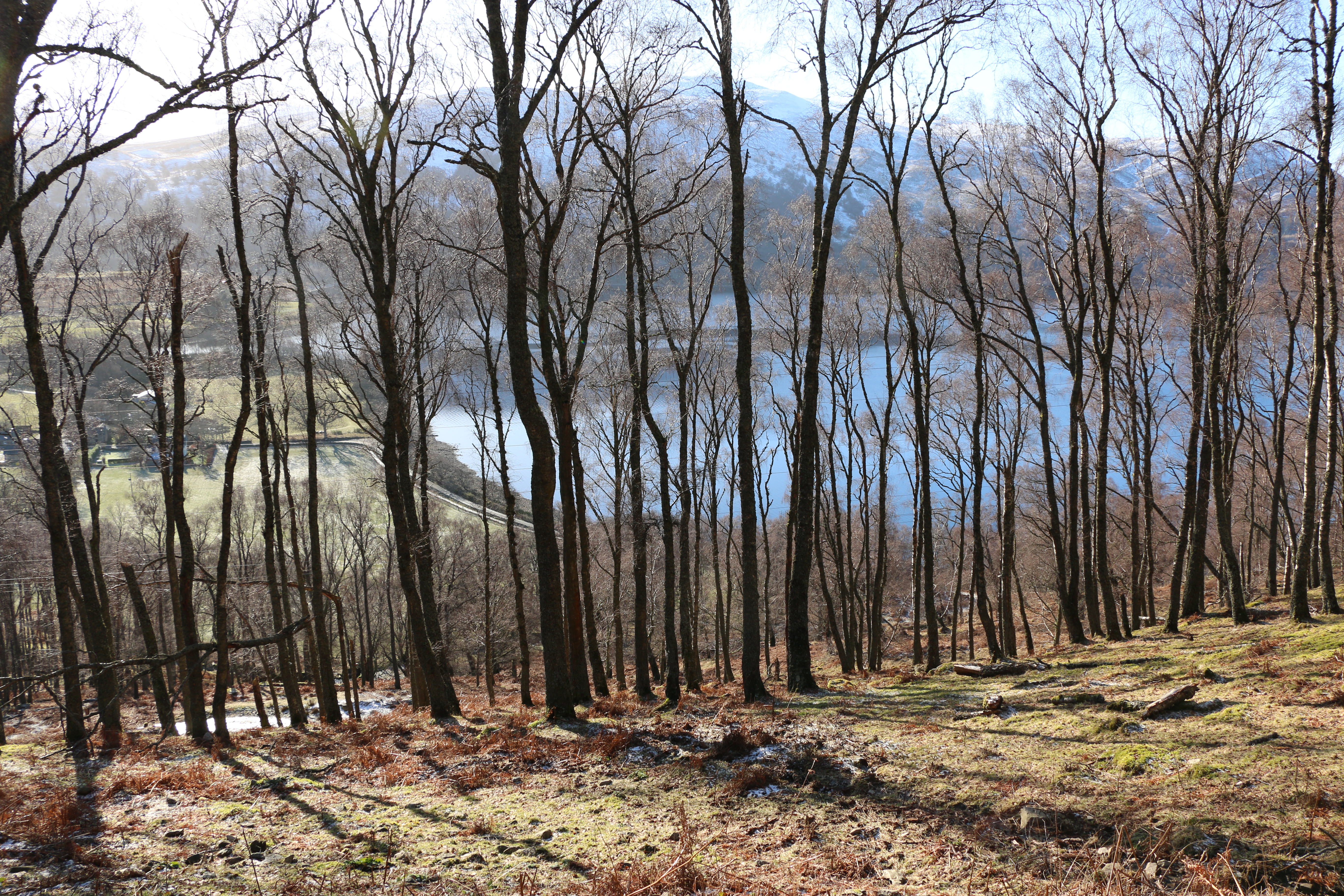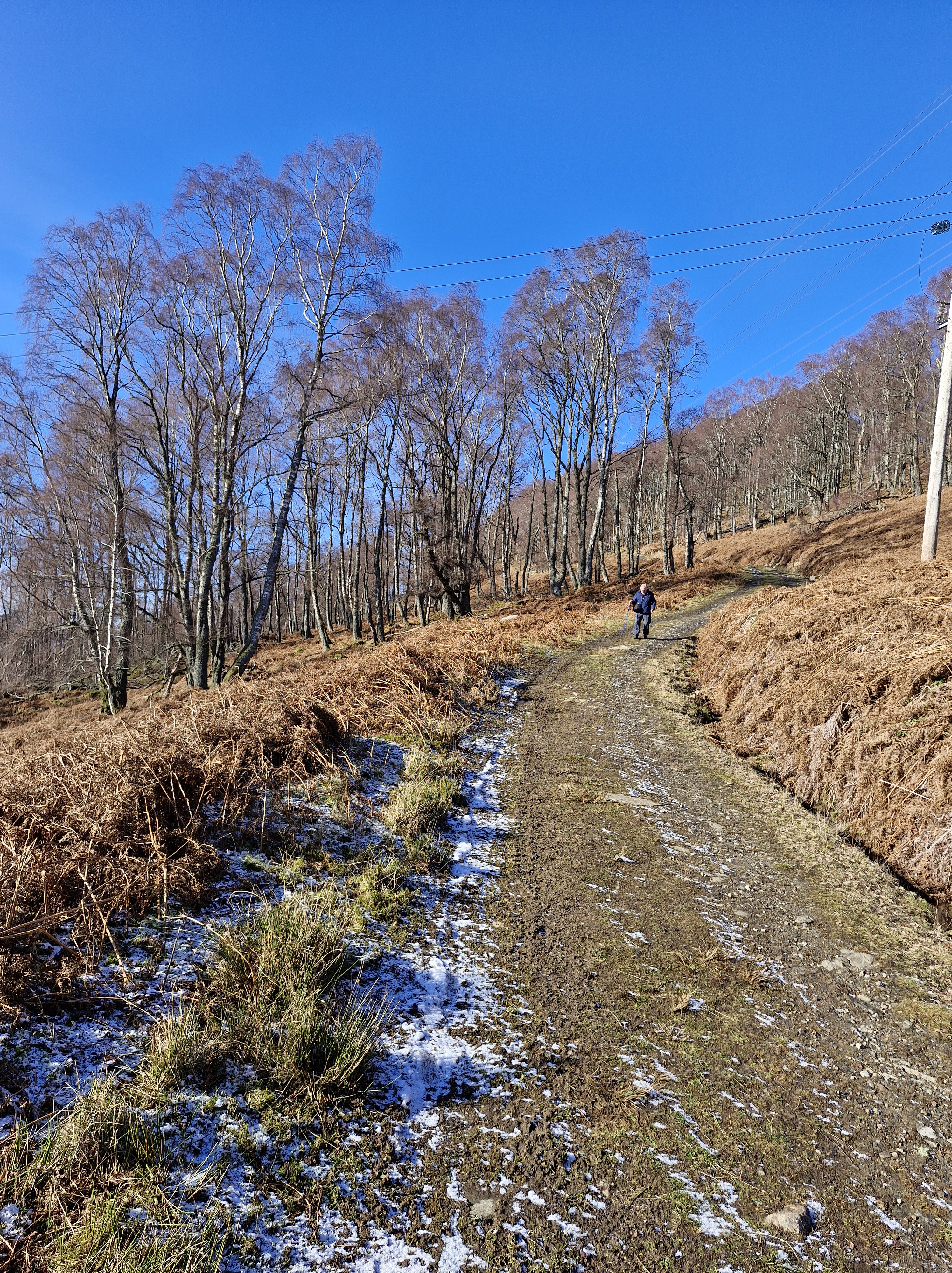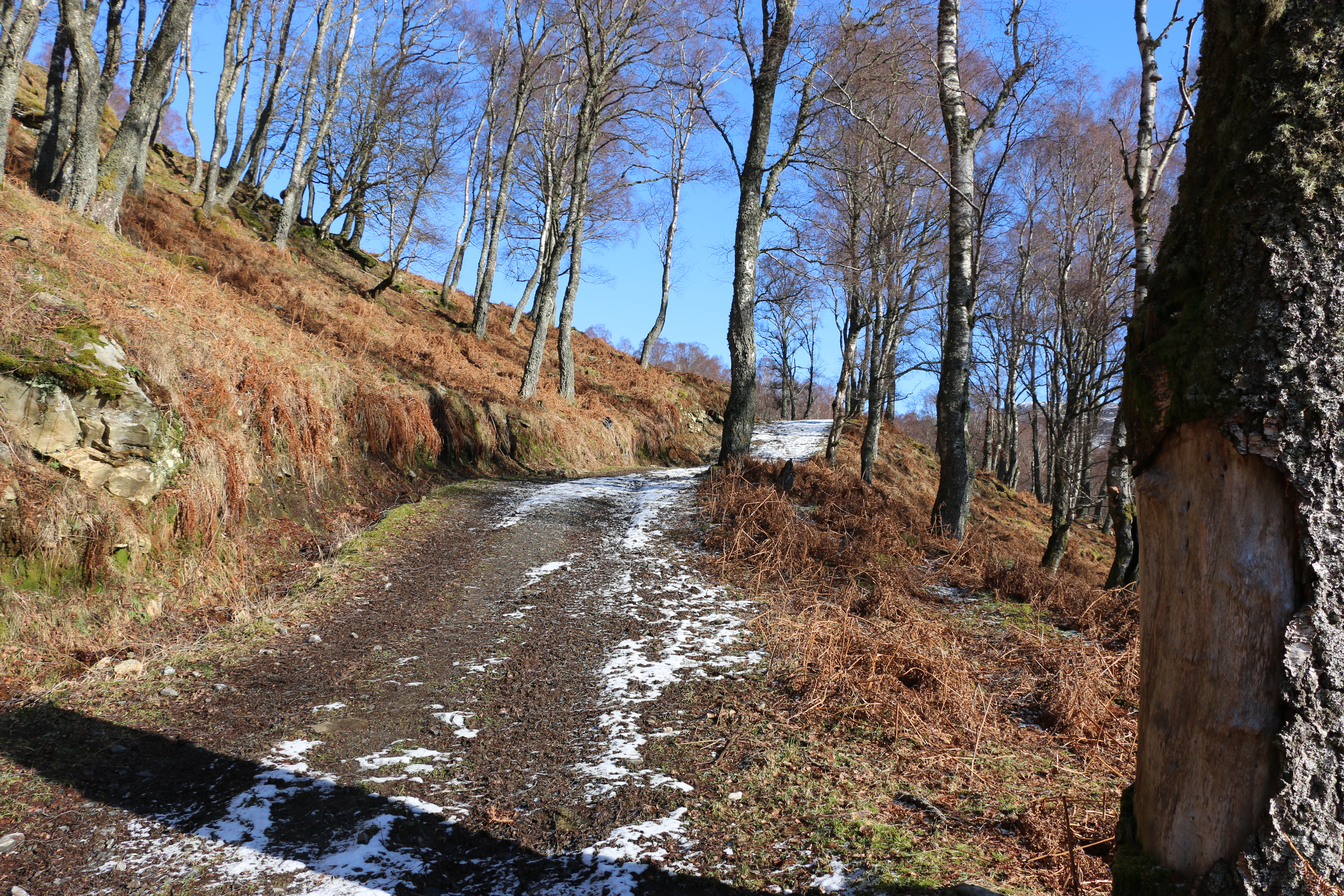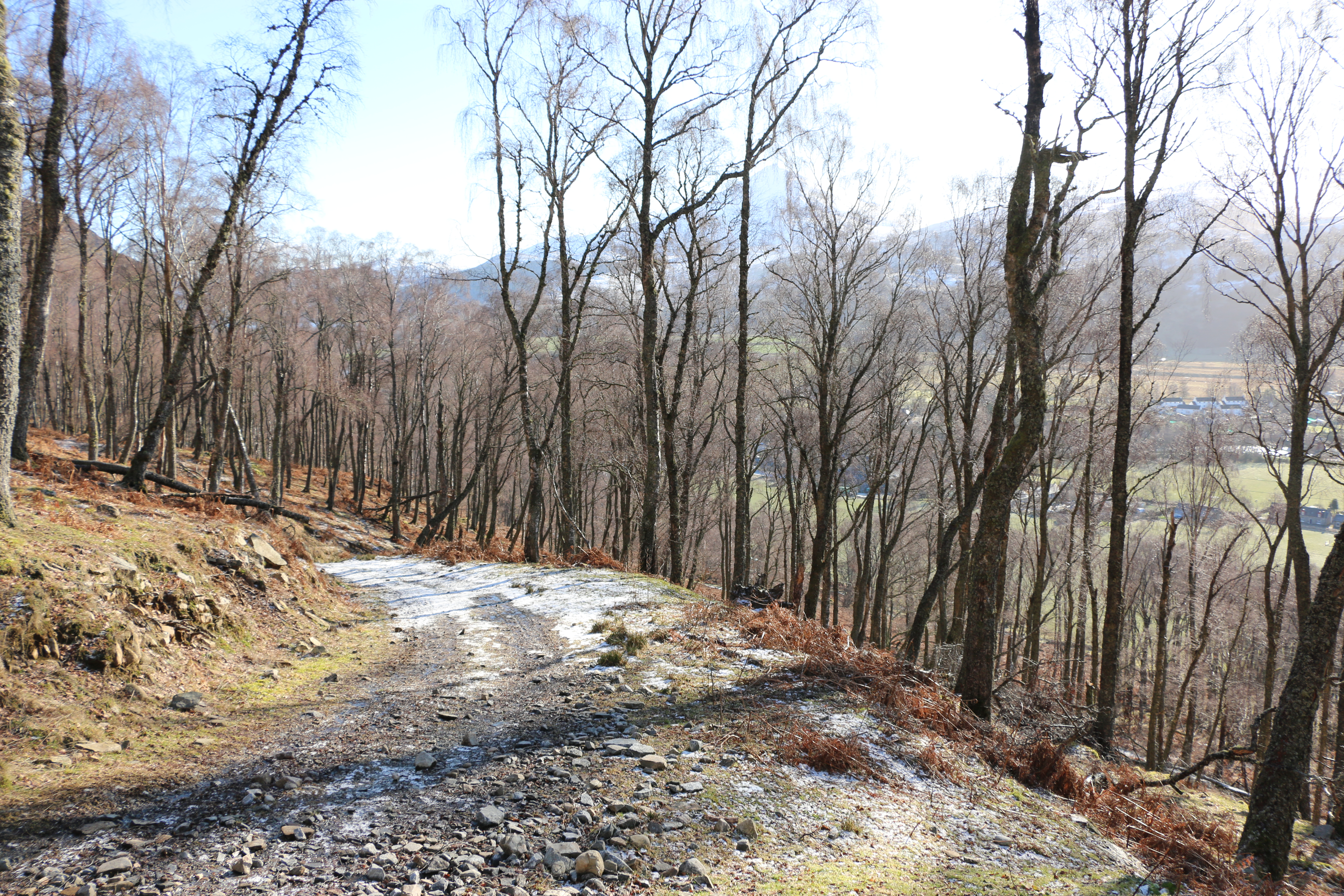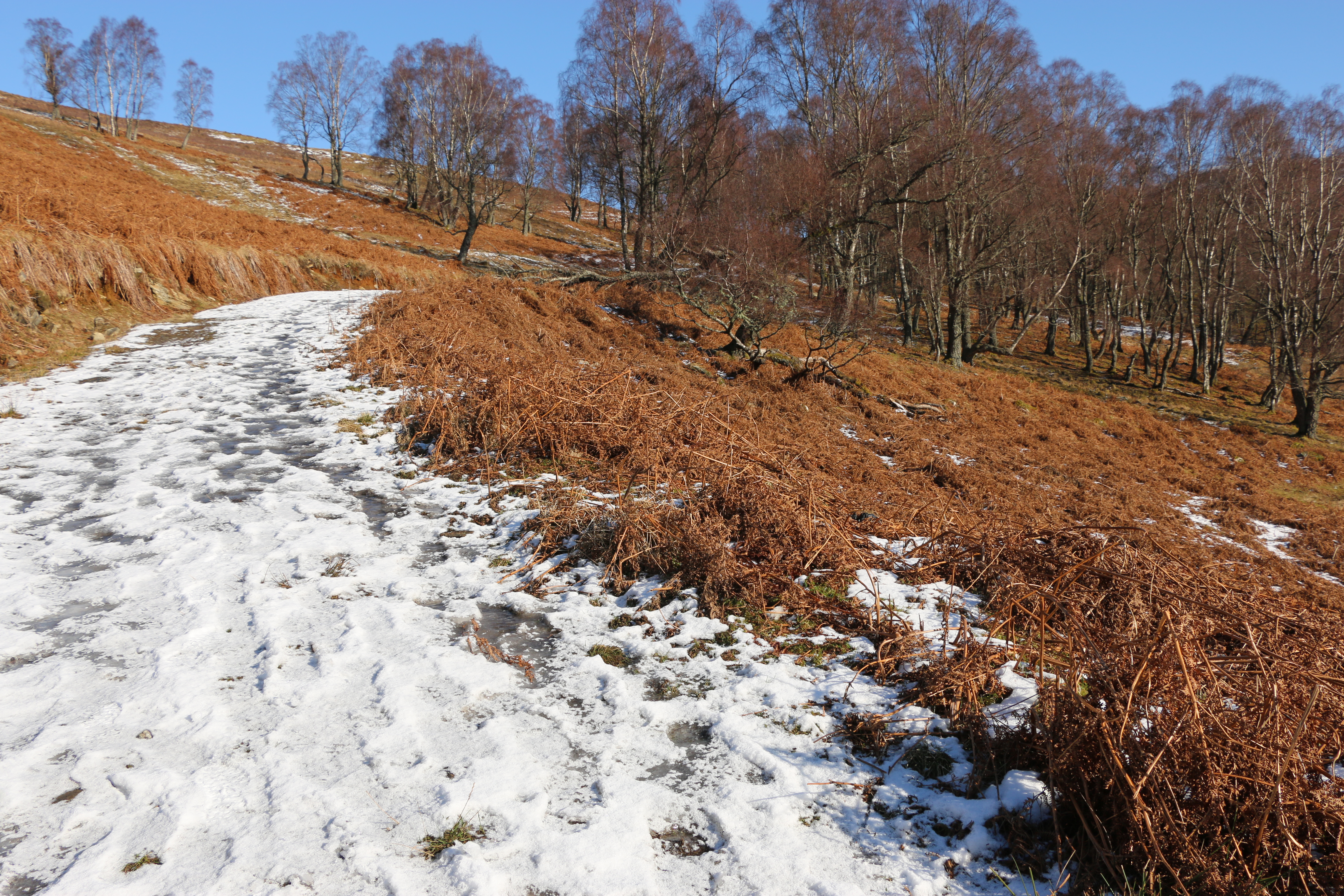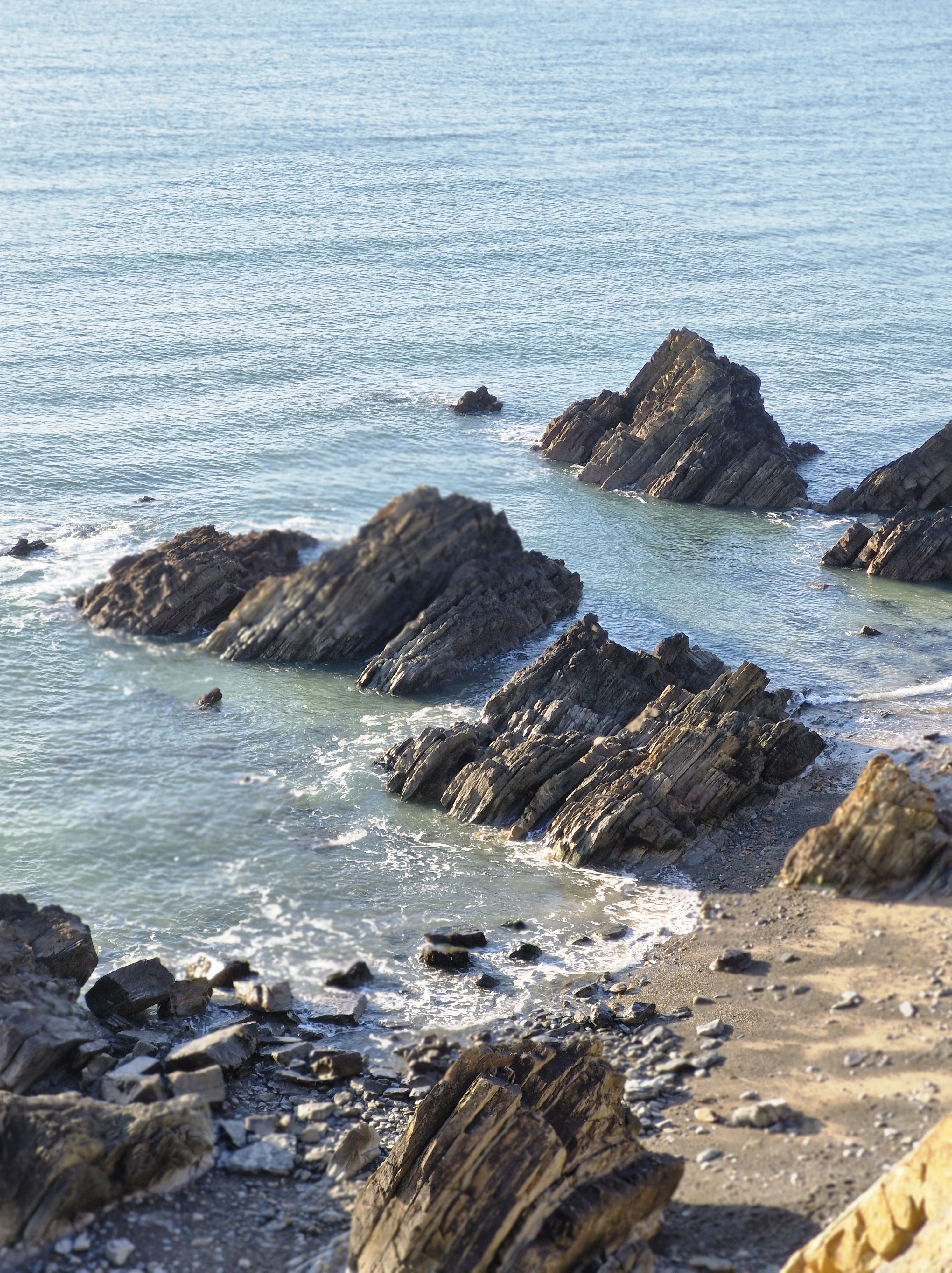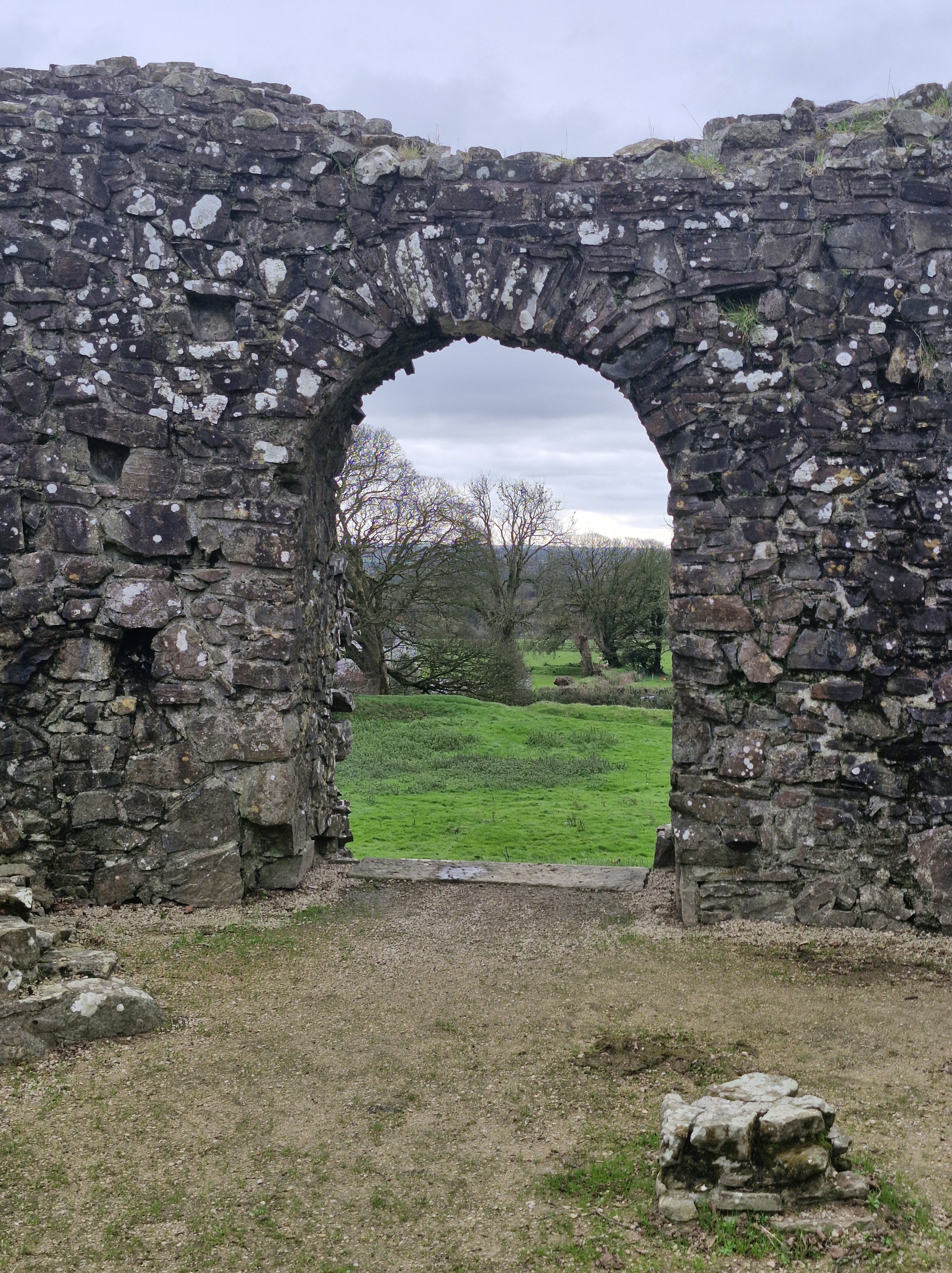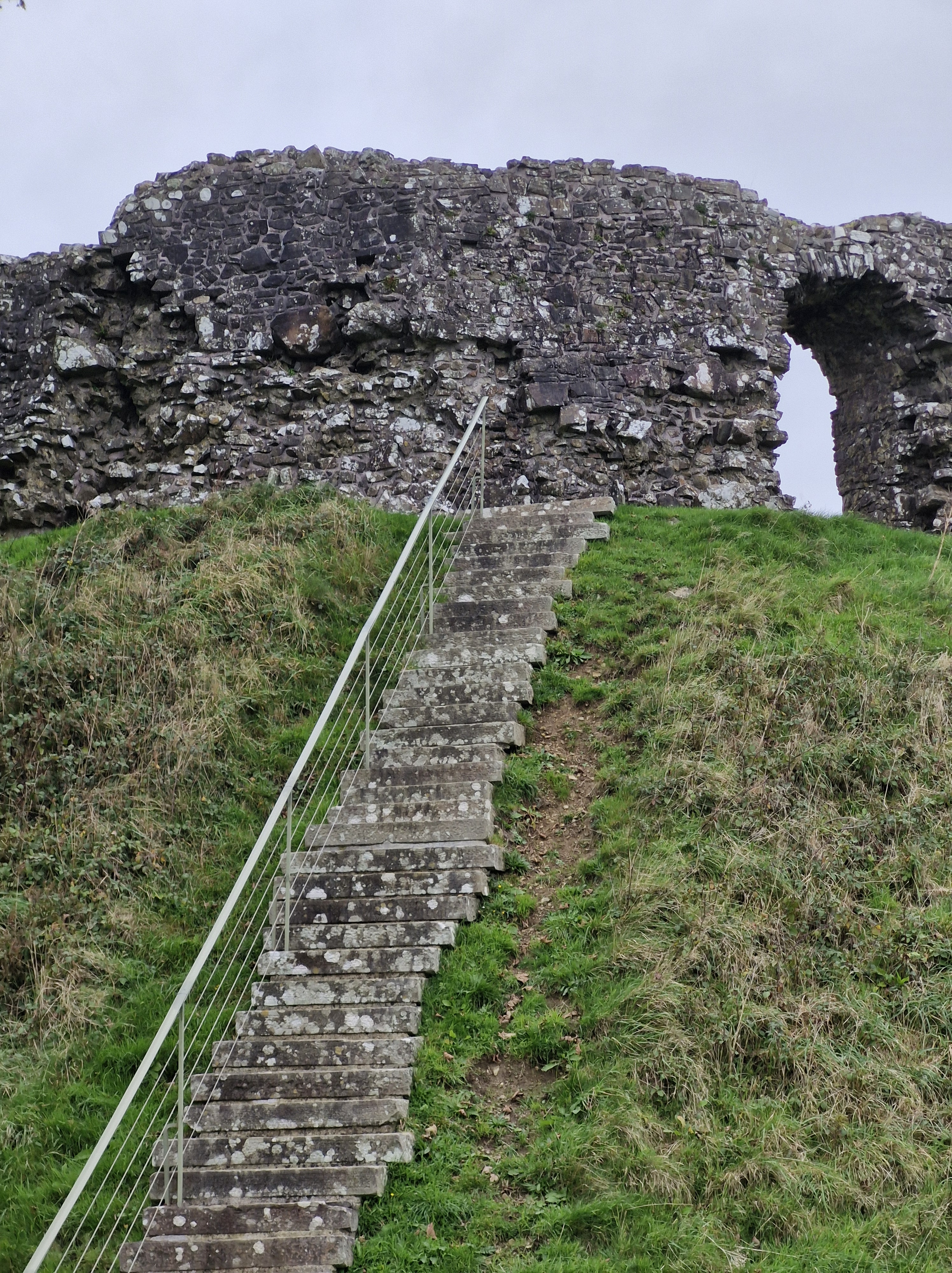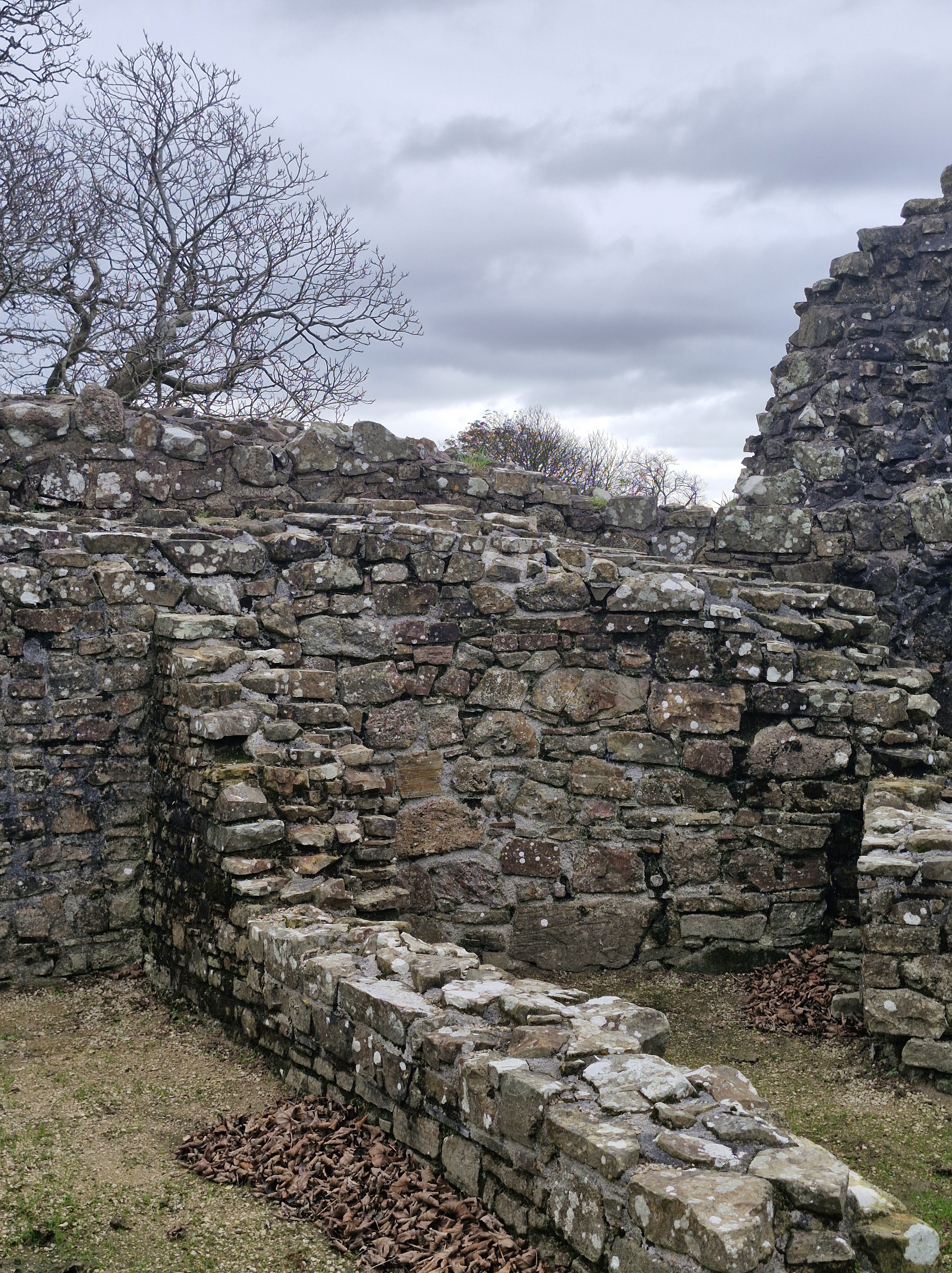
Where We Walked @Slebech Park Country Estate @Pembrokeshire @Wales

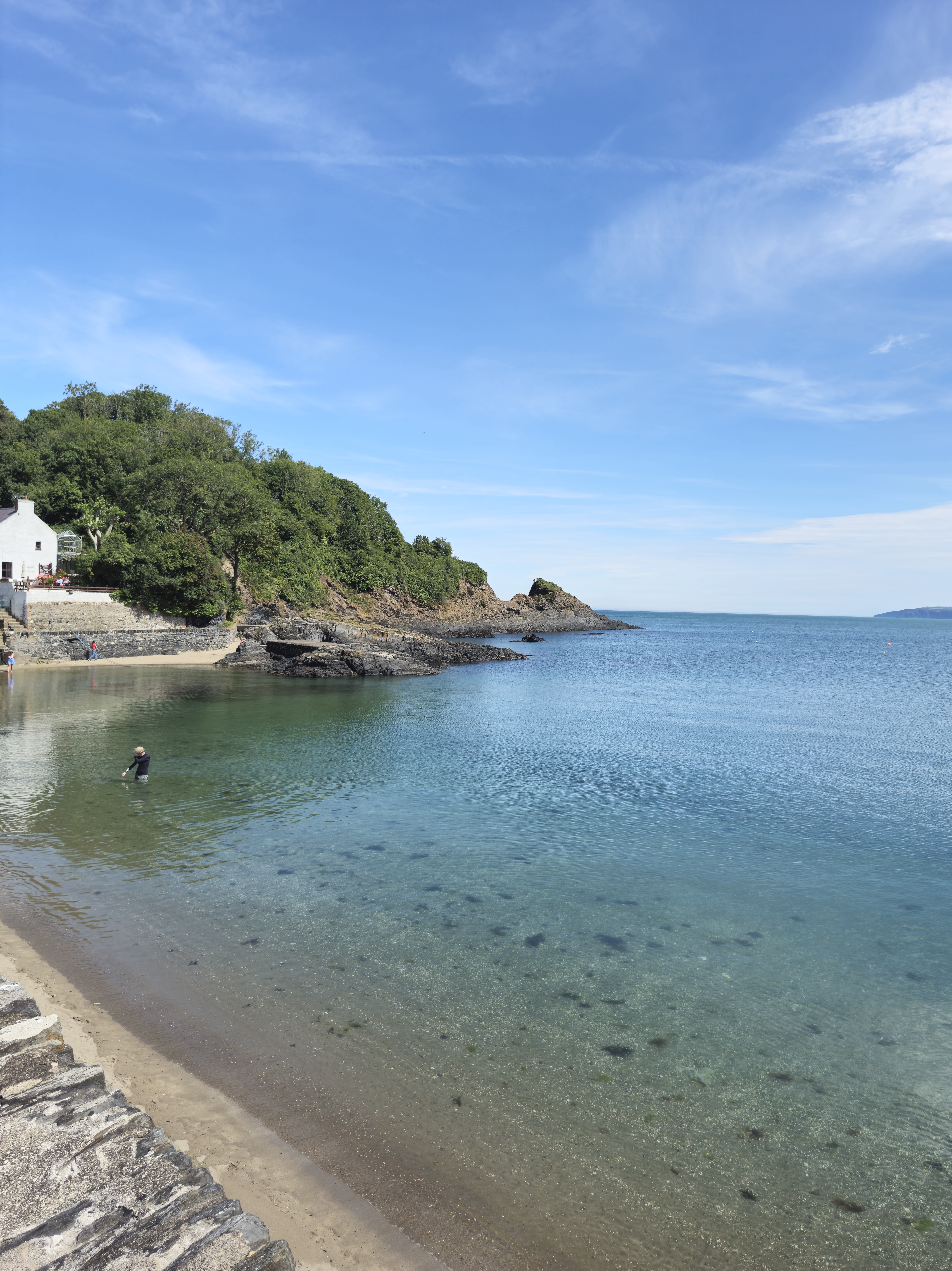
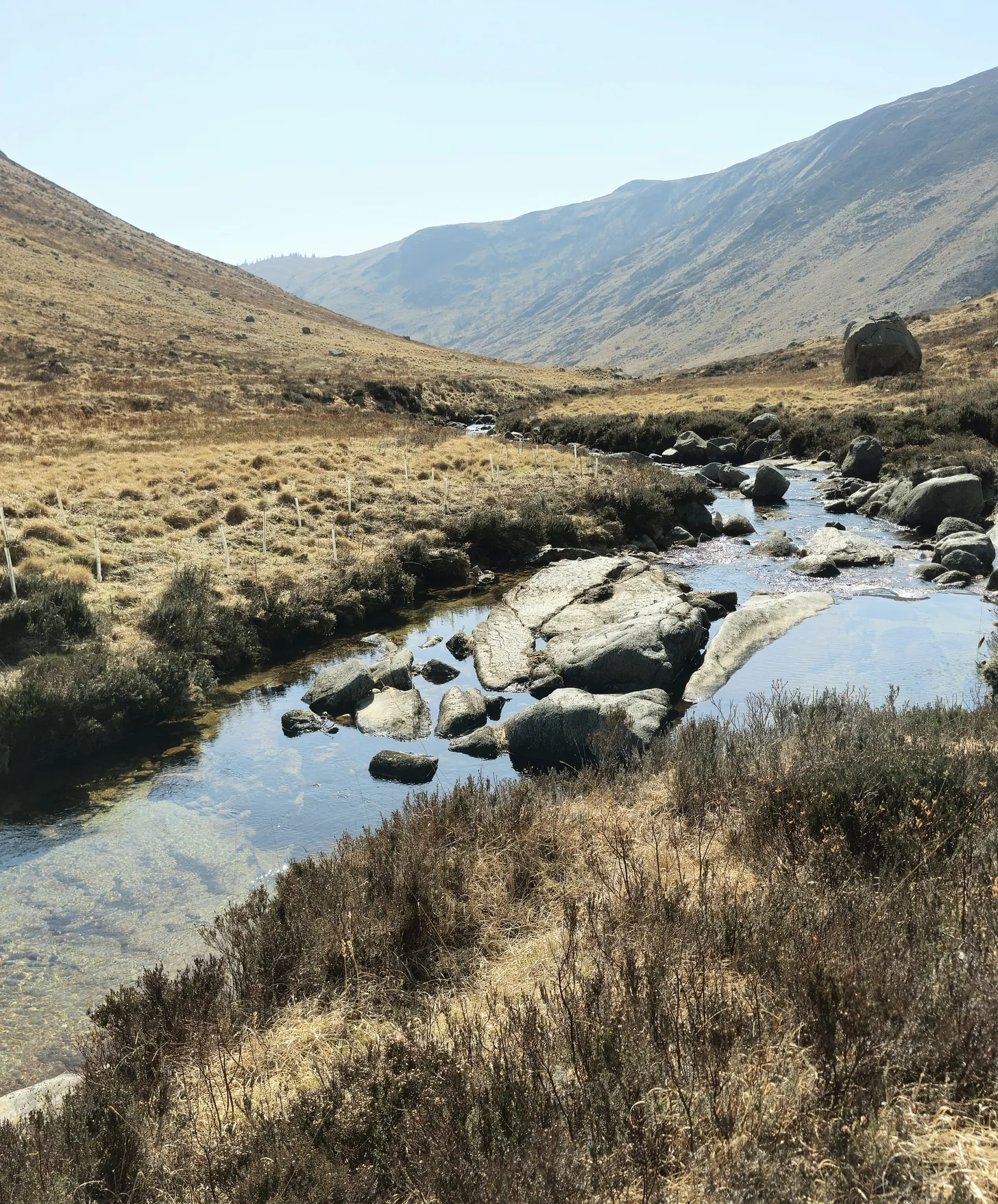
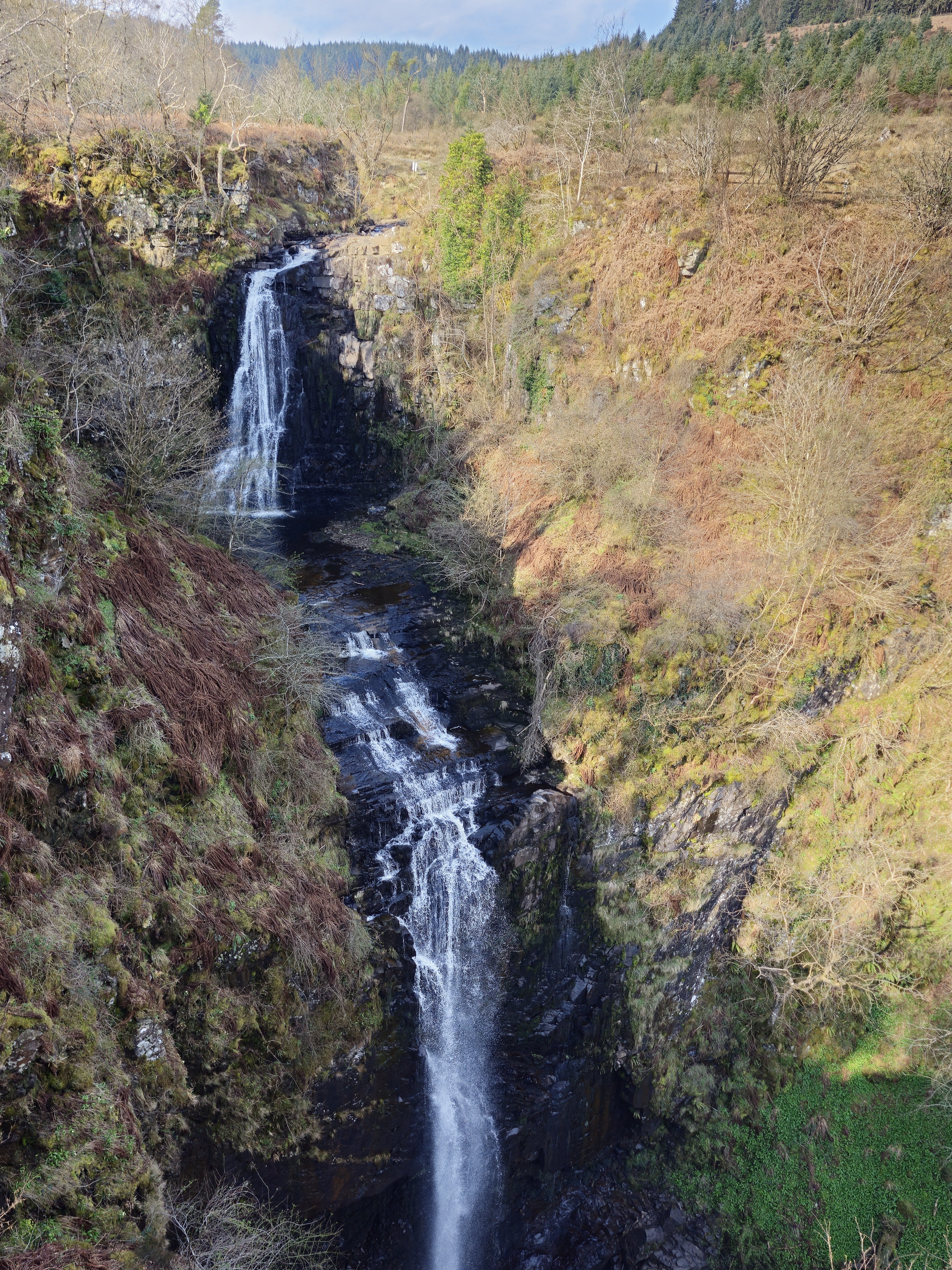
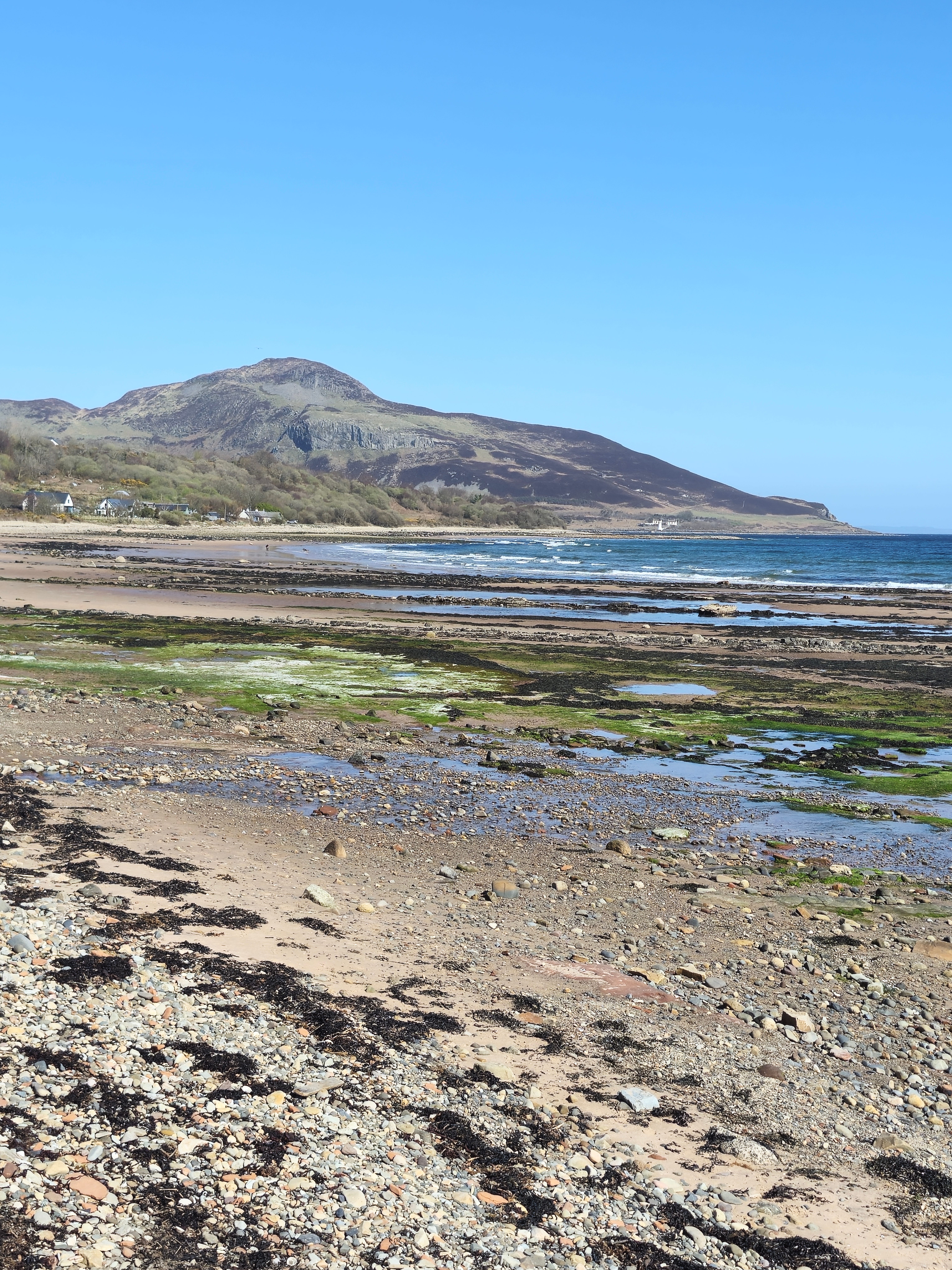
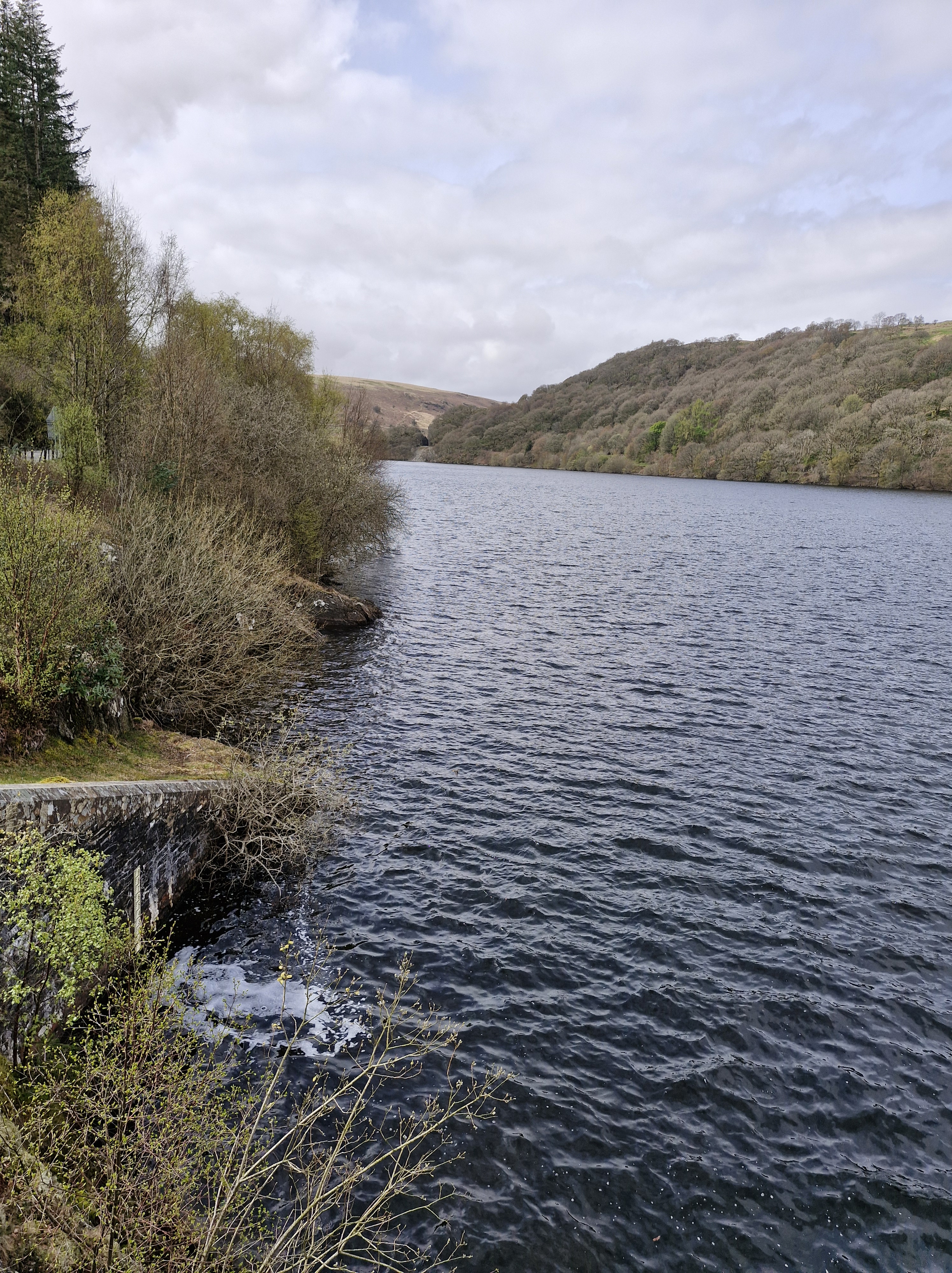
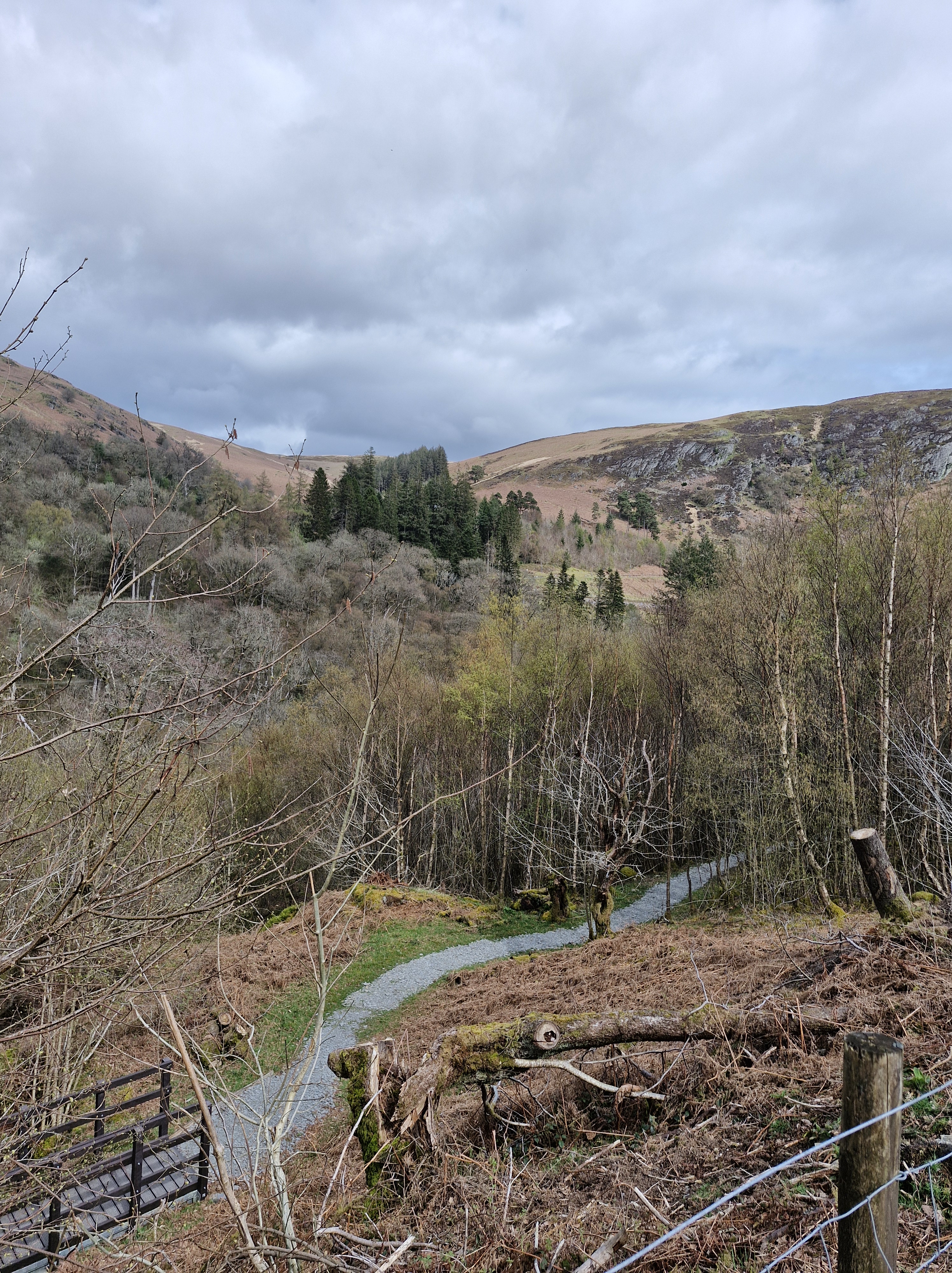
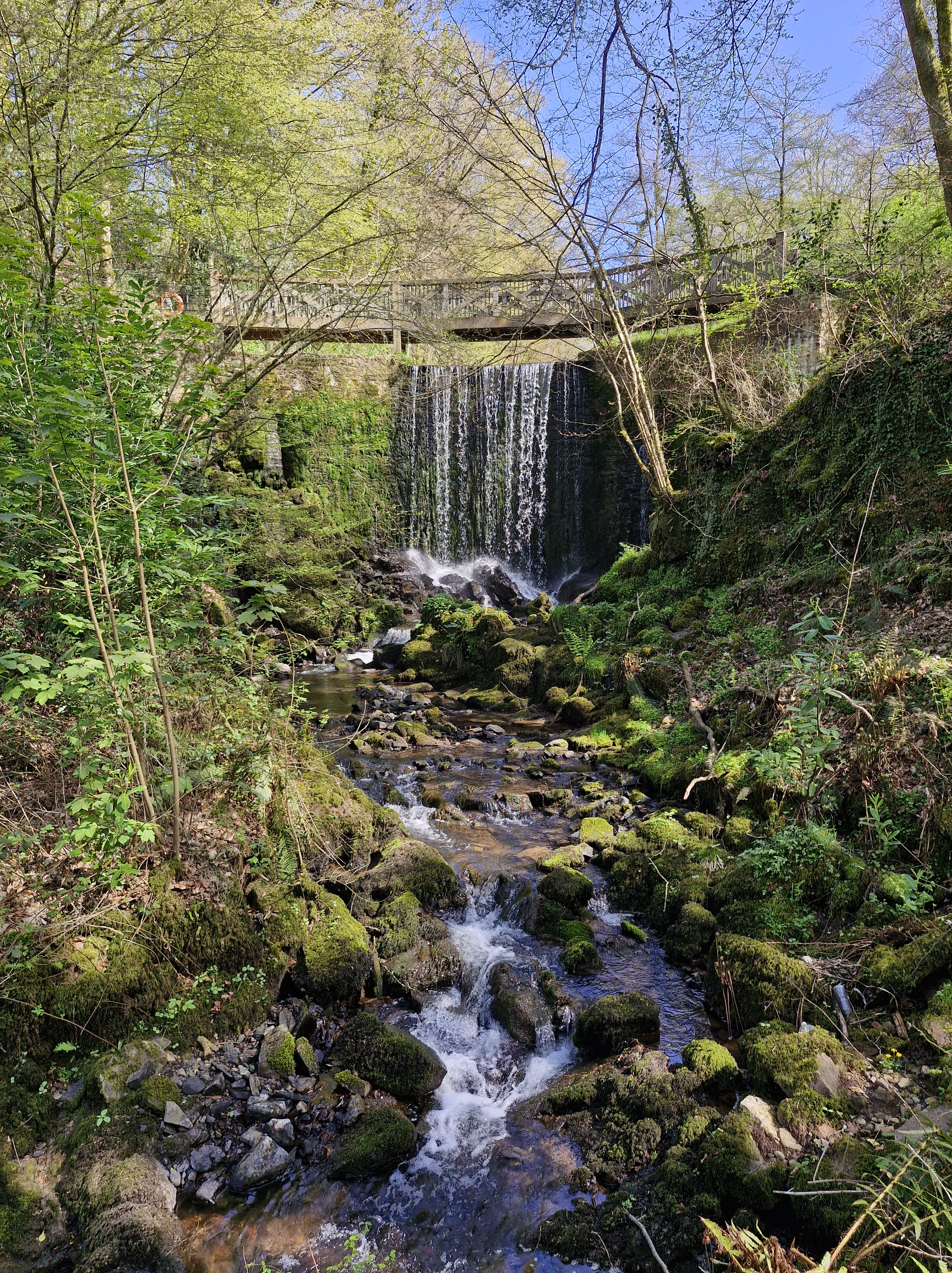
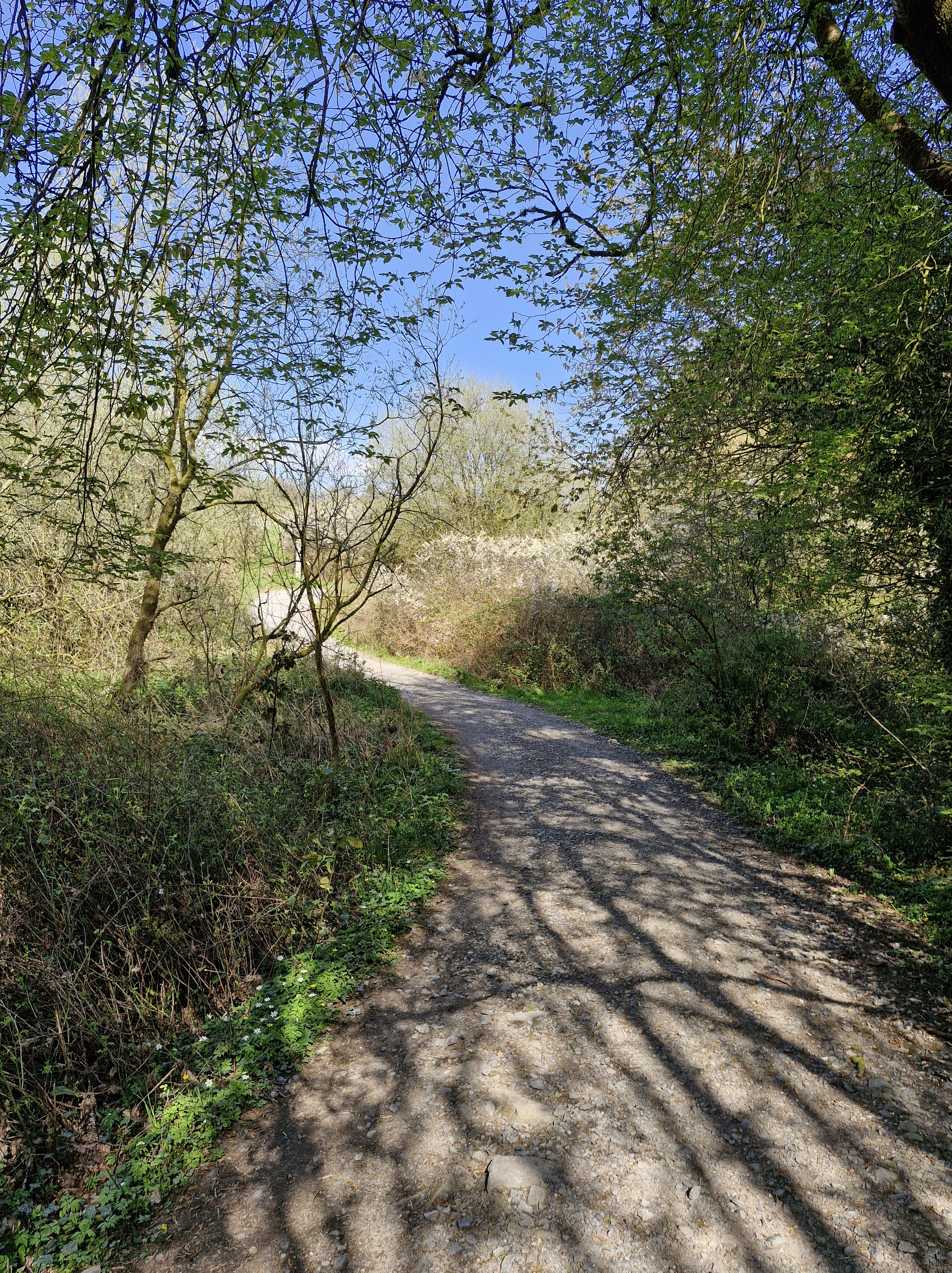
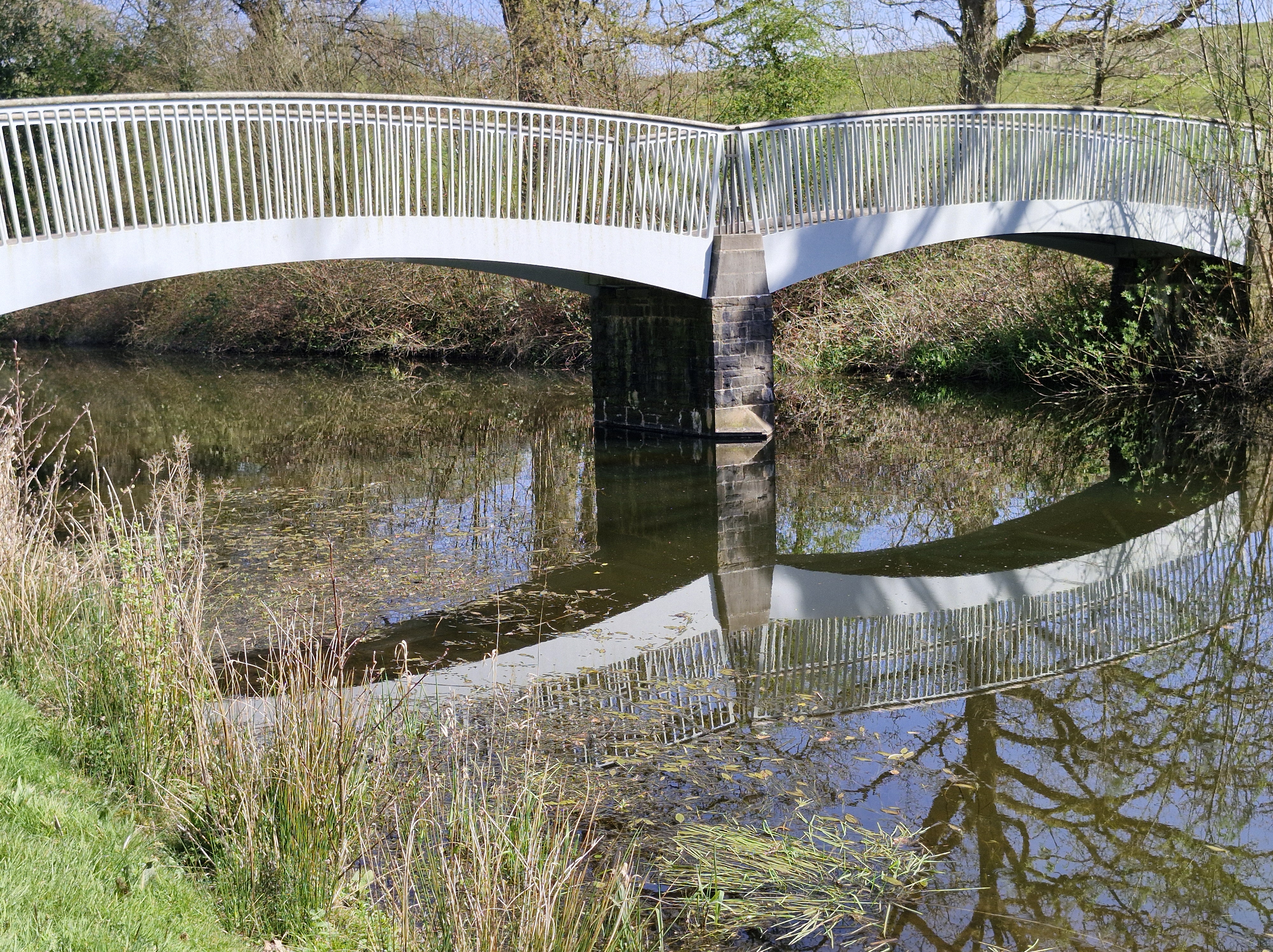
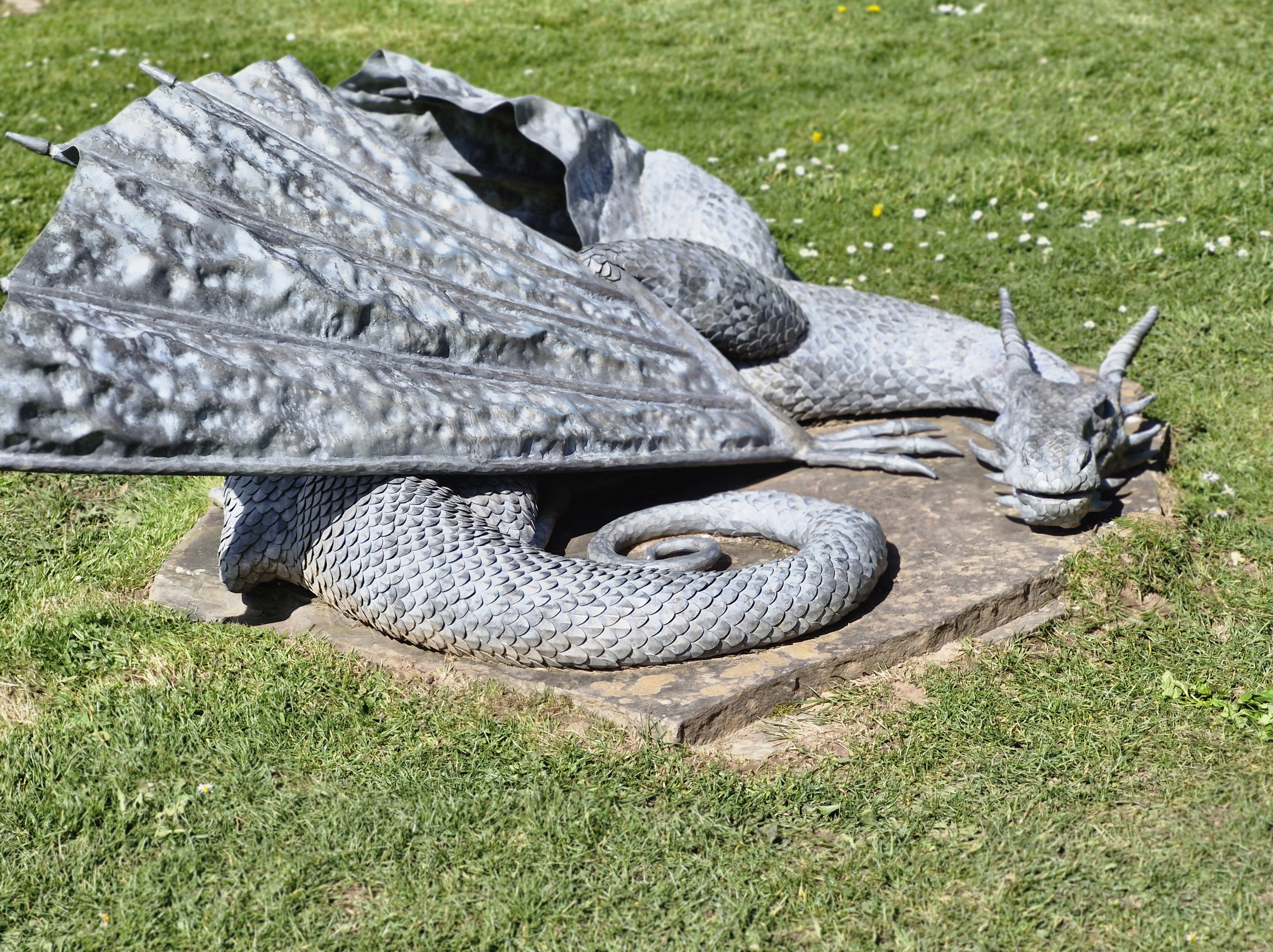
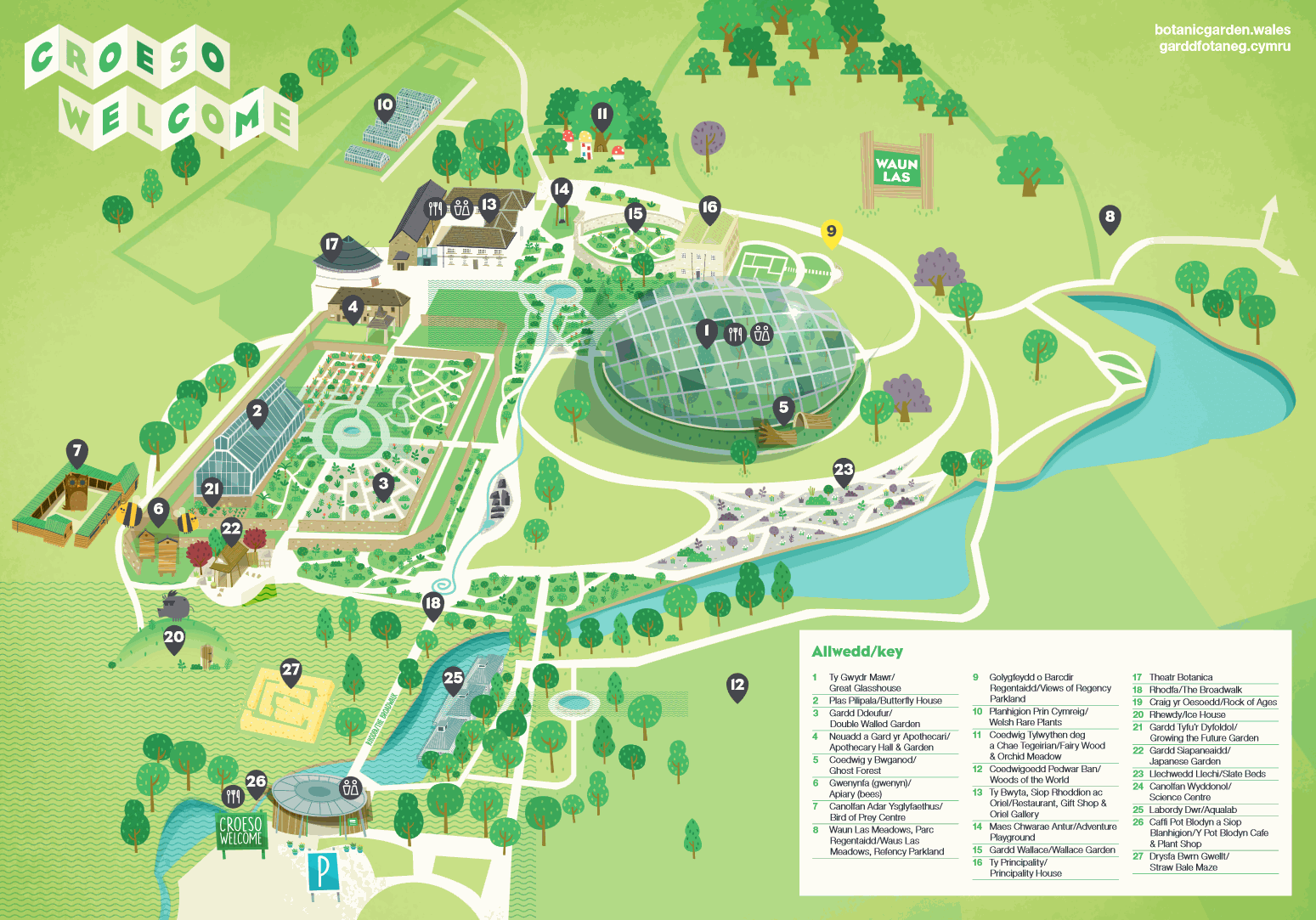
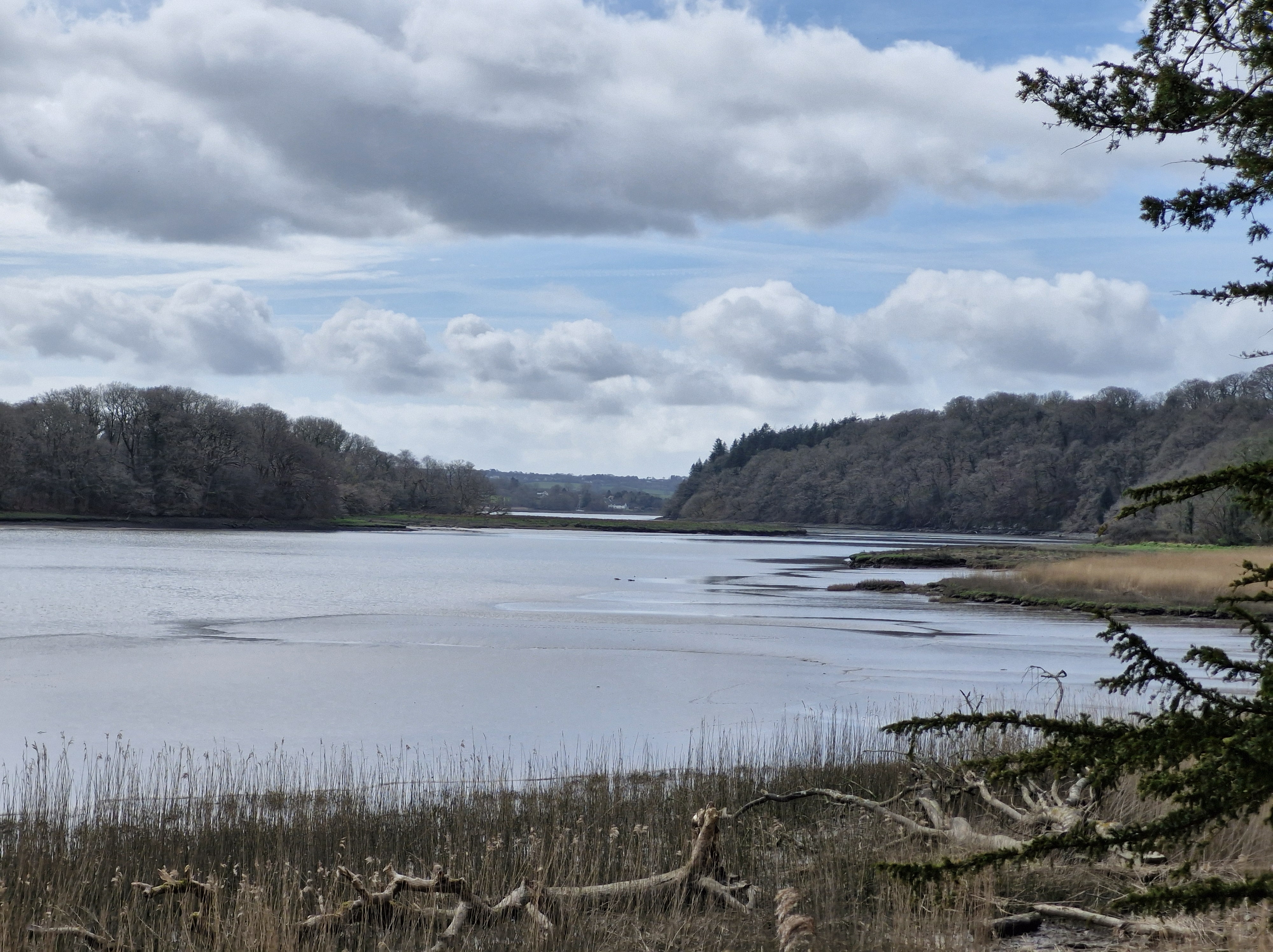
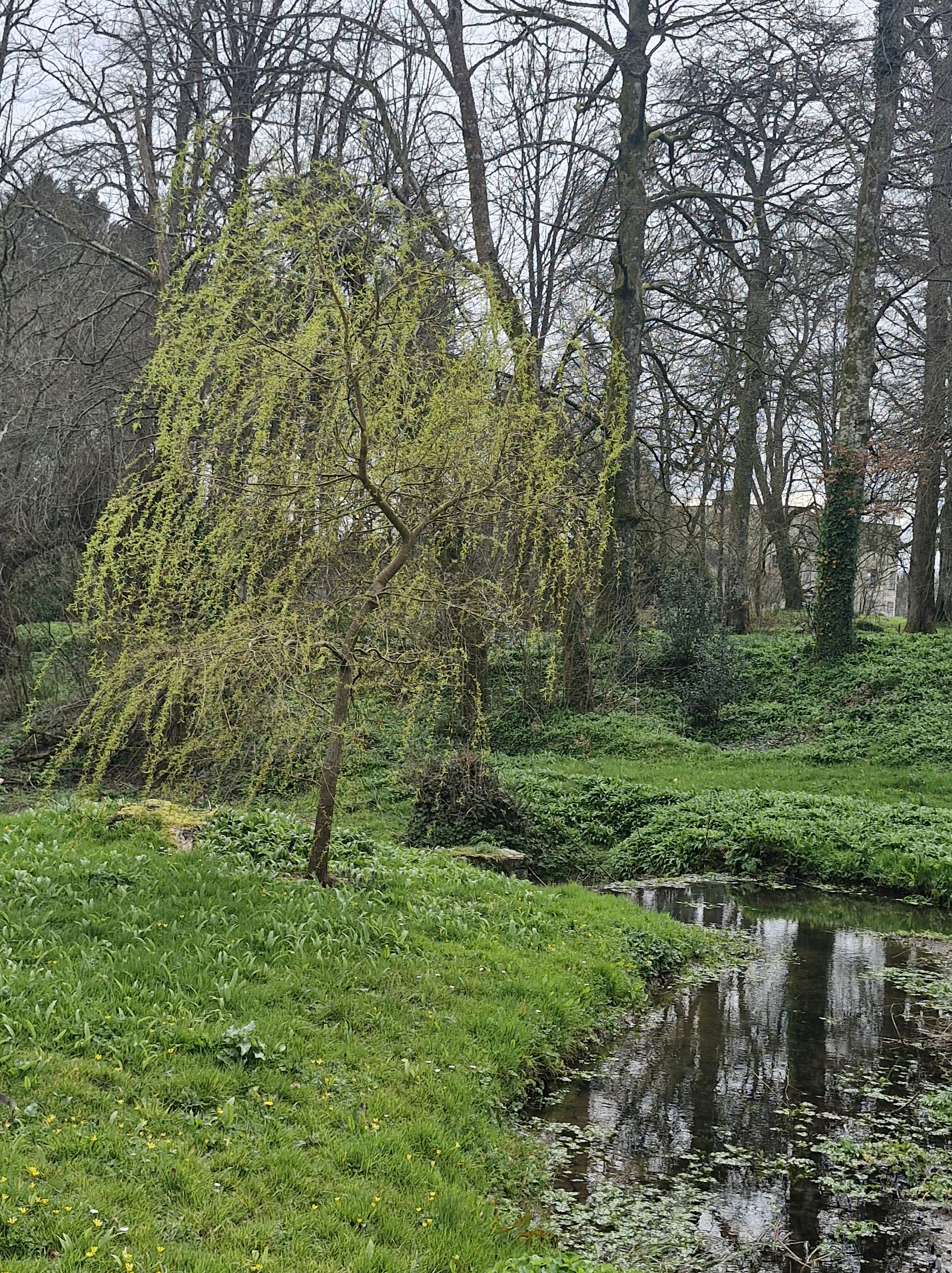
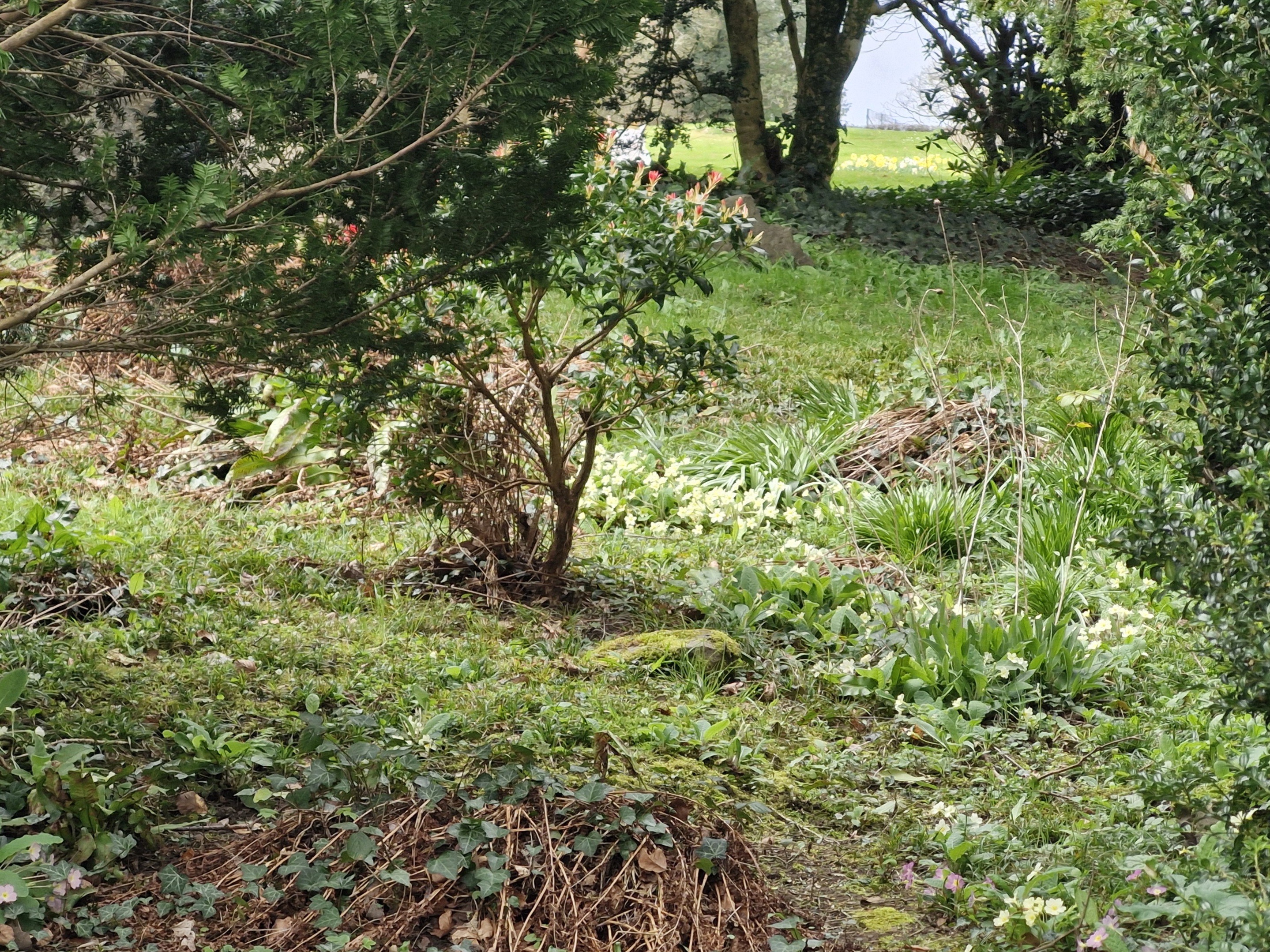
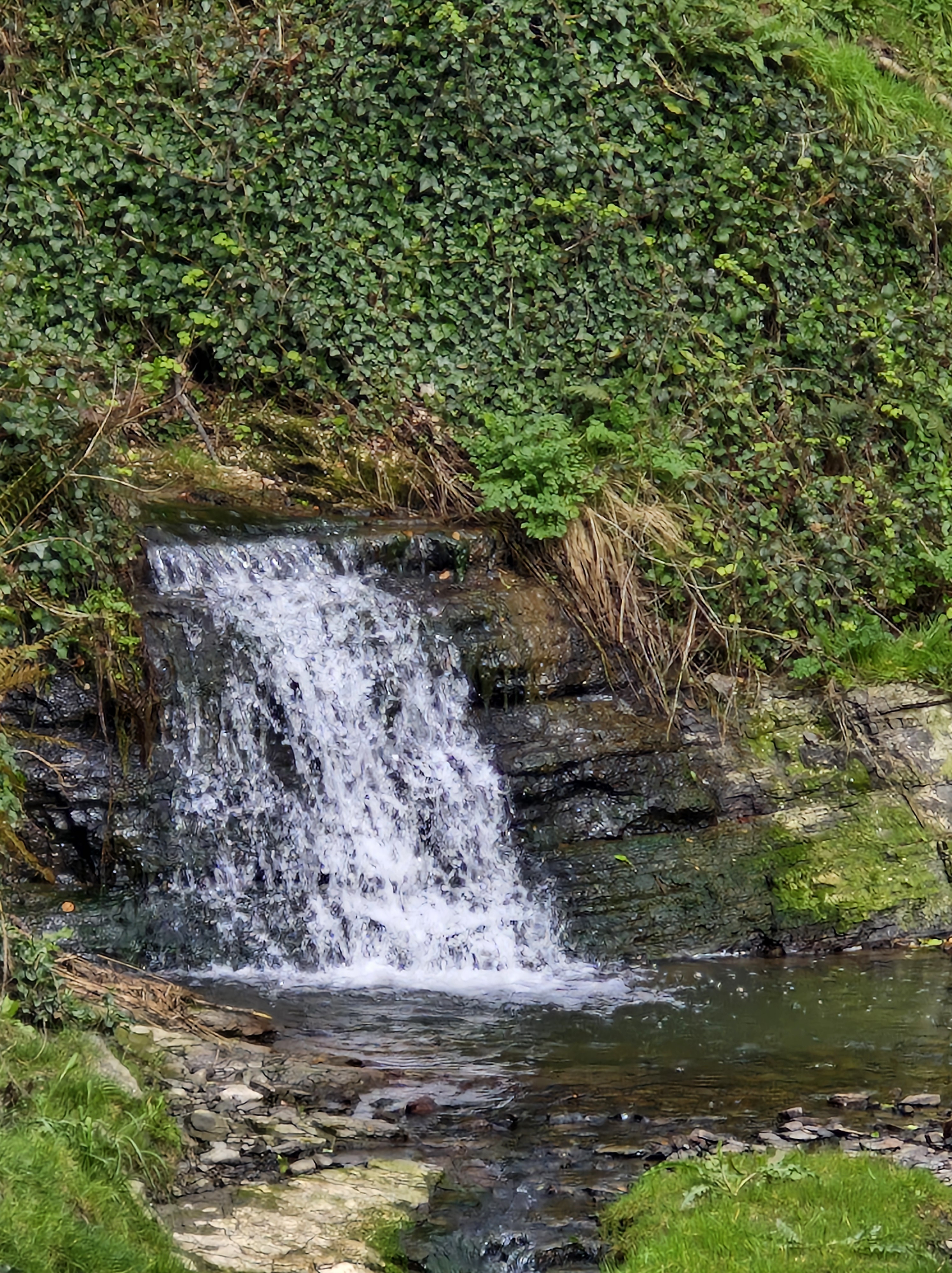
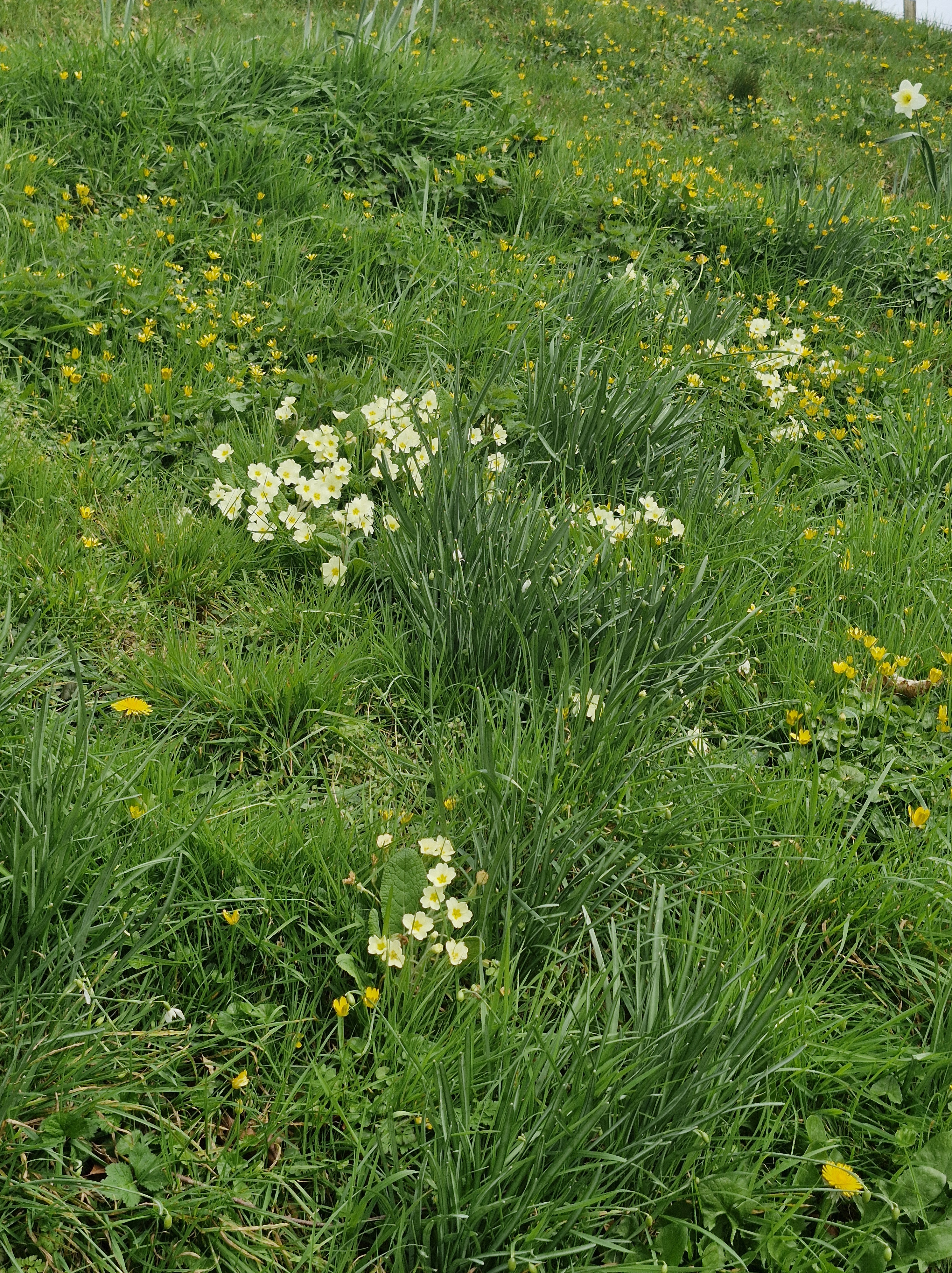
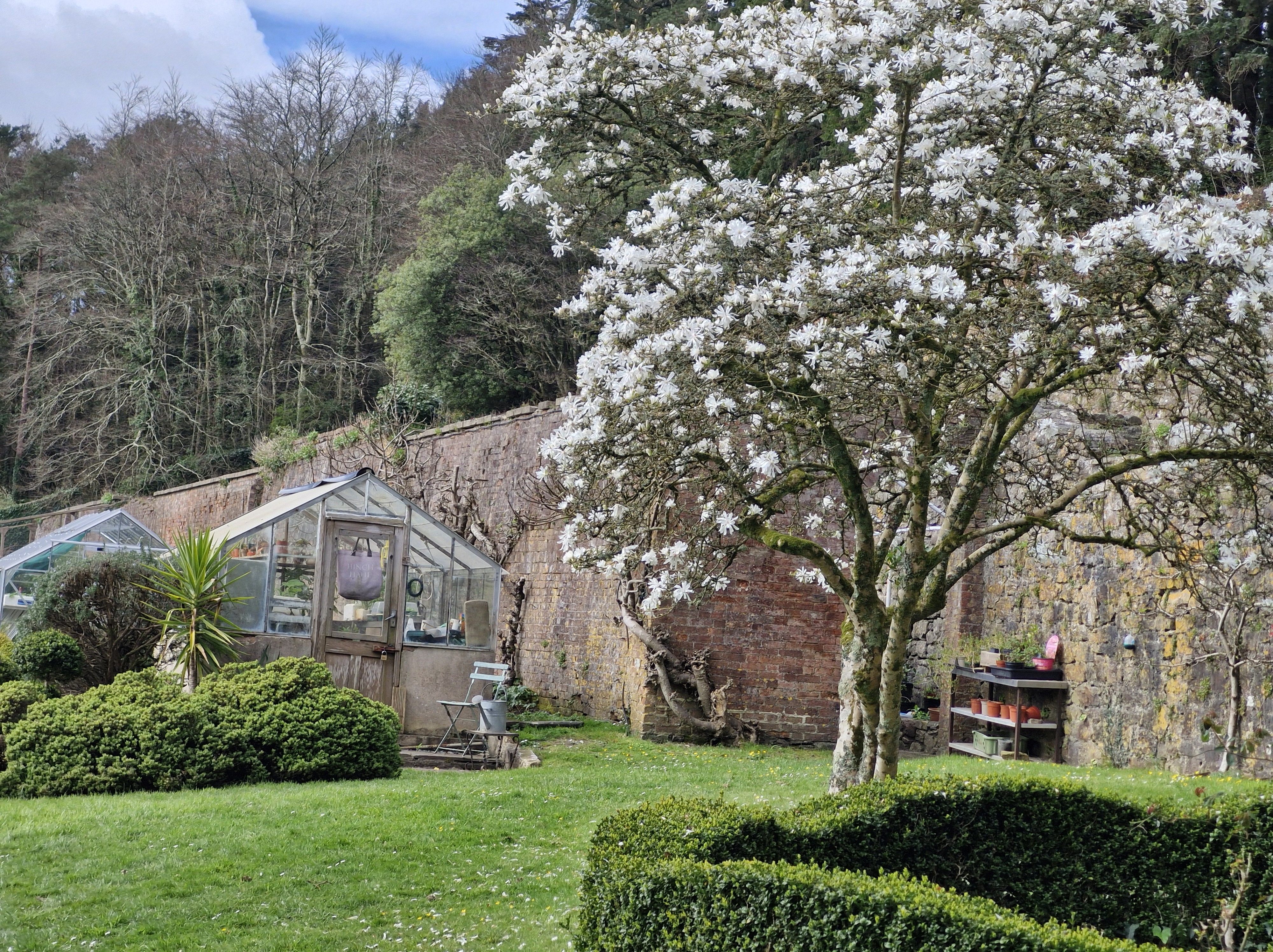
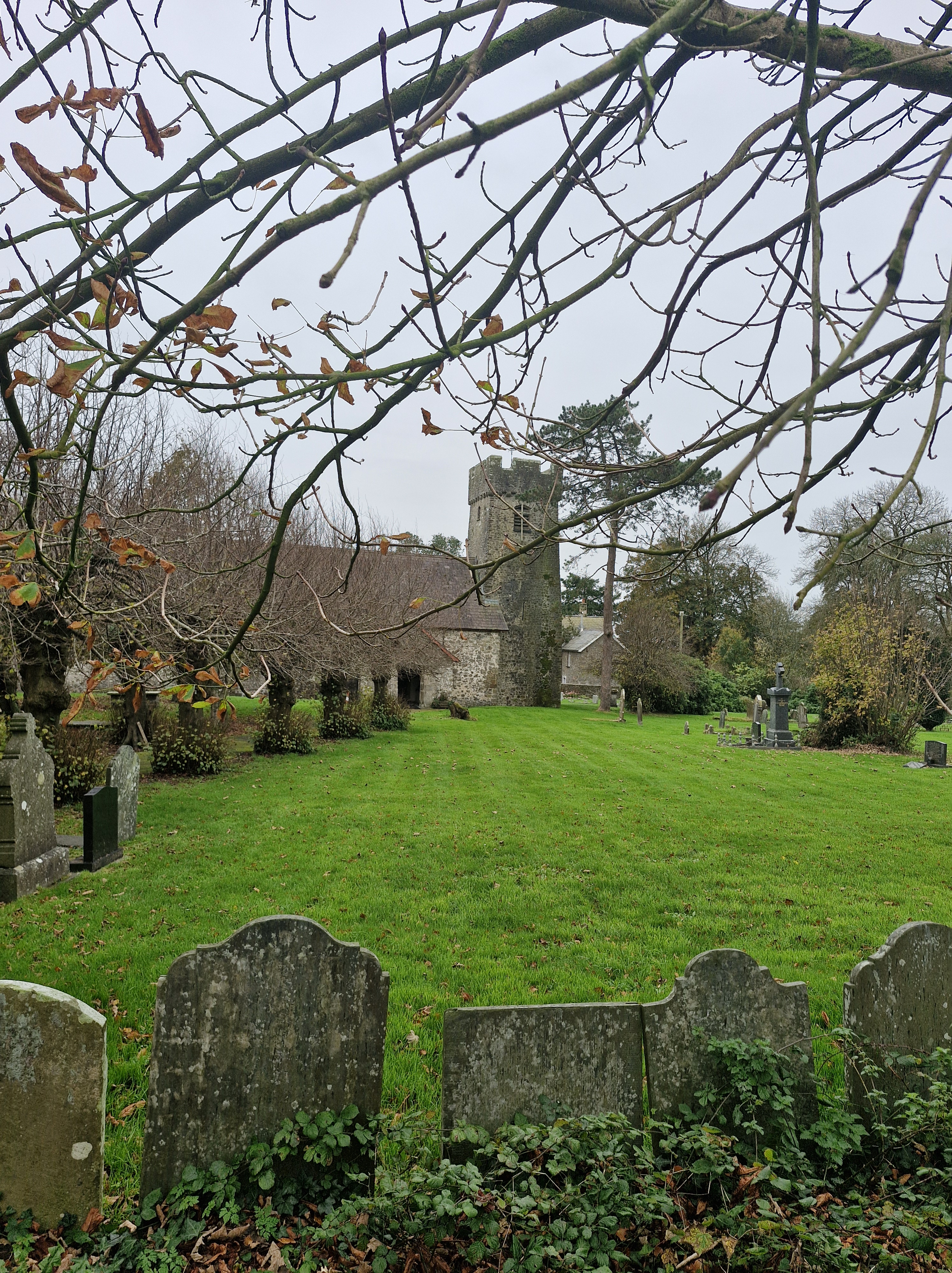
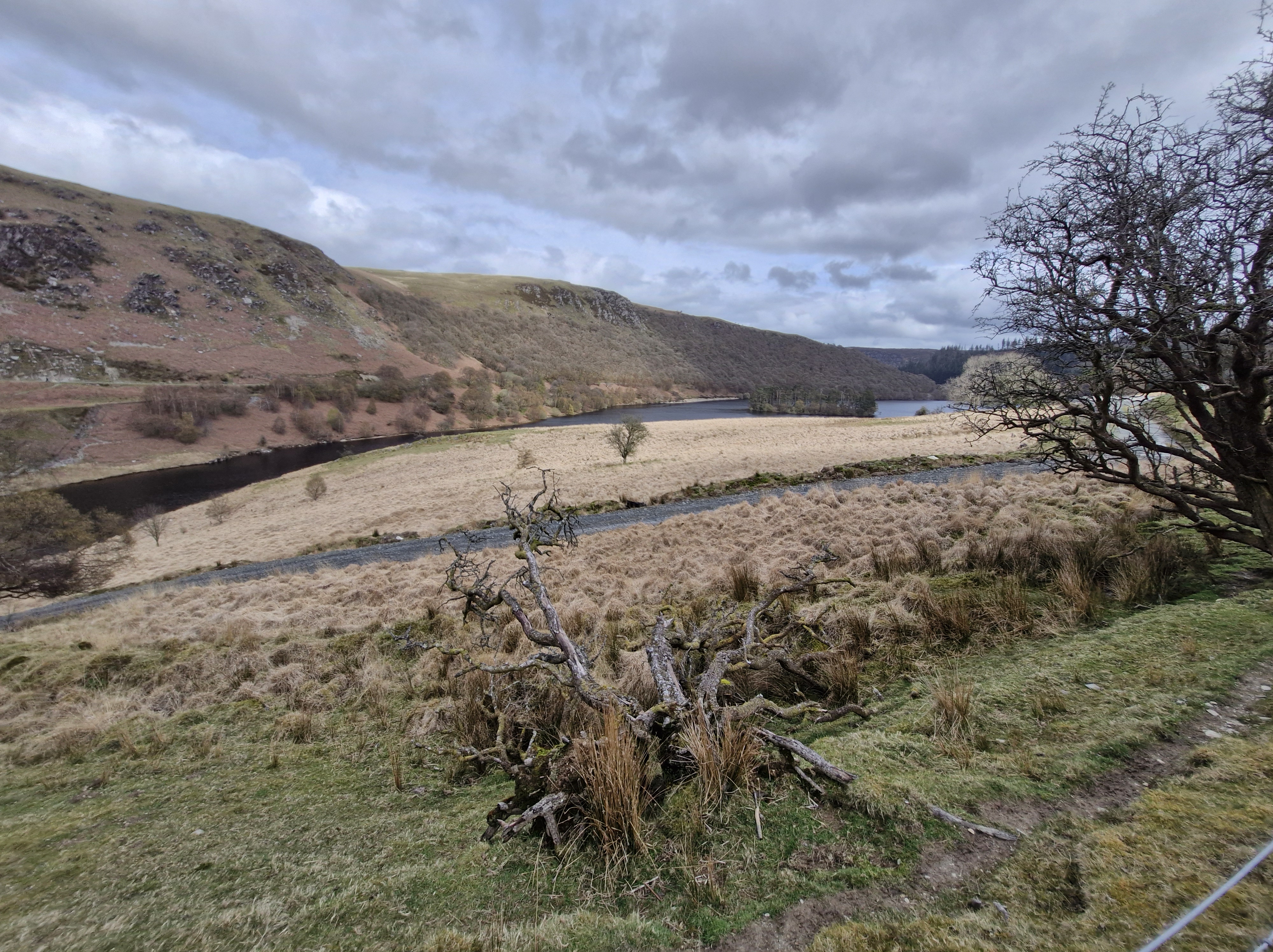
This morning, with the weather fine, though a little chilly, we wrap up and take another of our favourite walks. As usual, Slebech Park Country Estate doesn’t fail to provide great views, some glorious wild flowers, and impressively maintained grounds.

Over the years we’ve visited the park many times, in all weathers, at all times of the year. Maybe Spring is our favourite season here – or maybe summer – or autumn – or even winter, when even the bleakness of the days can’t detract from the scenery.

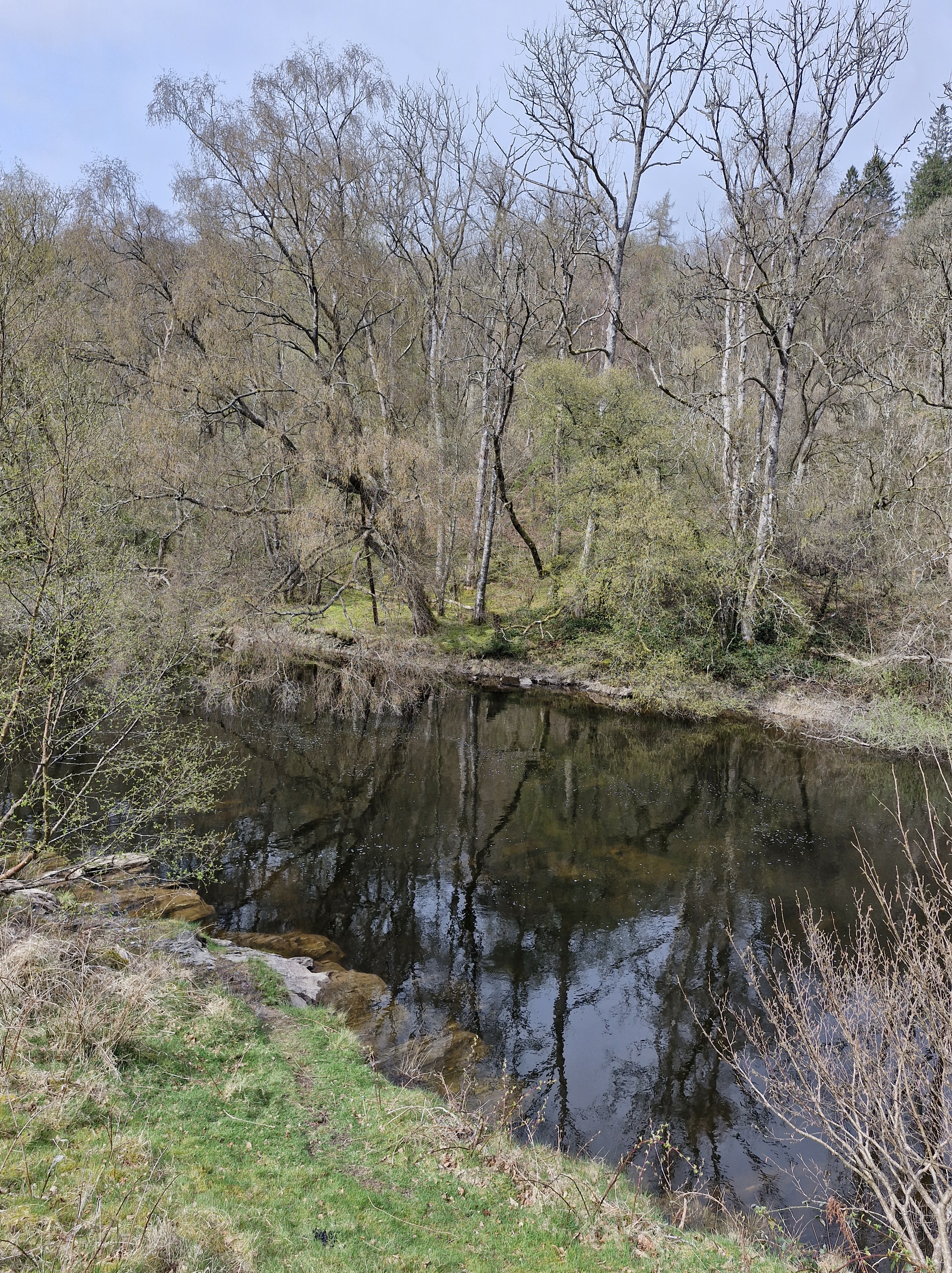
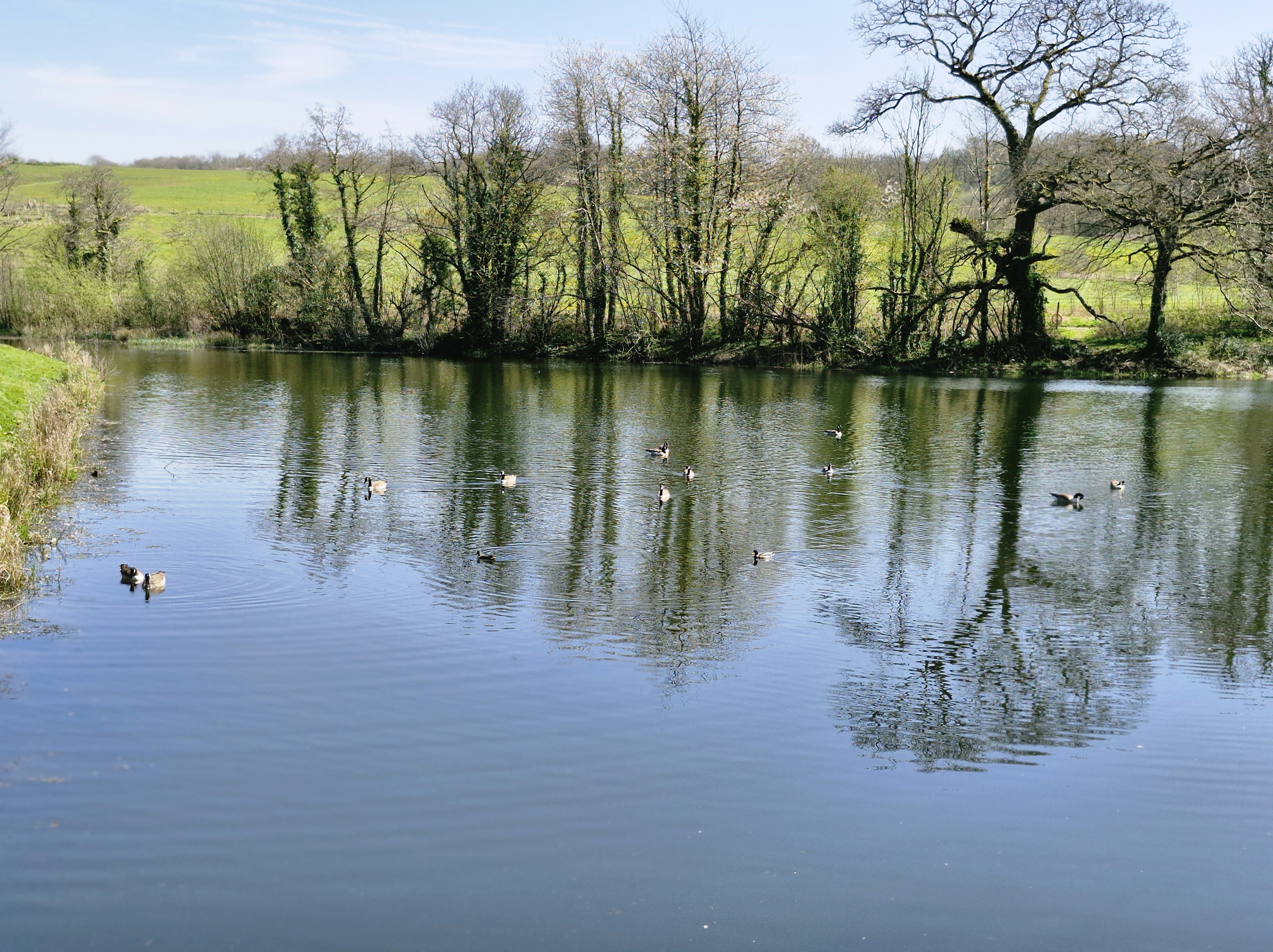
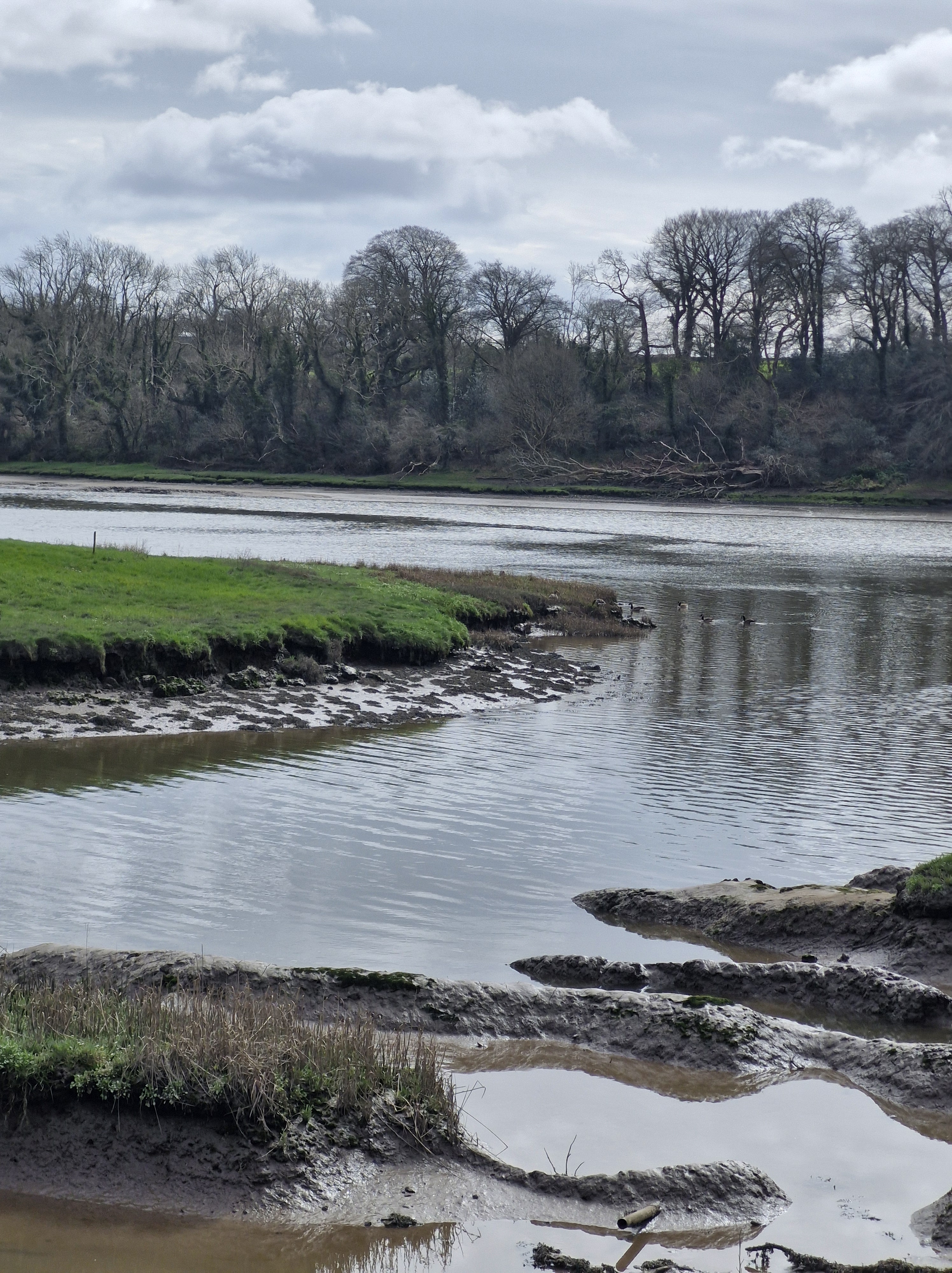
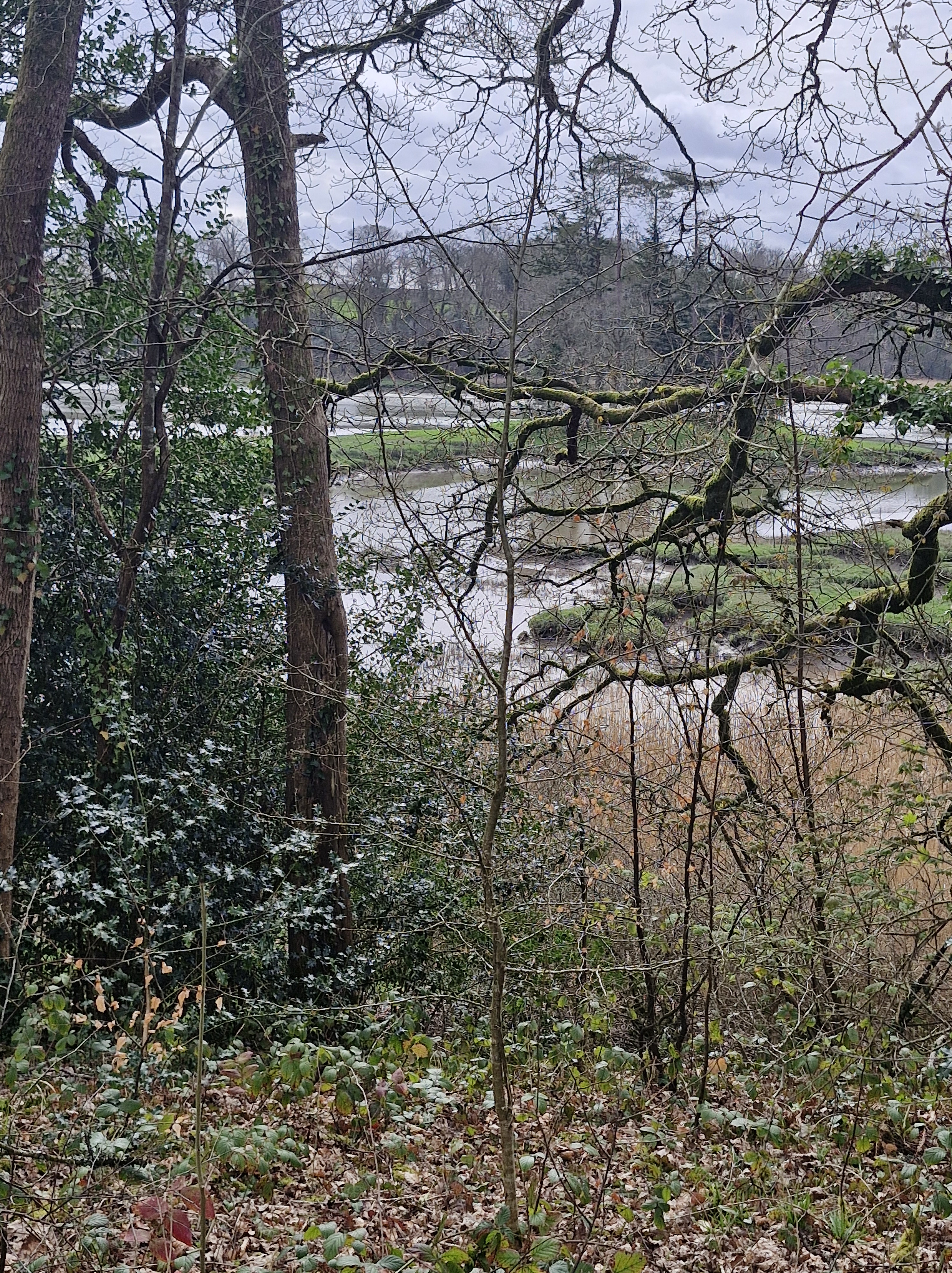
We’ve walked the trail from Canaston Bridge, always looking forward to our first glimpse of the Cleddau. Sometimes, as a tidal river, the water is low, the mud flats glistening in the sun, sometimes it’s high, lapping quietly against the banks, and with ducks and seagulls floating on the surface alongside one another.

Today, though, is different. Not wanting to walk along the usual, longer path from Canaston Bridge, we park in a layby alongside the busy road to Haverfordwest, climb stiles, walk along a rough track – muddy from recent rain – and alongside the estate farm.

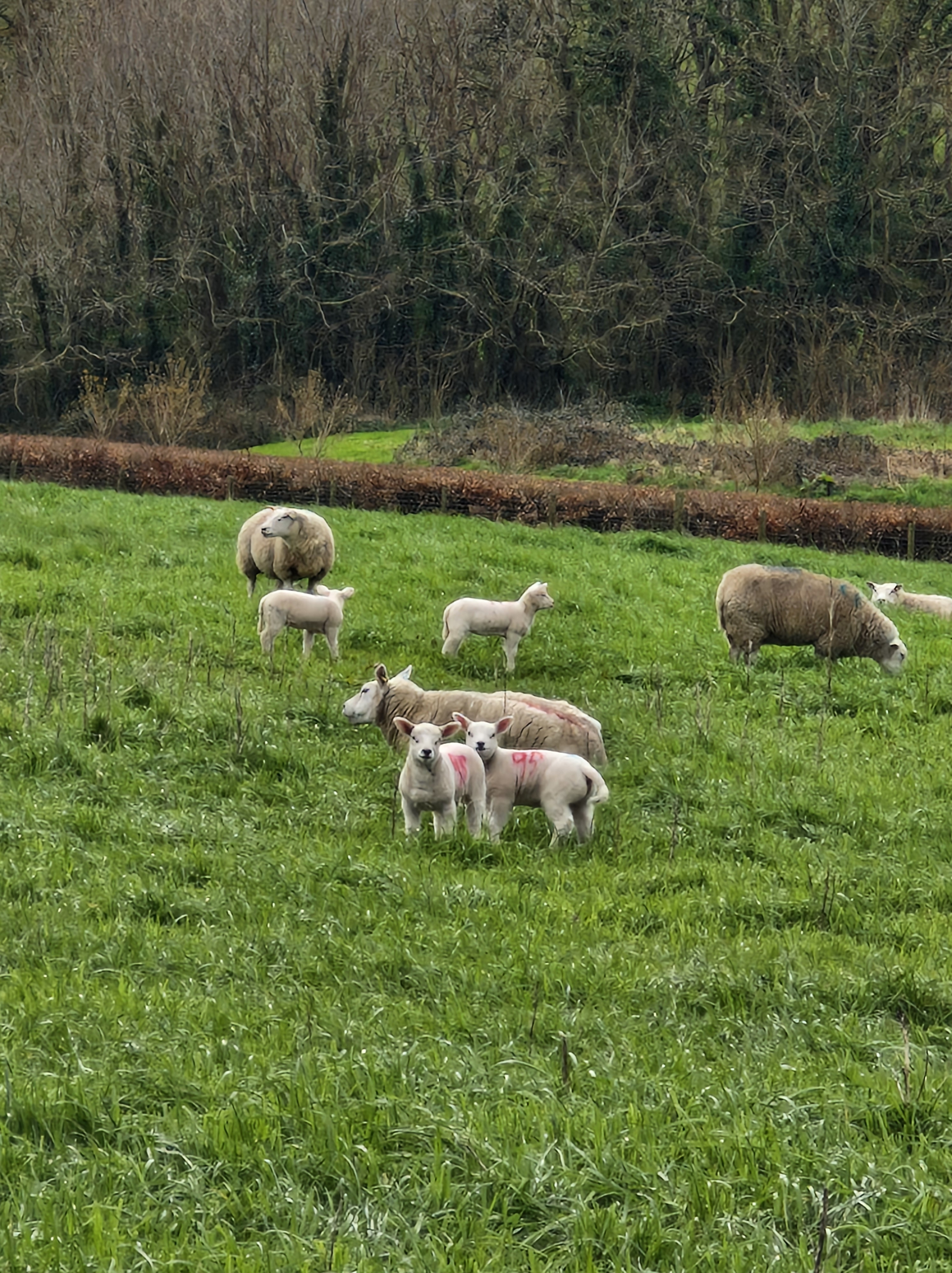
And say hello to the lambs, in the nearby field, who fix their eyes on us until we are safely past them.

This morning the tide is in.

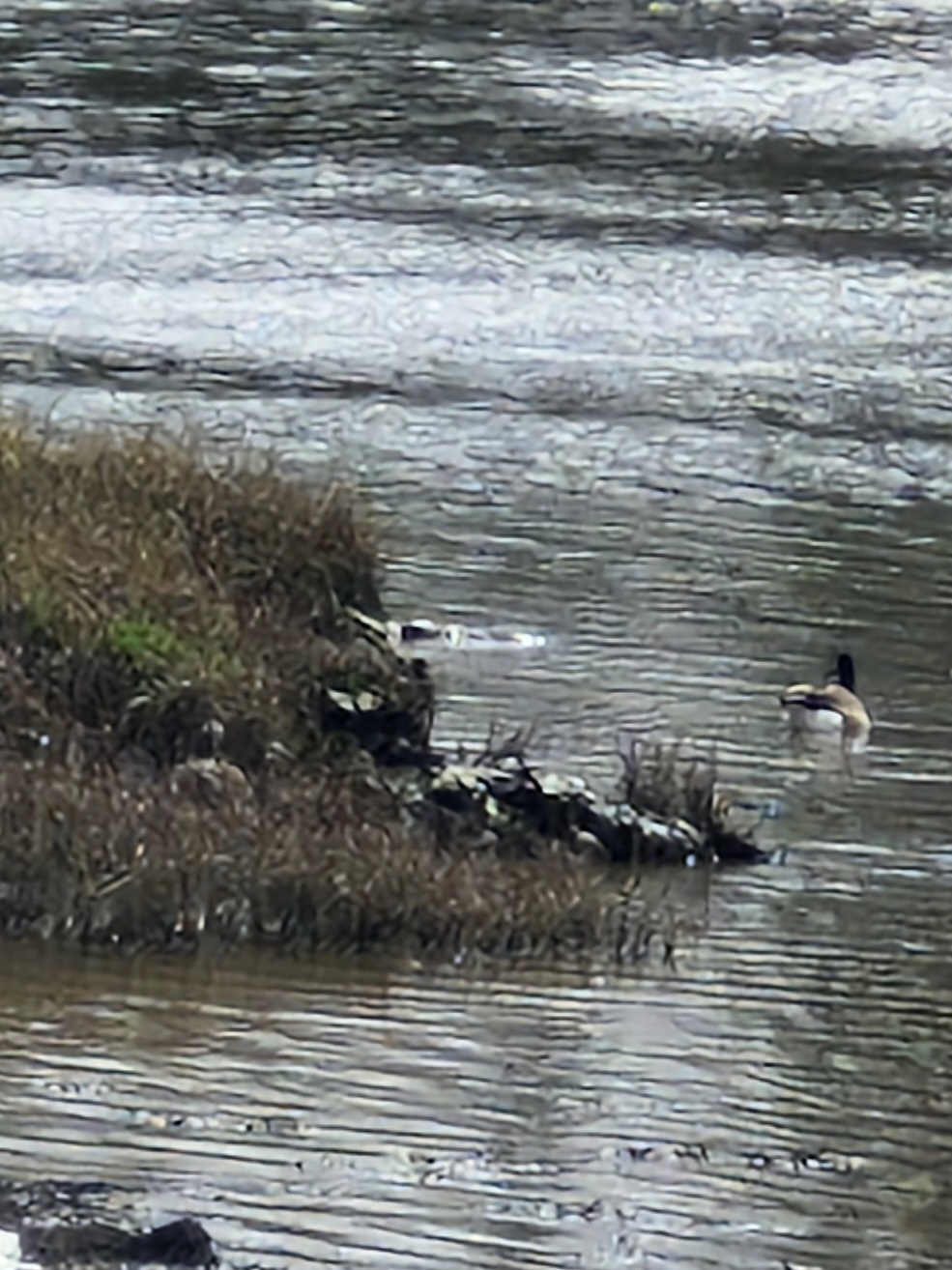
But the ducks are quite elusive. Except for one!

We saunter around the park, conscious that we are actually carrying out a recce for a stroll for members of our local U3a: somewhere fairly flat, easy walking … and no stiles!!

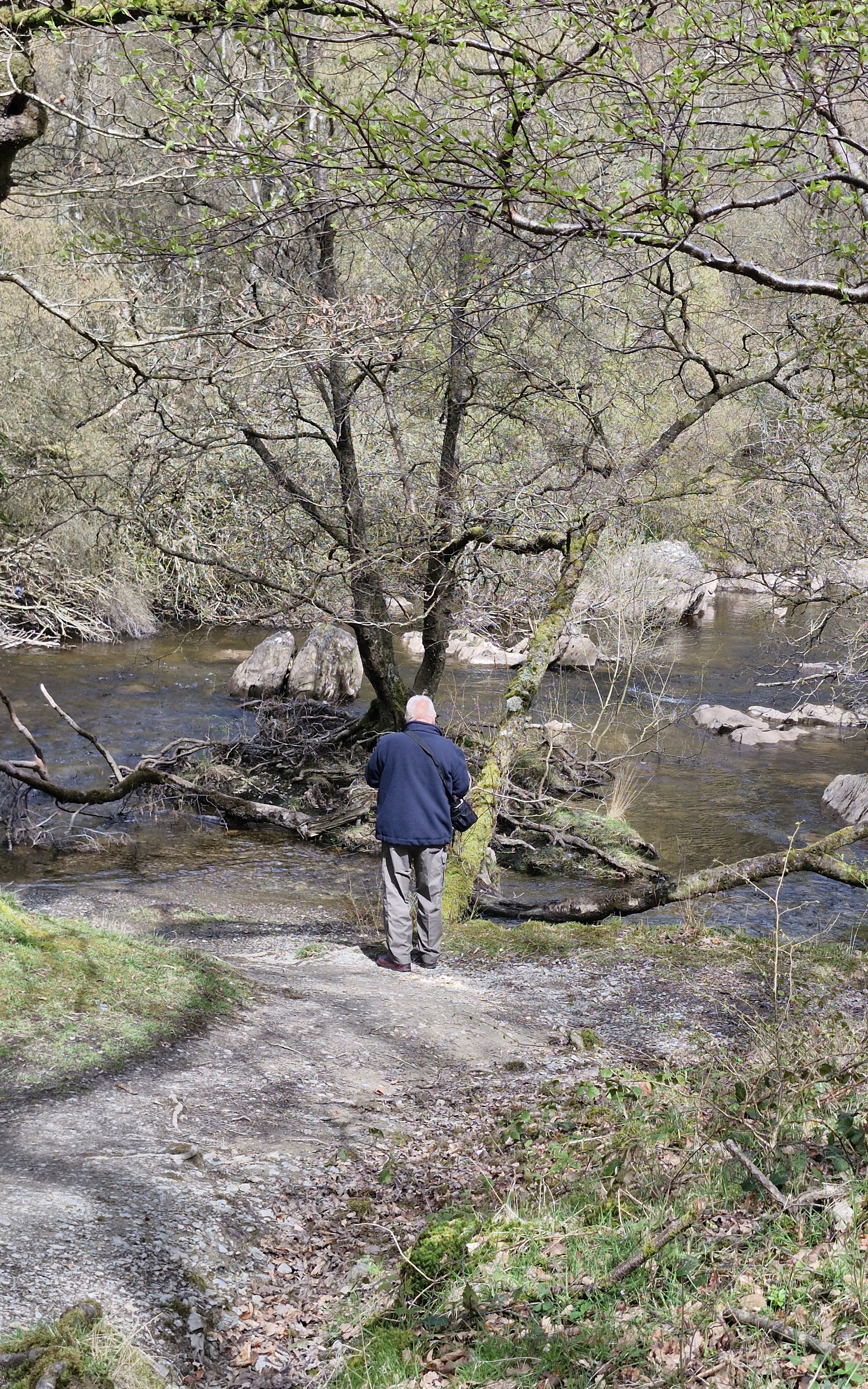
With moments when we are able to stop – to admire – to just be! …

Time for lunch! We walk back to the car, having established that a stroll around the estate will be enjoyed by all.

The history of Slebech Park:

The origin of the word Slebech is thought by some to be derived from a Viking term meaning “Stoney Beach.” It is likely that Vikings sailed inland to Slebech on raiding parties and, upon seeing its commanding position on the river and small harbor, viewed it as a place of refuge. Slebech has long held a significant place in the history of Wales. From the 6th century onwards, it served as a major meeting point for pilgrims traveling to St. David’s Cathedral. Over the centuries, it has been visited by notable figures including William the Conqueror, Henry II, Edward I, and Queen Eleanor.

The estate’s history is intertwined with social stratifications of the time, as it hosted lands divided for the rich and poor. A “Beggars’ Field” is believed to have existed, though its location remains undiscovered. In recognition of its importance, Pope Calixtus decreed that two visits to St. David’s equaled one pilgrimage to Rome.
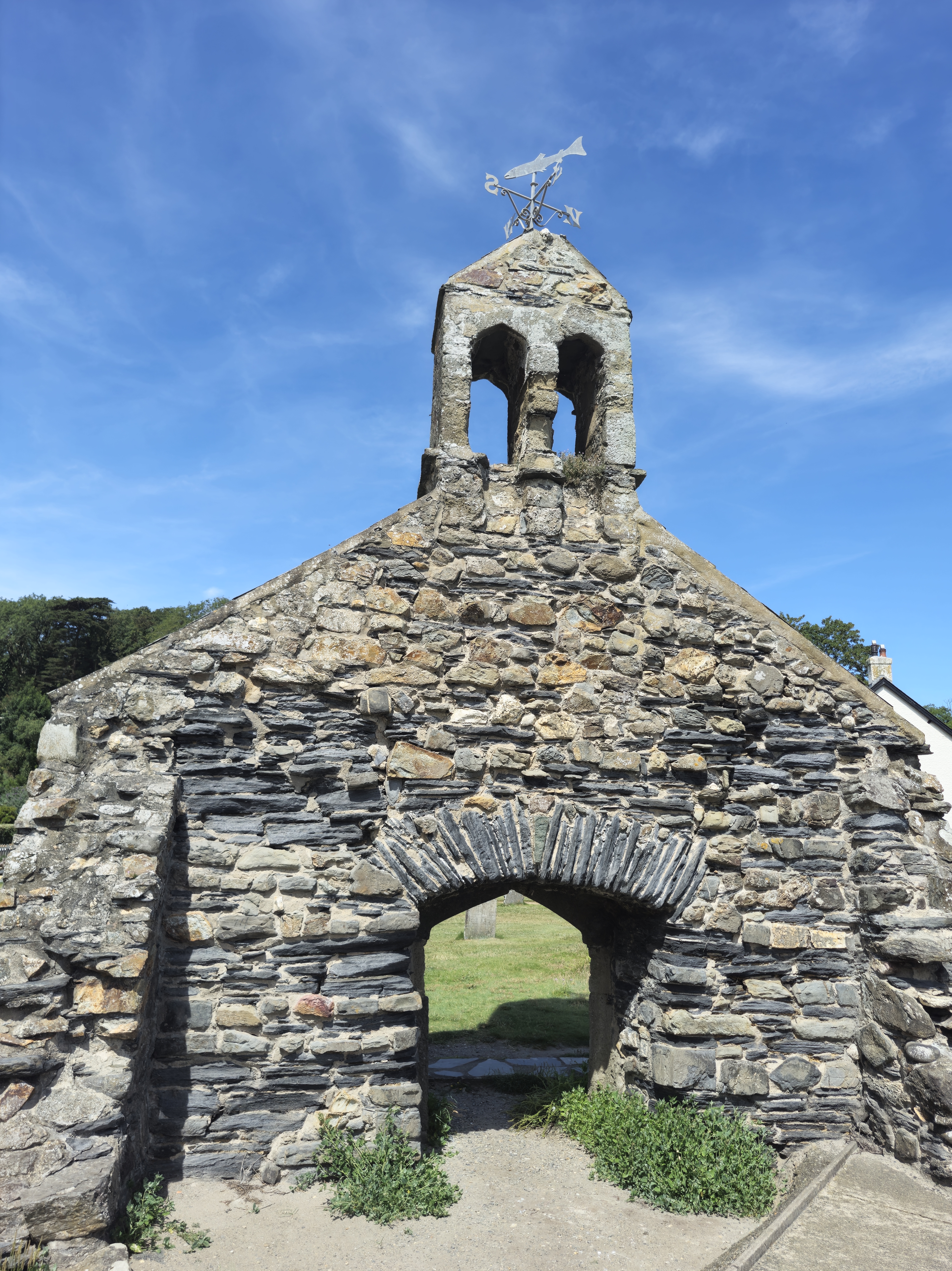
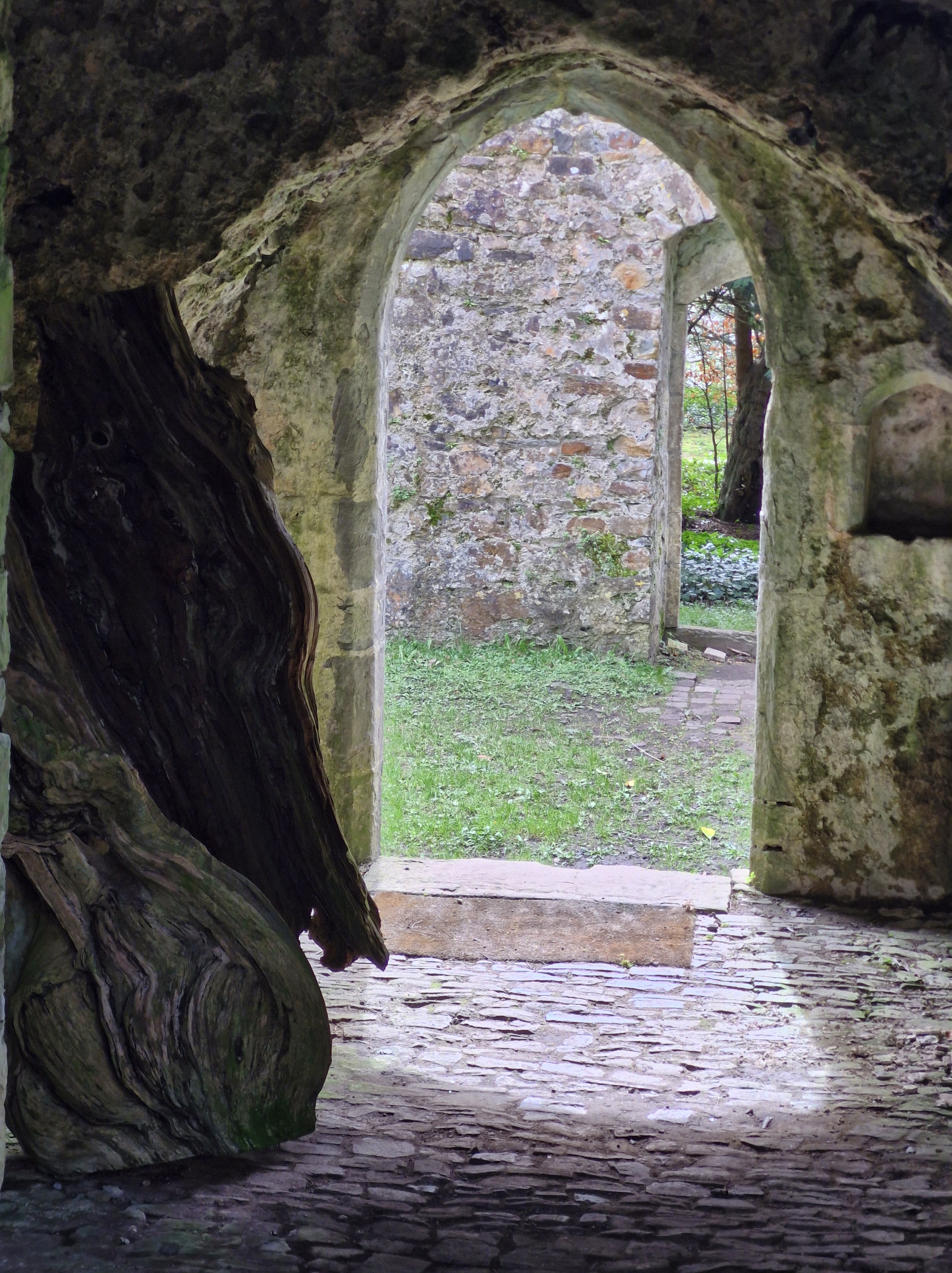
The oldest building standing today is the Norman tower in the estate’s 12th-century church. Likely part of a watchtower, it strategically overlooks the river. This site was connected to other Norman castles, forming a defensive line across Pembrokeshire. During the 13th and 14th centuries, Slebech became home to Wales’s most powerful monastic foundation, managed by the Knights of St. John (formerly the Knights Templar, now known as St. John’s Ambulance). The hospice here made Slebech a crucial gathering point for knights embarking on crusades. In fact, knights killed in foreign battles had their hearts pickled and reburied in the church crypt and on Dog Island, now a Scheduled Ancient Monument. A 12th-century sword, found on Dog Island, is now displayed in the Welsh National Museum.
Slebech’s prominence waned during Henry VIII’s Reformation when the powerful Commandery was disbanded, and its lands were redistributed. Today, only the 12th-century church, some tunnels, and remnants of thick walls from Slebech Hall remain from this period. The rest of the estate’s medieval structures were destroyed during the English Civil War.
After being sold by the Crown, the estate came into the hands of Roger Barlow, a powerful Tudor gentleman and close confidant of Henry VIII. An adventurer, Barlow sailed with the Spanish fleet on voyages to the Americas. The Barlow family owned Slebech until the 18th century, when Catherine Barlow inherited the estate. Catherine married Sir William Hamilton, but died childless in 1782. Sir William later married Lady Emma Hamilton, famous for her affair with Admiral Lord Nelson. When Sir William died, he was buried alongside his first wife, Catherine, in Slebech’s old churchyard.
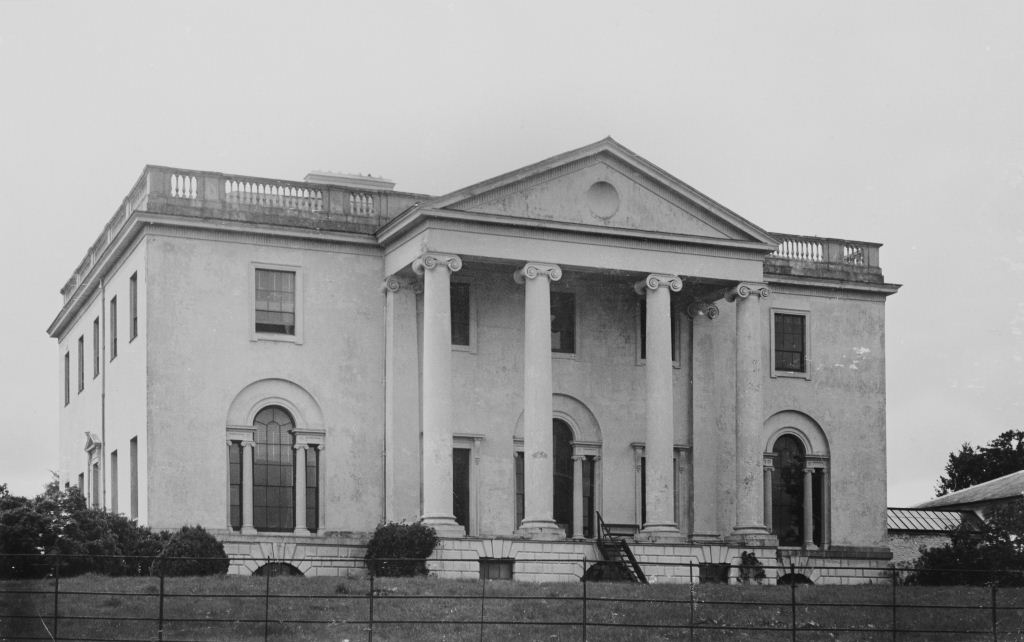
Slebech Hall, one of Wales’s finest Georgian manor houses, was constructed in the 1750s. It was reputedly designed by architect Anthony Keck, also believed to have designed Highgrove House, home to Prince Charles. Around the same time, the estate’s modest granary buildings were transformed into stables and coach houses, some of which still retain their original charm today. These buildings were castellated, inspired by nearby Picton Castle. Slebech Hall remains largely intact and is Grade II* listed, with future plans to restore it to its original grandeur and incorporate it into the hotel operations.
The estate later passed to Nathaniel Phillips, a Jamaican sugar plantation owner known for his duels and his marriage at 65 to a 19-year-old heiress from Picton Castle. His daughter, Mary Dorothea, married Baron De Rutzen, an eccentric figure who built the “back to front” church on the A40, an imposing structure still standing today. The family line ended with John Frederick Foley, who died in Italy during WWII.
During WWII, Slebech was used by the US Army as they prepared for D-Day, with local lore suggesting a Willis jeep remains submerged in the estate’s lake—a symbol of youthful folly.
Eventually, the estate was sold to the Honorable William Phillips, father of Geoffrey Mark Phillips, who began the current hotel operation. The Phillips name quietly exited the estate’s history in 2013, marking the beginning of a new chapter.
Today, Slebech Park continues to welcome travelers, just as it has for over a thousand years. With its rich history, bespoke bedrooms, fine dining, and serene walks through stunning landscapes, Slebech offers a truly historic and unique destination that embodies both luxury and heritage.

The above history of the estate is courtesy of: https://www.slebech.co.uk/

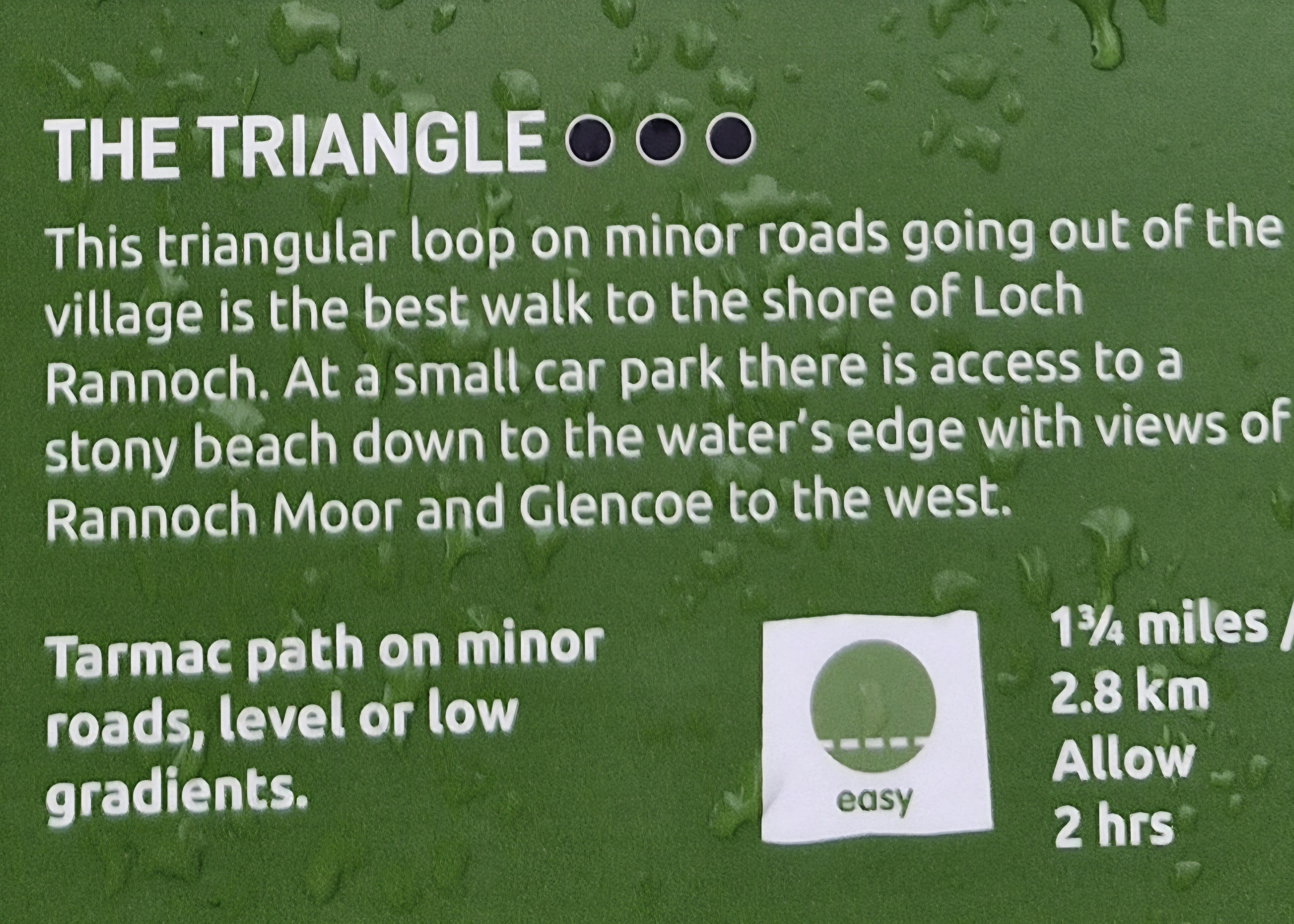
Where We Walked The Triangle #LochRannoch #Kinloch Rannoch #Scotland

Or rather strolled!.This walk was part of a couple of the short walks we had over our stay as guests with one of the members at the Loch Rannoch Highland Club.

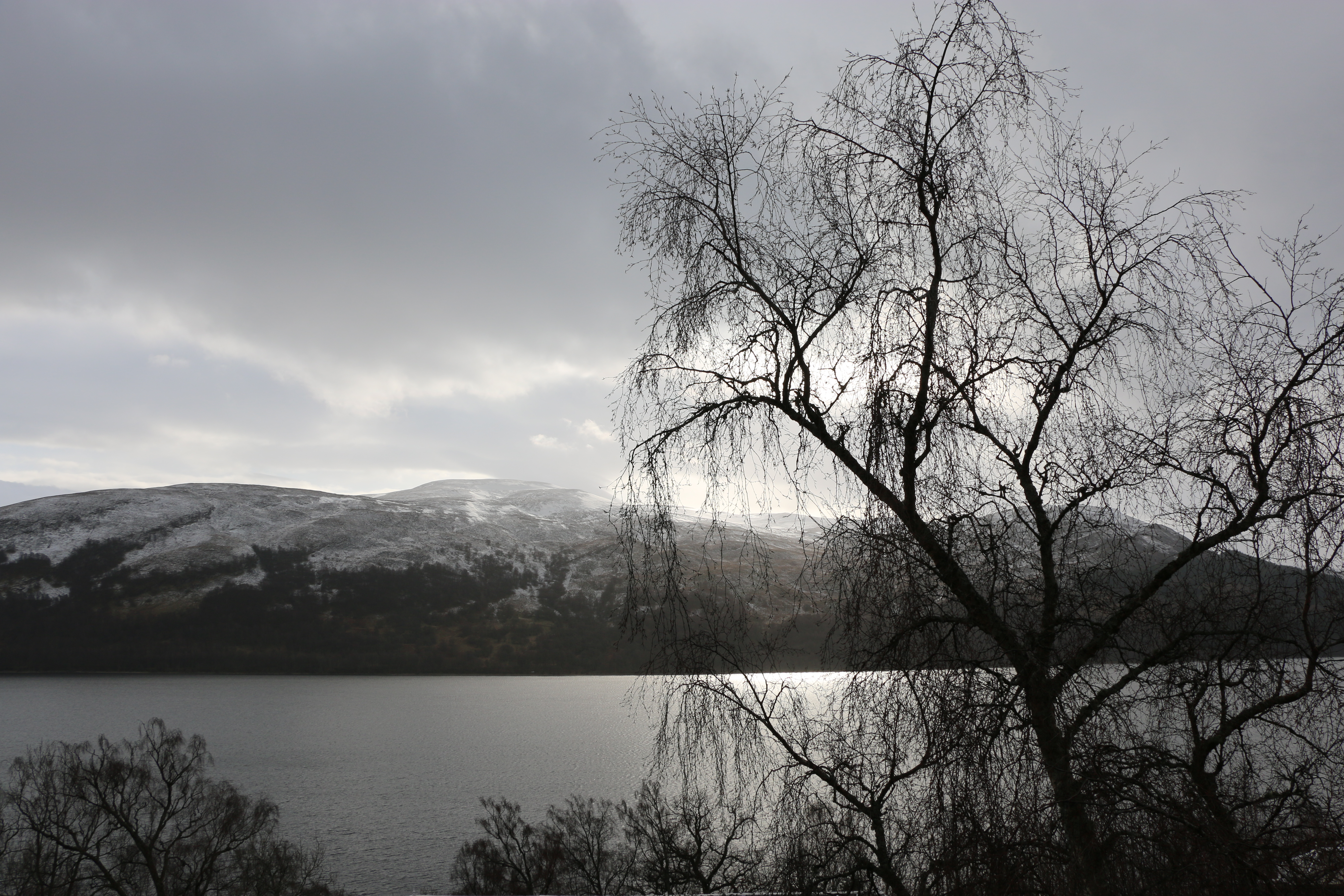
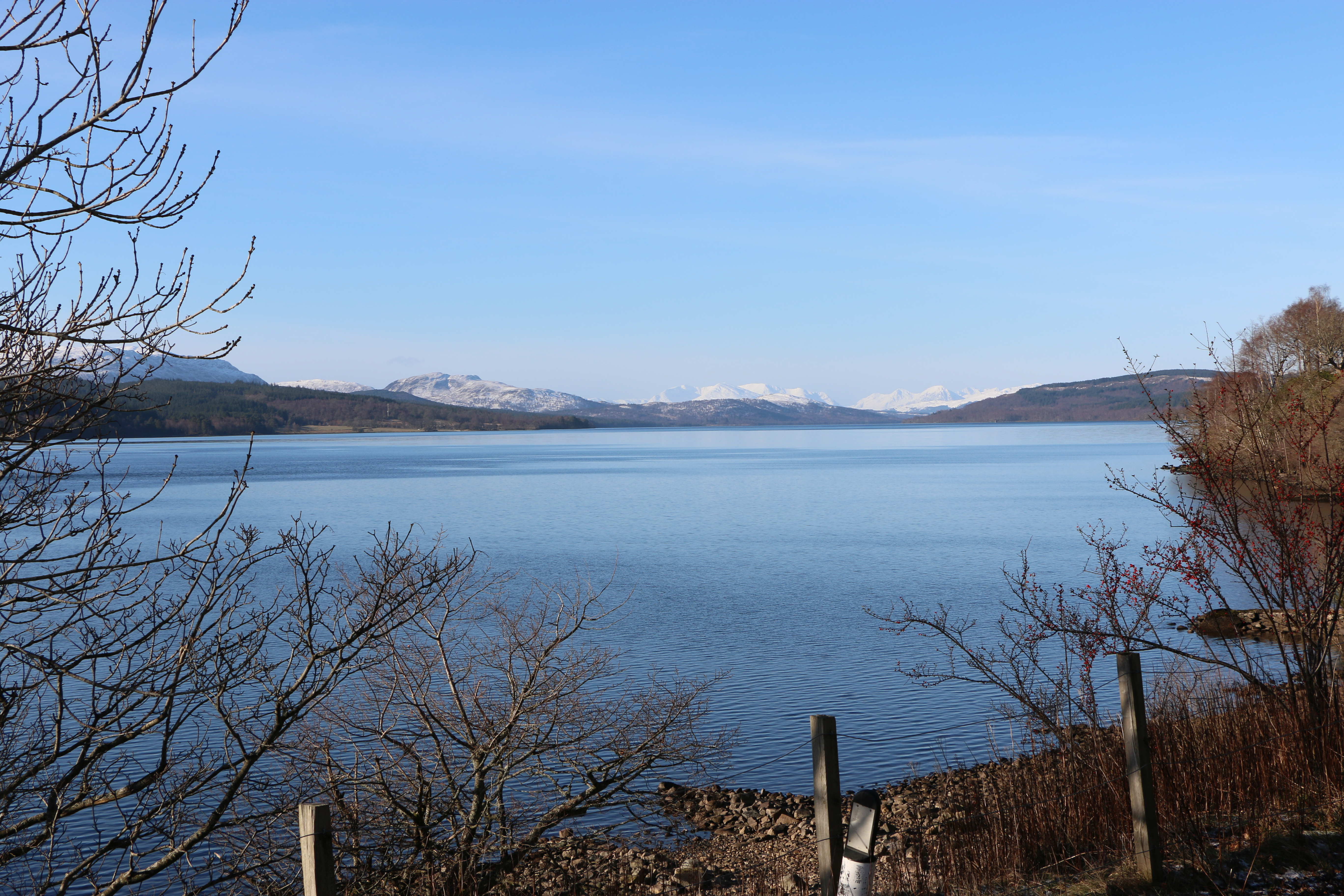
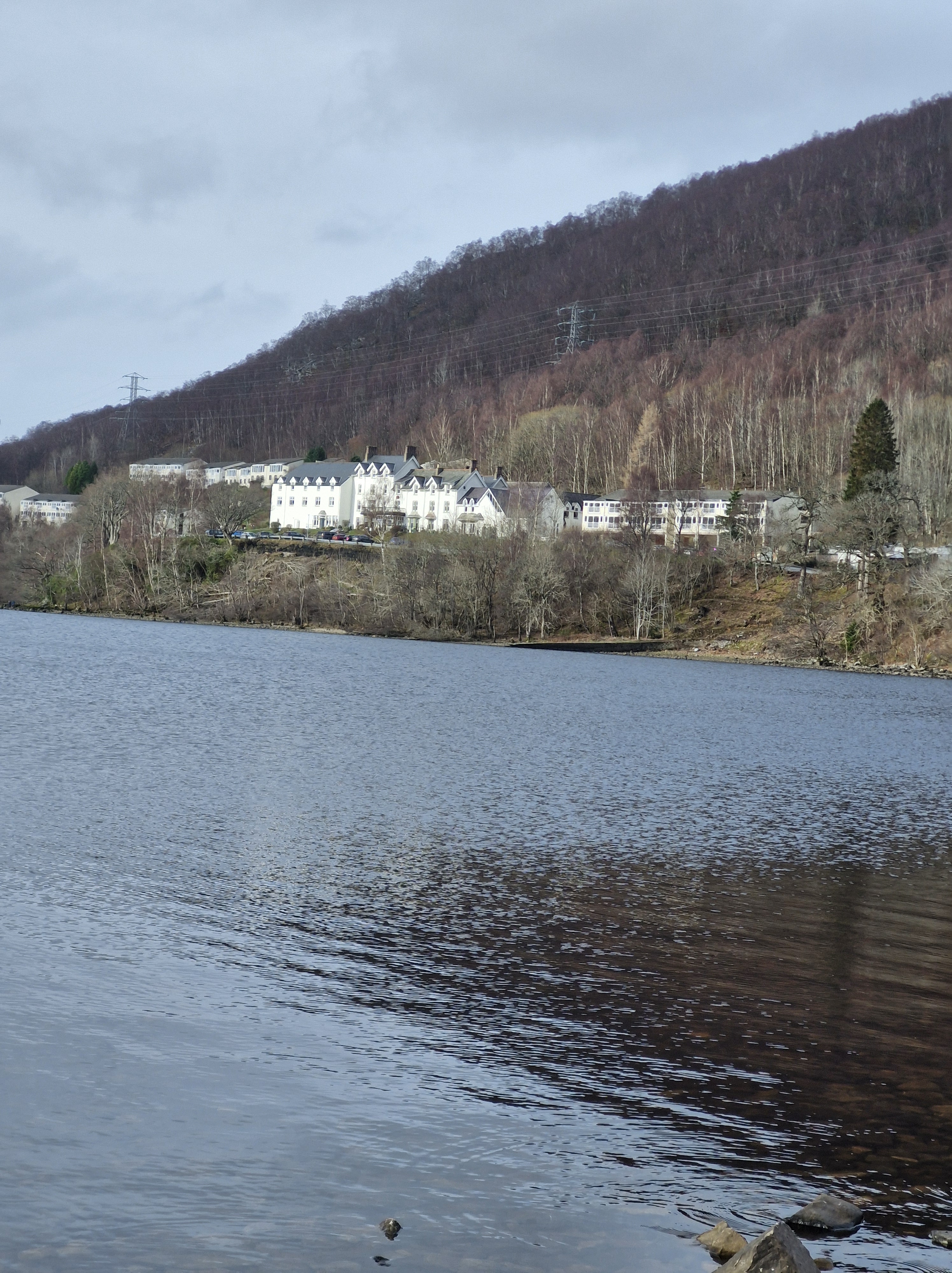
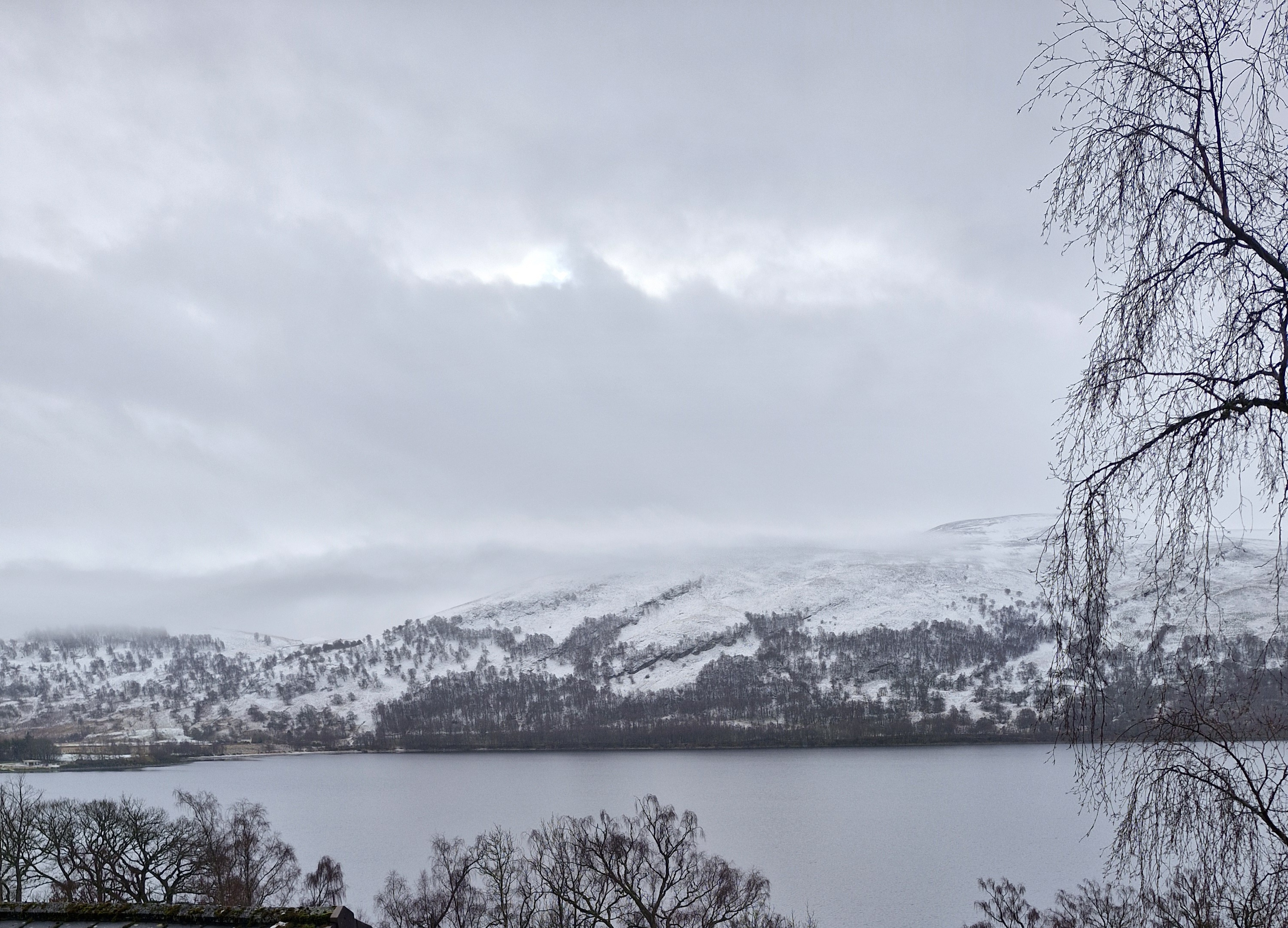
It truly is a wonderful place to stay, with every one of the lodges overlooking Loch Rannoch. The Photographer took this photo on our first night we arrived. We were hooked! It snowed, but soon cleared and we had four glorious days. The Triangle walk was an easy morning’s stroll that we found on the third day.

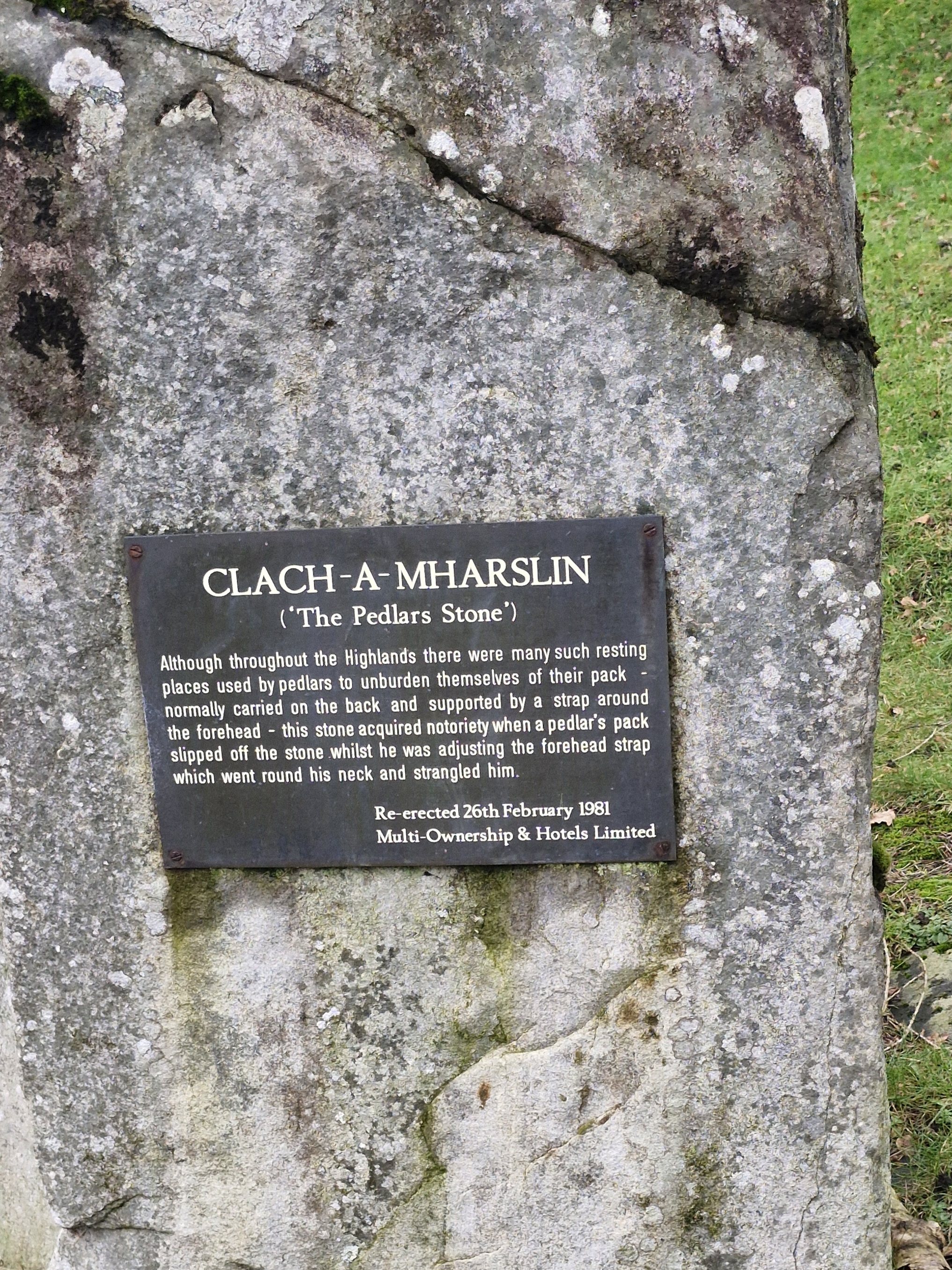
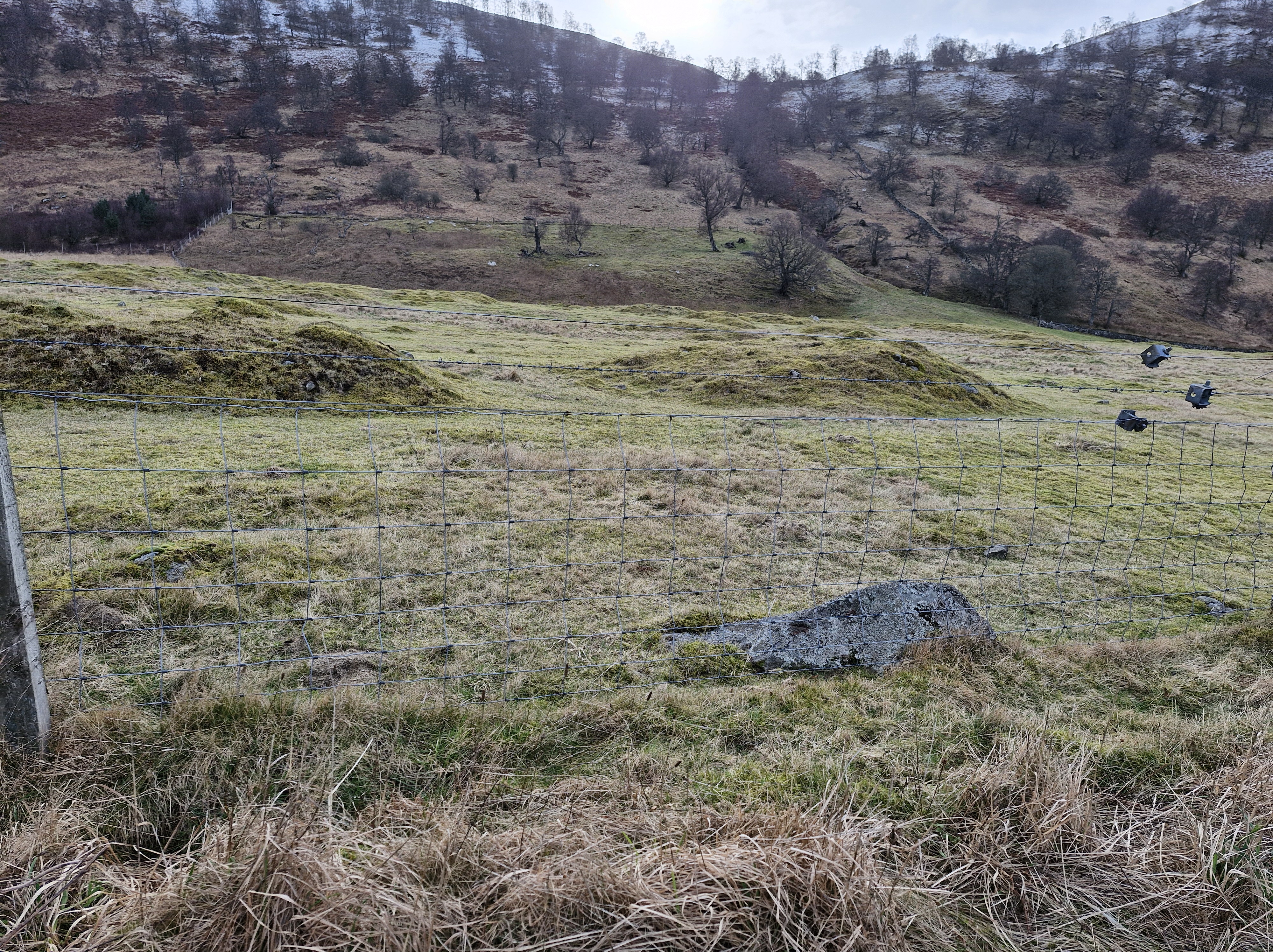
We’d previously passed a stone on the edge of the grounds of the club. That morning we stopped to read the inscription.

Hmm – not a cheerful tale! The Clach-a-Mharslin (Stone of the Packman) is the legend of a pedlar, travelling with a pack slung over his shoulders. Sitting down by the stone to rest, he put his pack on top of the stone. The pack slipped down the back of the stone, the loop tightening around his neck. Trapped, the heavy pack strangled him.

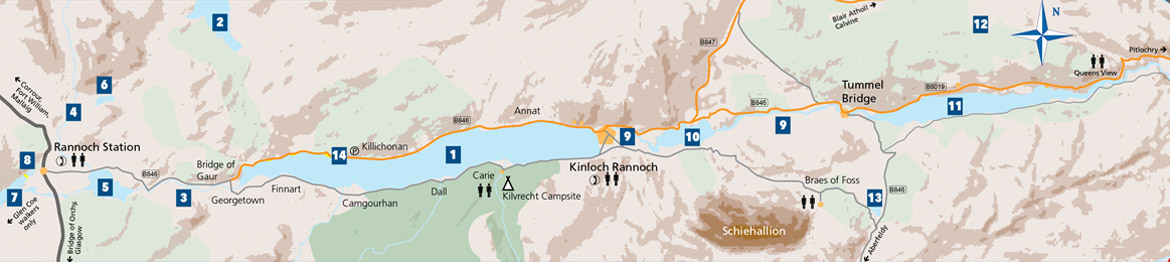
The Triangle walk is exactly what it says: we headed south from the loch to Kinloch Rannoch. Following our map, we left the village and walked along a lane for half a mile along the road that eventually leads to Aberfeldy.

Believe it or not, there are deer here. We had trouble spotting them as well – they were all lying down.

We turned right onto Bunrannoch road, a long stetch of lane near the edge of the Dall Estate, which dates back to 1347. (We were told by the man in the village shop – the residents of Kinnloch Rannoch are such a friendly lot – that the estate surrounds Dall House, built in 1855 as the new seat of the Robertson Clan (Clan Donnachaidh) and gifted by Robert the Bruce for service in the Scottish Wars of Independence.)

There is little to be seen of the old Rannoch village. But we were lucky enough to chat with an elderly man who explained that there were possible plans for another archeological dig being planned. And that the mounds were the remains of a settlement: three prehistoric roundhouses, two larger early historic monumental roundhouses, and five medieval longhouses. He also said that in the 1990s, archaeological digs at Bunrannoch had discovered some bronze axes, and that, in the nineteenth century, a bronze armlet, a form of Scottish Iron Age jewellery belonging to aristocracy and a symbol of power and prestige in the first and second centuries AD, was found. Artefacts all now in collections in the National Museum of Scotland.

It just shows – always stop to chat to fellow walkers!!

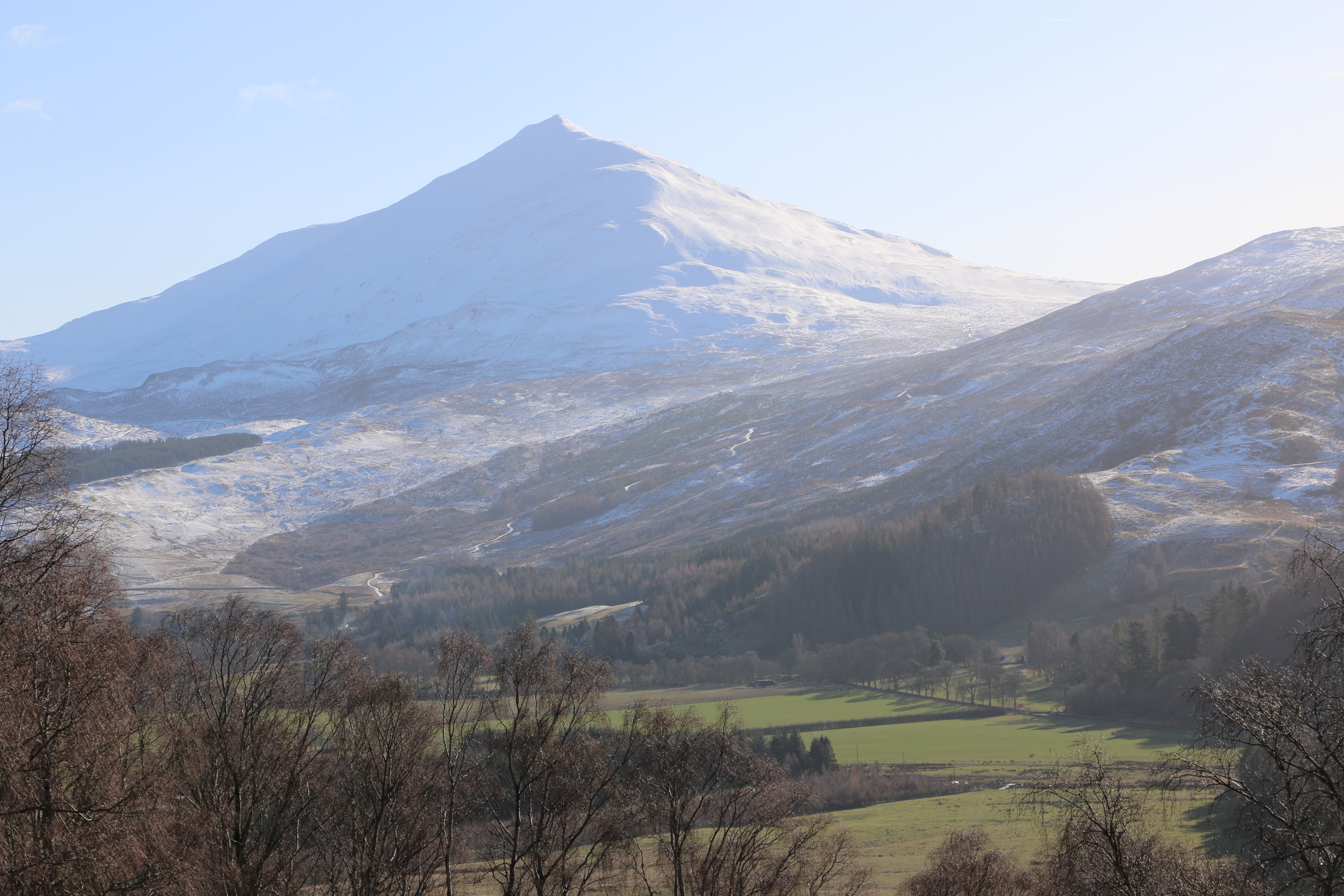
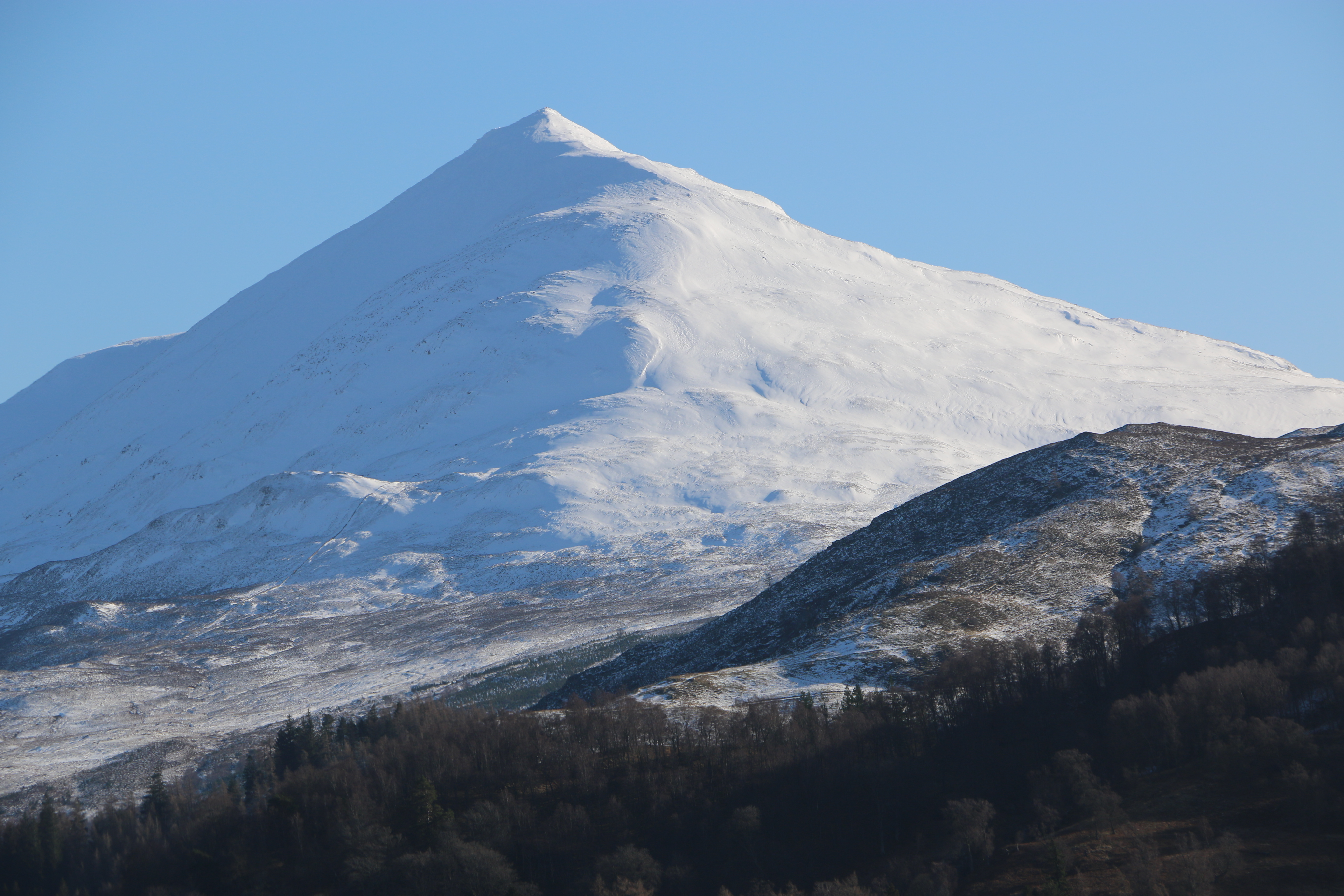
The walk passes the base of Schiehallion, one mountain we weren’t tempted to climb. Though the Photographer was so impressed by the symmetry of it he took many photographs.

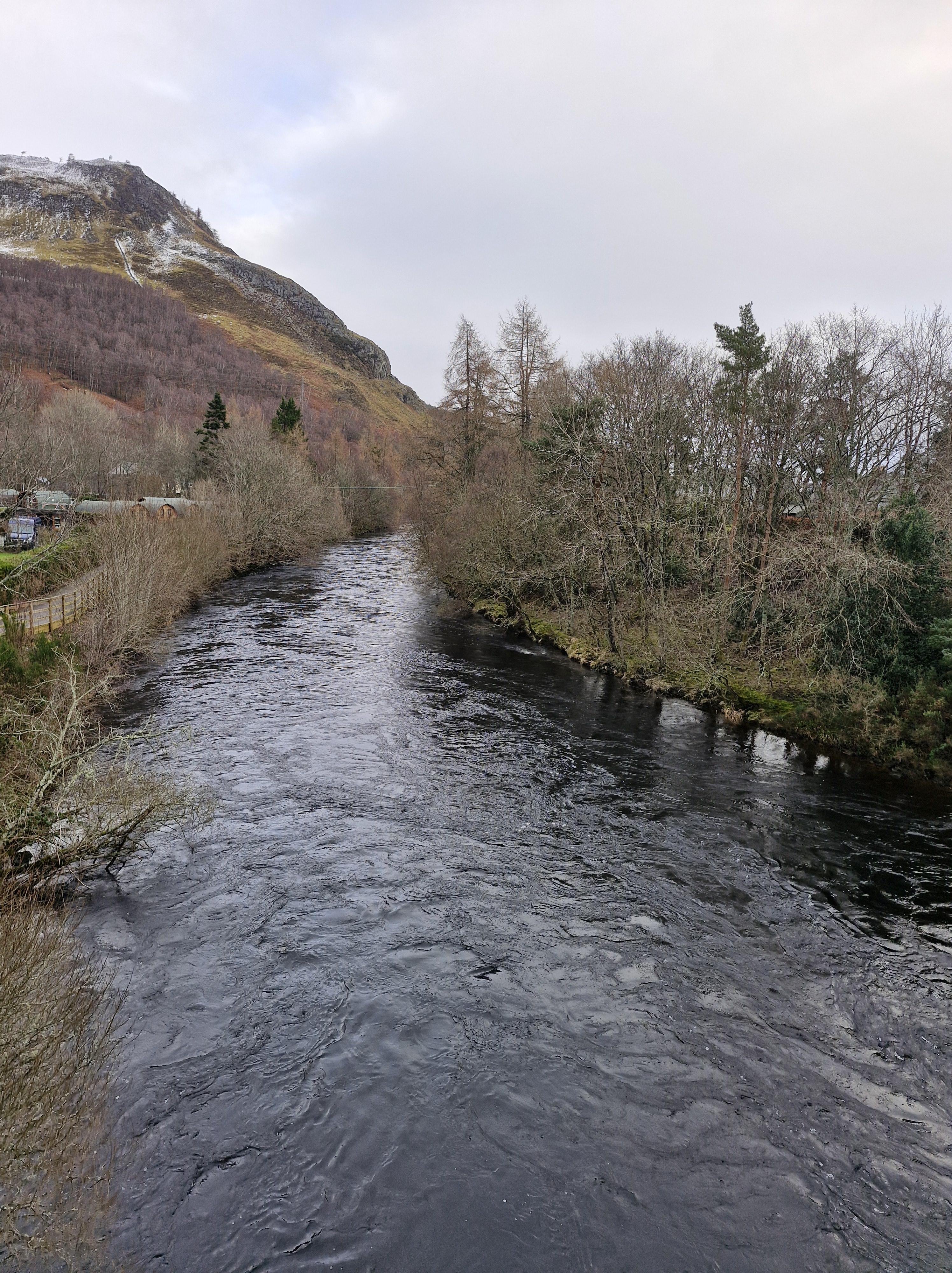
And back to the village. Triangle completed, a lovely easy stroll. We crossed the bridge over the Tummel River. The water was high and deep, swiftly running after all the many previous weeks’ rain.

There’s an inscription on Rannoch Bridge that reads “THIS BUILDING ERECTED A.D. 1764 AT THE SOLE EXPENSE OF HIS MAJESTY OUT OF THE ANNEXED ESTATES”. It’s obviously propaganda intended to show the personal generosity of George 111 after the 1745 Jacobite Rising when the British government confiscated the estates of Highland leaders who supported the rebellion. Though the profits gained were used to fund trade and agricultural developments in Scotland and, I guess, went someway, maybe, to improve stewardship of the estates forfeited.

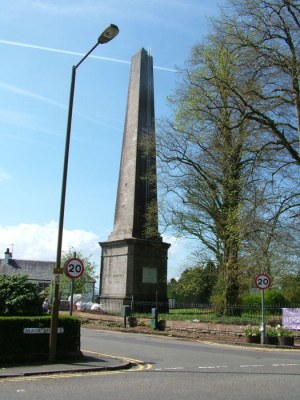
At the village square we stopped at the Buchanan monument, Dedicated to Dugald Buchanan (1716–1768), a famous Gaelic poet known for religious poetry, such as Judgement Day. He was crucial in translating the New Testament into Scottish Gaelic and operated a school in the area.

Previously, this was also the site of gallows.

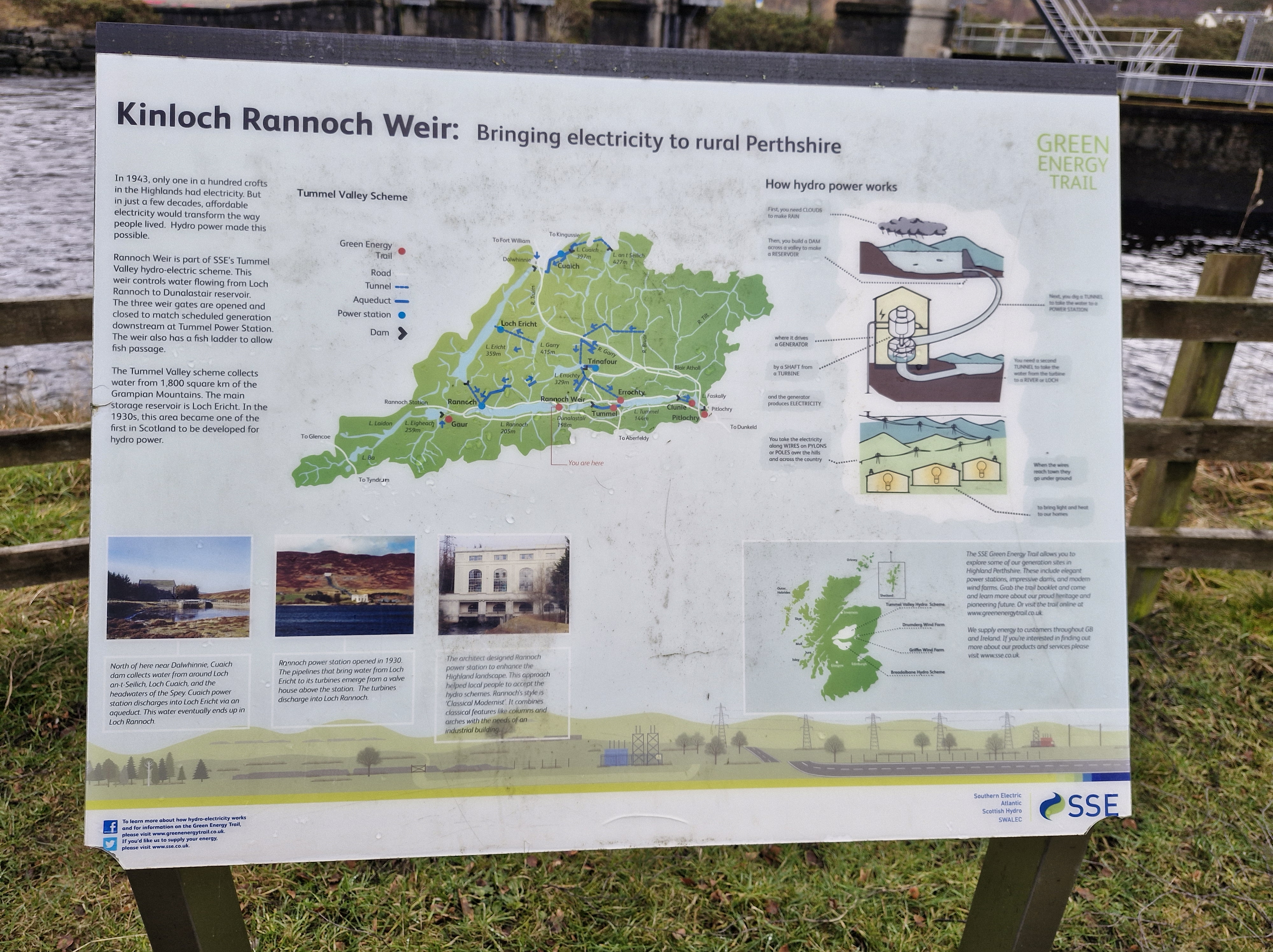
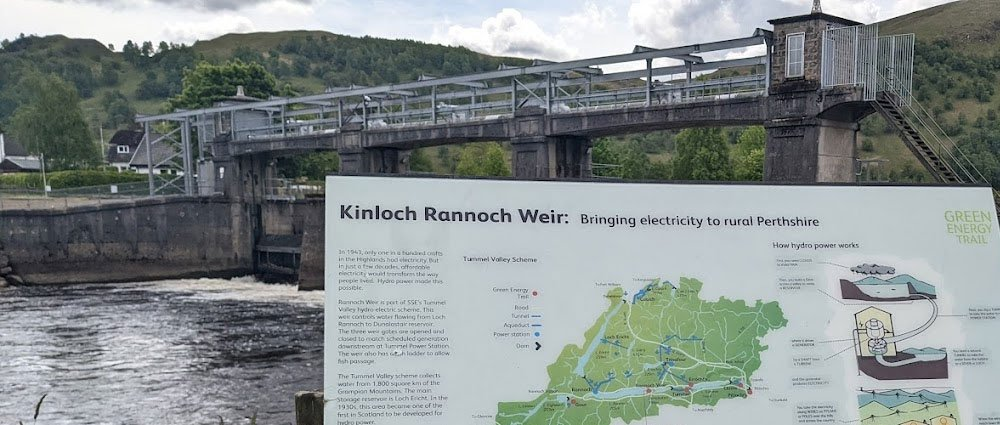
And then took the path alongside the Tummel river, past the weir. Kinloch Rannoch Weir is a low-level dam located at the eastern end of Loch Rannoch, and controls the outflow of water into the River Tummel towards Dunalastair Reservoir. As part of the wider Tummel Hydro-Electric Scheme, it regulates loch levels for environmental and power generation purposes. It is a Grade B listed structure and is believed to date back to the 18th century.

A short walk, but one that gave us a chance to discover a little of the history of Kinnloch Rannoch.

Arriving back at lodges that evening, we treated ourselves to a meal at the Loch Rannoch Highland hotel, the independently-owned hotel that’s on the same site as the club. We could have used the pool and spa there, but not having brought our swimsuits – well we forgot, it was February after all – we didn’t. However we did have some excellent food there.

Where We Walked Loch Rannoch #Perthshire #Scotland #walks #photographs

After our venture onto Craig Varr we decided to take an easier walk alongside Loch Rannoch.

Loch Rannoch is glorious: set in one of the most peaceful areas we’ve ever been fortunate to visit, it’s a freshwater loch. Long and narrow it was carved out by glaciers during the last Ice Age. At a circumferance of twenty-two miles or thereabouts I balked – just a little – at the thought of walking all the way around.

We could go halfway,’ the Photographer suggests. I’m not daft; halfway means turning round and we’d still be treking twenty-two miles. And, as the loch is a mile wide, and it’s February, swimming across the water back to the lodge we’re staying at is definitely out of the question.

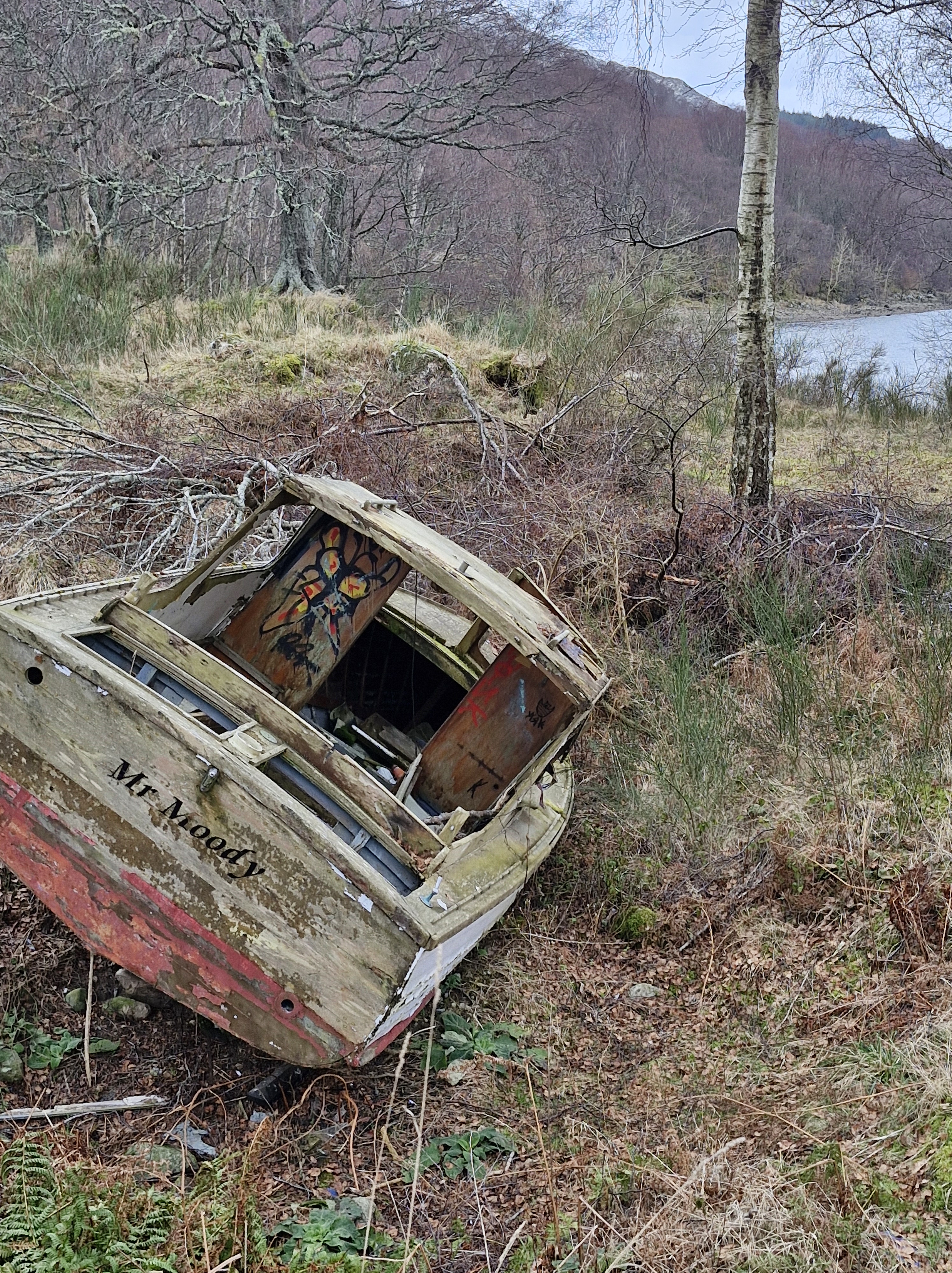
And I wasn’t going to trust the abandoned boat we discovered. I wasn’t surprised its name was Mr Moody!!

So, in the end, it was a short, and very pleasant stroll.

Later that evening we settled down on the balcony of the lodge, with a glass of wine, to watch the sunset over the loch.

There are many legends and stories of Loch Rannnoch and the surrounding areas.
We particulary enjoyed the following::

The story of the sword that lies in the depths of Loch a’Chlaidheimh (The Loch of the Sword) in Rannoch.

There were two clans that resided on Rannoch Moor: the Camerons, and the Rannochs. Frequently, these clans would clash over the ownership of Beinn a’bhric, a valuable grazing ground. Year in, and year out, the two clans would come to loggerheads over who owned the land and whose livestock had the right to graze there. Year in, and year out, no solution was reached, and the issue only increased the rift between the two factions with each passing season.
Eventually, the two parties decided that enough was enough, and it was time to, at last, put an end to the conflict. So it was that Ewen Cameron of Lochiel and the Earl of Atholl decided to meet and they would not part until the boundaries of their lands were decided once and for all. In order to avoid potential violence, the meeting was to be arranged under specific conditions: each man would venture alone, with only one piper for company.
So Cameron set off, piper at his back playing a merry tune, setting a positive mood for what he hoped would be a productive meeting. As he travelled through Rannoch Moor, Cameron thought deeply about the confrontation at hand, concocting an iron-clad argument that might win him the grazing grounds. So deep in thought he was, that he hadn’t noticed striding straight onto the land of an infamous wise woman who lived upon the moor, known as The Blue-Eyed One.
‘You are going to meet the Earl of Atholl without any men?’ she asked, askance.
‘Aye, lady, I am,’ said Cameron. ‘Those were the terms of our agreement.’
The Blue-Eyed One shook her head ‘Do not meet the Earl alone, man. Take sixty five of your best men, and hide them among the heather, ready to be called, should you need them.’
Cameron was swayed by the old woman’s words, as she was known for her wisdom and sight. So, Cameron did as she had suggested, and called his sixty five best men to his side, and ordered them to conceal themselves in the heather, and to be ready should the Earl of Atholl look to turn violent. When the sun reached its zenith, the two proud leaders approached each other on the seemingly empty moor.
The discussions opened with the easy exchange of pleasantries, and progressed swiftly to the matter at hand. Where at first it appeared the pair would remain cordial, the exchange heated as the boundary was debated, working up to an inferno, until the men were shouting and drawing their swords upon the other. It was then, that the Earl of Atholl whistled, and from the moor behind him sprung fifty soldiers, armed and ready to defend their master.
‘These are the Atholl sheep coming to eat the Lochaber grass!’ the Earl of Atholl cried.
And so, Cameron, grateful for the words of the Blue-Eyed One, whistled, and his own men sprung from the heather. ‘Here are the Lochaber hounds going to eat the flesh of the Atholl sheep!’ he responded.
The Earl of Atholl sized up Cameron’s forces, but he could only admit that Cameron’s hounds outnumbered his sheep, and reluctantly, he sheaved his sword and called his men down. He bent his head, renounced the contested lands, and, as a signifier of the deal struck and the peace that would come from it, he hurled his blade into the loch.
There, the sword remained. That was until 1812 during a long, dry summer, when a herd-boy was working that same old disputed land. The loch had drained with the drought, unveiling the sword cradled in its peaty belly. For a time, the sword was removed and ogled by the locals, until a blue eyed woman who lived nearby told them a tale of a conflict solved by the throwing of a sword, and so it was decided the sword should be returned to the Loch of the Sword.
Seton Gordon described the moment the sword was thrown once more into the depths: ‘For an instant as it sped, its trusty blade turned to glowing bronze in the sunlight, then, like Excalibur, it sank forever from sight!’

©A.D. Cunningham – Adapted from Tales of Rannoch: Publisher: ‎ A.D.Cunningham and Perth & Kinross District Libraries

Where We Walked Craig Varr Kinloch Rannoch Loch Rannoch @Scotland #walks #photography #mountains #lochs

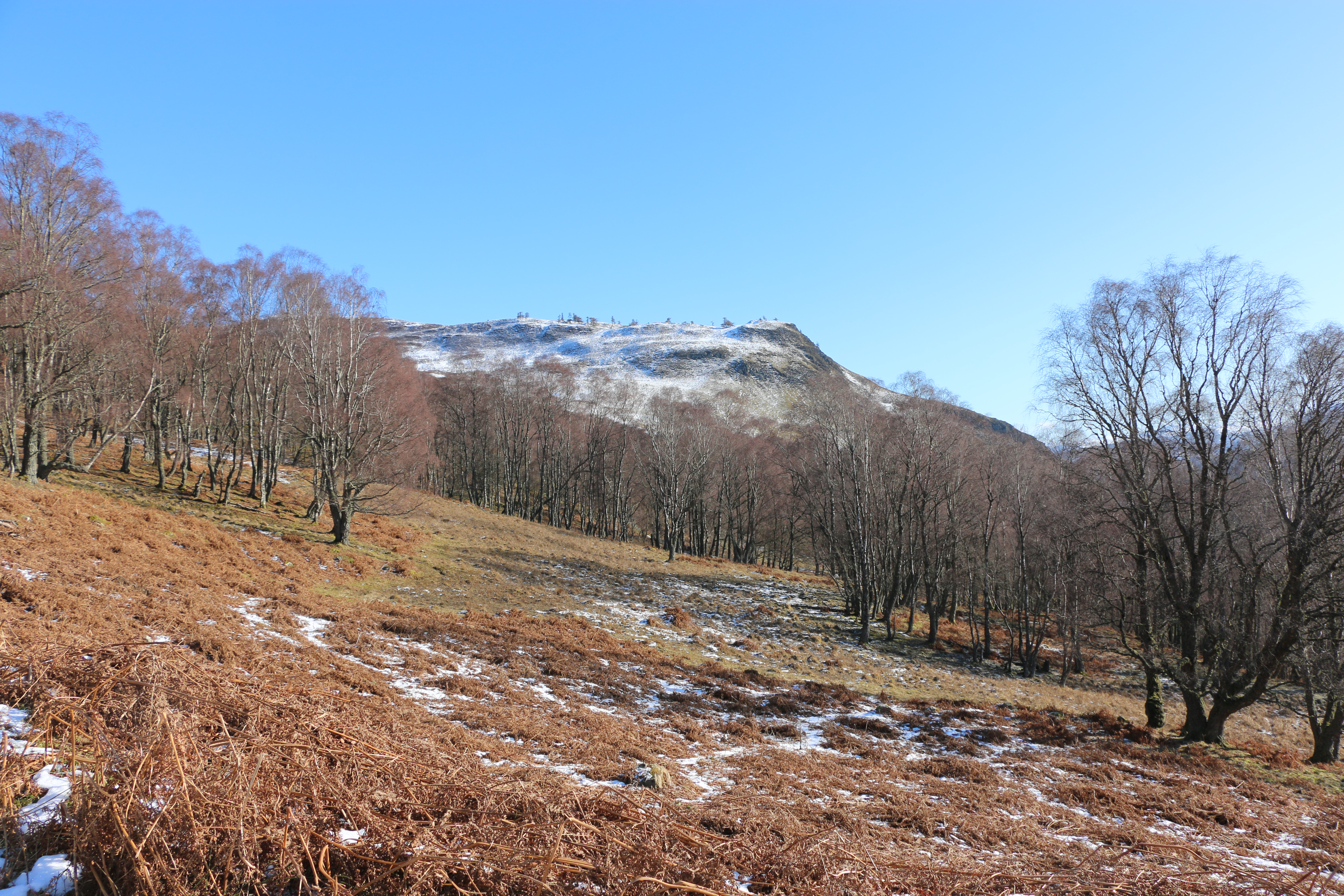
Craig Varr is a truncated spur; a ridge cut off by the glaciers of the last ice age around ten thousand years ago. The result of the ice erosion is a cliff close to Kinloch Rannoch and a ridge that leads northeast to Beinn a’ Chuallaich (Mountain of the Herding”) .

Craig Varr – the first walk that the Photographer had identified when we knew we were going to Kinloch Rannoch. We perhaps should have taken notice of the warning: ‘Very steep initial ascent on a wide path; then pathless and boggy for a section before a final rough ascent’,

Especially when, on the day we arrived, it snowed!

But the Photographer was keen – very keen – to take some photographs, particularly of the mountain to the south, the triangular profile of Schiehallion. He was convinced that if we could climb only a short way up to Craig Varr, he would get a decent phtograph. As you can see, he did!

We often forget how old we are. And it was with this oblivious attitude that we set off in hiking boots and with poles.

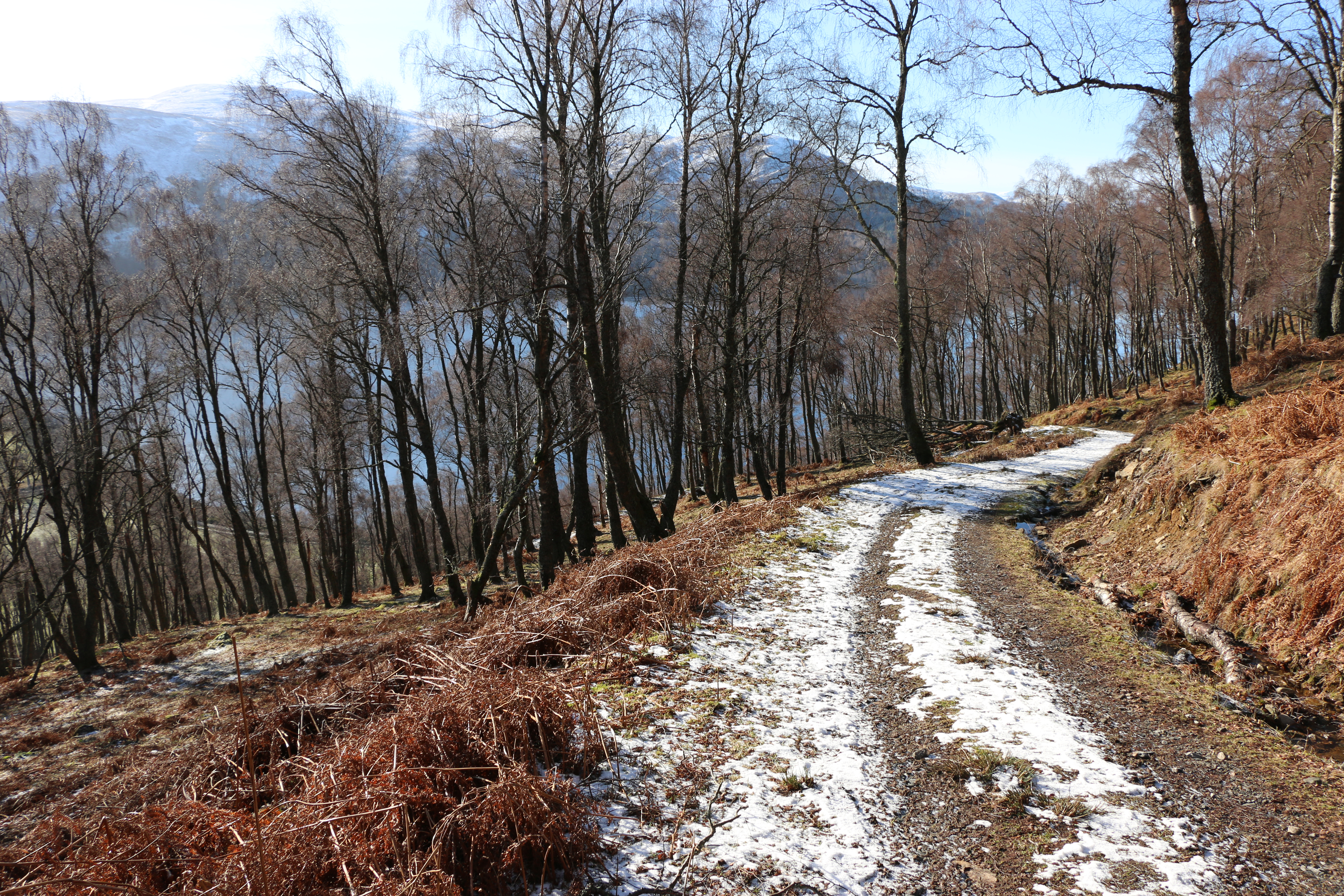
We left mid morning: the snow had disappeared from the roads, the sun shone, the air was quite warm, and from the path overlooking the loch it felt like a lovely Spring day, despite it only being February.

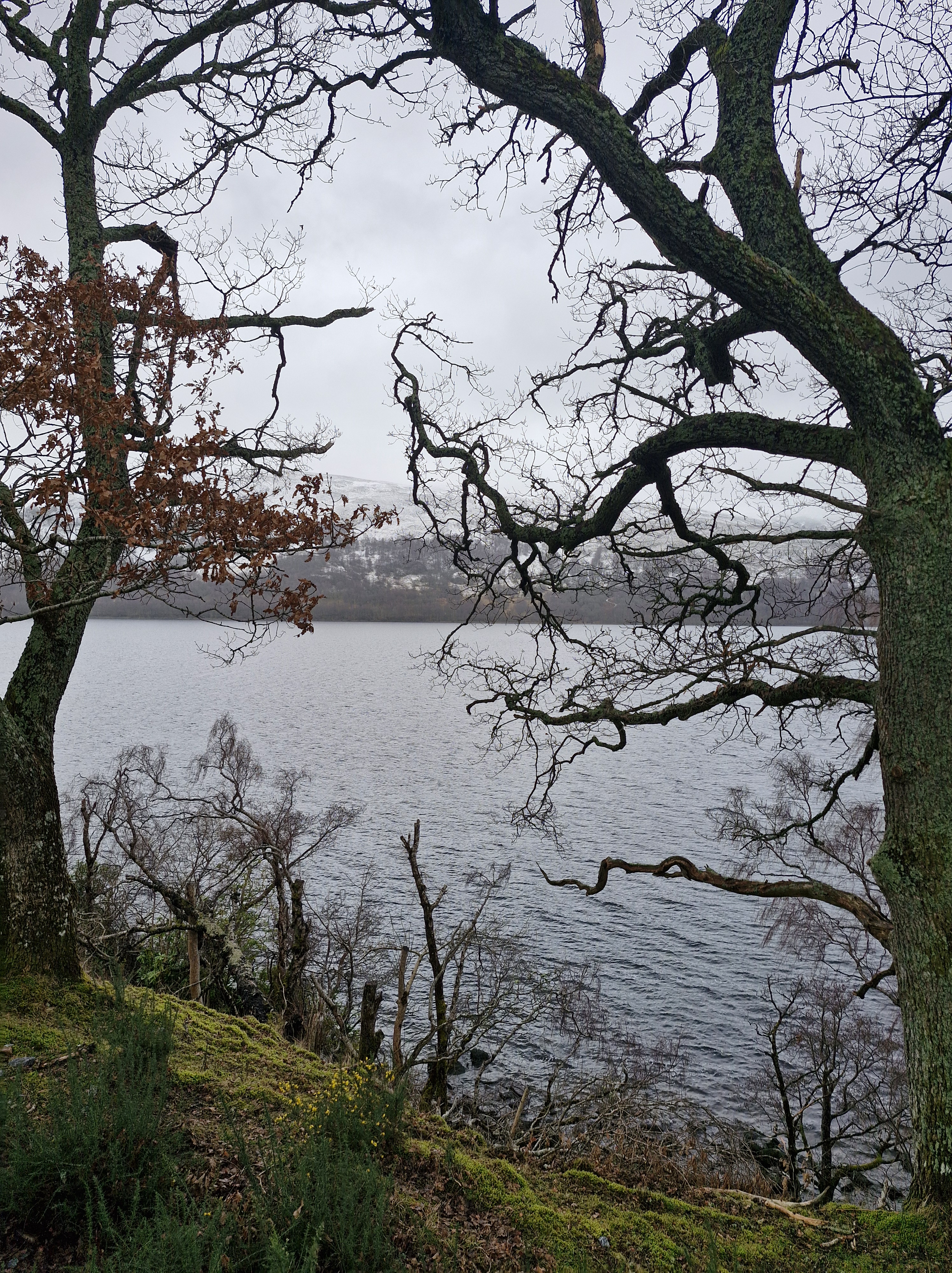
Against the clear sky the loch was impressive through the trees.

The Photographer stopped often to take photos.

The track, though rough, was easy at first. We resolved to walk as far as it proved so.

But soon we encountered more snow and ice

Common sense kicked in – we turned back. The climb would be for another day, preferably a long summer’s day. Or at least a day when there wasn’t any snow.

Back at the lodge we agreed that tomorrow’s walk would be on lower ground – probably around the loch.

N.B. For interest:

Schiehallion: the mountain that weighed the Earth

This superb quartzite mountain was chosen in 1774 as the site of a famous experiment to weigh the Earth; today it is an unrivalled viewpoint.
Six to seven hundred million years ago the area that now forms the Grampian Highlands was a shallow sea. Layer upon layer of sediment was formed from mud eroded from the land, white quartz sands, and limy deposits. As these layers were buried and compressed, they became mudstone, sandstone and limestone. At that time Scotland was at the edge of a continent which included North America, separated by the deep Iapetus Ocean from the rest of Europe. Plate tectonic movements closed this ocean 470 to 430 million years ago, subjecting the buried rocks to great heat and pressure. Mudstone became schist and slate; sandstone became very hard, creamy-white quartzite; all were folded and fractured in complex patterns. At the end of these earth movements the rocks were uplifted to form the Caledonian Mountains.
Perhaps one of the most amazing things about Schiehallion is that this folding and fracturing of the rock layers is so pronounced in the area around the mountain that the mountain itself is almost ‘upside-down’! In other words, the older rock layers can be found at the top of the mountain and the younger layers at the bottom.
Several different rock types can be seen on the main path up Schiehallion,. You may come across a limestone pavement with water-worn fissures and potholes. Locally, these limey soils support unusual plants. The same rock can be seen in quarries and a restored 19th century lime kiln at Tomphubil. . Most of the ridge is grey to white quartzite, with current bedding in a few places and an occasional band of pinkish brown microdiorite. In the Tempar Burn to the northwest is the famous Schiehallion Boulder bed, an ancient glacial tillite.
During the Ice Ages of the last two million years, glaciers flowed east from Rannoch Moor, carving the hard quartzites of Schiehallion into a streamlined ridge and digging deep valleys on either side. The ice has carried blocks of granite and schist, and dropped them all the way along the east ridge, up to a height of about 980m. From there to the summit the path goes over bedrock with only local quartzite boulders.
The experiment of 1774 to weigh the Earth involved measuring the deflection of a plumb line resulting from the gravitational pull of a nearby mountain. Schiehallion was considered the ideal mountain, due to its isolation and almost symmetrical shape. The tiny deflection of a plumb-line from the vertical must be measured relative to the fixed background of the stars, which requires extremely careful measurements on either side of the mountain. The mass of the mountain can be worked out from its volume and the density of its rocks. These values can be used to find the gravitational pull of the Earth, and thus its mass.

Text contributed by Carol Pudsey for https://www.scottishgeologytrust.org/

Where We Walked – Marloes Sands #BoxingDay #Pembrokeshire #Wales #Walks #Photographs #memories

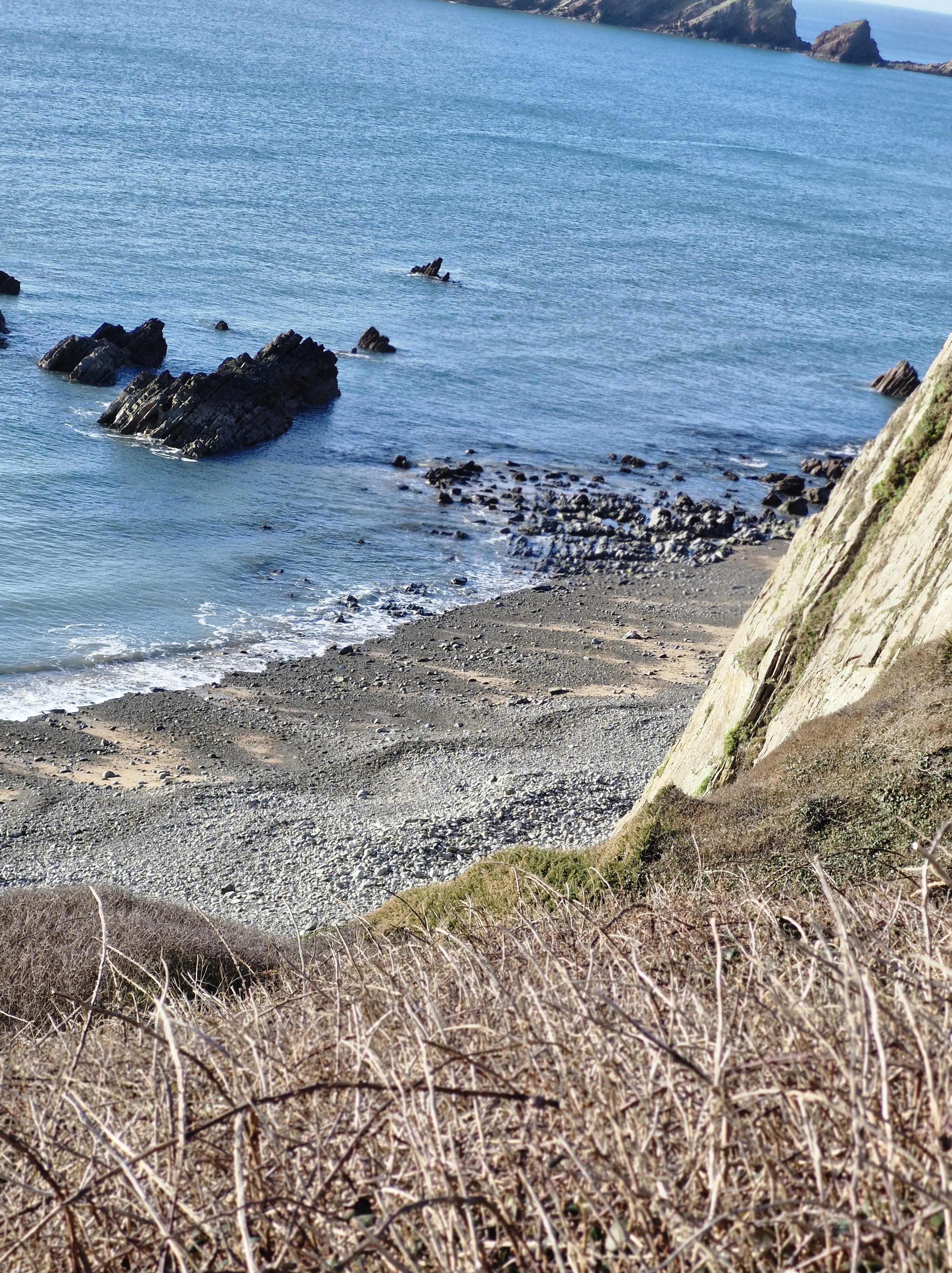
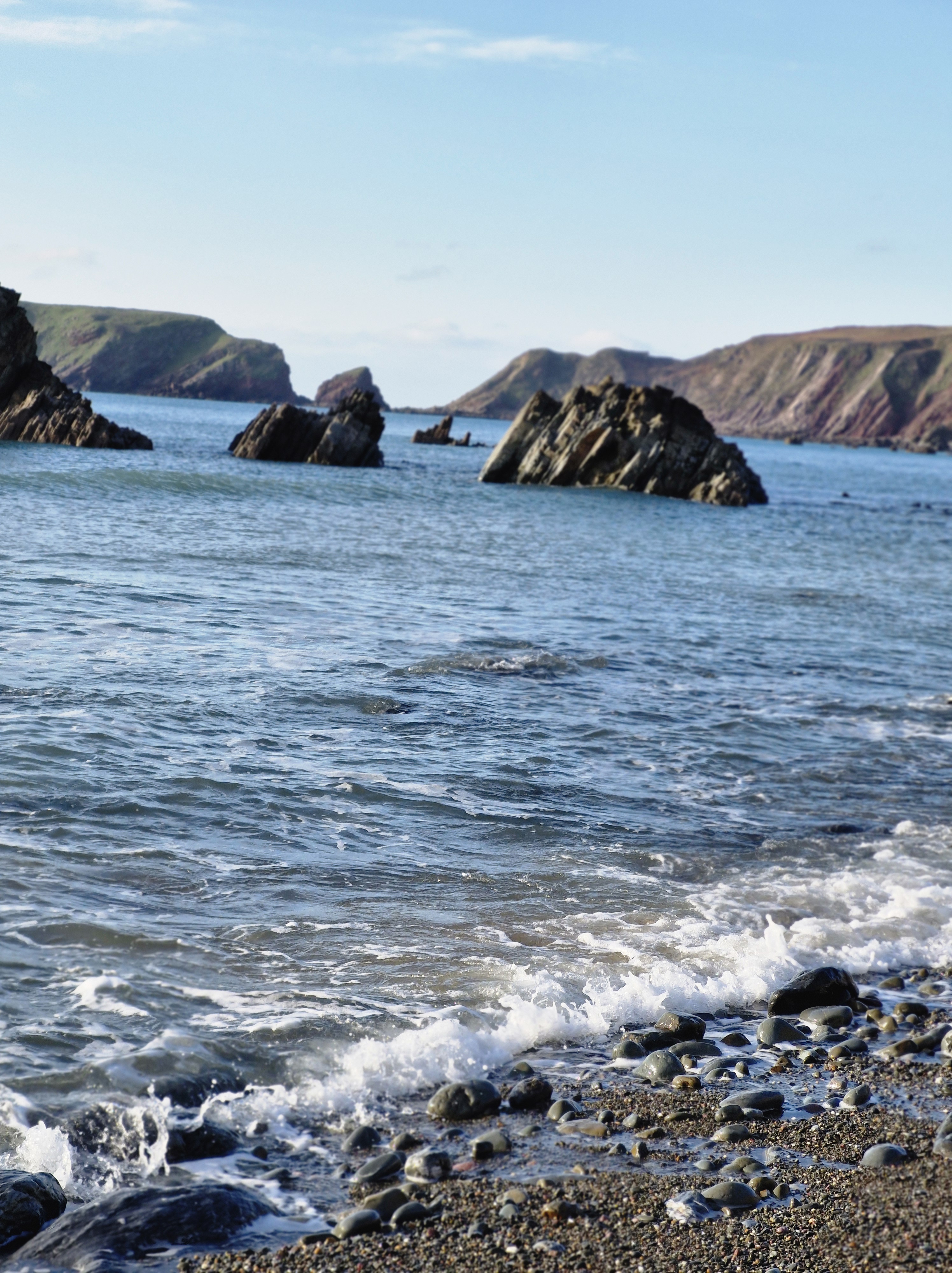
The last time we were here was last summer, on a warm and sunny day. After parking the car we’d walked down the winding track to the beach. The tide was well out and we’d strolled along the edge of the lapping gentle waves on the long stretch of sand.

This time: Boxing Day 2025, so bitterly cold that initially it took away our breath. But the sun was shining and the sky was a gloriously clear blue. It was good to be outside after days of rain. We sauntered down the track to the grassy path that led to the beach

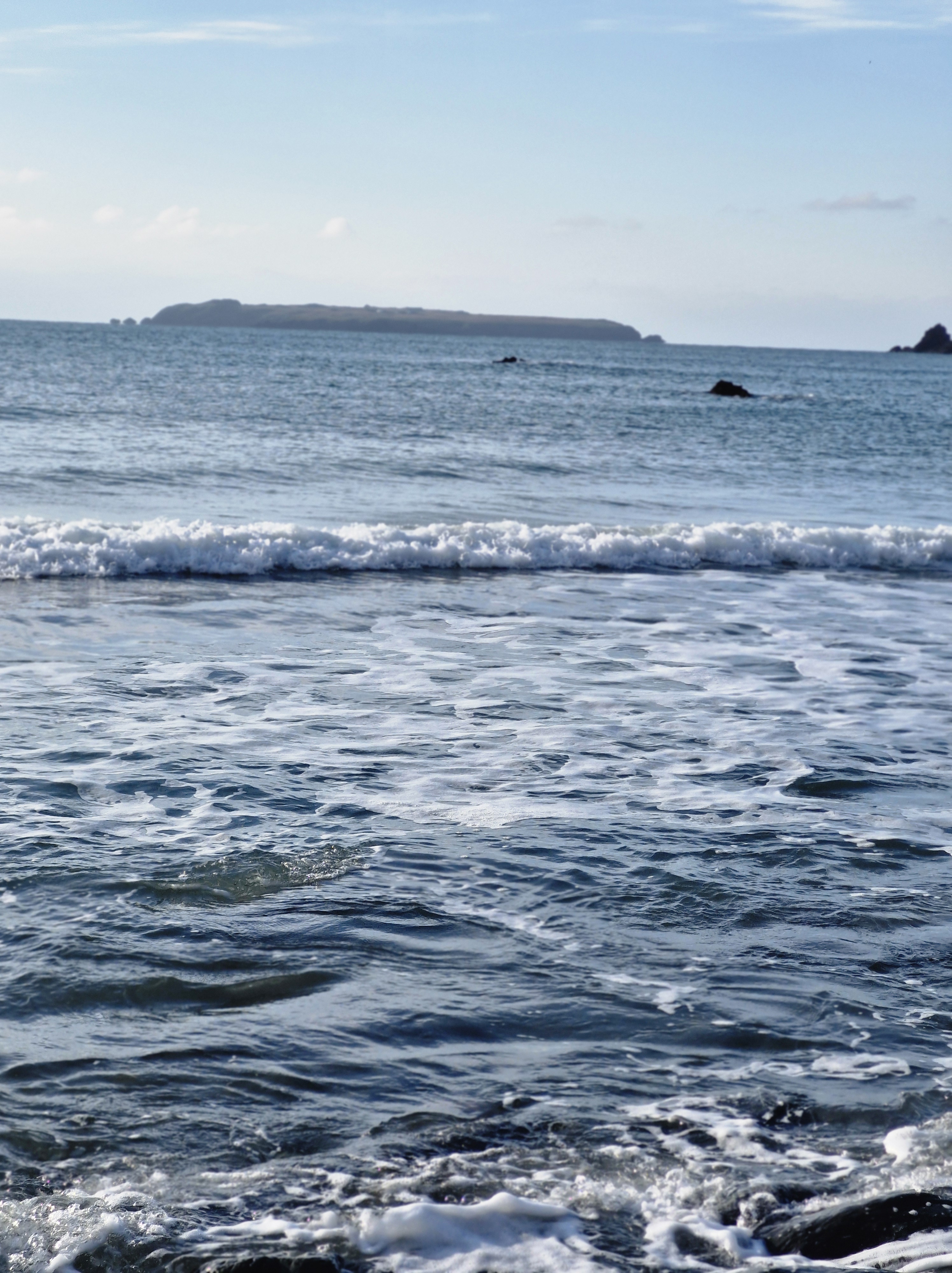
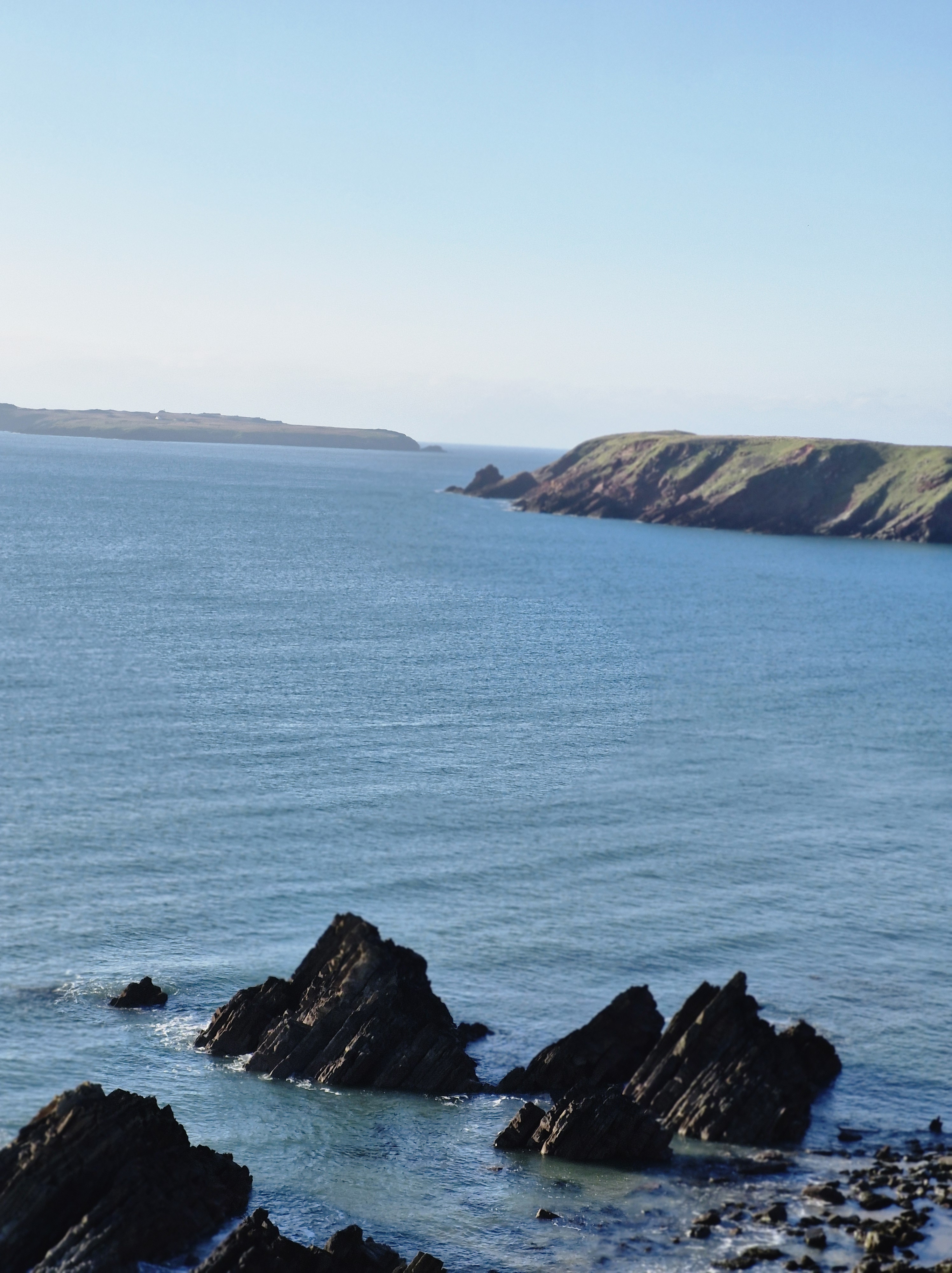
The tide was in. In the distance we could see Skomer Island which we’d visited inJuly. An adventure I’d written about here and here.

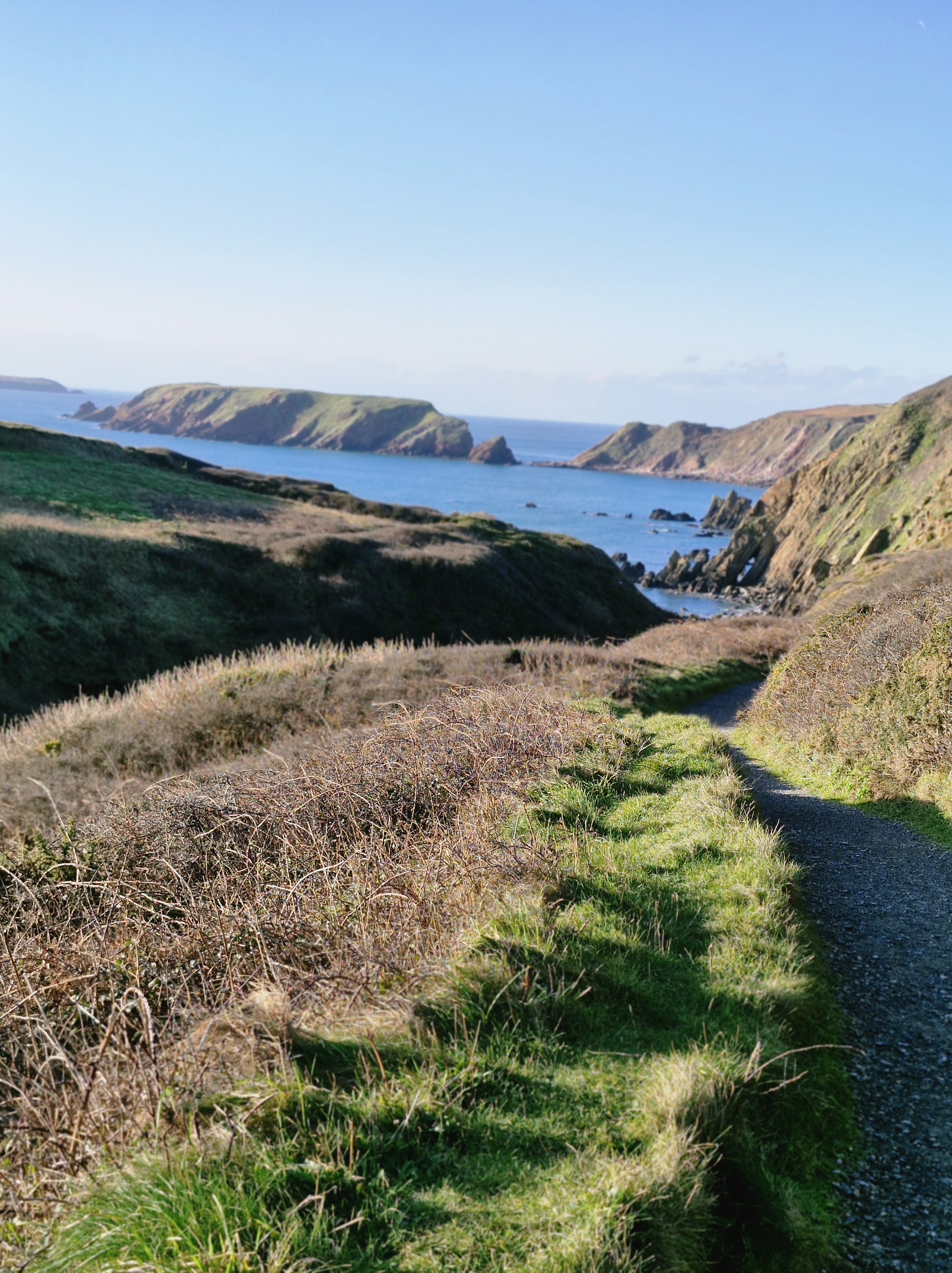
We turned away from the beach and, after only slight hesitation, we crossed a small footbridge over a stream and followed a path to the top of the cliff that we’d not walked on before.

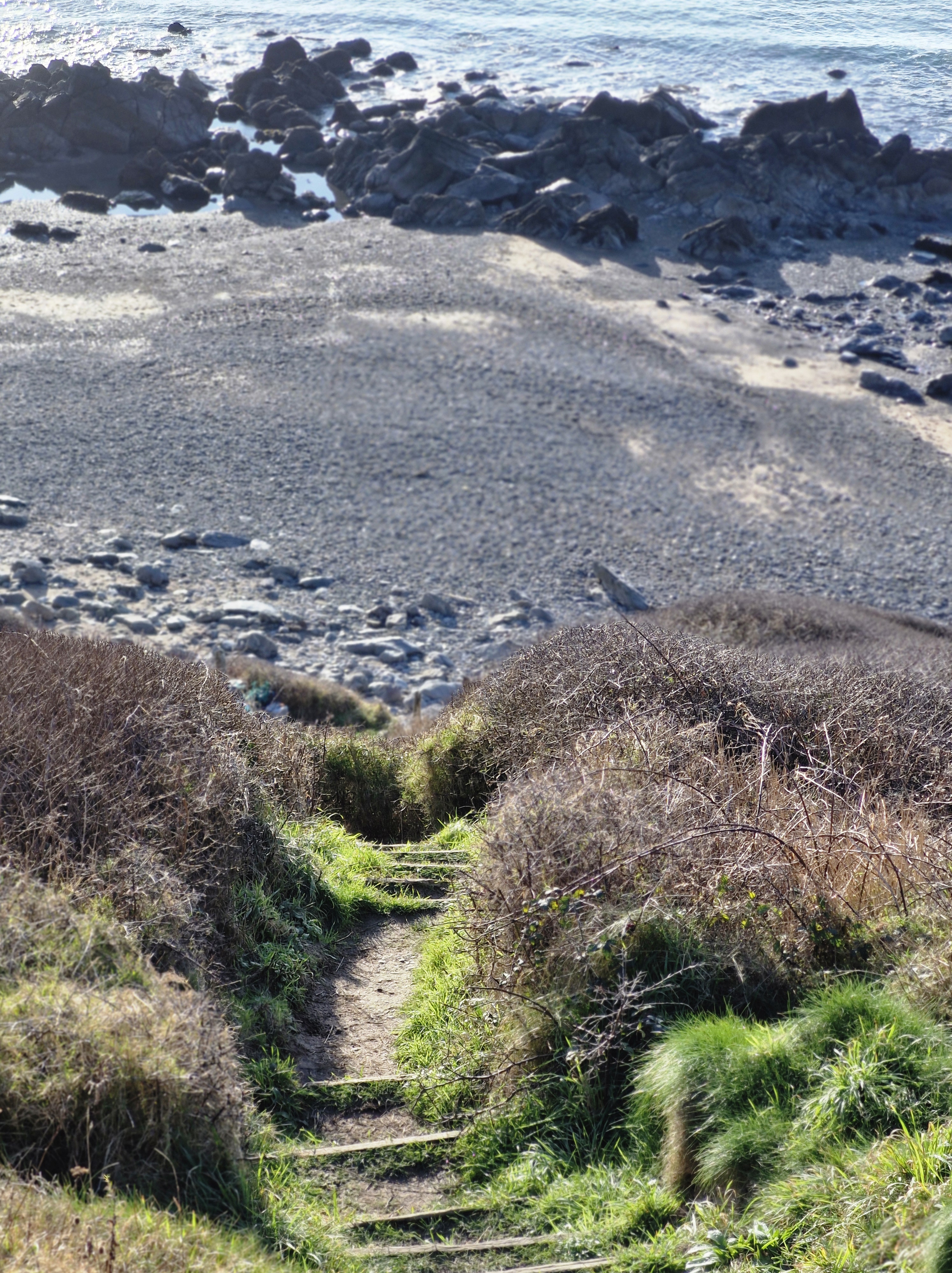
It was a little hair-raising to be honest. But the views were wonderful. After half an hour along an ever rising, and narrowing path we came to a halt at the top of steep and winding steps that obviously led down to the beach. Go on, or go back? We’re not very good at going back on walks, however lost we are, or in this case, however daunting the steps. So we decided – in for a penny and all that…

It took us ten minutes of walking sideways down each step and being very grateful for the walking poles we’d debated on bringing with us – (After all, it’ll only be a beach walk!” I’d said, foolishly).

I don’t know who’d built those steps but they’d obviously decided that anyone who could navigate them thus far would be fit enough to leap over the last two metres of sheer rock at the bottom to reach the beach.

Before I could decide to either slide down the rock on my backside, or roll down through the gorse bushes on either side of the path I heard a cry. ” Bravo! You are legends!” A lady appeared below. “Stay there. I’ll help you down, you legend. Grab my hand.” I was, I have to say, very grateful for the help.

Until, finally on level ground – (levelish – i looked it up, there is such a word, specially invented i guess for rocky beaches) – I looked at this lovely lady – and realised she was probably around our age.

To be clear though, she did tell us she’d arrived at this particular spot at low tide, and had walked along the wide stretch of sand from the other end of the beach – where we’d we’d originally planned to walk from. And also that the steps we’d come down were locally know as the emergency exit steps for when someone was caught out by the high tide. So that was the answer – whoever built the steps knew that anyone wanting to use them would probably be swimming to them – and not by choice; to escape being trapped by the tide.

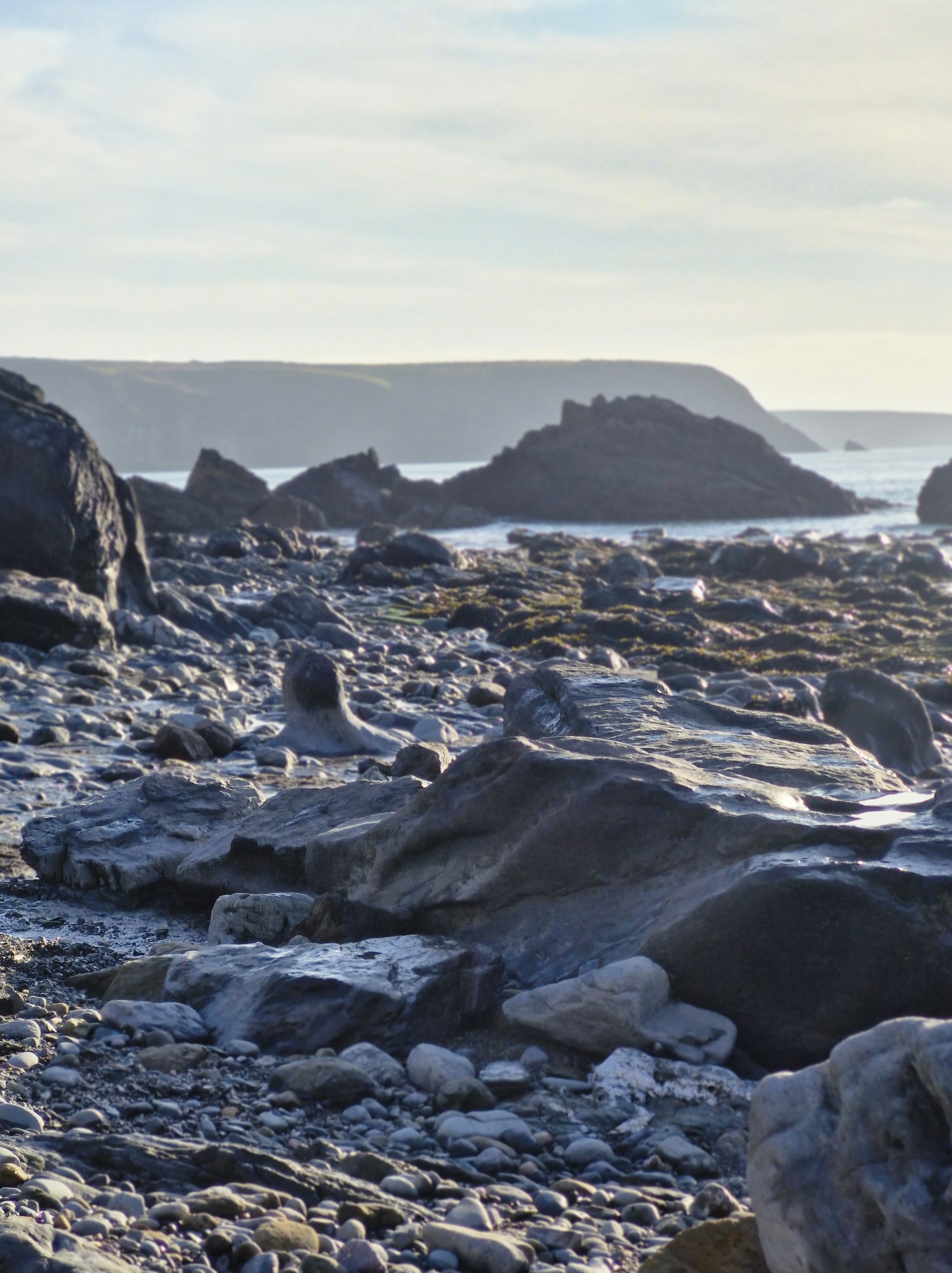
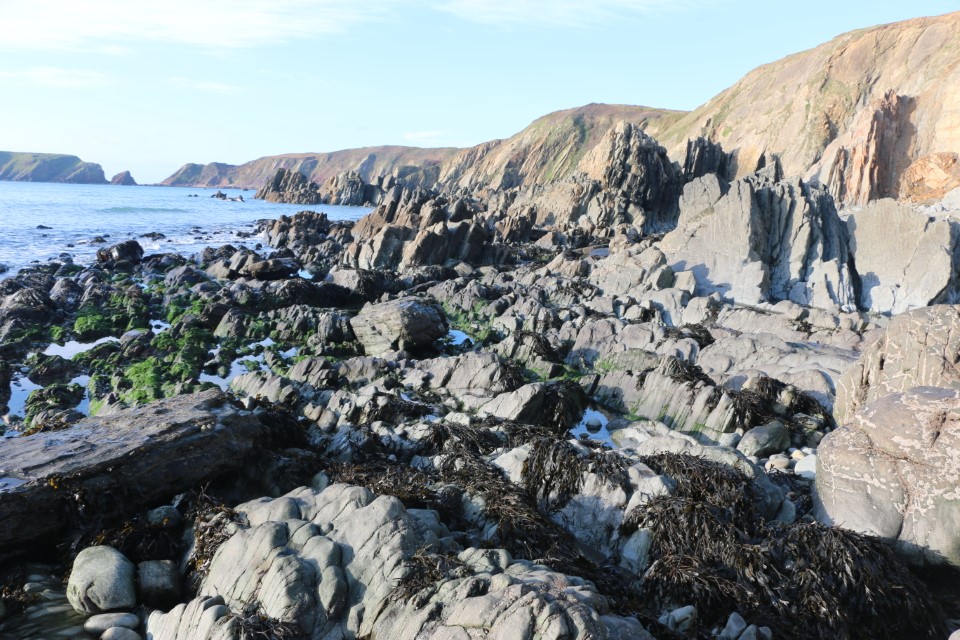
Luckily for us the tide was on its way out. There was no way I was tackling those steps again to the top of the cliffs. We judged that, if we took our time, we could navigate around and over the rocks to get back to our originally planned starting point at the other end of the beach.

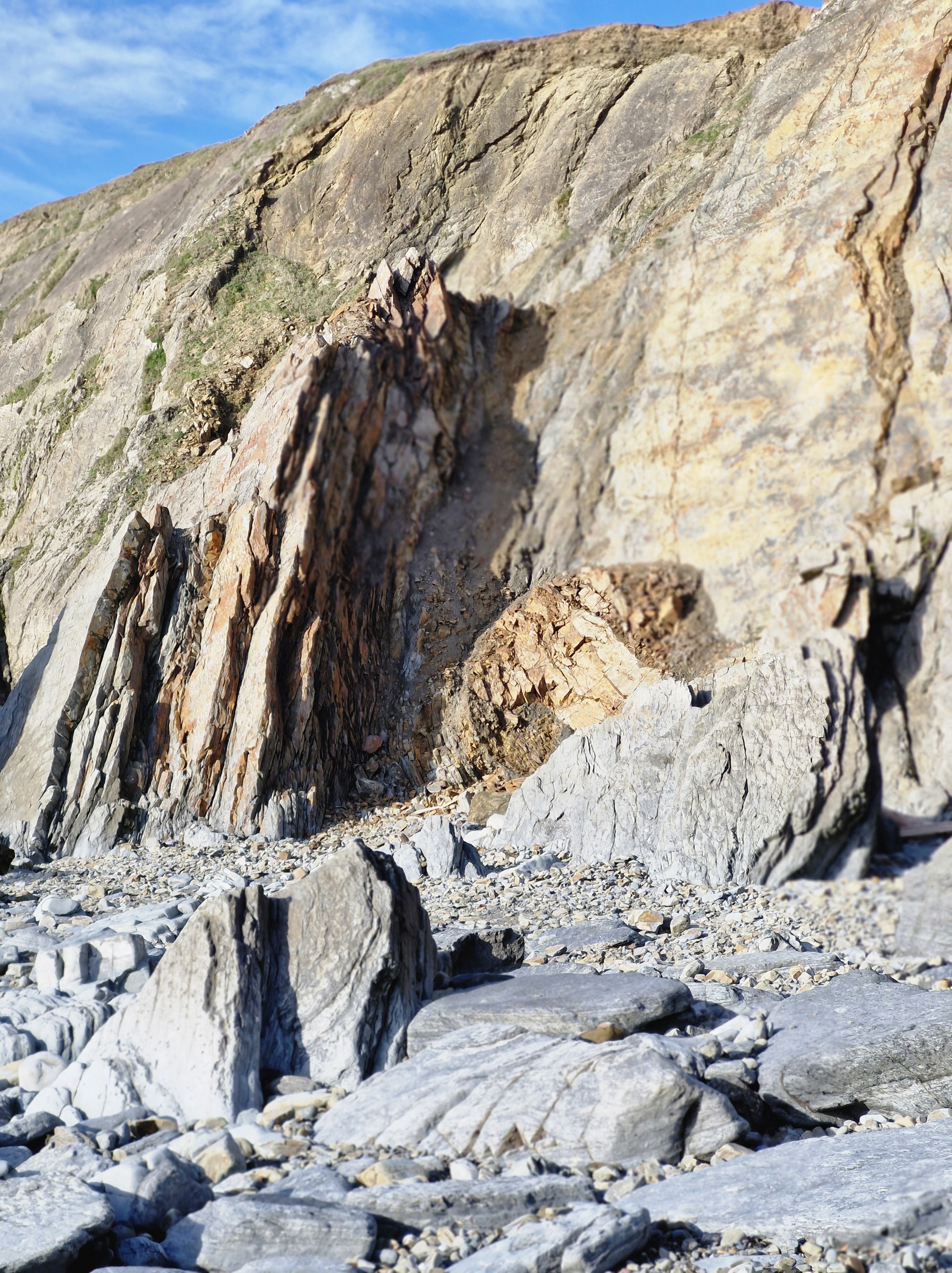
Having navigated rocks near the sea’s edge we made our way to the top of the beach near the cliffs where there was a gap between two tall, jagged rocks. A group of people came through as we were deciding on our next move. If they could do it so could we! Yes, I know … mad!! But we don’t like to be beaten.

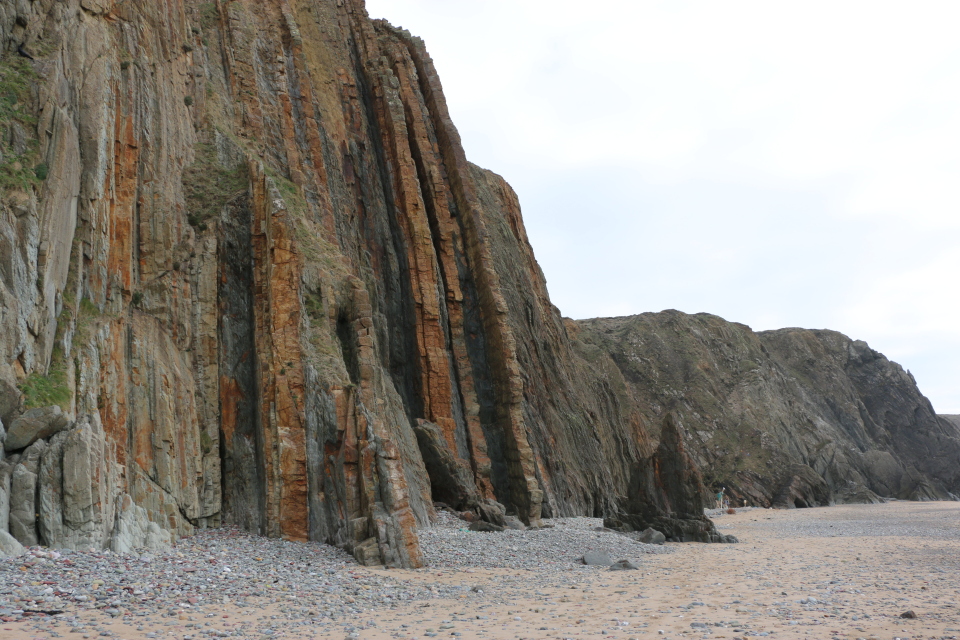
We made it to the other side. “No problem,” said the photographer (He was standing on the sand taking this photograph with the path that leads up to the track, and on up to the car park, behind us). I ignored his confident smile; there were a few moments when I’d thought we would be needing a sea rescue.

N.B: Just as a matter of interests, Marloes Sands was the filming location for: Snow White & the Huntsman (September 2011). The Lion in Winter (1968).

And could I, should I, leave this post without a small metion of my books?

As I’m hoping the book I’m working on at the moment, and hope to publish in 2026 (Well, one can always live in hope!), I guess not. So here is the link to my Amazon page.

Thank you to all my readers; I appreciate each and every one of you.

Where We Walked – Elan Valley and the Carvings #memories #walks #photographs #Wales

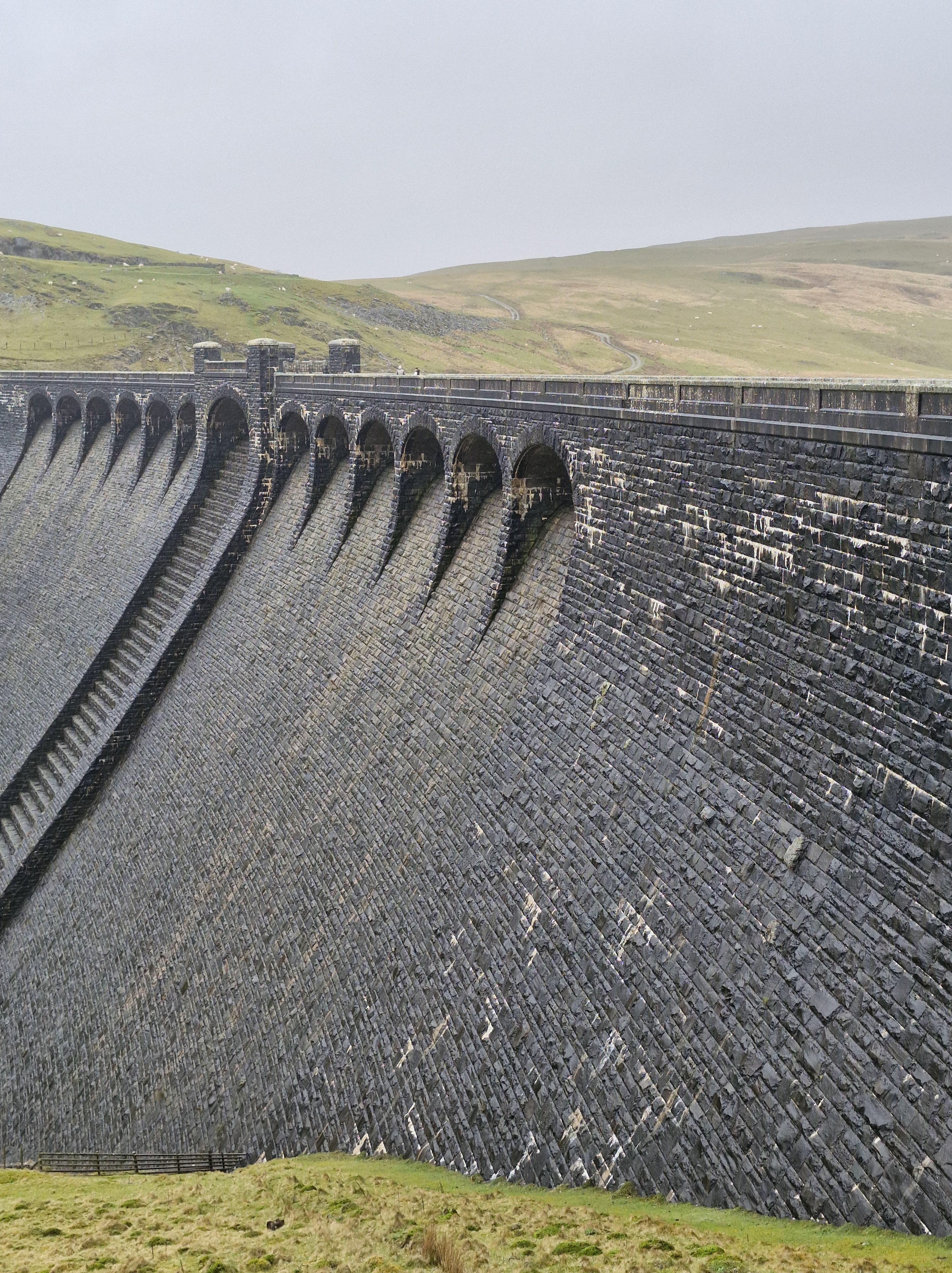
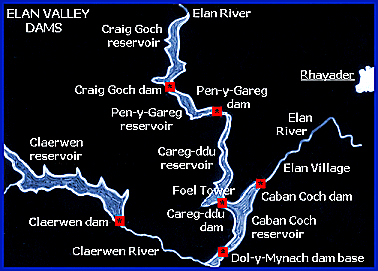
On our recent walk around Garreg Ddu Dam in the lower Elan Valley we noticed that, since we were last here, even more carvings had been created along the trail.

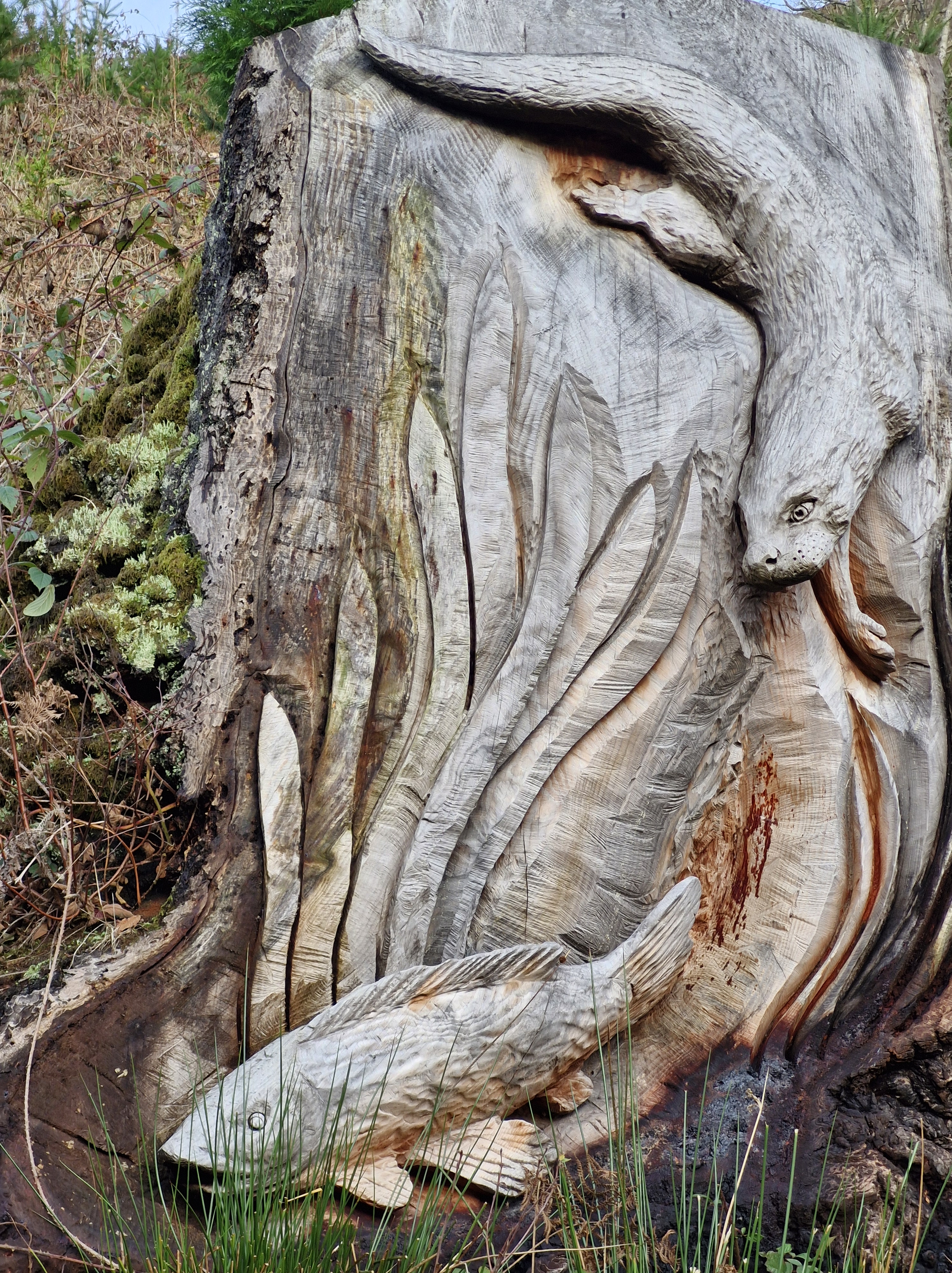
This area of land was originally a Victorian Douglas Fir plantation, clear-felled to reintroduce native species and increase biodiversity. The project to carve the trees lining the road was commissioned Dŵr Cymru Welsh Water and created by chainsaw sculptors Simon O’Rourke, Paul Edwards, and Matthew Crabb, who worked from ideas presented by schoolchildren from the community.

More information can be found here

It was getting late in the afternoon, the day had been gloriously sunny and warm, but now dusk was settling in and the gathering clouds in the sky were showing signs of the rain forecast for the following day.

Foel Tower: a point of interest at the start and end of our walk around Garreg-ddu: Just upstream from the submerged dam at Garreg-ddu is the Foel Tower, the starting point for the 70 mile journey of the water supply to Birmingham.


The lower section of Foel Tower has a number of openings inside at different levels where a system of valves and cylinders can be raised and lowered to draw off water from the reservoir at the right depth for the current water level.

Photographs courtesy of http://history.powys.org.uk/history/rhayader/foel.html

The above photograph was taken in 1947 showing the Foel Tower during very low water levels in the Garreg-ddu. Most of the openings in this image are normally underwater.

Foel Tower takes in water from the Claerwen Valley through a pipeline which takes water underground from the dam system. Water is also collected by Pen-y-garreg and Craig Gochhe, the two dams higher up in the Elan Valley.

Links to my books:

Amazon.co.uk: https://tinyurl.com/55r6s5vp

Amazon.com:https://tinyurl.com/53ndmrhe

https://www.honno.co.uk/fiction

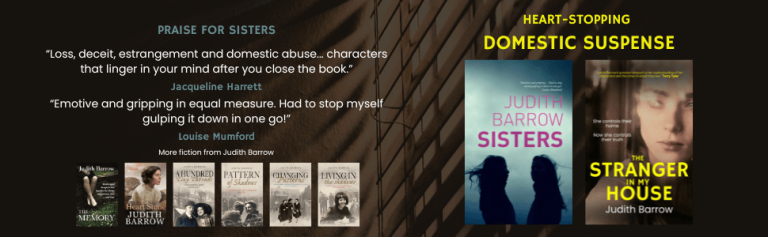
My latest book, published in November 2024 is The Stranger

Review for The Stranger:
5.0 out of 5 stars
 Storytelling in a class of its own… stunning.

One of the author’s many strengths is in capturing the clear and authentic voice of a confused child – Mandy’s voice, in The Stranger, still haunts me, torn between her own grief, her sense of right and wrong, and her love for her family. And once more, in her latest book she wonderfully portrays the suffering of eight-year-old twins Chloe and Charlie – already grieving the loss of their mother, their lives torn apart by their father’s marriage to her former nurse, an evil manipulator of the highest order…

Where We Walked – Elan Valley #walks #photographs #memories #books

After weeks of what seems to have been constant rain, we embarked on a couple of days away, determined to walk, whatever the weather. We headed for Mid Wales.

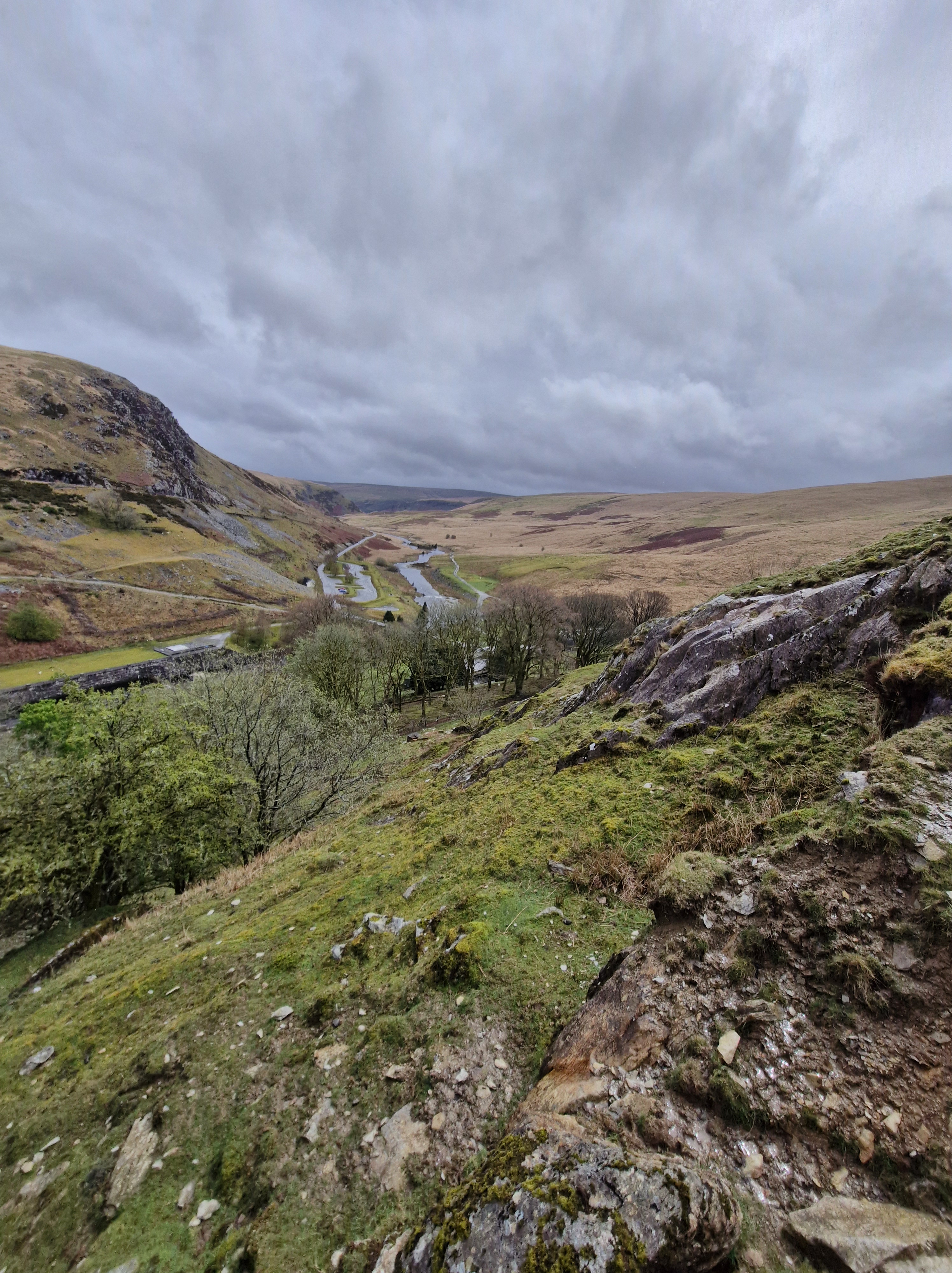
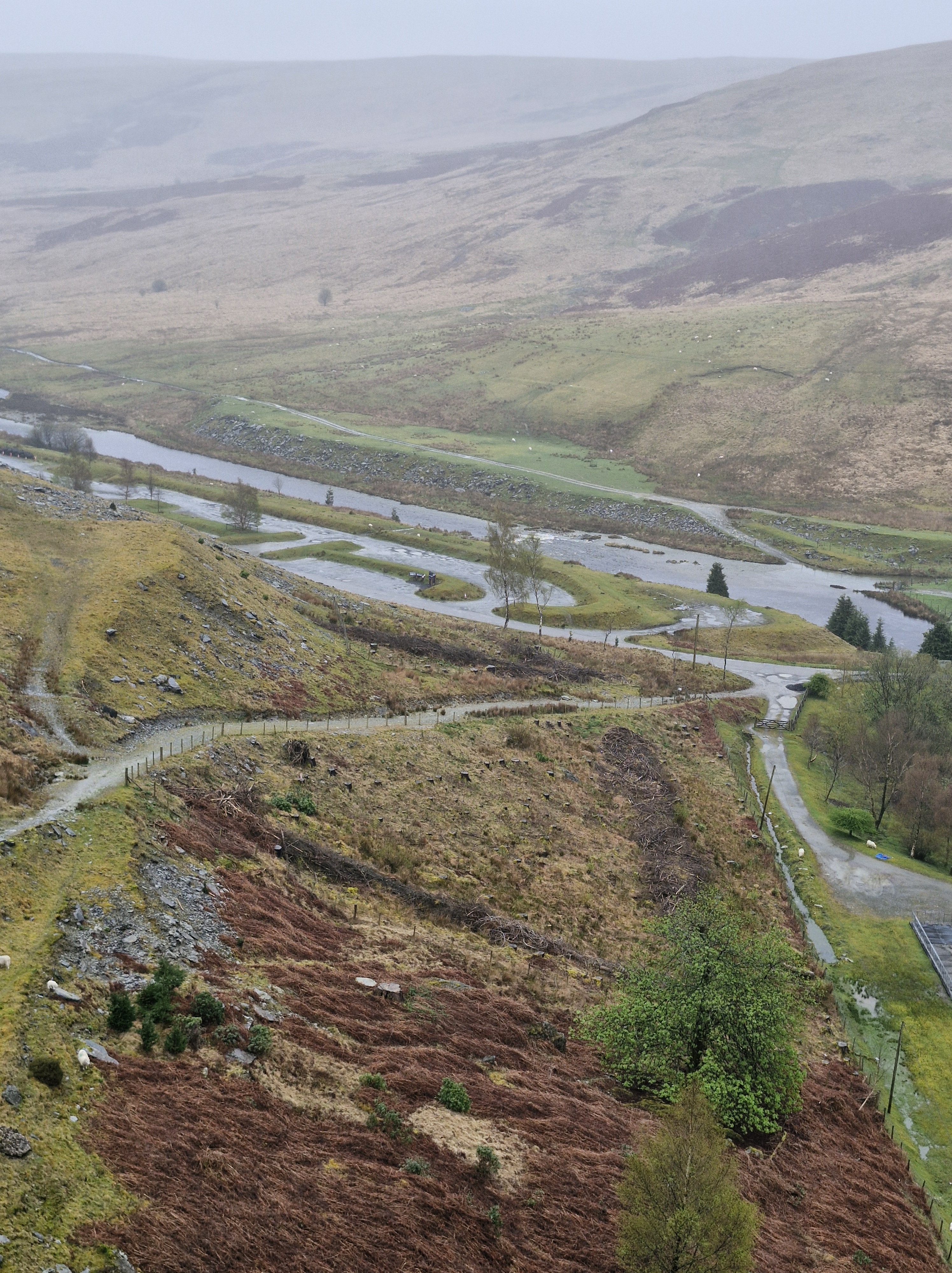
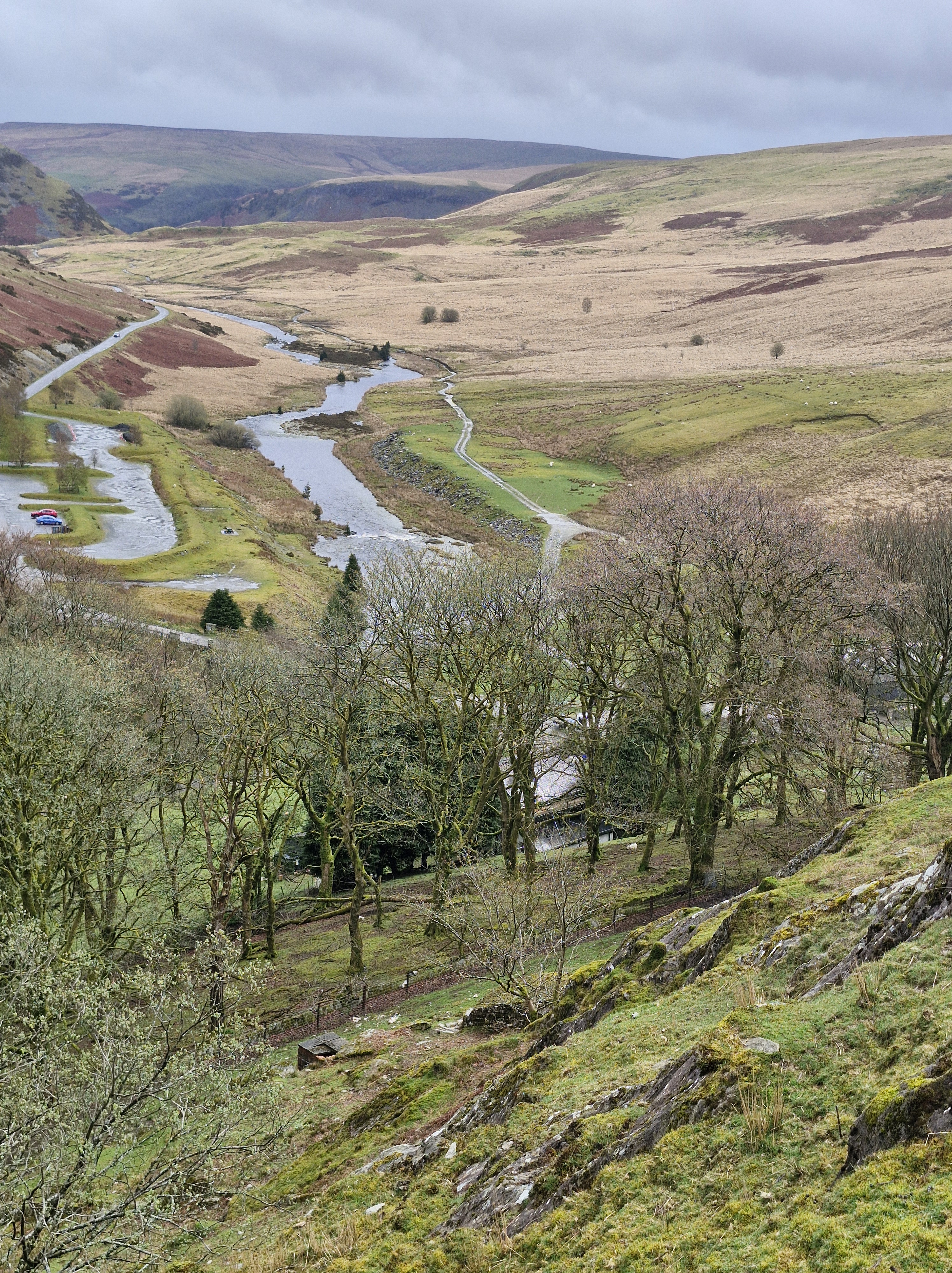
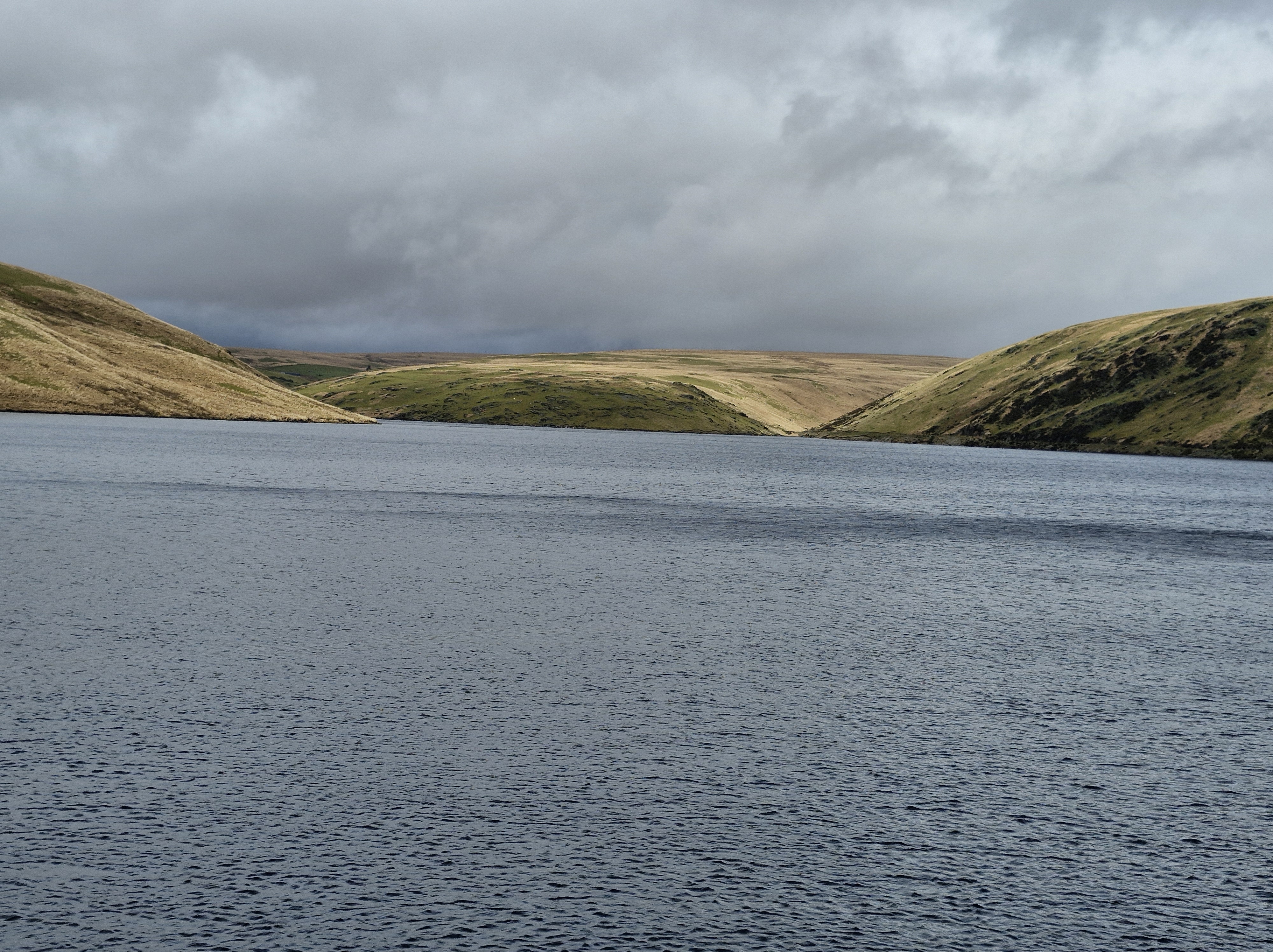
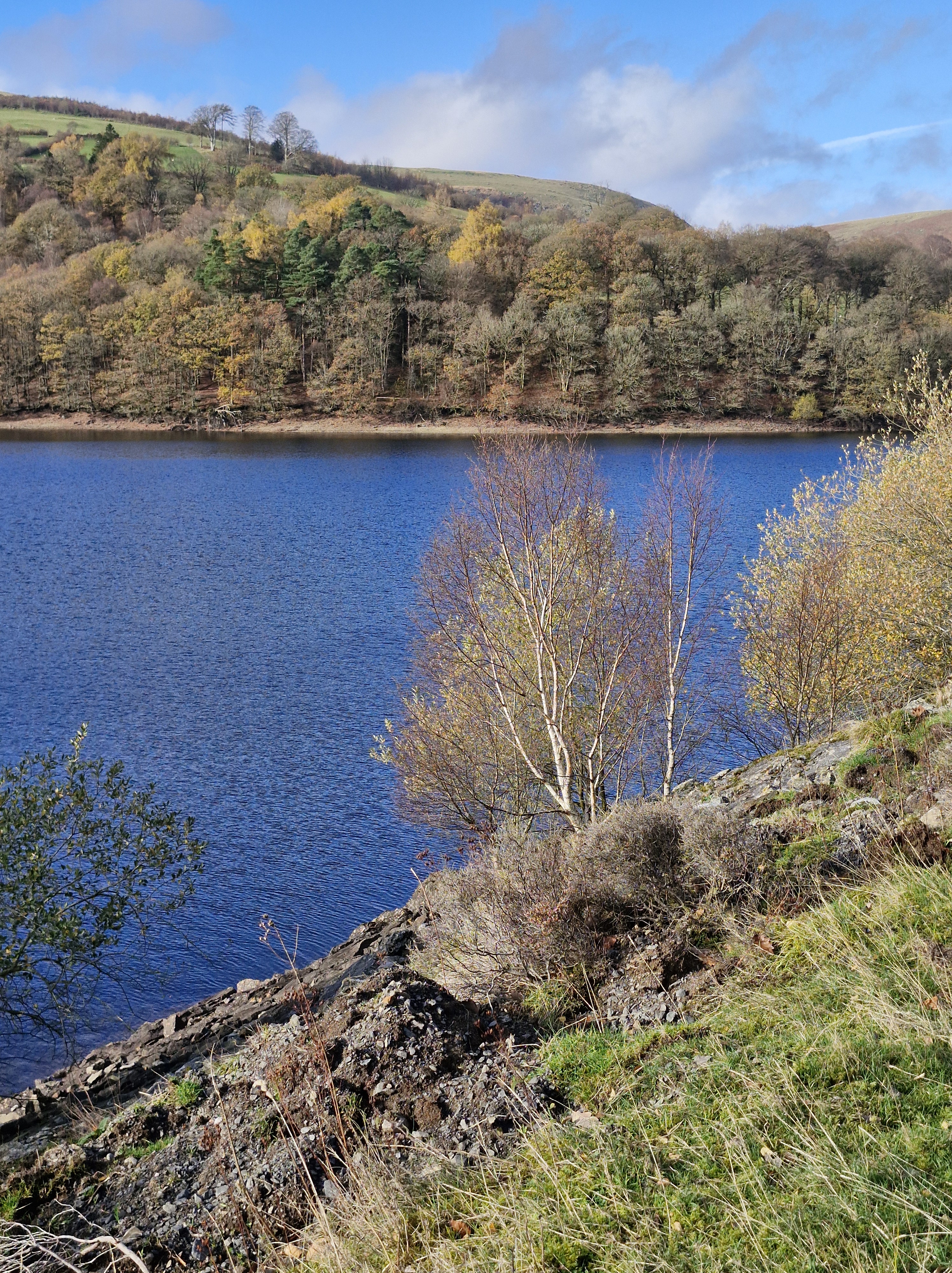
We were lucky: the clouds parted, the rain stopped, the sun came out. We took a trip to Elan Valley and walked around Garreg Ddu to Pen y Garreg.

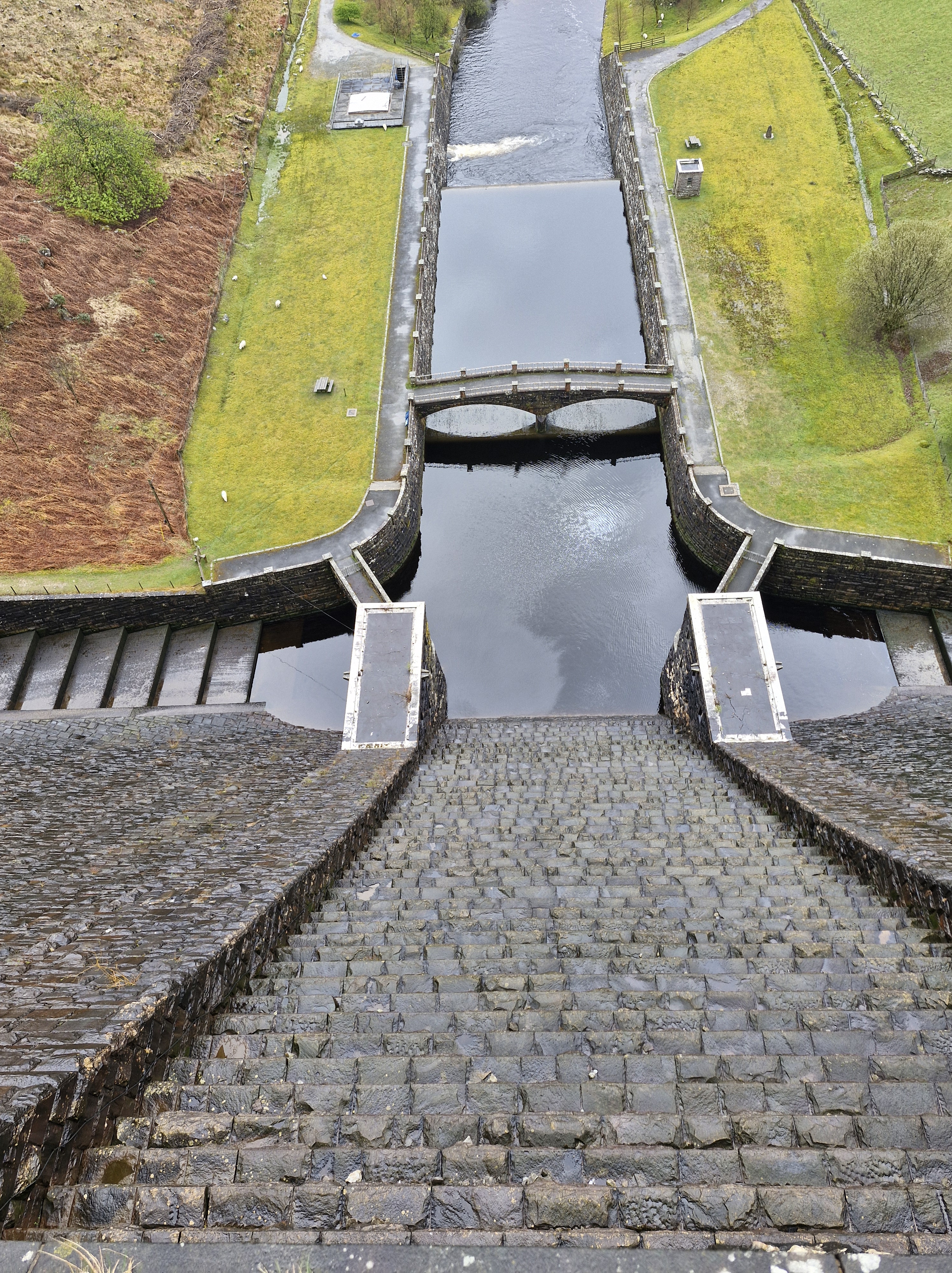
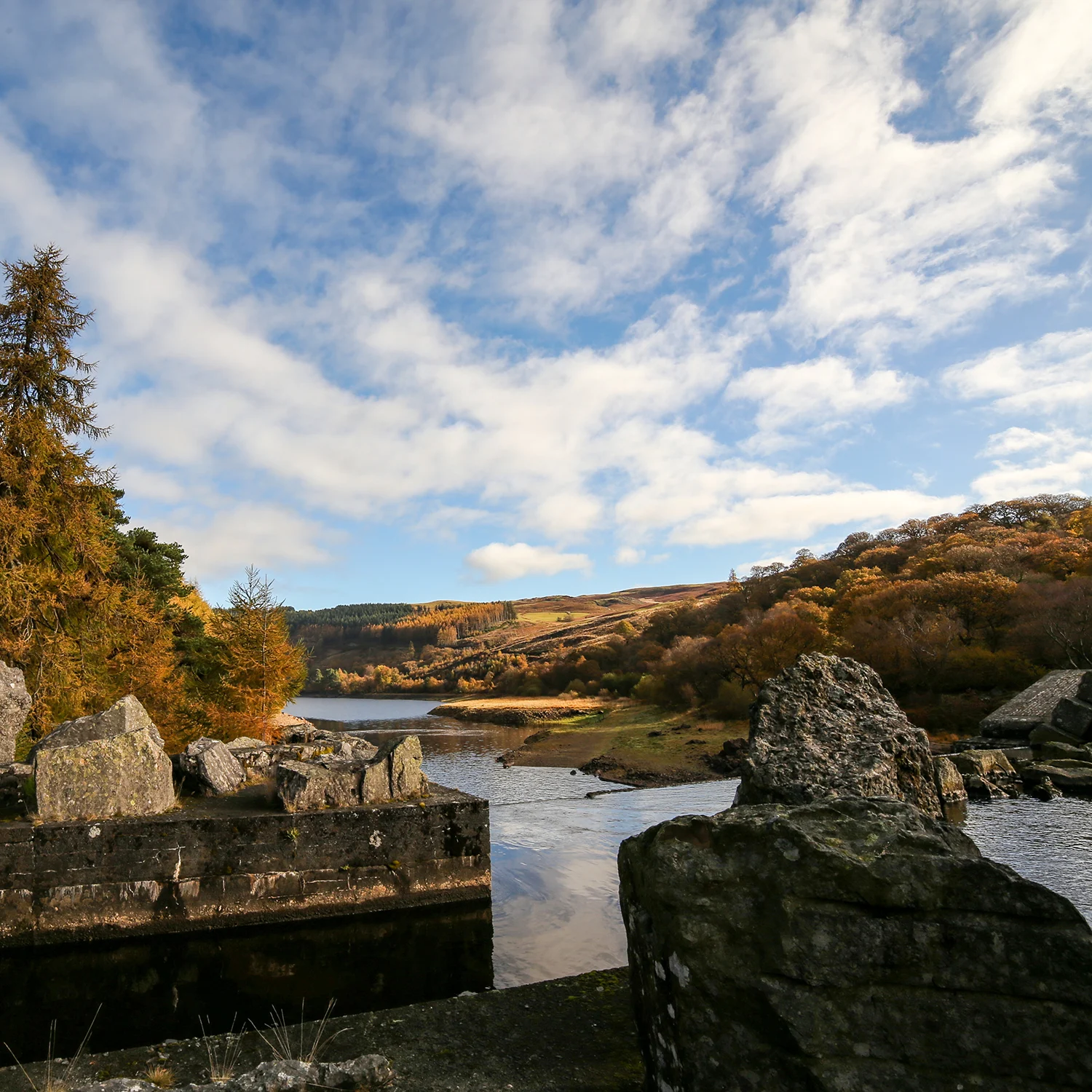
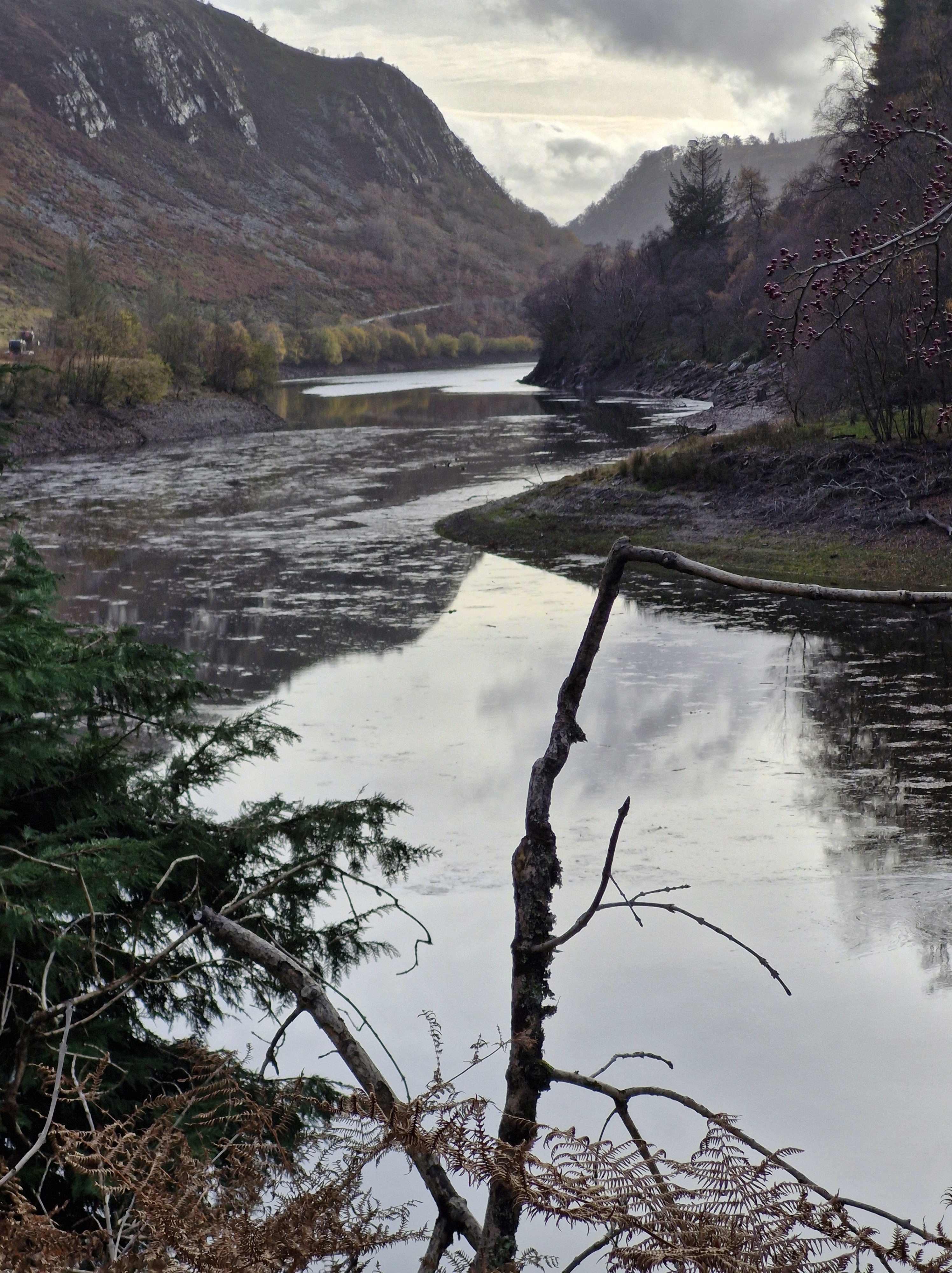
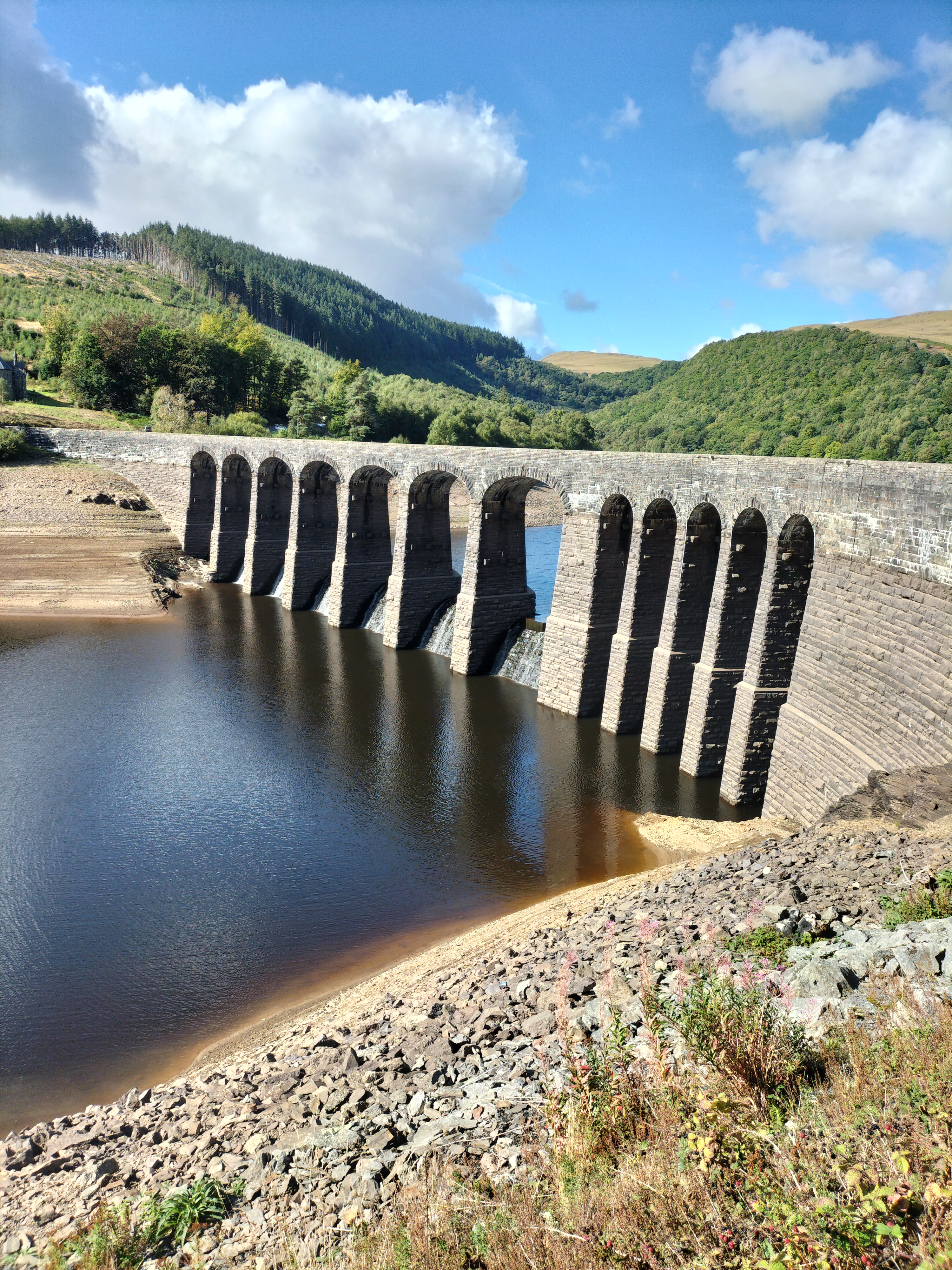
We’ve been a few times in the past, the last being in 2023 when there was a drought declared. Below is the road bridge/ wall between Garreg Ddu and Caban Coch. On the left 2023, on the right this time, in November.

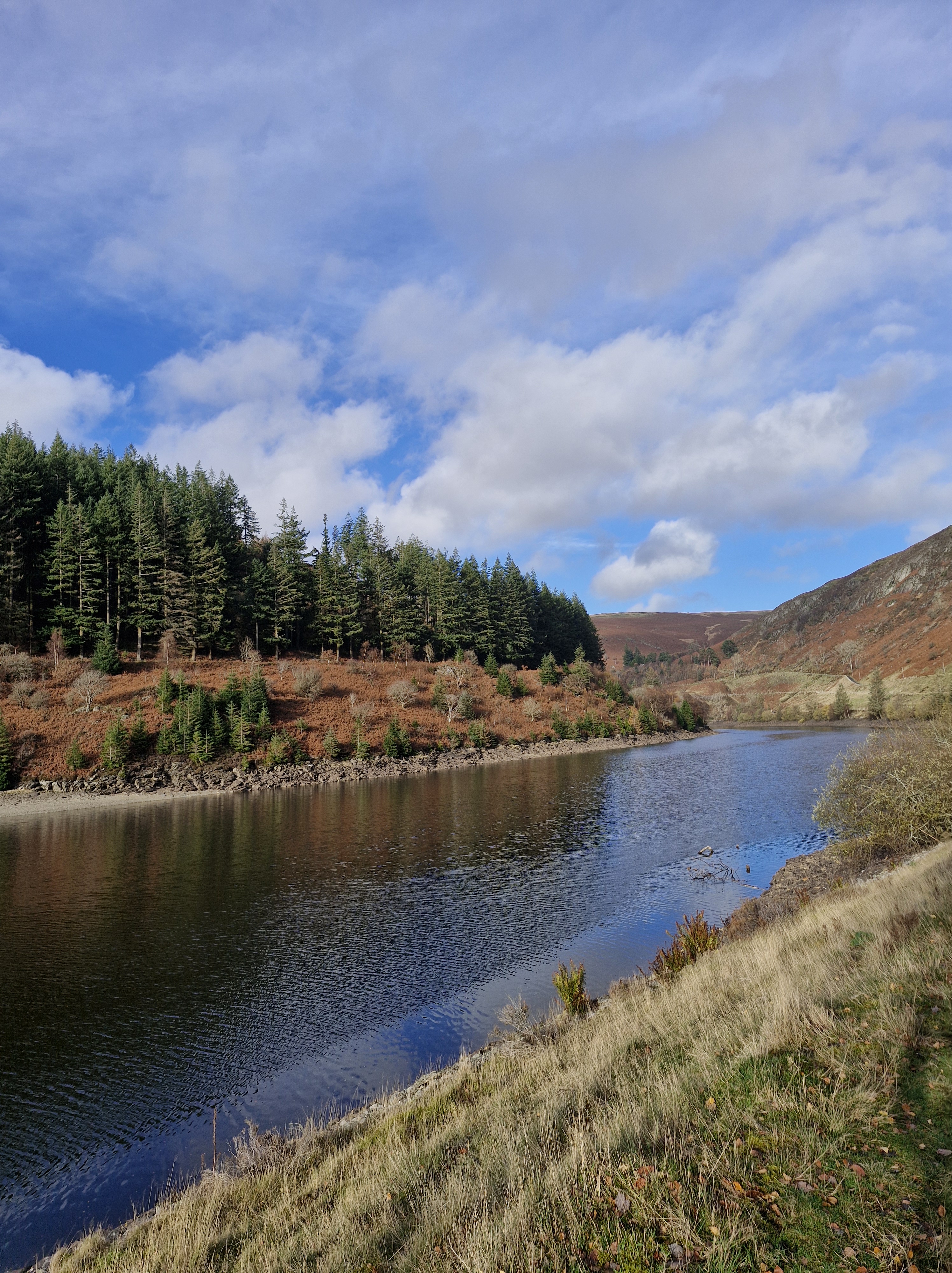
Though there were less daylight hours this time to walk we still were able to see some of the differences in the water levels in the reservoirs between our visits in 2023 to this November.

In 2023 the water was so low we could see the outlines of the houses, the roads and the church that were compulsory purchased in 1892 in order to dam the Elan and Claerwen rivers within the Elan Valley and supply water to Birmingham. This was because of the rapid growth of that industrial city, and the numerous outbreaks of disease that prompted Birmingham City Council to petition the British government to pass the Birmingham Corporation Water Act in 1892, allowing the corporation to acquire the land.

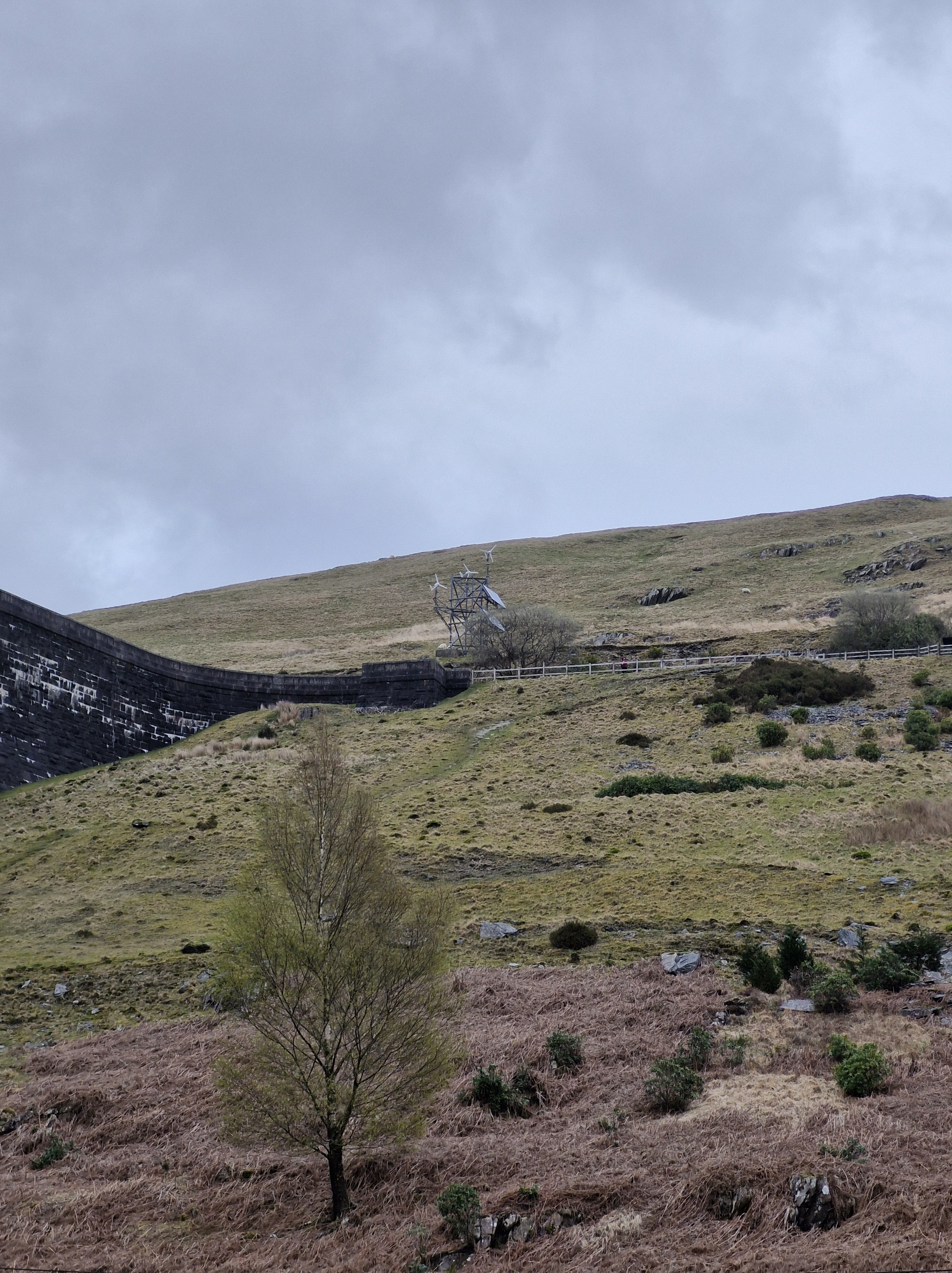
Building work began in 1883. There are six impressive dams altogether. Four follow the Elan River – Craig Goch, Pen y Garreg, Garreg Ddu, and Caban Coch and two are on the river Claerwen – the Claerwen dam and the unfinished Dol y Mynach dam.

The History of Elan Valley:

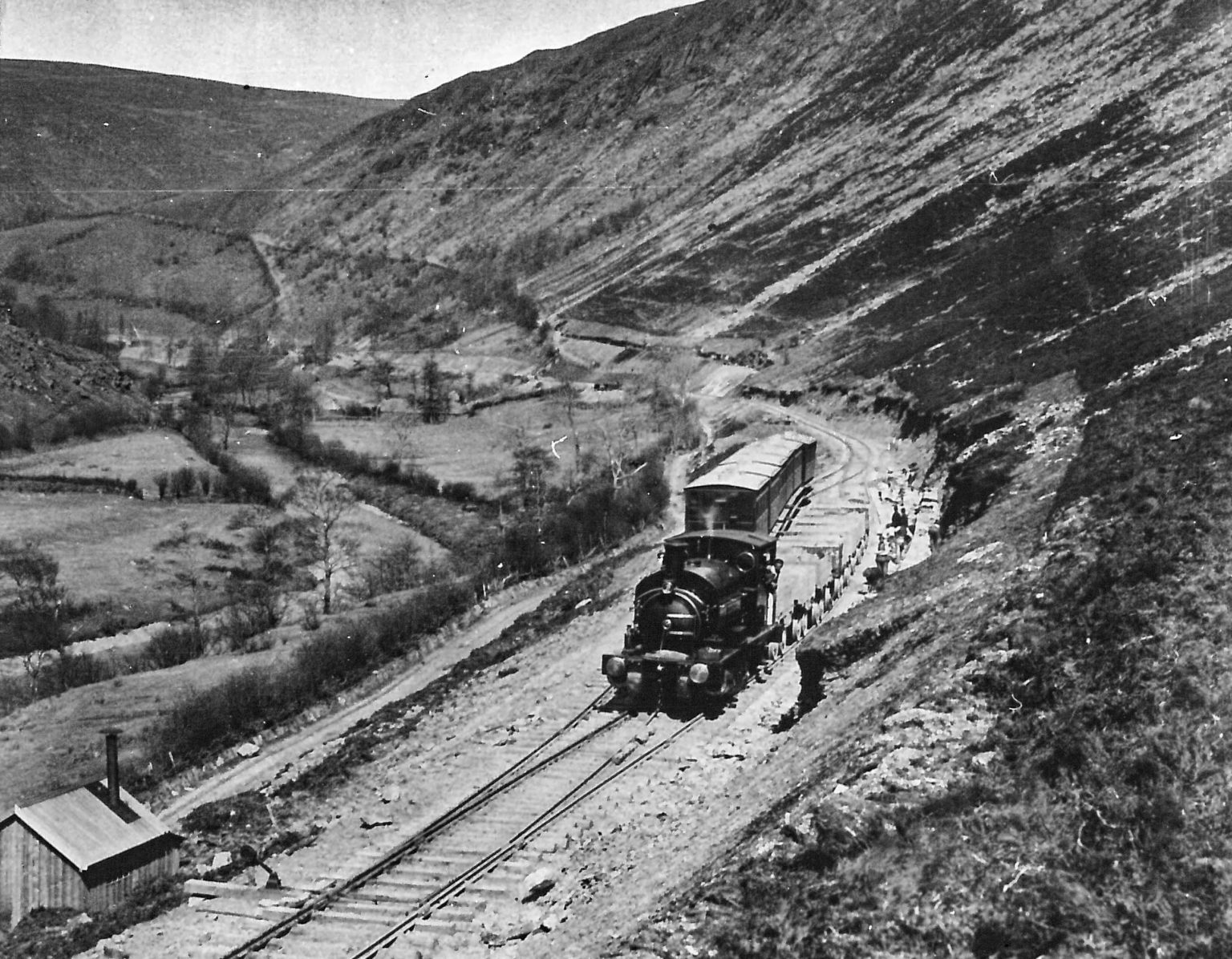
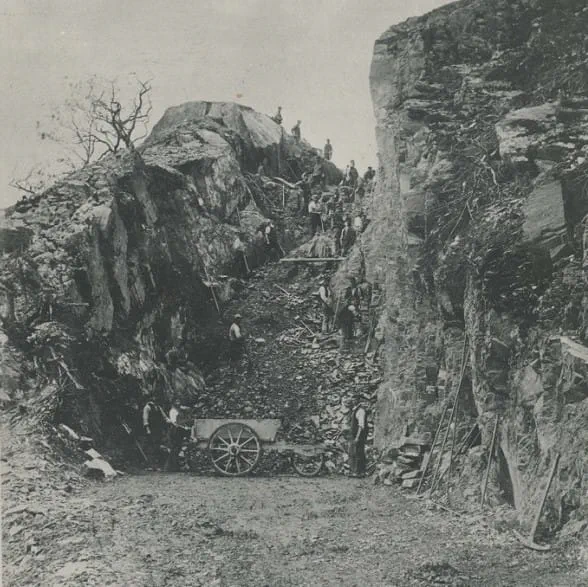
In 1893 one hundred people in Elan Valley had to move to allow the work to begin, but only landowners received compensation payments. Many buildings were demolished: three manor houses, eighteen farms, a school and a church – the latter being replaced by the corporation and renamed Nantgwyllt Church. Over the next three years a railway line was constructed to transport the workers and thousands of tonnes of building material each day.

Thousands of men and their families lived in wooden huts in the the purpose-built Elan Village, where, eventually a library, a public hall, a shop, and a canteen were built. There was also a hospital, used for injuries and as an isolation hospital. There was even street lighting which was powered by hydroelectric generators. New workers were initially expected to spend the first overnight in a lodging house to be deloused and examined for infectious diseases. Only then were they allowed across the river to the village. Single men lived in groups of eight in a terrace house shared with a man and his wife. A guard was employed to check for illegal importation of liquor and unauthorised visitors. There was a bath house which the men could use up to three times a week but the women only once. And the pub was for the men only. A school was provided for those under elevens, after this the children were expected to work.

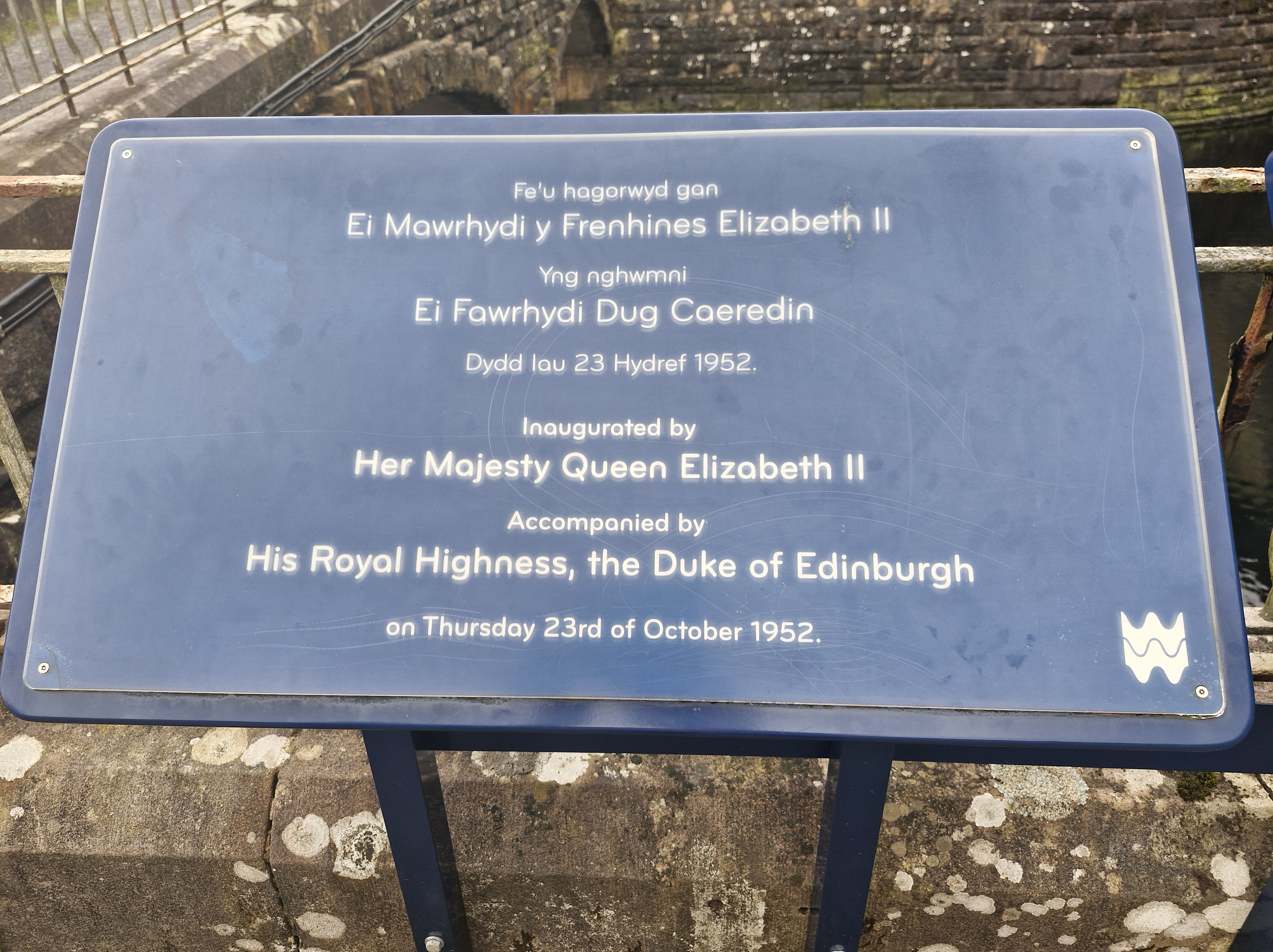
The dams were built in two phases. The first phase, which cost six million pounds and employed fifty thousand was opened on the twenty-first of July 1904 by King Edward VII and Queen Alexandra. The building of the second phase dams was delayed due to the two World Wars and work only started in 1946. Because of engineering advancements just one large dam was built instead of the three smaller ones originally planned for. This was the Claerwen. This dam was completed in 1952 and opened by Queen Elizabeth II on the twenty-third of October.

Writing is one of my biggest pleasures in life … besides walking. #books #anniversaries #writing #walking #photography #Pembrokeshire #Wales #Saints #mythsandlegends #memories

The Stranger in my House – published November 2024

One of my greatest pleasures – besides writing – is walking. In fact walking is what I mostly post about on social media; mainly because I realised a long time ago that across many of the socials, it’s writers talking/commenting/sharing with other writers. And it’s my own fault; I have never got around to writing a newsletter to potential readers. Nevertheless I’ve made some lovely friends over the years online as well as in real life.

And, as a creative writing tutor, I’ve also made friends with many people who wanted to learn to write …. something … whether it was a novel, a short story, poetry, travel writing, or writing for children.

Alongside many of the authors I know, I share a fascination of people, and I admit I people watch. Which is probably why all my novels are character led, whatever genre I’m writing in. This no more so than in The Stranger in my House, published on the 14th of November last year (2024). The story has a main theme, coercive control; the ability of one woman to change the lives of a man and also those of his children. And not for the better.

Building characters layer by layer in a story has to have a balance: of their backgrounds, their history, the way they respond to life and to the people around them. Much as in real life. I believe there comes a time when we are all mostly what we have lived, what has happened to us, how we responded, how we were treated, how we treated others. Yes, there is always the argumant of inherited, biological traits, but I do believe that, in later life it’s what our lives have been like. However, I’m always open to that statement being challenged, and I have been involved in many discussions, on many occasions.

In all my stories, as with most writers, my characters take on a personality and life of their own. I found this especially so in The Stranger in my House. So much so that I wondered what happened to Charlie and Chloe, the two protagonists in the story, after the reader closes the book on their lives. At the beginning they are just over six years old. By the end they are adults.

I like to think that Chloe and her husband, Mark, and Charlie and his partner, Simon, become as smitten with being outside, with looking at nature, the change of the seasons, and with walking, as my husband and I are.

And there is nothing better on cold, wet, and windy winter evenings than looking back at photographs of our walks.

So here is another treasured memory:

St Justinian’s to Porth Clais:

Walking in the footsteps of St Justinian, or sometimes scrabbling to get to the top of the next path.

Literally on hands and knees. But it was so worth it

This image has an empty alt attribute; its file name is img_0261.jpg

Wonderful views overlooking Ramsey Island

This image has an empty alt attribute; its file name is img_0264.jpg
This image has an empty alt attribute; its file name is img_0265.jpg
Just to prove I was there – I hate having my photo taken, but waa caught unawares by the Photographer.
This image has an empty alt attribute; its file name is img_0262.jpg
This image has an empty alt attribute; its file name is img_0284.jpg

And look who we saw. (from a great distance,of course. As I’ve written in a recent post, we saw the seals and their pups last month, just before the mothers decided their offspring was able to fend for theirselves after only a month or so.

This image has an empty alt attribute; its file name is img_0277.jpg
Seal pups and their mums

So… who was St Justinian?

Justinian was born in Brittany in the 6th century. At some point in his life, he made his way to Wales, where he settled on Ramsey Island.

Justinian soon became close friends with St David, the patron saint of Wales, and visited him often in the monastery where the cathedral now stands.

He was less impressed however by the lax behaviour of some of the monks and decided to isolate himself on Ramsey island. According to legend, he took an axe and chopped up the land bridge that linked the island and the mainland. As he worked, the axe became blunter and the lumps of rock remaining became larger and larger. They are still visible today in Ramsey Sound, where the waters foam over them at high tide. Followers joined him on the island but his actions didn’t go down well with everyone though. They soon turned them against him and they beheaded him!

To the astonishment of his killers,he picked up his head and walked across the sea to the mainland, and where he set his head down, another spring of water issued forth.

A spring of water gushed up from the ground where his head first fell and this became the famous healing well known as St. Non’s Well, situated next to the ruins of St. Non’s Chapel.

Justinian was buried where the chapel now stands. Within its walls are some stone footings, which may mark his original gravesite. His body was removed to the cathedral at St Davids, probably at some time before the end of the 15th century.

During the early medieval period, two chapels were built on Ramsey. One was dedicated to St Tyfanog; the other to St Justinian. There is no trace of either building today, though their sites are known.

Where We Walked: Wiston Castle and Church #Pembrokeshire #Wales

Following a recce for a Narberth U3a future Stroll and Photo at Llys-y- Fran, we took a diversion to Wiston castle. Even though not long enough for a walk, the castle and nearby church are historically interesting.

The castle was built by an early Flemish settler with the unusual name of Wizo (in Latin) or Gwys (Welsh). Wizo was one of the powerful Norman lords who took control of southern Wales in the decades following the Norman Conquest. The settlement was called Wiston, which was an old Flemish/Saxon word for Wizo’s enclosure. And I am reliably informed, by someone who knows far more about these things than I do, that Wiston is pronounced Wizon,

Wiston is one of the best-preserved motte-and-bailey castles in Wales, (A bailey is an enclosed courtyard within a castle, typically surrounding a central mound (the motte), a small mound or hill which was fortified in the past).

The castle is first mentioned in documents in 1147 when it was attacked by the Welsh, and then again by Hywel Sais, who was the son of The Lord Rhys who ruled this area of Wales, in1193. The castle was again attacked and destroyed in 1220 by Llywelyn ap Iorwerth (Llywelyn the Great). There is more information of the history of Wiston castle here:

There are forty-nine steps … I counted!

The Keep was a large fortified enclosure. This would originally be an early thirteenth century timber tower within a palisade. The present sixteen-sided stone shell keep was a replacement and would have risen another story with a parapet. The entrance was barred by a stout wooden door and the residential upper floor was reached by stone steps just inside the doorway.

A deep ditch surrounds the base of the mound, separating it from the bailey (the enclosed courtyard within a castle) to the south, and connecting with the moat of the outer bailey on the eastern and western sides. This would have contained essential buildings like stables, barracks, and a chapel – the fortified area where soldiers, servants, and livestock lived and where the day-to-day activities of the castle took place.

Impressive stone walls. Spot the lookout!

And, of course, who goes up … must then go down. Much easier!

The Church of St Mary Magdalene.

Wizo also founded the church nearby at the same time. Though altered by subsequent generations, the church is essentially a Norman building, entered by a very simple doorway made of large slabs of local red sandstone. An interesting church to visit at a later time, I think.

Where We Walked #Pembrokeshire #Walks #Photographs #Leisure

One of our Interesting and Fun Group Walks with the U3a:

Yesterday we joined with Pembrokeshire U3a on their Monday Walk around the woods and alongside the River Sealy on the Sealyham estate near Wolfscastle.

There is a long history of owners of the land dating from the time when King Edward III, in the fourteenth century, granted some land to Thomas Tucker (a captain in the King’s army), who subsequently built a house there.

A house that was later rebuilt in the mid-18th century. Eventually, in 1905, the last of the descendant family members, Catherine Octavia Edwardsn with her husband Victor James Higgon, the last of the Tucker family to live at  Sealyham house moved another mansion in Pembrokeshire, Treffgarne Hall.

Around 1910, portions of the land were sold to the Pembrokeshire County Council and, in 1920, Sealyham House and part of the land were sold to the King Edward VII Welsh National Memorial Association and converted into a tuberculosis hospital until 1954. In 1955, it was re-purposed for elderly patients but was permanently closed as a medical facility in 1964.
In 1970, the Sealyham house was sold to a Nancy Ellen Perkins. She converted it into an apartment building as rentals. In 1980, it was sold again to an investment firm that used it for an outdoor activities centre.
It was resold in 1986 to the Sealtham Activity Centre for young people, as an educational facility,

Sealyham is also well known for the Sealyham Terrier. The Tucker-Edwardes family of the nineteenth century were one of the leading landowners of Pembrokeshire. Breeding dogs was a favourite and expected pastime people of noble families or military background. Captain John Edwardes’ family had the time and the means. Although no records were kept it’s believed that The Welsh Corgi, The Wire Fox Terrier, and the now extinct English White Terrier all played a part in the make up of the Sealyham. After Edwardes’ death in 1891, other breeders began to work with Sealyhams, including a man called Fred Lewis who promoted the breed. But, according to the Kennel Club the Sealyham Terrier is one of the dog breeds of British and Irish origin that are … “considered to be vulnerable due to their declining registration numbers. These breeds are at risk of disappearing from our parks and streets, simply because people don’t know they exist or because they aren’t considered fashionable. in 2024 there are only a hundred dogs of Tucker-Edwardes’ breed, making it an endangered breed.”

Where we Walked Glen Rosa #Arran #Scotland

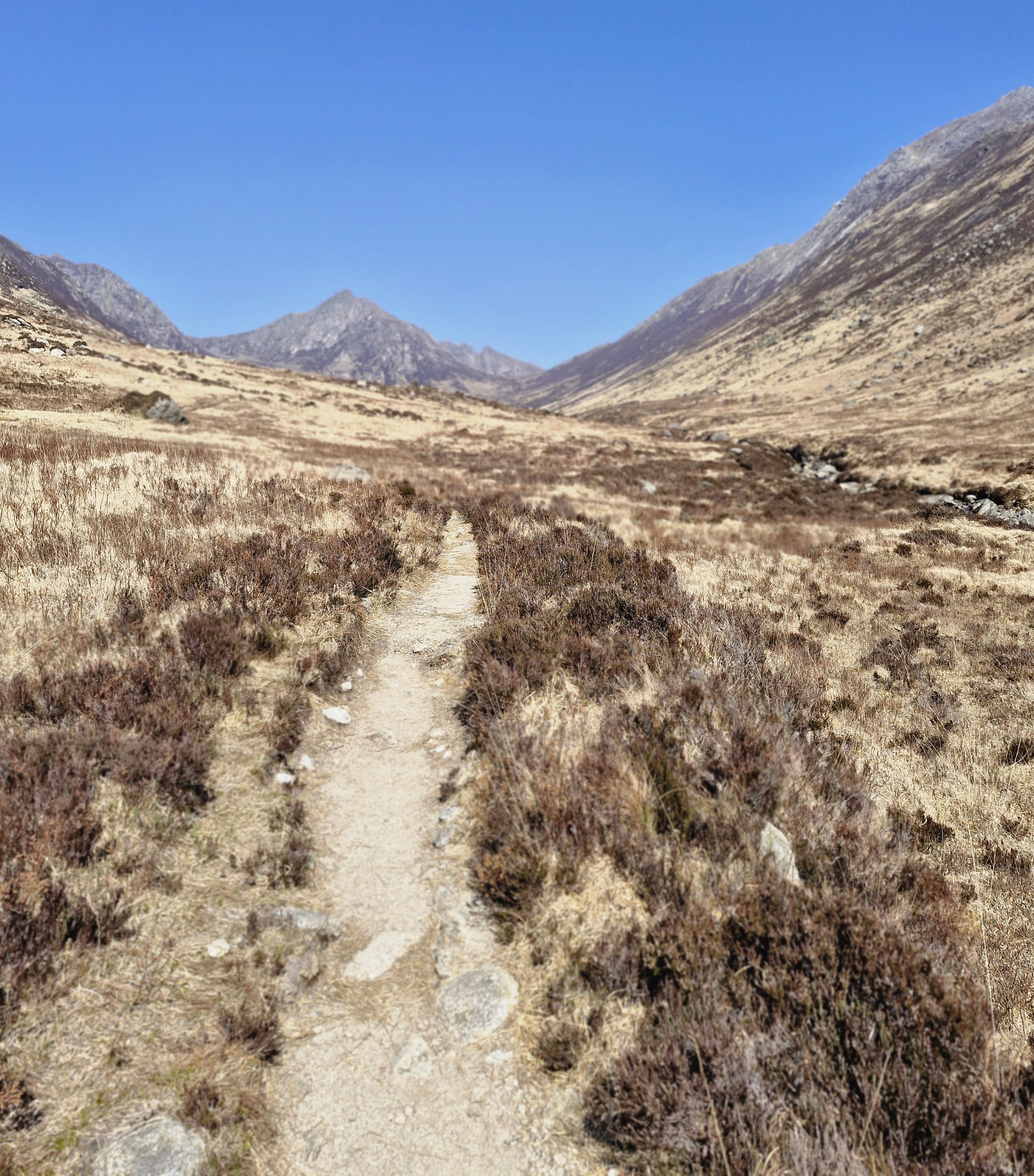
Glen Rosa is a beautiful glen with Goat Fell mountain in the distance – stunning scenery.

Early morning (apparently the best time to do this walk), and we are already driving through Brodick. We turn into a lane just before the Old Brodick Burial Ground, signposted Cart Track, Glen Rosa’. There are two choices according to the directions; drive the first mile on a lane to where the track begins. or walk it. We debate. If it’s interesting, we’ll walk. We park, walk a little way … it’s just a lane between two hedges … nothing much to see.

Photo courtesy of https://creativecommons.org/licenses/by-sa/2.0/The

The Photographer is keen to photograph the glorious views that the directions promise, so back to the cemetary.

The Brodick Old Cemetery was formerly associated with the Glen Shurig church,, erected in 1839 and demolished about 1931 when the congregation joined the Church of Scotland in Brodick. It looks like an isolated forest clearing and is difficult to acess, but the graveyard has a hundred and twenty-one monumental stones. They are mostly illegible but we do find one dated 1863.

When we arrive where the lane ends and the track begins, just alongside a campsite, we follow the example of others and pull onto the grass verge behind three other cars. We can see the riverbank of Glenrosa Water. We’re keen to get going: out of the car, hoist our rucksacks on our backs, the lead on Dusk.

The view up the glen opens up. We see Cir Mhor in the distance. And beyond it the summit of Cul nan Creagan, Glenshant Hill, and Goat Fell. I see the Photographer’s eyes light up; my heart sinks. ” We’re not going too far are we? It’s quite warm already.” He doesn’t answer – sets off almost at a gallop. Dusk and I follow…

The track is rocky and dusty, but wide, and the surroundings absolutely inspirational.

We arrive at a timber footbridge where the tributary, Garbh Allt, joins the Glenrosa Water and the path splits, with the left-hand fork tracing the smaller stream. The Photographer is already on the path at the other side. We see him looking down …

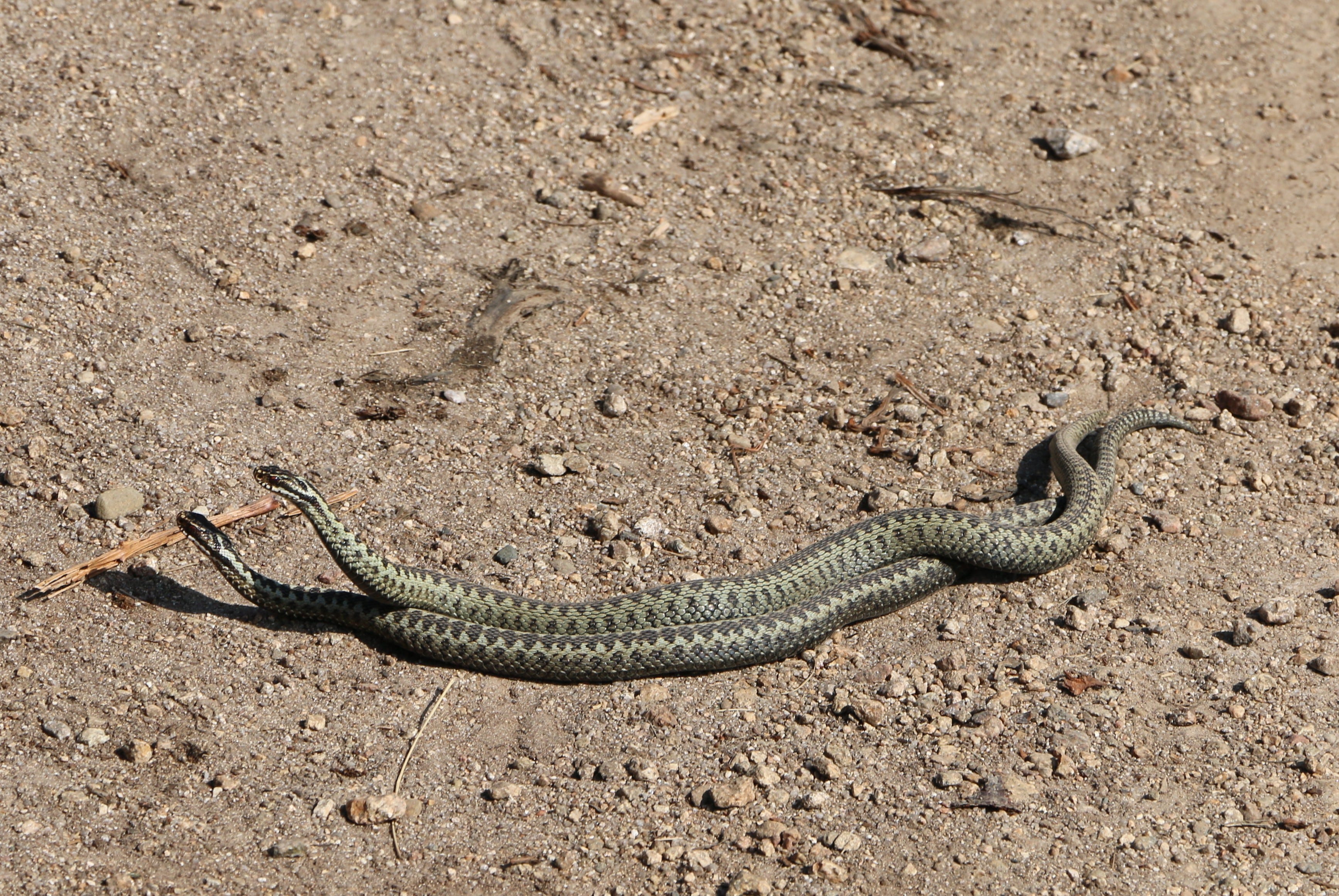
.Dusk and I stop. Two tiny snakes are wriggling around on the path. (For totally personal squeamish reasons I’ve made this photo as small as I can). However tiny they are, we are not going past them. We are going no further

We wait. The Photographer is fascinated, as are three other walkers. But they don’t have a dog – “I need to stay here to protect Dusk!I call. Eventually the snakes wriggle away into the grass, and I tentatively pass the spot they’d been cavorting on.

We follow the path alongside the Glenrosa Water. Before long we arrive at the Blue Pool.

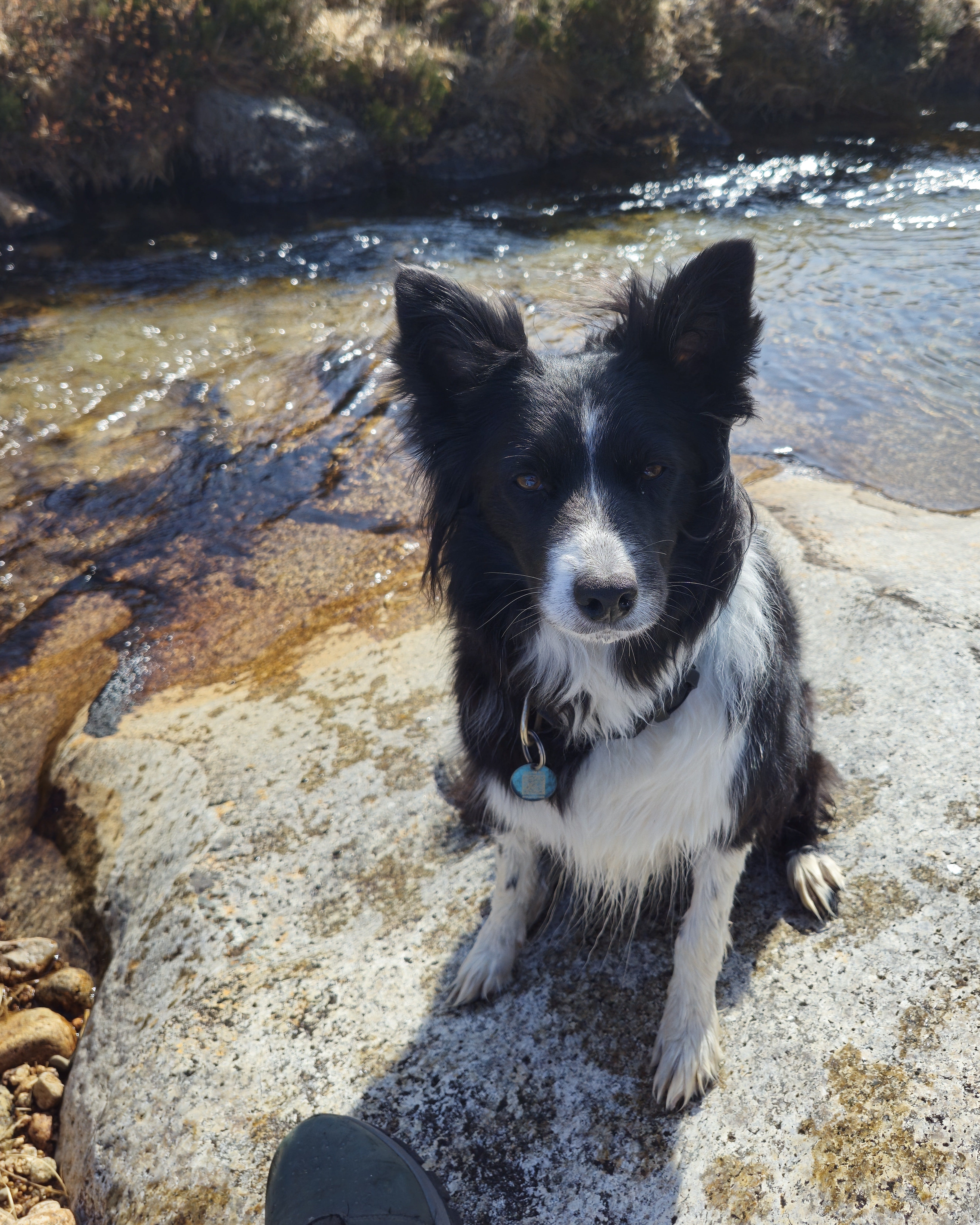
A favoured spot for wild swimming, as a wet Dusk demonstrates.

After a stop for a picnic for us and a half of a dog treat for Dusk, we decide to carry on for more photo opportunities. But the path becomes narrower, more overgrown...

Until almost impassable. And after a friendly hiker informs us that it is the start of the breeding seaon for the adders who are coming out of hibernation (I don’t query his knowledge – just the thought decides me) … it’s time to be setting off back to the car … at a gallop.

We could have crossed an old stone bridge to join onto the circular walk, but we’ve been out for quite a few hours and it’s hot, so we retrace our steps and head back to the house.

N.B. Technical note: Goat Fell is labelled as a Corbett mountain. Corbetts are defined as Scottish mountains between 2,500–3,000 feet (762.0–914.4 m) in height with a prominence of at least 500 feet (152.4 m). They are named after John Rooke Corbett, a district valuer from Bristol, who compiled a list of them in the 1920s. He completed the Corbetts in 1939, when he was in his early 60s.

Climbers who climb all of the Corbetts are called Corbetteers, with the first being John Corbett himself. The second completion was by William McKnight Docharty in May 1960. A list of Corbetteers is maintained which as of July 2018 totalled 678.

Where We Walked … Well, What We Saw From Where We Walked #Ailsa Craig #Arran #Scotland

Image courtesy of https://ayrshireandarran.com/ailsa-craig/

Ailsa Craig, sometimes referred to as the Granite Jewel of the Firth of Clyde, is an island that is colloquially known as “Paddy’s Milestone”. It was a haven for Catholics during the Scottish Reformation in the 16th century, and is also reknowned for being approximately the halfway point of the sea journey from Belfast to Glasgow, which was a traditional route for Irish labourers emigrating to Scotland to seek work.

The island is actually a volcanic plug from an extinct volcano, and is owned by David Thomas Kennedy, the 9th Marquess of Ailsa – except for the two hectares which were sold to the Northern Lighthouse Board in 1883.

The lighthouse was built around 1886, by Thomas Stevenson, a pioneering Scottish civil engineer. It originally used oil-burning lamps, but these were later replaced with incandescent lighting, and then, in 1990, the lighthouse was automated. Further refurbishment, in 2001, meant it was converted to run on solar power.

The island contains some of Europe’s most important bird colonies, which includes the continent’s biggest gannet colony, as well as puffins, so is managed as a nature reserve by the Royal Society for the Protection of Birds (RSPB). It’s also designated a Site of Special Scientific Interest (SSSI) and a Special Protection Area, mainly because of the colony of grey seals, and the occasional whale. There are also visiting large basking sharks during the warm summer months which can be seen feeding at the surface on the planktonic bloom.

The texture of the rocks on Ailsa Craig is a granite called microgranite that is so hard and resistant to impact, it makes it ideal for the manufacture of curling stones. The manufacturer, Kays of Mauchline, Ayrshire in Scotland, has the exclusive rights to the granite, granted by the Marquess of Ailsa, and has been making these stones since 1851, and providing them for the Winter Olympics since Chamonix in 1924.

I thought it interesting that boulders of of the Ailsa Craig microgranite were transported by glaciers as far afield as County Donegal and Pembrokeshire. Of course this led me down another rabbit hole …

The microgranite is part of the geology of the Precambrian rock of the Pembrokeshire Coast National Park. Formed as the lava pushed through the existing rocks and solidified, these rocks can be seen in various locations, such as the coastline of St Bride’s Bay and the southwest tip of the St David’s Peninsula.

Something else I discovered…

There are ruins on the island of a castle.

Ailsa Craig Castle today – photgraph courtesy of Douglas Wilcox www.seakayakphoto.com

These remains are of a castle built in the middle of the sixteenth century by the Hamilton Family to protect the island from King Philip II of Spain. It stands on a shoulder of rock around three hundred feet above the sea, the only approach to it a steep and narrow footpath, although there used to be an external set of stairs to the tower. The castle was in ruins after the Reformantion but was later restored by Thomas HamiltonIn and the work recorded by an armorial panel high up on the south gable, showing the Hamilton arms. Today only the tower remains.

Where We Walked Kingscross Point Arran Scotland #Walks #Photographs

Our second walk was an easy circular stroll – the Photographer assured me. I was suspicious; I’d heard that before… many times. But this time he was telling the truth!

We walk from the house where we are staying – (borrowed house in order, borrowed dog, Dusk, in tow, borrowed cats fed and left behind) – and saunter along a road and past a church towards the sea. Crossing a bridge onto an unsurfaced road we pass several houses ( noting that alongside one was a building that offered fish and chips ‘occasionally’. I wondered, aloud, whether today was one of the ‘occasional’ days as we clamber over rocks onto the beach …

but eventually realise that the Photographer has lingered way behind Dusk and I.

So she and I turn off at a signpost, go through a gate which leads to a path where we negotiate our way through, between gorse and brambles.

And onto a wooded area with a section of boardwalk.

There is the wonderfully evocative scent of wild garlic. Dusk is more intent on leading the way. Leaving the boardwalk, we enter fields, keeping to the path alongside the hedgerows and past the horses grazing in the next field. Through another gate, another field that slopes upwards. I am reminded here of the Rowan tree that I saw when I was here with a friend on our writing retreat in August last year. Then it was covered in berries – today it’s just in budding leaf.

The Photographer with us once again, we climbed over some large stones to reach the site of the ruins of a Viking fort. Actually, there is very little to see .but apparently there is a Viking boat burial near King’s Cross. The above photograph is courtesy of Walking Arran: Iron Age forts, a Viking burial and Buddhist pilgrims. https://tinyurl.com/yc3fupz9. Unfortunately I deleted the Photographer’s photo – which then was lost in the ether… oops!!

A little snippet of information:

Around the ninth century Arran was part of Viking territories; the Kingdom of Mann and the Isles. Many local place names have Old Norse origins which includes Brodrick (where the ferry lands providing the weather is good and the boat is up to the crossing). Brodick is derived from ‘breda-vick’, meaning ‘broad bay’ and Sannox, from ‘Sandvik’ or ‘sandy bay’, in Old Norse.

We stop for a few moments to take in the peace and quiet, and to look over again towards Holy Isle with the lighthouse and buildings that house those on a Buddhist retreat on the island.

And linger to look across the sea towards the range of mountains in the distance. One of our walks later in the week will take us closer to them. But there’s no doubt we won’t be tackling Goat Fell, the highest one the island – intrepid pensioners though we are!!

Then we scramble down to the path alongside the beach on the other side of the cove. The beach here is more rocky, We turn inland and uphill on a path through fields, then onto a lane which eventually leads back to the church – and homeward.

Another satisfying walk in this lovely island of Arran.

The following day we, and Dusk, had a rest, much to the annoyance of Clary, our friend’s cat – because I was sitting in her place on the settee …

before our next adventure – a hike walk to Loch Garbad

The following gives the ( rather long) history of the Holy Island, which I find fascinating – is courtesy of the website Holy Isle: Centre for World Peace and Health: https://www.holyisle.org/the-island/history/

History

The earliest recorded name for Holy Isle was Inis Shroin, which is old Gaelic for ‘Island of the Water Spirit’.

After the time when the Celtic Christian saint St. Molaise lived on the island at the end of the 6th century, it became known as Eilean Molaise, which is Gaelic for ‘Molaise’s Island’. This name gradually evolved over the course of centuries until early in the 19th century the island became generally known as Holy Isle (or the Holy Isle) and the village on the other side of the bay became known as Lamlash.

Saint Molaise (566 – 640 A.D.)

St. Molaise was born in Ireland, the son of Cairell, the Irish king of what is now called Ulster, and the Scottish princess Gemma. Molaise was a very gifted and spiritually inclined child. He was much loved by his own people and was offered the throne of Ulster when he came of age, but instead he chose a religious and secluded life in a cave on the west coast of Holy Isle. He was then only 20 years old. Some people believe that when St. Molaise chose the cave on Holy Isle as his hermitage, the island was already considered a special, “holy” place.

When he was about 30 years old, Molaise went to Rome and was ordained as a priest by Pope Gregory the Great. When he returned, he entered the great monastery in Leighlin, Ireland which St. Gobban had established. Soon after he became its abbot. Under his guidance the monastery grew in fame and number to about 1500 monks. Molaise played an important part in adopting the controversial Roman method of dating Easter within Ireland. This was an important issue among the different Christian churches, who debated it for several centuries. When Molaise was in his late 50s, he went back to Rome and was consecrated first Bishop of Leighlin by Honorius I. Historians are divided on when Molaise died, estimating between 638 and 641. His feast day is celebrated both in Ireland and Scotland, on the 18th of April.

St. Molaise’s cave and the Healing Well

The cave where St. Molaise lived, is about half way along the western shore of Holy Isle, about ten meters above the high-water mark, and consists of an overhanging sandstone rock with a sunken stone floor. It is thought that in Molaise’s time much of the opening of the cave was closed up by a wall to keep the weather out. The cave can still be visited today. Carvings can be seen in the wall, such as simple crosses, perhaps made by pilgrims, and Norse runes, mainly of personal names. One of these says “Vigleikr the Marshall carved”. Some of the crosses seem to have been carved at around the same time as the names, so perhaps there was an element of pilgrimage to the cave among the Vikings. Lastly, there is an unusually designed cross carved into the roof of the cave.

Close to the cave is a spring, known as the Healing Well which is thought to cure ills and bring blessings.  In the 18th century it was recorded that “the natives used to drink and bath in [the well] for all lingering ailments”. The same source describes the water as “gushing out of a rock”. At the beginning of the 20th century apparently there was a cistern present built of masonry, with a stone spout which delivered the water. The spring is overgrown now so that you wouldn’t get more than a footbath from it but the water is still cold and clear, albeit it does not meet current EU standards for drinking water.

The Monastery: There are several indications of a monastery having existed on Holy Isle, most probably close to what is now the Centre at the north end. It may have been erected at the beginning of the 13th century, although other sources say it was in the 14th century. The monastery buildings could have been made of wood or a dry-built structure which left no traces. In the 16th century it has been recorded to have decayed.

The Vikings: In 1263 King Haakon of Norway brought a fleet of ships to the shelter of Lamlash Bay, before fighting the Scots at the Battle of Largs. Vigleikr, one of his marshals, went ashore at Holy Isle and cut runes with his name on the wall of St. Molaise’s cave. After the battle, King Haakon gave the island of Arran to one of his supporters, but this really didn’t count for much once the Norse had departed.

The Dukes of Hamilton

In 1488 Holy Isle and land in the Lamlash area was owned by one John Hunter, before being passed over to the Earl of Arran in 1527. The island continued to be part of the Arran Estate in Hamilton ownership even into the 20th century, being rented out to various people until that time. In the 18th century, Captain James Hamilton (not related to the dukes of Hamilton who owned Arran) obtained a long lease on Holy Isle from the Duke of Hamilton. In 1779 he built what became known as the Big House (the old farmhouse, now called the Harmony Wing).

Lighthouses

In 1877 the inner lighthouse (facing Arran) was built on Holy Isle, engineered by David and Thomas Stevenson. It is locally known as “Wee Donald”, though the current lighthouse keepers don’t know why anymore. The outer lighthouse, or Pillar Rock, was built in 1905 on the east shore. It had a fog horn and a revolving light that was lit by paraffin. Pillar Rock lighthouse was the first lighthouse built with a square tower and has several rooms inside for the men who worked there. Lighthouse cottages were built to house four families of the lighthouse keepers and a walled garden was made. The lighthouses became automated in 1977, and are now serviced every two weeks by local people living on Arran.

The “Rich American”

In 1957 the Duchess of Montrose died and the death duties were so high that the Arran Estate had to be divided. Part of the land was passed to the Forestry Commission and the National Trust, whilst other parts went into private hands. Holy Isle received a life tenant in 1958: Stewart Huston of Pennsylvania, USA. He was a millionaire who had a special interest in the island because he was descended from Gershom Stuart, who was Minister of Kilbride (at Lamlash) from 1747 – 1796. Despite his interest in the island and its history, he did not visit often, and the land continued to be used for grazing sheep by local shepherds from Arran.

The Universities Federation for Animal WTelfare

In 1968, the UFAW (Universities Federation for Animal Welfare) was asked to advise on the husbandry and management of the island’s animals, which at that time consisted of Blackface sheep and a herd of feral goats. They set up a Field Study Centre in 1969, and after Stewart Huston passed away, they were able to buy the island in 1971. in later years they introduced 25 Soay sheep and 5 Highland cattle, and a few years later 5 Eriskay ponies. When the UFAW could no longer afford to keep it, the island had to be sold again.

The Morris Family

In April 1984, after having been on the market for 20 months, the island was bought by James and Catherine Morris for £120,000. They moved into the farmhouse the following summer with their two young sons. They managed to connect electricity from the south end to the north, which made living in the farmhouse much more comfortable for them. In 1990 all the Highland cattle and seven ponies were taken off the island, leaving the Saanen goats, the Soay sheep and five Eriskay ponies.

In 1987 they decided to put the island up for sale for £1 million. The island remained unsold however, and in the autumn of 1990 Mrs Morris approached Lama Yeshe to offer the island to him, because she felt that its future would be best taken care of by “the Buddhists from Samye Ling”. Lama Yeshe first came to Holy Isle on the winter solstice of that year and became determined to buy the island. Finally the asking price was dropped to £350,000, which Lama Yeshe managed to raise by April 1992.

Where we Walked @CraflwynEstate @Beddgelert @Snowdonia @ Eryri @Wales #walks #photographs #mountains #viewpoints

The two hundred acres of  Craflwyn estate is set in the heart of beautiful Eryri (Snowdonia), an area steeped in legend.

A walk of two halves today. We parked at the Crafwlyn Estate car park, just outside Beddgelert and, having read the information board, the Photographer and I decided to do the Green Walk. The sign promised an easy to moderately difficult ascent of only one and a half miles to the viewing point. It was the “spectacular views” that clinched it.

The heather was glorious. The path was … somewhere…

The walk turned out to be difficult, and certainly longer than one and a half miles. Quite the opposite in fact, and it and became steeper almost immediately, and very rocky. We assumed it would level out at some point but it never did and we just kept climbing and climbing.

Dinas Emrys is a rocky and wooded hillock near Beddgelert. Rising some seventy-six metres above the floor of the Glaslyn river valley, it overlooks the southern end of Llyn Dinas. The legend is that it’s where Merlin once trod and where a dragon still sleeps. At the top are the remains of a square tower and defensive ramparts belonging to the ancient princes of Gwynedd. We never saw that at any time over the week… ” the square stone tower at Dinas Emrys in Gwynedd, Wales is believed to be the base of a 12th century tower or citadel. The tower is now in ruins, but its rectangular shape and local rubble masonry are still visible.
According to legend, the tower was built by King Vortigern as part of a castle he wanted to construct on Dinas Emrys. However, the walls would mysteriously collapse each night, which led Vortigern to seek the help of Merlin the wizard. Merlin revealed that two dragons, one red and one white, were fighting in a pool beneath the castle. Vortigern and his men dug into the mountain to release the dragons, and the red dragon eventually won the battle. The castle was then named Dinas Emrys in honor of Merlin, and the red dragon became a symbol of the fight against the Saxons.

oplus_32

Just at the point where the ferns and tufts of coarse grass petered out, and the way in front of us rose sharply and consisted of sharp rocks, it began to rain and the view disappeared. We turned and scrambled back down – the second time we’d turned back on a walk that week.

One disgruntled Photographer…

Twenty minutes later and wet through, we saw a sign for the Waterfall trail. A footpath lead through the woodland, following a waymarker to the right.

We passed the dragon bench. Too wet to sit on it though.

We walked up some steps to see a small waterfall. But we could hear loud splashing further along the path.


The large waterfall. Apparently deep enough to swim in.
I didn’t test that theory.

It was a wonderfully peaceful end to the day – and to our last walk of the holiday.

We’d had a great week. The photographer was keen to get home to start downloading, printing off and framimg his photographs.

I was ready to finish the proofreading of my next book, The Stranger in my House, to be published by Honno on the 14th November 2024 .

Described as…

A gripping ‘cuckoo in the nest’ domestic thriller

After the death of their mum, twins Chloe and Charlie are shocked when their dad introduces Lynne as their ‘new mummy’. Lynne, a district nurse, is trusted in the community, but the twins can see her kind smile doesn’t meet her eyes. In the months that follow they suffer the torment Lynne brings to their house as she stops at nothing in her need to be in control.

Betrayed, separated and alone, the twins struggle to build new lives as adults, but will they find happiness or repeat past mistakes? Will they discover Lynne’s secret plans for their father? Will they find each other in time?

The Stranger in My House is a gripping ‘cuckoo in the nest’ domestic thriller, exploring how coercive control can tear a family apart. Set in Yorkshire and Cardiff, from the 60s to the winter of discontent, The Stranger in My House dramatises both the cruelty and the love families hide behind closed doors.https://tinyurl.com/349ucdat

I’m happy to leave things as they are here. So, until next time … thank you for following the Photographer and I on our adventures.

Where We Walked @Moel Hebog @Beddgelert @North Wales #walks #photographs #holidays

Moel Hebog (Welsh for Bare Hill of the Hawk) is a mountain in Snowdonia, which dominates the view west from the village of Beddgelert.

This was the next walk we did. I say ‘walk’ as a vague description. And I need to say at this point that we hadn’t read the following review beforehand.

“This is very much a steepish persistent trek from the beginning to the end. The path is very sketchy in places and you have to work out the best way forward. You go around the false peak and a bit further up you come to a near vertical wall bit. Be careful here as a number of false paths on where to go up. Take your time to work out the safe route which is on the left side of the paths. It’s only two-four steps scramble then you are back on a reasonably marked trekking path. This trek is not for beginners you really need the experience of being able to work out safe routes and a little scrambling experience. You also need a reasonable level of fitness as it’s very much a full on upwards & downwards trek, not any flattish areas. When I did it mid May 2024 the forest walk on the descent was impassable as flooded, very boggy so had to walk around the gravel tracks that added around 4 miles to the trek. Really enjoyed this trek, it is physically challenging as you gain height quickly, I would fully recommend trekking poles as they help. The downward grassier slope going down to the forest is steep so trekking poles really useful. Enjoy, take your time and stay safe.”

Oblivious to this review (but with our trusty walking poles, as usual), we walked past Beddgelert Railway Station, then along a lane crossing the railway line.

We passed a farm, said hello to the dog who came out to watch us, and walked through a small wood before the land opened up. There was a stone path across crossing a field, and then a post which indicated we needed to go straight ahead to a stile over the stone wall. (Yes, there had to be a stile!!)

At first the path was a meandering course on spiky grass with golden brown ferns set in a landscape of small outcrops and boulders. (Later in the day, having coffee in a small cafe, we met three young climbers who told us that these boulders were called erratics, glacial boulders or rocks that have been transported by ice and deposited. The type of rock – the lithology – the physical, chemical, and mineralogical properties – that the glacial boulder is made from is different to that of the bedrock where it’s been deposited.) We live and learn!

As we climbed,I took advantage of every photo stop, as usual. (my ‘catching my breath’ time). The landscape was glorious. And there, in the distance, was Llyn Dinas.

We stopped for lunch, debating at this point on whether we’d gone as far as we should (could!) Just then two couples passed, going back down. ” That’s us done,” said one of the men. “We know when we’re beaten. Off for a pint.” They were about twenty years younger than us. We looked at one another, made our decision; if going any further was too much for them, we had no chance. We packed up our things.

So there we are – sometimes ignorance is bliss. Or very foolish. But it was a lovely day, we took our time, had food and water – and knew when we’d got as far as we wanted to.

We took one last look at the dark peak of SnowdonIn in the far distance before we turned and made our way down towards the road.Got some fabulous shots though,” said the photographer, cheerfully. I agreed, relieved to be back on tarmac.

Later, looking back at the walk, I read the following.’The Moel Hebog shield (Welsh: Tarian Moel Hebog) or the Moel Siabod shield, is a large copper-alloy shield from Bronze Age, found in a bog on he north-west slopes of Moel Hebog. Discovered in 1784, it dates from 1300–1000 BC and is now in the British Museum in London.

Richard Blurton (a specialist in South Asian art and archaeology, formerly Assistant Keeper at the British Museum), wrote about the shield in his book The Enduring Image: Treasures from the British Museum (only £209, plus £9.75 postage). He says, “This shield is a splendid example, representative of the rise of large sheet-bronze work in later Bronze Age Europe. Much effort was directed towards the production of ceremonial metal armour indicating the prevalence of the idea of man as a warrior.

Just thought I’d share that!