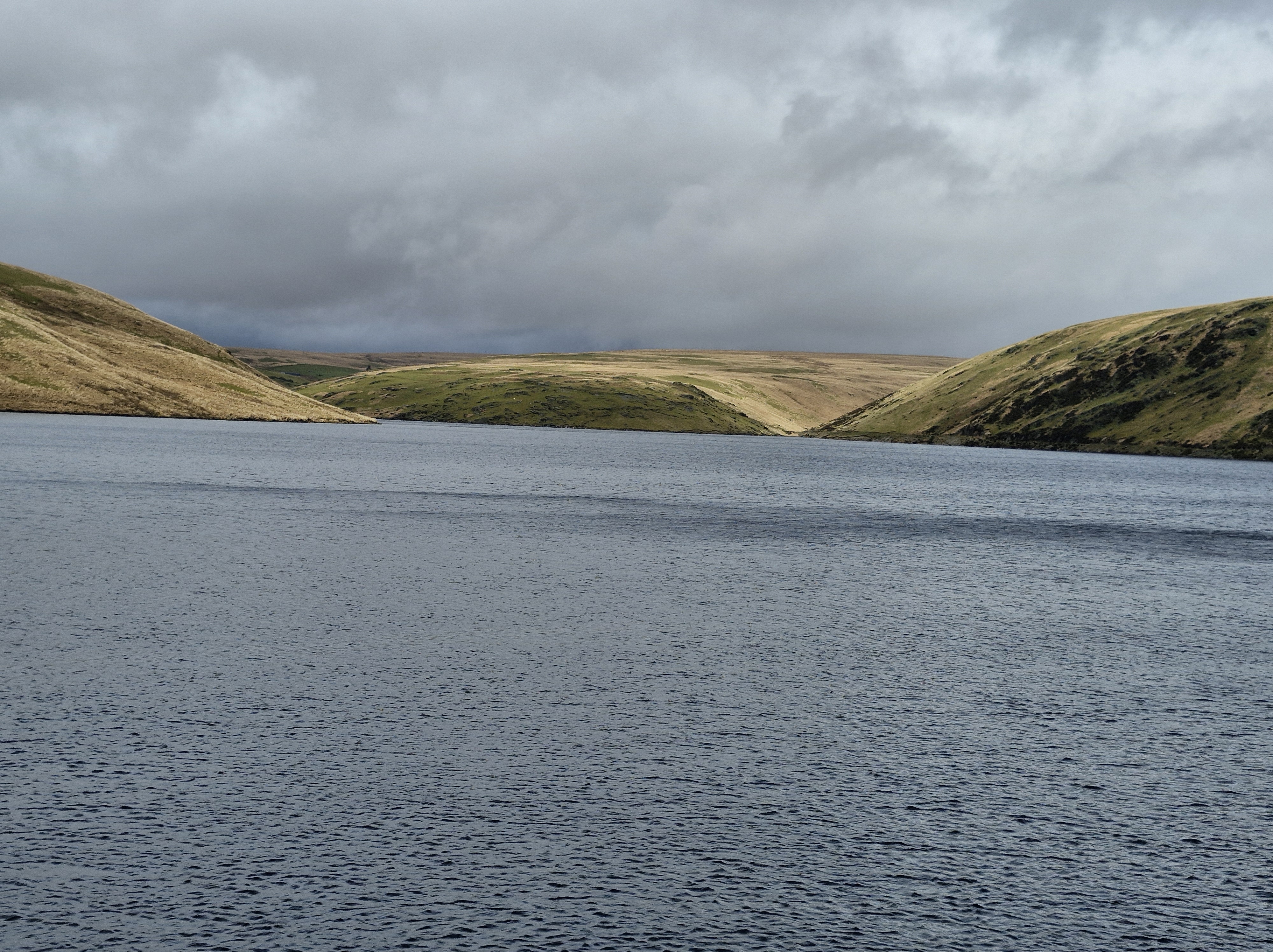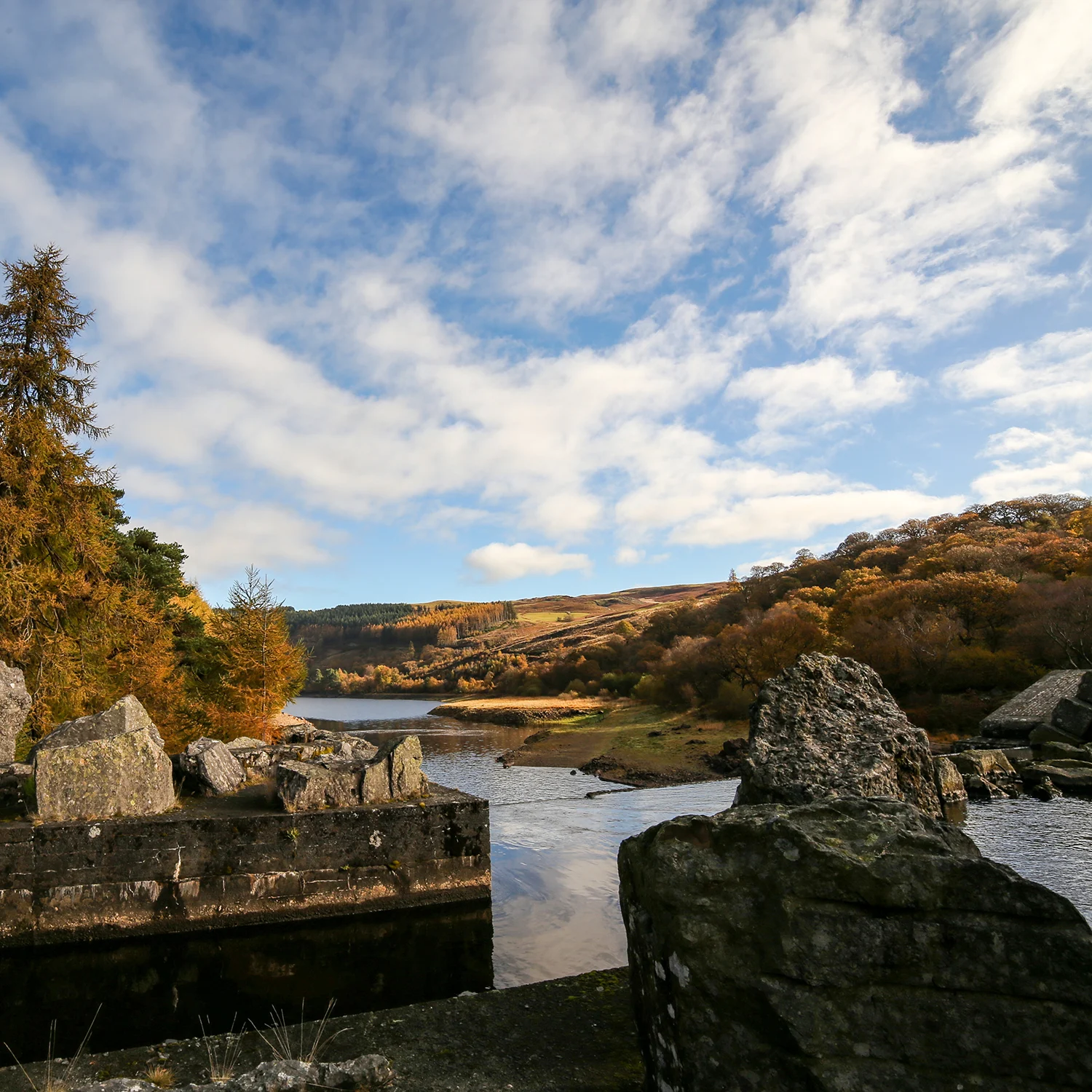
Where We Walked #Craig Goch #Elan Valley #Wales #VisitPowys #Walks #Photographs #History

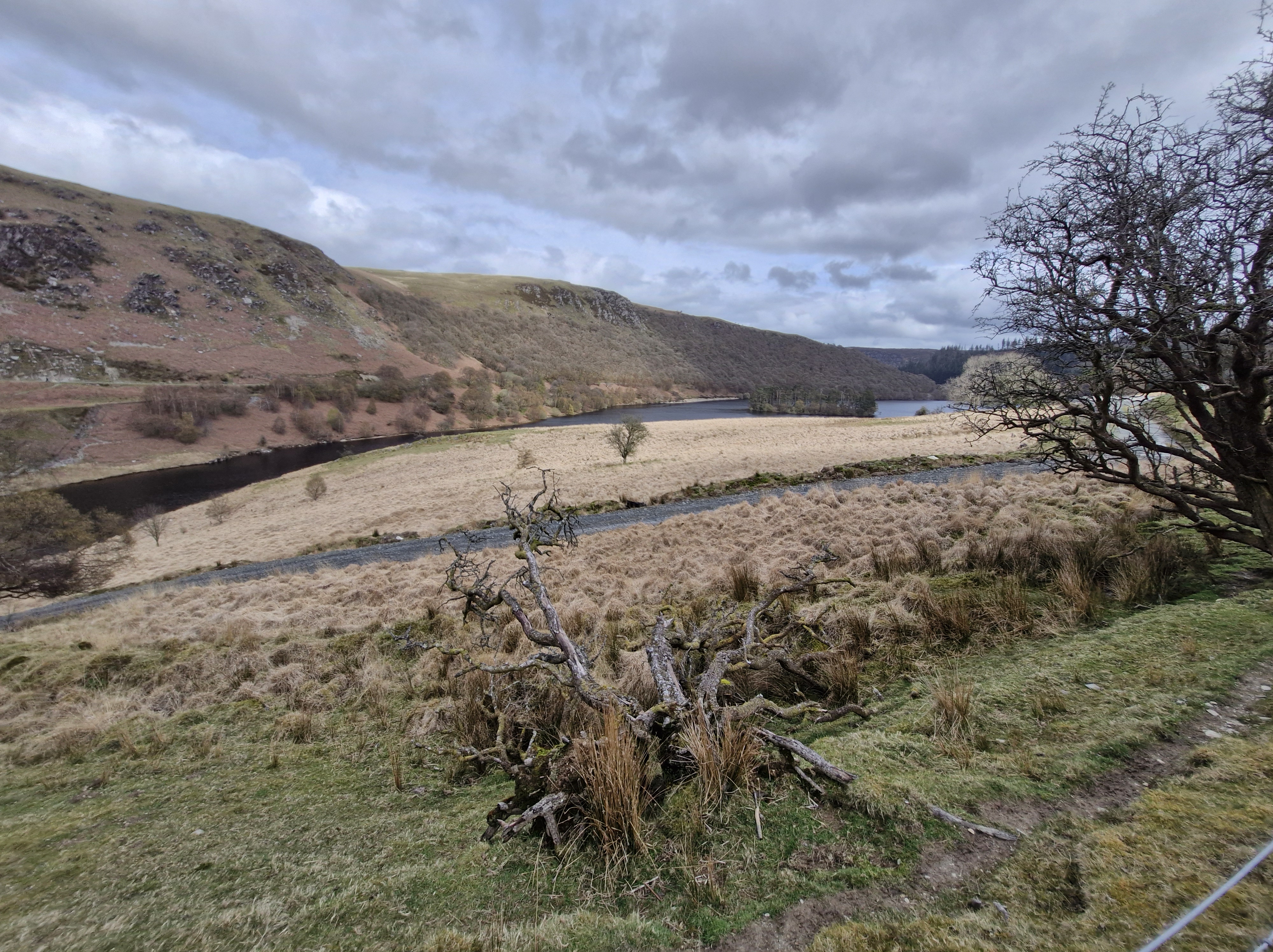
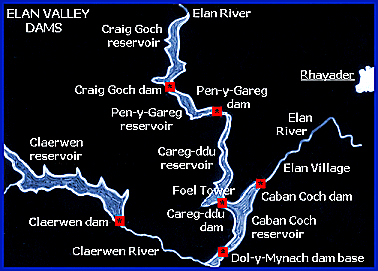
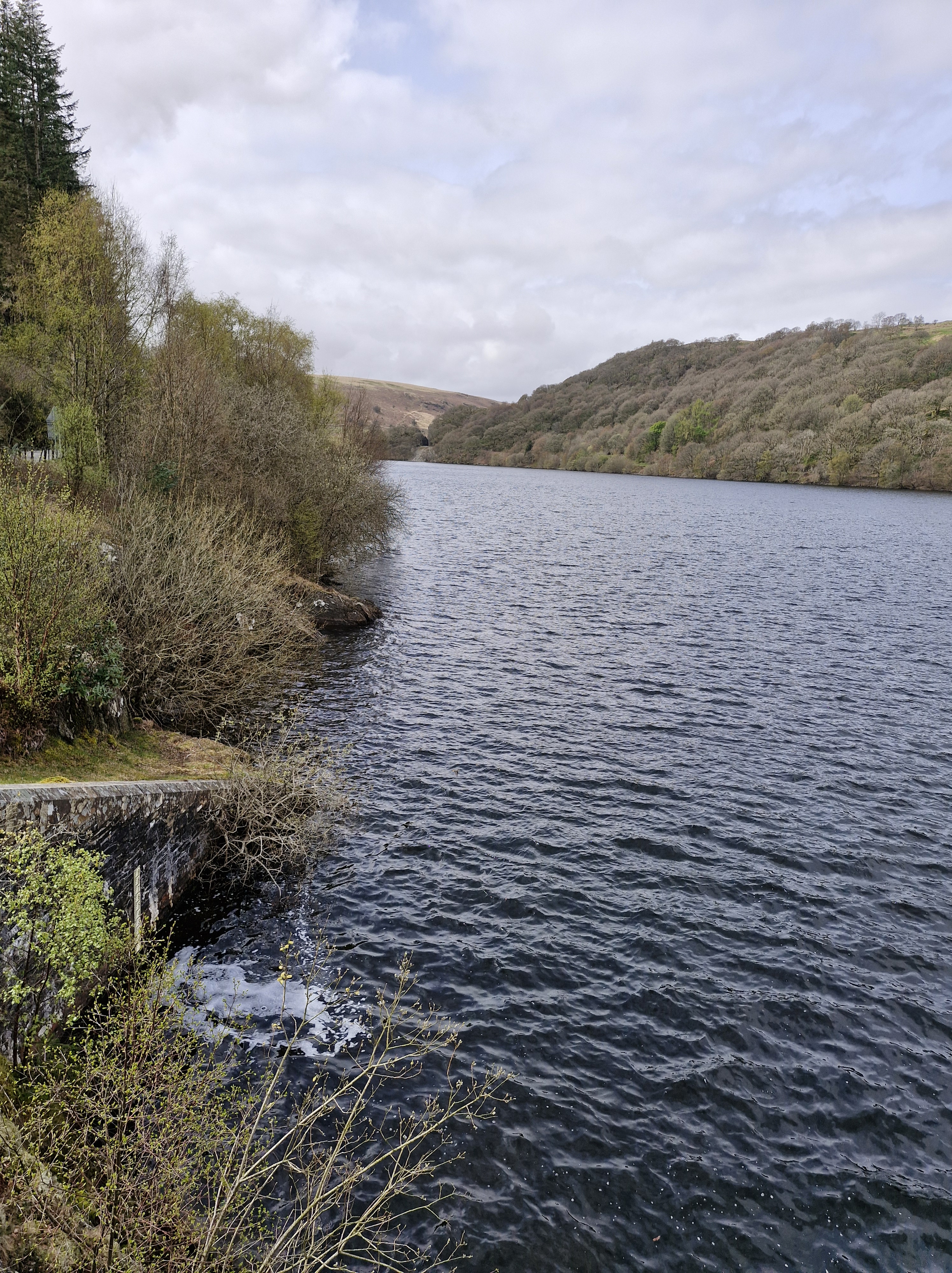
Our first day in Elan Valley and it was gloriously sunny. We’d driven and walked a little way around Pen y Garreg, Garreg Ddu, and Caban Coch.
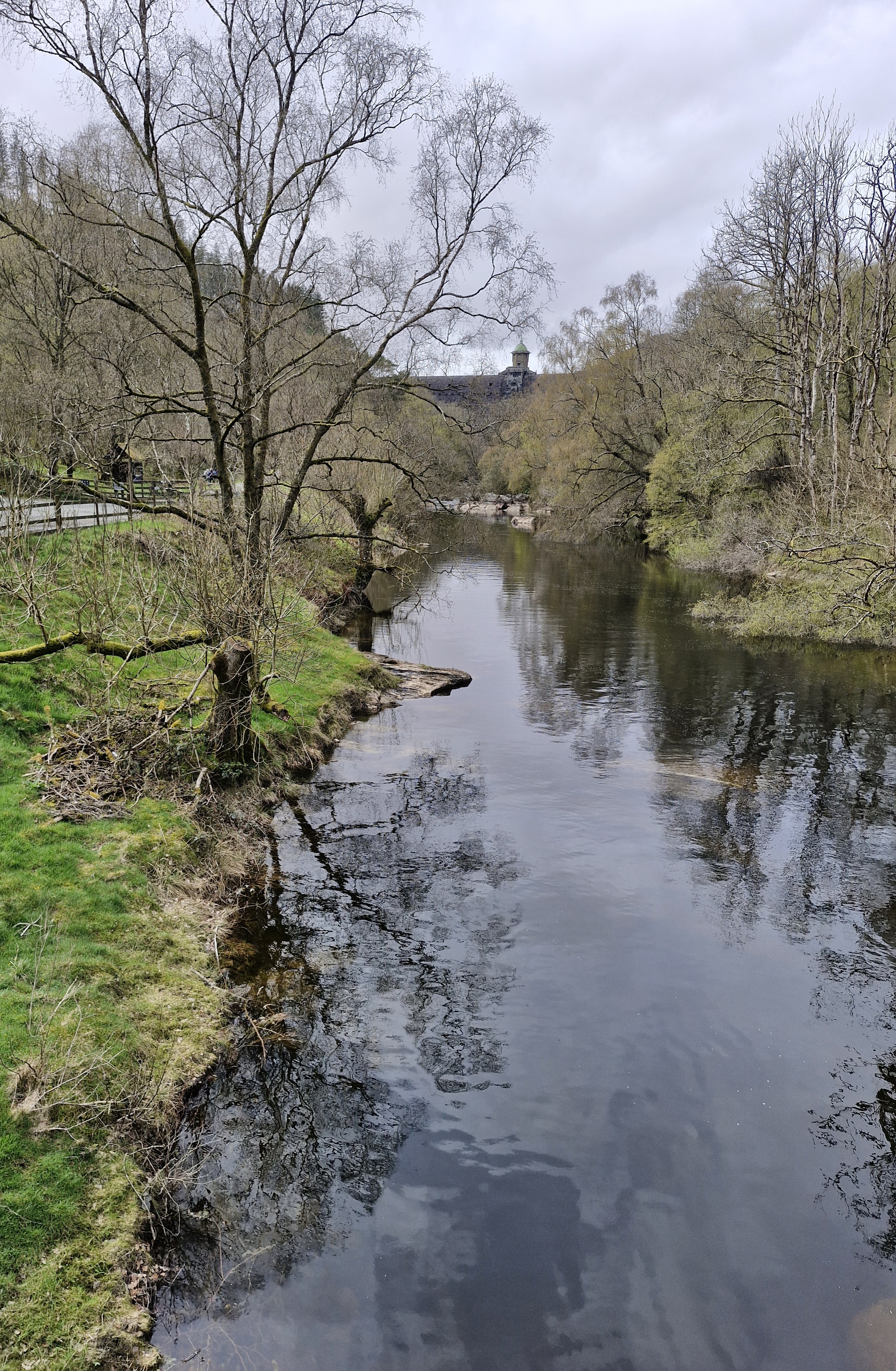
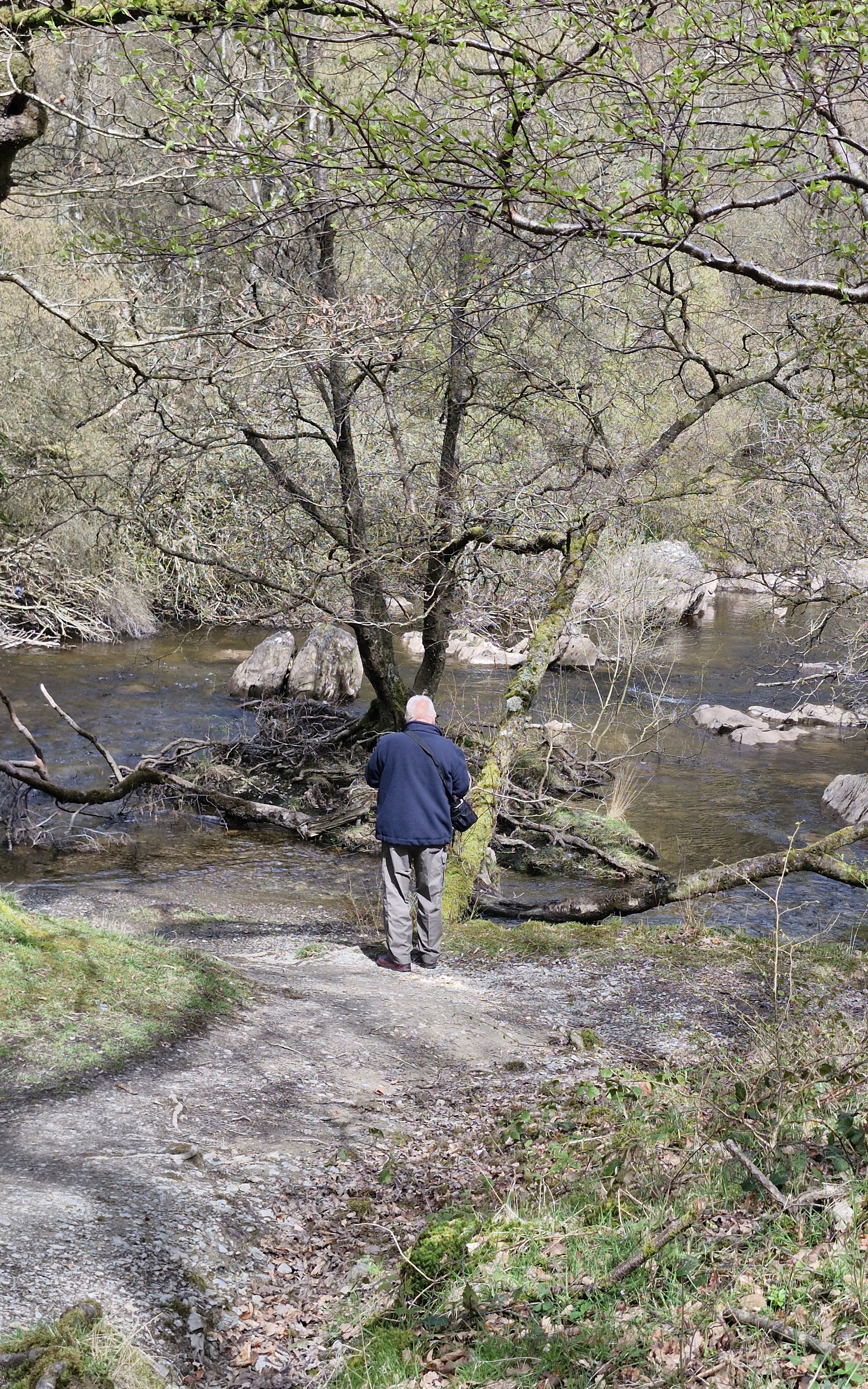
After a leisurely coffee at the Ty Penbont cafe we sauntered alongside the river to the base of Craig Goch.

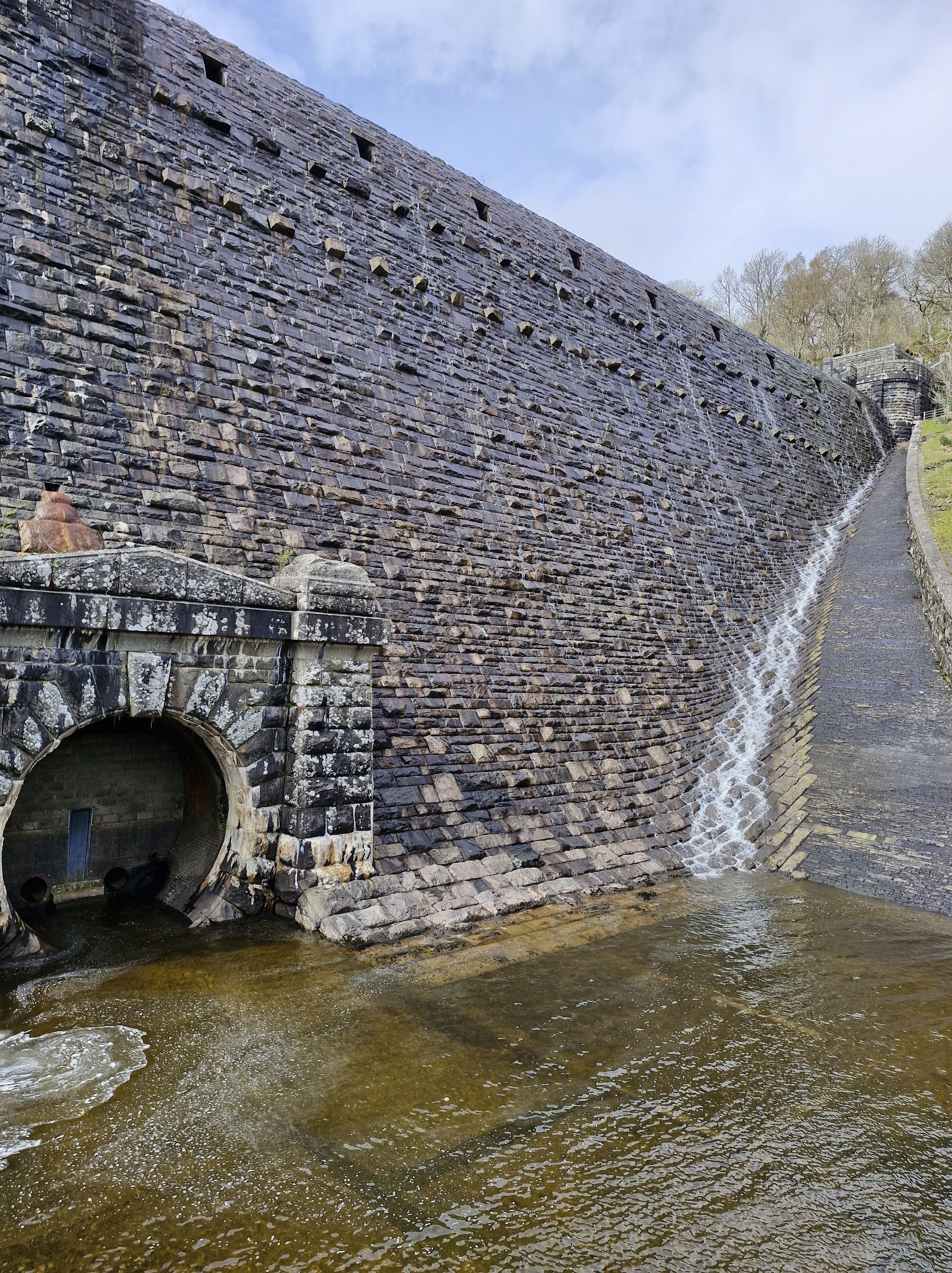
Craig Goch is the highest dam upstream in the Elan Valley and is often referred to as the ‘top dam.’ It’s three hundred and seventeen metres above sea level. Work on excavating the foundations for a secure base for this dam started in July 1897, around three years after the start of work on the lowest dam at Caban Coch.
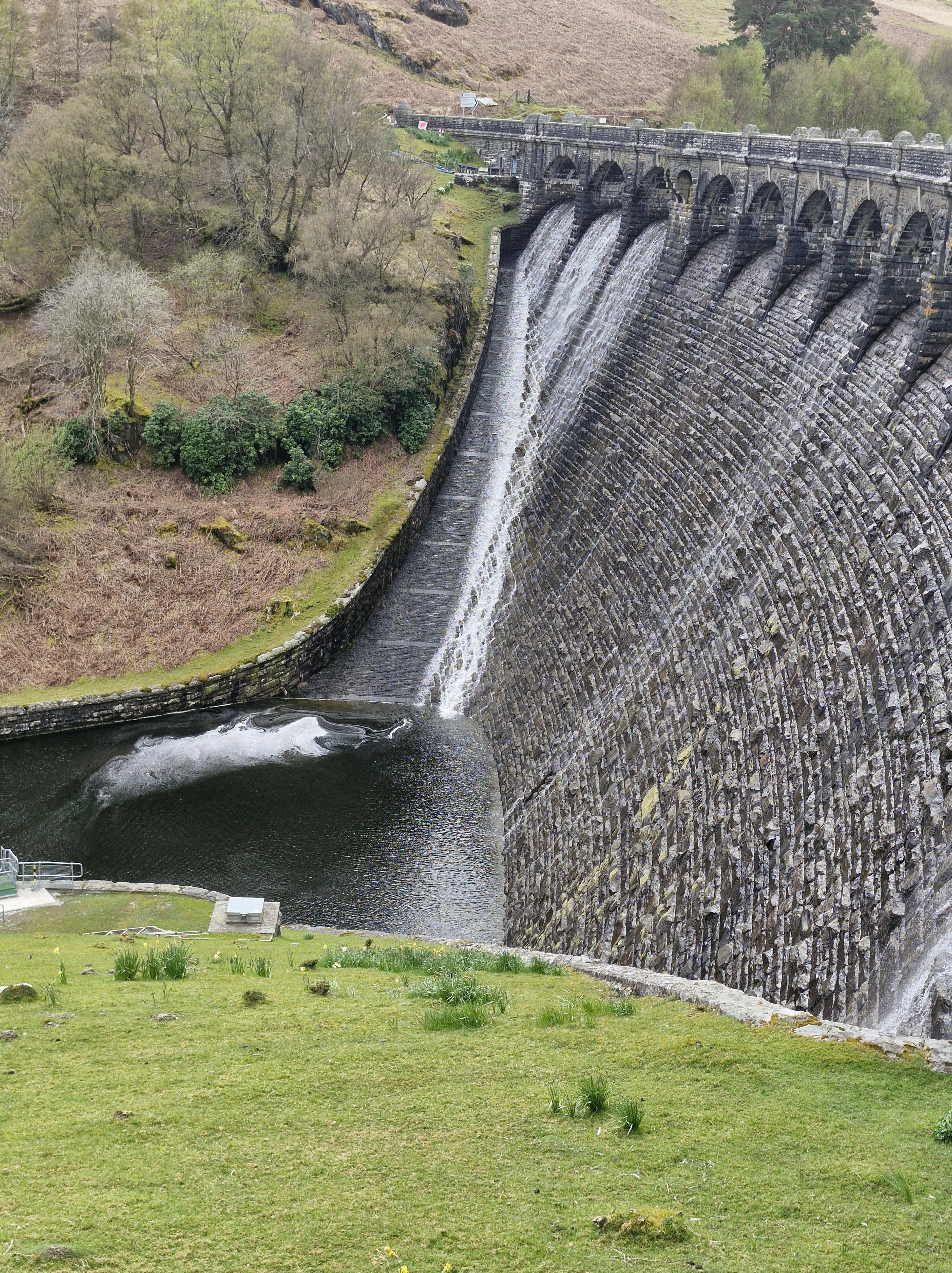
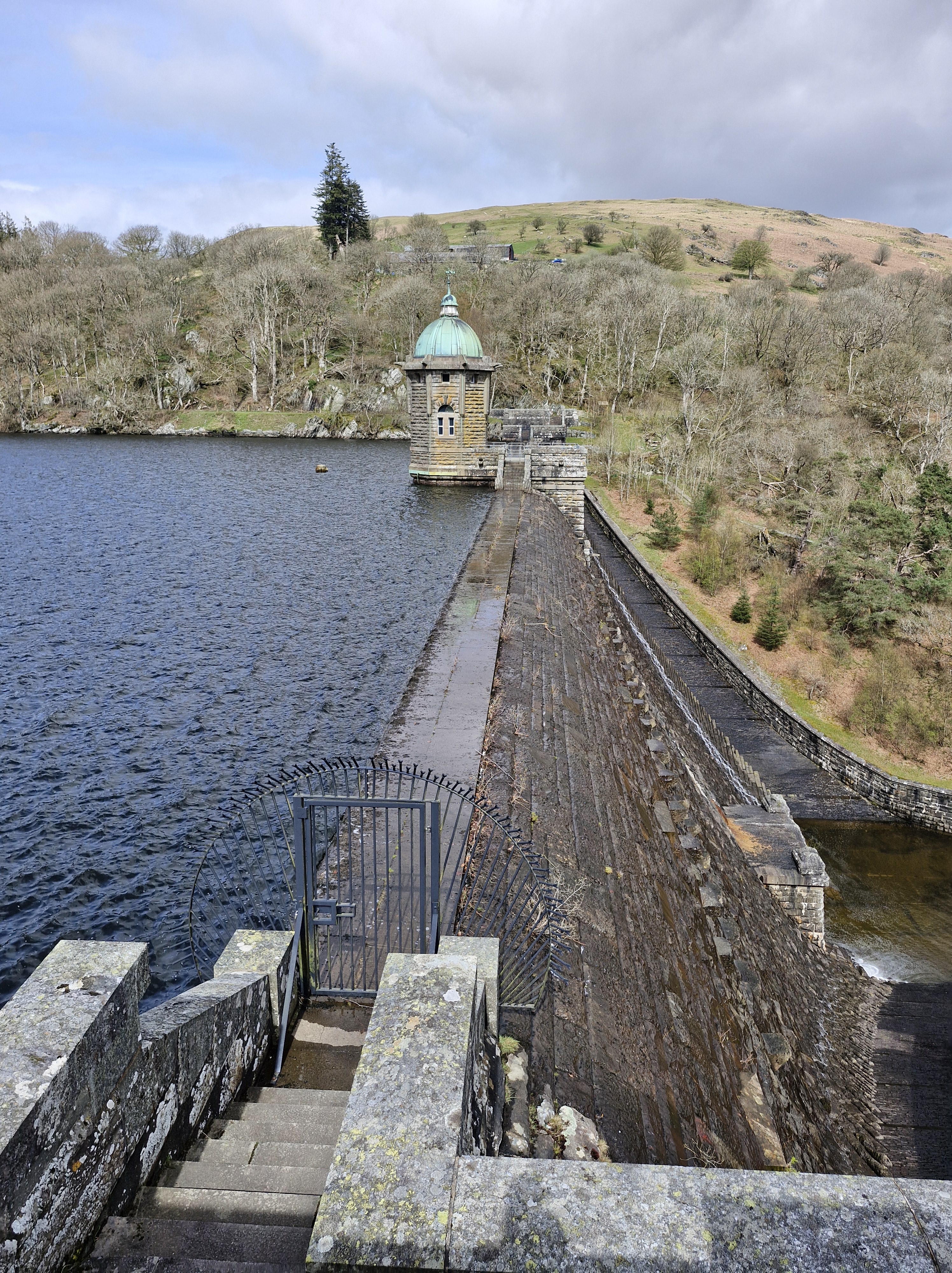
Viewed as the most attractive of the dams, with an elegantly curved retaining wall and a series of arches, there is a narrow path across the top of the dam.
Railways were the main form of transport at the time. As with all the dams, work couldn’t begin before the construction of the railway line in order to transport equipment, materials and men to the dam sites.

Construction of the railway began in 1893 and was completed in 1896.

The official opening took place on 21st July 1904 by King Edward VII and Queen Alexandra.
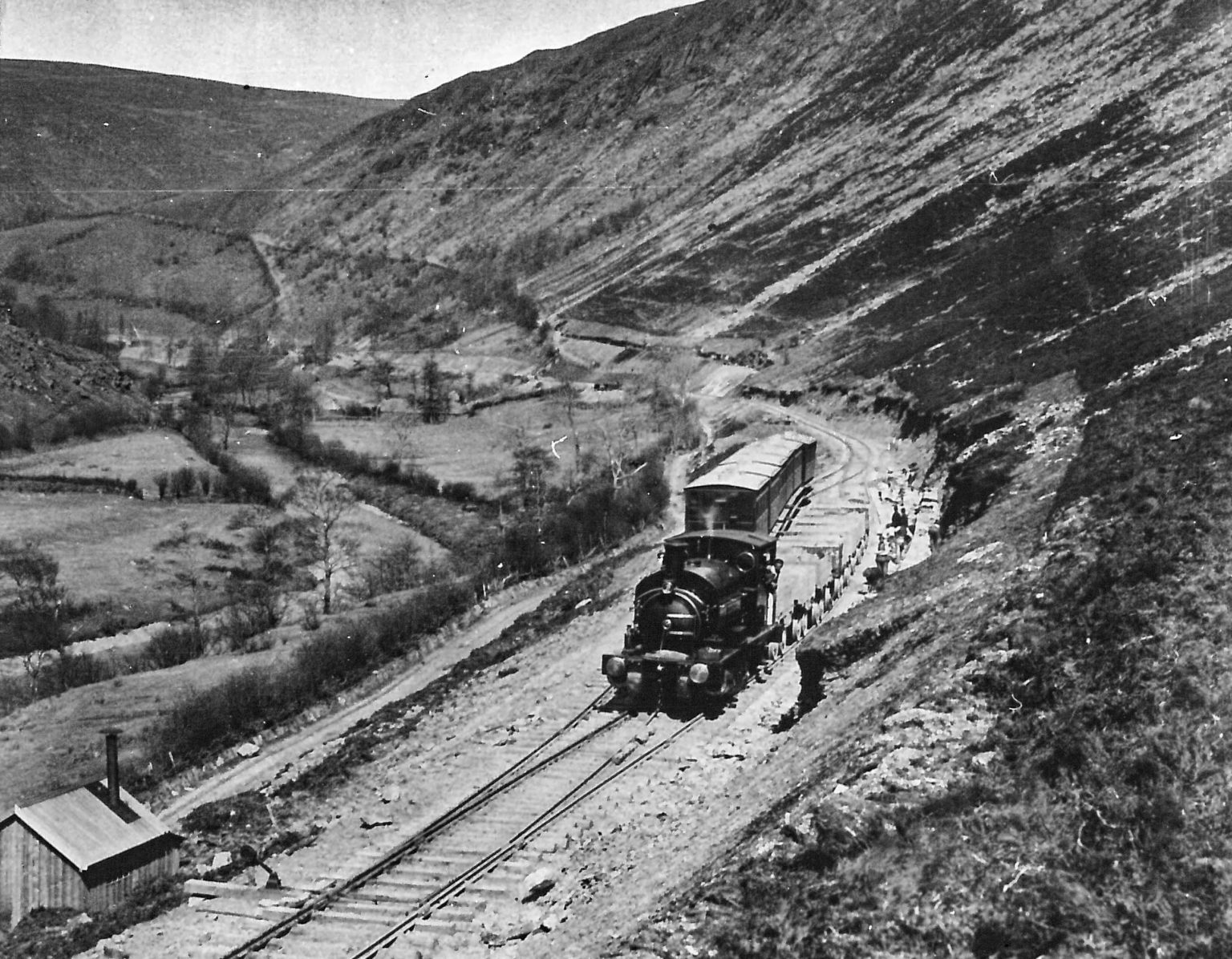
Image courtesy of Elan Valley: https://tinyurl.com/69hj4nbc

The locomotives were all named after rivers and streams on the Estate. The first two were acquired in April 1894 and were named Elan and Claerwen. These were joined by Nant Gwyllt and Methan in October 1894, followed by Rhiwnant and Calettwr in 1895.

Today’s Visitor Centre was converted from the old workshops and part of the car park was the site of the locomotive shed and sidings.

For Craig Goch the line had the furthest to go and a rocky outcrop had to be blasted and dug through on the route to the site. Blasting the cutting mid-way along this route held up the construction of Craig Goch by three months, earning it the name ‘The Devil’s Gulch’
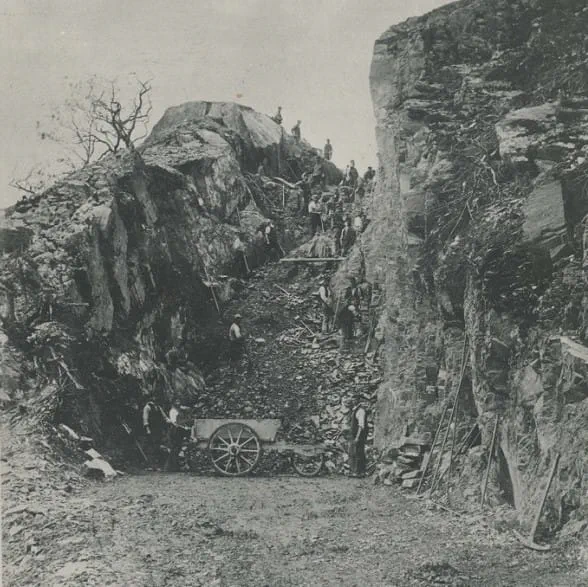
Image courtesy of Welsh Water: https://tinyurl.com/2uem3bh3 .
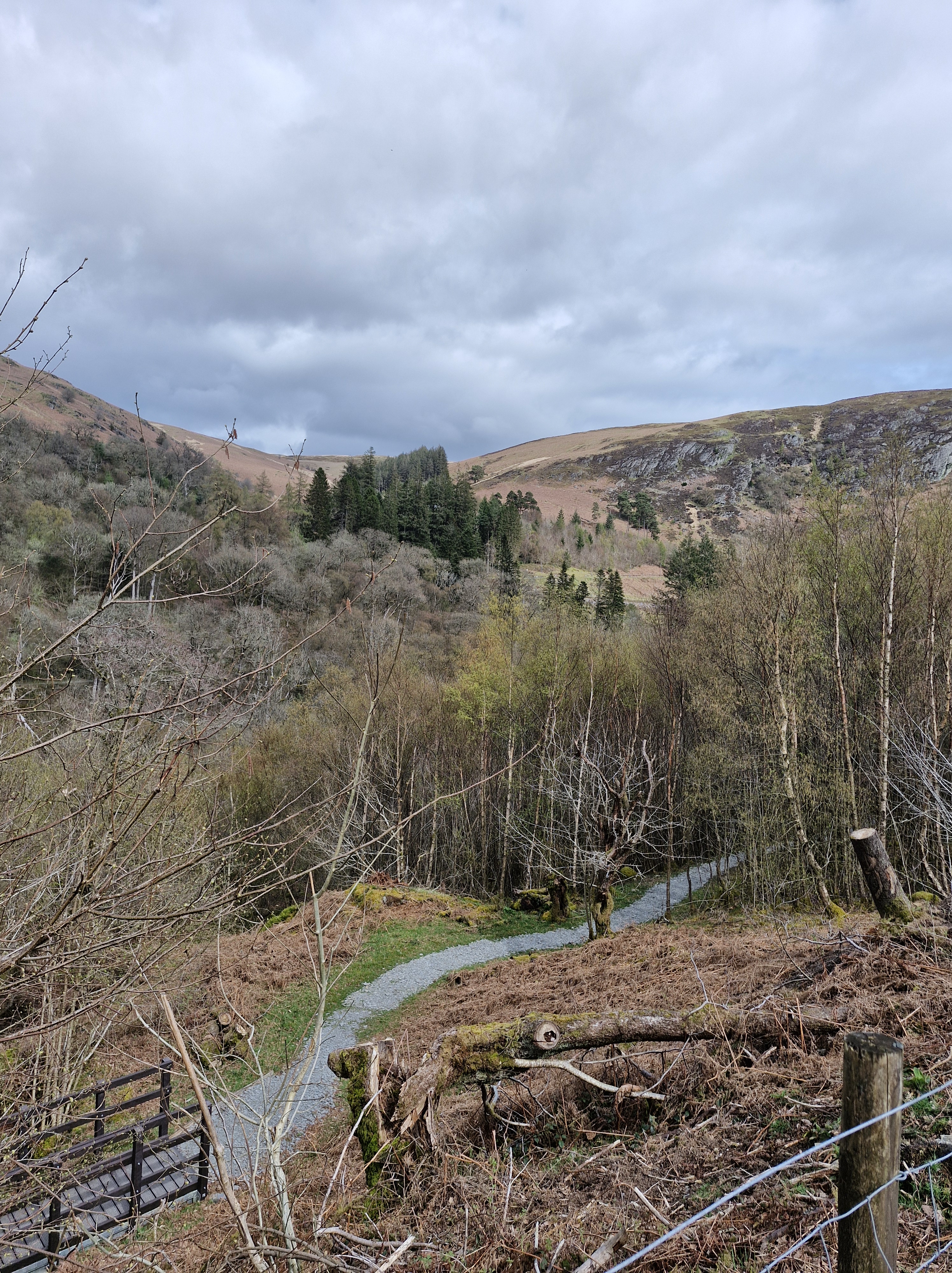
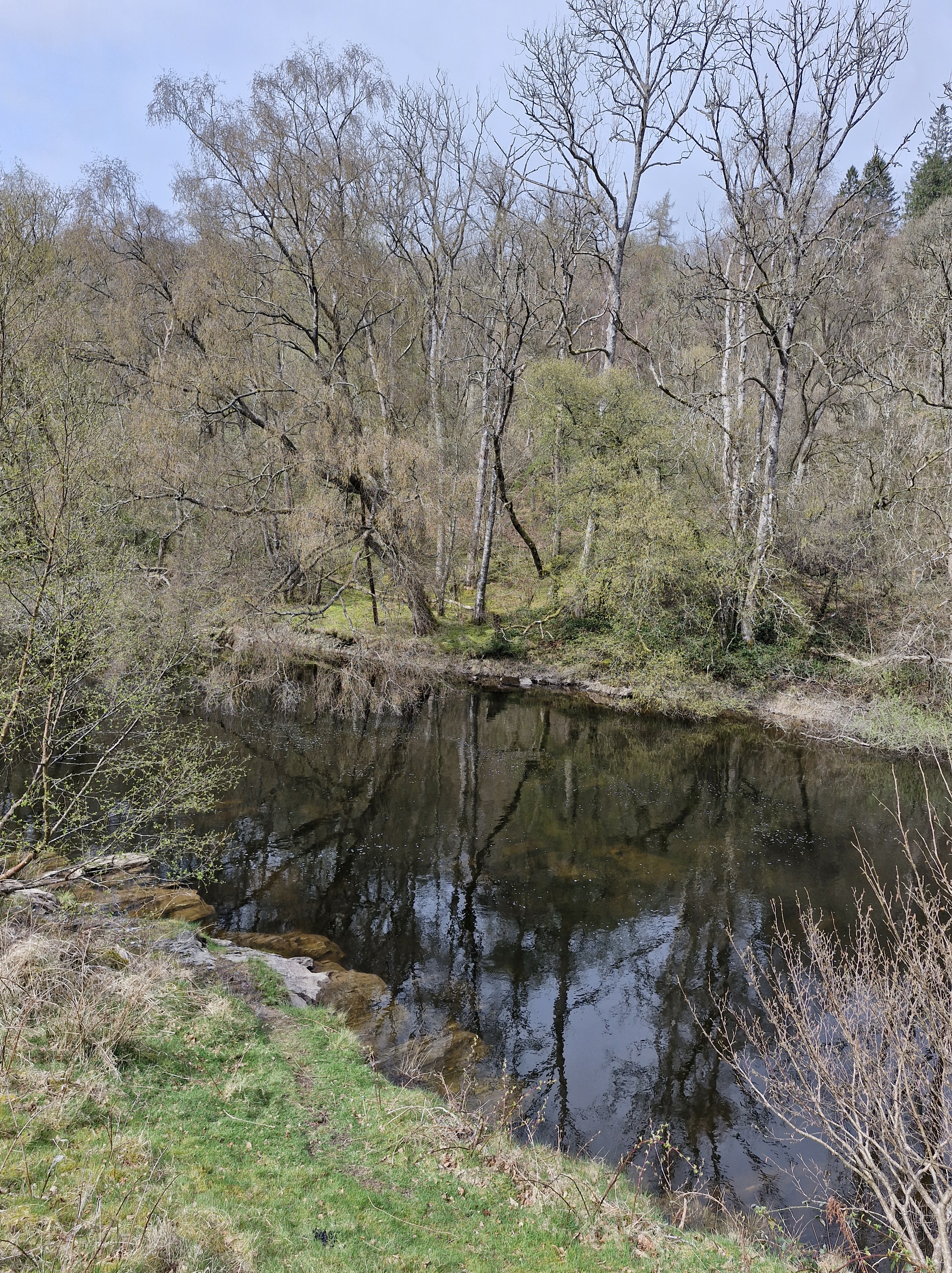
But, seeing Craig Goch in all it’s glory, it was wonderful to see how the persisitance of the workers give us the views of the dam as it is today. As, I think, the Photographer would agree!

My books:https://tinyurl.com/5ajmvwx3
Judith Barrow

Where We Walked #ClaerwenDam #Elan Valley #Powys #Wales #VisitWales #Walks #Photographs

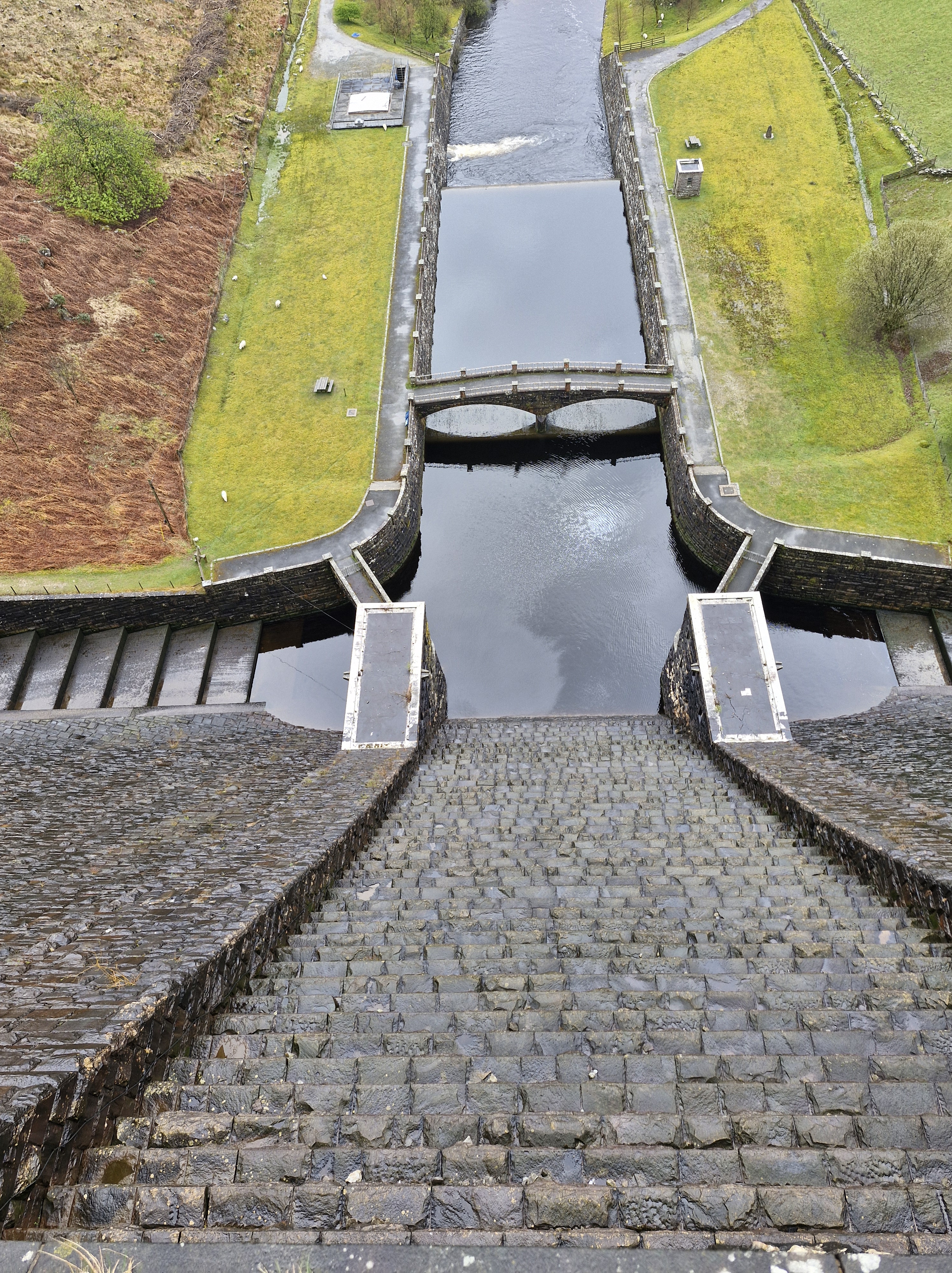
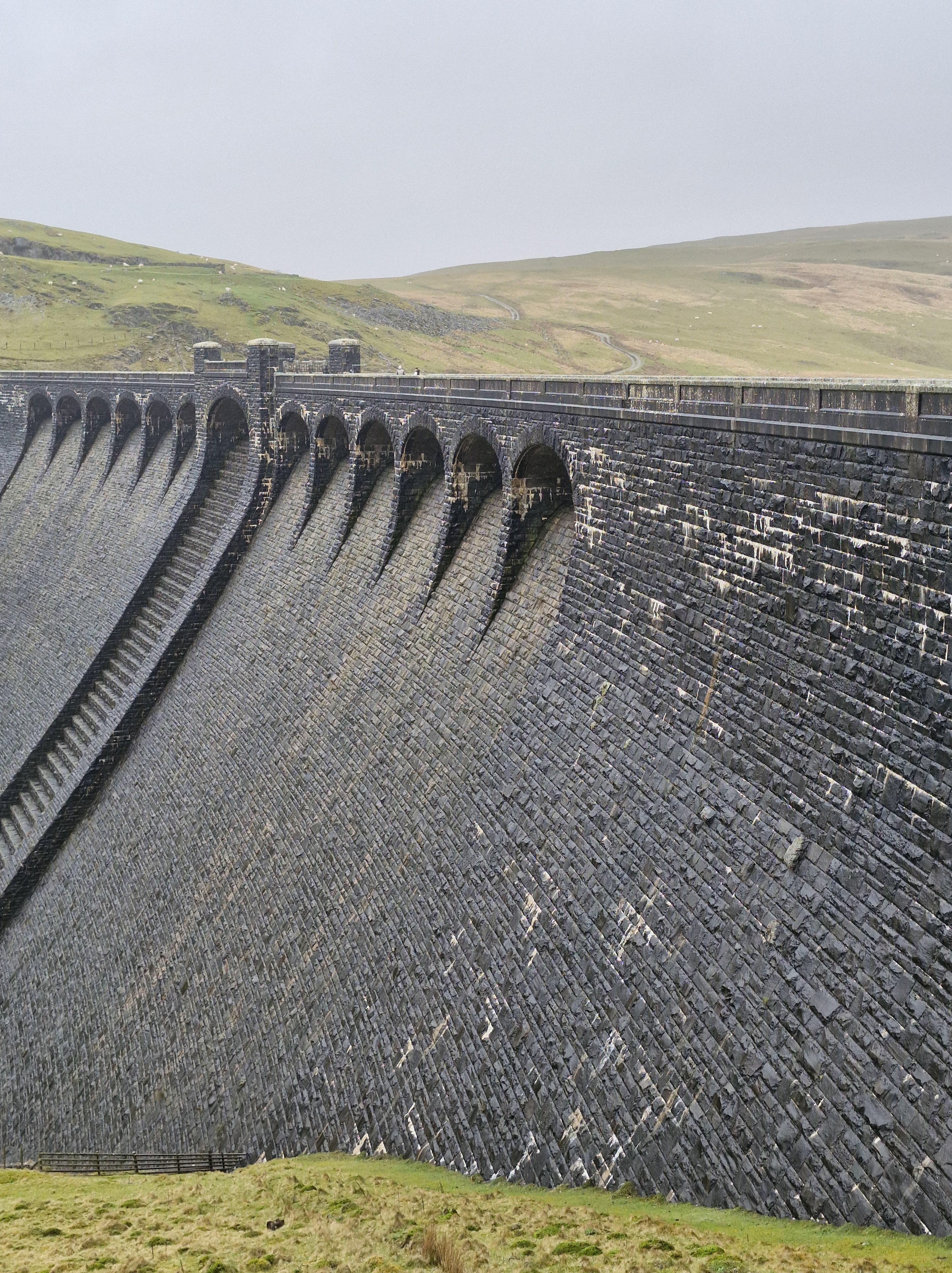
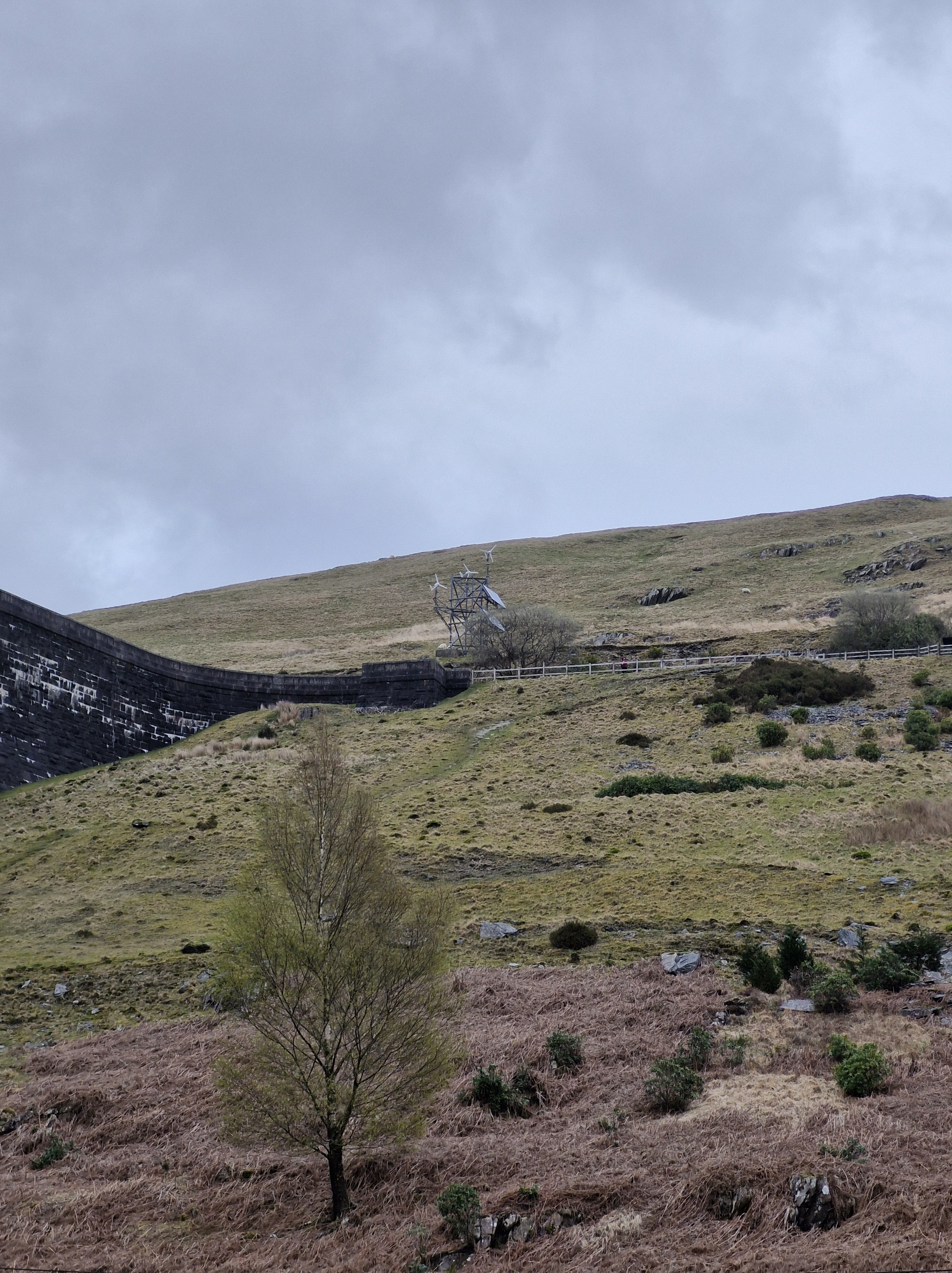
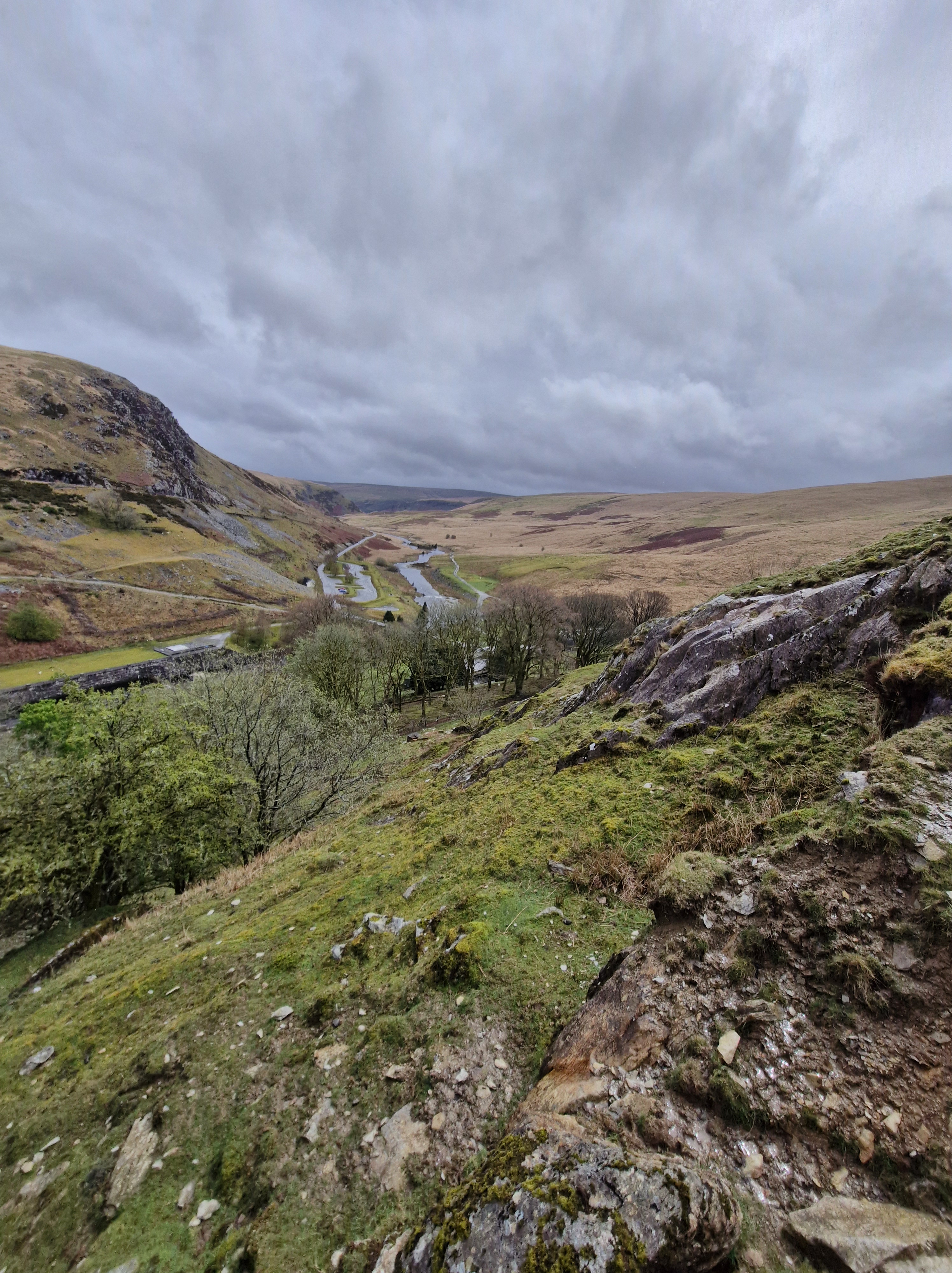
Although we have visited Elan Valley many times we had never been to the top of the Claerwen (Clear Light) dam.

Built between 1946 – 1952 by a workforce of almost five hundred men the outside of dam blends in with the other Elan Valley dams, although the inside is a concrete structure. Because British stonemasons were working in London after World War II Italian stonemasons were employed to work on the dressing stones,

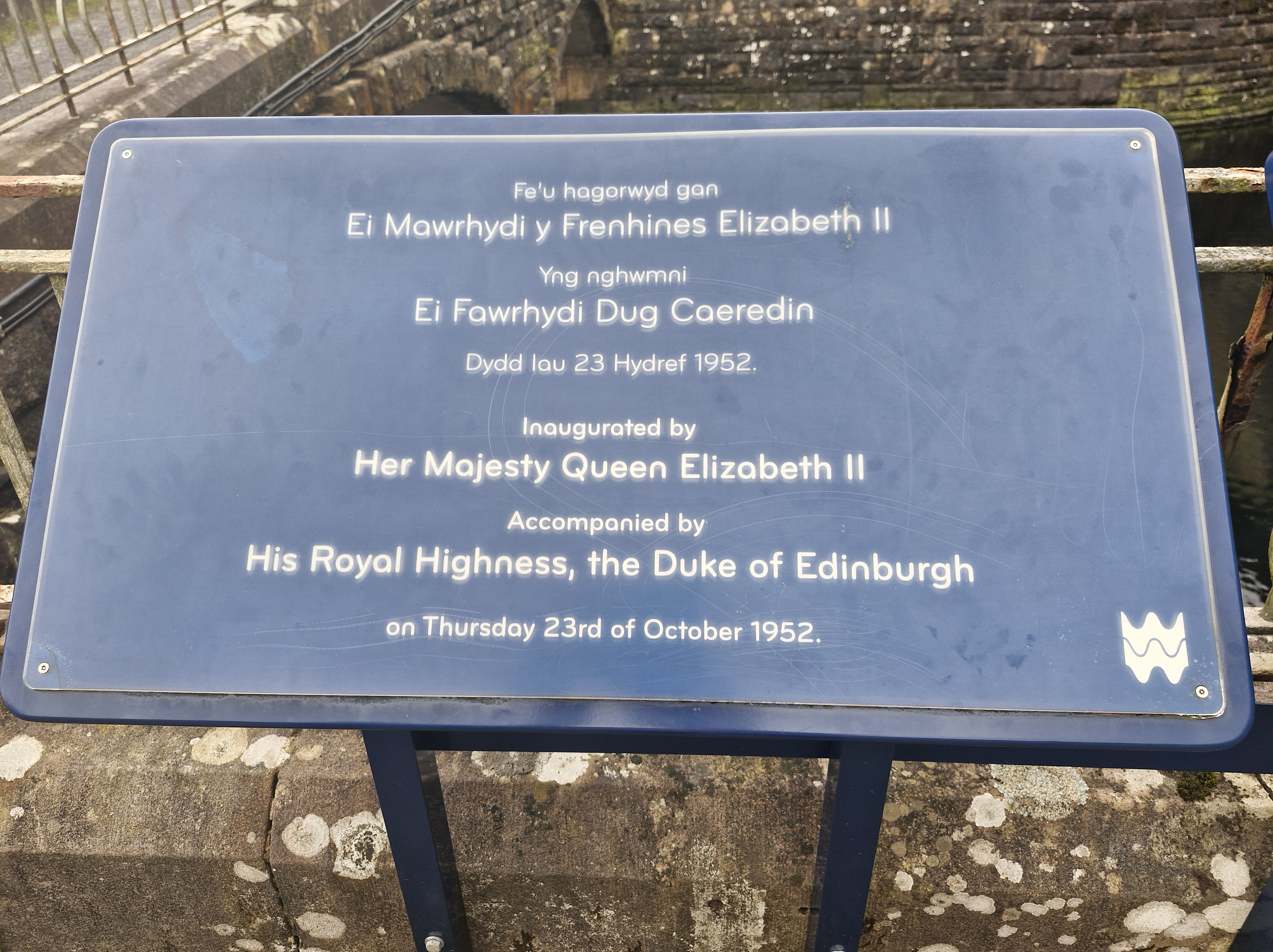
Claerwen was opened by Queen Elizabeth II on the 23rd of October 1952 on her first engagement in Wales.

At eighteen metres deep Claerwen holds almost as much water as all the other reservoirs combined.

There is potential for producing renewable electricity from the one hundred and ninety-nine million tonnes of water stored in the reservoirs. Since 1997 there has been hydropower production from turbines installed at the base of all the dams. Clearwen can produce 1680 kilowatts. Combined all the dams can produce 3.5 megawatts, which is about six thousand homes.

The day before we were here it was a gloriously sunny day and we’d driven and walked a little way around the four dams on the river Elan: Craig Goch, Pen y Garreg, Garreg Ddu, and Caban Coch.

The following day it rained. But the photographer was adamant it would clear up (he’s an avid follower of the BBC weather forecast!), and, by the time we’d driven to the top Claerwen dam he was insistant there would be a break in the drizzle.

As usual he was right.

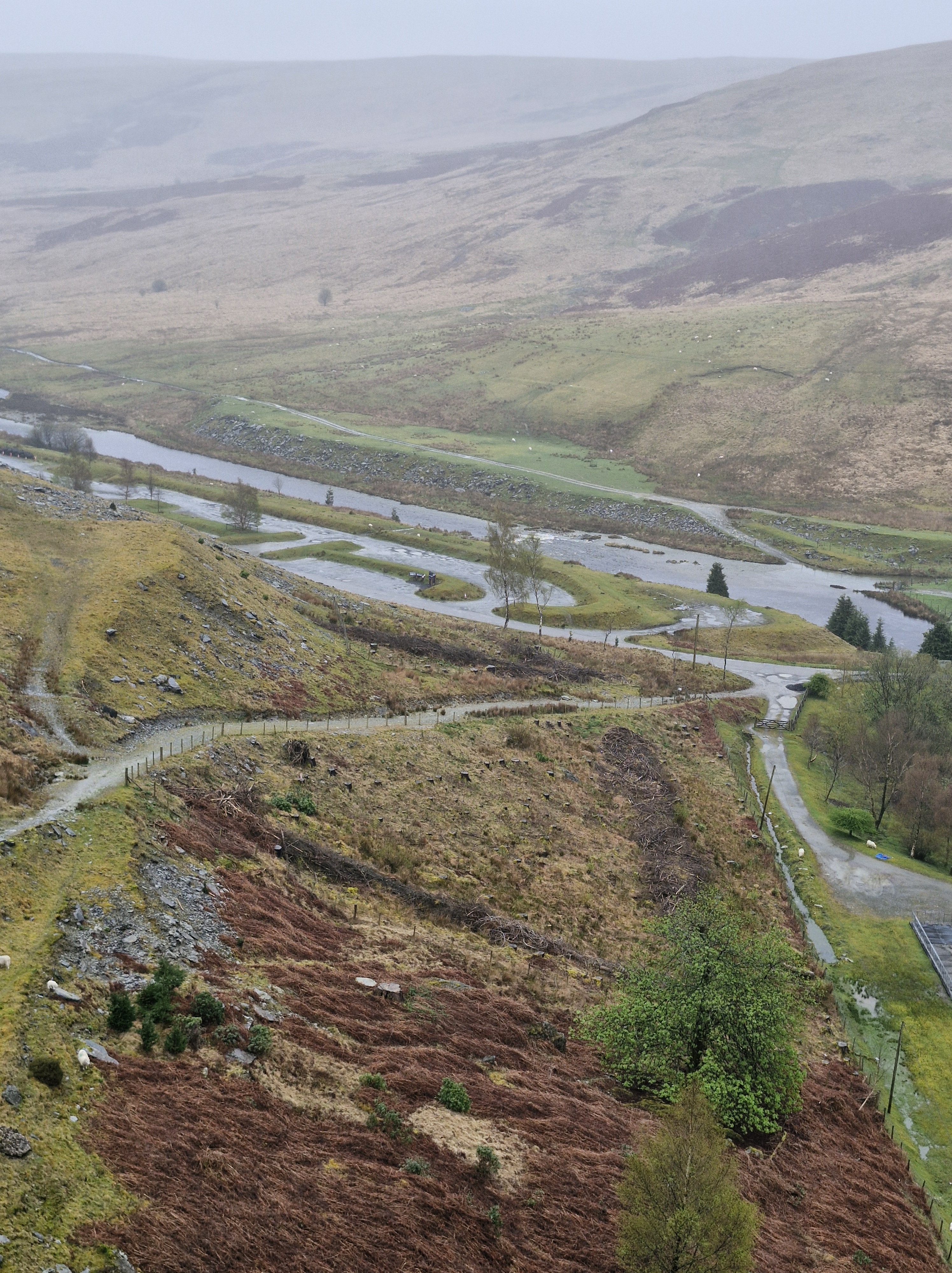
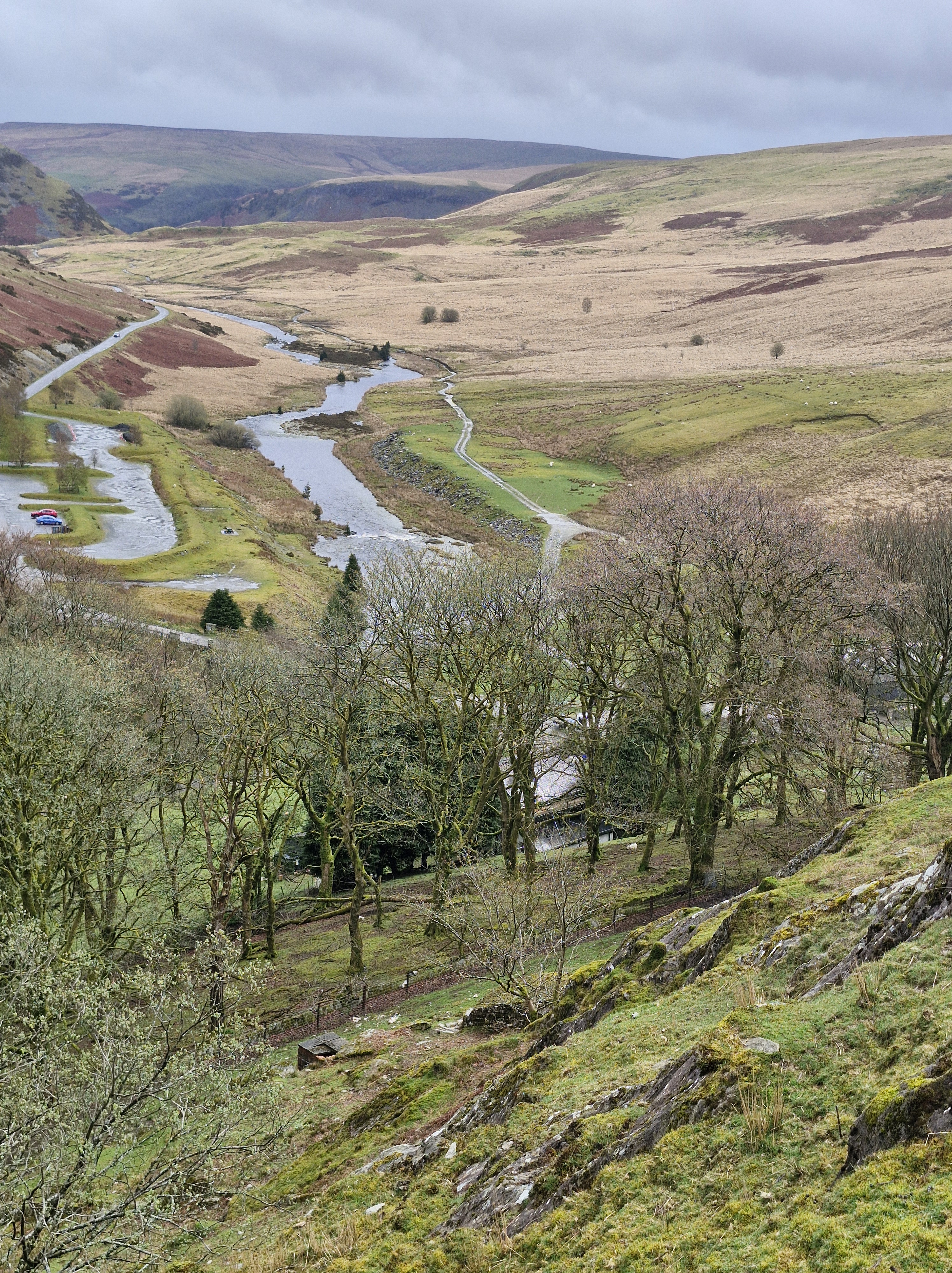
Next time we will walk to the Dol y Mynach dam. Dol y Mynach is the unfinished dam and is a Site of Special Scientific Interest (SSSI. There is a bird hide here from which Ospreys and other species of birds, including the Crested Grebe, have been spotted.

The late nineteenth century plan for the collection of dams and reservoirs in the Elan and Claerwen valleys included three dams on the River Claerwen. These would be constructed later when additional water supplies were needed.

Image courtesy of : https://tinyurl.com/8feekf7p

So it was necessary to build the base of the Dol y Mynach Dam at the same time as the other dams in the adjacent valley of the River Elan. Dol y Mynach’s foundations were built during the first phase of the scheme, and was planned to be completed in the second phase, alongside plans for two other dams in the Claerwen valley. But after World War II, technology had advanced so the only the much larger Claerwen needed to be built. But, just in case it’s needed, a tunnel runs from Dol y Mynach to Garreg Ddu reservoir to fill up Garreg Ddu.