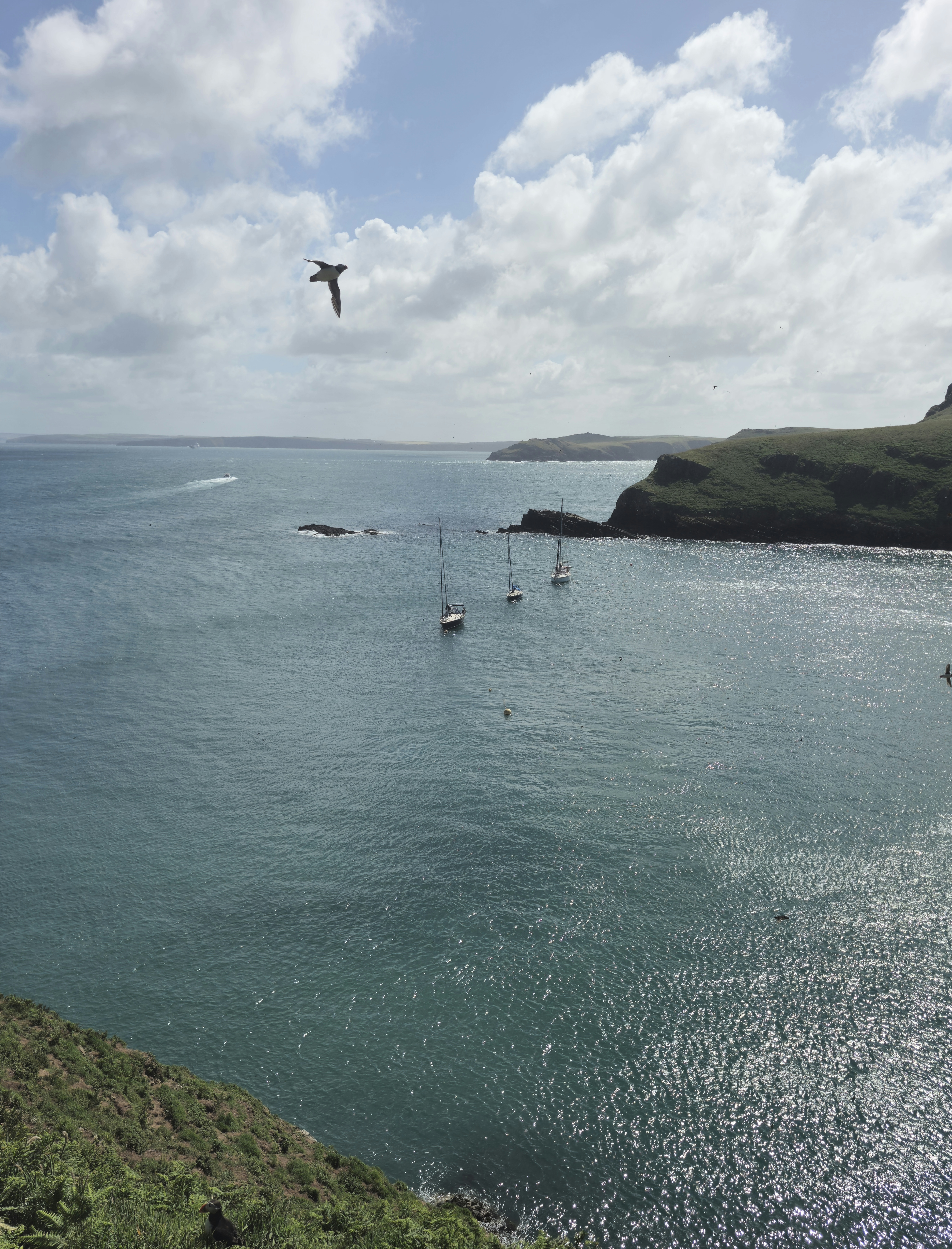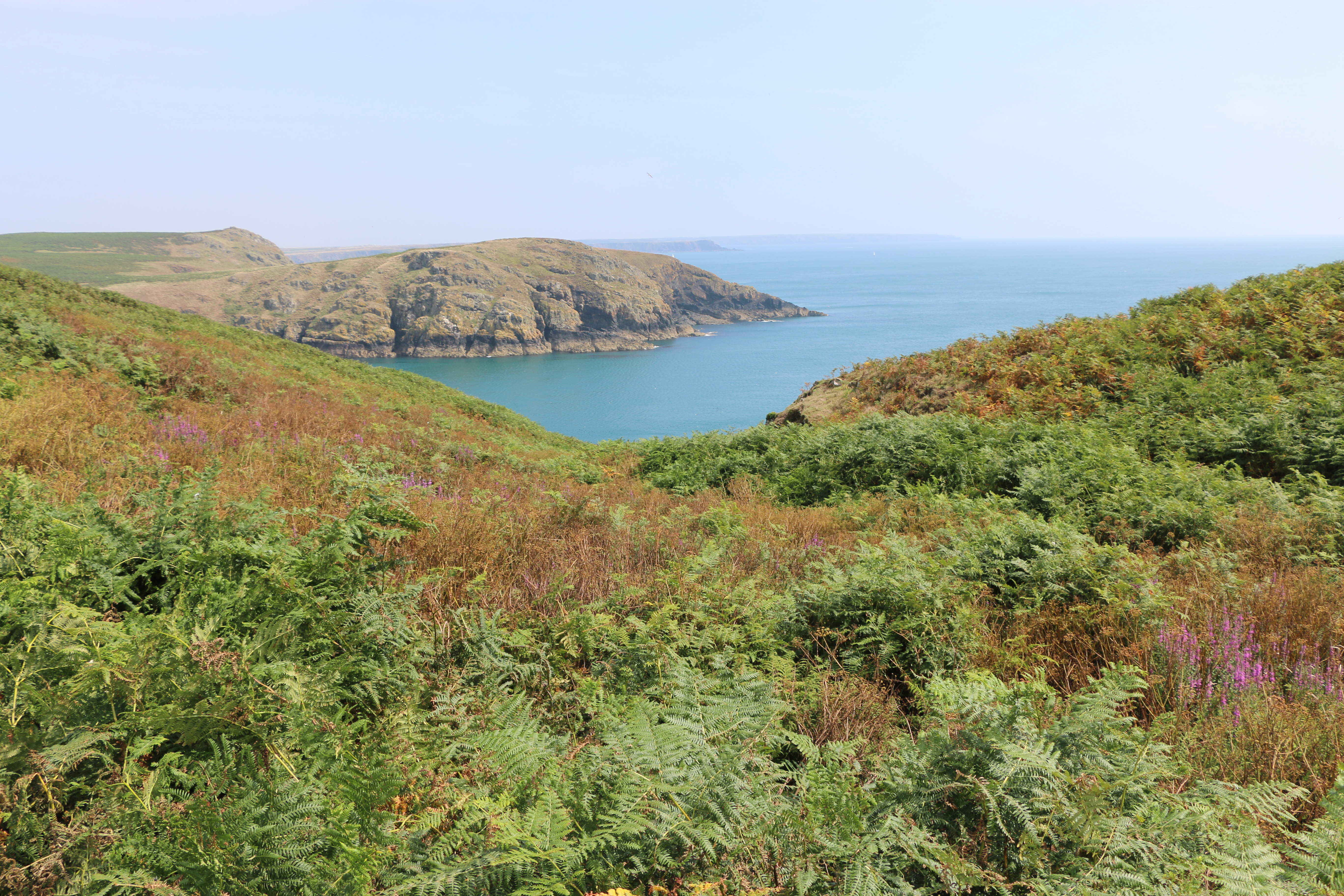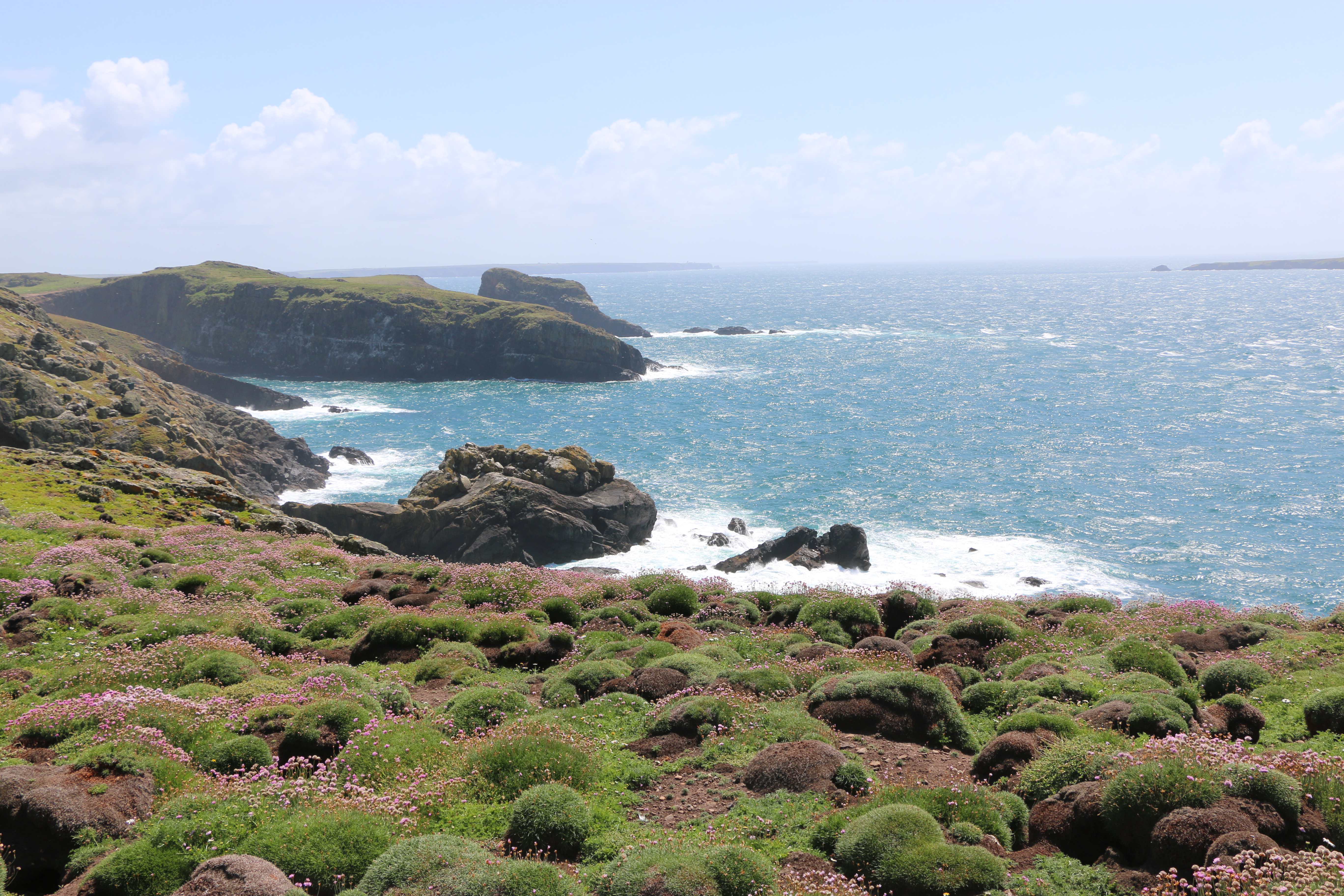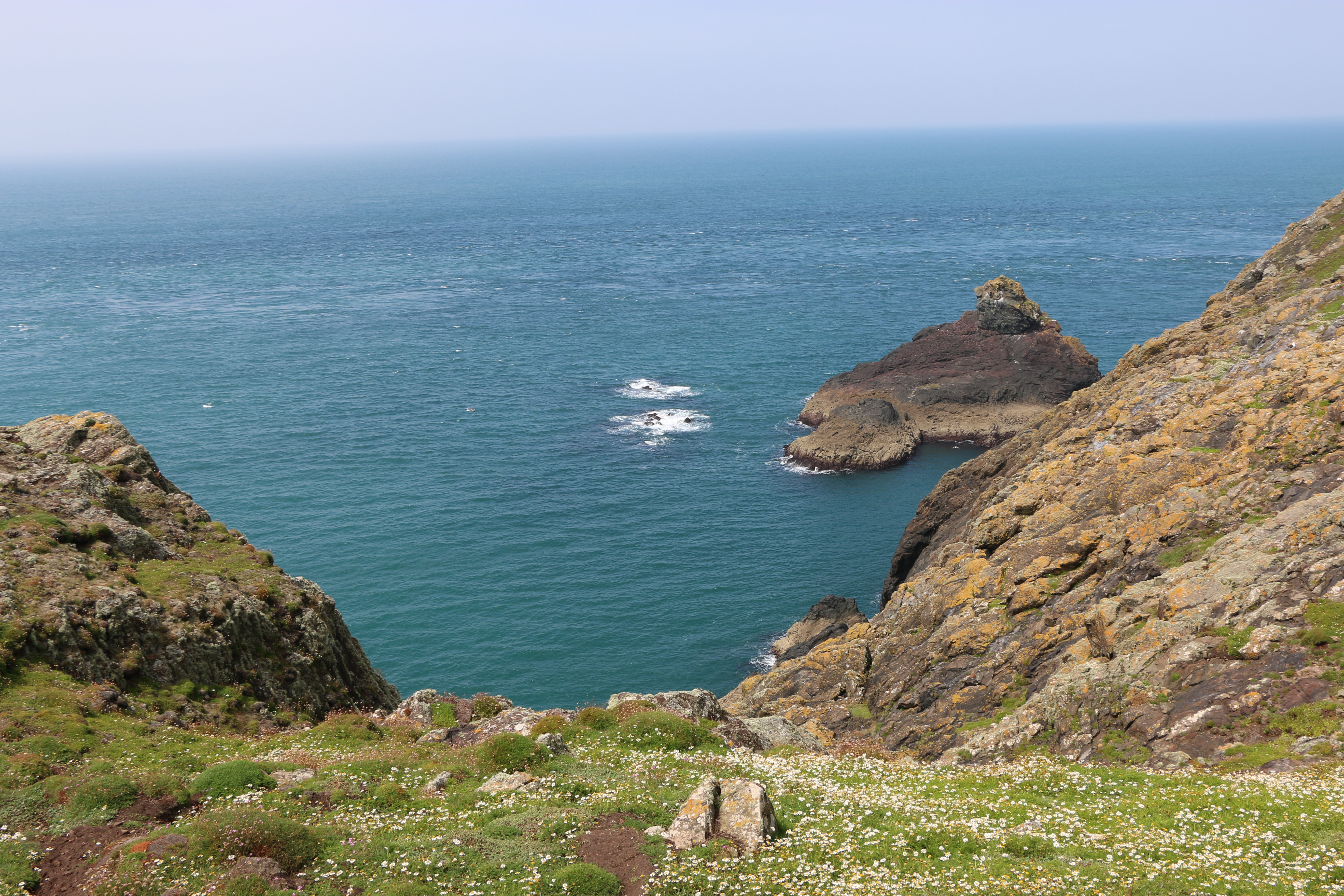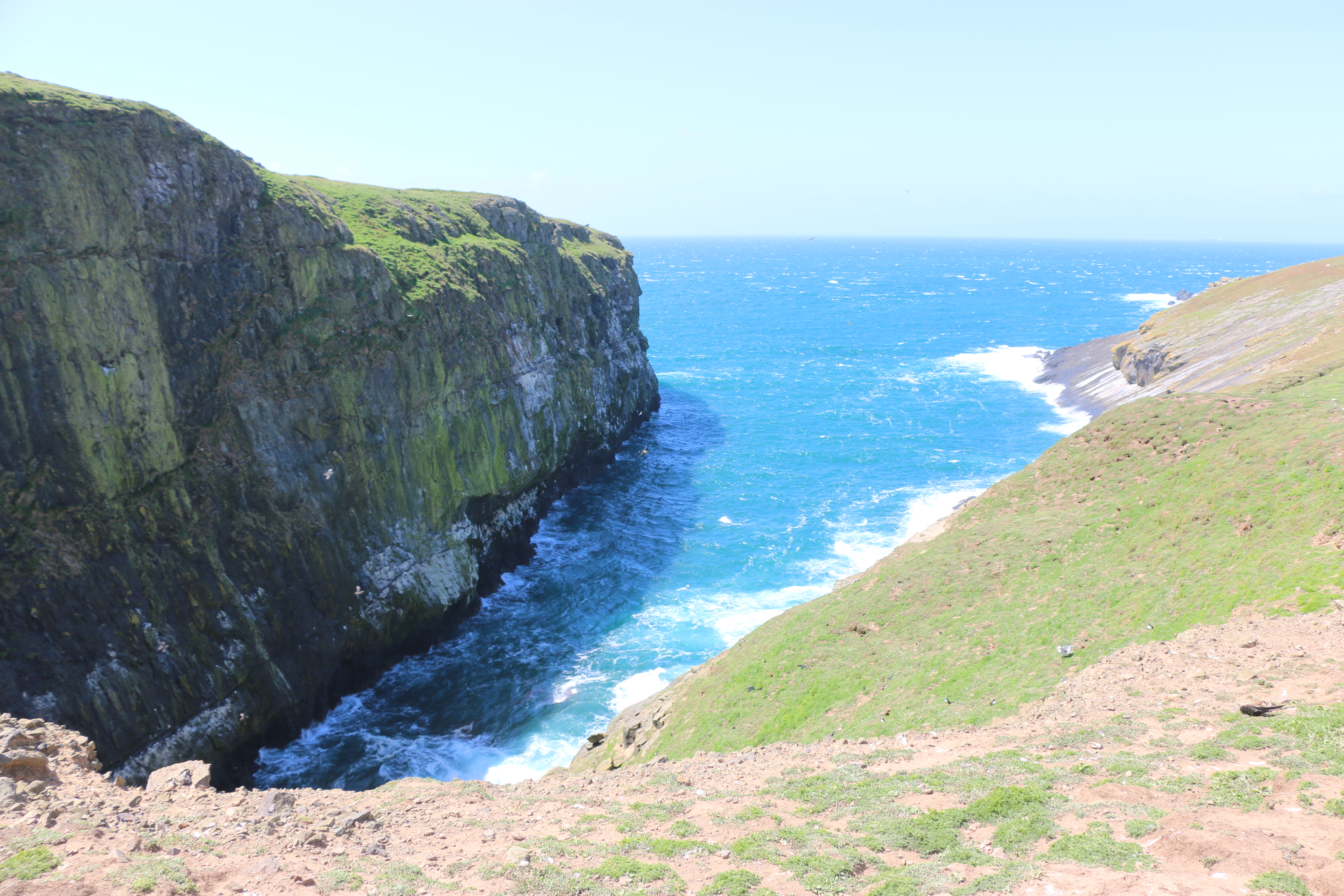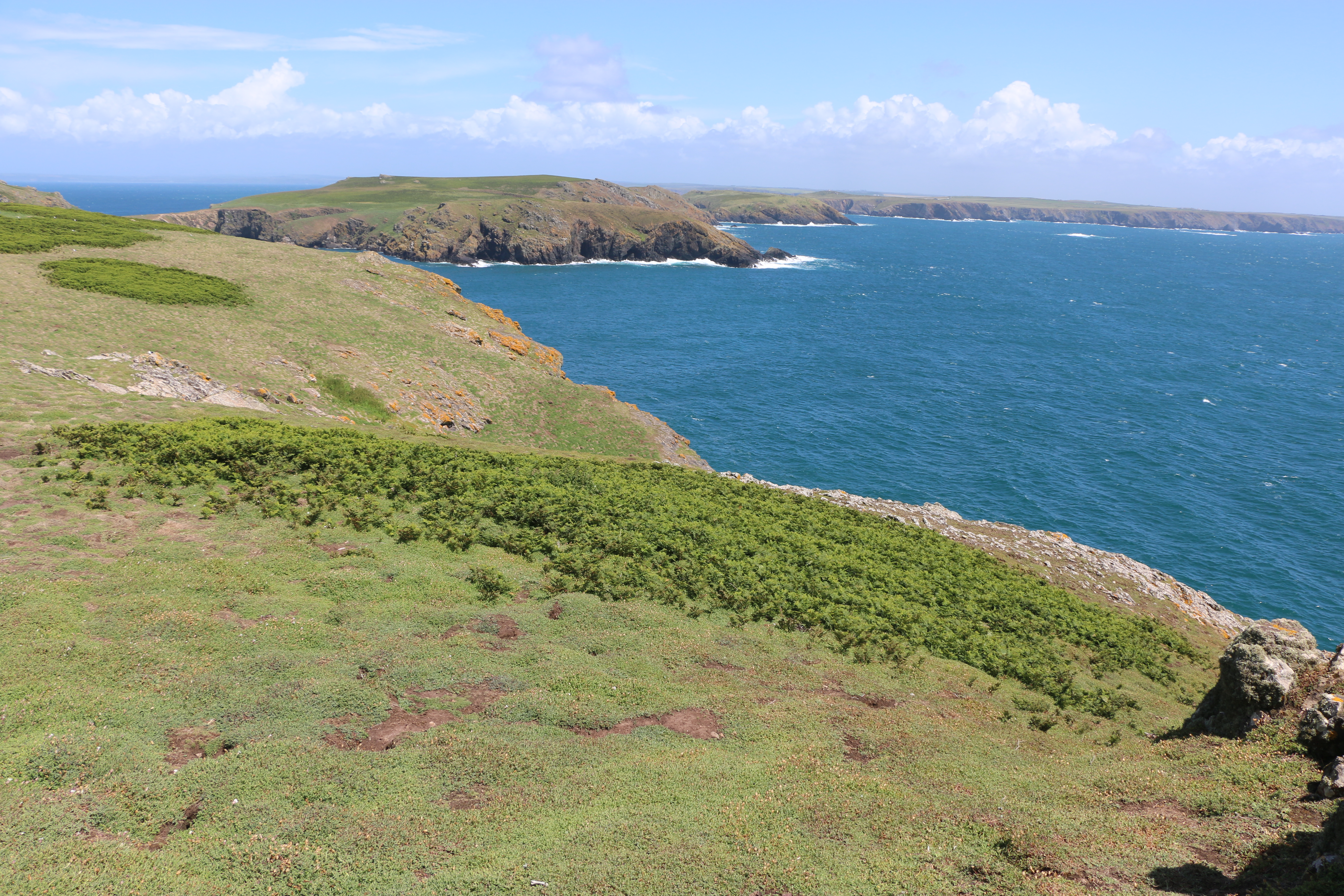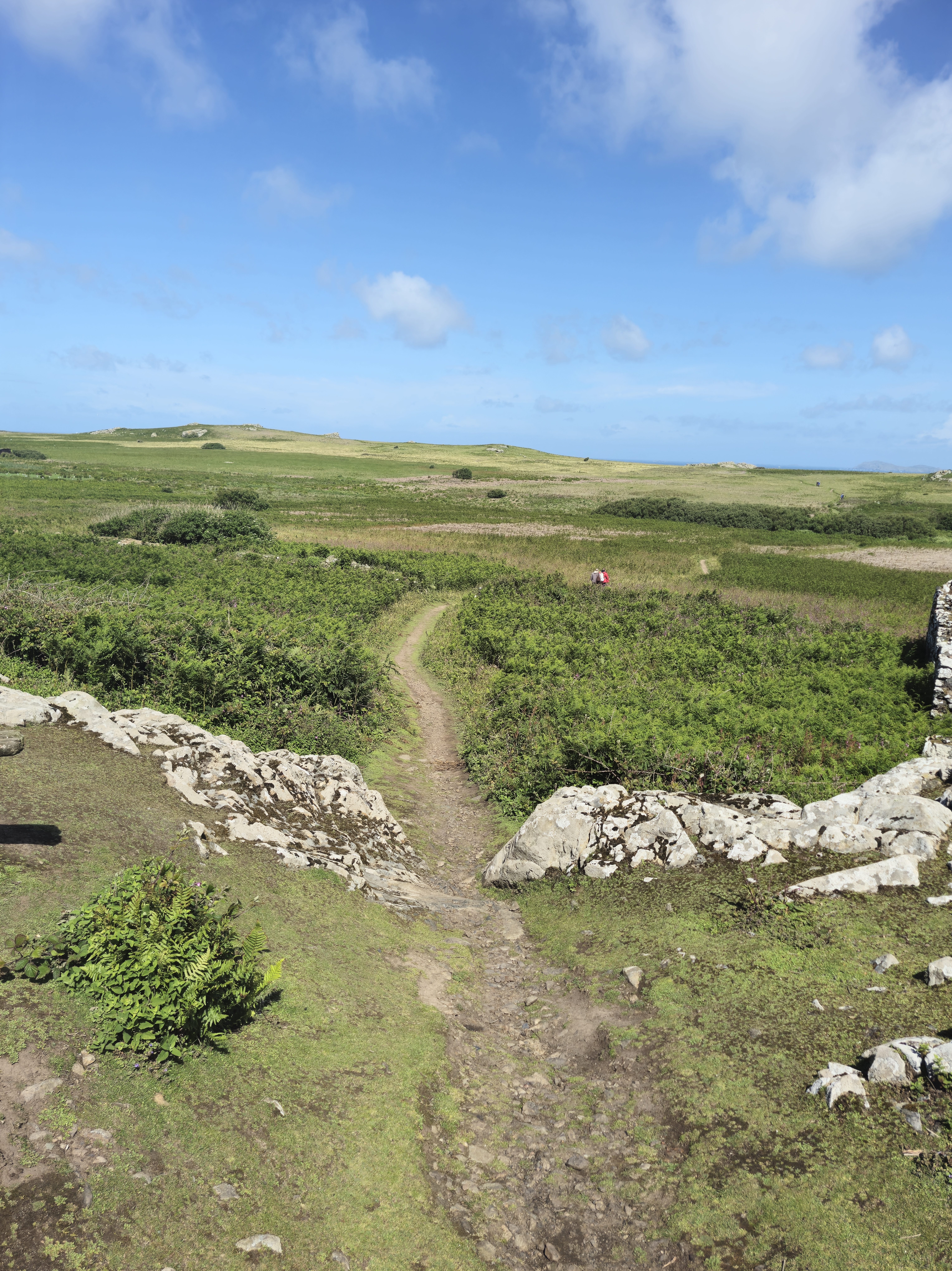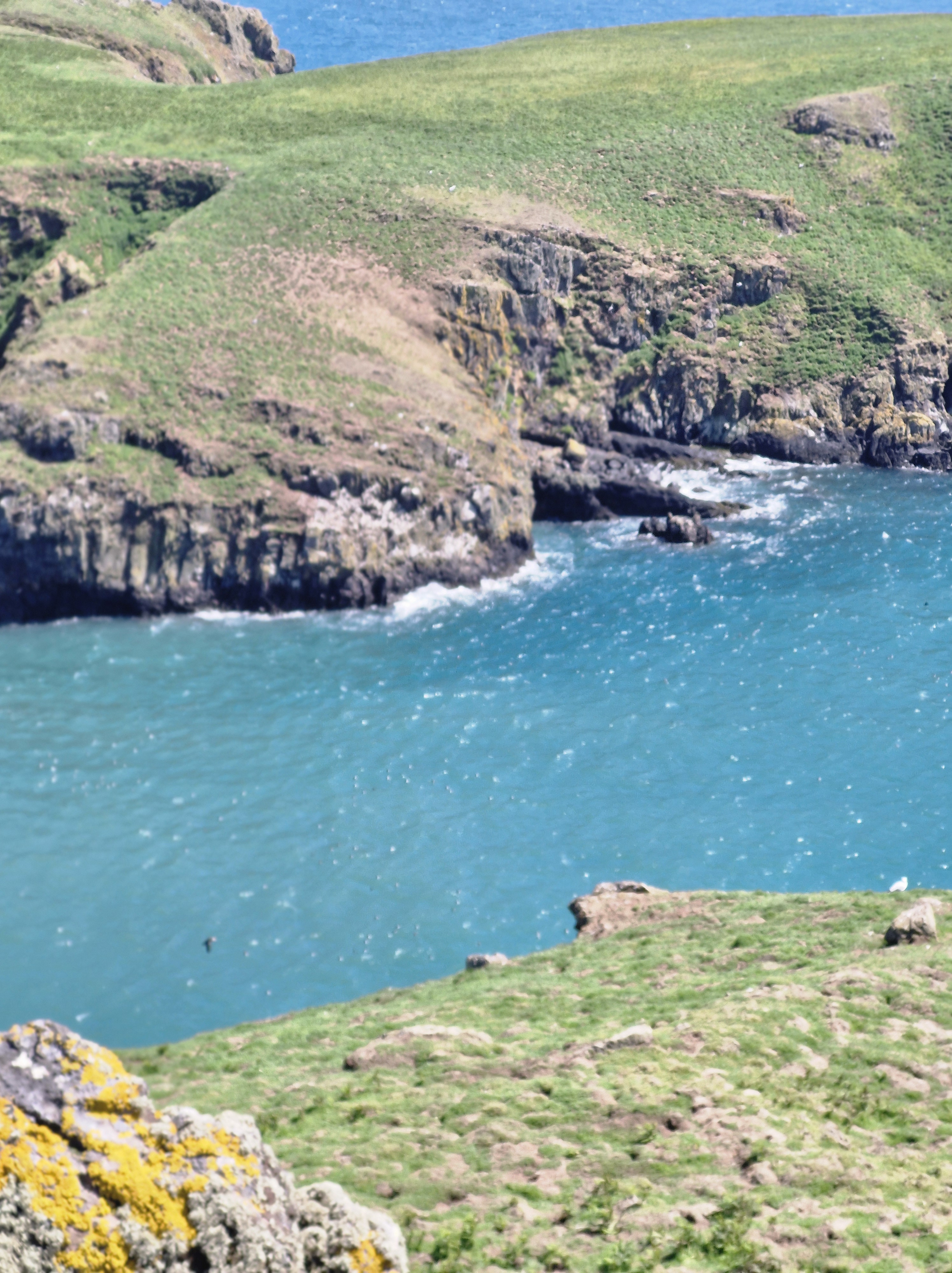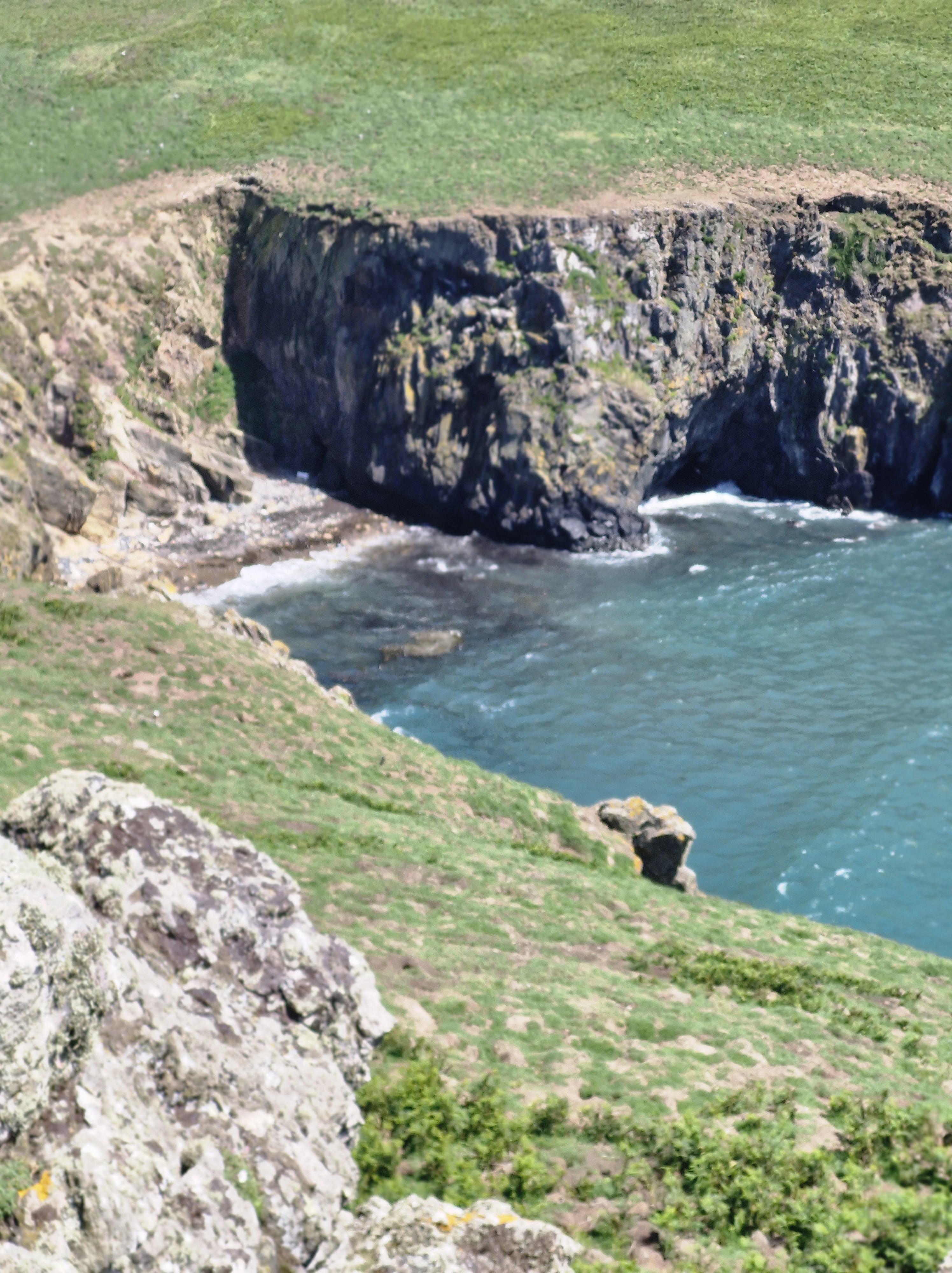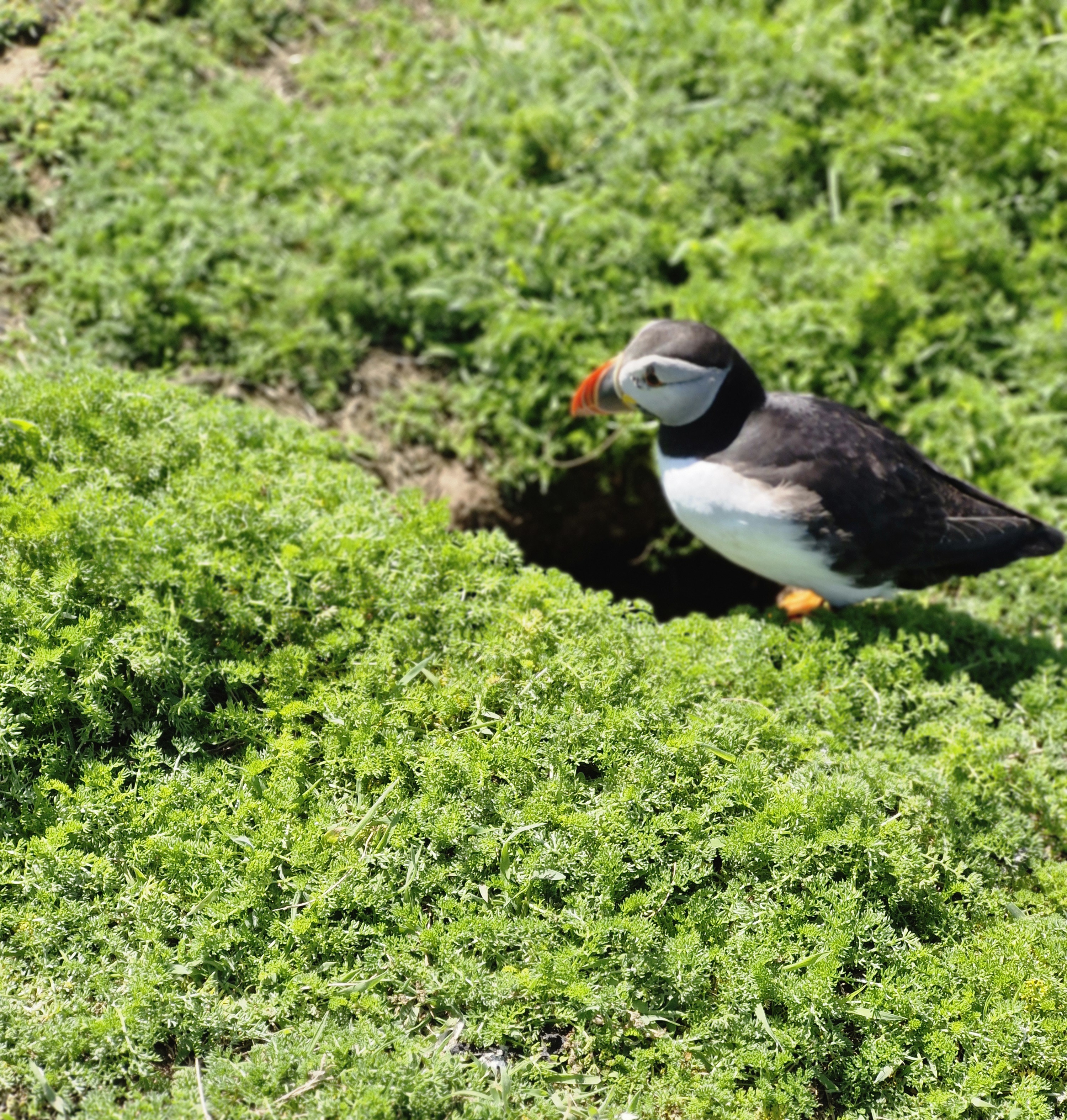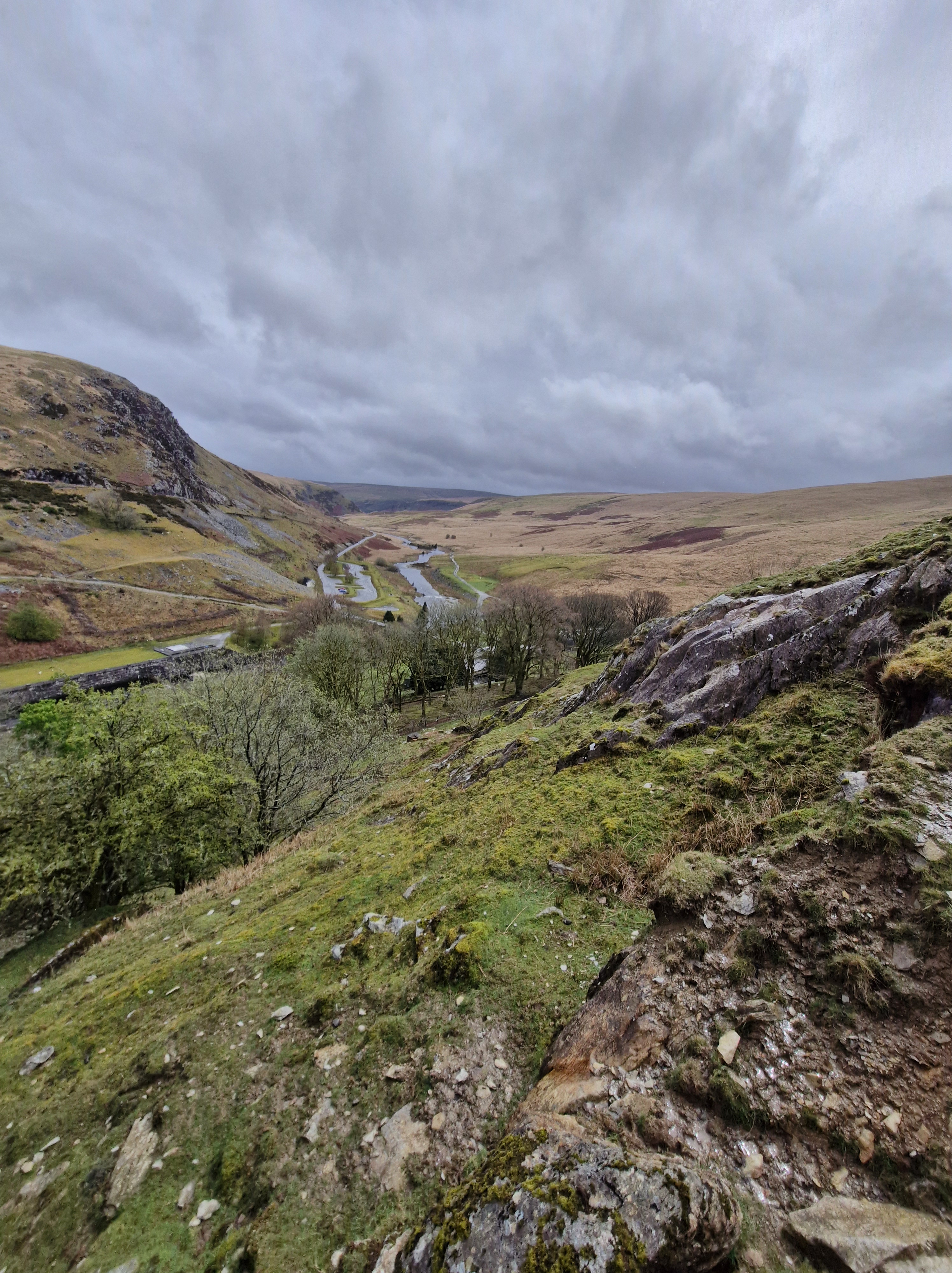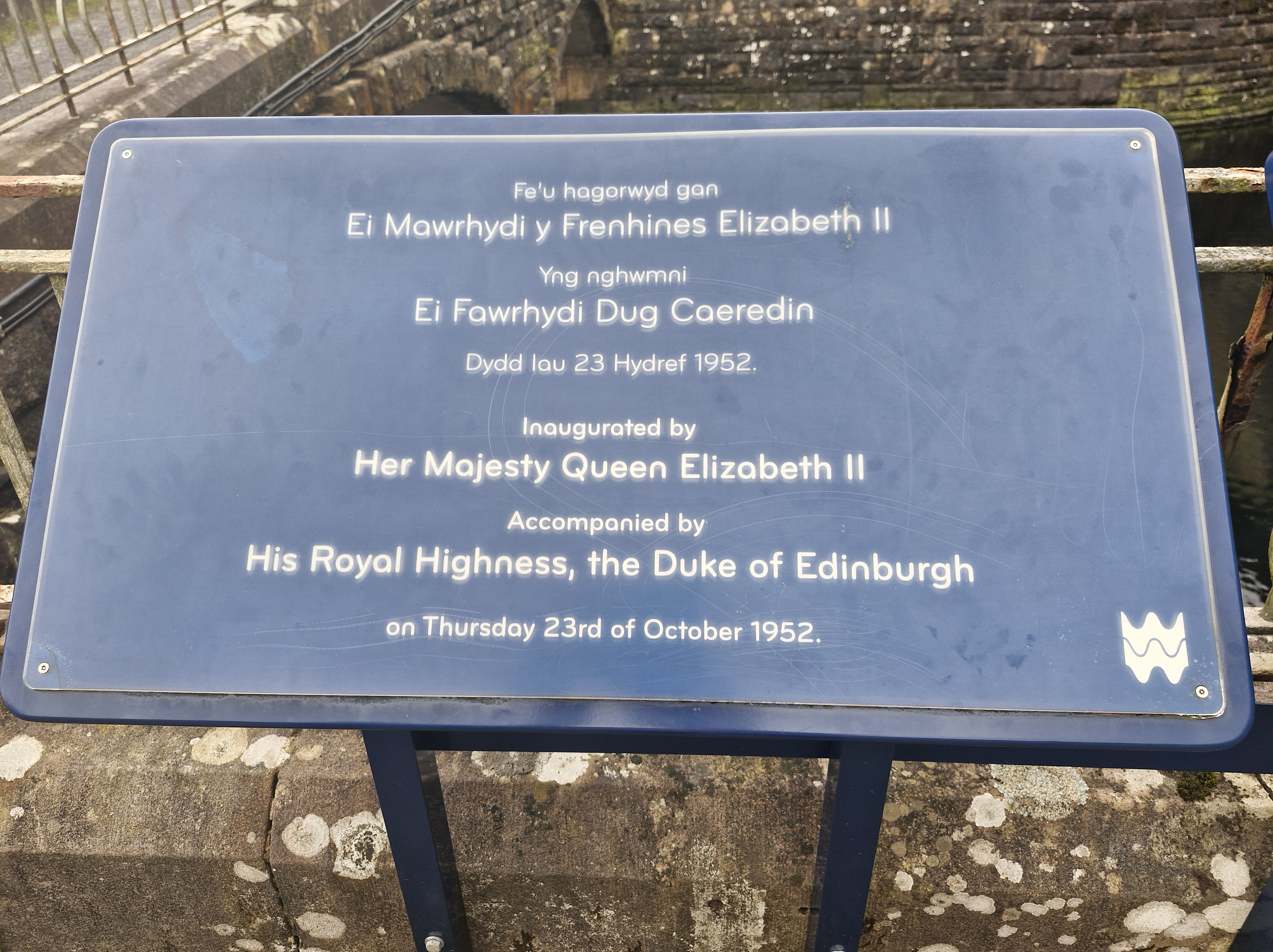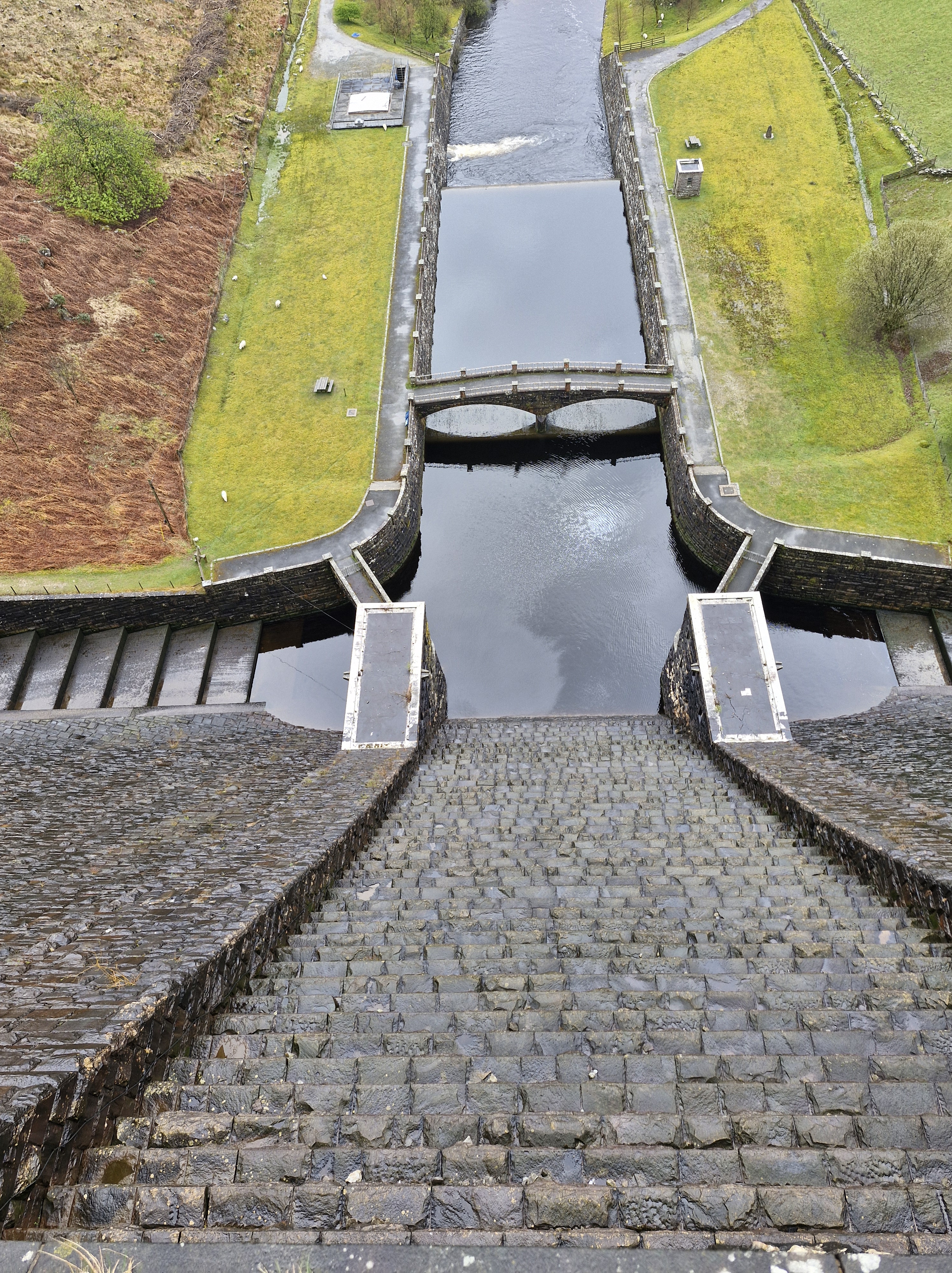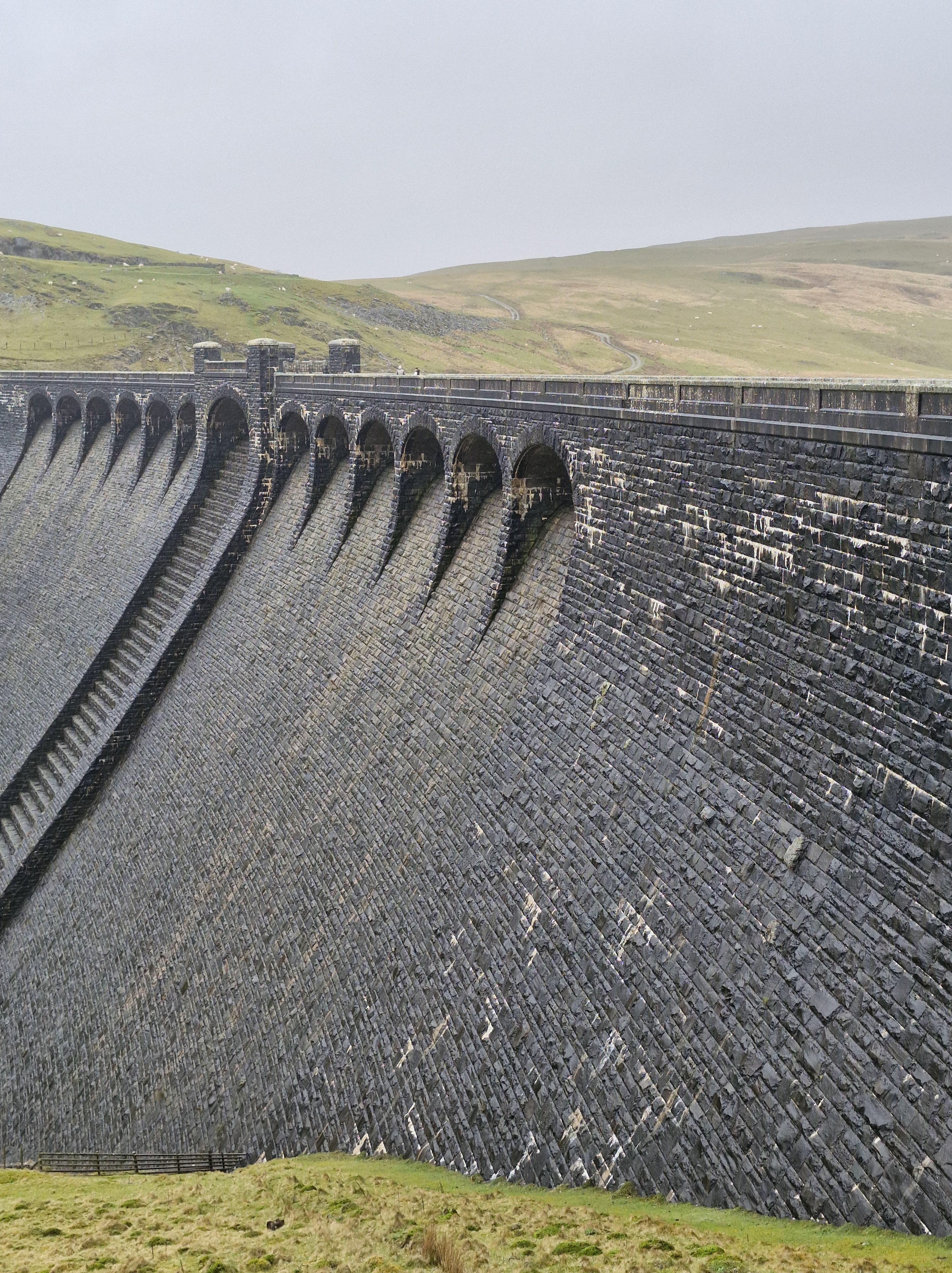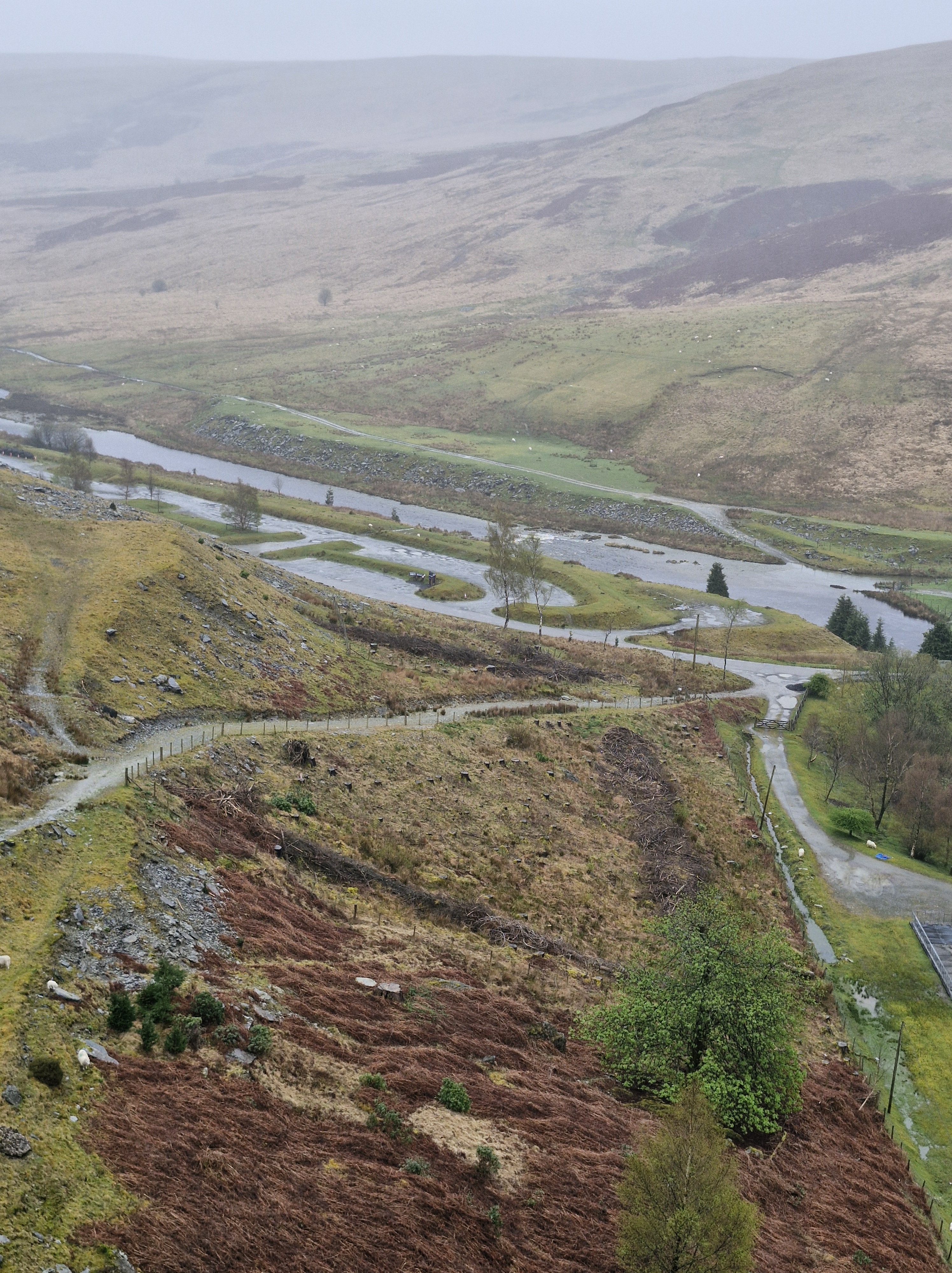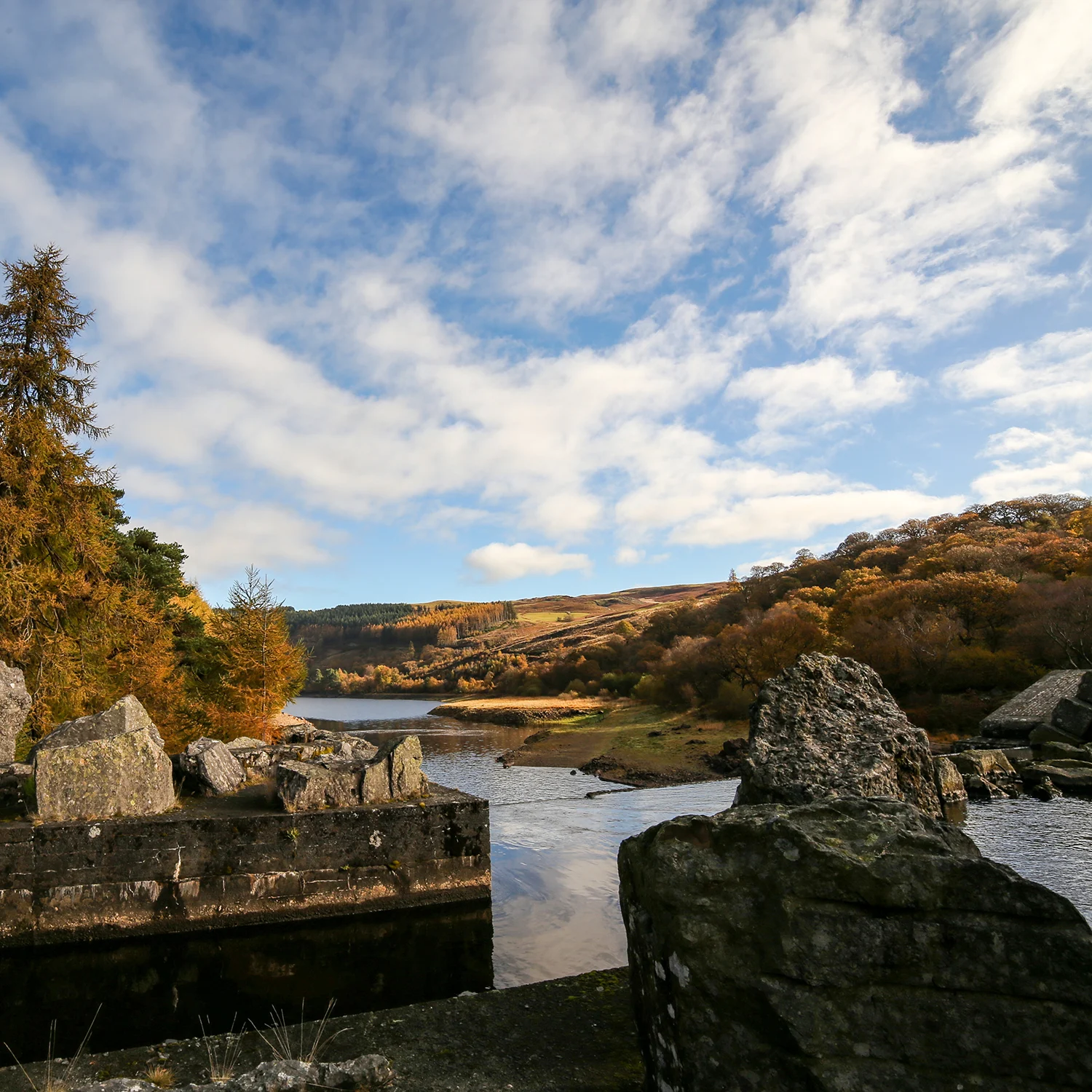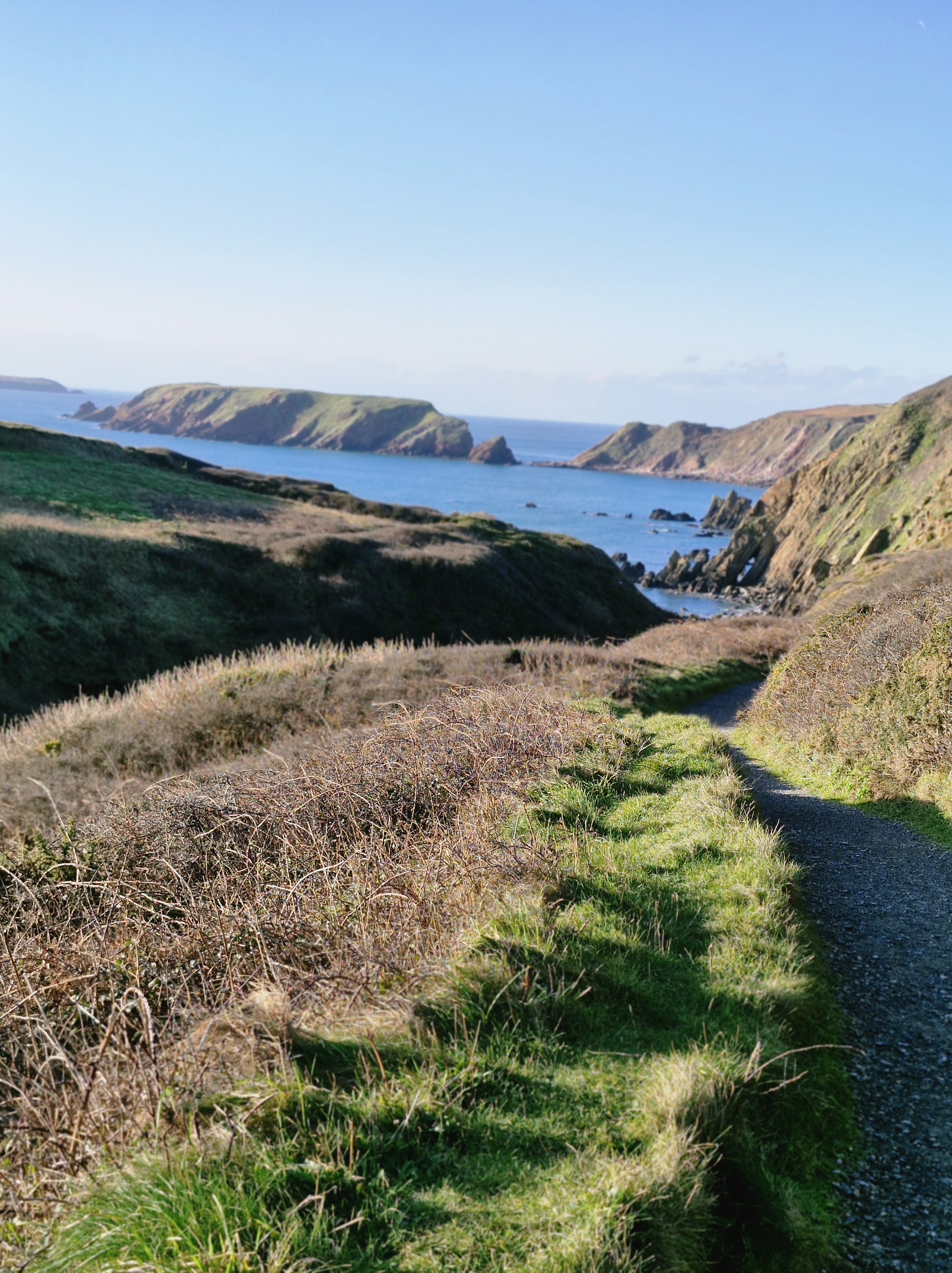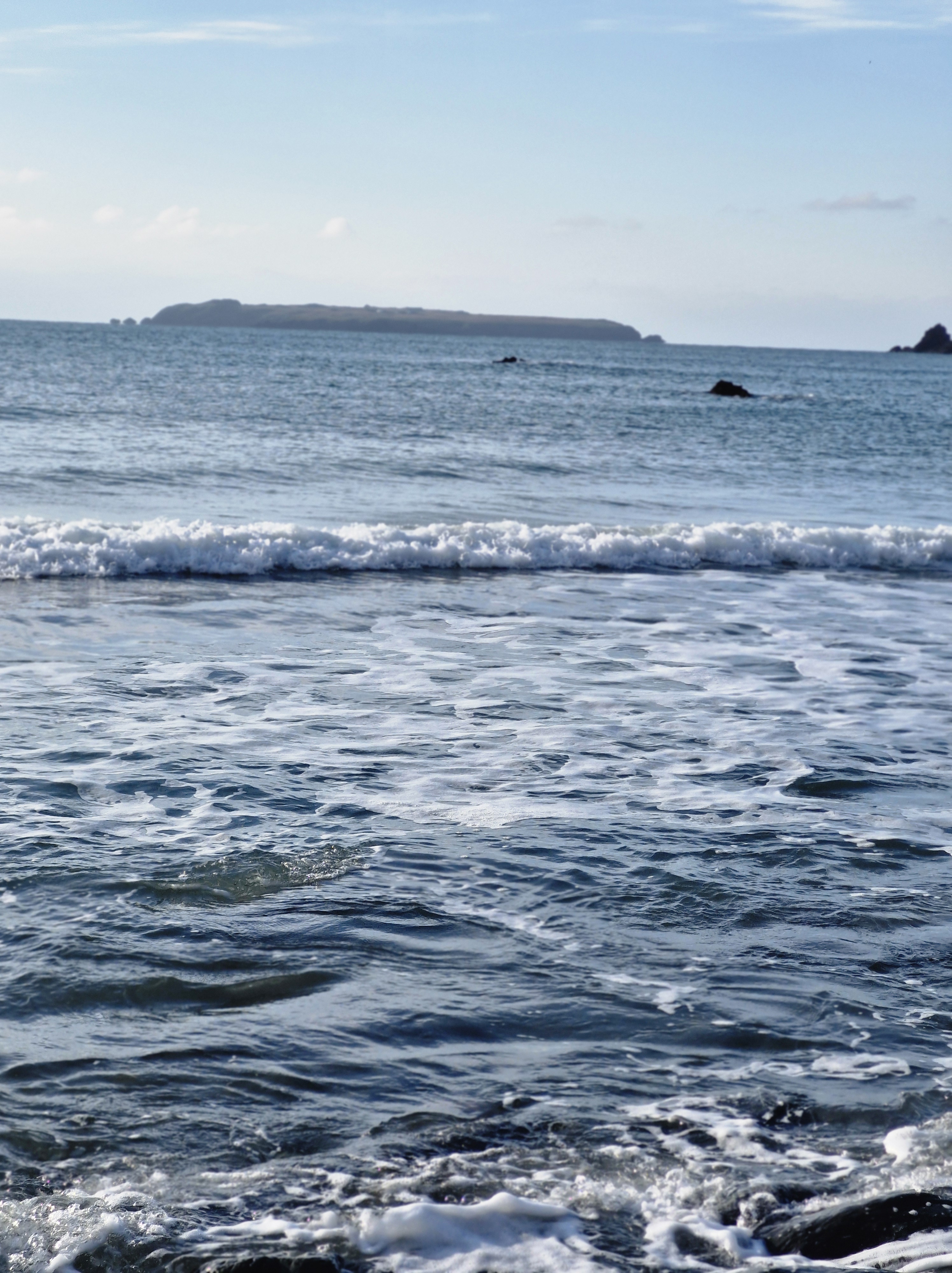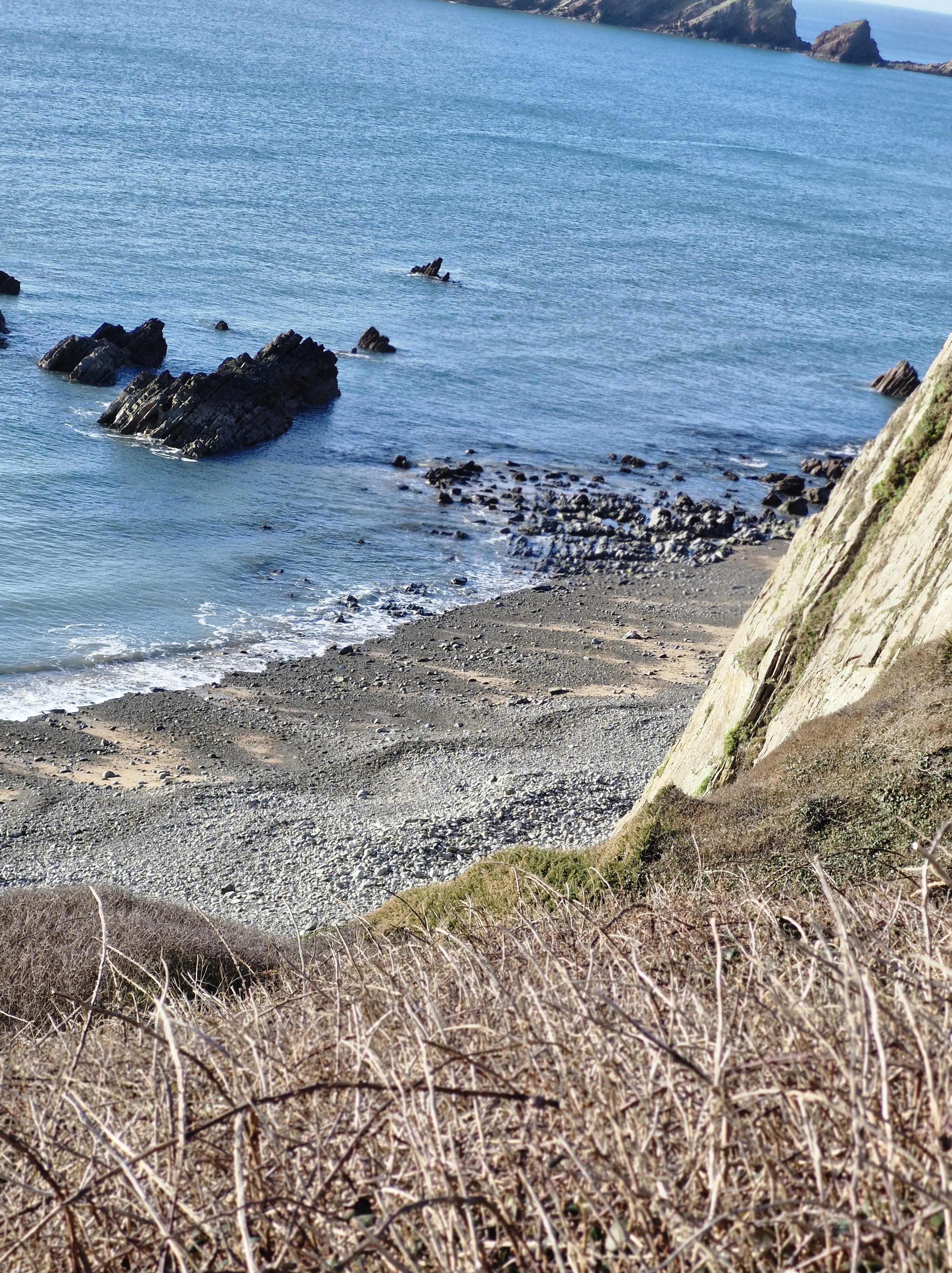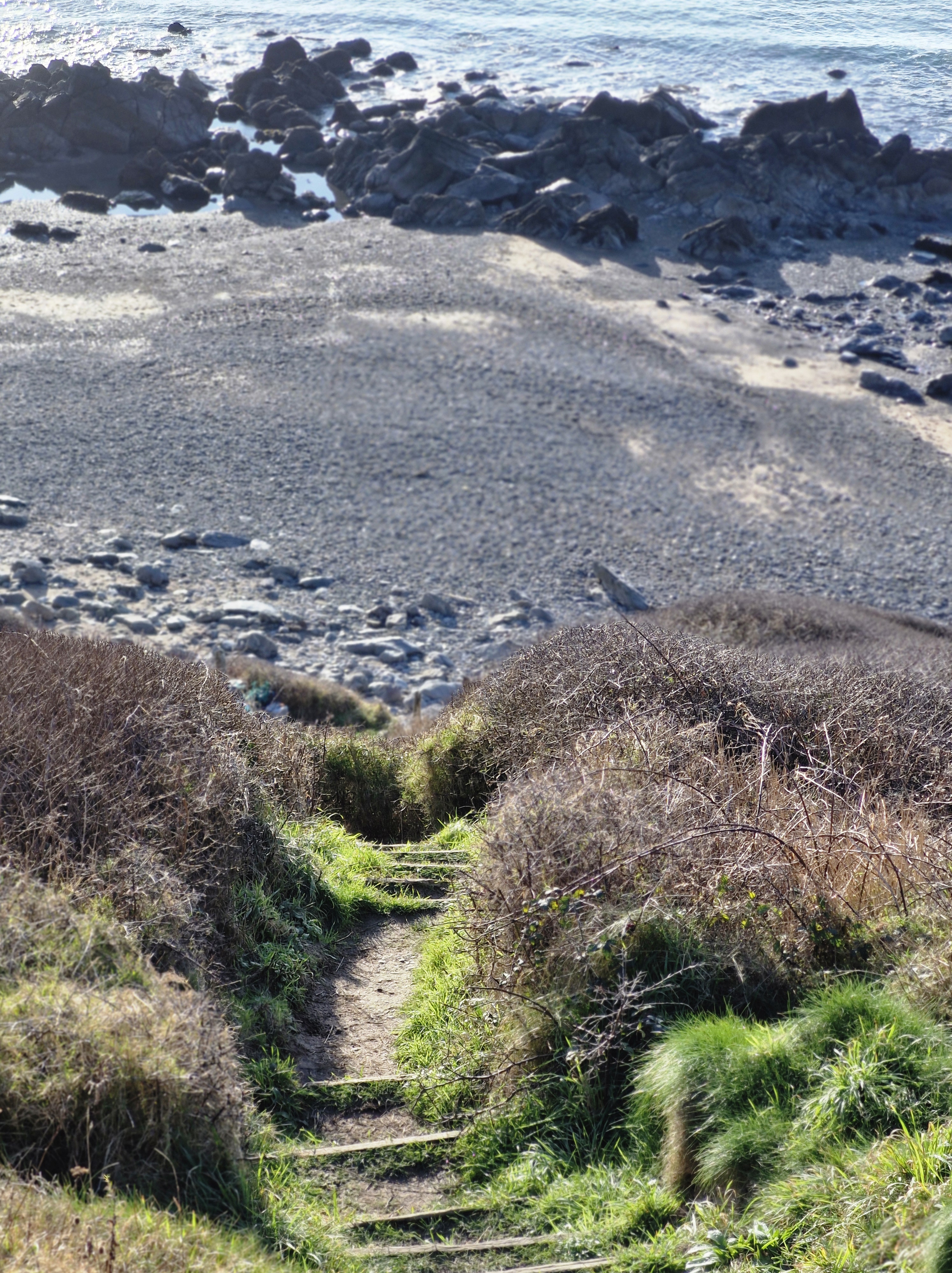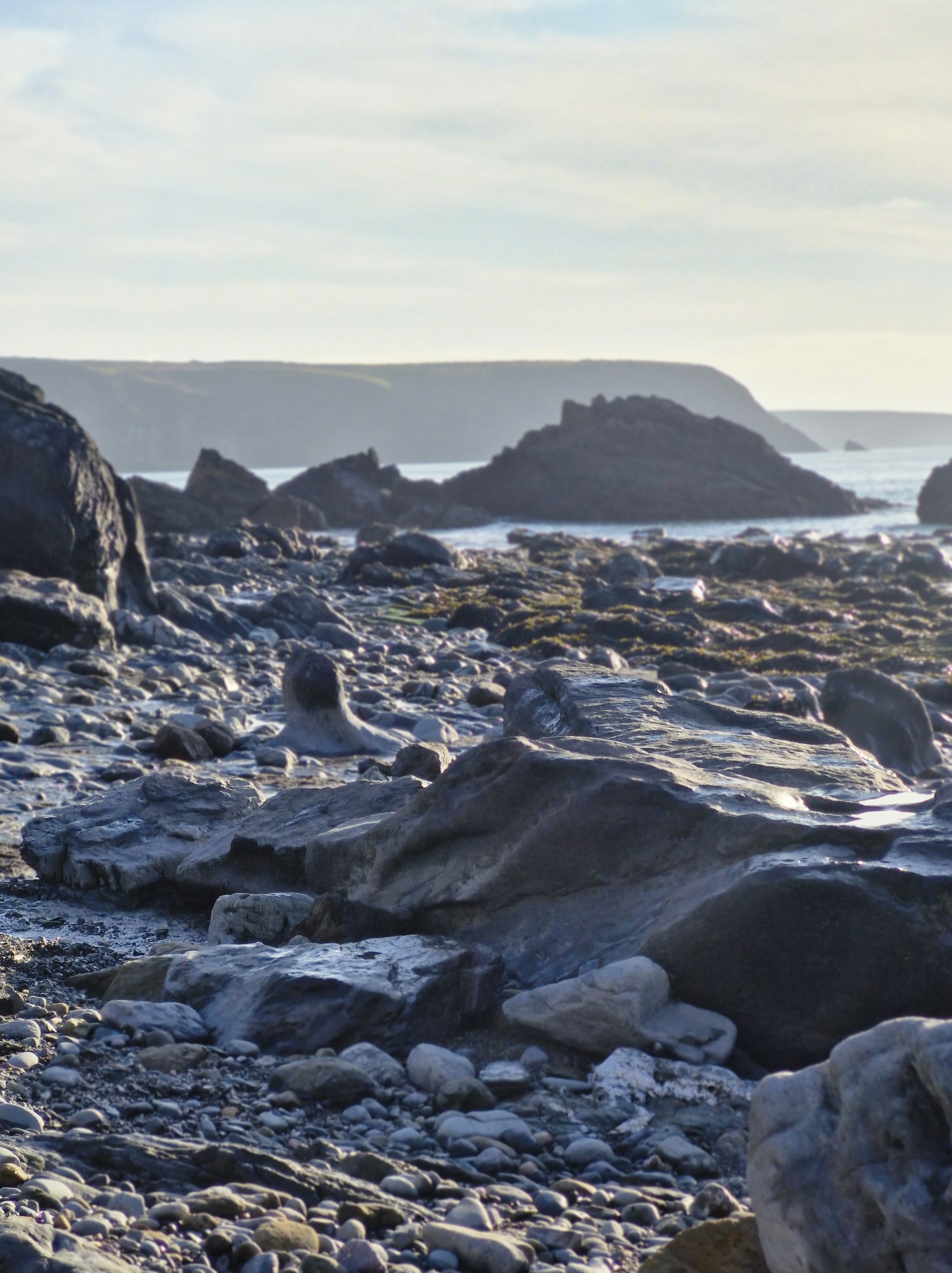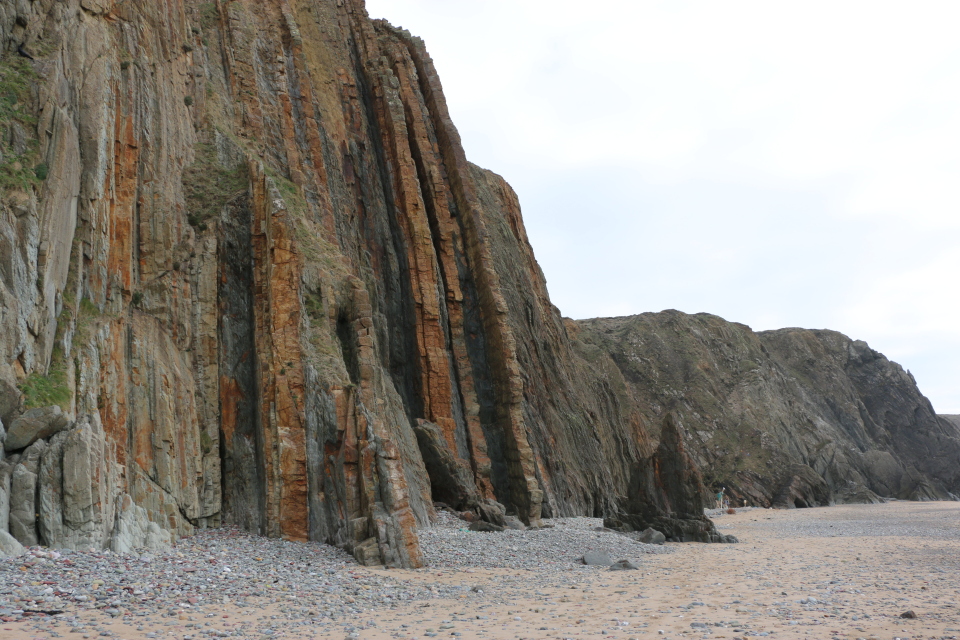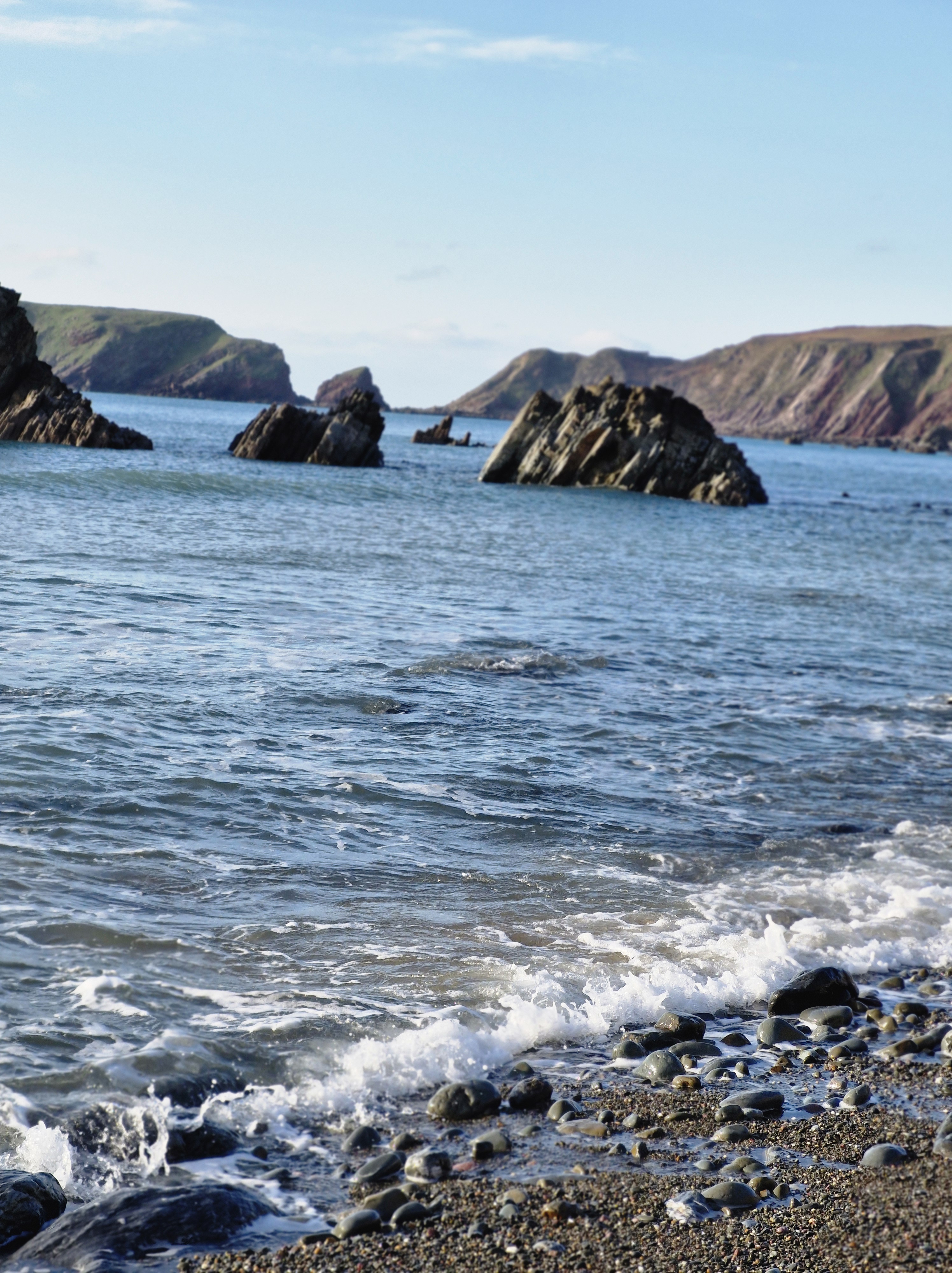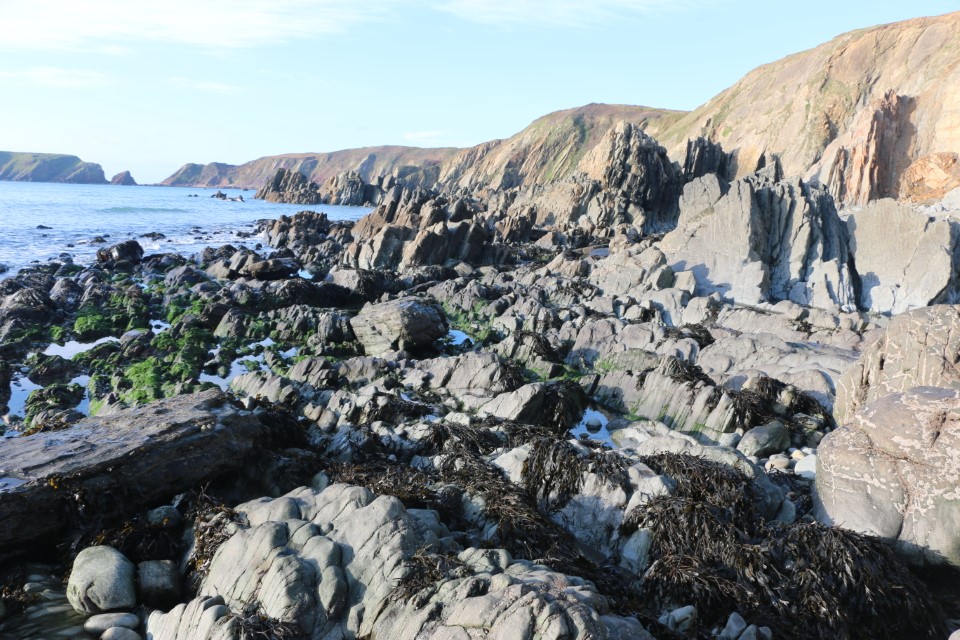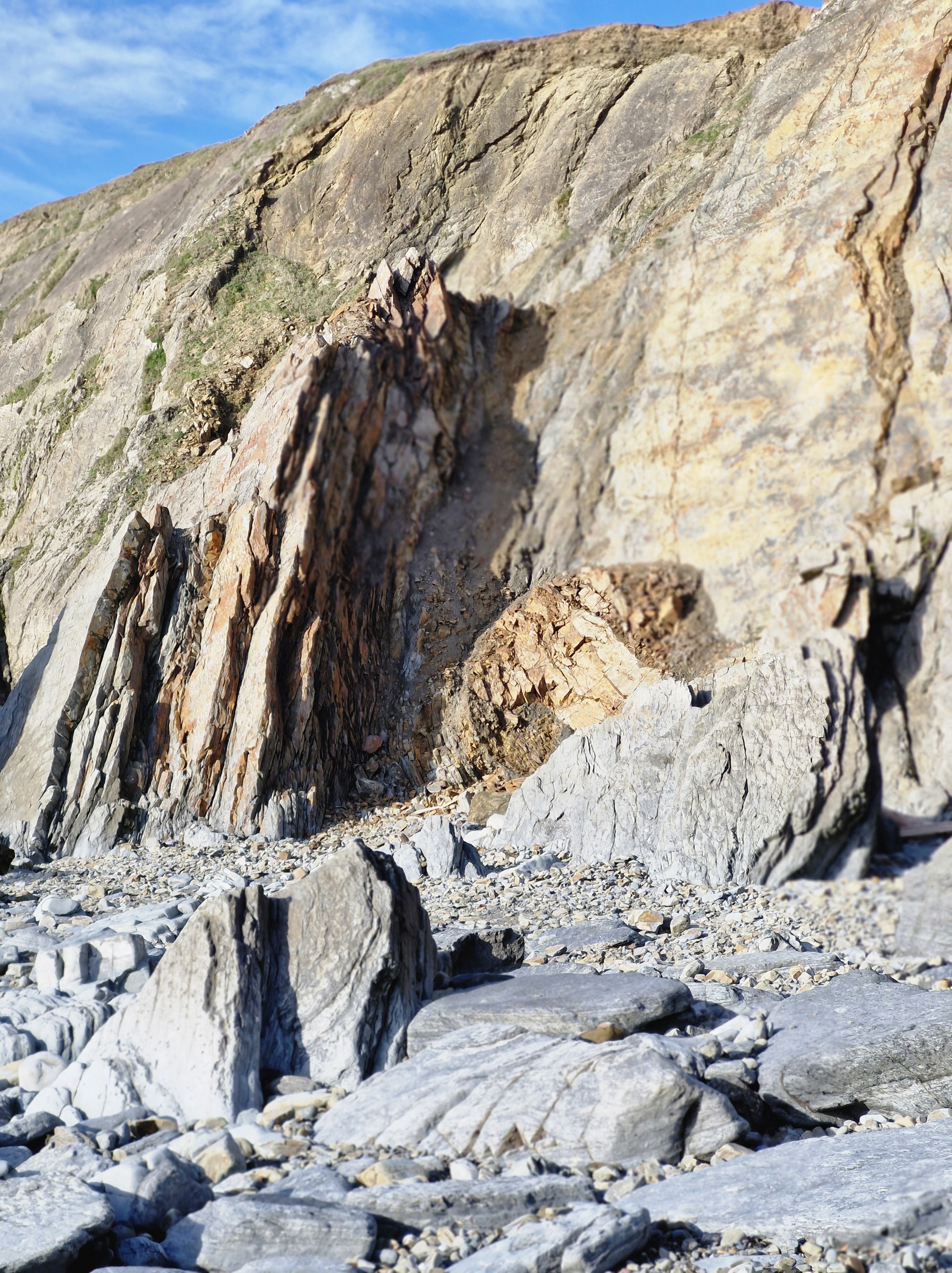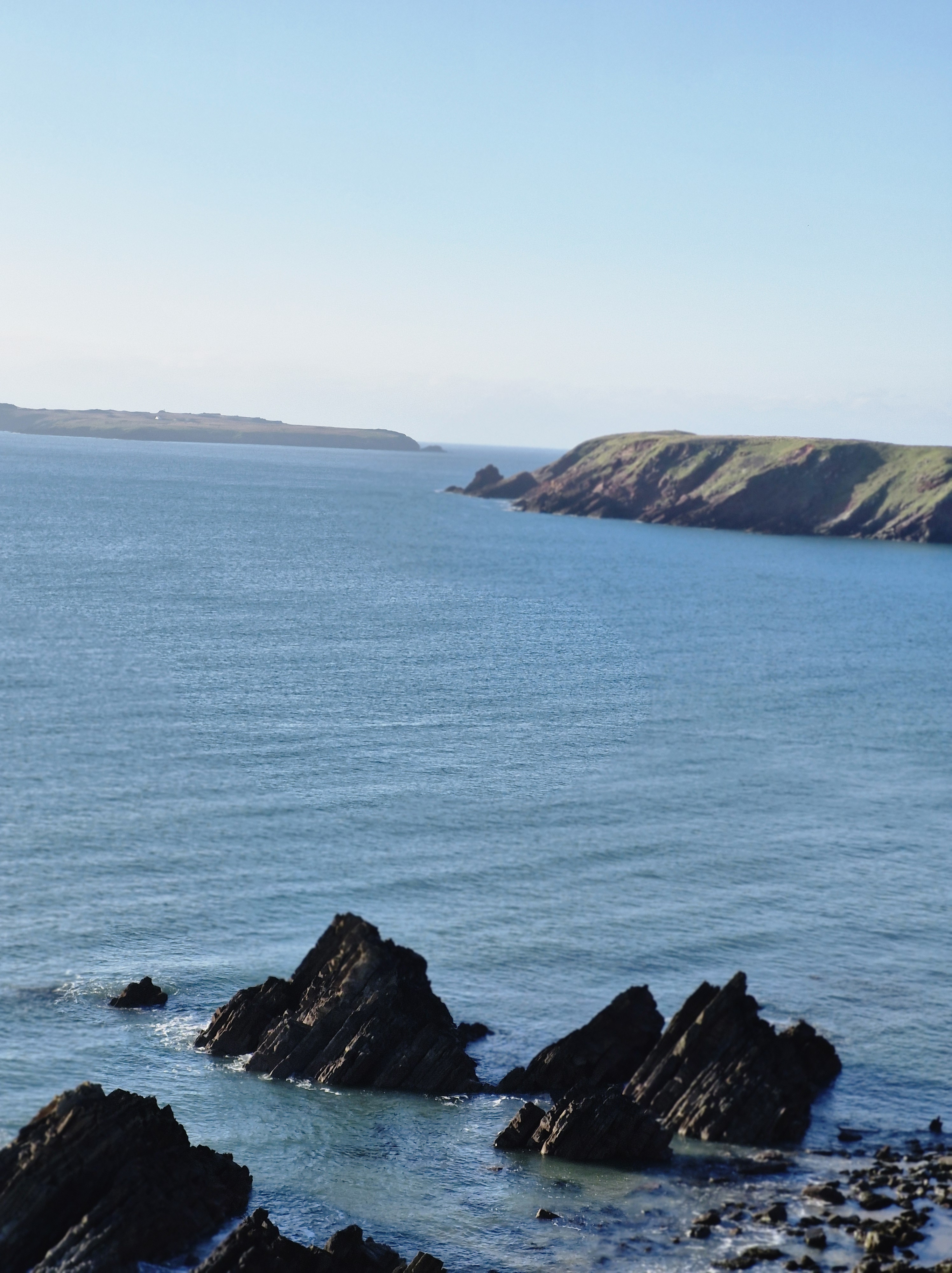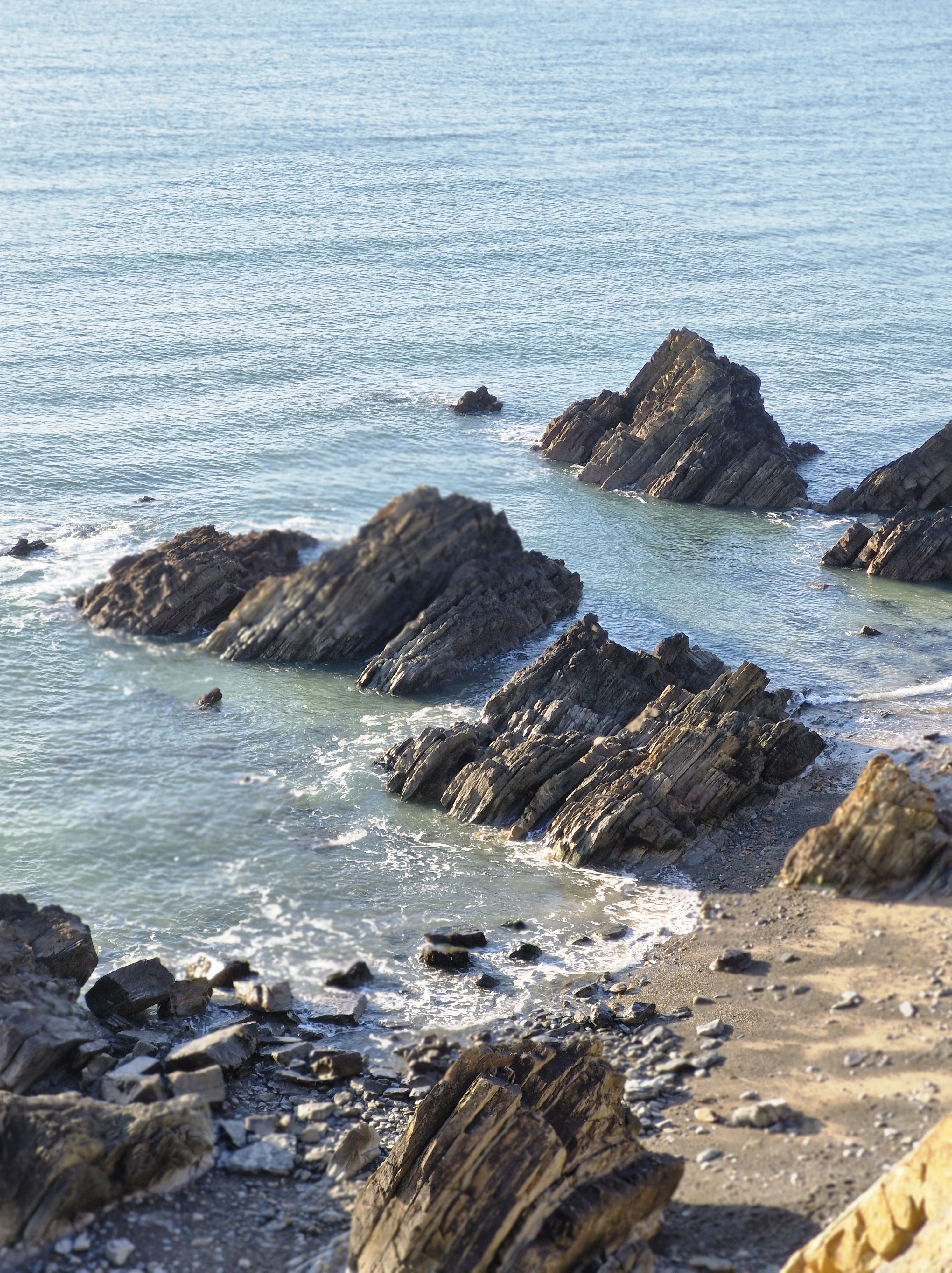
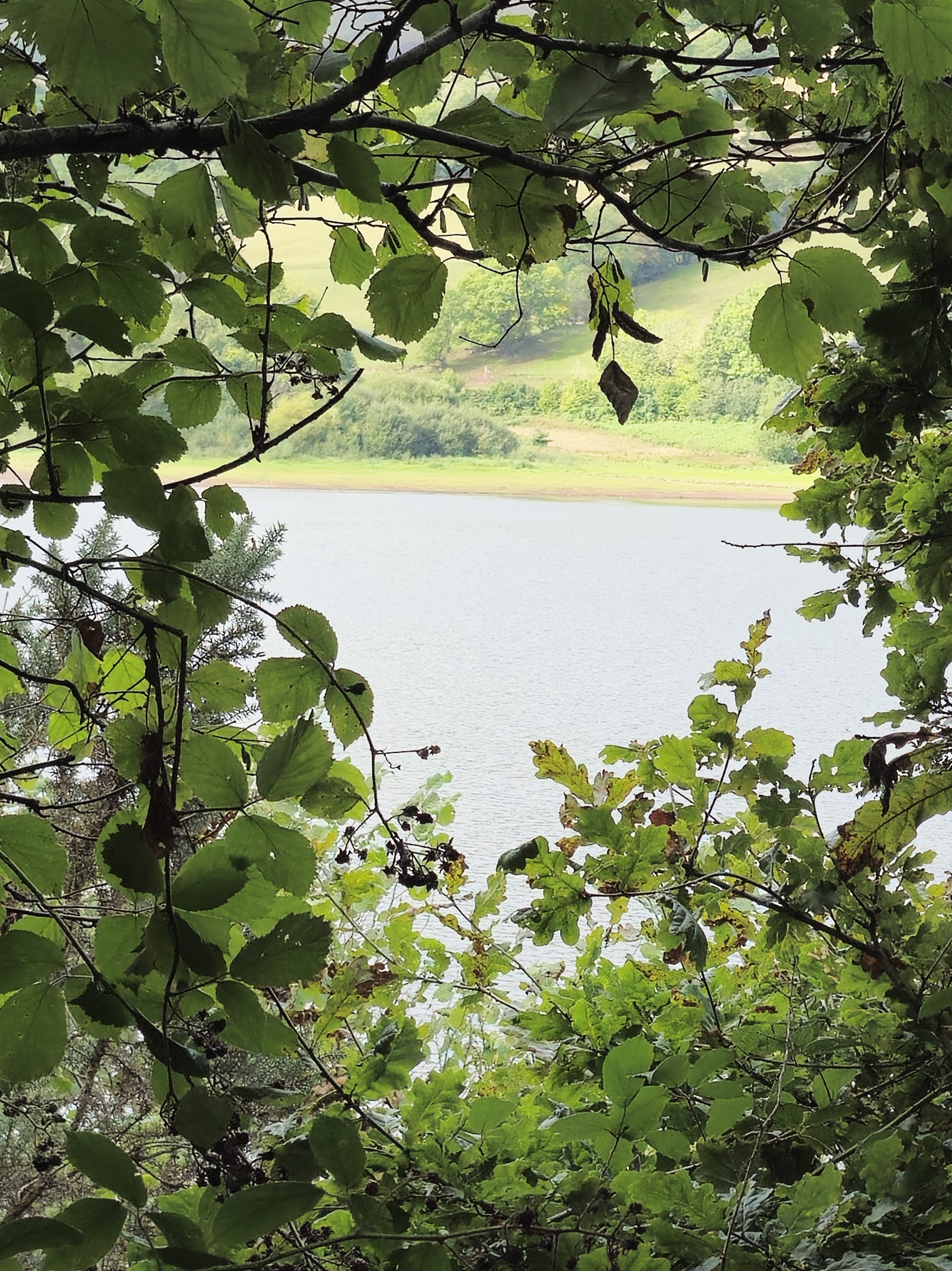
Our first visit to the Talybont Reservoir, and perfect weather.
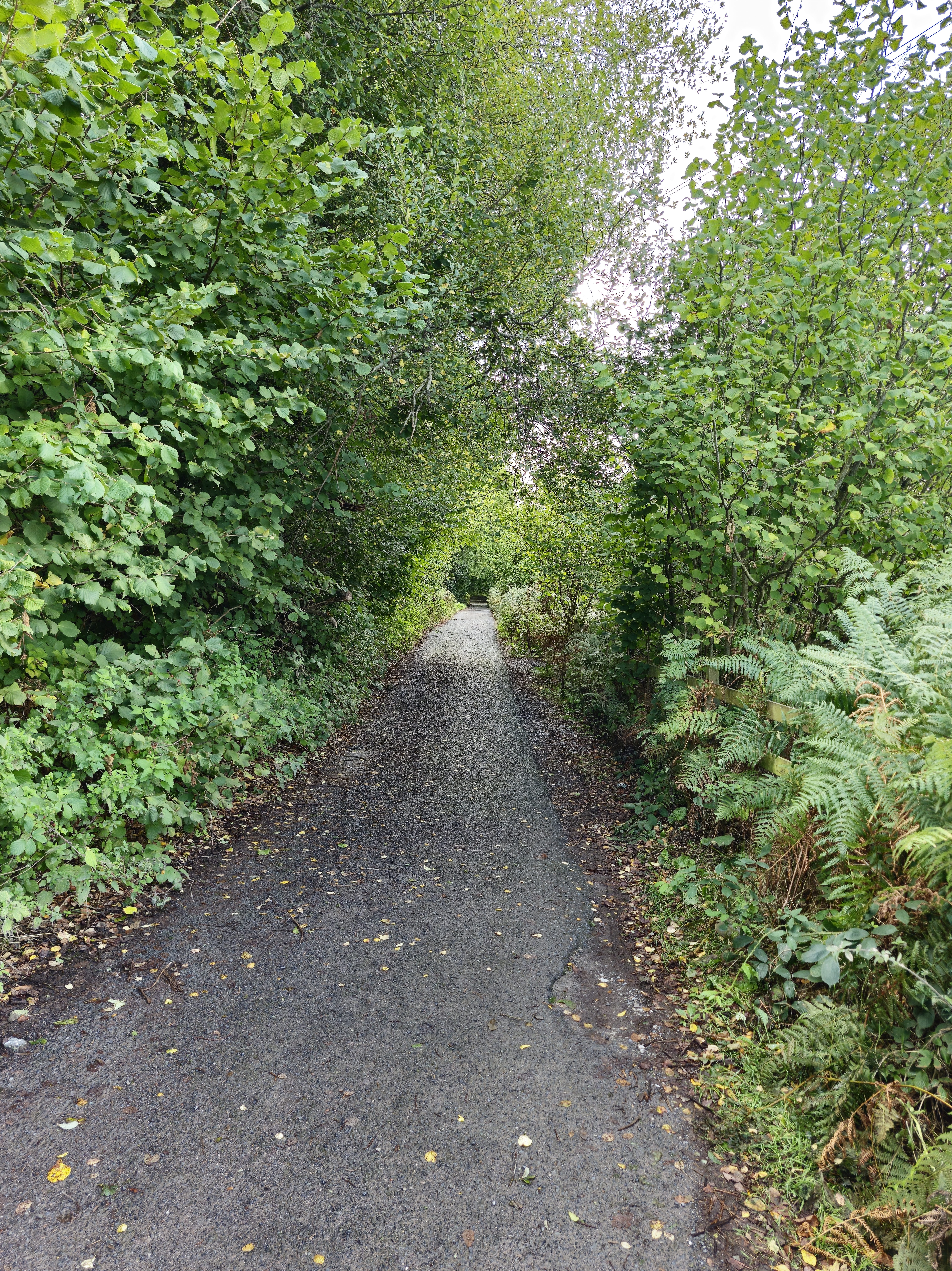
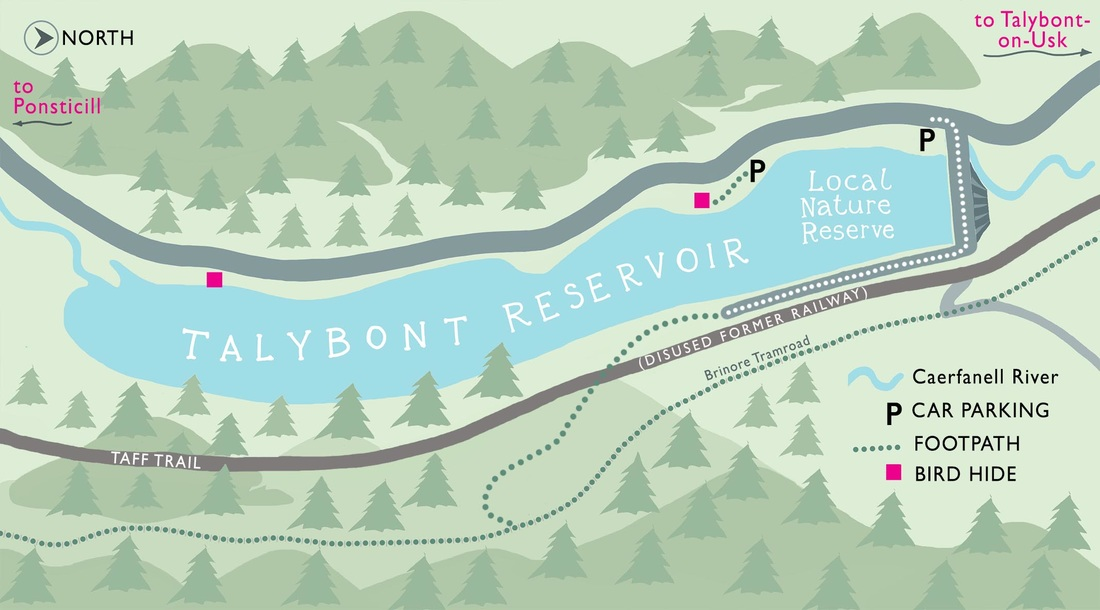
We chose to begin on the eastern side and head up into into the Talybont forest. At first it was a long leisurely stroll along a tarmac path …
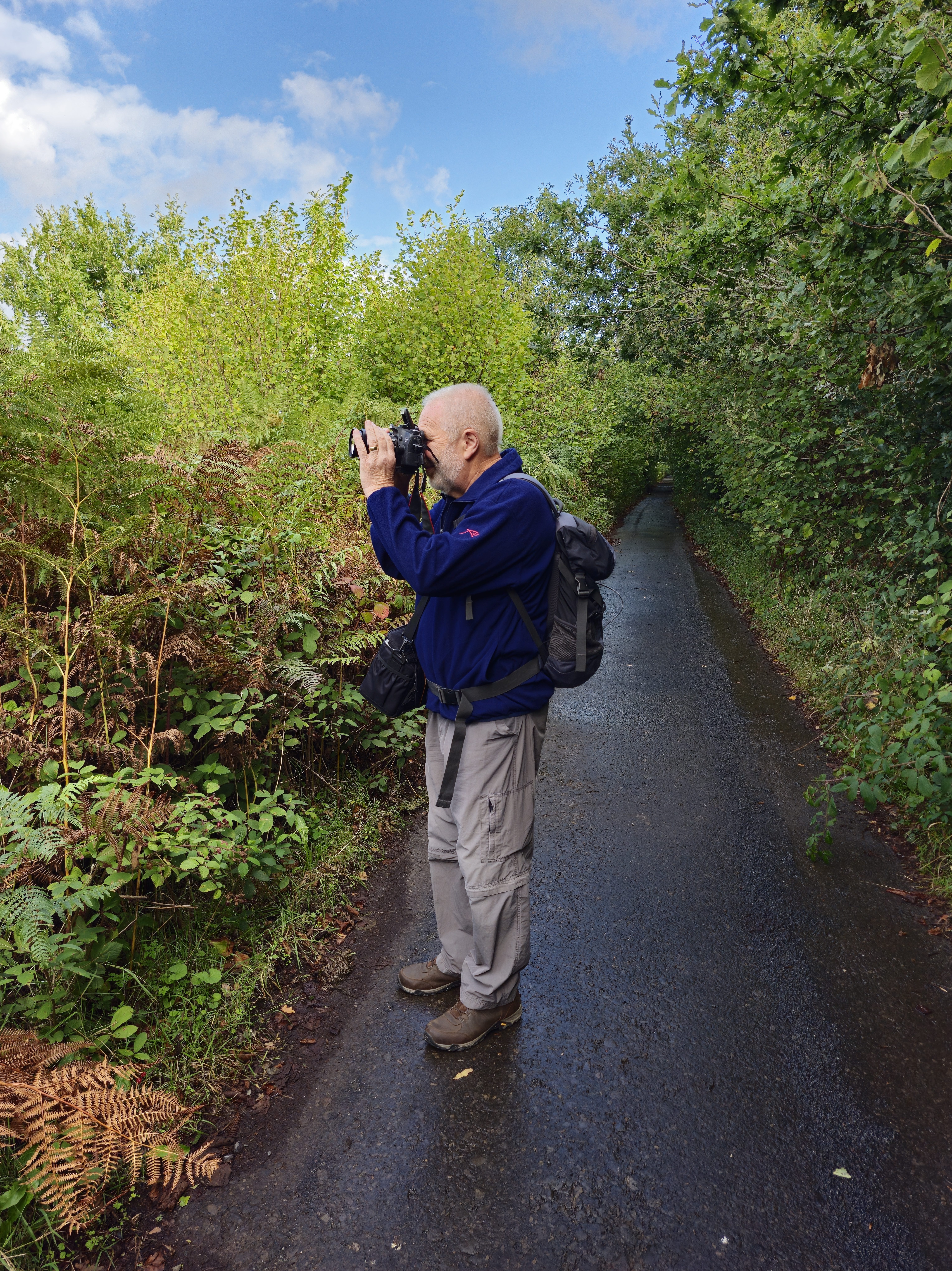
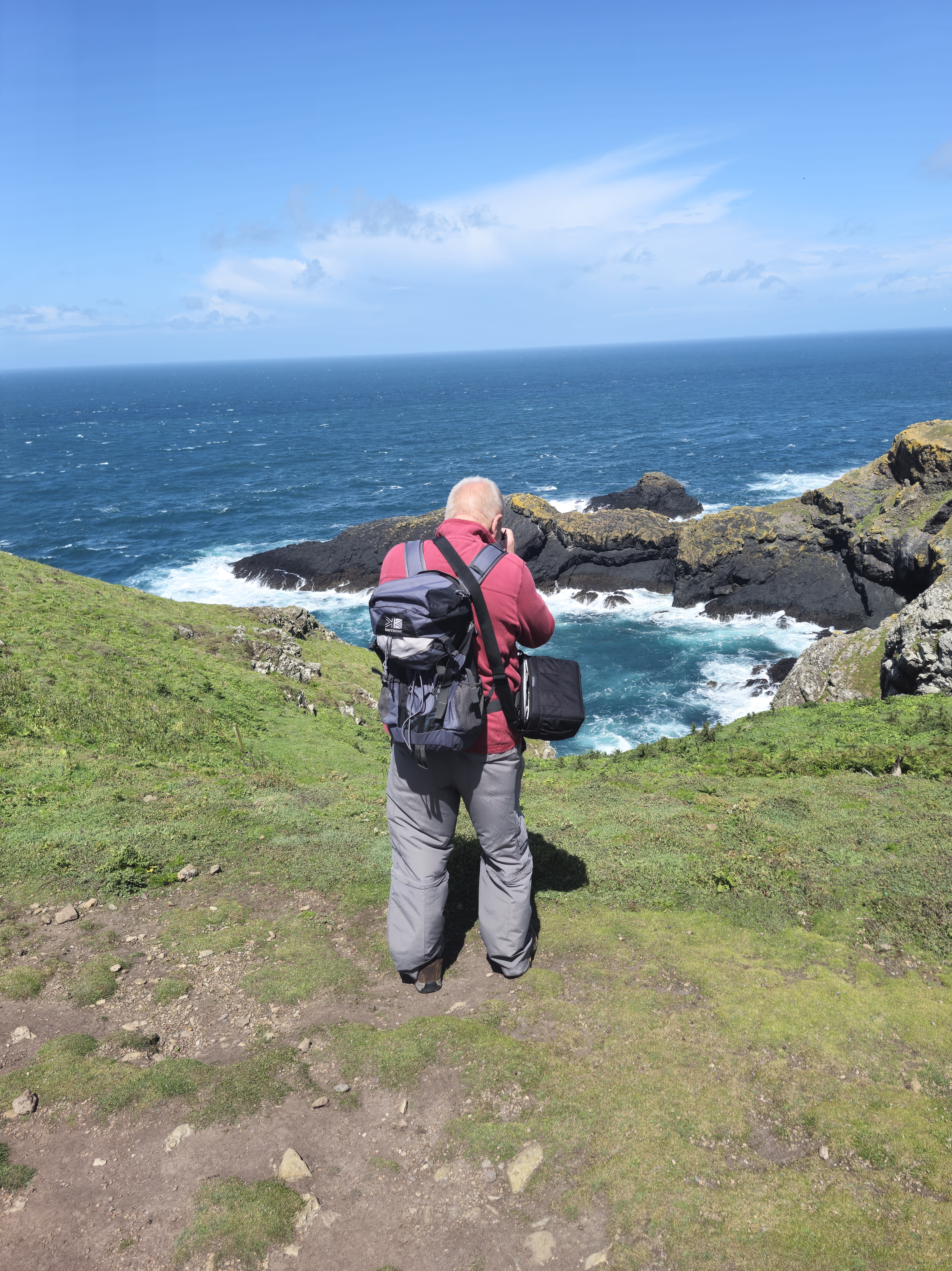
The Photographer
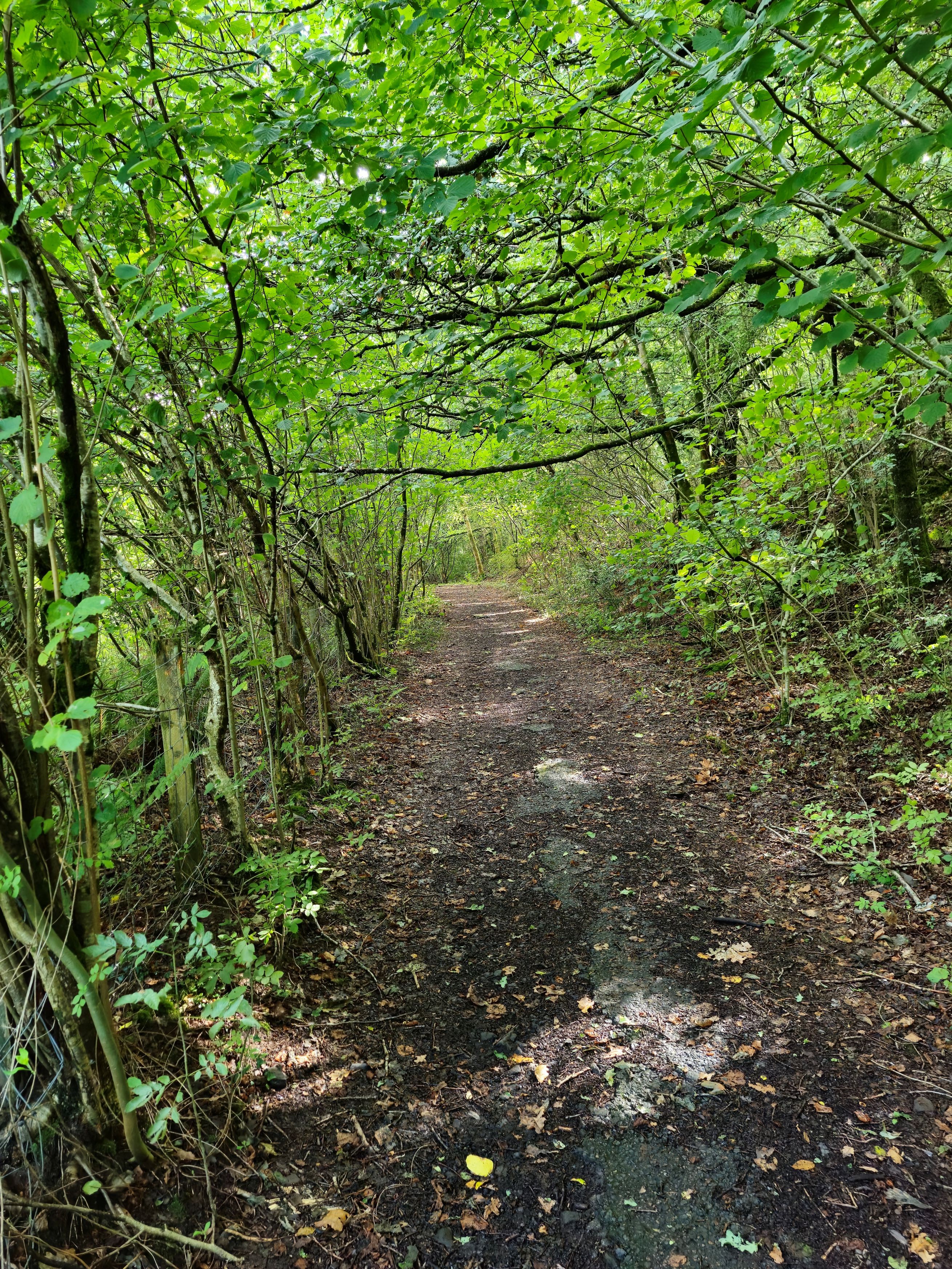
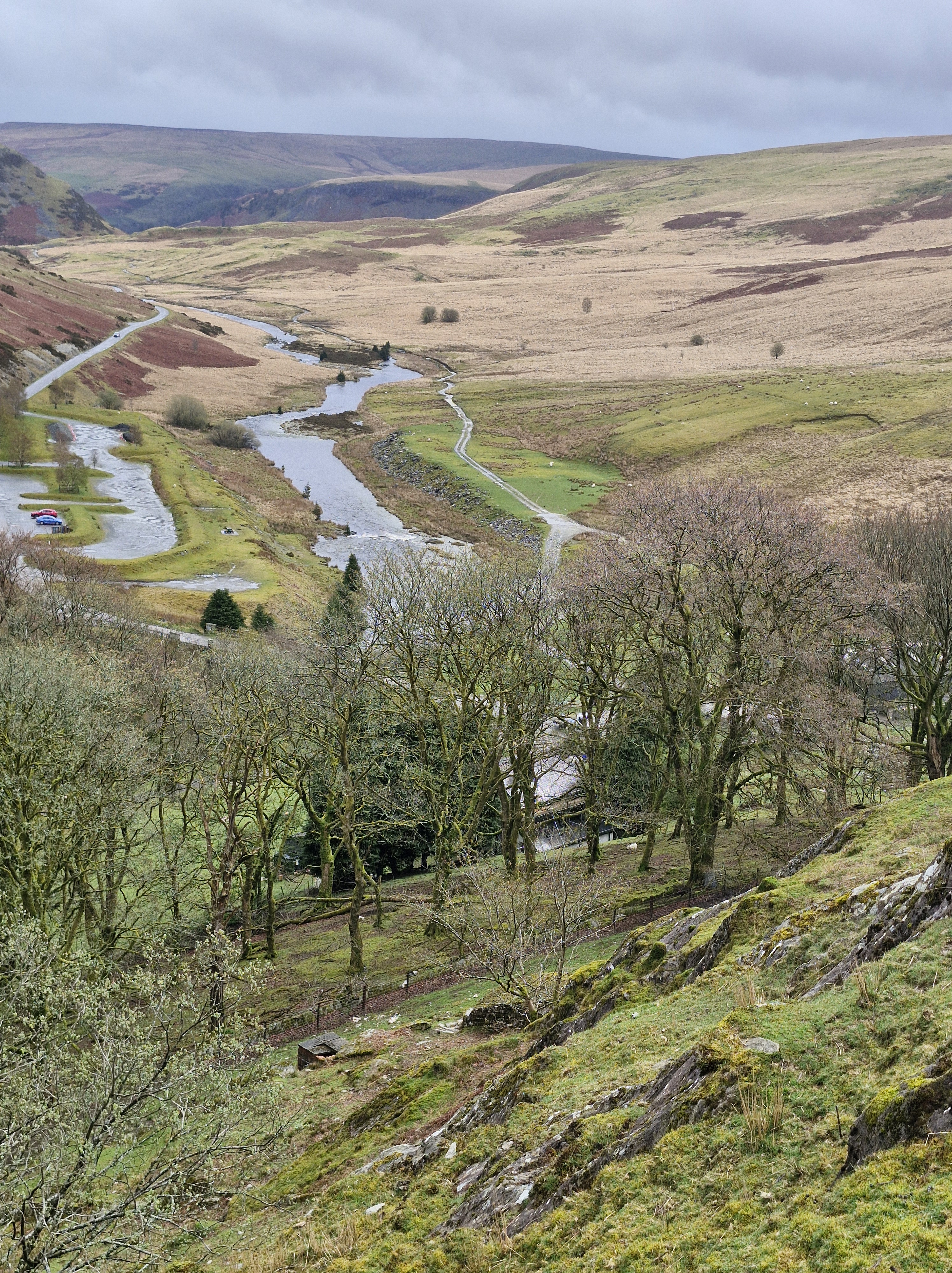
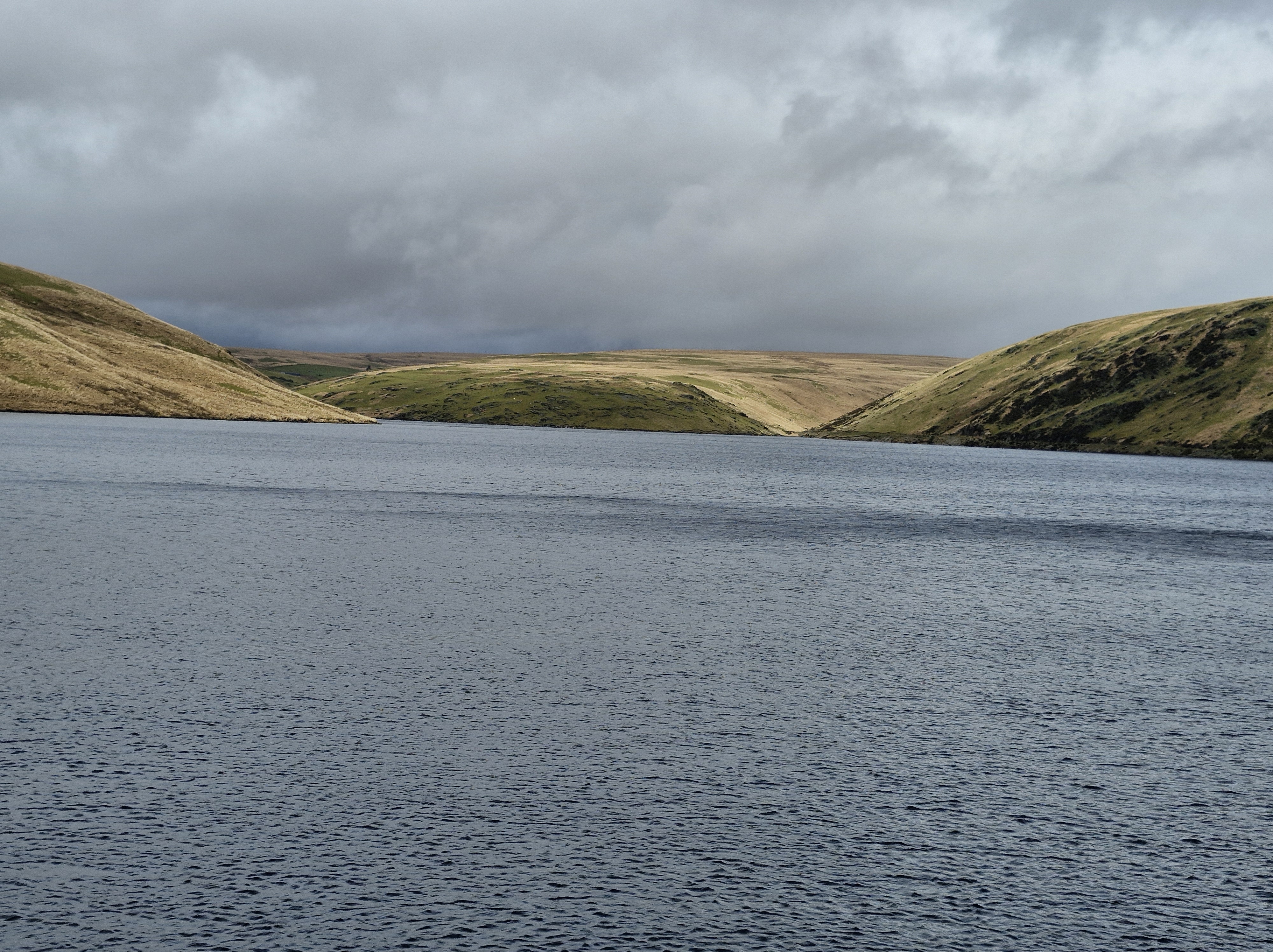
… which soon turned into a steady upword climb on the track that was a bit rocky and uneven but, according to The Photographer, promised glorious views above the tree line across the reservoir and towards the surrounding hills...
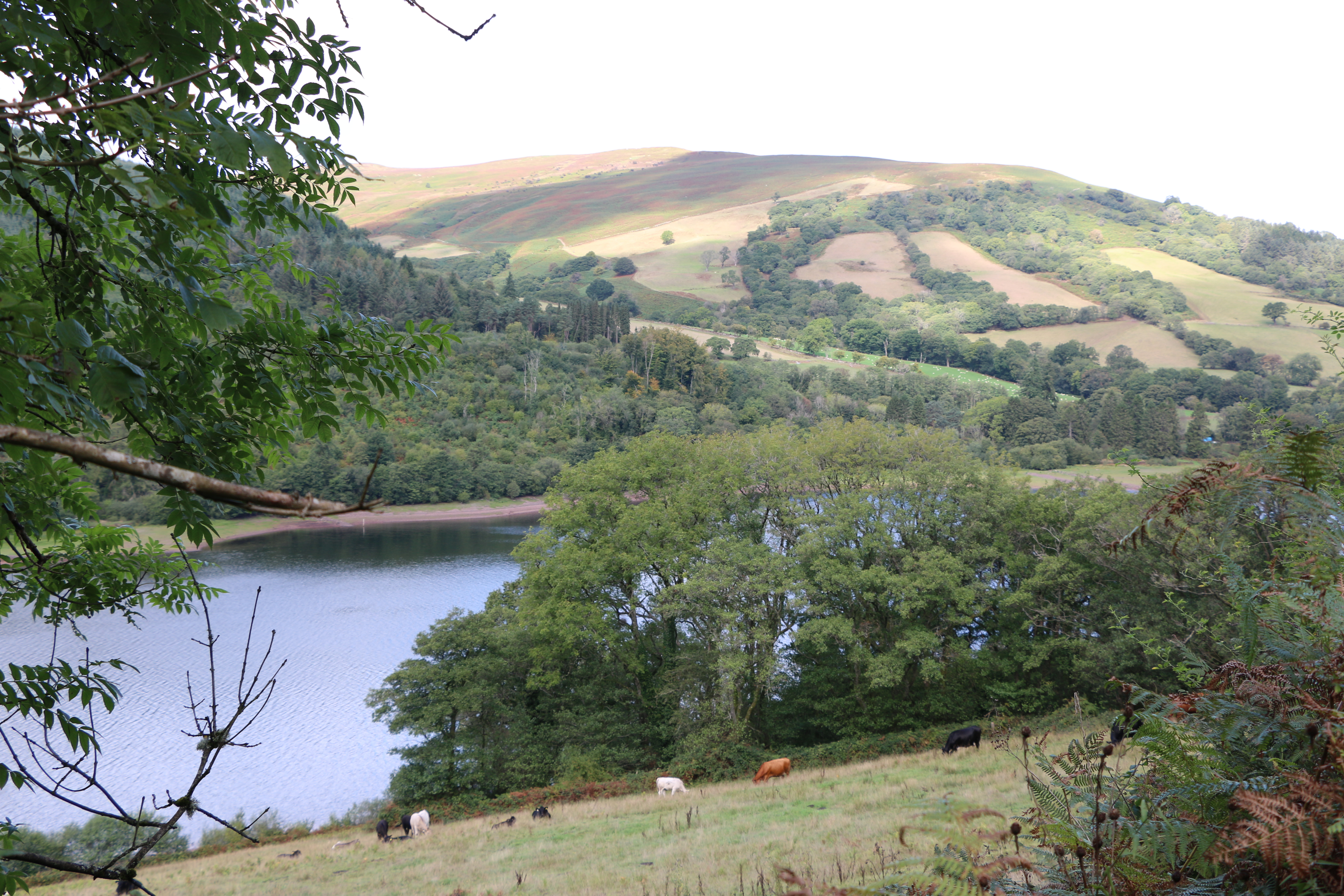
He was right.
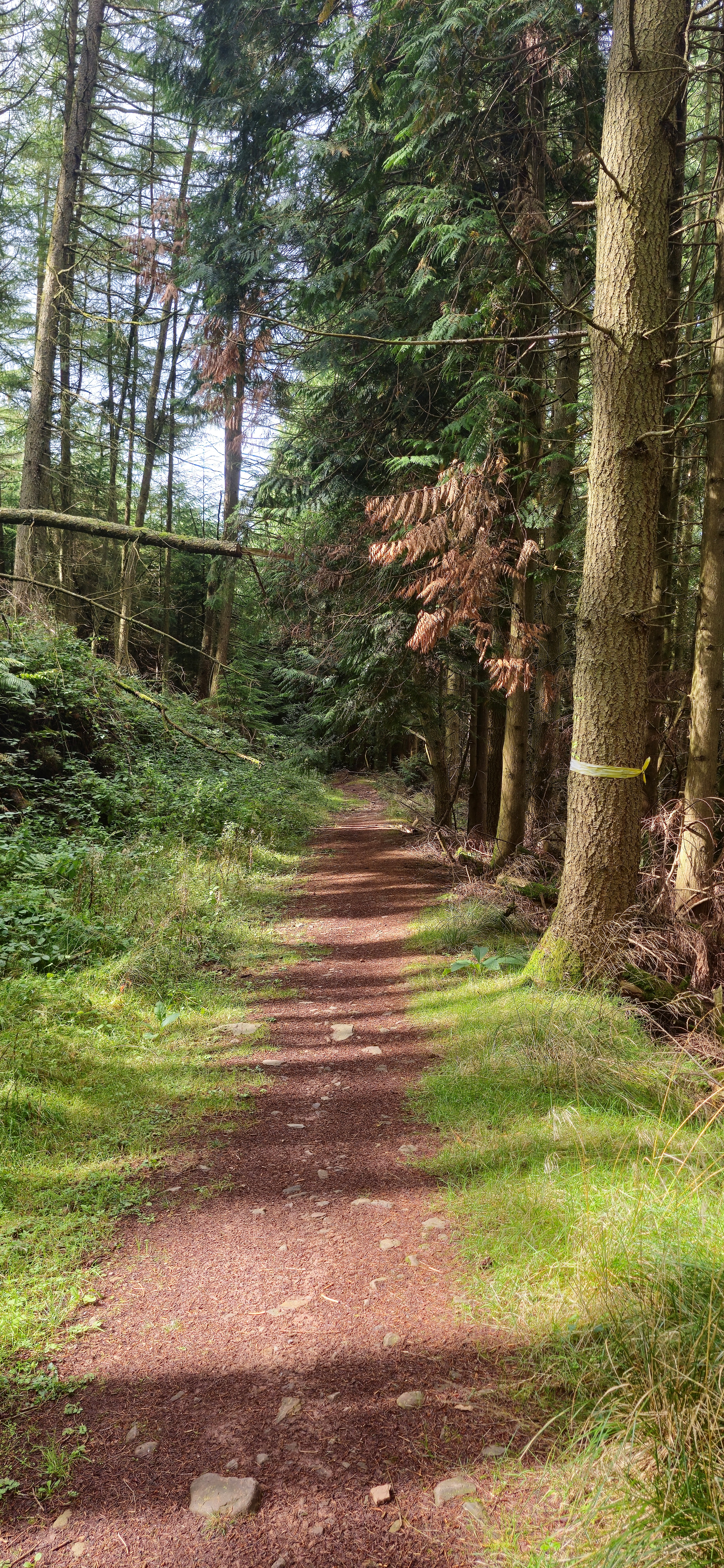
Of course, as usual, we had to stray from our planned route.
‘Let’s try this way,’ suggested The Photographer, studying the narrow path with a canopy of trees.
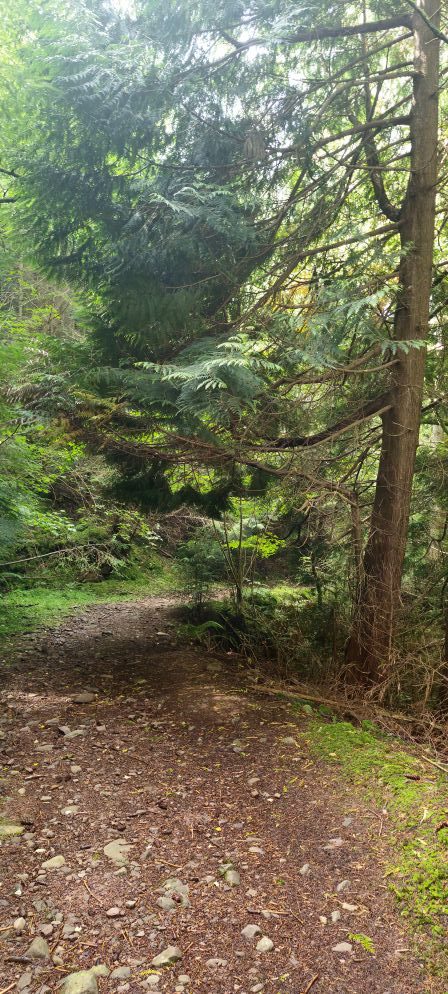
But then ….’Rocks,’ I said, ‘there are a lot of rocks on the path further down.’
‘It’ll be fine,’ he said, determindly marching off.
It was, for the first hundred metres or so. Then it became rockier – and steeper – and darker – as the trees cover grew closer on either side – and the path much narrower.
We didn’t talk much over the next half an hour on that downward trail. Until we reached…
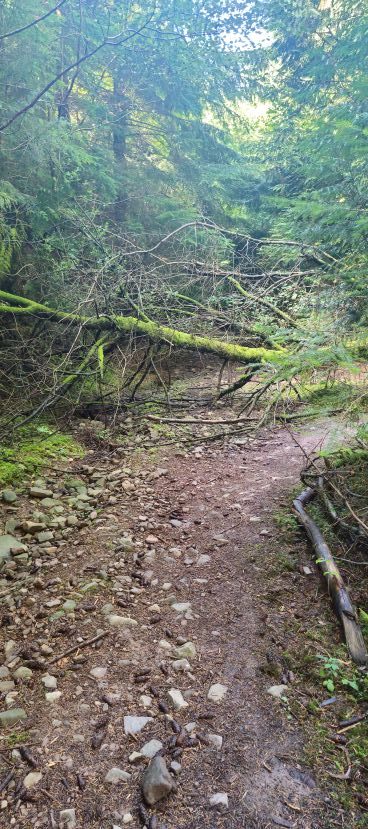
‘I can’t climb over that.’ ( for anyone who watches Emmerdale, I felt like that woman in the comedic short clips advertising Specsavers before the programme, who shouts at her husband, ” Barry! I’ll never get over this!” as she attempts to climb over a fence.)
The height and length of the tree was impressive. But I’m not a pole vaulter.
‘Go round?’ the Photograher suggested.
Which is what, by grabbing branches and clinging onto nearby trees – and with much grumbling from me – we eventually managed to do. But during this lengthy escapade, when I realised we could do ourselves some serious damage, I did shout at remark to The Photographer that maybe we should, in the future let someone know where we’re going on these hikes walks , or have a tracker on one of our phones.
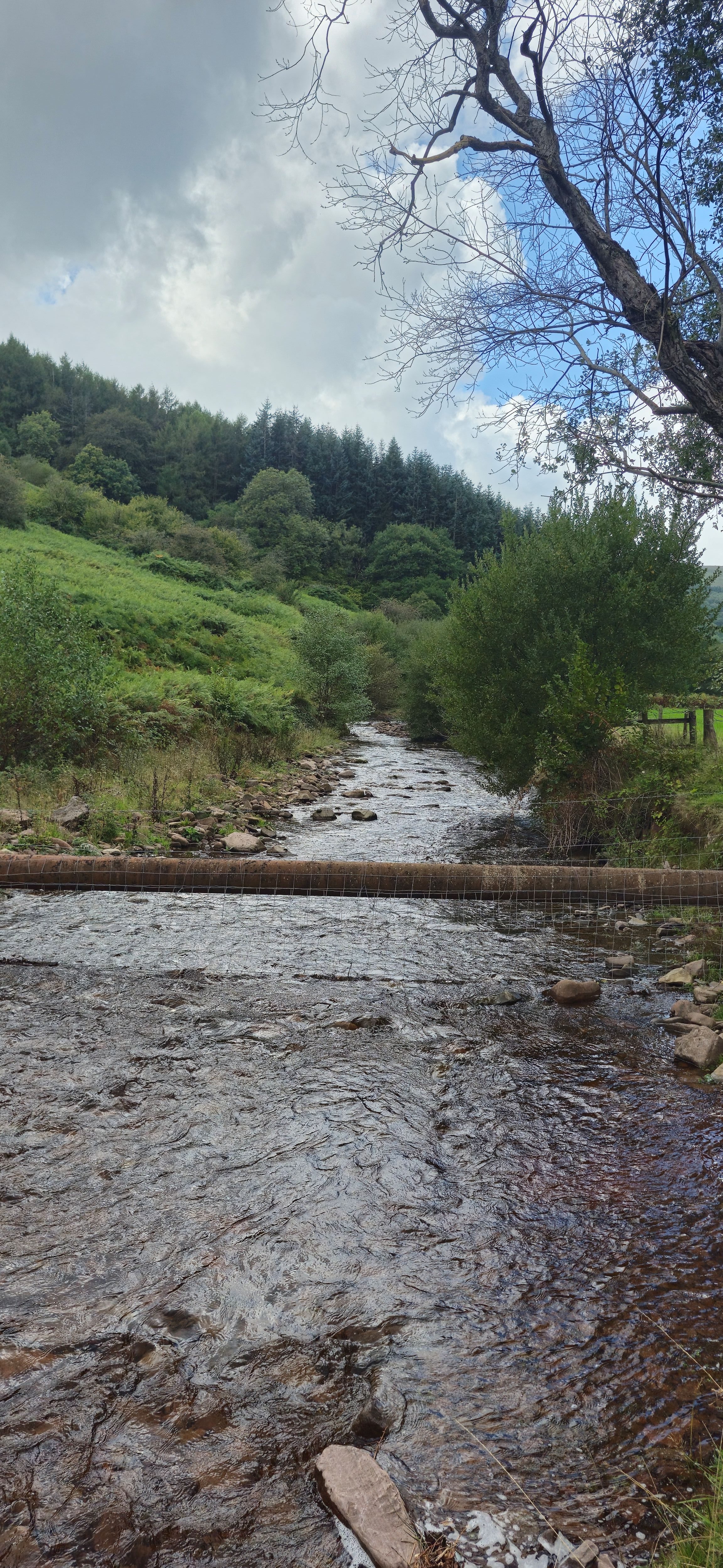
But, before too long, much to my relief, we emerged out of that tunnel of trees and rocks to a bridge that spans the River Caerfanell (Afon Caerfanell) which, along with smaller watercourses like the Cynafon and Tarthwynni, flows into the Talybont Reservoir.
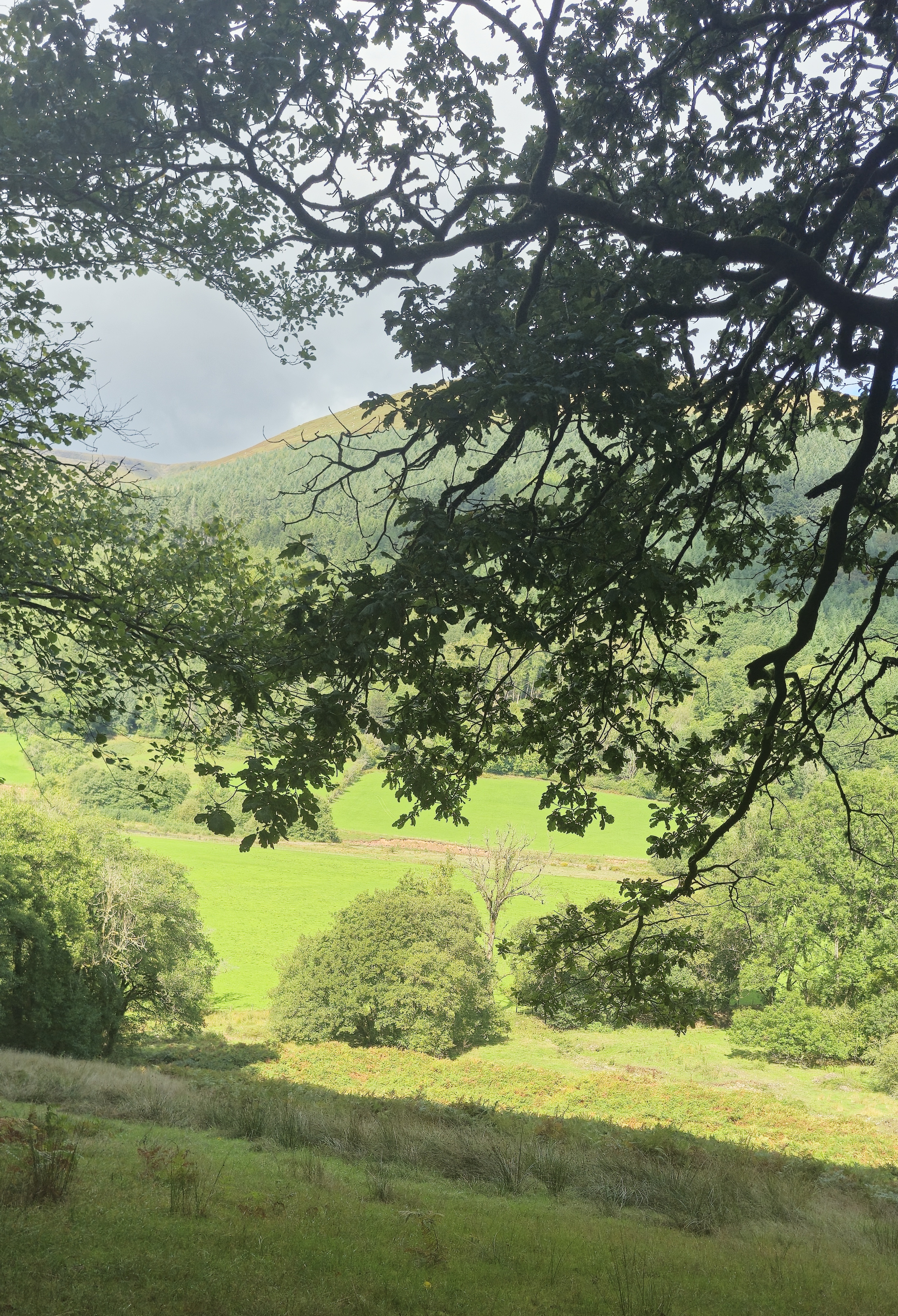
Crossing a field and through a gate we came out onto the road running along the western side of the reservoir, and plodded our way back to the car.
History of Talybont-on-Usk Reservoir
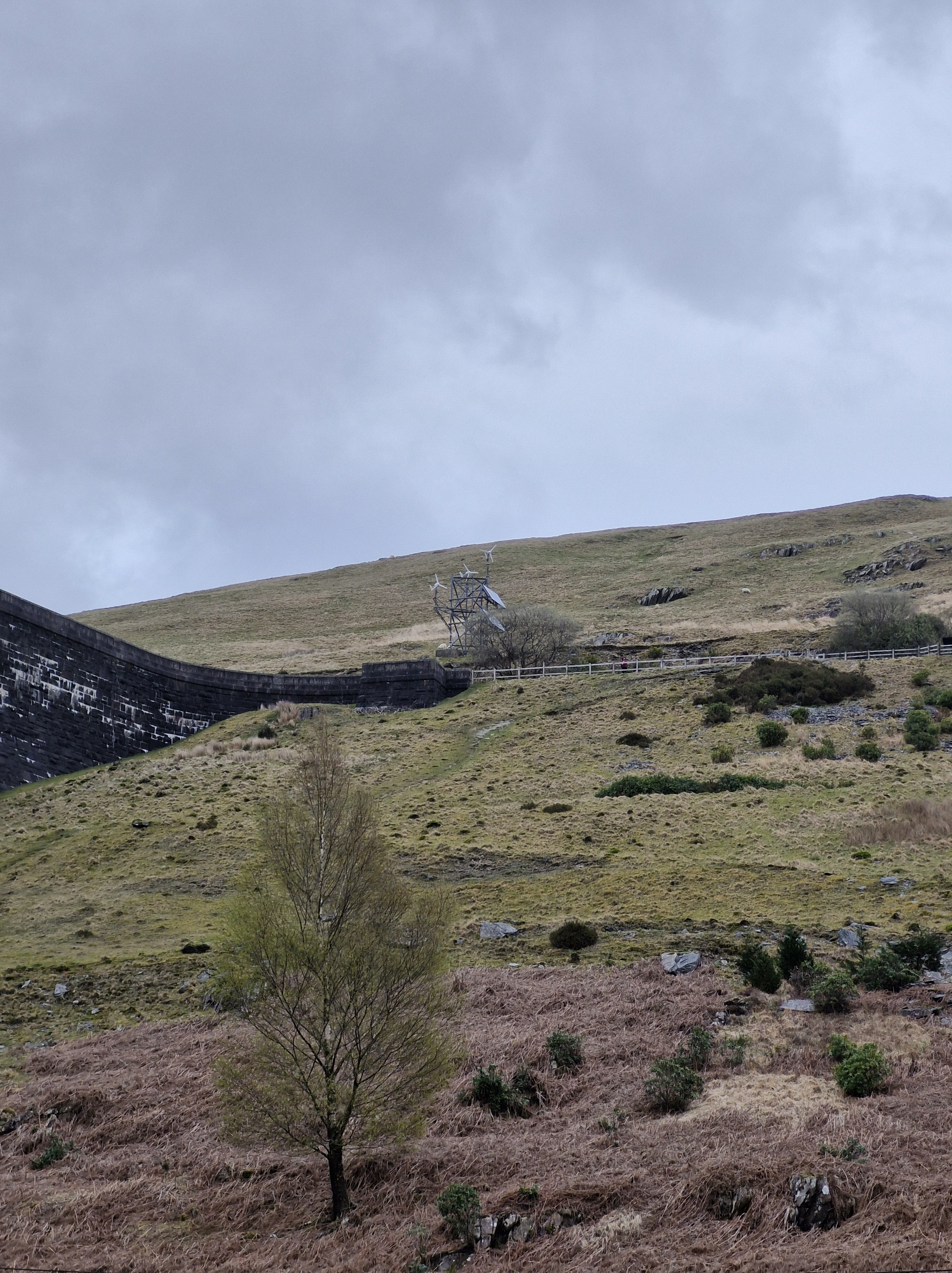
In the early twentieth century, industry was expanding in Newport, Wales. In turn, this created and increased demand for drinking water. A narrow valley south of Talybont was identified as an ideal site. The high rainfall in the area, which drained east off the Brecon Beacons, promised a good supply of water that could be extracted directly from the river Caerfanell, without the need to build a dam. So, in the early nineteen- twenties, work began on a large water treatment works and an intake weir to extract water directly from the river.
But following the completion of the scheme in 1926, it took only two years for Newport Corporation to discover that, in dry conditions, parts of the river soaked into the gravel at the valley bottom and disappeared. It was decided that a dam was needed after all.
So, in 1931, a new scheme began with the construction of a dam around a quarter of a mile down stream, where the depth of water was suffient and the underlying rock could be sealed with puddled clay (a process that involves kneading and compacting clay, mixed with water, to form an impermeable layer.). An earth embankment of rocks and a core of puddled clay was then built. And by early 1939 treated water started to flow the thirty-nine miles to Newport along a dual pipeline.
As often happens with the constructions of these large dams which contain such an expanse of water, and takes up so much space in any area, Newport Corporation required total control of the entire catchment area. Thus families lost their homes and their livelihoods. In total seventeen houses and farms were commandeered as a direct result of both schemes causing considerable rural depopulation.
I often use the quiet times on our walks to think about the book I’m writing at the moment. And, when we stop for The Photographer to go off on one of his short photography excursions, I sit and write. I’m a slow writer, but in those times outdoors, it seems that the words come more quickly. I’m not sure if it’s the intensity of the moment – knowing it will only be a few minutes before he returns, or it’s the peace. Whatever it is I’m grateful that the story is moving on.
At the moment I’m writing another domestic thriller. I’m hoping it will available in 2027. But, as I watch the characters evolve and take their part in the story (and sometimes rebel against the journey I’m trying to give them!), I’m just enjoying seeing the words take the plot along.

Author of Domestic Thrillers, Domestic Noir, Contemporary Fiction & Historical Family Sagas.
Link:
https://www.amazon.co.uk/Judith-Barrow/e/B0043RZJV6
My latest book, published in November 2024 is The Stranger

Review for The Stranger:
5.0 out of 5 stars Storytelling in a class of its own… stunning.
“One of the author’s many strengths is in capturing the clear and authentic voice of a confused child – Mandy’s voice, in The Stranger, still haunts me, torn between her own grief, her sense of right and wrong, and her love for her family. And once more, in her latest book she wonderfully portrays the suffering of eight-year-old twins Chloe and Charlie – already grieving the loss of their mother, their lives torn apart by their father’s marriage to her former nurse, an evil manipulator of the highest order…“