Thank you so much to Random Things Tours for allowing me to be part of the book tour!
Synopsis: A terrible accident followed by a terrible lie tears two sisters apart. Many taking the blame for it all, because Angie believes she is too young to get into trouble. But she is very wrong and as a result, Mandy feels she is no longer wanted and goes to build a new life and identity at her aunt’s. Mandy starts new as Lisa, slowly she begins to get her life back on track, refusing to have anything to do with her sister again. But 13 years later, they meet again at their mother’s funeral and Lisa sees something is very wrong with her sister. Angie is terrified of her husband and her…
“Then hate me when thou wilt; if ever, now”—William Shakespeare, Sonnet 90. With so many grateful to @barbtaub
, who understands what I tried to achieve.with Sisters. x
Family. We’re hard-wired to need them, to forgive them their trespasses, to love them. But what happens if we don’t like them? If they disappoint us? Or if they just don’t want to be in our lives? We watch it play out between royal brothers on a world stage, and more intimately in our own families.
Recent studies show that over one in four adults will experience family estrangement. It’s often compared to the grieving process following a death—denial, anger, bargaining, depression, and finally acceptance. The difference is that estrangement doesn’t produce the outpouring of support that follows an actual death. Instead, there are feelings of shame layered over loss, grief, and anger. There are questions about identity: are you still a sibling/child/parent if your child or your parent or sibling is removed from your life? With changes in economic dependency, families aren’t needed as…
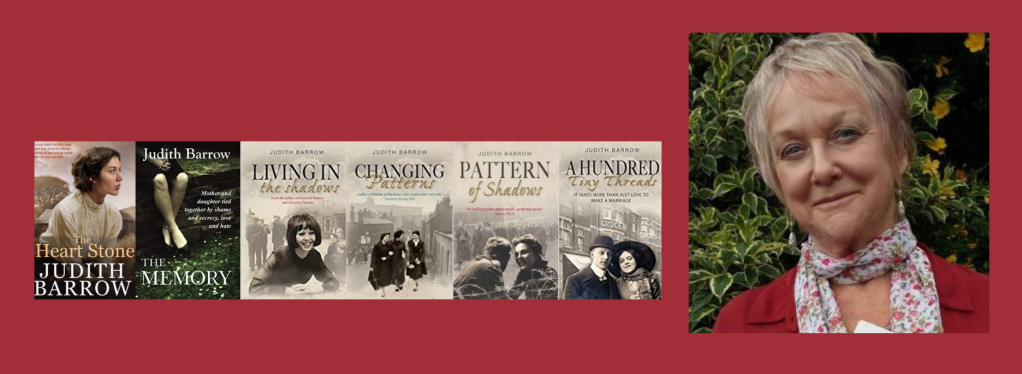
Judith Barrow is a mistress of dissecting the triumphs and misfortunes of families confronted with crime, disgrace and tragedy. In Sisters, her latest novel, she is at her brilliant best.
The Marsden family of Micklethwaite are doing okay; Eric and Eve, their two teenage daughters Angie and Mandy, and the baby Robert. There are the usual stresses and strains, the usual sibling rivalry, but nothing out of the ordinary. Then tragedy strikes, enough to damage any family, but when it’s exacerbated by lies and guilt, it seems the damage is fatal.
Resentful and hurting, Mandy goes to live with her aunt and uncle, Barb and Chris, in faraway Ponthallen (Wales is often shown as a place of refuge in Judith Barrow’s books). Mandy has a new life, new friends, even a new name, Lisa, anything to start afresh, but she can’t forget or forgive her sister. It’s no easier…
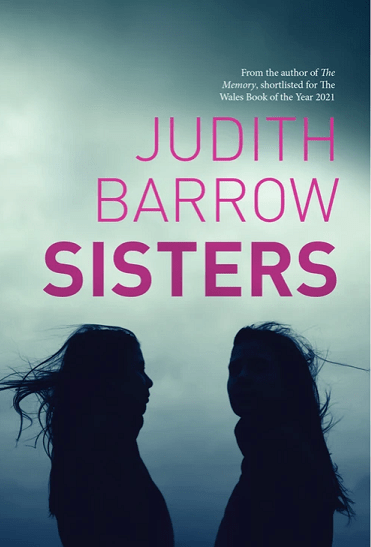
Delighted to share my review for the upcoming family saga, Sistersby Judith Barrow, available on pre-order for January 26th.
About the book
A moving study of the deep feelings – jealousy, love, anger, and revenge – that can break a family apart. … Sisters is another absorbing, emotional and thought-provoking creation from the wonderful Judith Barrow. Janet Laugharne
Two sisters torn apart by a terrible lie.In shock after an unbearable accident. Angie lets her sister Mandy take the blame, thinking she’s too young to get into trouble. But she’s wrong.
Mandy is hounded, bullied and finally sent to live with their aunt, where she changes her name to Lisa and builds a new life, never wanting to see her sister again. Angie’s guilt sends her spiralling into danger. Thirteen years later, they meet again at their mother’s funeral. Lisa starts to suspect something is wrong. Angie seems…
‘Let’s go to Lake Vyrnwy,’ Husband said. ‘Take some photos.‘
“Take some photos”, is a phrase that has been used many time down the years of our marriage. Sometimes it makes my heart sink; it often means I carry on walking along a chosen trail, before realising I’ve left Husband behind, oblivious, and capturing, “just the right shot” and have to retrace my steps. I have complained that this means I have walked miles more than him, but he, (“quite reasonably,” he says) means I’m burning more calories off. I ignore the implication of this… normally… but make sure I eat his chocolate bar as well as my own, when we stop for lunch.
Anyway… Lake Vyrnwy...
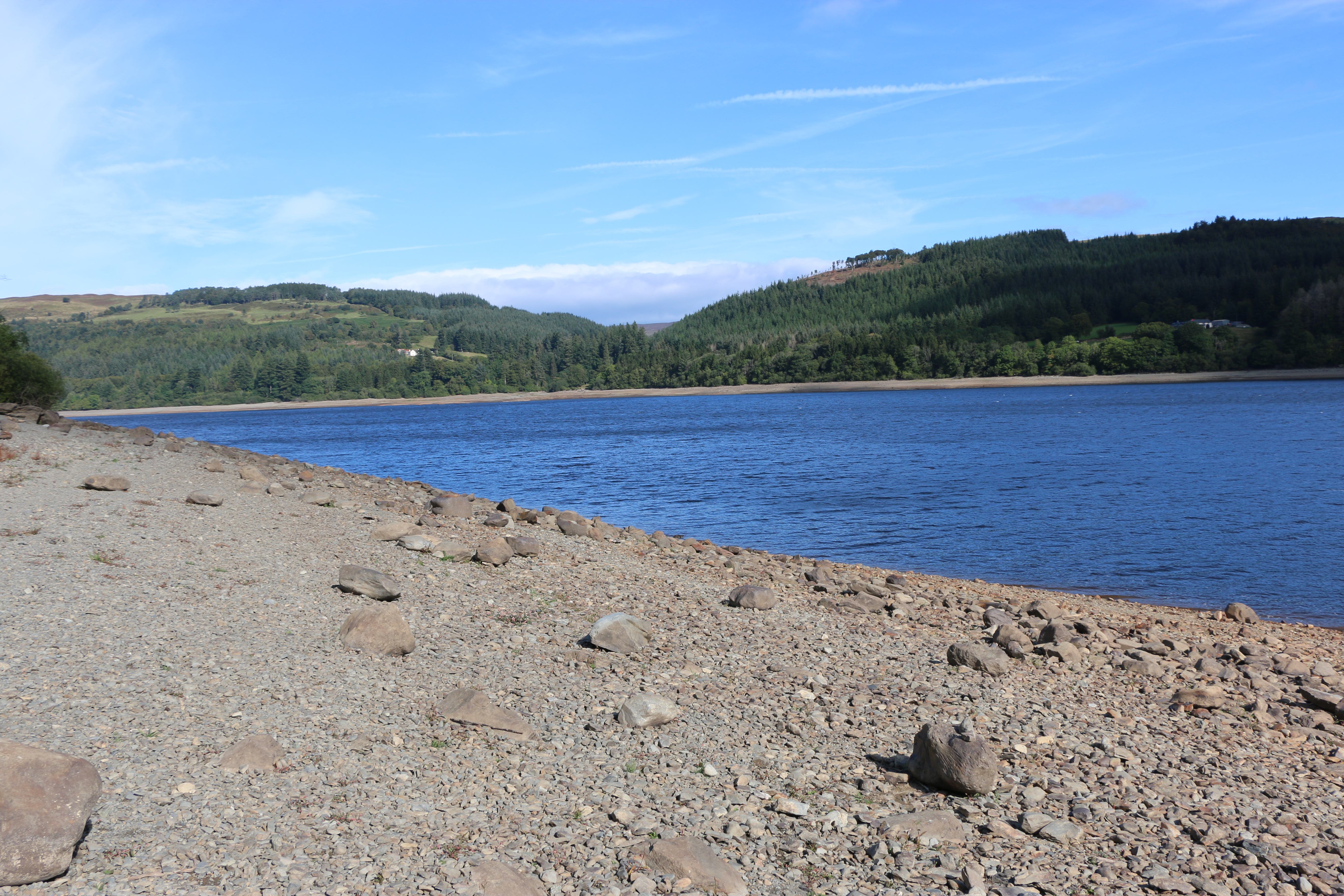
Just on the edge of The Snowdonia National Park and south of Lake Bala, Lake Vyrnwy is set amidst the remote and beautiful Berwyn Mountains. With spectacular waterfalls, and unspoilt open countryside. Except that, although the scenery is, as always, fantastic, the waterfalls are sadly depleted. As is the reservoir. However, since these photos were taken in August, and we’ve had such downpours, with fingers crossed, an inch or two may have been added to the water level. One can but hope!
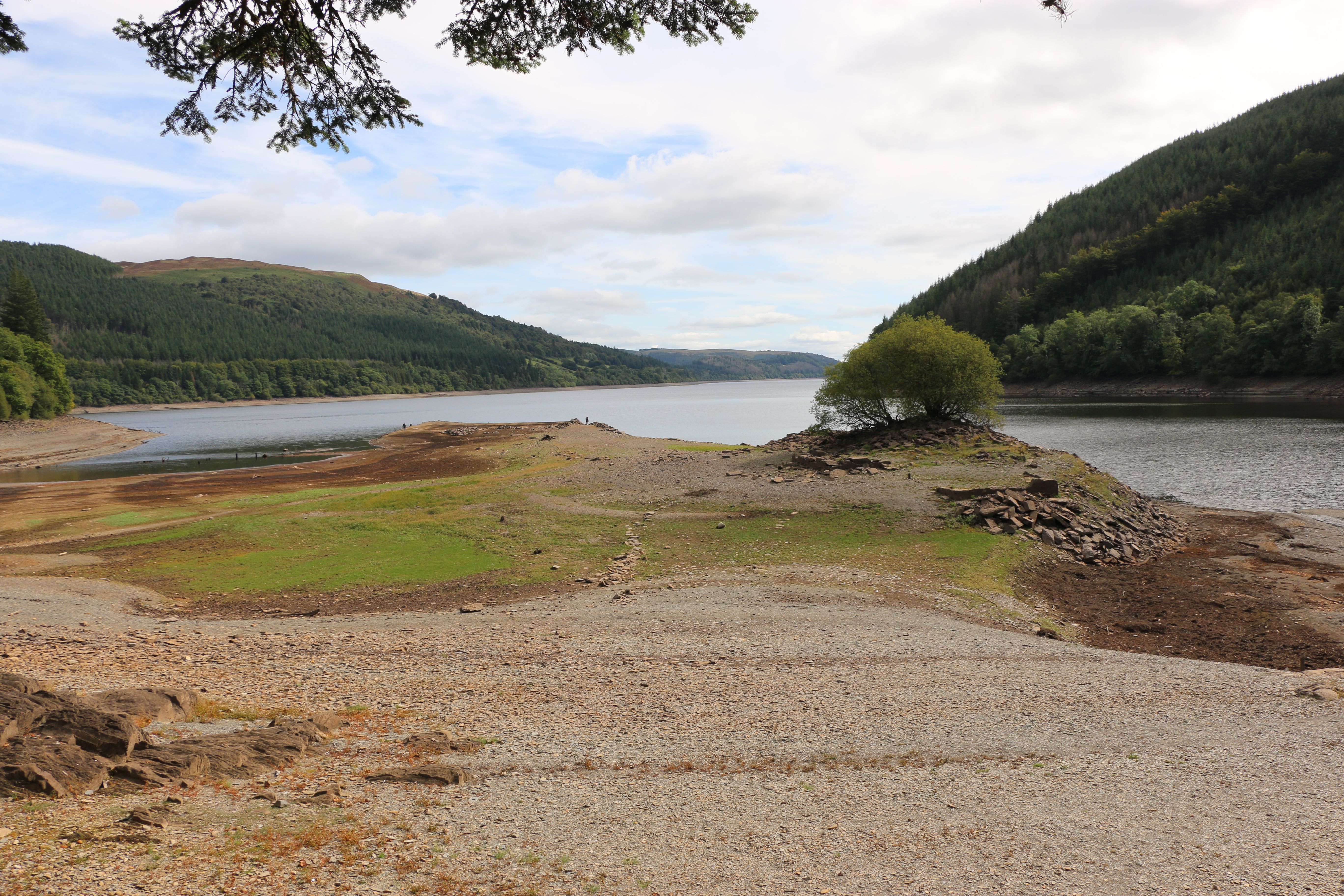
We parked in a designated area that was supposed to be on the edge of the lake. It wasn’t; the water was so low we could have walked quite a few metres on shingle that should… would … in ‘normal times’ be submerged. It reminded us that, underneath, was a village, lost many years ago.
Llanwddyn was a village on the hillside next to the Cedig river. There were thirty-seven houses, three chapels and a Church of St John, and, in the surrounding countryside, ten farmsteads. Farming was the main occupation of the people in the valley, they ate simple food, such as mutton broth, porridge, gruel, and milk and burned peat from the moors in their fireplaces.
But, with expanding industries in the the Midlands and the north-west of England, and the prospect of higher wages, many people left. To make matters worse for those still trying to make a living from the land, in 1873 the local vicar,Reverend Thomas H. Evans published a report that the area was useless for agriculture, because it was waterlogged for much of the winter.
Seeing this, made us realise how many streams must has poured down the hills. Imaging the rush of water, I suppose it’s easy to understand the Reverend’s statement. Yet it has left me wondering why he wrote the report. Was he paid? Were the villagers aware of what he’d done? If they did find out, what was the reaction? I haven’t been able to discover that. The writer in me is itching to research that time. It did coincide with a time when the authorities of Liverpool were exploring the country for sites to build a new reservoir to cope with the growing population on both sides of the Mersey. So who’s to say!
Various sites were under consideration in northern England and Wales, but in most cases there were snags By 1877 a group of engineers arrived in Llanwddyn. Their visit was to look into the possibility of damming the river Vyrnwy. A survey revealed a large area of solid rock, just where the valley narrowed, two miles south of the village, which could act as a base for creating a large, artificial lake that had the potential for holding many millions of gallons of water.
It brings a feeling of awe, of sadness, almost, to be walking on land that is normally submerged under water, on land where a village once stood, where people once lived.
Driving further around the lake we pass a sign at the side of the road – “Track to impressive hillside view. Not to be missed”. Well, if ever there was a challenge to a photographer, that was it. Husband got out of the car and disappeared for a few minutes, soon to return. ‘It doesn’t look too bad. Come on.’
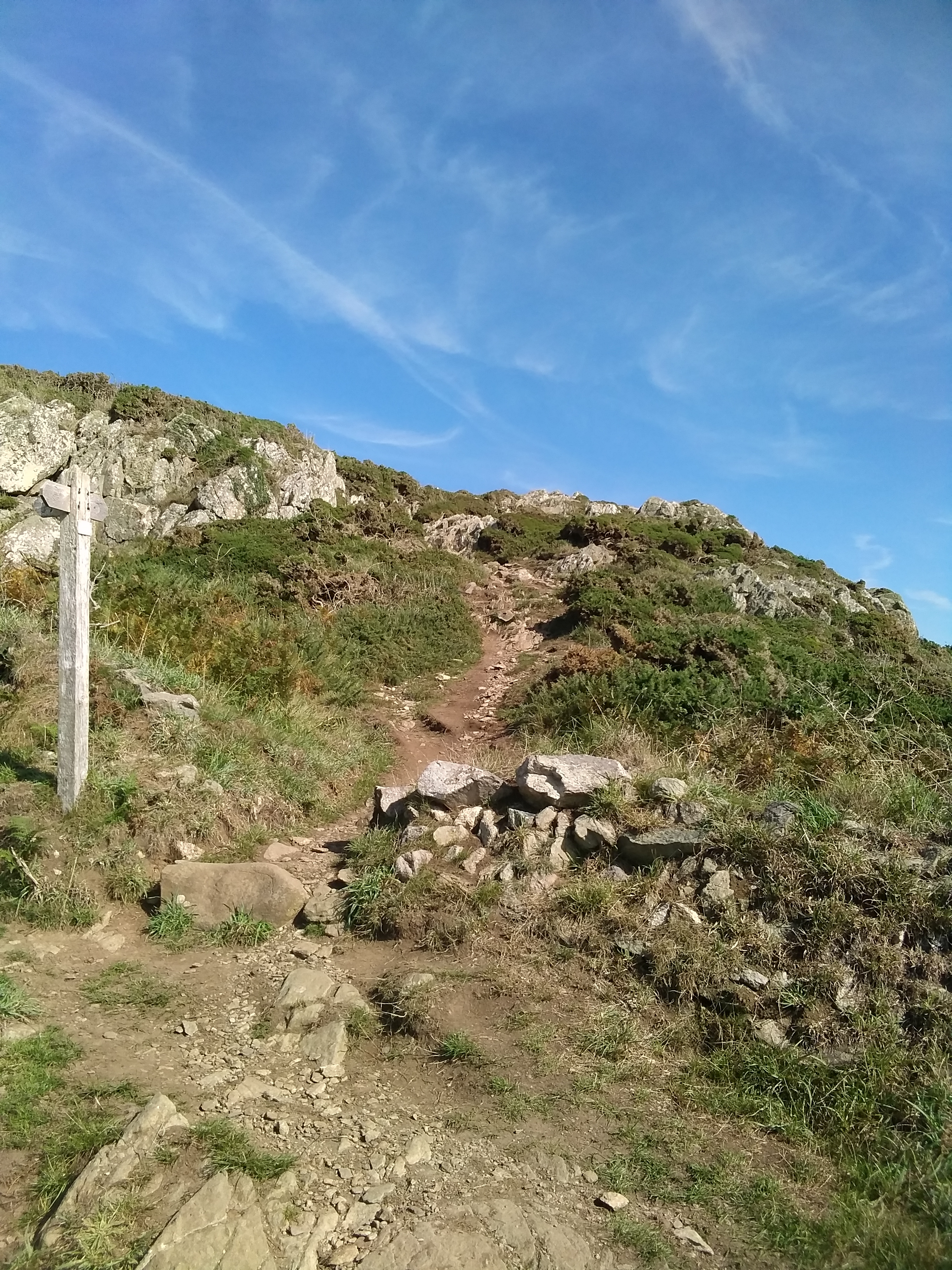
And indeed the first few steps were not too bad. And then we turned a corner… to be faced by an almost vertical path, a rocky vertical path. I stopped; why do I always let myself be fooled?
‘Come on, it’s not far!’ He said that numerous times for the next ten minutes. Hauling me from bend to bend. ” Think of the view!”
I couldn’t think of anything, except how to get my next breath.
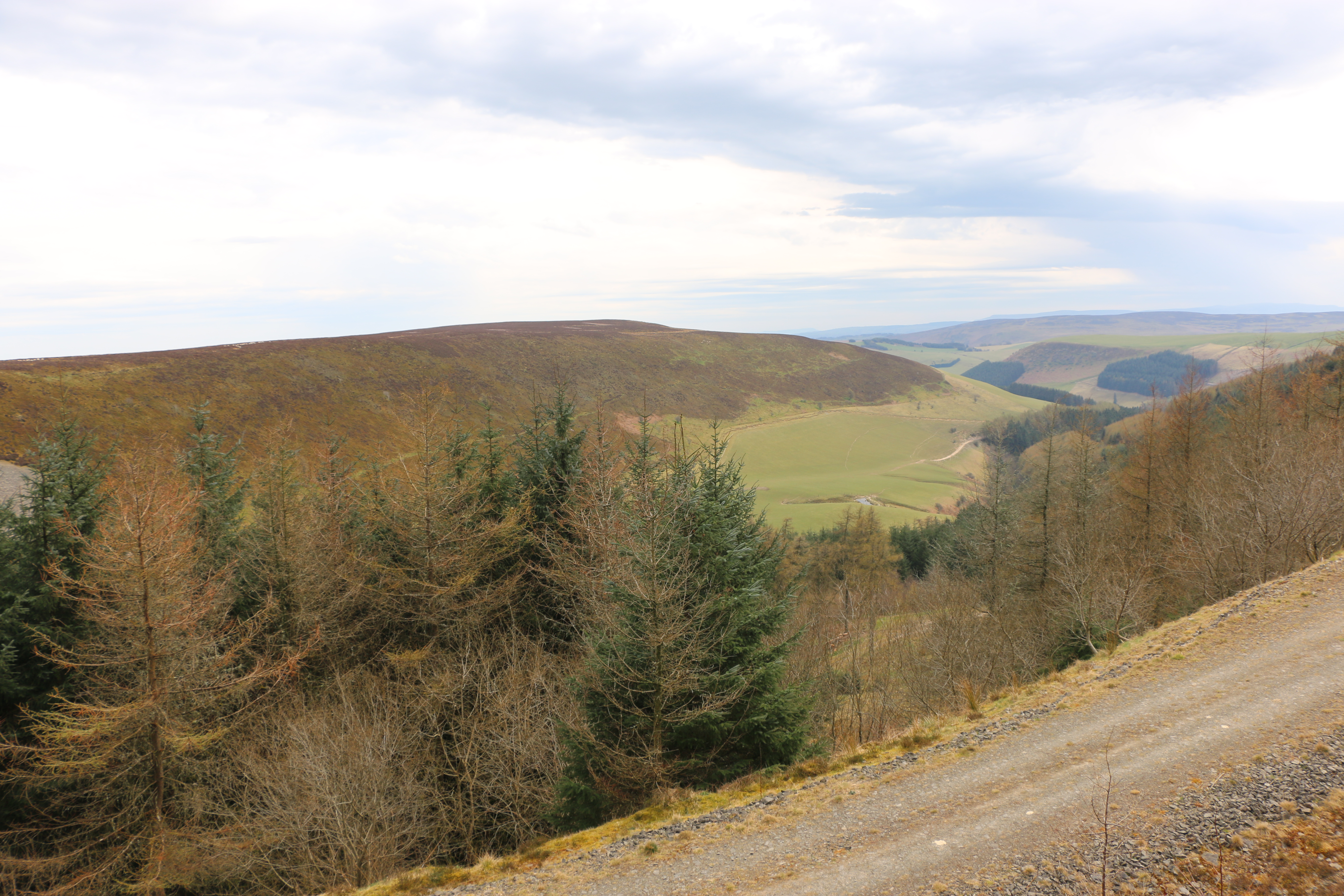
But I had to admit, the view was worth it. The coniferous forests planted around the lake by the Forestry Commission are impressive.
On the way back, Husband found two stout branches to use as walking sticks, to scrabble down between mossy rocks and sliding muddy stones. It was either that or an undignified descent on my backside.
In 1880 the Liverpool Corporation Waterworks Act was passed by Parliament, and received the Royal Assent. Preparations were at once put in hand to gather the work-force and equipment necessary for the construction of what was to become the first large masonry dam in Britain and the largest artificial reservoir in Europe at the time. Work on the site began in July 1881.
The stone for the masonry was obtained from the quarry specially opened. All other materials were brought by horse and cart from the railway station at Llanfyllin, ten miles away. Stabling for up to 100 horses was built in Llanfyllin. The labour force topped 1,000 men at the busiest stage of the work on the dam. Many of them were stone masons working in the quarry, dressing the stone which was not easy to handle.
In a very short time the dam was completed. The village of Llanwddyn, and all buildings in the valley that were designated to be covered by the water, were demolished.
St Wddyn’s church was built on the hill on the north side to replace the parish destroyed by the flooding of Vyrnwy valley. Many of the graves were relocated from the graveyard of the old church to St Wddyn’s before it was flooded. It was was consecrated on the 27 November 1888, the day before the valves were closed. It took a year before the water reached and spilled over the lip of the dam.
On a previous walk, some years before, we witnessed a wedding procession coming from the church, led by a chimney sweep in all his glory. Apparently it’s considered lucky to see a chimney sweep on your wedding day, the belief being they bring good luck, wealth, and happiness. The bride and groom did look joyous. I would have loved to have tagged onto the procession, but, that day, we were looking for “a good view of the water”, further along the road.
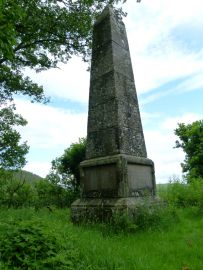
On the same hill as the church a monument was erected in memory of ten men who died in accidents on the site during the building of the dam and another thirty-four who died from other causes at the time.
Stone houses, matching the stone of the dam, were built on either side of the valley for the people whose homes had disappeared under the lake. I suppose there must have been a lot of opposition to flooding the valley to provide Liverpool with water at the time, and since, but records have apparently shown that it brought prosperity and stability to the area.
Our final excursion on our walk was to the waterfalls.
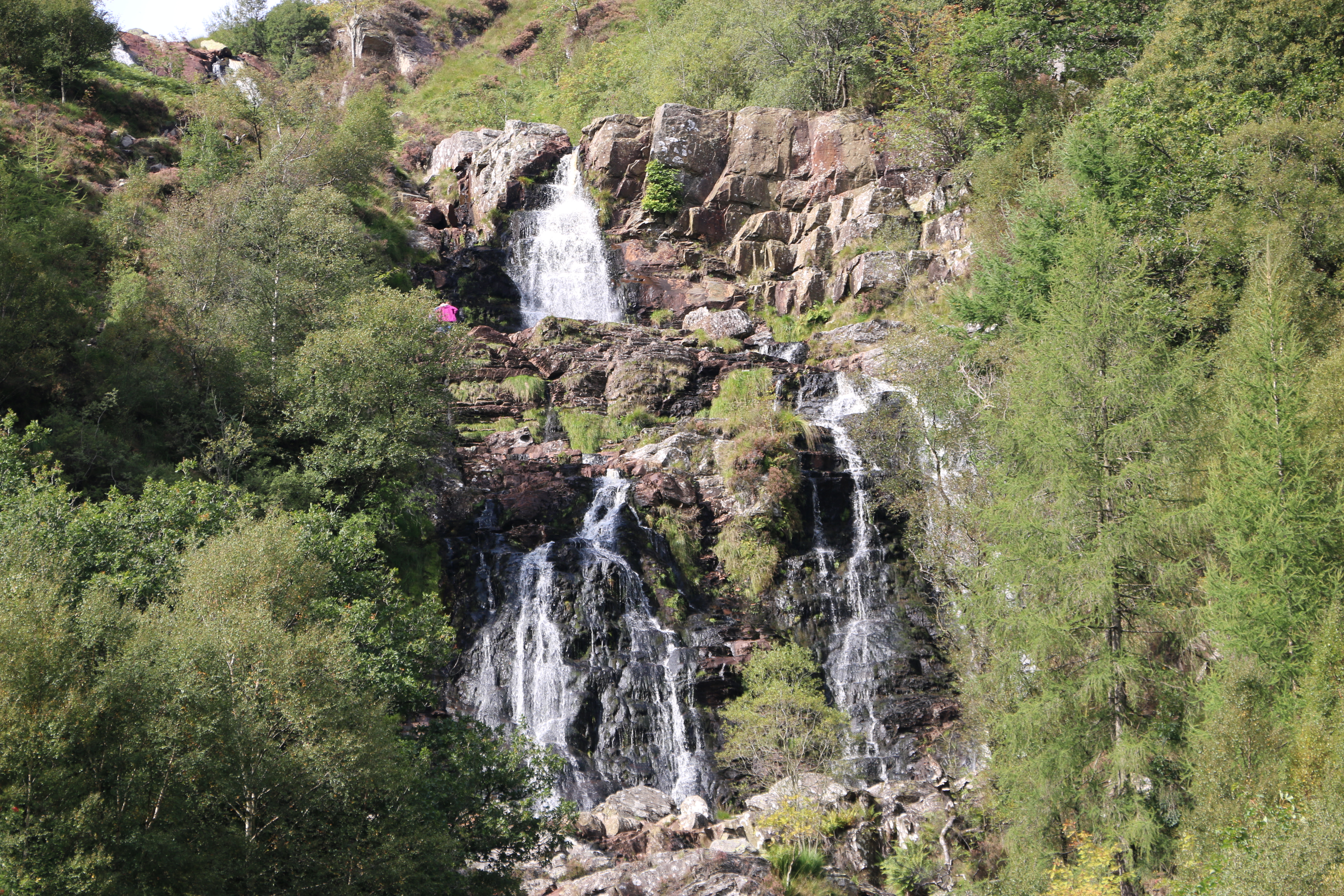
One of the highest is the Rhiwargor waterfall at the northern end of Lake Vyrnwy. From the car park I was relieved to see the relatively flat path along the valley of the river Eiddew. There was a trail leading up and up along the side of the falls. Despite much attempted persuasions, I declined, and opted for a coffee and a picnic at a nearby picnic table. And I ate his chocolate bar! Well, after that impromptu climb earlier, I thought I deserved it.Who said I hold grudges?!!
N.B.The Lake Vyrnwy Nature Reserve and Estate that surrounds the lake is jointly managed by the Royal Society for the Protection of Birds (RSPB) and the Hafren Dyfrdwy (Severn Dee). The reserve is designated as a national nature reserve, a Site of Special Scientific Interest, a Special Protection Area, and a Special Area of Conservation.
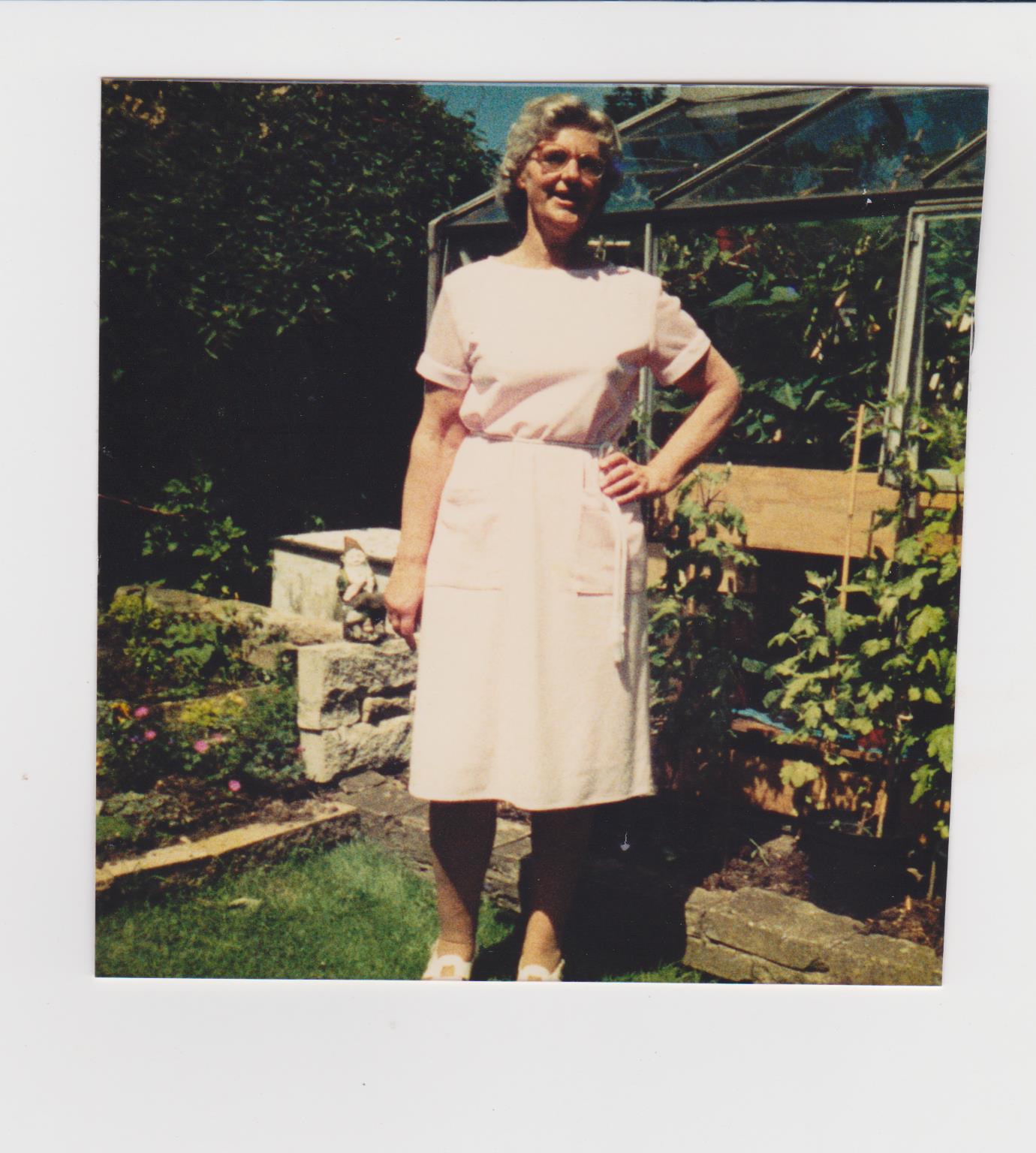
It’s four years since Mum died. My sister arranged the funeral for eleven o’clock today. This is a post I wrote shortly afterwards. The relationship between Mum and me, and the one between her and my sister, proved so very different. There’s nothing wrong in that, but at no time was it more obvious than on that day…
I wrote…
I haven’t been online much over the last few months; my mother had been on end of life care for over a year and she passed away peacefully three weeks ago. It’s been adifficult time, both for her and for all the family. There have been many occasions when I’ve wished her at peace. Now she is.
I didn’t intend to write anything publicly about this.But something happened after she died that made me think and to remember a piece I wrote some years ago on motherhood…
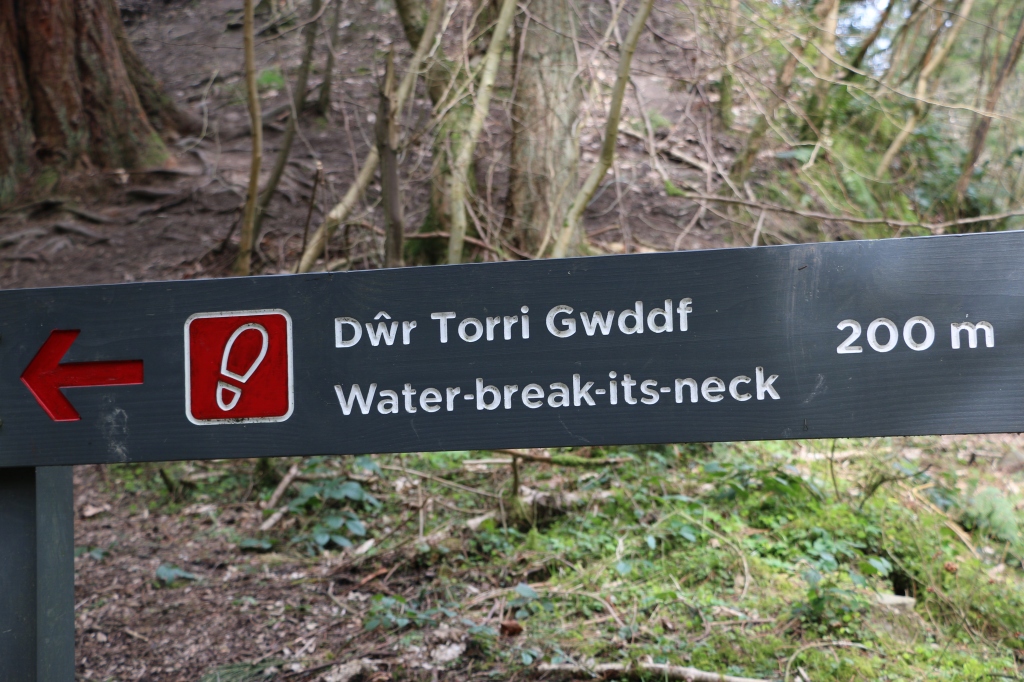
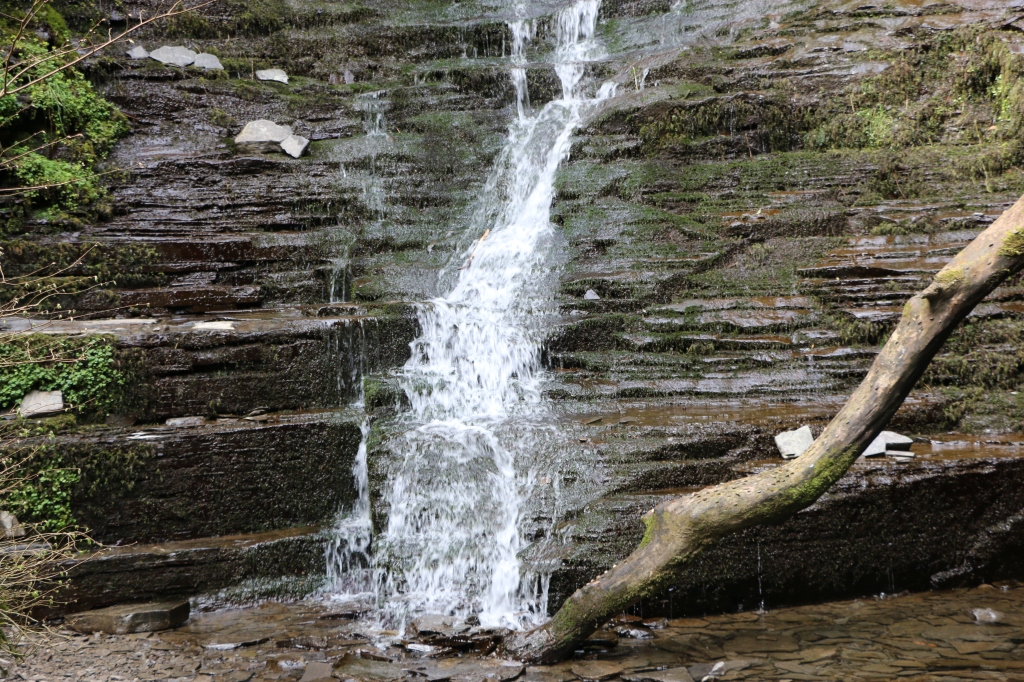
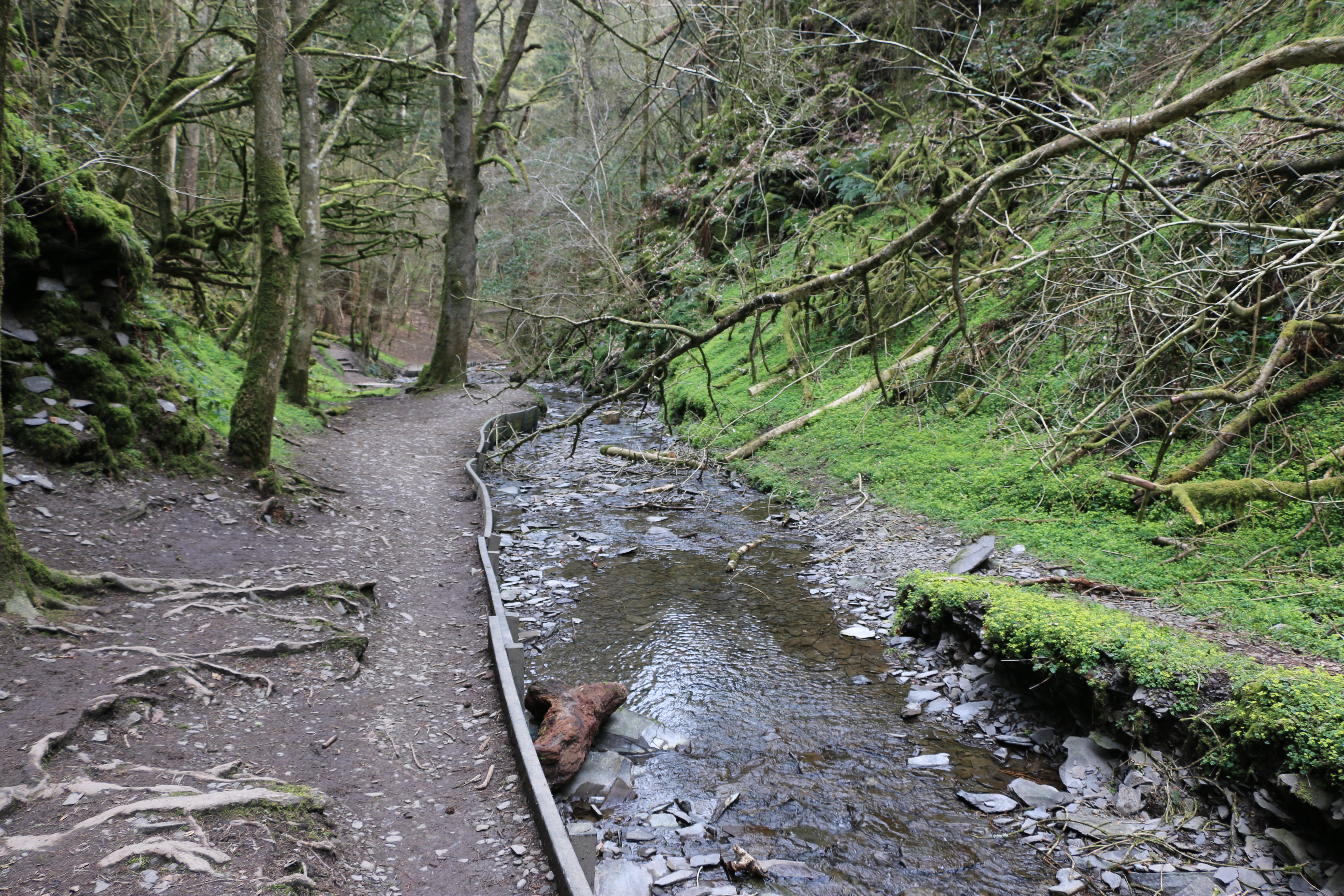
The sunny day disappeared as we walked through the short steep-sided gorge – following in the footsteps of Victorian touristto the Water-Break-its-Neck waterfall, around a mile from the village of New Radnor ( Maesyfed – the Welsh name), in the county of Powys,Wales.
It was a spectacular sight.Yet, beyond the sound of the water it was strangely silent.
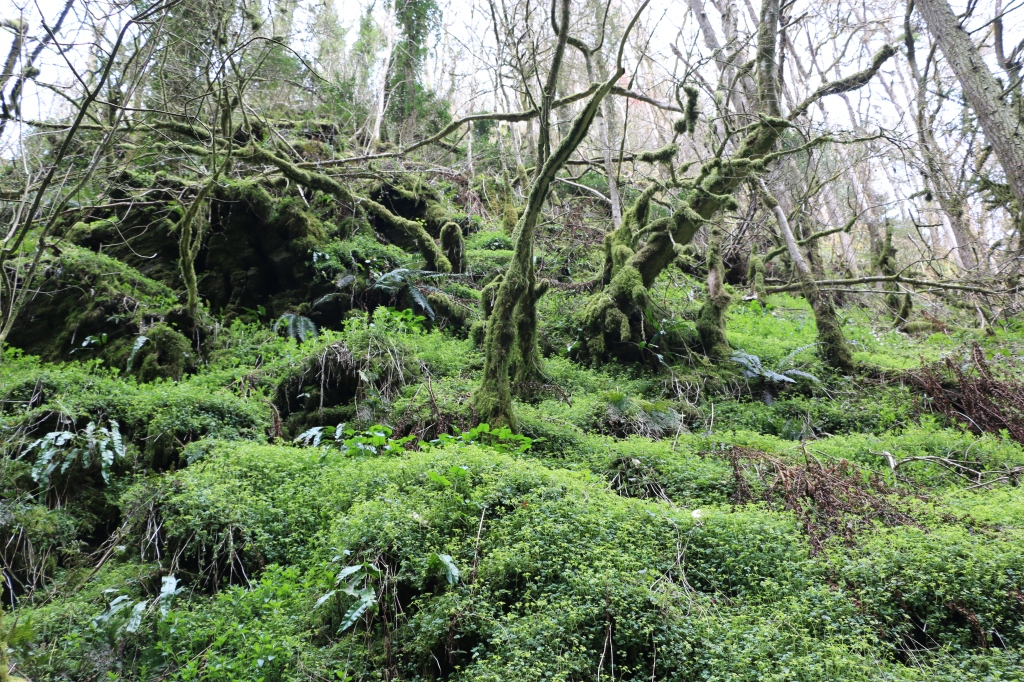
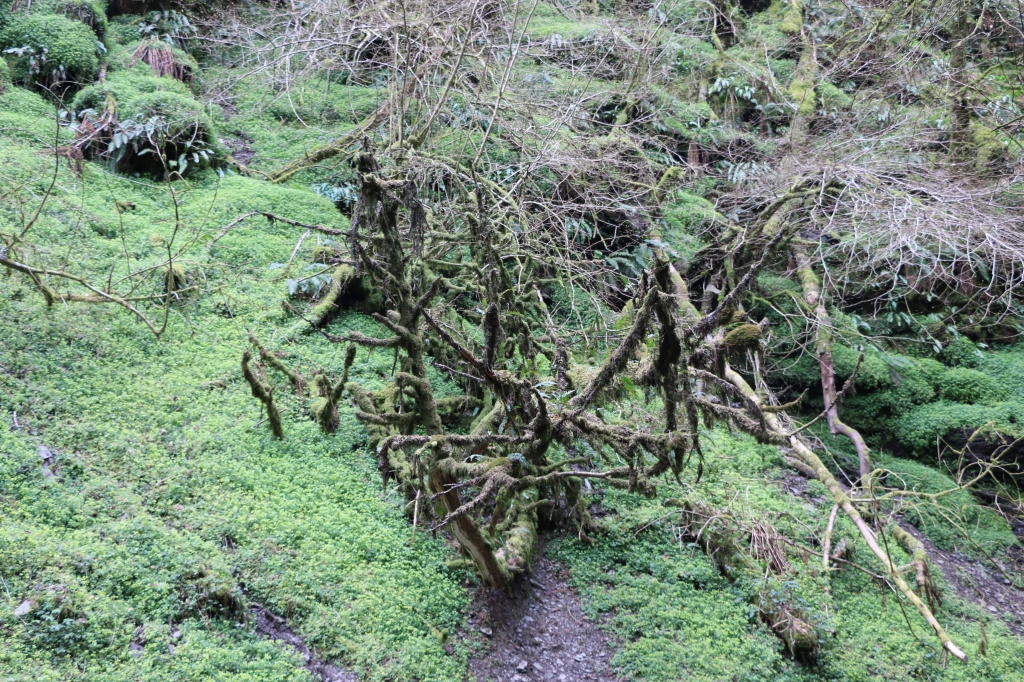
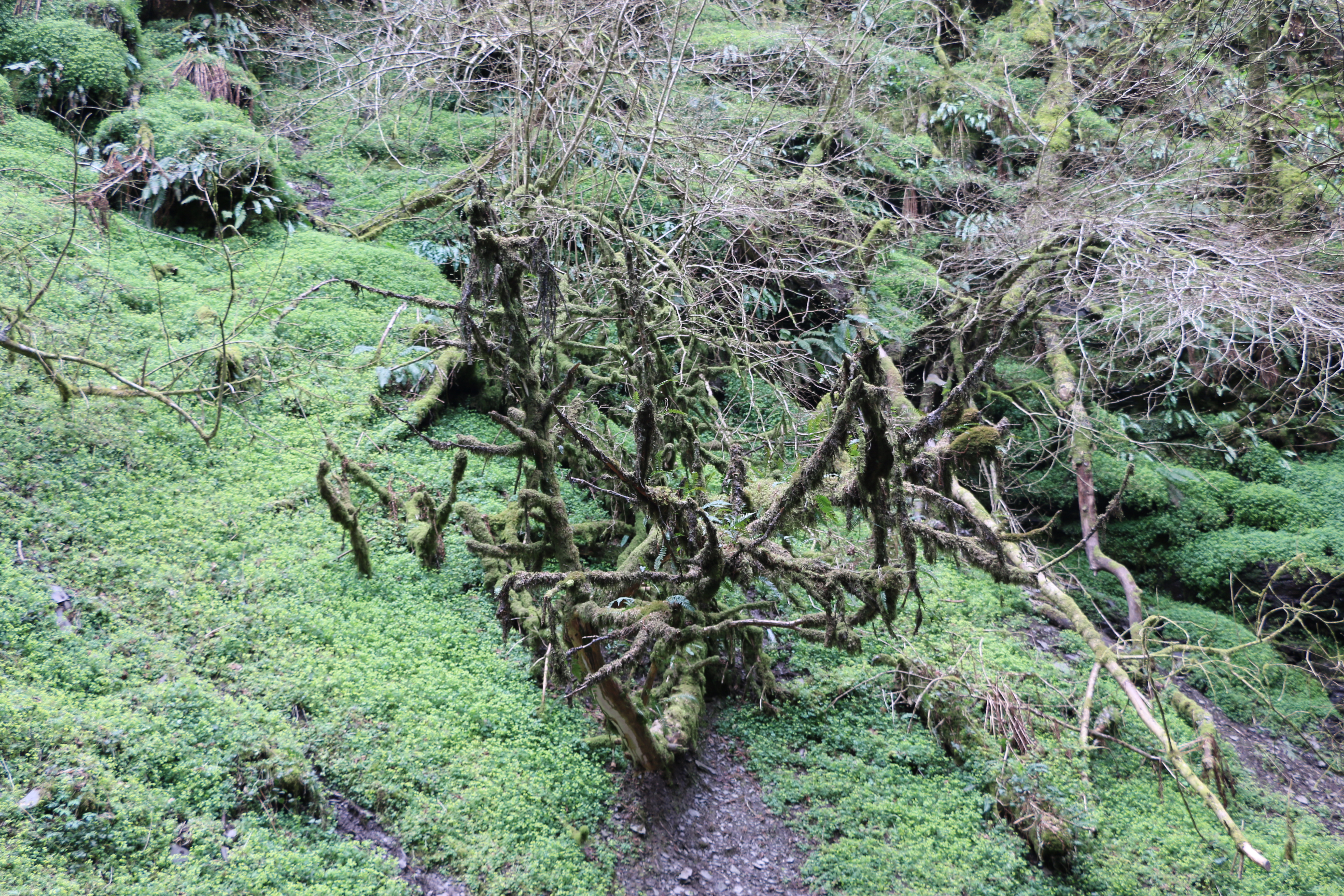
The water tumbled through the black slated rocks, a silvery mesmerising flow, to the small stream and creating a fine rainbow mist in the air. Yet there was an eerie and ephemeral feeling to the fallen, bare oak branches laced with lichen and boulders covered in dark green moss and surrounded by curtains of gently swaying ferns.
We made our way back along the narrow path. I thought we would be taking a slow ramble along the walking trails in Warren Wood – so named for…
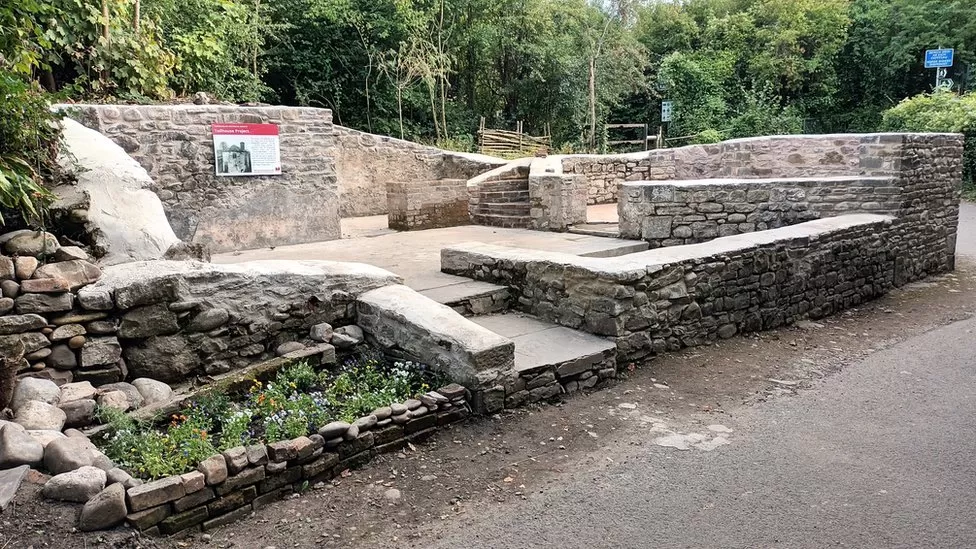
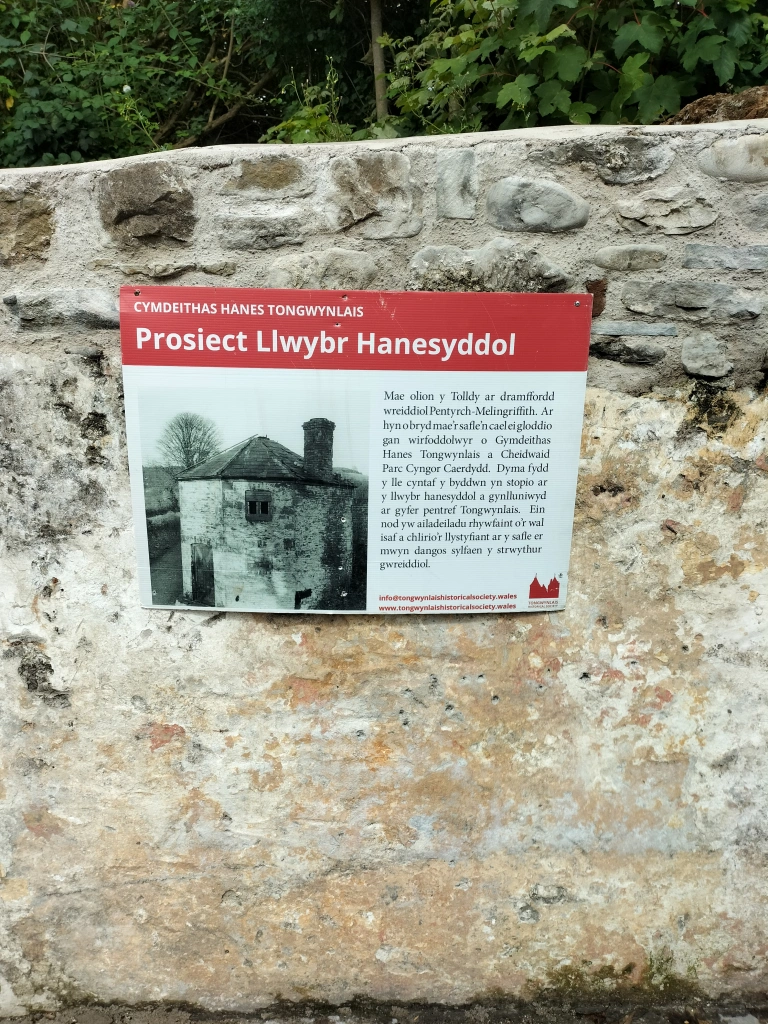
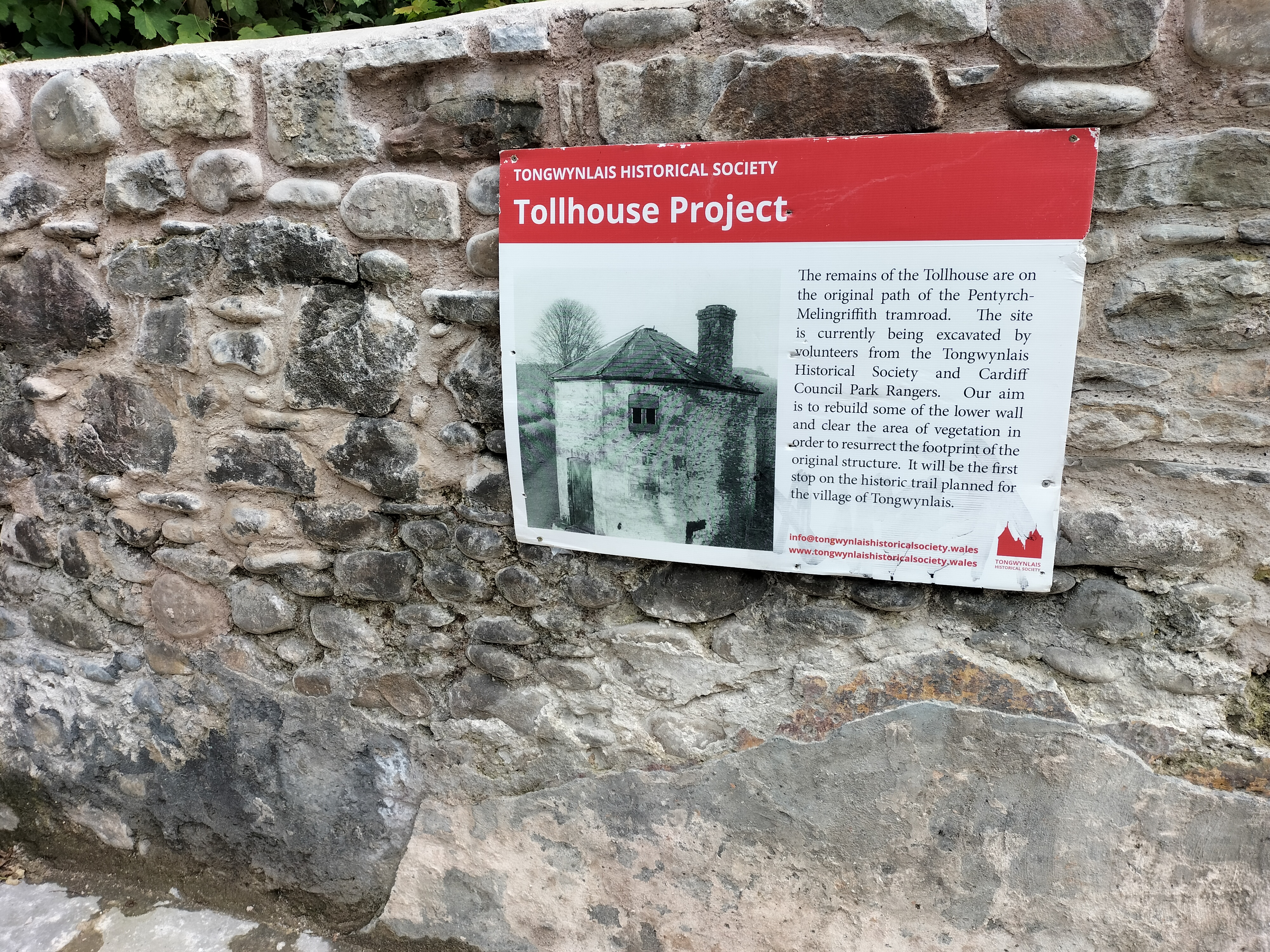
“Villagers have restored the shell of a historic “unloved eyesore” tollhouse demolished more than 70 years ago.The original building was among hundreds used to collect money from 18th and 19th century travellers. Volunteers in Tongwynlais, on the edge of Cardiff, have spent more than a year rebuilding it as the first step towards creating a local history trail.“Our volunteers have been fantastic,” said Sarah Barnes, of the Tongwynlais Historical Society.
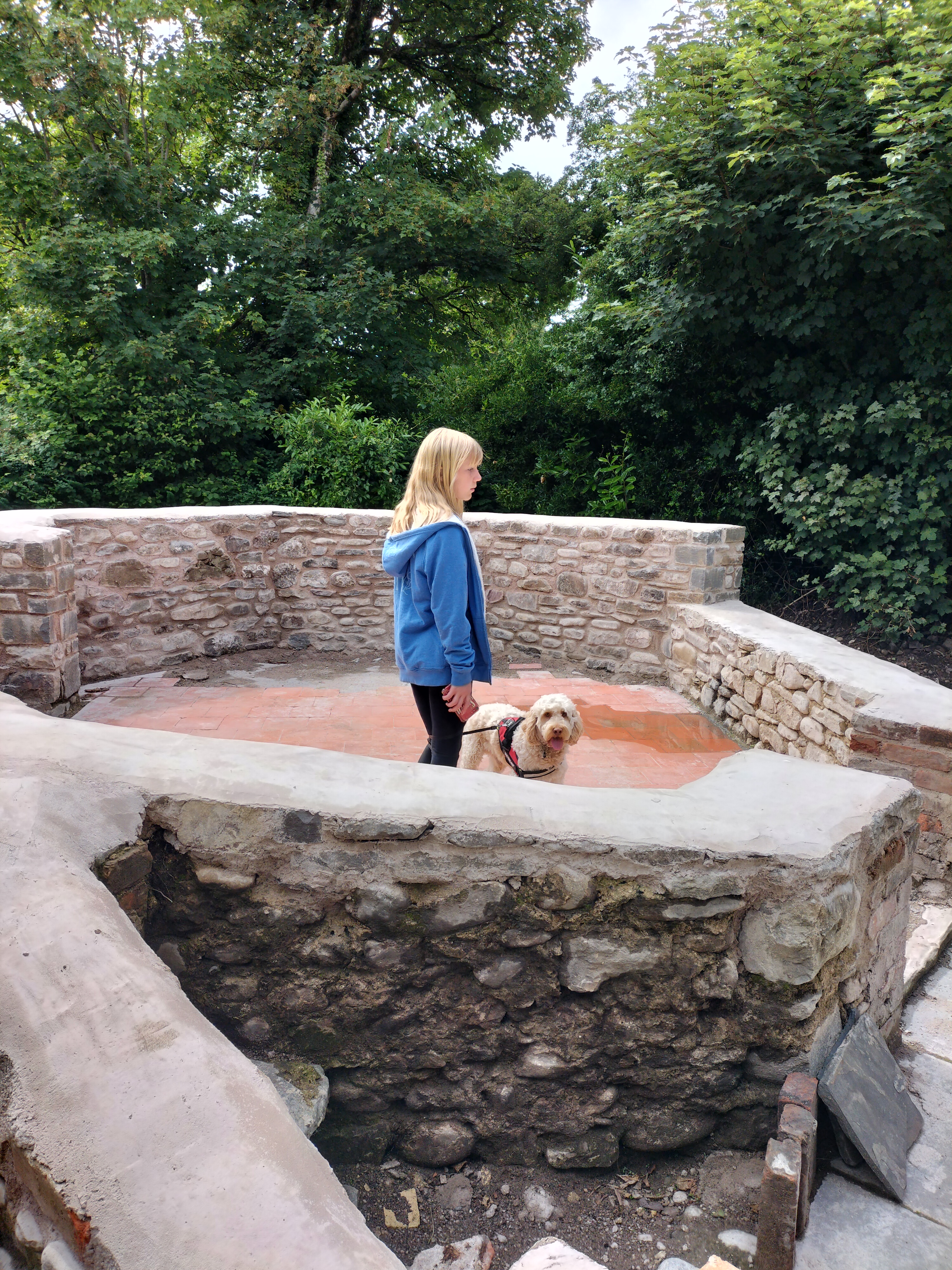
Before this wonderful restoration granddaughter and I walked the Taff Trail – so thought you might like to see the before and after. Or, in the case of this blog, the “after and before”.
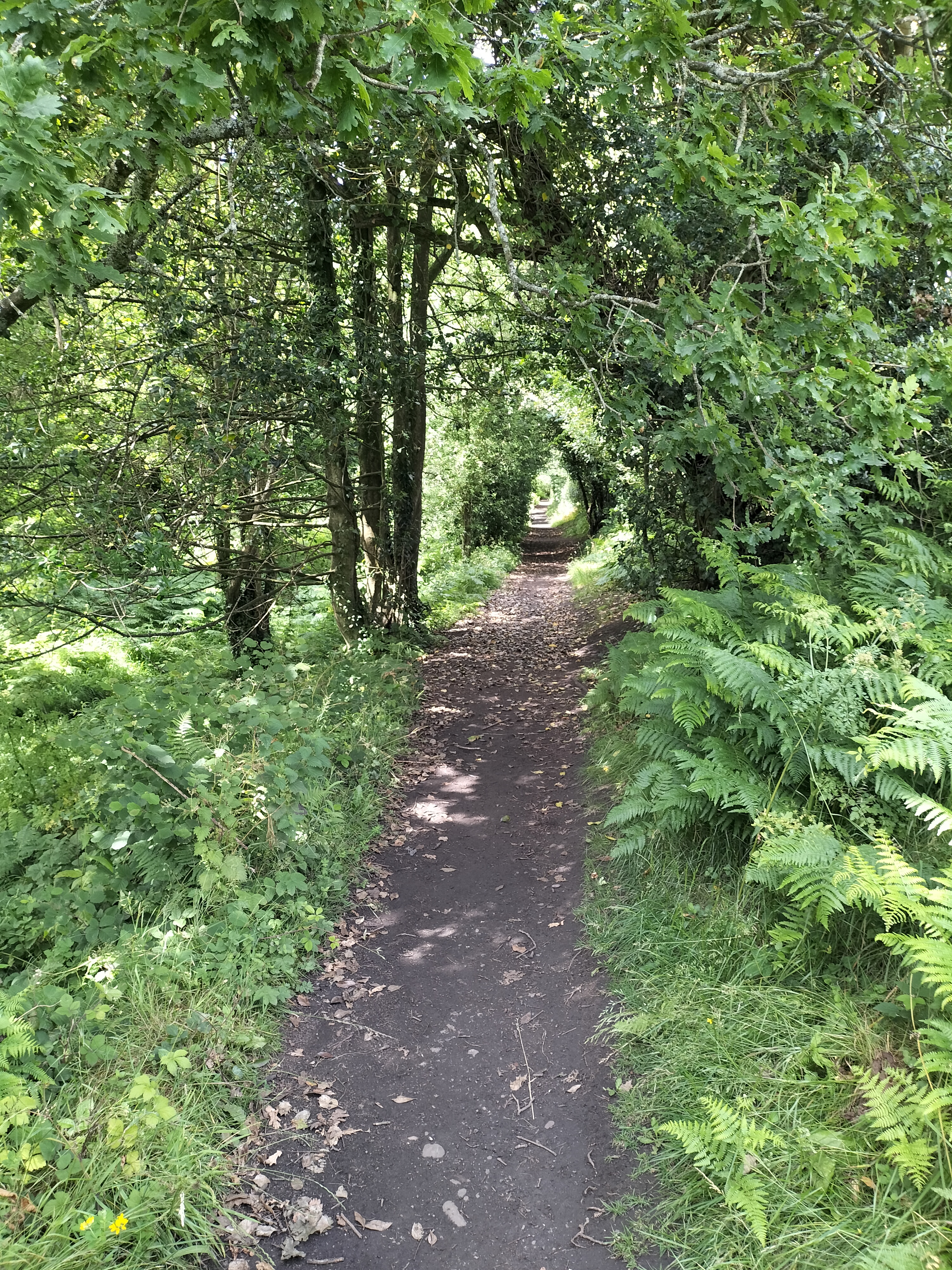
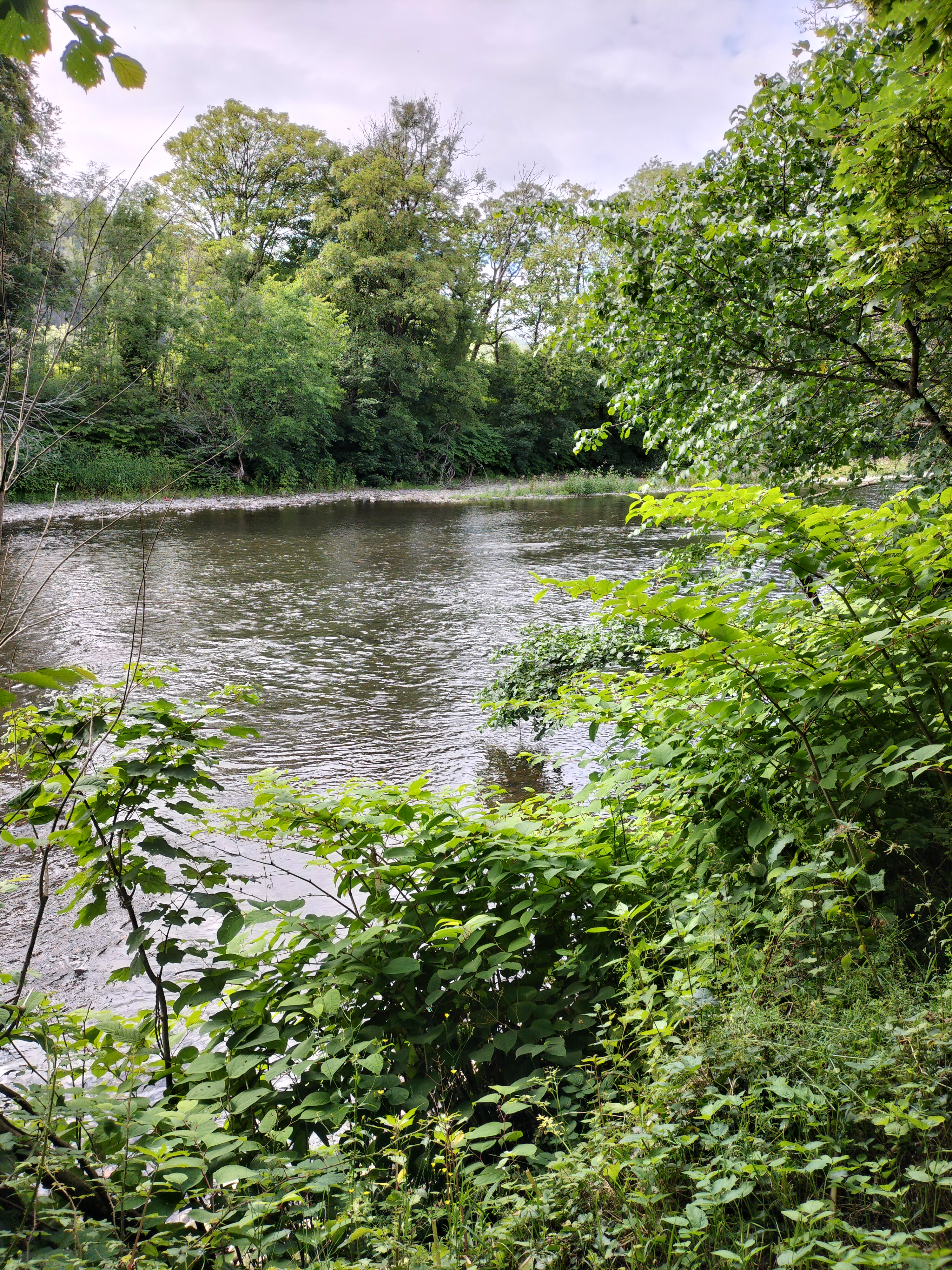
Put a lovely sunny day, with a dog desperate to go a walk, with a granddaughter who needs to be dragged from her mobile and bribed by the thought of a chocolate brownie and a drink of Sprite, and there was only one place to head for, the cafe in the garden centre at the end of the Taff Trail in Radyr.
The Radyr section of this lovely river walk is one we’ve done often
But this time we decided to meander along various smaller paths, even though we needed to retrace our steps numerous times. I was so glad we did because look what we found:
The tollhouse, once used by the Pentyrch and Melingriffith Iron and Tinplate Works in the late 1800s
Thanks to the Tongwynlais Historical Society ( co-founders,Sarah Barnes and Rob Wiseman) the Tollhouse returns to life. What was once nothing more than a few visible bricks covered in 70 years of vegetation, is now a recognisable shell complete with growing wildflower garden.
I thought I’d better seek permission to add some of the photographs from the Tongwynlais Historical Society. I made contact with a very helpful chap, Jack Davies, whose fascinating website also contains an article about the Tollhouse and other history of the village: https://tongwynlais.com/history/
Granddaughter, Seren, with soulful companion, Benji, who patiently waited to continue his walk.
Seren also very kindly leant a hand to point out this lovely heart shaped stone, with a wonderful inscription:
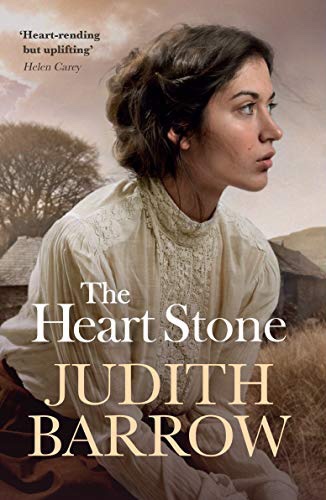
Which immediately brought to mind (well, my mind anyway), my book, The Heart Stone, which was published by Honno, in 2021: So, never one to pass up on an opportunity…
The inspiration for The Heart Stone partly came from research for my degree on The First World War some years ago; a subject that both fascinates and repulses me. At the time I’d found my grandfather’s army records and discovered he’d volunteered to join the local Pals Battalion with two of his friends, although they were all underage.
I only ever remember him as a small man who spent his days in a single bed under the window in the parlour, who coughed a lot, and was very grumpy. He died when I was eight.
There was no conscription at the beginning of the war. The Pals Battalions were formed, to answer Lord Kitchener’s call for volunteers, by encouraging local magistrates to drum up community spirit and patriotic fervour.
The gist of the speeches used were that young men,”… should form a battalion of pals, a battalion in which friends will fight shoulder to shoulder for the honour of Britain and the credit of their town and villages.”
My grandfather was gassed in 1916 near the Somme. He was also shell-shocked and was unemployed for the rest of his life. Once, my mother told me he had never spoken of his experience but had suffered nightmares for as long as she could remember. And that there were whole streets around the house where they’d lived where the men had never returned.
It’s a haunting image.
Four years ago, after my mother passed away and we were clearing her home, I found my grandfather’s army papers again.
During the following week, whilst my husband and I were walking along the Pembrokeshire coastal path, we found a smooth stone, almost heart shaped, placed on top of a cairn amongst the Marram grass. Picking up the stone to examine it, a folded paper blew from underneath. There had been words on it but were, by then, indecipherable.
A love note, I thought; a love note under a heart shaped stone.
A love note, under a heart shaped stone, from a young man who had never returned.
And so The Heart Stone started to form.
The Heart Stone was published byHonno Pressin Feb 2021
I’m,originally from Saddleworth, a group of villages on the edge of the Pennines, but have lived in Pembrokeshire, Wales, for over forty years.
I have an MA in Creative Writing with the University of Wales Trinity St David’s College, Carmarthen. BA (Hons) in Literature with the Open University, a Diploma in Drama from Swansea University. I’m also is a Creative Writing tutor and hold workshops on all genres.
It gives me great pleasure today to introduce, Judith Barrow, an author I greatly admire. Judith has come along to Patricia’s Pen to talk about her writing journey. Without further ado, it’s over to Judith.
My Writing Journey
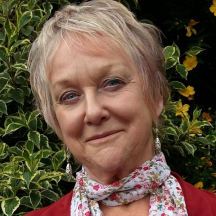
Judith Barrow
Every now and then I read about an author’s journey into publishing, which always leads into thoughts about my own convoluted journey.
Like many writers I’ve dabbled in creative writing since childhood: poems, articles, short stories, competitions, and pieces in newspapers.
Years ago when the children joined in various sport activities, and in the spirit of giving something back to those groups, I joined their committees ‒ usually fooled into the unpopular post of minute secretary. It was after the presentation of one set of minutes that I was bluntly told by another member that I “should go into writing novels” after presenting the minutes of a particularly volatile…
This week Judith Barrow gives us an insight into how she constructs her excellent storylines and the importance of having a key “inciting incident”
The Inciting Incident – a Must for Every Story
Every story needs an inciting incident; without that the narrative becomes fixed, without movement; it’s no longer a story, but just a series of events.
An inciting incident is an unexpected occurrence that upsets the balance of the plot, especially for the protagonist. It complicates the character, gives them a central motivation, and sets them on the path that they will follow throughout the story.
So it has to be a convincing inciting action, one that the reader will believe in, be drawn into right away. There are a couple of writing techniques that can ensure this:
It’s essential that it should drive the protagonist to think, to behave (whether intentionally or subconsciously), in a certain way…
The sunny day disappeared as we walked through the short steep-sided gorge – following in the footsteps of Victorian touristto the Water-Break-its-Neck waterfall, around a mile from the village of New Radnor ( Maesyfed – the Welsh name), in the county of Powys,Wales.
It was a spectacular sight.Yet, beyond the sound of the water it was strangely silent.
The water tumbled through the black slated rocks, a silvery mesmerising flow, to the small stream and creating a fine rainbow mist in the air. Yet there was an eerie and ephemeral feeling to the fallen, bare oak branches laced with lichen and boulders covered in dark green moss and surrounded by curtains of gently swaying ferns.
We made our way back along the narrow path. I thought we would be taking a slow ramble along the walking trails in Warren Wood – so named for the labyrinth of rabbit warrens that kept the locals fed for centuries, now dwarfed by towering beeches, oaks and conifers.
Husband had other ideas. ‘Let’s walk up the road to the top of Warren Wood,’ he said, pointing vaguely to the left as we left the path. ‘We could get some brilliant photographs.‘
‘How far is it?’
‘Not far.’
I’ve been caught out by “Not far”, before. Why do I always believe him?
If only I’d read the Nature reserve signage:
“In the 1800s The Victorian landowners planted trees on the moorland, to provide a landscape of scenic beauty thus creating a forest, part of Radnor Forestwhichwas once a royal hunting ground. In those days it wasn’t an area covered in trees but an unenclosed piece of land, legally set aside for the Norman kings to hunt deer. Today, Radnor Forest is a land of hill farming and moorlands, steep narrow valleys and hills, rising up to the highest point in Radnorshire, Black Mixen at 650 metres.“
Note the words, ‘steep’, hills, and 650 metres. What we didn’t know, was that the wide concrete road in front of us was not only steep but has many twists and turns – and always upwards before it got to 650 metres.
Two and a half hours later, with stops for photographs, we reached the top… I thought. We sat on a convenient rock, drinking from our second bottle of water.
‘We could go on for a bit longer?’ Husband said.,looking around. ‘The road carries on.’
‘The proper road stops here not up there.’ I pointed to the dirt track behind us. Steep dirt track.
I’I bet we could get brilliant photos, though. I’ll go and check.’ Ten minutes later he was back. ‘Come on, it’s a fantastic view.’
We walked in silence. Well, to be honest I had no breath to use up in conversation.
Though the views were wonderful. We could see as far away as Hereford and beyond…..
‘Ready to go back?’ Husband asked.
I didn’t think I could face that road again. ‘We could try going that way?’ I point to a gentle downward sloping track.’It looks like it’s going back to the start.’
‘It doesn’t.’
‘It does.’I insisted.
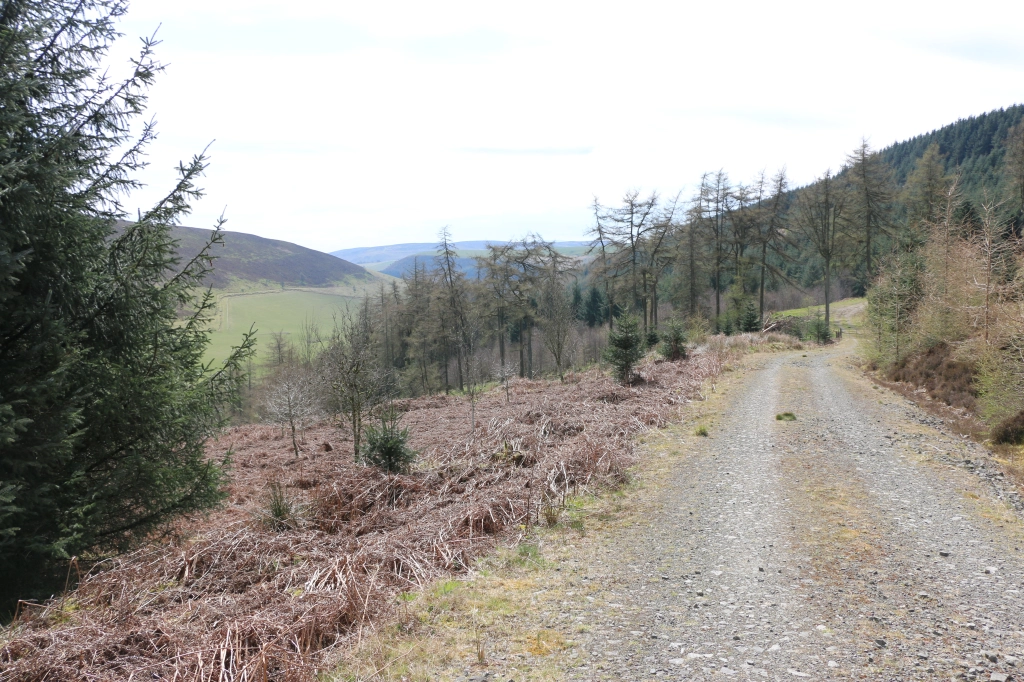
I should,perhaps have said, before now – I have little sense of direction. We stumbled/slid down walked for over an hour with the wind whistling through the tall conifers that lined the ever-steeper, downward track. I became increasingly aware of a brooding silence, each time I said cheerfully,’It has to lead to somewhere…’ and, ‘We’re going in the right direction…’. Until we weren’t… we rounded a corner- to see the road end in a turning point for the Forestry Commission. A thick forest faced us…Hmm…
Back we went,stopping every fifty paces to catch our breath. To be fair there were only a few recriminations. Although I did hear some mutterings – which I ignored. Later,we worked out that we had walked thirteen miles – seven more than we had planned.
The following day we creaked our way rambled sedately aroundthe fields where we were stayingnear Bettws Cedewain, a place in a sheltered valley on the banks of the river Bechan. around five miles from Newtown. The village grew around the crossing of the river where a church was founded by St Beuno in the sixth century. I read that the name of the village is thought to derive from the Welsh word ‘Betws’ – which means a prayer house or bead house where the number of prayers had been counted on beads by the earliest church-goers in Cedewain.
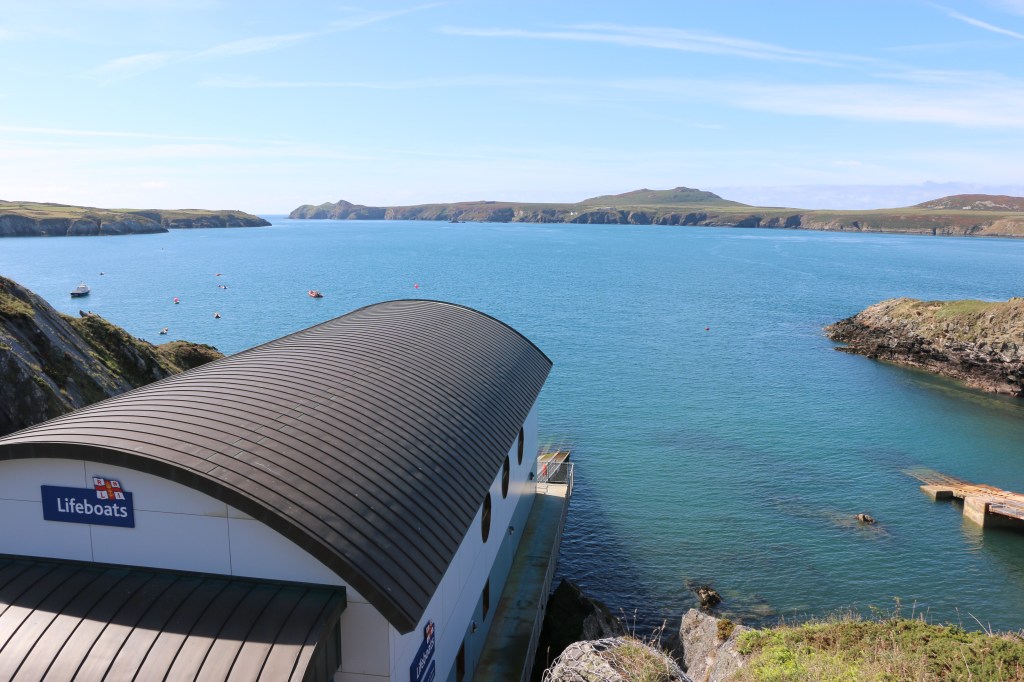
And then wonderful views overlooking Ramsey Island
Just to prove I was there!!
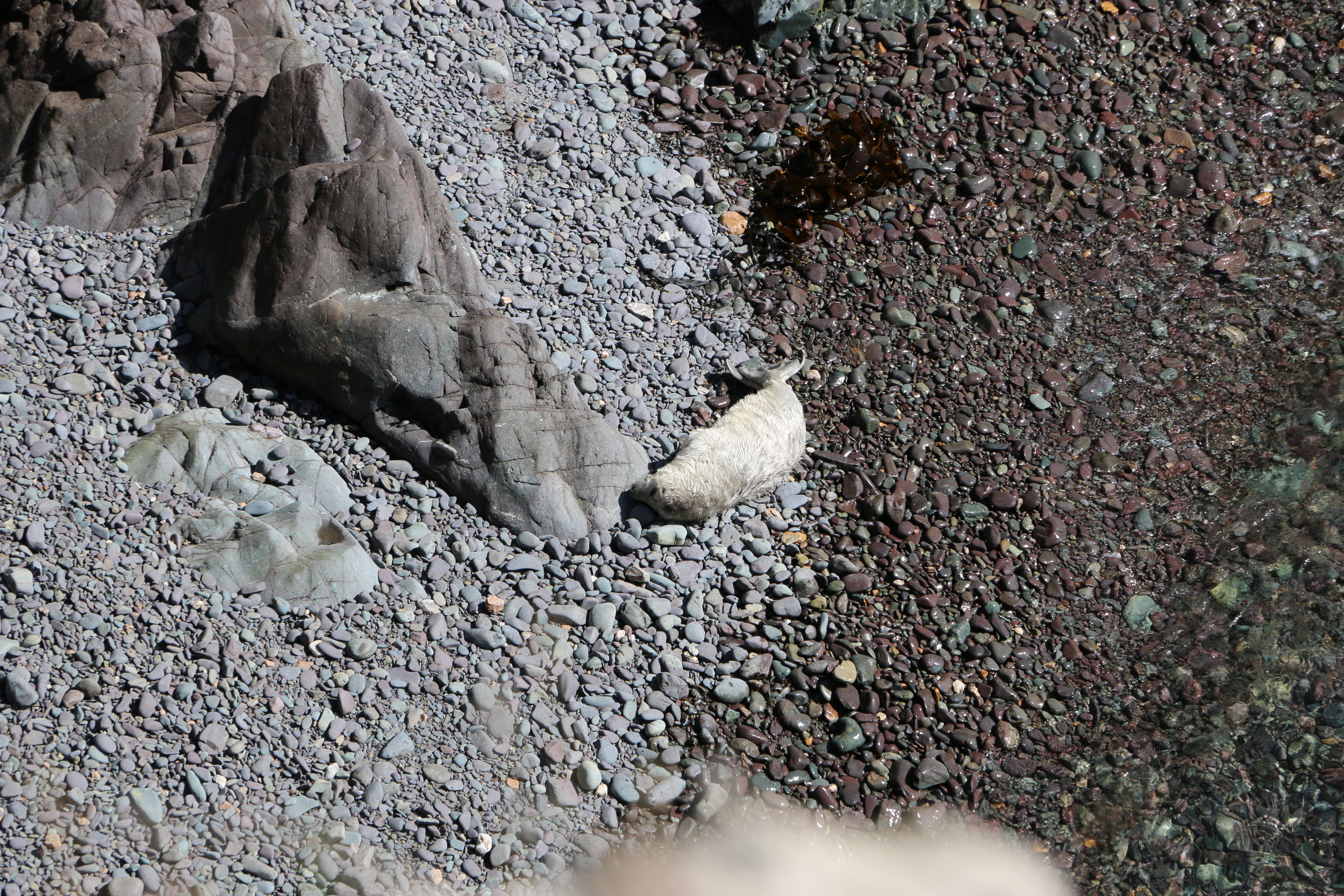
And look who we saw! (from a great distance)
Seal pups and their mums
So… who was St Justinian?
Justinian was born in Brittany in the 6th century. At some point in his life, he made his way to Wales, where he settled on Ramsey Island.
Justinian soon became close friends with St David, the patron saint of Wales, and visited him often in the monastery where the cathedral now stands.
He was less impressed however by the lax behaviour of some of the monks and decided to isolate himself on Ramsey island. According to legend, he took an axe and chopped up the land bridge that linked the island and the mainland. As he worked, the axe became blunter and the lumps of rock remaining became larger and larger. They are still visible today in Ramsey Sound, where the waters foam over them at high tide. Followers joined him on the island but his actions didn’t go down well with everyone though. They soon turned them against him and they beheaded him!
To the astonishment of his killers,he picked up his head and walked across the sea to the mainland, and where he set his head down, another spring of water issued forth. This is the one enclosed today by a stone canopy.
A spring of water gushed up from the ground where his head first fell and this became the famous healing well.
Justinian was buried where the chapel now stands. Within its walls are some stone footings, which may mark his original gravesite. His body was removed to the cathedral, probably at some time before the end of the 15th century.
During the early medieval period, two chapels were built on Ramsey. One was dedicated to St Tyfanog; the other to St Justinian. There is no trace of either building today, though their sites are known.
In this feature, we ask our Crime Cymru authors to name six things that influenced their life and shaped them as a writer. This week, Wales Book of the Year Award shortlisted author Judith Barrow writes an extraordinarily powerfuland moving account of a harrowing childhood experience.
Six of One
One book:
As a young child I remember reading The Tree That Sat Down. I had to search for this online, my copy has long gone. Basically, it was about an enchanted forest where Judy (guess why I liked the book!) helps her granny run The Shop Under the Willow Tree. They sell all sorts of lovely things, such as boxes of wonderful dreams fastened with green ribbon. But then Sam and the charming Miss Smith, who is a witch in disguise, open a rival business. I think what struck me then, something I mulled over for quite a while…
1914. Everything changes for Jessie on a day trip to Blackpool. She realises her feelings for Arthur are far more than friendship. And just as they are travelling home, war is declared.
Arthur lies about his age to join his Pals’ Regiment. Jessie’s widowed mother is so frightened, she agrees to marry Amos Morgan. Only Jessie can see how vicious he is. When he turns on her, Arthur’s mother is the only person to help her, the two women drawn together by Jessie’s deepest secret.
Facing a desperate choice between love and safety, will Jessie trust the right people? Can she learn to trust herself?
I love a historical drama and this one has transported me to the 1900’s. This is a book which has allowed me to meet Jessie and Arthur. This is an interesting novel which has completely absorbed me into the pages.
Women of Britain say GO [image credit: E J Kealey (artist) Parliamentary Recruiting Committee – Te Papa Tongarewa (The Museum of New Zealand)]
“There used to be tea rooms on almost every street in England.” An older friend was reminiscing about her youth and her parents’ generation. “Women needed something to do, and they knew how to bake, and to make proper tea.”
With bureaucratic cruelty, the post-war census labelled them “Surplus Women”. After almost ten percent of British men under the age of 45 died in World War I—the Great War—Britain was left with two million more women than men. In my friend’s family, none of the women of the previous generation had husbands or sweethearts who survived the war. One of her aunts said that when they sent their husbands, sweethearts, brothers, and cousins off to fight, so few returned that girls were told only one in ten…


























![Women of Britain say GO [image credit: E J Kealey (artist) Parliamentary Recruiting Committee (copyright owner/commissioner) Hill, Siffken & Co. (L.P.A. Ltd.) (Publisher) Adam Cuerden (Restoration) - Te Papa Tongarewa (The Museum of New Zealand)] https://en.wikipedia.org/wiki/Music_hall#/media/File:Women_of_Britain_Say_-_%22Go%22_-_World_War_I_British_poster_by_the_Parliamentary_Recruiting_Committee,_art_by_E_J_Kealey_(Restoration).jpg](https://judithbarrowblog.com/wp-content/uploads/2021/02/women_of_britain_say_-_-go-_-_world_war_i_british_poster_by_the_parliamentary_recruiting_committee_art_by_e_j_kealey_restoration.jpg)
 Judith Barrow