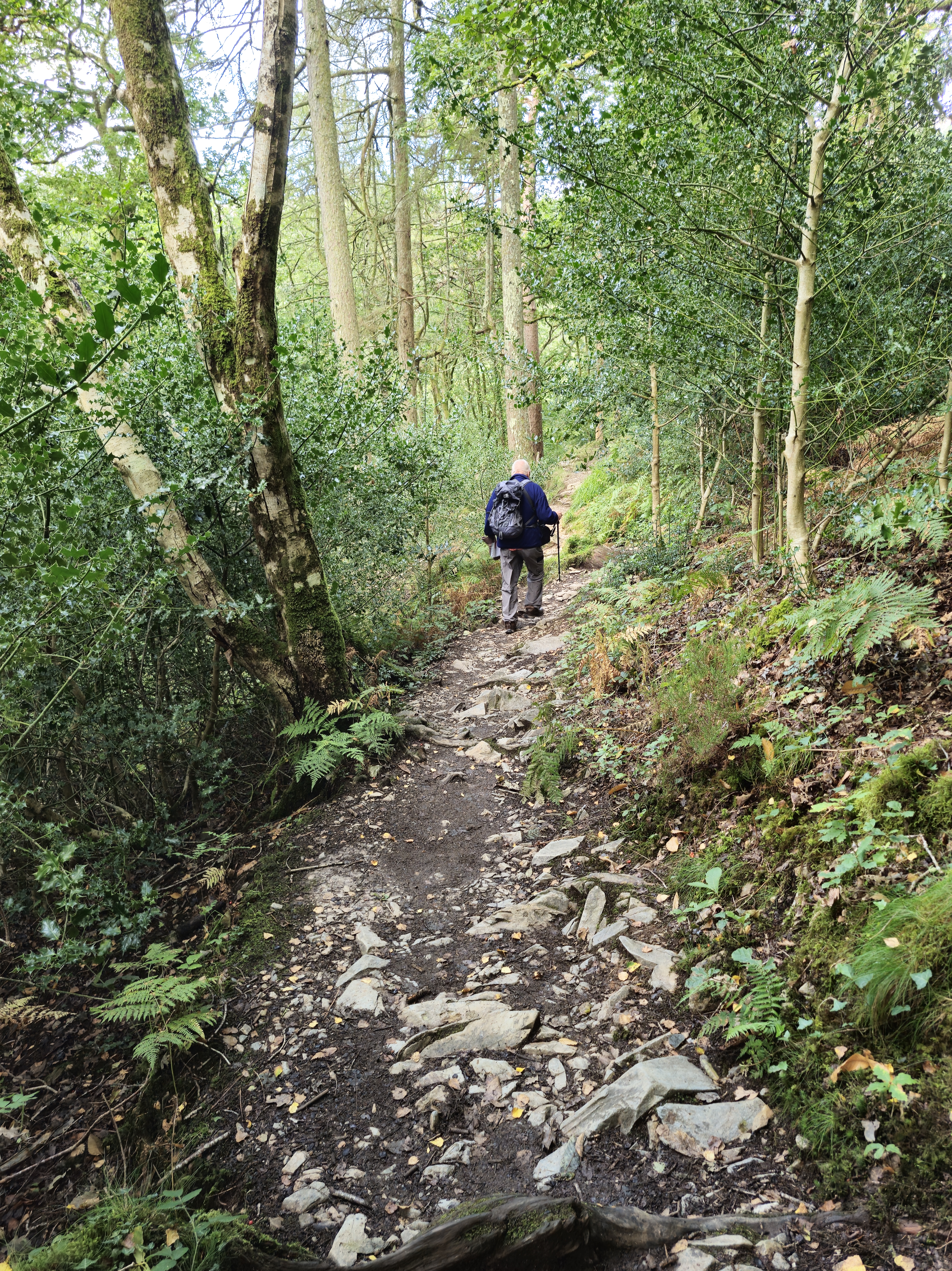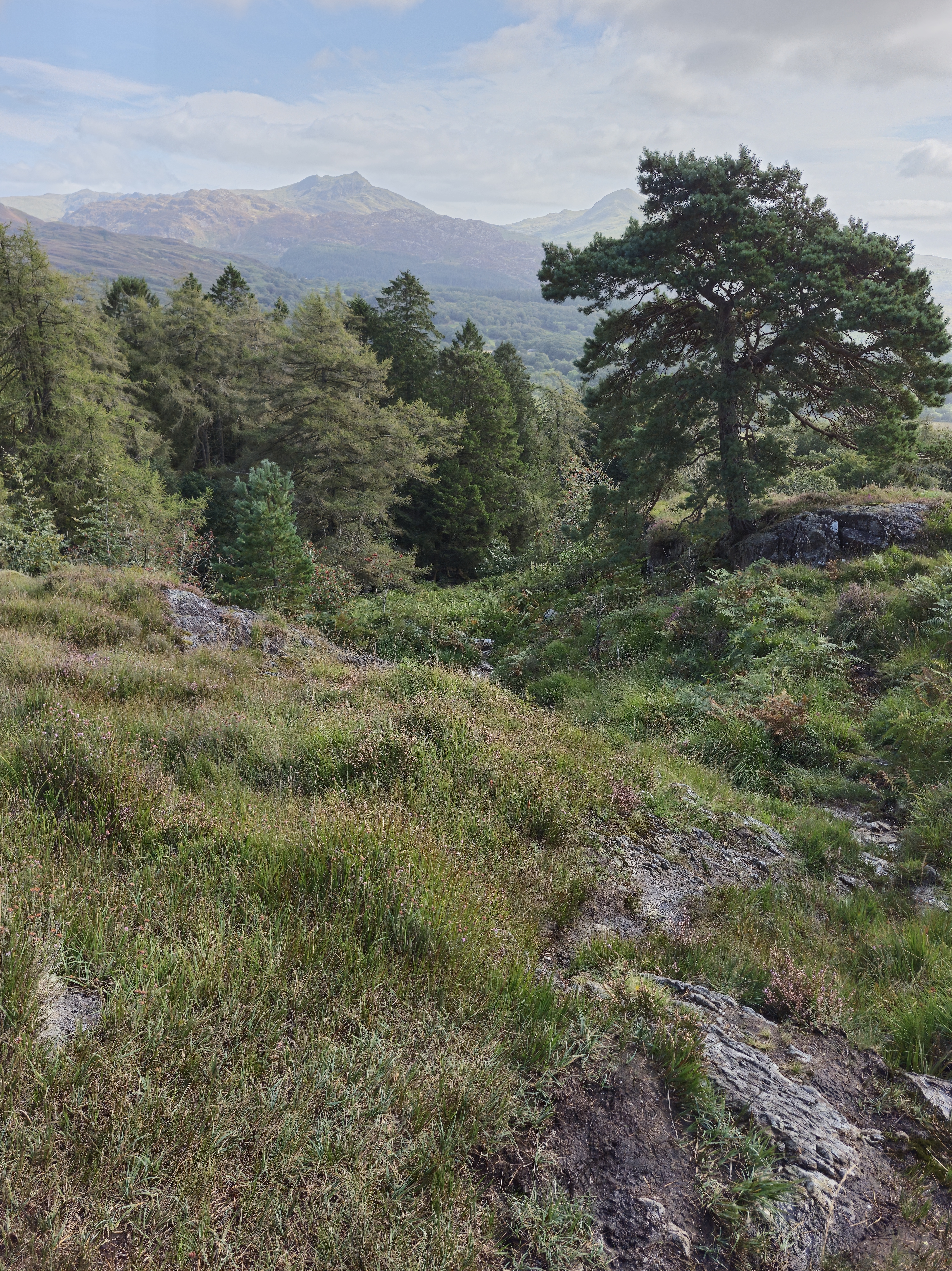
Where We Walked @Dinas Lake @LynDinas @Beddgelert @North Wales #walks #photographs #holidays #MondayBlogs

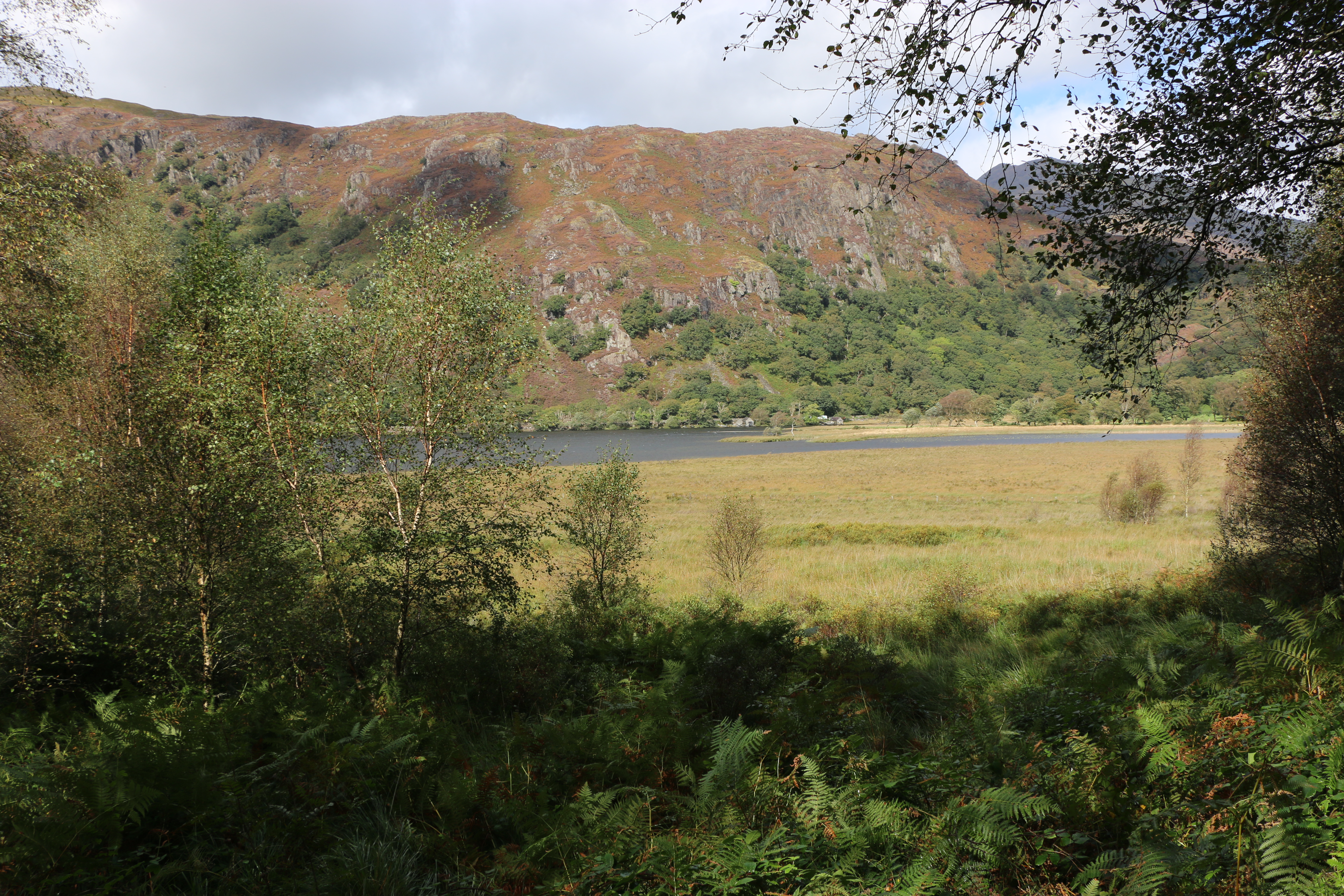
Llyn Dinas is a fairly shallow lake that lies on the valley floor a few miles north of Beddgelert in Gwynedd in north Wales. It is formed by the River Glaslyn. The lake takes its name from the nearby Dinas Emrys, a hill just downstream of the lake where a rock, Carreg yr Eryr (The stone of the eagle), was said ,in a charter of 1198 ,to mark the spot where the boundaries of the three medieval Welsh land division of Aberconwy, Ardudwy and Arfon met. According to Giraldus Cambrensis an eagle used to perch on it once a week, anticipating battle between the men of the three cantrefs.

We walked around Dinas Lake twice. Well, I say that. I should say we attempted to walk around the lake twice.

After that glorious, long day’s walk to Beddgelert, the clouds the following morning promised rain, and it was cold. Not to be thwarted we rugged up and set off.
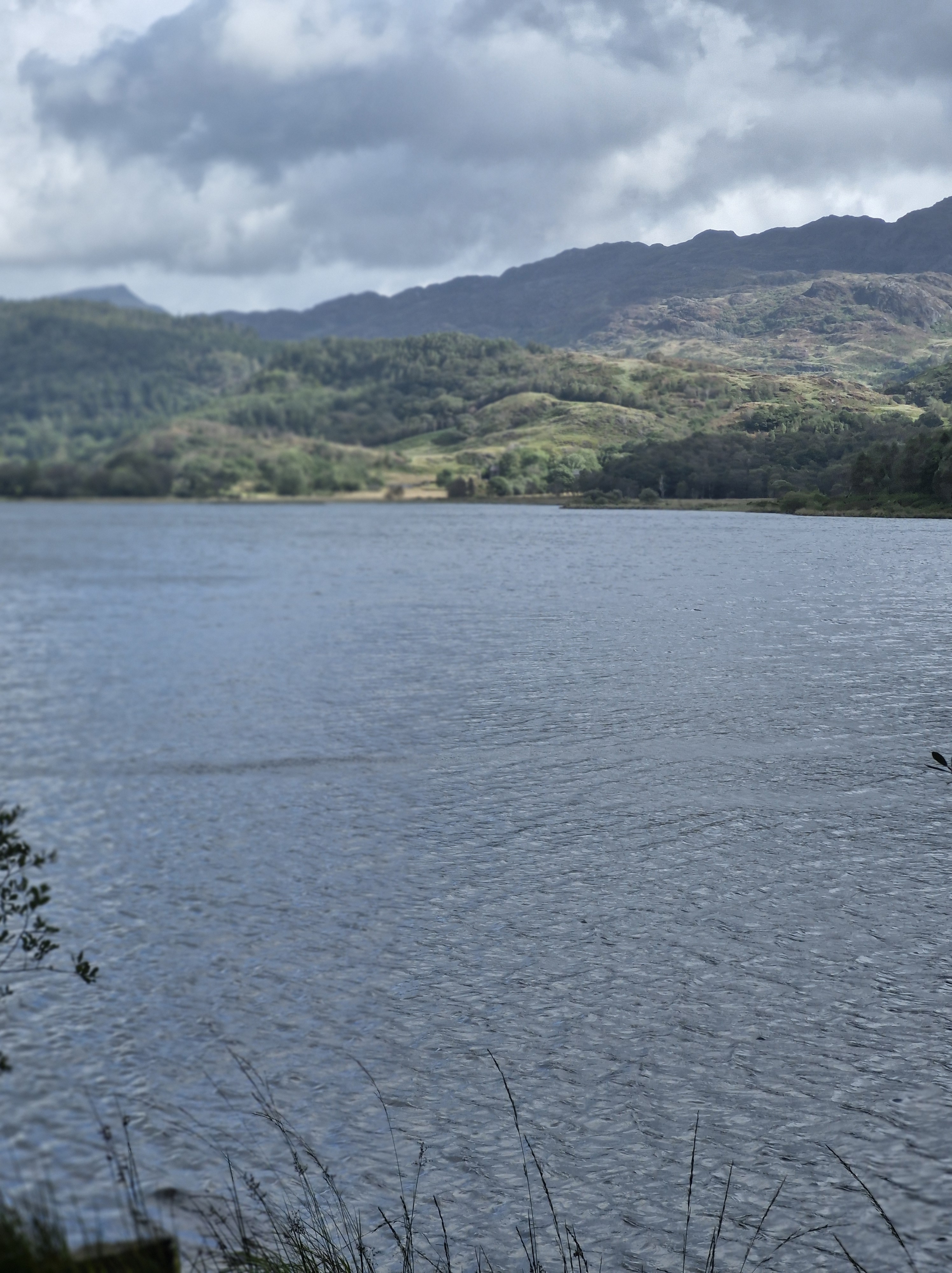
On that first walk around Dinas Lake, we were attempting the one the National Trust recommended in the brochure we found in the cottage. We later discovered it was 1998 version, so unfortunately, the directions were out of date. Halfway up the hill it petered out into brambles and undergrowth.

This actually turned out to be fortunate. Giving up on the idea of cutting our way through the brambles – mainly because we didn’t have secateurs or knives, we backtracked and decide to walk to the end of the lake. Within ten minutes, we had hailstones bouncing down on us and we needed to shelter close to the stone wall under trees, alongside nine sheep who seemed completely oblivious to us. We gave up and went back to the cottage.

The next day, with the weather just about fine, we decided to try Lake Dinas again.

The water was calm, there was a party of canoeists preparing to go on the lake, and on the far side a group of children were being taken up a fast running stream. Dressed in hard hats and waterproofs it looked as if they were participating in a form of orienteering. From the screams of laughter we presumed they were enjoying themselves. Not for us we decided.

We crossed the bridge over the river to the path just as the rain started.
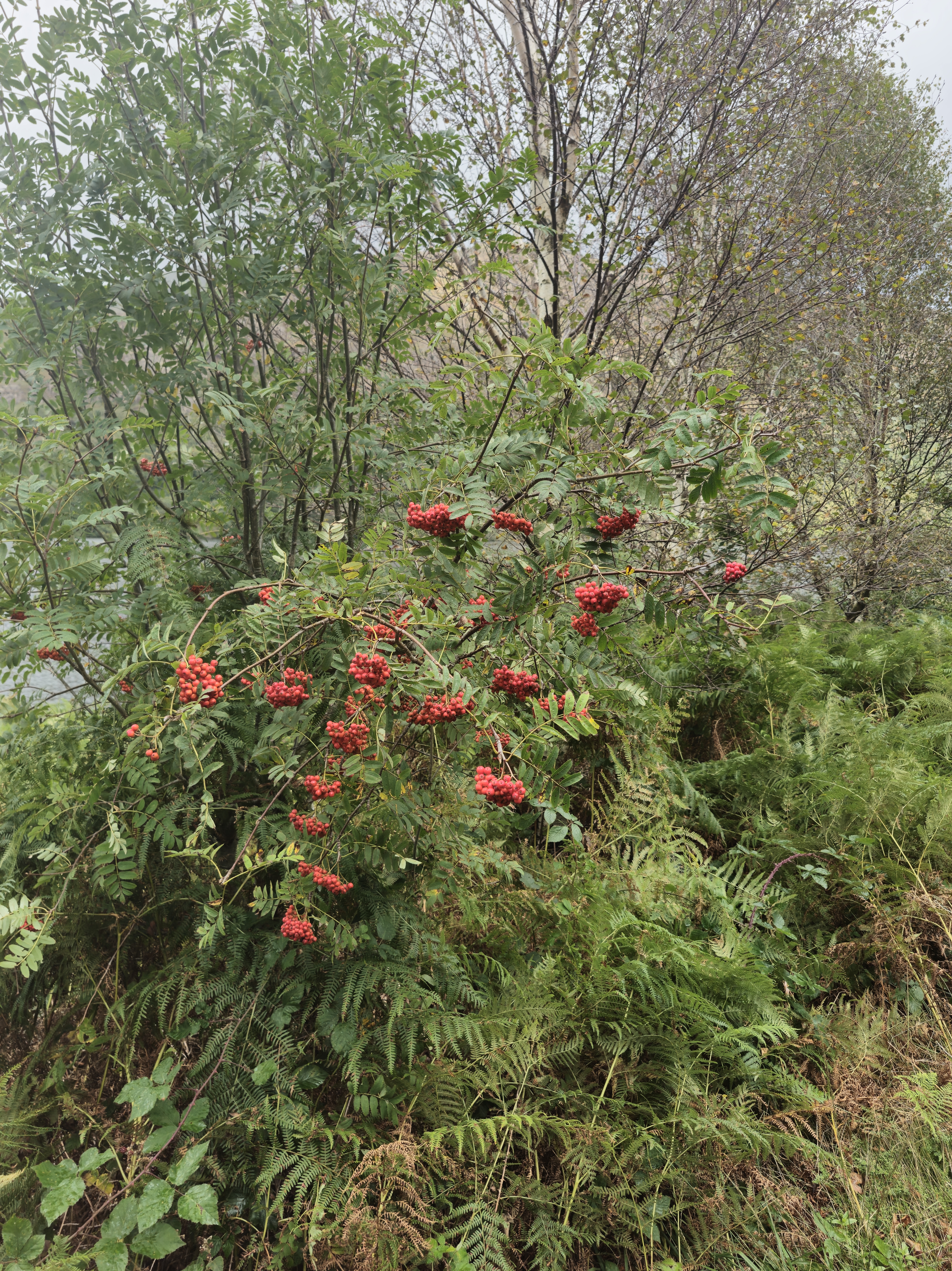
The path is banked by many rowan trees. There was a plethora of berries on them all. Is that a sign of a bad winter to come? Or is that an old wives tale? (as soon as I wrote “old wives’ tale” I wondered why it was called that. Apparently the name “old wives’ tale” comes from the fact that older women would often pass down their advice to the younger generation in the form of sayings that were easy to remember. The “wives” don’t refer only to married women, though. The term came from the Old English word wif, which means “woman.”) Just another rabbit hole I went down!!

At the far end of the lake we saw a farm house with outbuildings. There seemed to be a lot of activity. Despite the rain and being naturally nosy I urged the Photographer on with the words, ” I bet there’ll be a great view looking back along the lake.” It worked!!

This is the farm… Llyndy Isaf, a farm in Eryri (Snowdon) owned by the National Trust, since 2012 (Image: National Trust)

The farm was bought following a public fundraising campaign to preserve it for the nation. It has previously been home to five young farmers on a scholarship, who have managed Welsh Mountain ewes and Welsh Black cattle on the stunning site, which includes several Sites of Scientific Special Interest (SSSI:

Lake Dinas’ geology is important for nature conservation with habitats of saltmarsh, rush pasture, mire, mudflats, and reedbed, so is a natural home to a variety of wildlife, including bird species, such as Red Kites, Pied Flycatchers, Redstarts, Common Sandpipers, Dippers and Grey Wagtails, (a bird twitcher’s dream), over two hundred invertebrate species, and more many species of lichens and mosses, liverworts and hornworts ( bryophytes – non-vascular plants, which have no roots or vascular tissue, so absorb water and nutrients from the air through their surfaces).

When we approached the Llyndy Isaf farmhouse we were told it was a production team for television. They were more than willing to explain what they were working on.The National Trust has been on the hunt for someone to take over Llyndy Isaf farm. The process of choosing a tenant will be documented for Channel 4’s Our Dream Farm with Matt Baker, in early 2025. Applicants are vying for a fifteen year tenancy of the farm by participating in a three-week selection process. The Trust is seeking an individual with a fervour for sustainable farming.
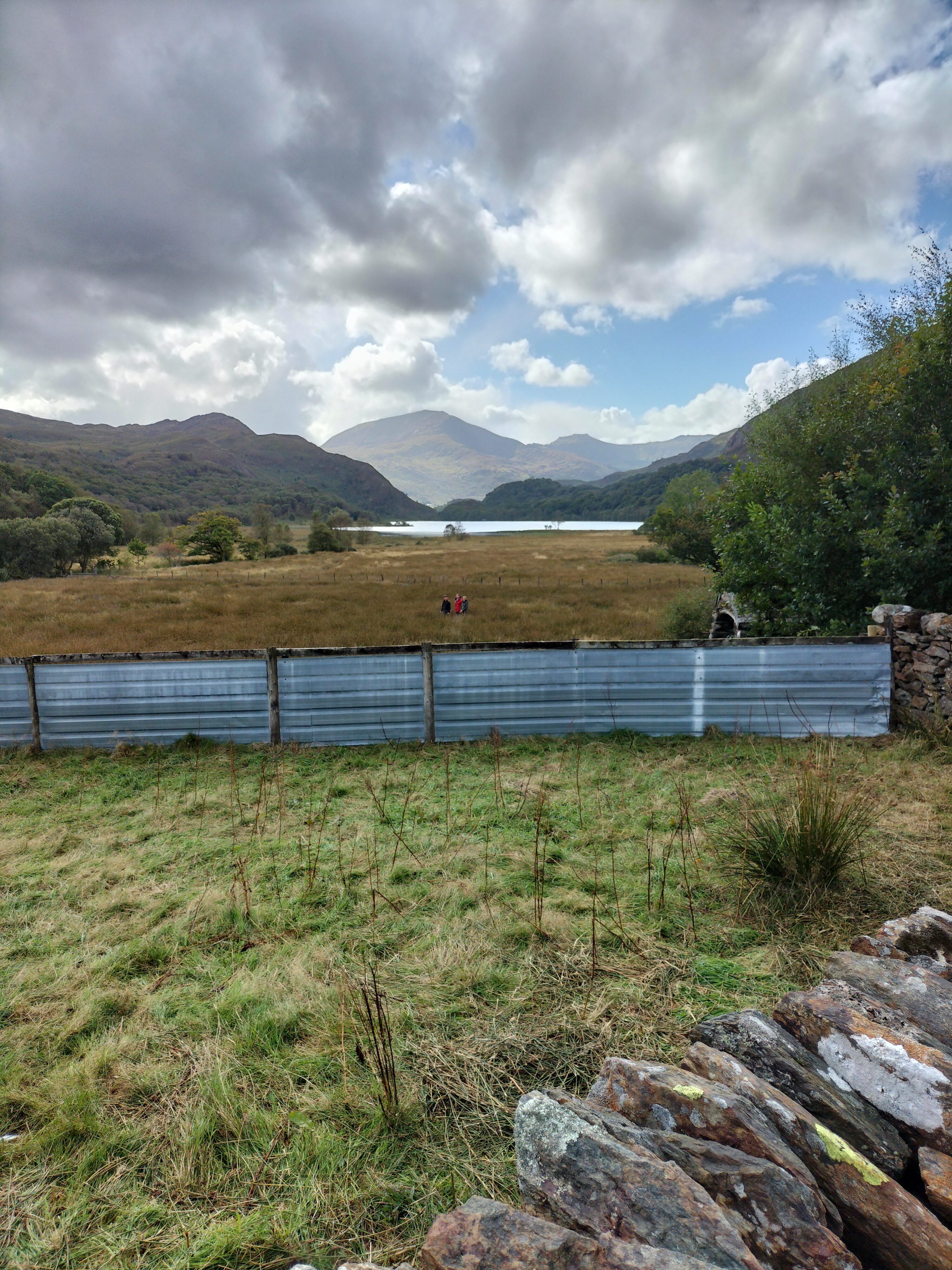
A drone flew overhead filming Matt Baker with the lake in the background at the same time as the Photographer was attempting to take his photograph at the end of the lake. I’m just hoping the drone didn’t capture the two bedraggled people peering over the wall. I guess, when the programme is aired, we’ll see…

Where We Walked: Copper Mine @Cwm Bychan valley in @Snowdoni National Park near @Beddgelert @North Wales #walks #photographs #holidays

The second day, we knew we needed to take it easy, so we planned a short walk for the afternoon. Around three miles from the cottage that we were staying in was the disused Cwm Bychan copper mine, so we decided to explore.


The start of the walk was from the Nantmor National Trust car park, easy enough to find. We went under the railway bridge (still no steam train), and onto the stony path that led up through woods.

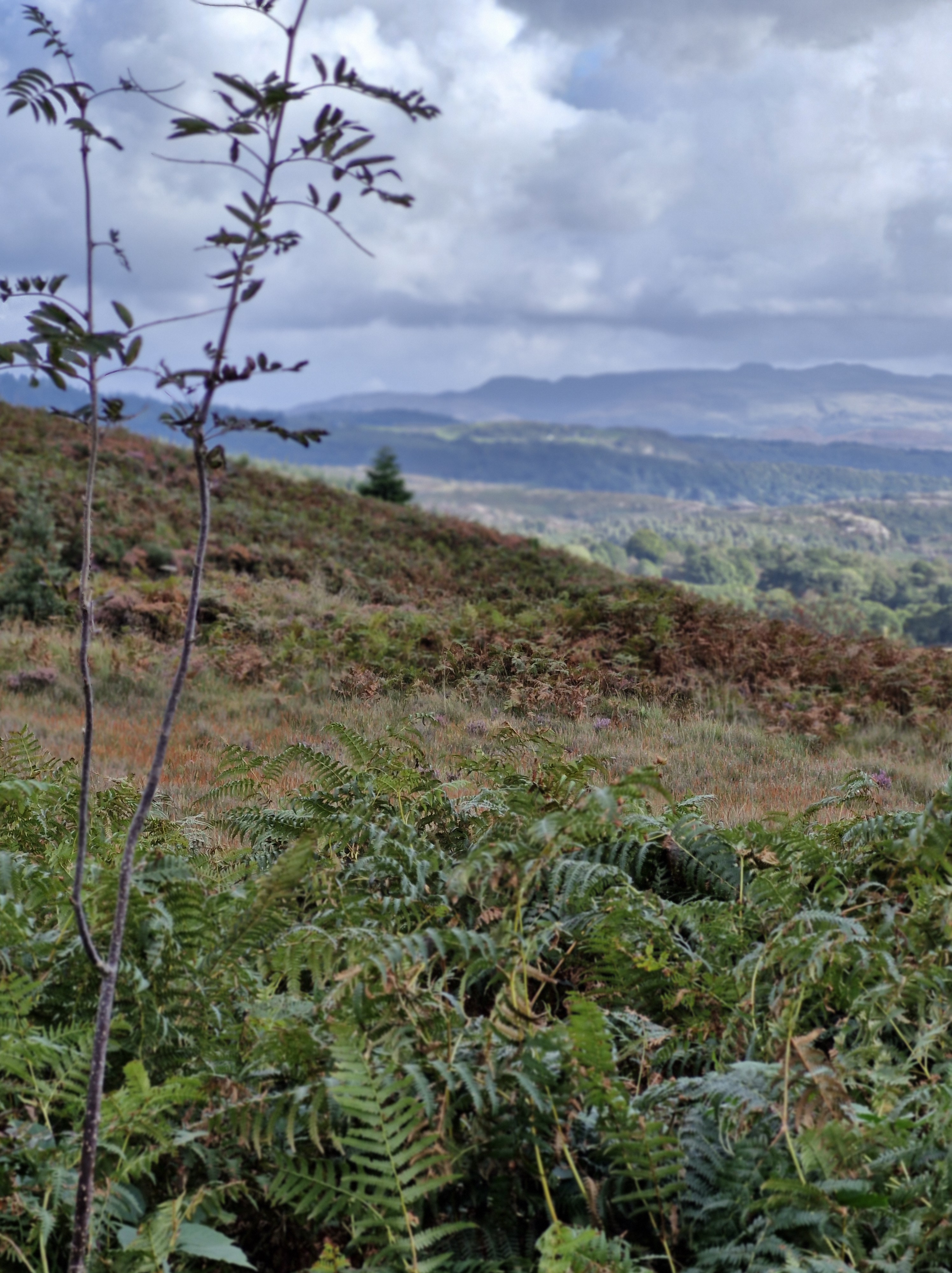
We’d been told these were bluebell woods, but, of course, in September no signs of bluebells, but impressive heather anyway.The area also includes internationally rare heathland, found only in the western coastal areas of Europe that provides habitat for numerous butterflies and birds.

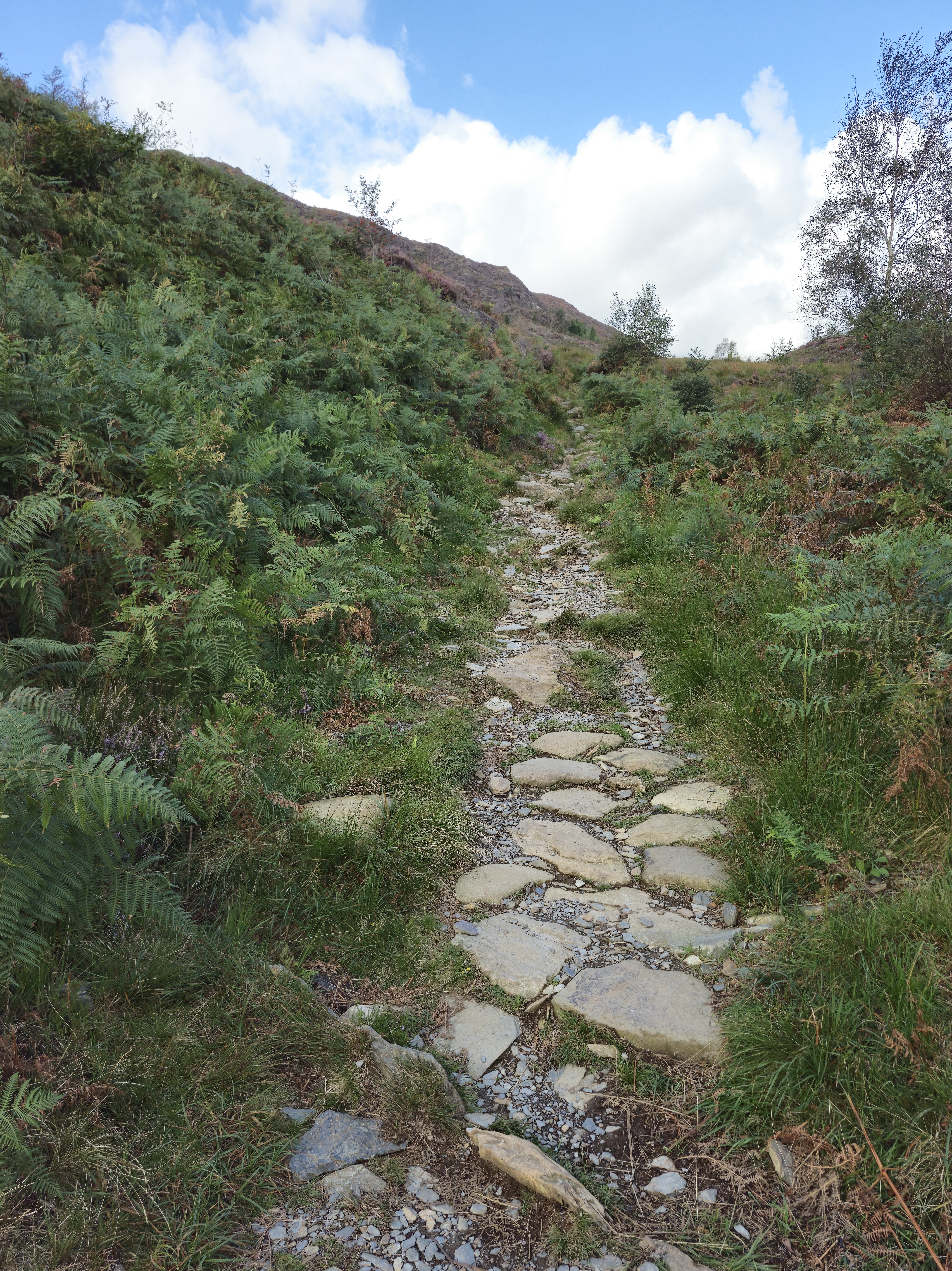
The path wound upwards, sometimes not as distinguishable, always following the stream.

We were tempted to sit here, but I knew if I sat down I might not stand up again; the short walk had turned into yet another climb – and the weather looked as though it was changing.

But, gradually the woodland path changed into easier, wider paths on the open mountain, and I was reliably informed that the remains of the copper mines was, “just around the corner”.


And there it was!

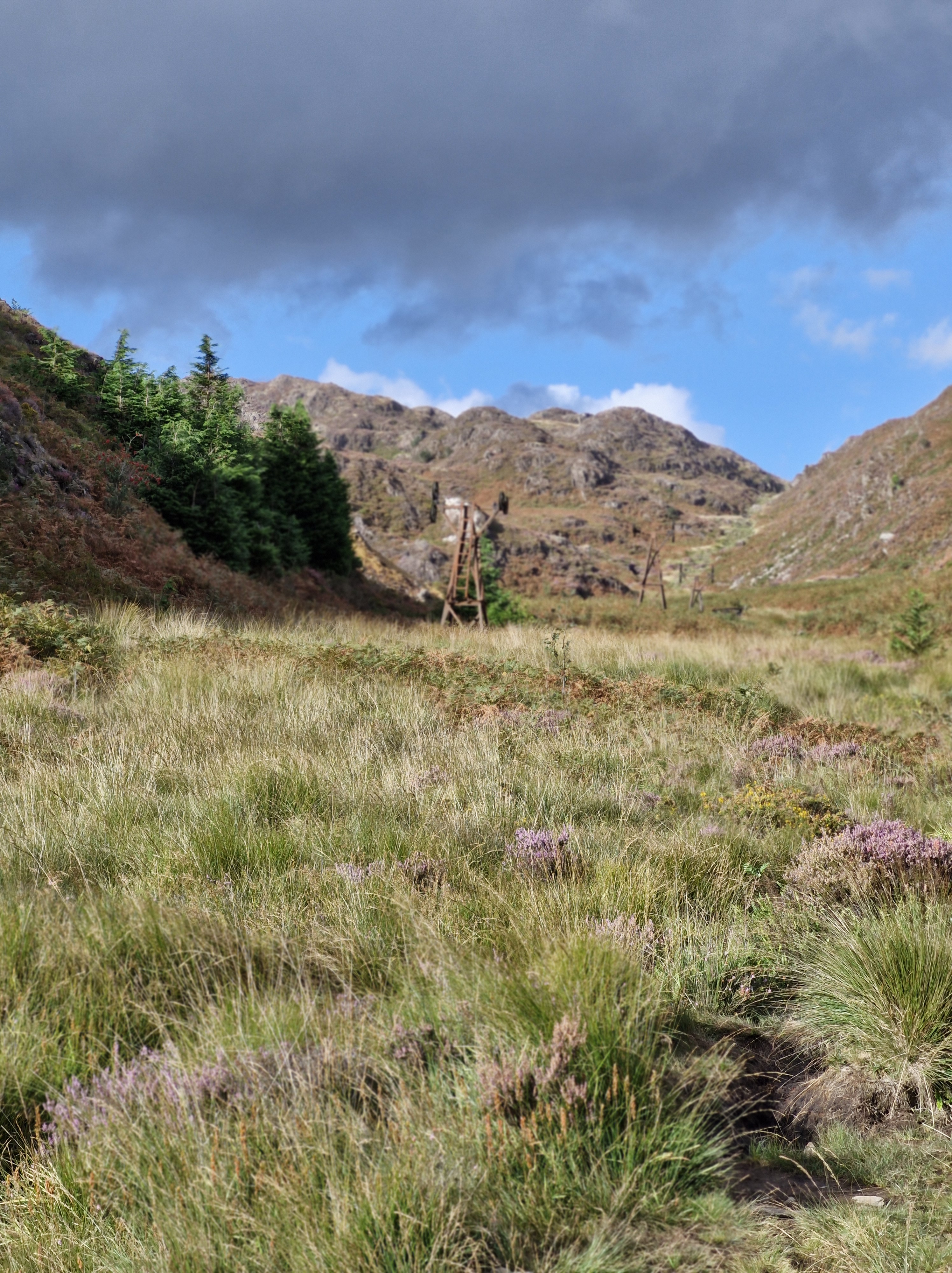
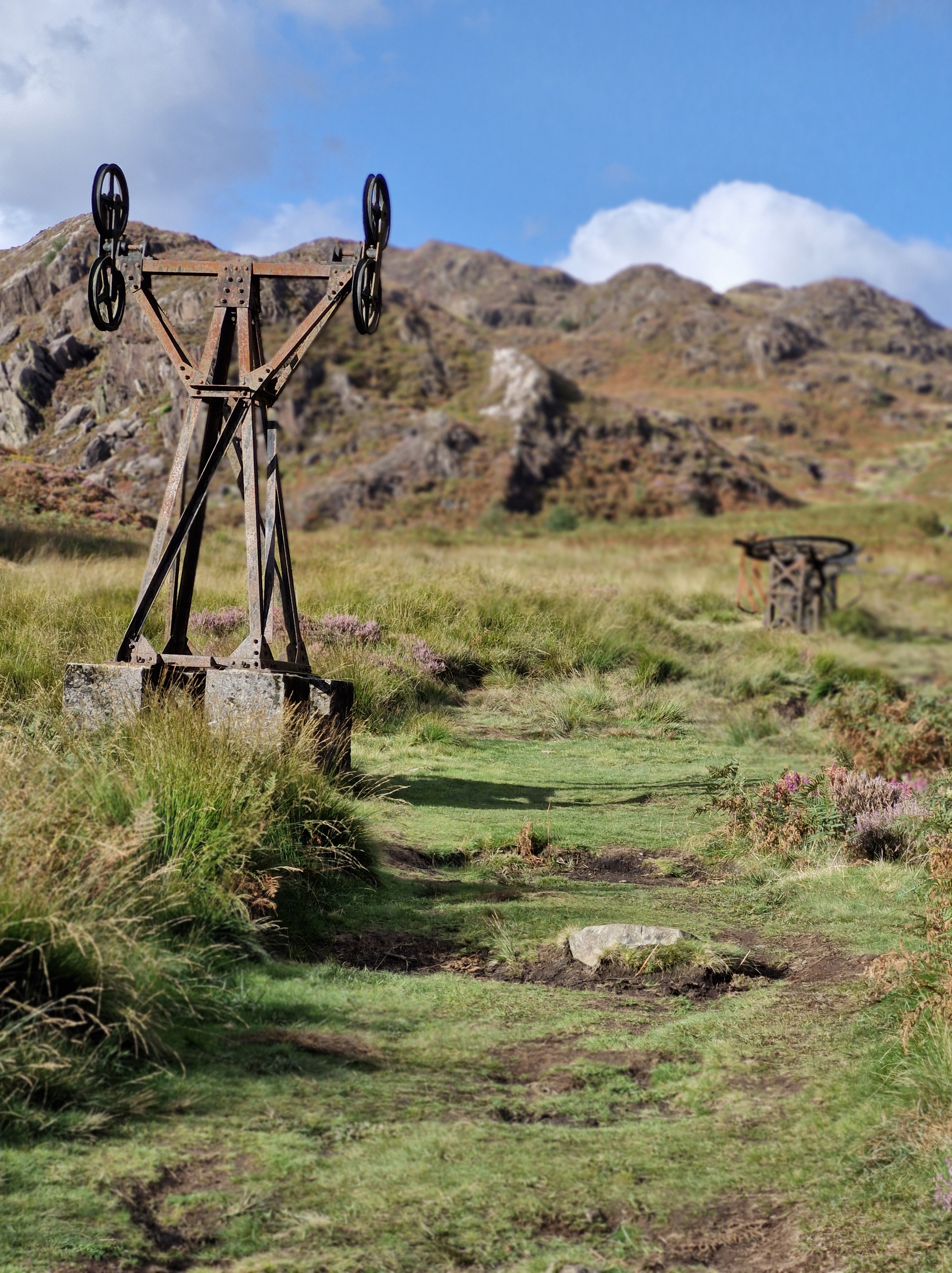
Various relics of that era can still be seen, including the aerial ropeway with its pylons and terminal wheel. And, in the background, the slag heaps of waste copper.

The evidence of the copper mining that used to be carried out here is quite poignant. The silence, broken only by occasional bird calls, the rustle of the breeze through the long grass, the bubbling of the stream, obviously a contrast to how things used to be.

Mining has been dated back to at least the seventeenth century in Cwm Bychan. The mines finally closed in the nineteenth century, then re-opened in the nineteen twenties. It was at this time that an aerial ropeway was built to help remove the Chalcopyrite ore for processing. But the attempt to restart production was short lived and the mine finally closed by the end of that decade.

I needed to research what Chalcopyrite is – a copper-iron sulphide mineral, the primary source of copper metal.

Image courtesy of Wikipedia

I learned that Chalcopyrite, also called Peacock Ore is thought to be an uplifting stone. It may ground nervous energy which allows the body and mind to let go of stress and embrace calm. It also may be used to remove energy blockages, cleansing, activating and aligning the chakras and energy bodies at the same time. To be an excellent aid to increase self-esteem, banish fears and doubts, and soothe the emotions. … fascinating. They must have known this in the nineteen twenties?

.

.

Where We Walked #Nantmor to #Beddgelert via Bryn Ddu – the Fisherman’s Path -River Glaslyn #Wales #walks #climbs #photographs #no stiles #holidays. Part Three – the Last Leg of the Walk

The last part of our hike walk was along the Fisherman’s Walk,following the course of the Afon Glaslyn, a sixteen mile sea trout river whose source is a lake in a valley on the edge of Snowdon,and eventually runs into Tremadog Bay near Porthmadog.

We’d rewarded ourselves with a fabulously tasty but light meal in a bistro in Beddgelert and a wander around for an hour or so, before tackling the last part of the walk. After refilling our water bottles we strolled along a paved footpath along the riverside. This will be a doddle, I thought, watching the Photographer indulge in a few photos shots. A nice, calm, wide river.

Further on we crossed a footbridge beside the railway bridge and went through two kissing gates that crossed the railway line (still no sign of the elusive steam engine – to his disappointment and my relief at that point – after the day we’d had I didn’t fancy being run over by a steam train!).

But I wasn’t prepared for what was around the corner…

Glorious though the river was, it had rained quite a lot in the previous few weeks. Now Afon Glaslyn flowed swiftly over rocks and gulleys. And the path is made up of slabs, rocks and, sometimes an indiscernible way forward. I think the only thing I said in the next hour was … “Where’s the path gone?”

See what I mean?

This section was especially challenging – note the handholds hammered into the rock face so we could swing around the corner of the rock on the narrow path … er … stone slabs above the churning Afon Glaslyn.

One last scramble over rocks before we reached the relatively safer gravel path

And back onto the bridge that we’d stood on at the beginning of the day. And a chance for a last photograph.

And … a welcome sight … back to the cosy farm cottage in Nantmor, where we were staying for the week. Ready for an evening of quiet editing of my next book – The Stranger in my House

Nantmor is famous for being the filming location of the 1958 film, Inn of the Sixth Happiness starring Ingrid Bergman and Robert Donat. The film was based on the true story of Gladys Aylward,a British nurse who became a missionary in China in the unsettled years leading up to the Second World War. Nantmor doubled as China and people from the Chinese communities in Liverpool were brought in as extras for filming.

I found an interesting article on the history and repairs of the Popular Fisherman’s path in Beddgelert when ” After winter storms and high river levels washed away a 100m section of the Fisherman’s path, the Welsh Highland Railway swapped its cargo of tourists for stone, reverting to its original purpose for a day. Repaired, thanks to special delivery by Welsh Highland Railway.” Published: 20 February 2023: https://tinyurl.com/32md9b3f

Where We Walked #Nantmor to Beddgelert via Bryn Ddu #Wales #walks #climbs #photographs #nostiles #holidays – Part One

‘It’s the longest walk we’ll do,’ said the Photographer, ‘But it’s such a glorious day, and we’ll get some gorgeous views. Better take the walking poles as well.’

I know. I know… ‘walking poles’ should have been the clue!

It was a gentle, if somewhat a rocky start to the walk through the woods.

And then the Afon Glaslyn (Glaslyn River) came into view. ‘We come back to here along the river bank,’ the Photographer said.

‘Oh, lovely, said I!’ And meant it… then

We went through the kissing gate, over the road bridge, turned left on the road, until we saw a National Trust sign for Coed Aberglaslyn (Aberglaslyn Trees) and followed the footpath towards the stream.

So far so good. “Follow the waymarkers up through the woods”. But the waymarkers had long since disappeared. And here I need to say, the following was completely my fault. “Follow the path to the stream”, the directions read. So I did. But you would think, after all these years, the Photographer would know I have no sense of direction.

And here is the stream.

“Turn right,” the directions read. Across the stream? Which was flowing fast and deep. We read, and re-read the directions. We searched for a path.

For half an hour.

Suddenly we were joined by a couple. ‘We have the O.S.map on our mobiles,’ the man announced. ‘We know the way. You can follow us.’

So we did…

For almost an hour we followed them, clambering over boulders, up along boggy paths (sheep trails, they turned out to be), splashed through water, until we reached the top of the hill. To discover it wasn’t the top of the hill. Whereupon the woman turned to us and cheerfully said, ‘We’re not very good at orienteering. I think we’ve gone wrong.’

We went our separate ways. We slipped, negotiated the boulders, slithered through mud, back to the stream. And then back to the bridge. And there we found a waymarker – hanging off a post, pointing to the ground. We looked aroundand there, going up through the wood were long narrow indents in the ground… steps!! Of a sort.

It says in the directions there should be a stile at the top. Chance it?’ the Photographer asked. ‘Or would you rather give up?’

A stile!! But his words sounded suspiciously like a challenge. I’ve never been able to resist a challenge…

We tackled the way up the hill, winding through the trees. It turned out there were just over a hundred of the so-called steps, which necessitated hanging onto trees and hauling ourselves up branch by branch or hauling one another up in places. We had lots of stops for breath. And we needed those walking poles.

Until we were actually on Bryn Ddu. The halfway point to Beddgelert. Finally we were on the right track.

We stopped for a few photographs.

Before setting off again to search out the base of a tower, built on a prominent outcrop at a viewpoint overlooking Aberglaslyn Pass. The whole structure is built on a stone plinth which forms a narrow terrace around the tower. Thought to be a wartime lookout post.

From the lookout point we could see Beddgelert … in the distance. And the narrow trail winding its way down the hill. We stopped for much needed refreshments, and to catch our breath before tackling the next half of the walk.

To be continued…