
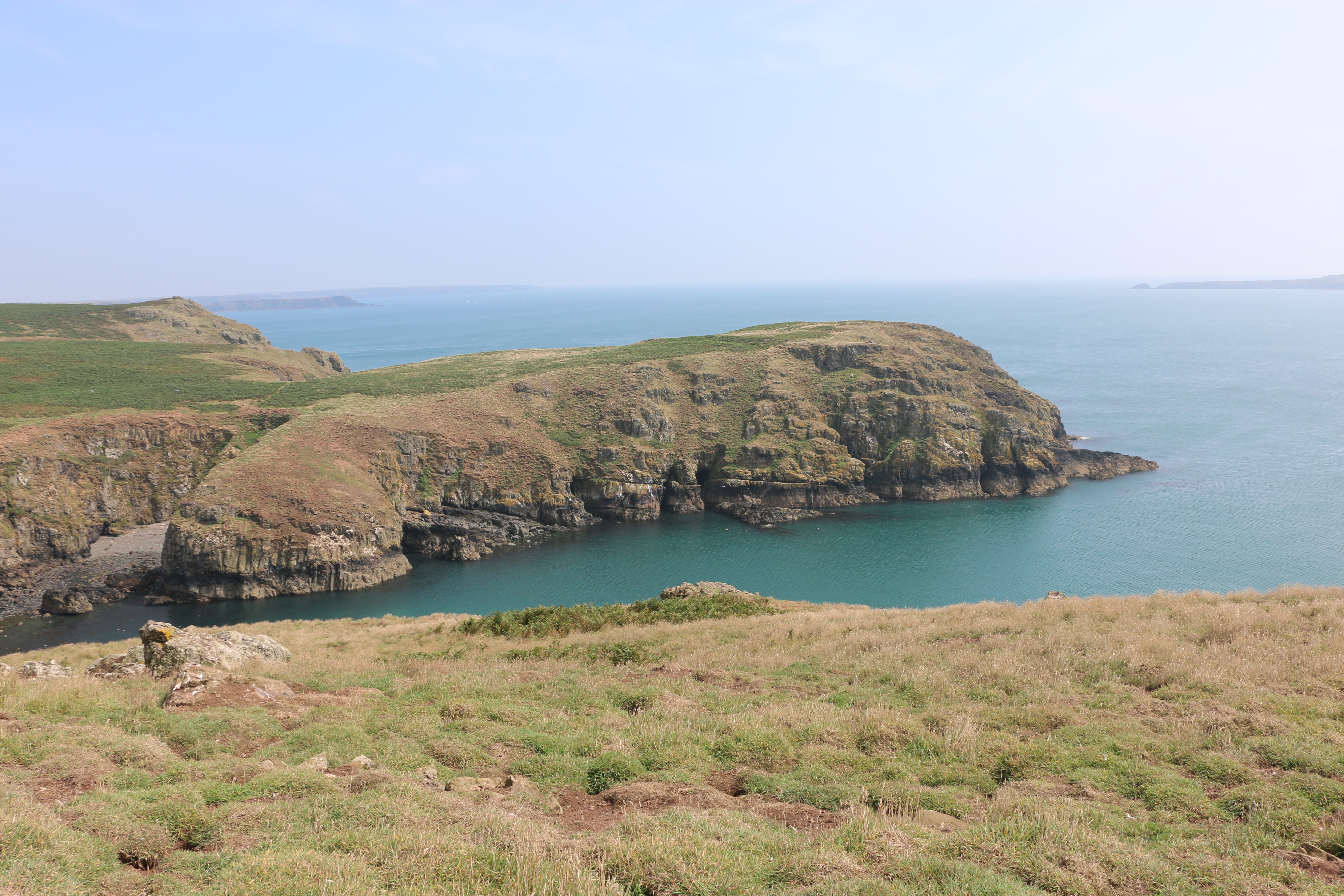
Over the last few weeks we have walked along the Pembrokeshire coast with the Pembrokeshire U3a and the National Trust …

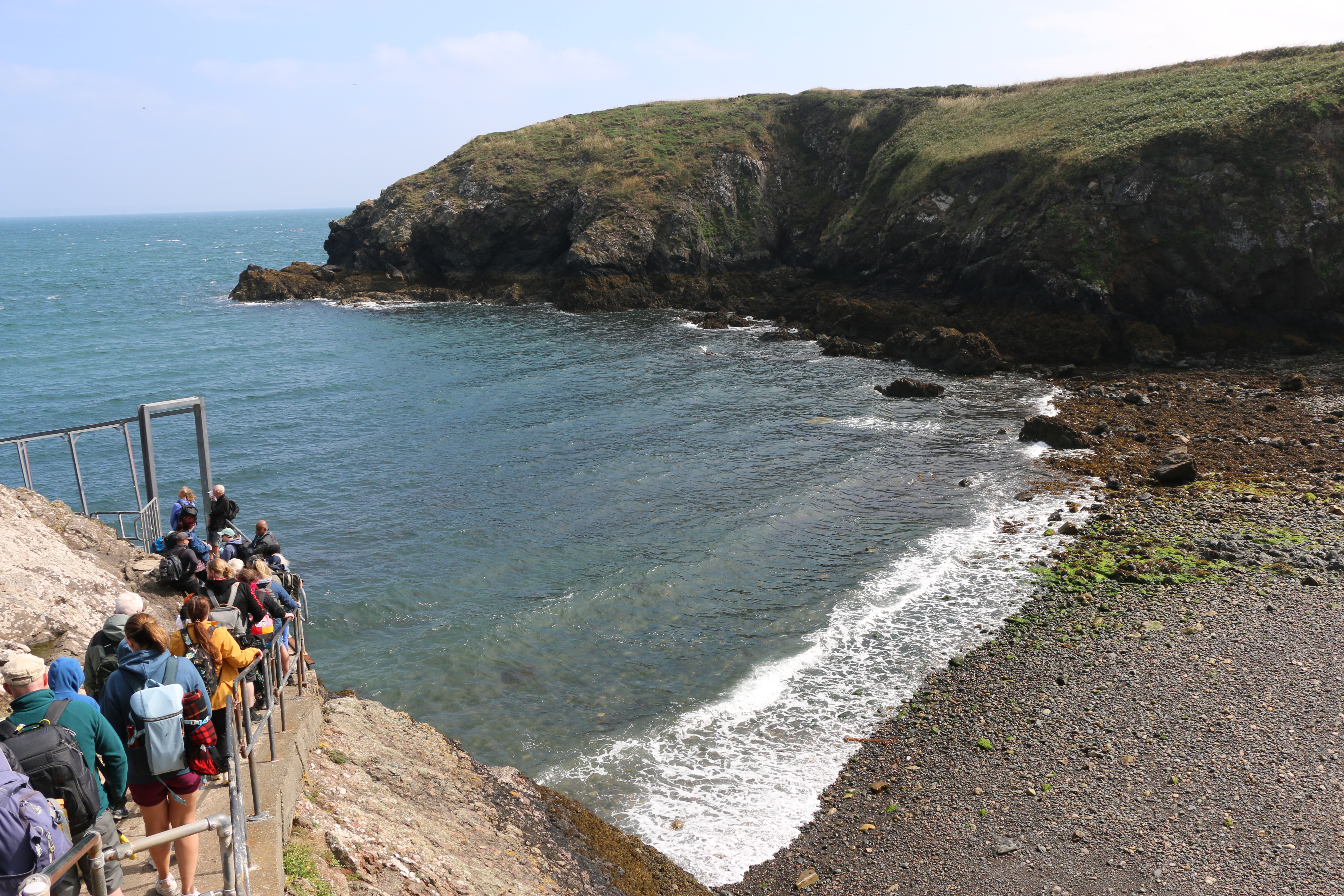
And joined in with a couple of days seal spotting … from the clifftops, so at a distance, of course.
And watching the mothers with their pups was fascinating
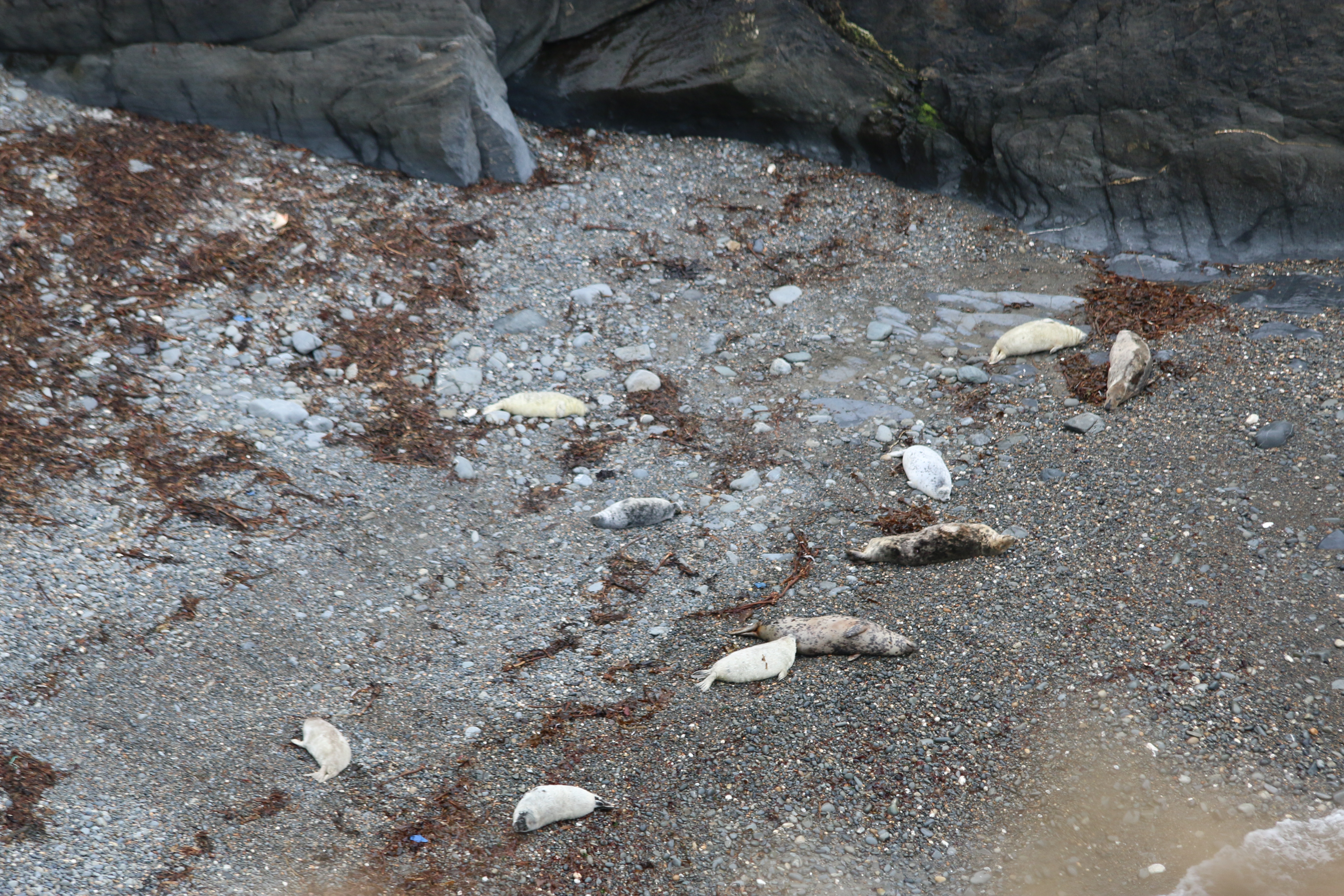
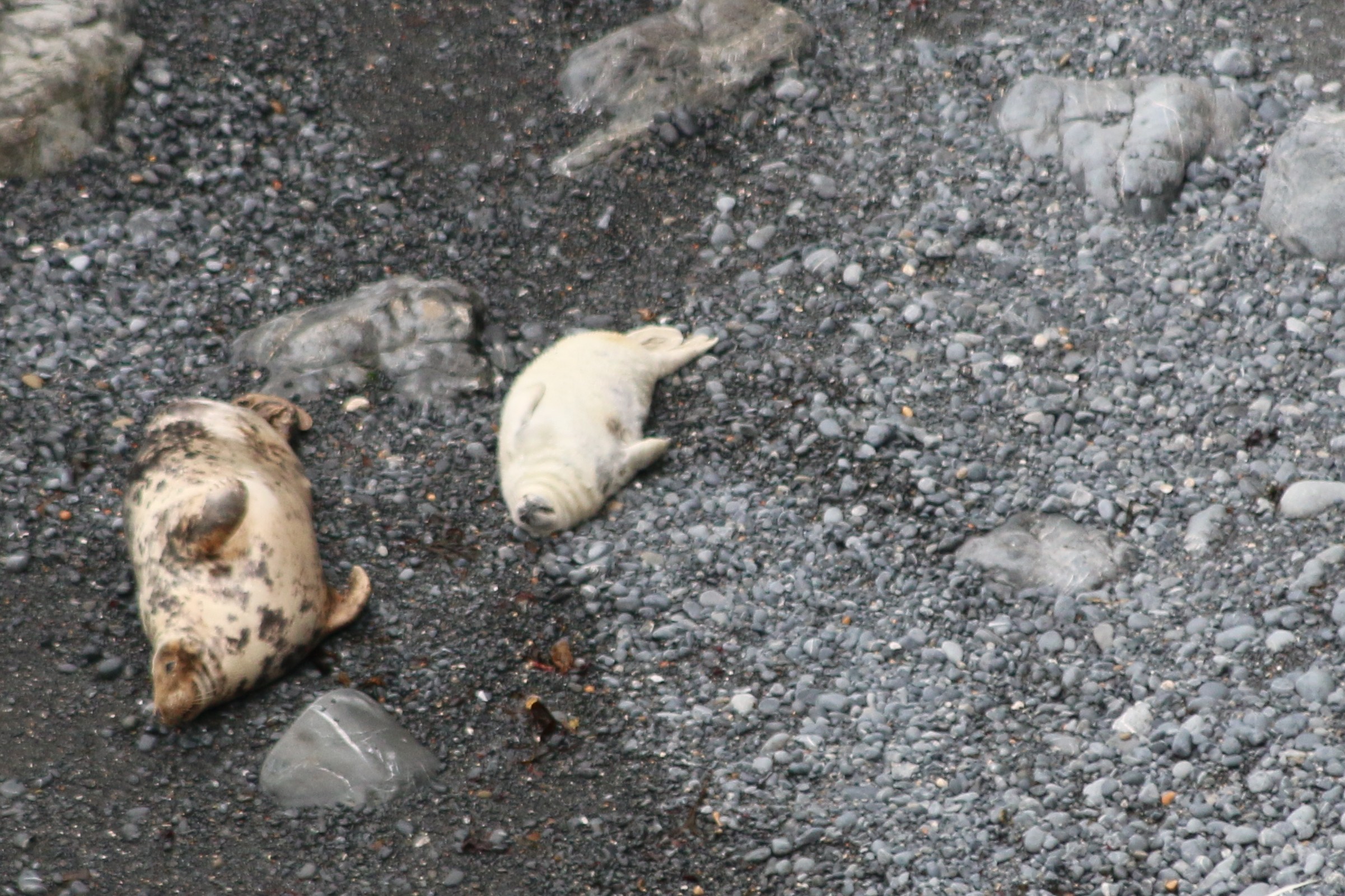
Around the coast of West Wales, grey seals can be seen throughout the year. In the summer, around sunset, the seals begin to return to the beach hauling out their daily catch of fish. Mostly, at this time, they bob about in the water, waiting to come ashore to rest. Seals spend a lot of time at sea but come ashore to breed from August until early November, when parents and their pups can be spotted on beaches around Pembrokeshire.
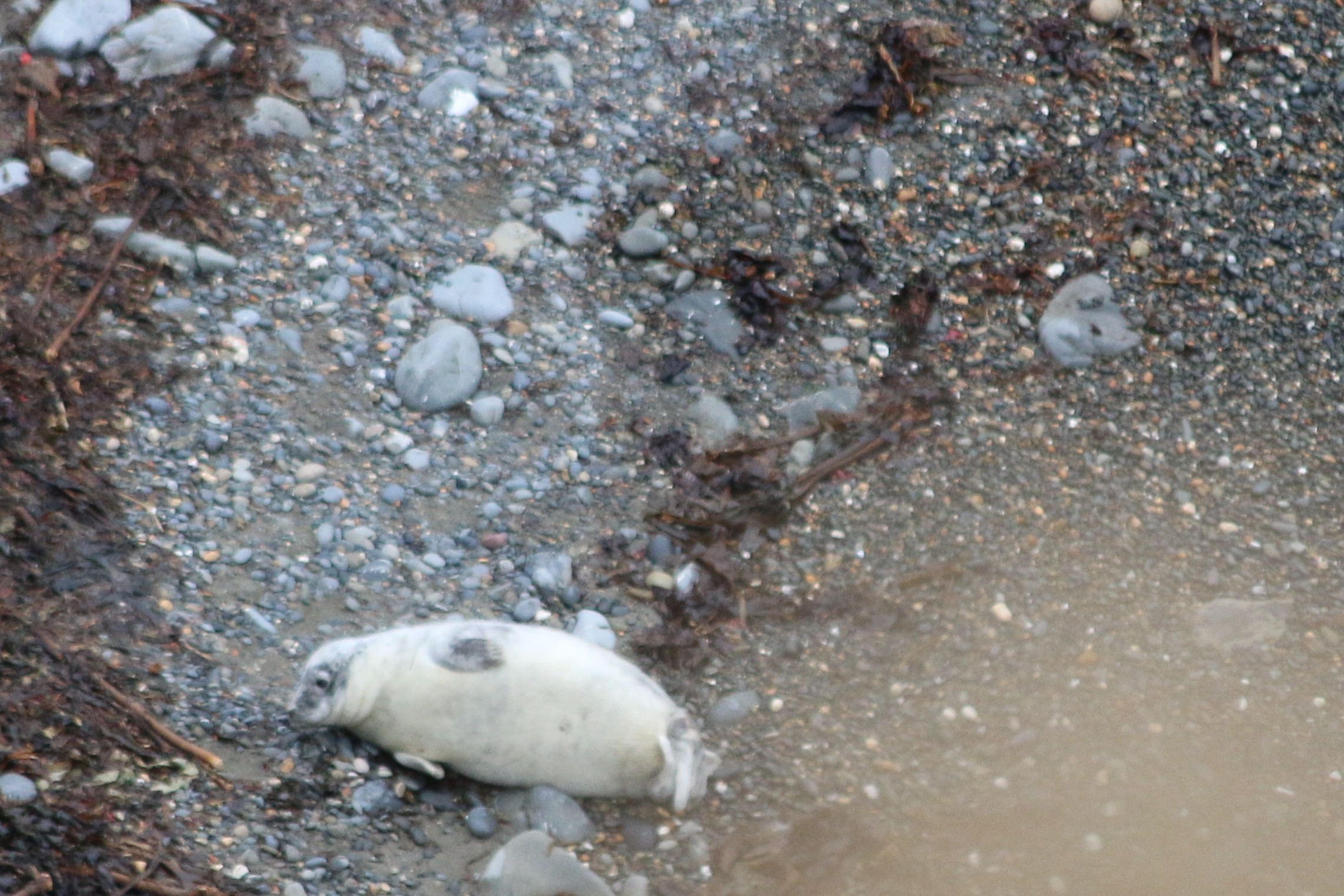
On land they are cumbersome and slow, compared with their agility in the ocean.

Which gave The Photographer plenty of time to get his pictures!
Many thanks Pembrokeshire U3a and the National Trust for two brilliant days .

Fun Facts (courtesy of https://tinyurl.com/5n8ukdyz )
Fossil records indicate that the ancestors of modern seals first entered the ocean on the west coast, about 28–30 million years ago.
Seals see very well under water—better than they do in bright light above water. Their eyes are adapted with round lenses (like fish) and a large iris that fully opens underwater. On land the iris closes the pupil to a small pin point that lets the seal see clearly through the round lens. A seal’s eye is also adapted for low-light vision with a lining (similar to a cat’s eye) that reflects and amplifies the weak light at depth in the ocean.
A seal’s body stores enough fat in the blubber layer to allow the animal to go for extended periods of time without eating. In addition, most seals are opportunistic feeders and will consume a variety of fish, shellfish, and crustaceans. Seals do not eat on land.
Like all marine mammals, seals get all the water they need from their food. Their bodies are very efficient at removing and recycling water from their food. They avoid drinking sea water; if a seal drinks too much sea water it can become seriously sick. Arctic seals, which spend time on ice, may sometimes eat fresh water ice and snow.

NB: Seals are protected in the UK under various acts, including the Conservation of Seals Act 1970, which prohibits killing, injuring, or taking them except under specific circumstances. Both native species, the grey seal and common seal, are protected, along with any other seal species found in UK waters.











 Judith Barrow