
Moel Hebog (Welsh for Bare Hill of the Hawk) is a mountain in Snowdonia, which dominates the view west from the village of Beddgelert.

This was the next walk we did. I say ‘walk’ as a vague description. And I need to say at this point that we hadn’t read the following review beforehand.
“This is very much a steepish persistent trek from the beginning to the end. The path is very sketchy in places and you have to work out the best way forward. You go around the false peak and a bit further up you come to a near vertical wall bit. Be careful here as a number of false paths on where to go up. Take your time to work out the safe route which is on the left side of the paths. It’s only two-four steps scramble then you are back on a reasonably marked trekking path. This trek is not for beginners you really need the experience of being able to work out safe routes and a little scrambling experience. You also need a reasonable level of fitness as it’s very much a full on upwards & downwards trek, not any flattish areas. When I did it mid May 2024 the forest walk on the descent was impassable as flooded, very boggy so had to walk around the gravel tracks that added around 4 miles to the trek. Really enjoyed this trek, it is physically challenging as you gain height quickly, I would fully recommend trekking poles as they help. The downward grassier slope going down to the forest is steep so trekking poles really useful. Enjoy, take your time and stay safe.”
Oblivious to this review (but with our trusty walking poles, as usual), we walked past Beddgelert Railway Station, then along a lane crossing the railway line.
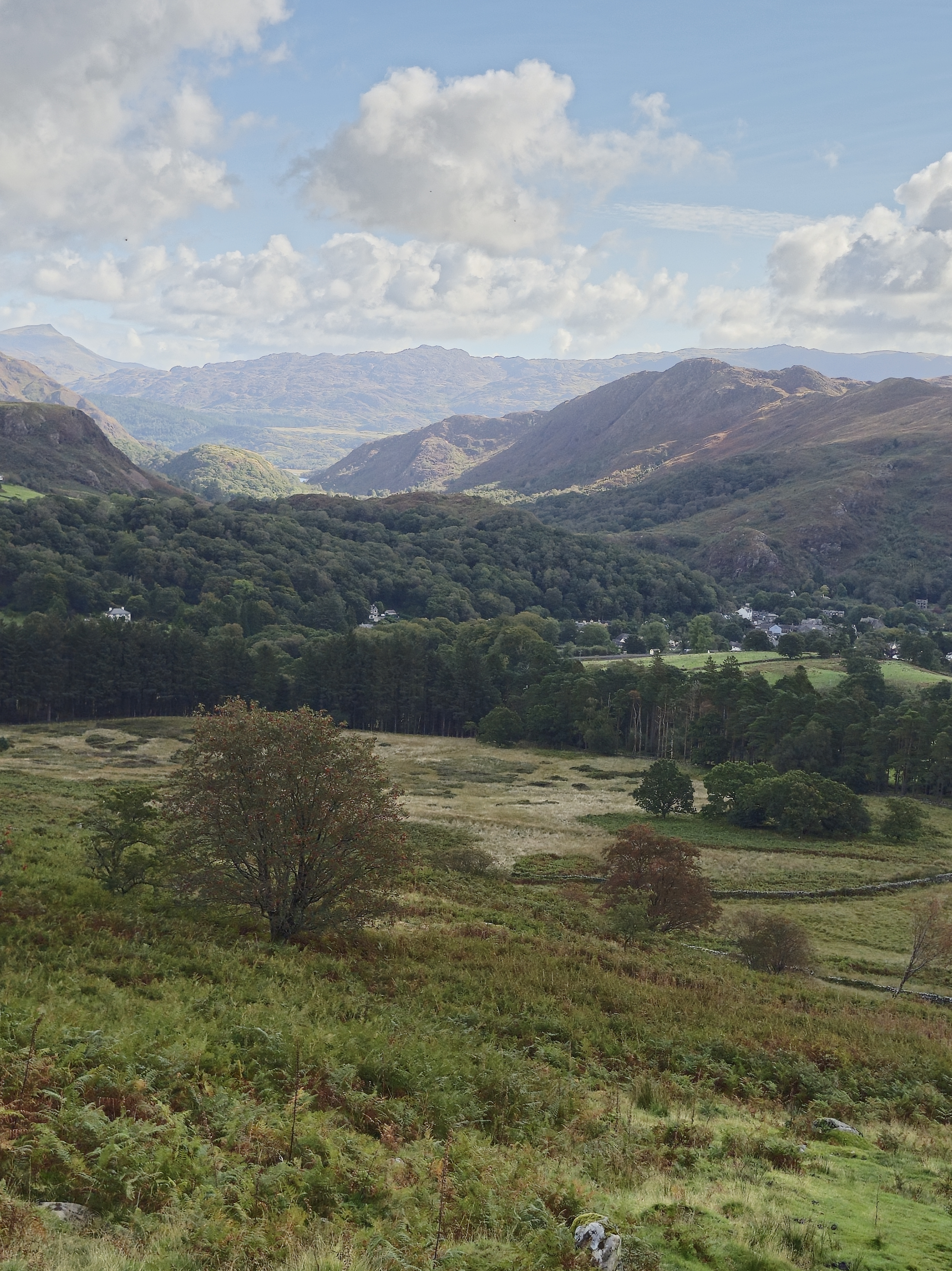
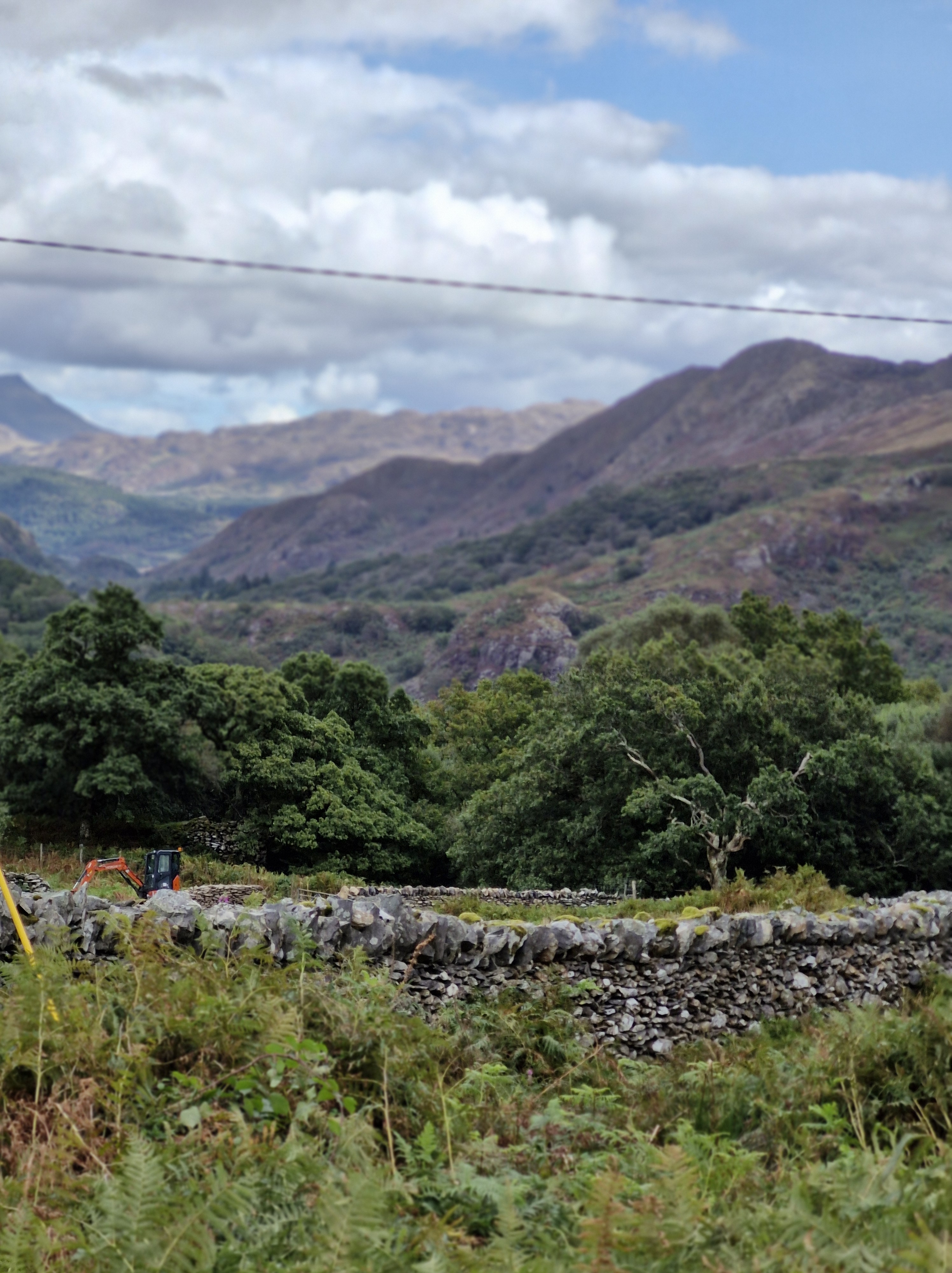
We passed a farm, said hello to the dog who came out to watch us, and walked through a small wood before the land opened up. There was a stone path across crossing a field, and then a post which indicated we needed to go straight ahead to a stile over the stone wall. (Yes, there had to be a stile!!)
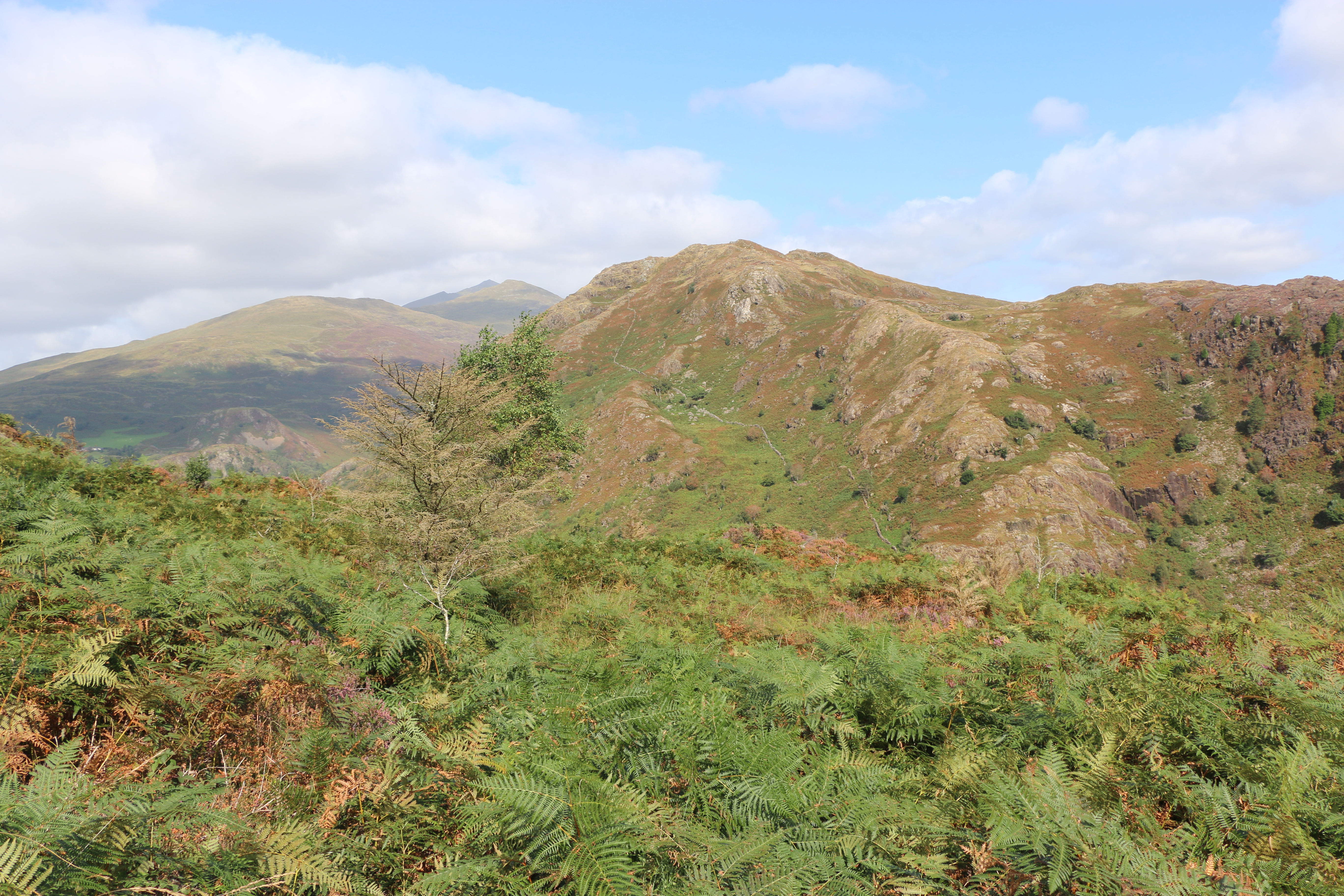
At first the path was a meandering course on spiky grass with golden brown ferns set in a landscape of small outcrops and boulders. (Later in the day, having coffee in a small cafe, we met three young climbers who told us that these boulders were called erratics, glacial boulders or rocks that have been transported by ice and deposited. The type of rock – the lithology – the physical, chemical, and mineralogical properties – that the glacial boulder is made from is different to that of the bedrock where it’s been deposited.) We live and learn!
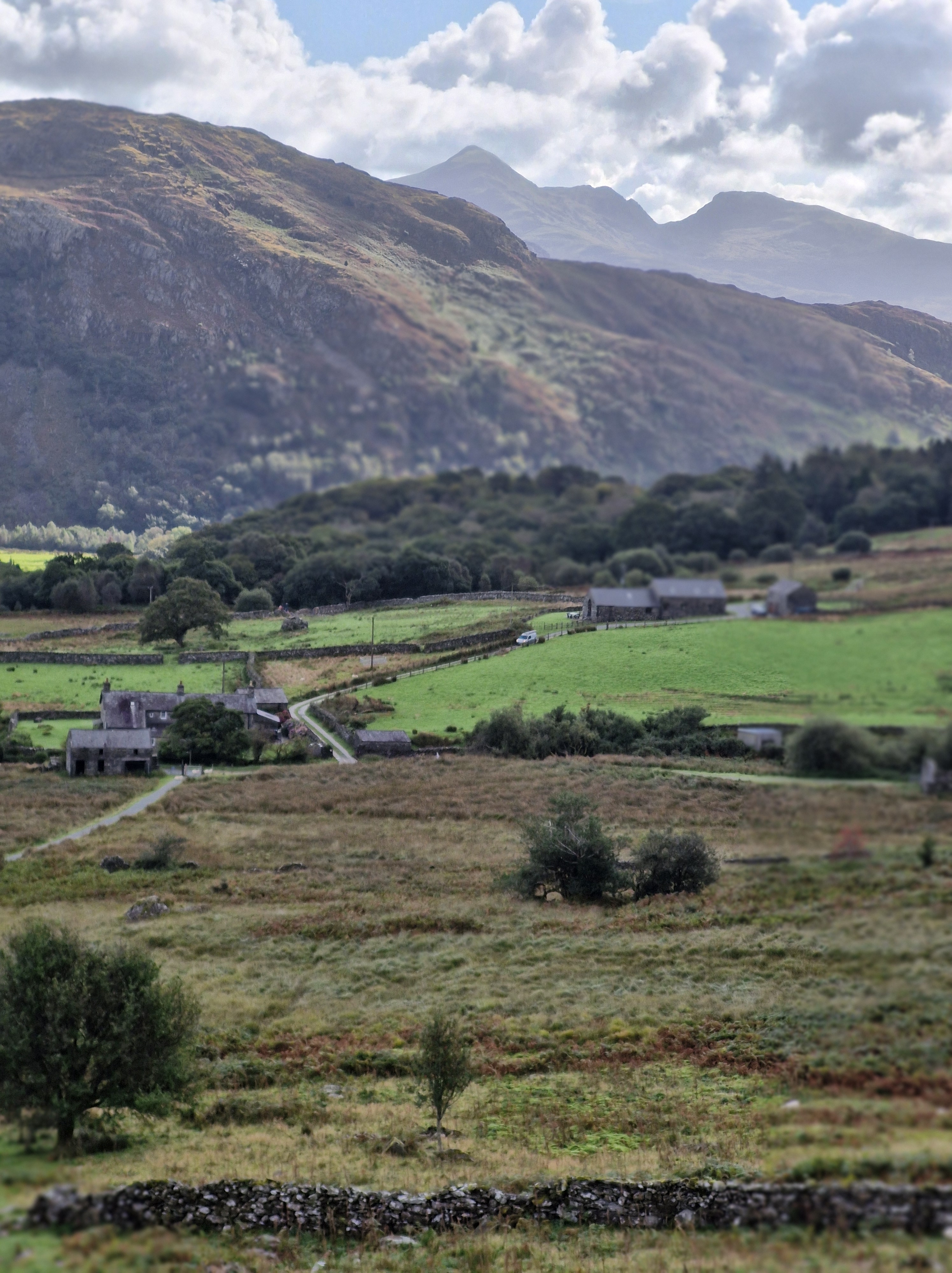

As we climbed,I took advantage of every photo stop, as usual. (my ‘catching my breath’ time). The landscape was glorious. And there, in the distance, was Llyn Dinas.

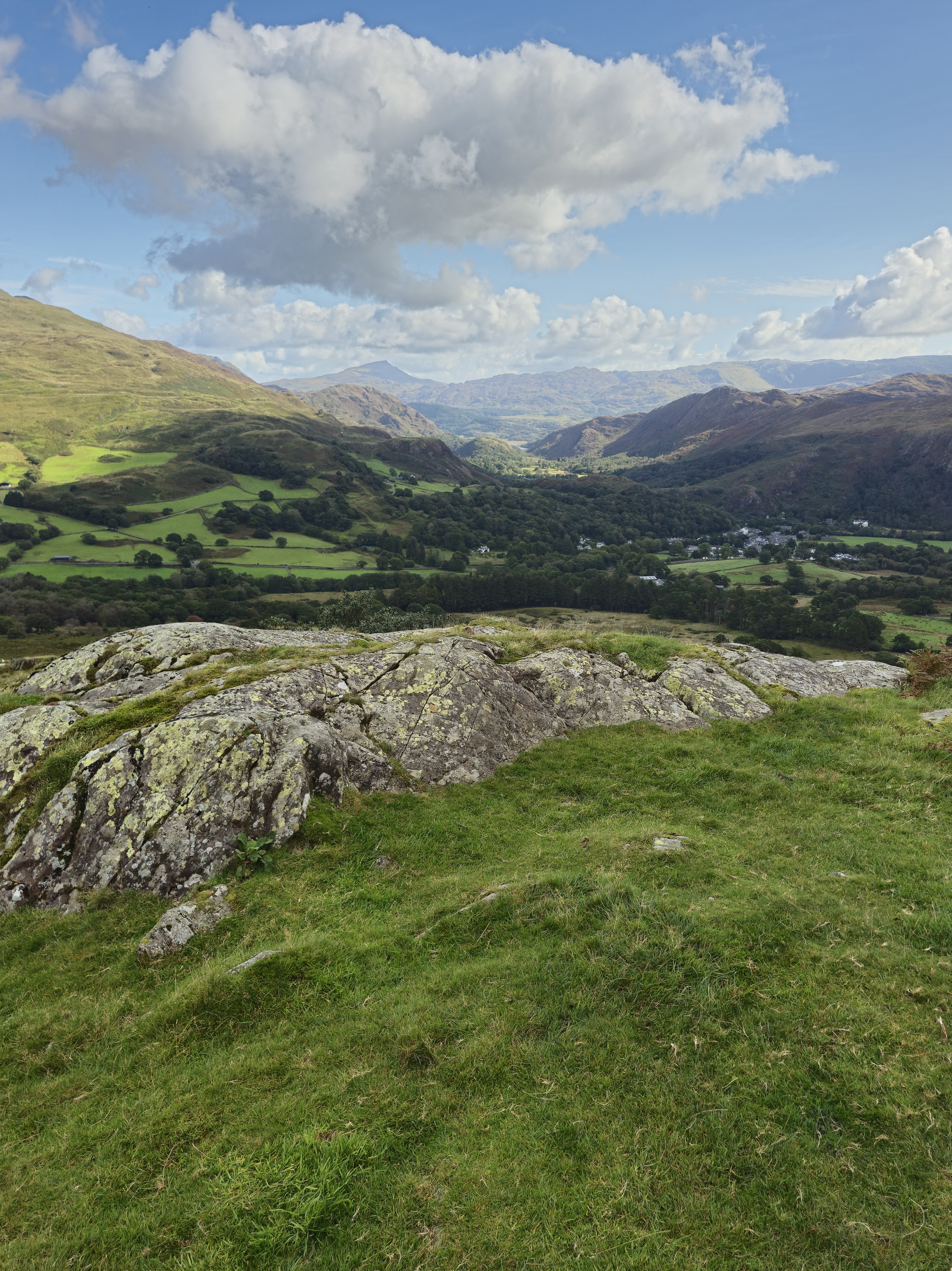
We stopped for lunch, debating at this point on whether we’d gone as far as we should (could!) Just then two couples passed, going back down. ” That’s us done,” said one of the men. “We know when we’re beaten. Off for a pint.” They were about twenty years younger than us. We looked at one another, made our decision; if going any further was too much for them, we had no chance. We packed up our things.
So there we are – sometimes ignorance is bliss. Or very foolish. But it was a lovely day, we took our time, had food and water – and knew when we’d got as far as we wanted to.

We took one last look at the dark peak of SnowdonIn in the far distance before we turned and made our way down towards the road. “Got some fabulous shots though,” said the photographer, cheerfully. I agreed, relieved to be back on tarmac.
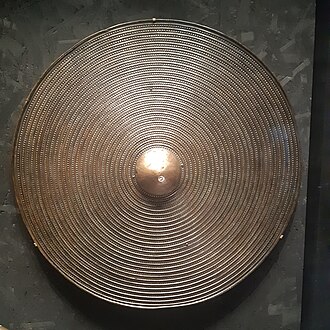
Later, looking back at the walk, I read the following.’The Moel Hebog shield (Welsh: Tarian Moel Hebog) or the Moel Siabod shield, is a large copper-alloy shield from Bronze Age, found in a bog on he north-west slopes of Moel Hebog. Discovered in 1784, it dates from 1300–1000 BC and is now in the British Museum in London.
Richard Blurton (a specialist in South Asian art and archaeology, formerly Assistant Keeper at the British Museum), wrote about the shield in his book The Enduring Image: Treasures from the British Museum (only £209, plus £9.75 postage). He says, “This shield is a splendid example, representative of the rise of large sheet-bronze work in later Bronze Age Europe. Much effort was directed towards the production of ceremonial metal armour indicating the prevalence of the idea of man as a warrior.“
Just thought I’d share that!
Discover more from Judith Barrow
Subscribe to get the latest posts sent to your email.
 Judith Barrow
Such fabulous scenery, captured very well. I’m glad you know when you have gone far enough. I love the info about the shield. Thanks.
LikeLiked by 1 person
Thank you, Darlene. David always seems to get the right vew so we can look back and wonder at the scenary, when we are home. I took a video as a ‘reel’ on Instagram, and all the sound is of my gasping for breath in the background.🤣🤣🤣.
LikeLiked by 1 person
We used to “do” Moel Hebog every time we stayed at Beddgelert and it was always much tougher than the big one opposite. Often counting 100 steps before being allowed another square of Fruit’n’nut.
Fabulous pics as ever.
LikeLiked by 1 person
The photos do at least tell us we got quite a way up Moel Hebog, Thorne. I will rmeber the 100stpes to the next square of Fuit’n nut, next time, thanks..
LikeLike
I can’t believe you reached a point where you’d had enough, but it sounds like a wise decision. I would have waited for you at the bottom with a pint!
LikeLiked by 1 person
I know, Noelle. It was when we’d thought we’d reached the summit … and hadn’t. And then those four people staggered past us! 😊. That pint would have been more than welcome.
LikeLiked by 1 person
Such a beautiful corner of the world.
LikeLiked by 1 person
It really is. Thank you for dropping by to comment. 😊
LikeLike
A gorgeous walk, Judith. I love your pictures. I am, as always, happy to let you do the walking and supply me with beautiful photographs to look at – smile!
LikeLiked by 1 person
Thanks, Robbie.😊 And I return the compliment, because I love your photos as well. And, despite my grumbling about the number of stiles we usual find on these walks, I do love the freedom of walking and the wonderful places we go. I’m thankful it’s a hobby we can both still do. I always appreciate you dropping by to comment. x
LikeLiked by 1 person
My pleasure. We actually walk quite a lot on our trips away to. It is necessary to get the pictures 🌺
LikeLiked by 1 person
I’m sure, Robbie. We just photograph scenes, you get the close-ups on animals I/we would never see in our lives… fascinating. x
LikeLiked by 1 person
I like scenes 🌺
LikeLike
WOW, a Bronze Age shield!! It’s beautiful, as is your scenery, of course.
LikeLiked by 1 person
I know, Liz, fascinating, isn’t it. I love discovering these facts about the places we walk. It makes on realise all the lives that went before us. Many thanks for reading the post and commenting. It’s appreciated. x
LikeLiked by 1 person
We think so too. This shield is beautiful.
The walk would be too demanding for us. We use to walk for fun.
All the best
The Fab Four of Cley
🙂 🙂 🙂 🙂
LikeLiked by 1 person
Thank you so much. I’m glad you think so and I’m honoured to have you drop by to comment. It was a strenuous walk but I’m glad we managed to climb so far.
LikeLiked by 1 person
Lovely pictures. Glad you didn’t go too far and get into any trouble.
LikeLiked by 2 people
Thanks, Rosie. I guess we knew our limits. We met a young chap in Beddgelert who’d just gone all the way round. He said it had taken him five hours and he was going home for a lie down. So I knew we’d done the right thing… for once!😊
LikeLiked by 1 person
A fabulous walk, Judith. What gorgeous scenery. It would be hard to stop exploring, but always good to know our limits.
LikeLike
It was a glorious day in a glorious place, Diana – but we knew we needd to go back. And david got some brilliant shots to remind us of the day. Thank you for reading and commenting. x
LikeLiked by 1 person
I enjoyed your descriptions very much and your photos of such beautiful moutainous landscape.
LikeLike
Thank you so much. We really enjoy these walks, and know how lucky we are to live in Wales. My husband always manages to capture the moment. I appreciate you dropping by to comment.
LikeLiked by 1 person
If I’d read that review, I would have decided to stay put, Judith. But I’m glad you did the walk and knew when you reached as far as you could. As ever, the scenery is breathtaking. I bet the place you stopped for lunch does a good trade.
I can only imagine that many more treasures are buried in this part of the world, waiting to be discovered. It is amazing how items survive for such a long time, but I think being buried in a bog does help preserve objects. I’m sure that well-preserved bodies of humans who lived thousands of years ago have also been found in boggy areas.
LikeLike
I did wonder if past generations had been found there, as well, Hugh. But it’s lovely how artefacts are discovered – we can learn so much from these finds. It was a daunting climb – sometimes (well, nearly all the time!) we forget how old we are!!😊
LikeLike
So true, Judith, especially for somebody like me who keeps himself that he is 23.
LikeLike
Haha – I know, Hugh!! It’s all in the mind – and that keeps us young. x
LikeLiked by 1 person
How simply gorgeous, Judith. Thanks for taking us along with you❣️
LikeLike
Thank you for beinf with us, Cindy. I’m so glad you enjoyed the photographs. 💖
LikeLike