Where We Walked: Wiston Castle and Church #Pembrokeshire #Wales

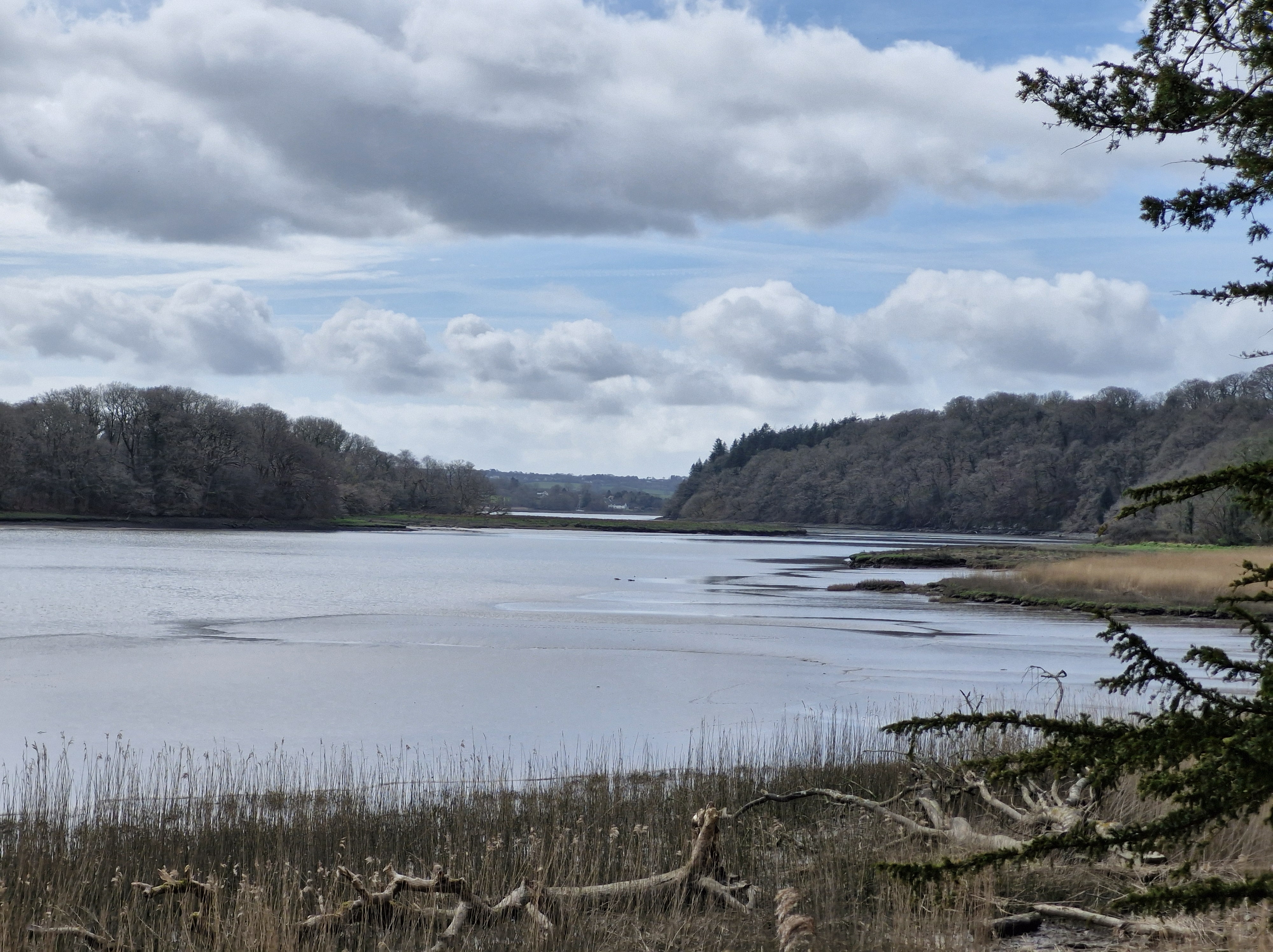
Following a recce for a Narberth U3a future Stroll and Photo at Llys-y- Fran, we took a diversion to Wiston castle. Even though not long enough for a walk, the castle and nearby church are historically interesting.

The castle was built by an early Flemish settler with the unusual name of Wizo (in Latin) or Gwys (Welsh). Wizo was one of the powerful Norman lords who took control of southern Wales in the decades following the Norman Conquest. The settlement was called Wiston, which was an old Flemish/Saxon word for Wizo’s enclosure. And I am reliably informed, by someone who knows far more about these things than I do, that Wiston is pronounced Wizon,

Wiston is one of the best-preserved motte-and-bailey castles in Wales, (A bailey is an enclosed courtyard within a castle, typically surrounding a central mound (the motte), a small mound or hill which was fortified in the past).

The castle is first mentioned in documents in 1147 when it was attacked by the Welsh, and then again by Hywel Sais, who was the son of The Lord Rhys who ruled this area of Wales, in1193. The castle was again attacked and destroyed in 1220 by Llywelyn ap Iorwerth (Llywelyn the Great). There is more information of the history of Wiston castle here:

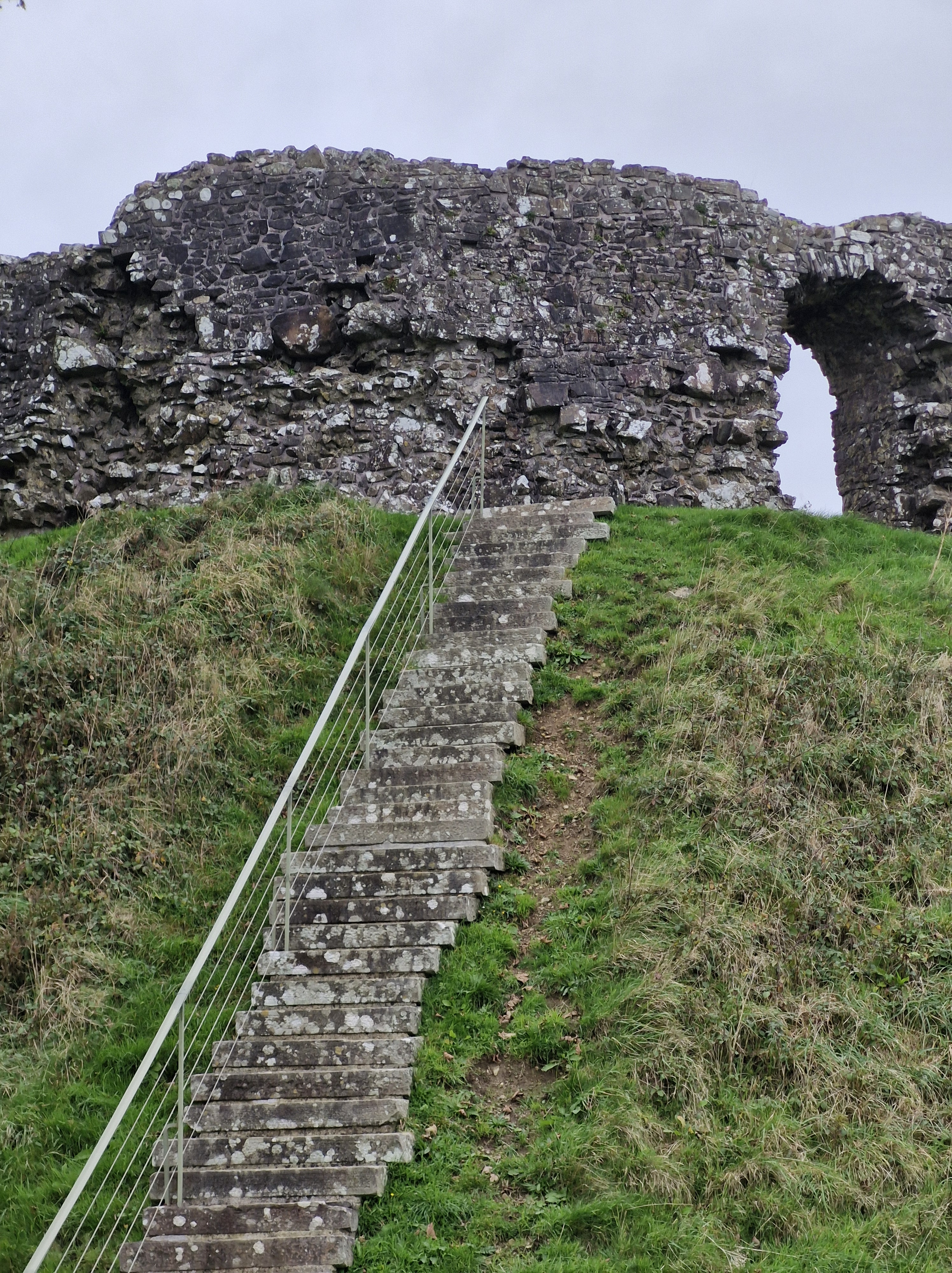
There are forty-nine steps … I counted!

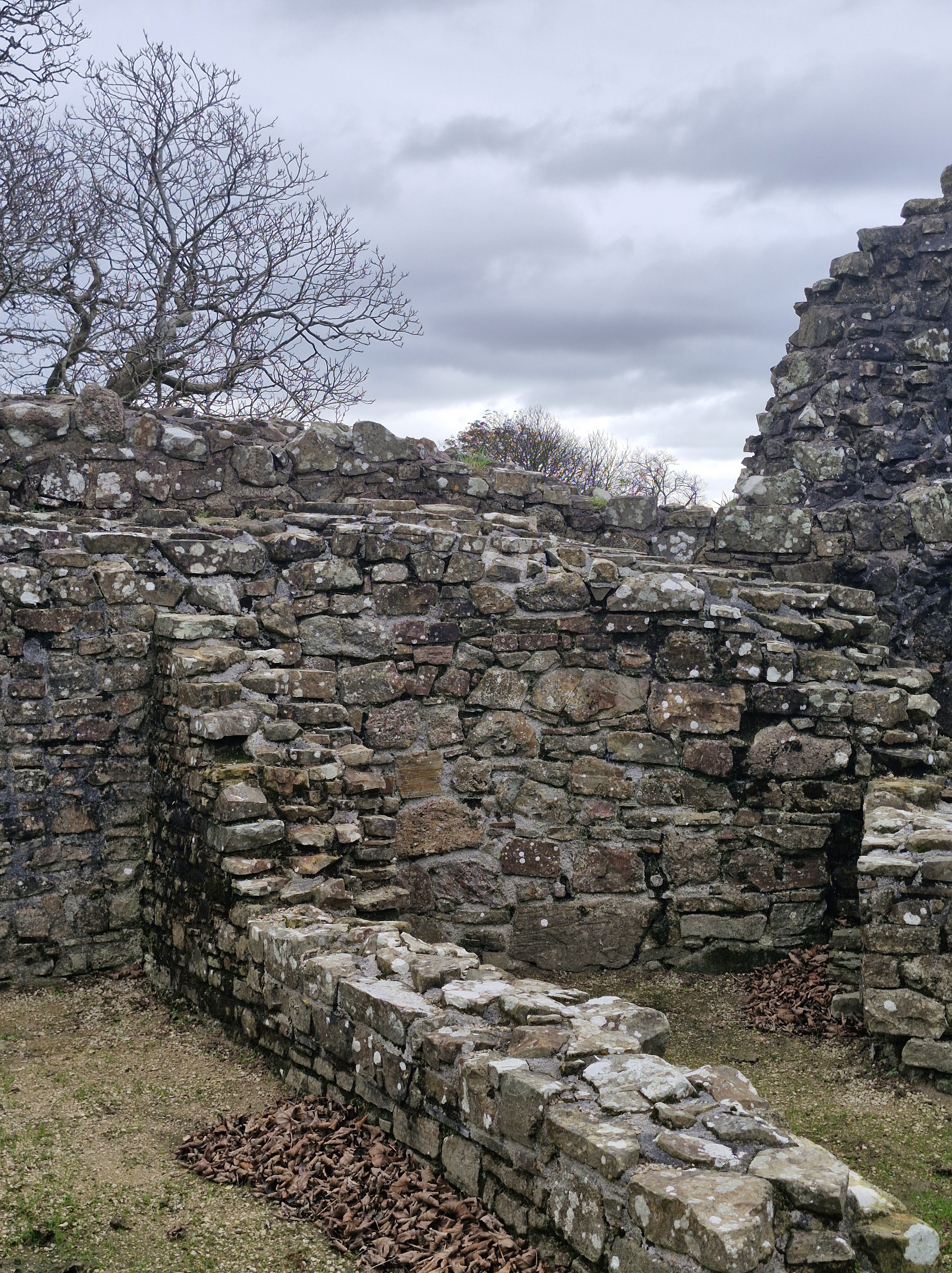
The Keep was a large fortified enclosure. This would originally be an early thirteenth century timber tower within a palisade. The present sixteen-sided stone shell keep was a replacement and would have risen another story with a parapet. The entrance was barred by a stout wooden door and the residential upper floor was reached by stone steps just inside the doorway.

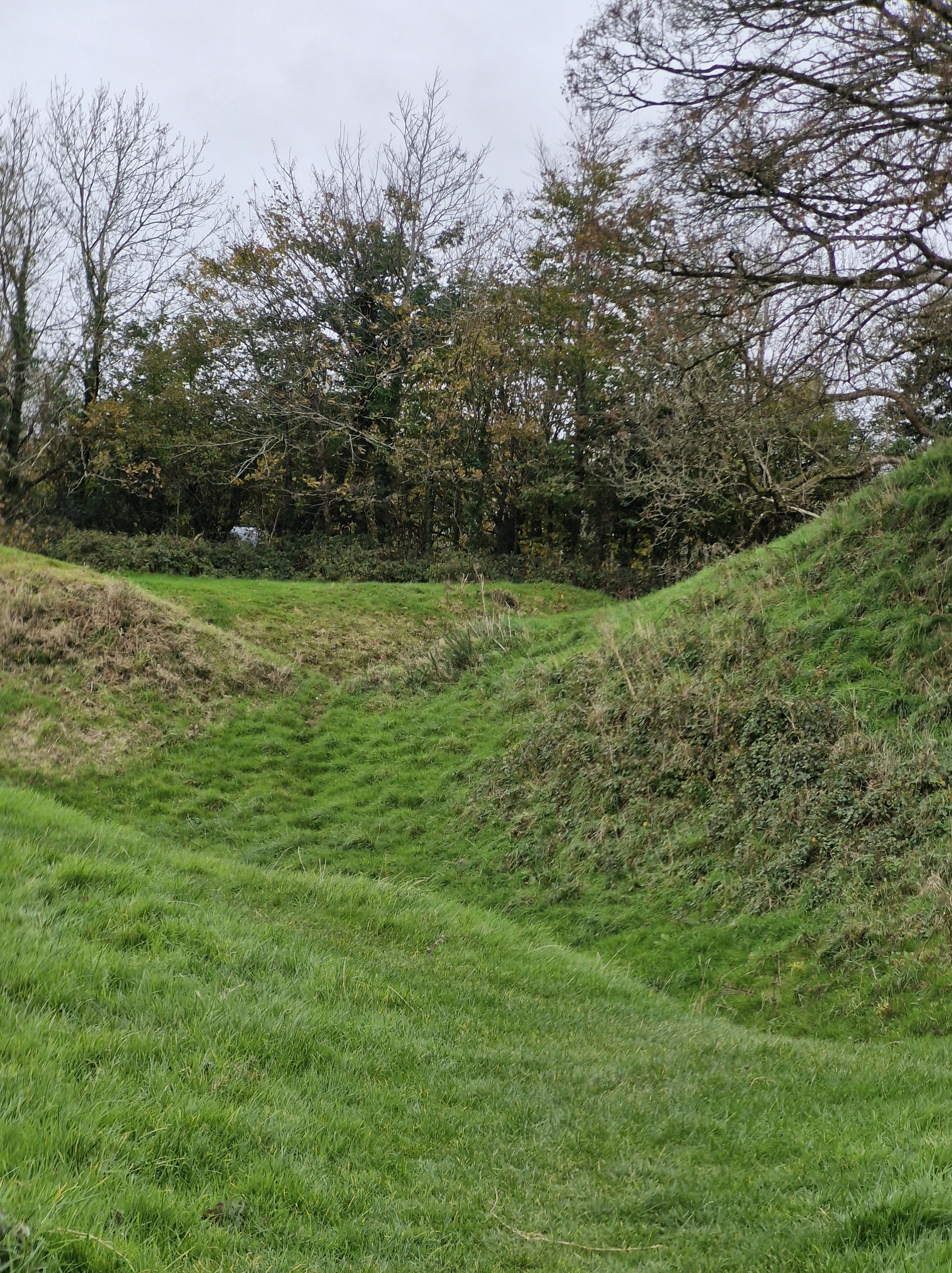
A deep ditch surrounds the base of the mound, separating it from the bailey (the enclosed courtyard within a castle) to the south, and connecting with the moat of the outer bailey on the eastern and western sides. This would have contained essential buildings like stables, barracks, and a chapel – the fortified area where soldiers, servants, and livestock lived and where the day-to-day activities of the castle took place.

Impressive stone walls. Spot the lookout!

And, of course, who goes up … must then go down. Much easier!

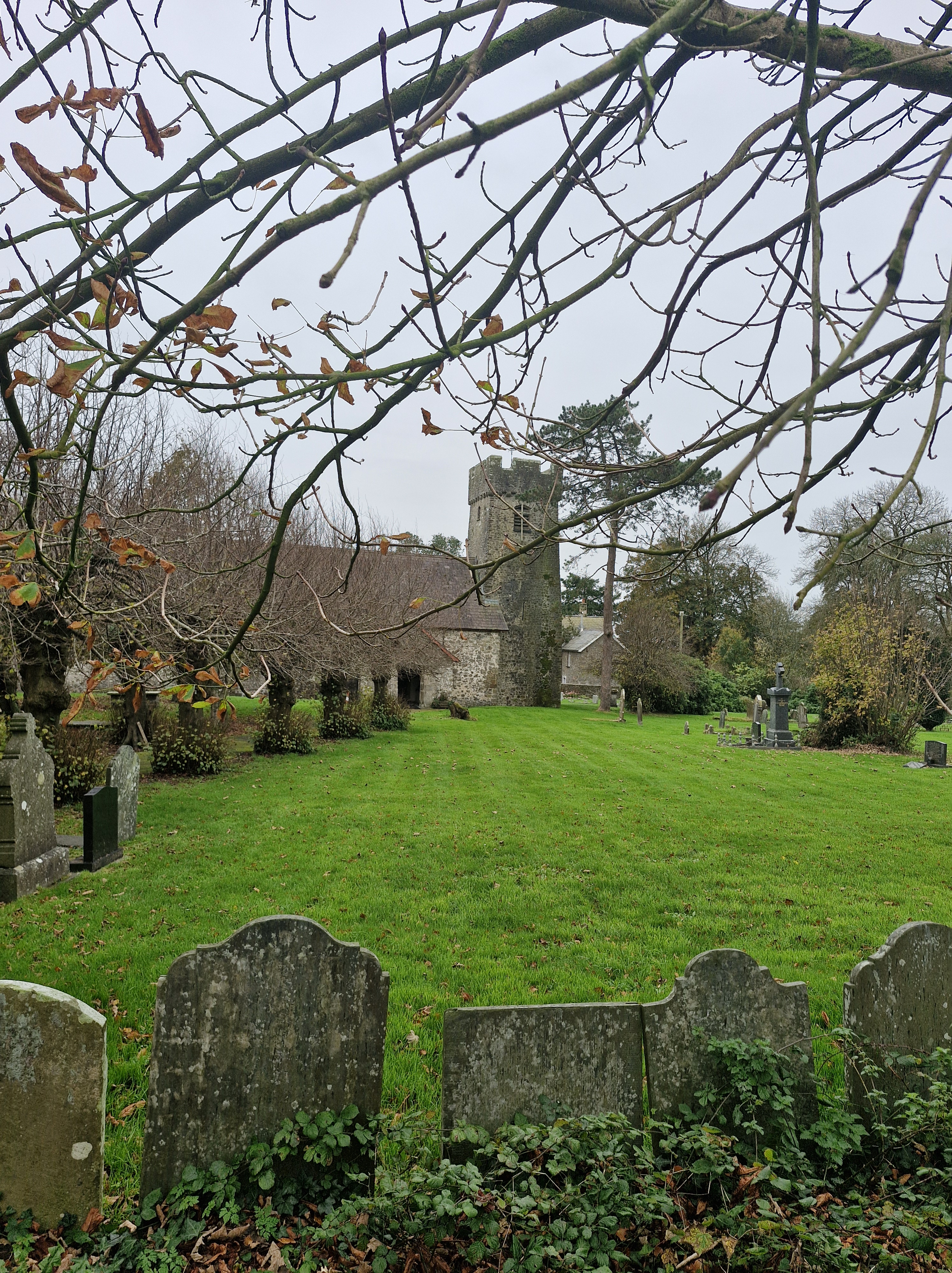
The Church of St Mary Magdalene.

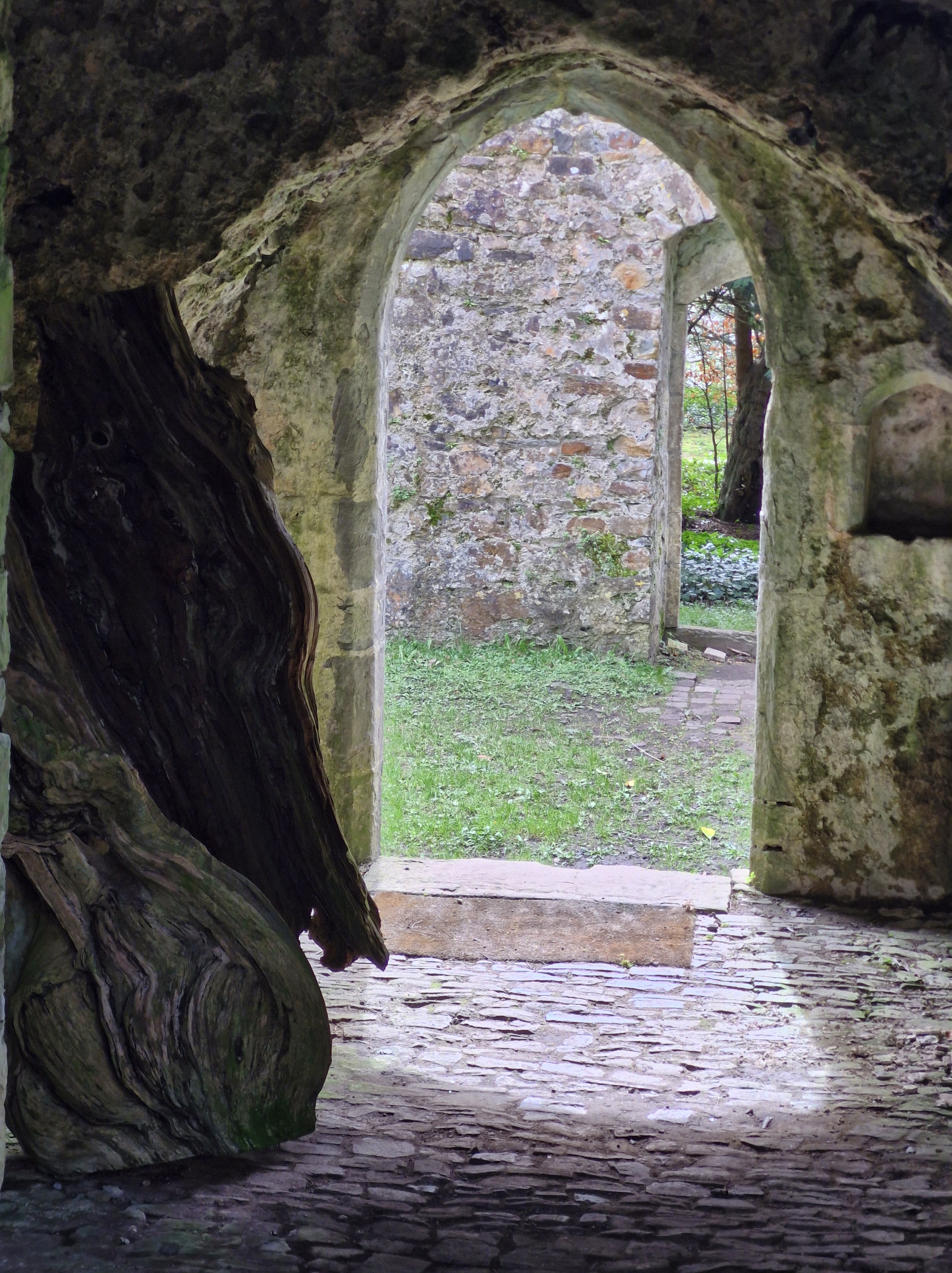
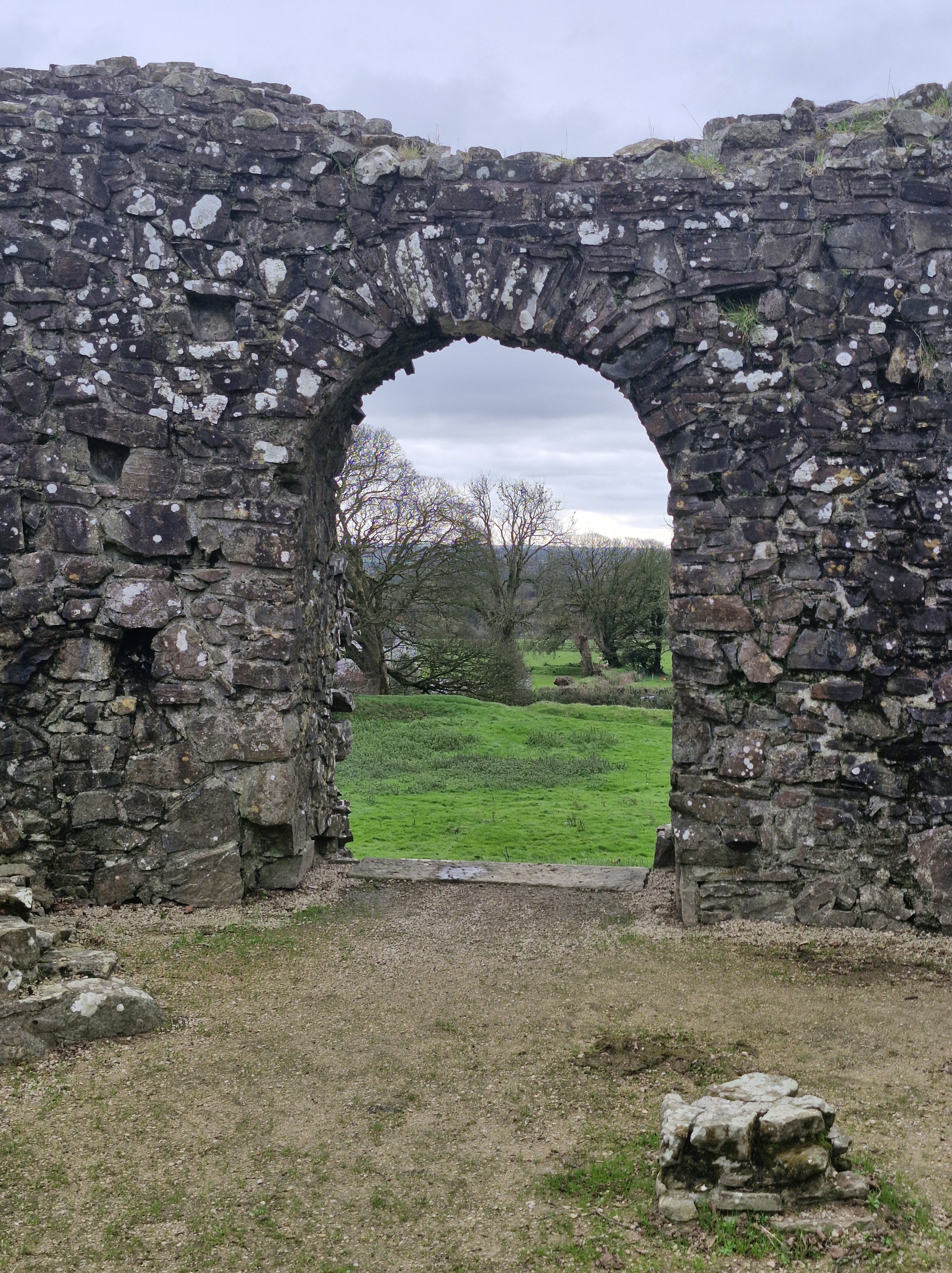
Wizo also founded the church nearby at the same time. Though altered by subsequent generations, the church is essentially a Norman building, entered by a very simple doorway made of large slabs of local red sandstone. An interesting church to visit at a later time, I think.

Where We Walked #NationalTrust #PembrokeshireU3a #Pembrokeshirecoast #sealspotting #walks #photography

Over the last few weeks we have walked along the Pembrokeshire coast with the Pembrokeshire U3a and the National Trust …

And joined in with a couple of days seal spotting … from the clifftops, so at a distance, of course.

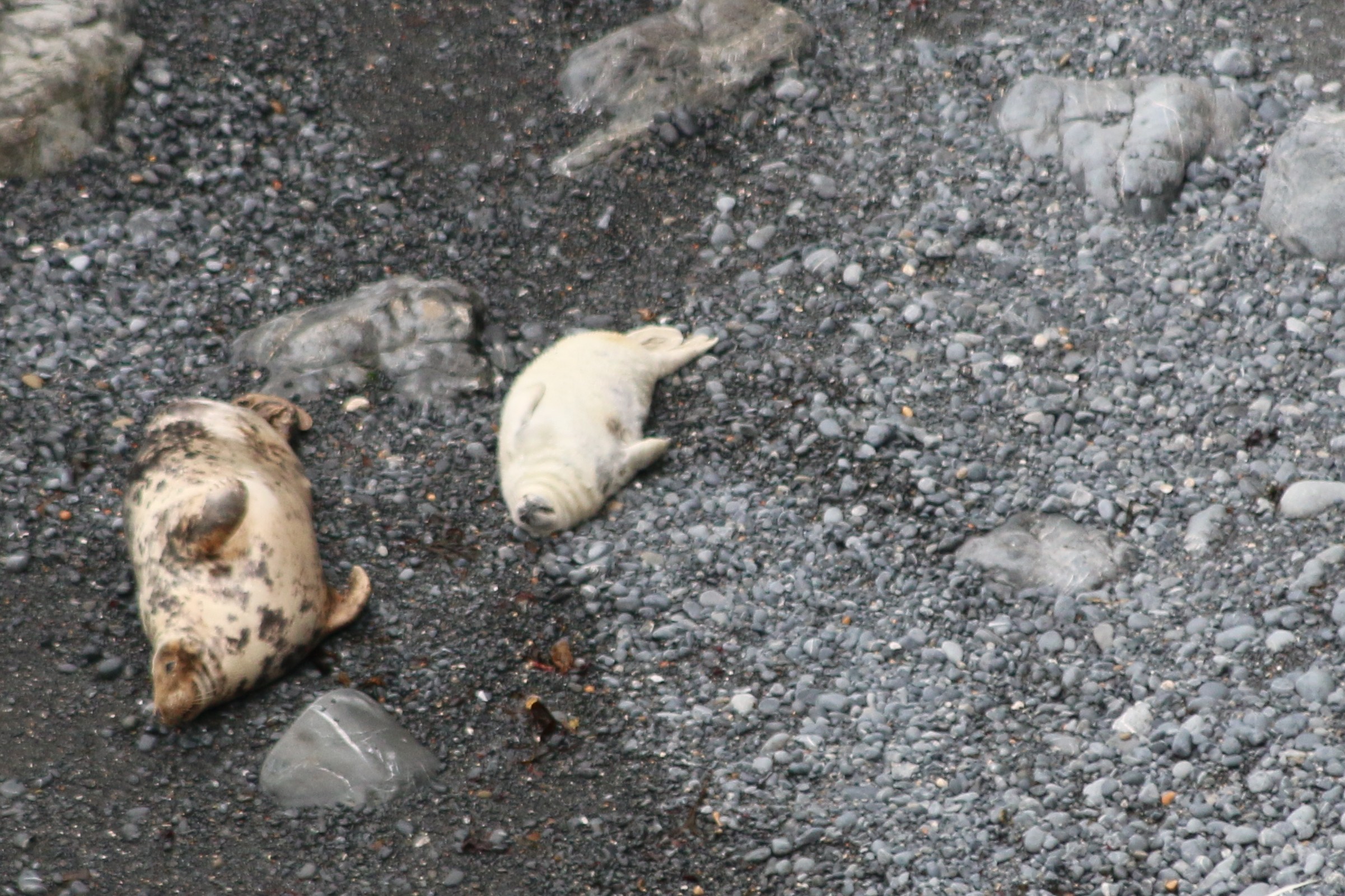
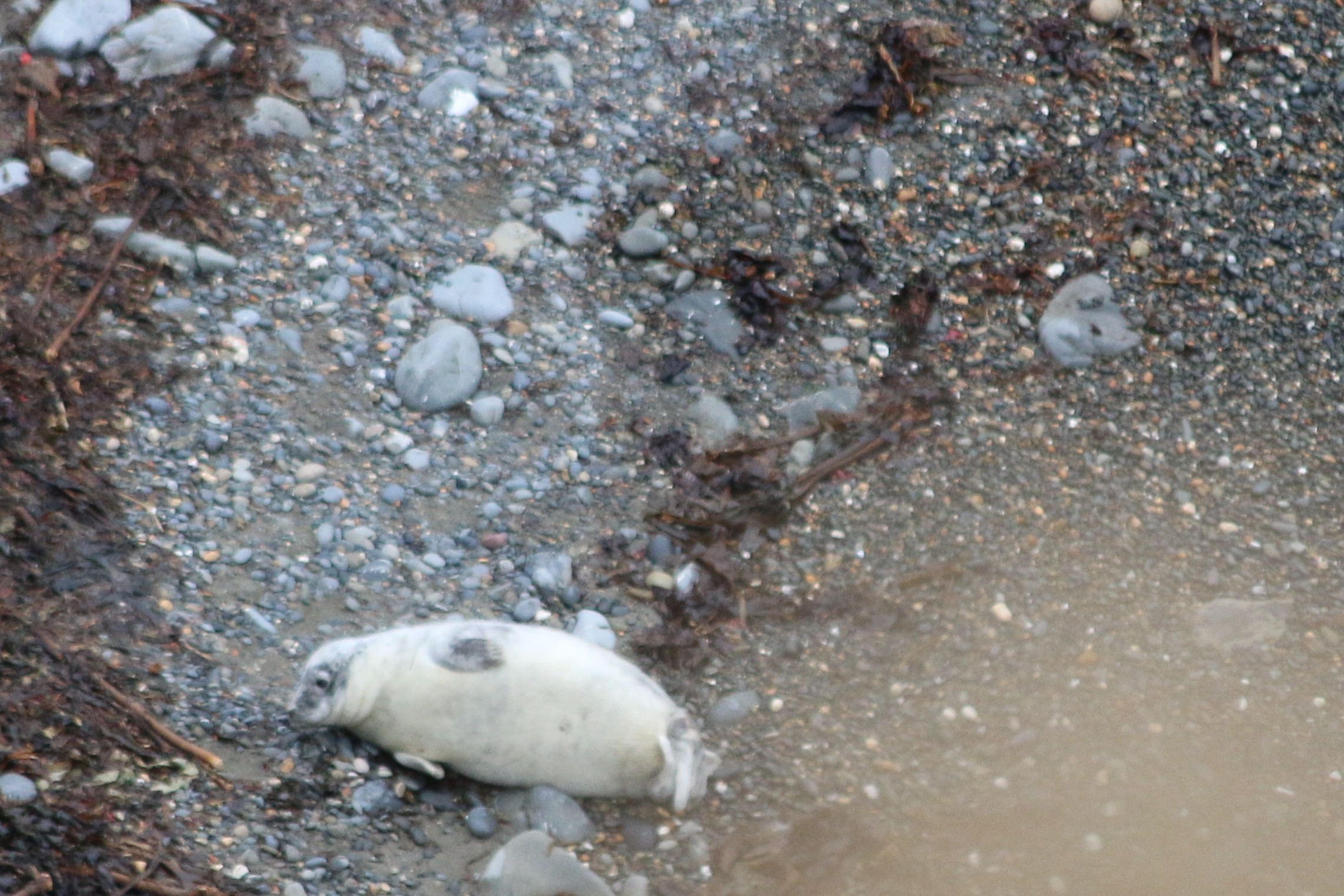
And watching the mothers with their pups was fascinating

Around the coast of West Wales, grey seals can be seen throughout the year. In the summer, around sunset, the seals begin to return to the beach hauling out their daily catch of fish. Mostly, at this time, they bob about in the water, waiting to come ashore to rest. Seals spend a lot of time at sea but come ashore to breed from August until early November, when parents and their pups can be spotted on beaches around Pembrokeshire.

On land they are cumbersome and slow, compared with their agility in the ocean.

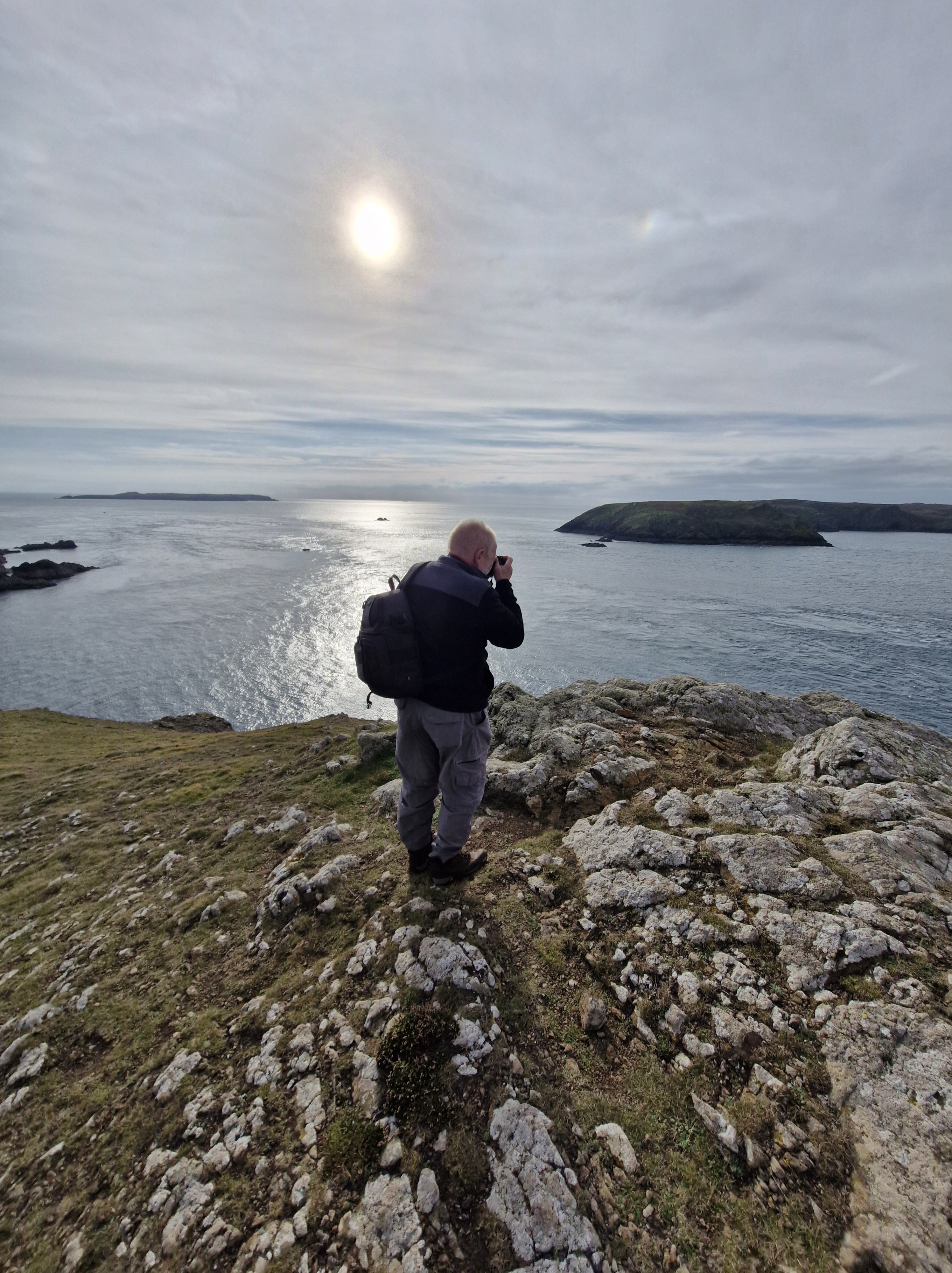
Which gave The Photographer plenty of time to get his pictures!

Many thanks Pembrokeshire U3a and the National Trust for two brilliant days .

Fun Facts (courtesy of https://tinyurl.com/5n8ukdyz )

Fossil records indicate that the ancestors of modern seals first entered the ocean on the west coast, about 28–30 million years ago.

Seals see very well under water—better than they do in bright light above water. Their eyes are adapted with round lenses (like fish) and a large iris that fully opens underwater. On land the iris closes the pupil to a small pin point that lets the seal see clearly through the round lens. A seal’s eye is also adapted for low-light vision with a lining (similar to a cat’s eye) that reflects and amplifies the weak light at depth in the ocean.

A seal’s body stores enough fat in the blubber layer to allow the animal to go for extended periods of time without eating. In addition, most seals are opportunistic feeders and will consume a variety of fish, shellfish, and crustaceans. Seals do not eat on land.

Like all marine mammals, seals get all the water they need from their food. Their bodies are very efficient at removing and recycling water from their food. They avoid drinking sea water; if a seal drinks too much sea water it can become seriously sick. Arctic seals, which spend time on ice, may sometimes eat fresh water ice and snow.

NB: Seals are protected in the UK under various acts, including the Conservation of Seals Act 1970, which prohibits killing, injuring, or taking them except under specific circumstances. Both native species, the grey seal and common seal, are protected, along with any other seal species found in UK waters.

Where We Walked #Pembrokeshire #Walks #Photographs #Leisure

One of our Interesting and Fun Group Walks with the U3a:

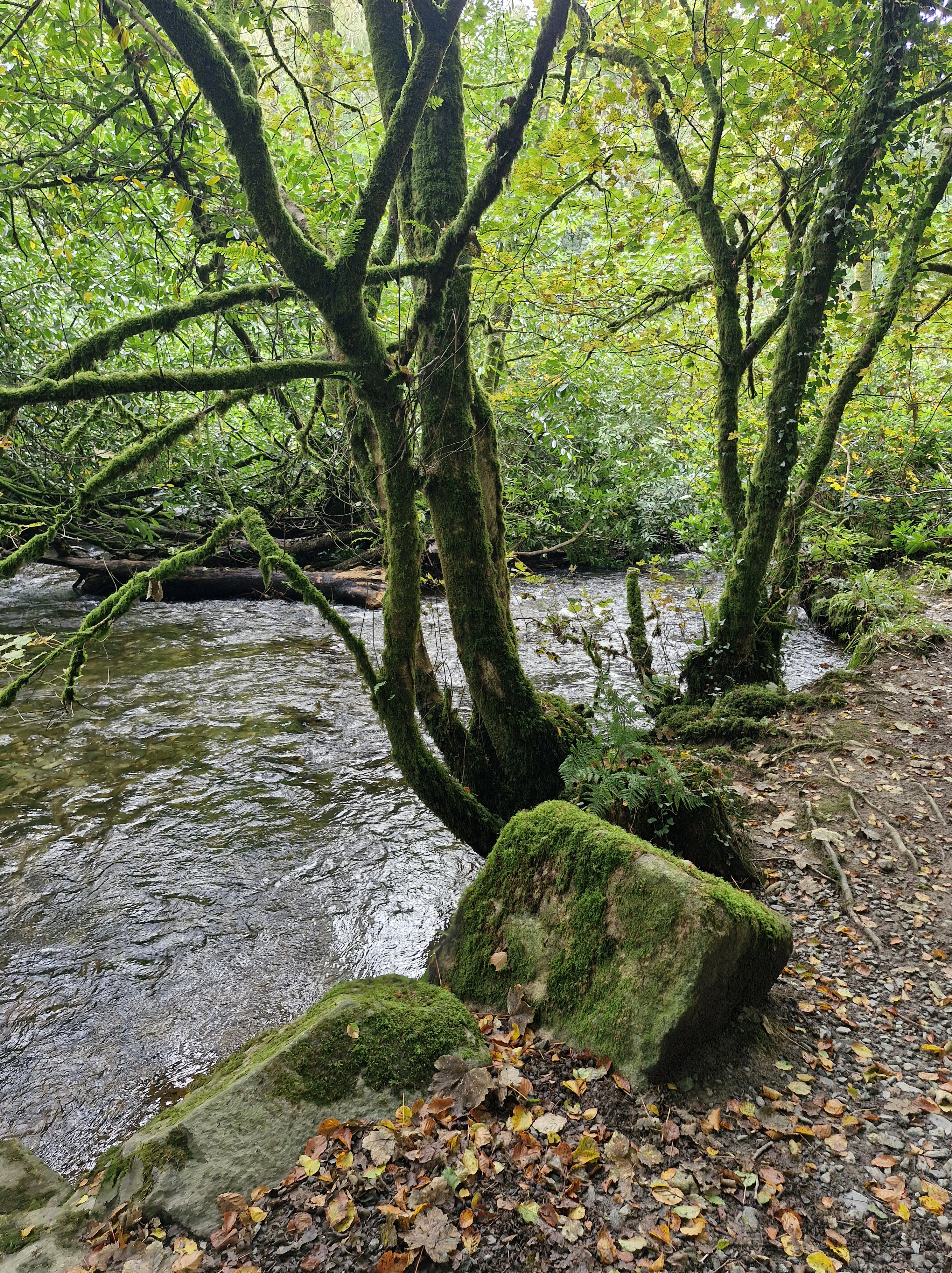
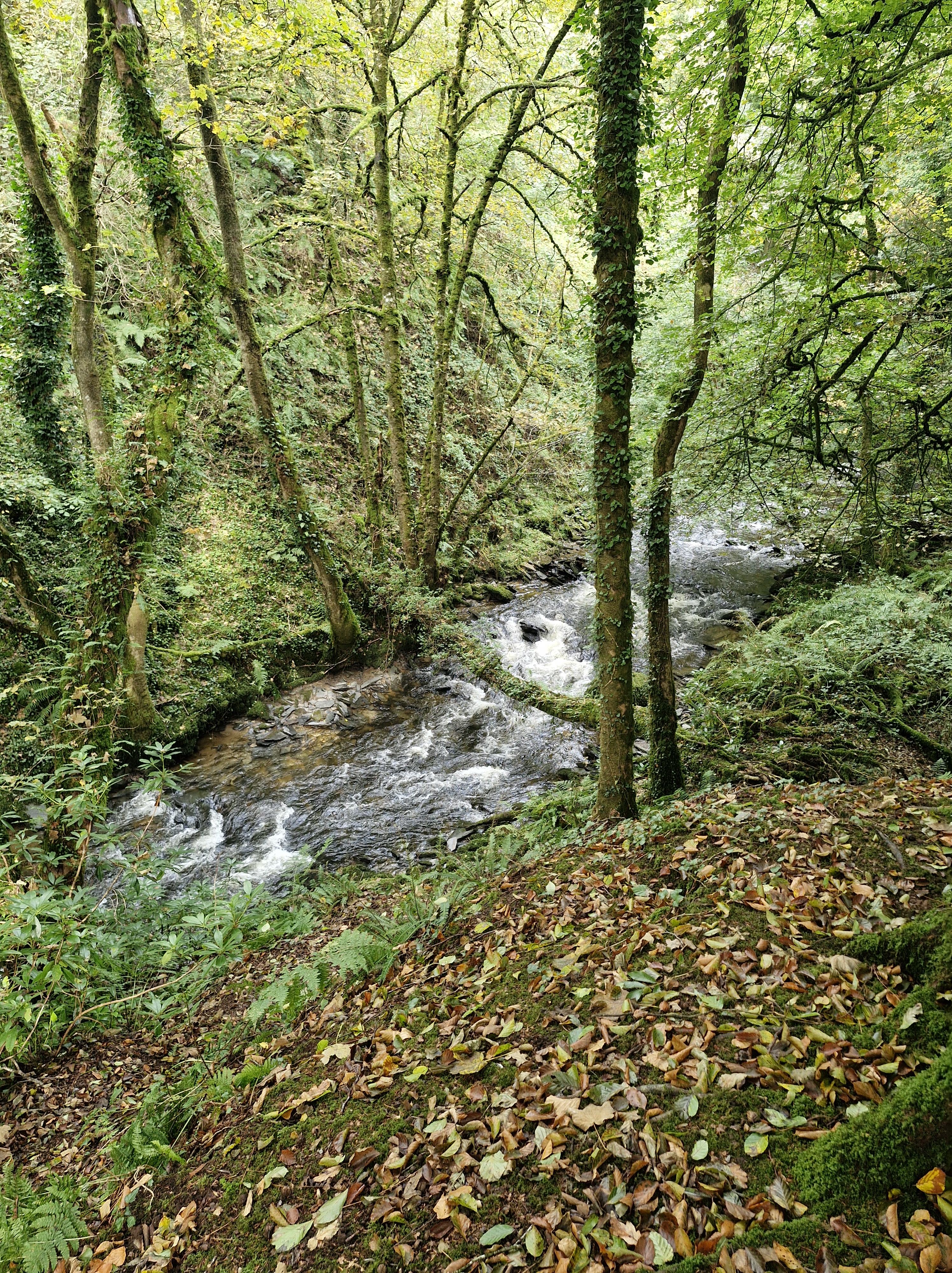
Yesterday we joined with Pembrokeshire U3a on their Monday Walk around the woods and alongside the River Sealy on the Sealyham estate near Wolfscastle.

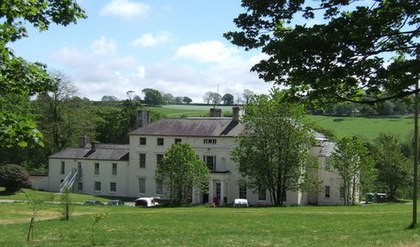
There is a long history of owners of the land dating from the time when King Edward III, in the fourteenth century, granted some land to Thomas Tucker (a captain in the King’s army), who subsequently built a house there.

A house that was later rebuilt in the mid-18th century. Eventually, in 1905, the last of the descendant family members, Catherine Octavia Edwardsn with her husband Victor James Higgon, the last of the Tucker family to live at  Sealyham house moved another mansion in Pembrokeshire, Treffgarne Hall.

Around 1910, portions of the land were sold to the Pembrokeshire County Council and, in 1920, Sealyham House and part of the land were sold to the King Edward VII Welsh National Memorial Association and converted into a tuberculosis hospital until 1954. In 1955, it was re-purposed for elderly patients but was permanently closed as a medical facility in 1964.
In 1970, the Sealyham house was sold to a Nancy Ellen Perkins. She converted it into an apartment building as rentals. In 1980, it was sold again to an investment firm that used it for an outdoor activities centre.
It was resold in 1986 to the Sealtham Activity Centre for young people, as an educational facility,

Sealyham is also well known for the Sealyham Terrier. The Tucker-Edwardes family of the nineteenth century were one of the leading landowners of Pembrokeshire. Breeding dogs was a favourite and expected pastime people of noble families or military background. Captain John Edwardes’ family had the time and the means. Although no records were kept it’s believed that The Welsh Corgi, The Wire Fox Terrier, and the now extinct English White Terrier all played a part in the make up of the Sealyham. After Edwardes’ death in 1891, other breeders began to work with Sealyhams, including a man called Fred Lewis who promoted the breed. But, according to the Kennel Club the Sealyham Terrier is one of the dog breeds of British and Irish origin that are … “considered to be vulnerable due to their declining registration numbers. These breeds are at risk of disappearing from our parks and streets, simply because people don’t know they exist or because they aren’t considered fashionable. in 2024 there are only a hundred dogs of Tucker-Edwardes’ breed, making it an endangered breed.”

A writing and Gardening day. And a Small Mention of the Cover Reveal of The Stranger in my House. #Sundaythoughts #photographs #garden #Bosherstonlilyponds

It’s a writing, The Archers on Radio Four, Sunday lunch, and a gardening day – the latter if the rain holds off. Oh, and a small mention of the cover reveal by Honno, of my next book, The Stranger in my House…. on Tuesday 30th July 2024.

The garden is looking quite good, even after a day and night of being drenched in Pembrokeshire rain.

Photos of Bosherston Lily Ponds, courtesy of Husband, on one of the few sunny days. Lovely now – but when the lilies are out, even more gorgeous.

Swans again – but from a safe distance!!

Must get on…

Hope you all have a lovely Sunday, wherever you are. x

Libraries are Important. #Readers #Books #Libraries #Librarians #Pembrokeshire #Wales

Image courtesy of Pixabay

When I was a child my mother took me every Saturday to the small library in our village. I was allowed six books – usually all read by the Wednesday (I was one of those kids who read by torchlight under the bedclothes – and got away with it for years!) I would then wait, not always patiently, until the weekend, when we would go again. I think it was a great relief to both my mother and myself when I was at last allowed to walk to the library by myself.

By the way… In the very olden days libraries were named from the Latin “liber”, meaning “book.” In Greek and the Romance languages, the corresponding term is “bibliotheca”. Or, if you want to go with the medieval version “Calque of Old English bōchord (‘library, collection of books’), equivalent to book +‎ hoard.”

Just thought you might want to know that.

Anyway, when I was a child – libraries were just… libraries. The place one went to to borrow books. For free!!

Image courtesy of Pixabay

Today, libraries are still one of the few free services left. Libraries are used for many different reasons; they contain not only books. magazines, newspapers, manuscripts, but also CDs, DVDs, e-books, audiobooks etc. They connect us to information. And, important in these days, they are also community hubs where authors (if they’re lucky) can go to give talks, hold workshops. It’s where people can connect with other people. They are safe havens.

Reading for pleasure, is one of the most important things one can do, so what we need to make sure of is that future generations have the opportunity to do just that. Books represent the chance for us not only to enjoy the work of so many brilliant writers, but to also to grow, to change, to see life from other points of view. We will only ever see life through our own perspective … unless we read.

In our area, the Pembrokeshire County Council has approved its budget for 2023-24. We will have a Council Tax rise of 7.5%. It would be wonderful if the value of libraries and librarians were understood; if those in authority – those with access to their council budgets – acknowledged this importance for every generation. If enough funding were to ploughed into libraries to preserve them.

Image courtesy of Pixabay

Each month on the Libraries Wales website, they focus on introducing an author based in or writing about Wales. I am thrilled to be the author for April 2023. And I am more than happy, alongside other friends who are also writers, to talk about the value of books and the enjoyment of reading. Just give us the chance!!

St Justinian’s to Porth Clais: Walking in the footsteps of St Justinian – or, Sometimes Scrabbling on Hands and knees #Pembrokeshire #Wales #walking #photos #memories

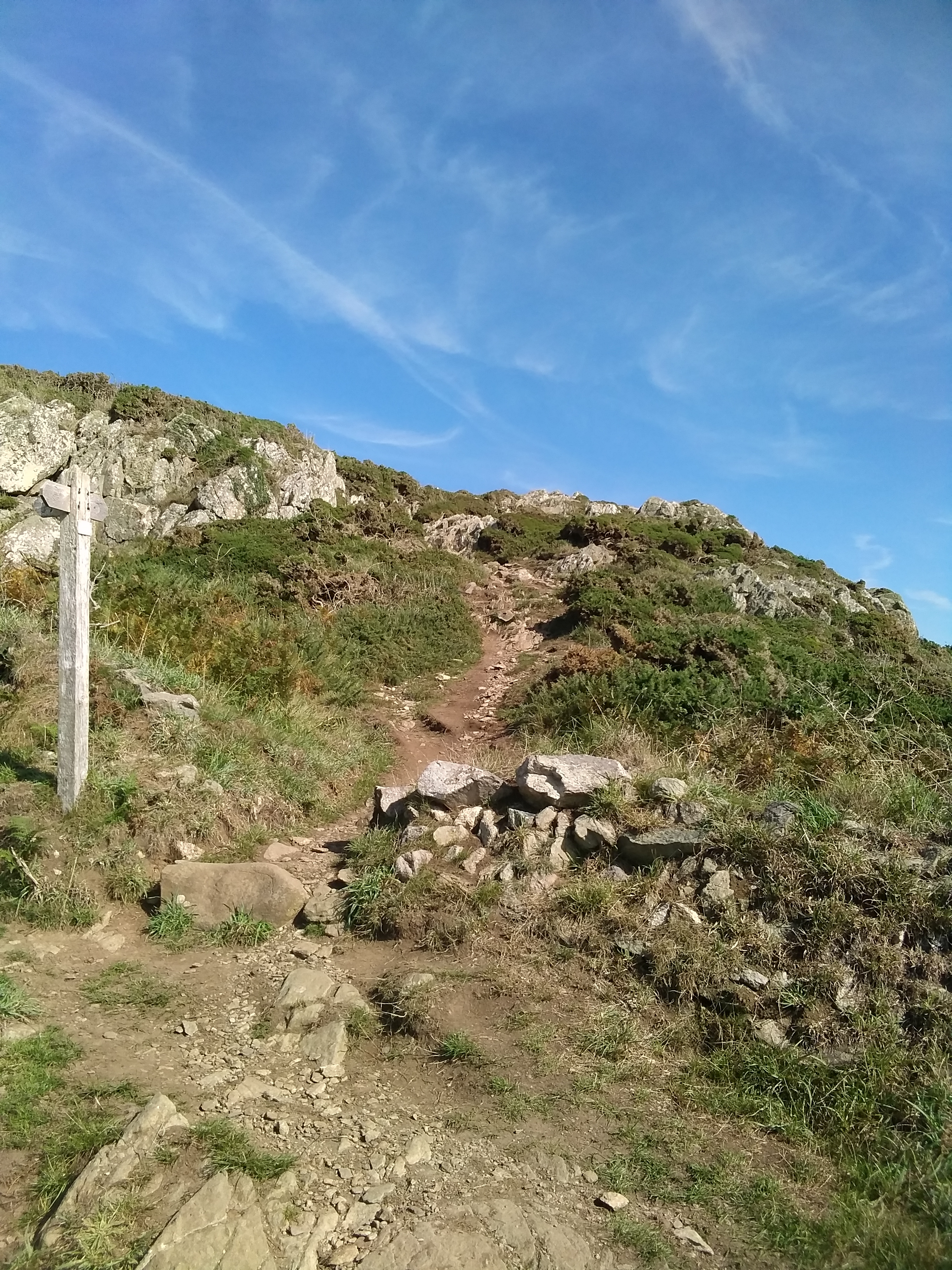
Literally on hands and knees

But it was worth it

This image has an empty alt attribute; its file name is img_0260.jpg
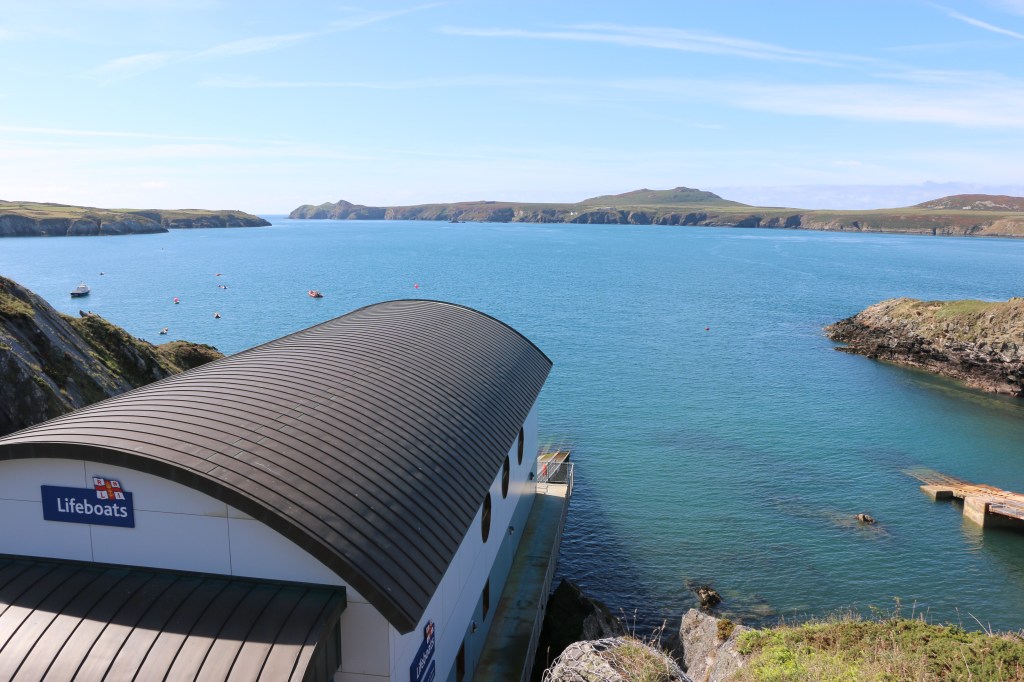
The new-ish Lifeboat Station
This image has an empty alt attribute; its file name is img_0261.jpg

And then wonderful views overlooking Ramsey Island

This image has an empty alt attribute; its file name is img_0264.jpg
This image has an empty alt attribute; its file name is img_0265.jpg

Just to prove I was there!!
This image has an empty alt attribute; its file name is img_0262.jpg
This image has an empty alt attribute; its file name is img_0284.jpg

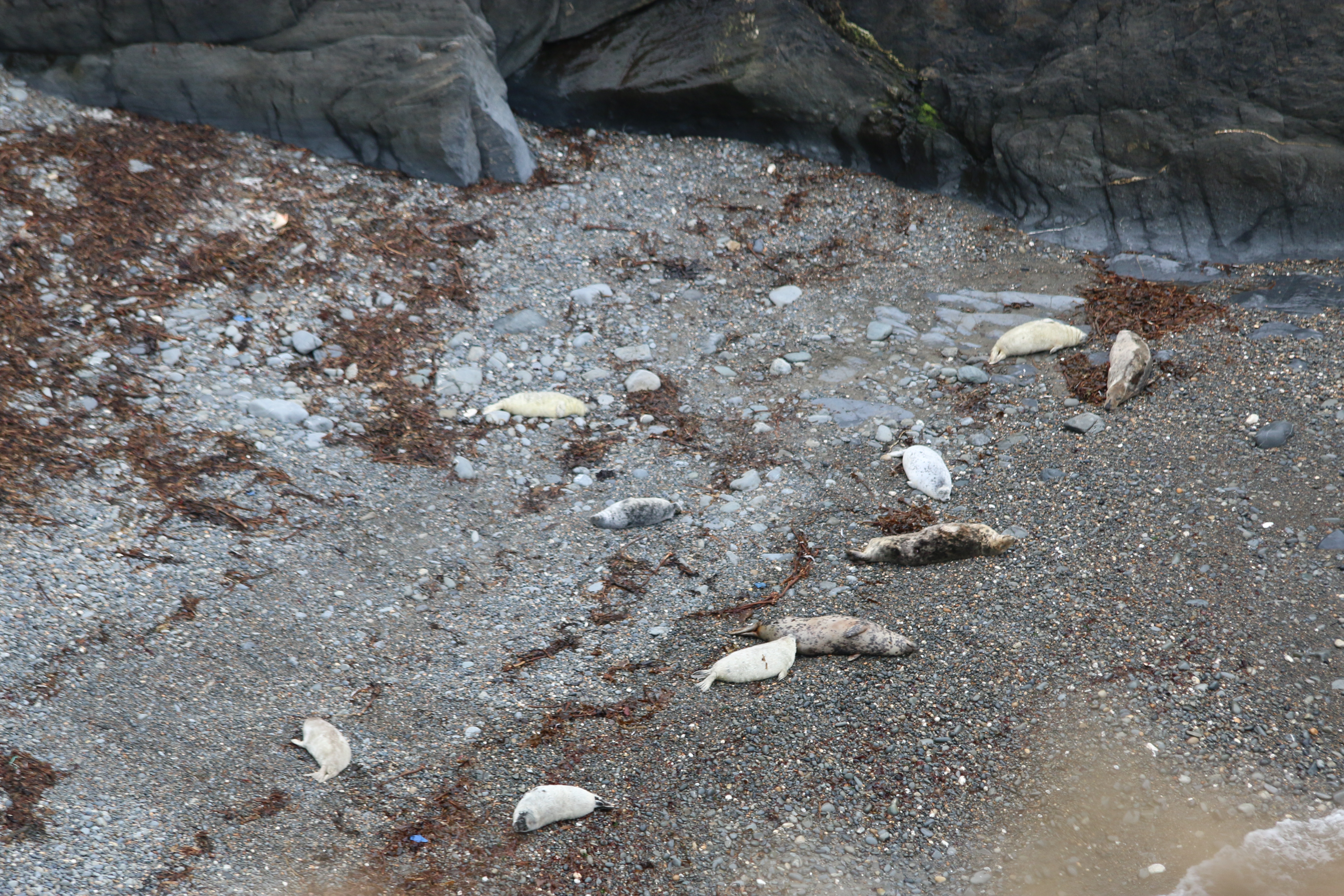
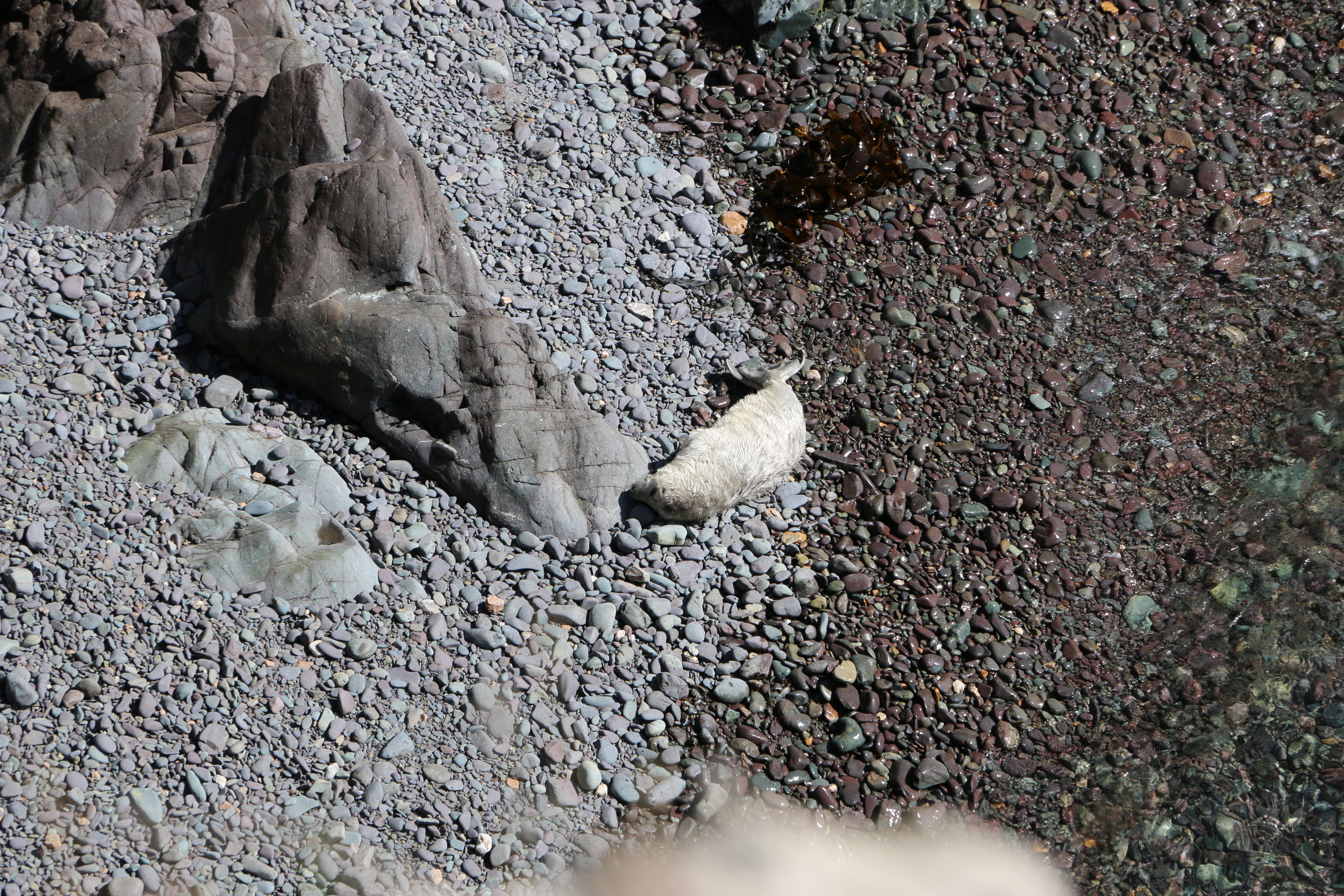
And look who we saw! (from a great distance)

This image has an empty alt attribute; its file name is img_0277.jpg
Seal pups and their mums
This image has an empty alt attribute; its file name is img_0267.jpg

So… who was St Justinian?

Justinian was born in Brittany in the 6th century. At some point in his life, he made his way to Wales, where he settled on Ramsey Island.

Justinian soon became close friends with St David, the patron saint of Wales, and visited him often in the monastery where the cathedral now stands.

He was less impressed however by the lax behaviour of some of the monks and decided to isolate himself on Ramsey island. According to legend, he took an axe and chopped up the land bridge that linked the island and the mainland. As he worked, the axe became blunter and the lumps of rock remaining became larger and larger. They are still visible today in Ramsey Sound, where the waters foam over them at high tide. Followers joined him on the island but his actions didn’t go down well with everyone though. They soon turned them against him and they beheaded him!

To the astonishment of his killers,he picked up his head and walked across the sea to the mainland, and where he set his head down, another spring of water issued forth. This is the one enclosed today by a stone canopy.

A spring of water gushed up from the ground where his head first fell and this became the famous healing well.

Justinian was buried where the chapel now stands. Within its walls are some stone footings, which may mark his original gravesite. His body was removed to the cathedral, probably at some time before the end of the 15th century.

During the early medieval period, two chapels were built on Ramsey. One was dedicated to St Tyfanog; the other to St Justinian. There is no trace of either building today, though their sites are known.