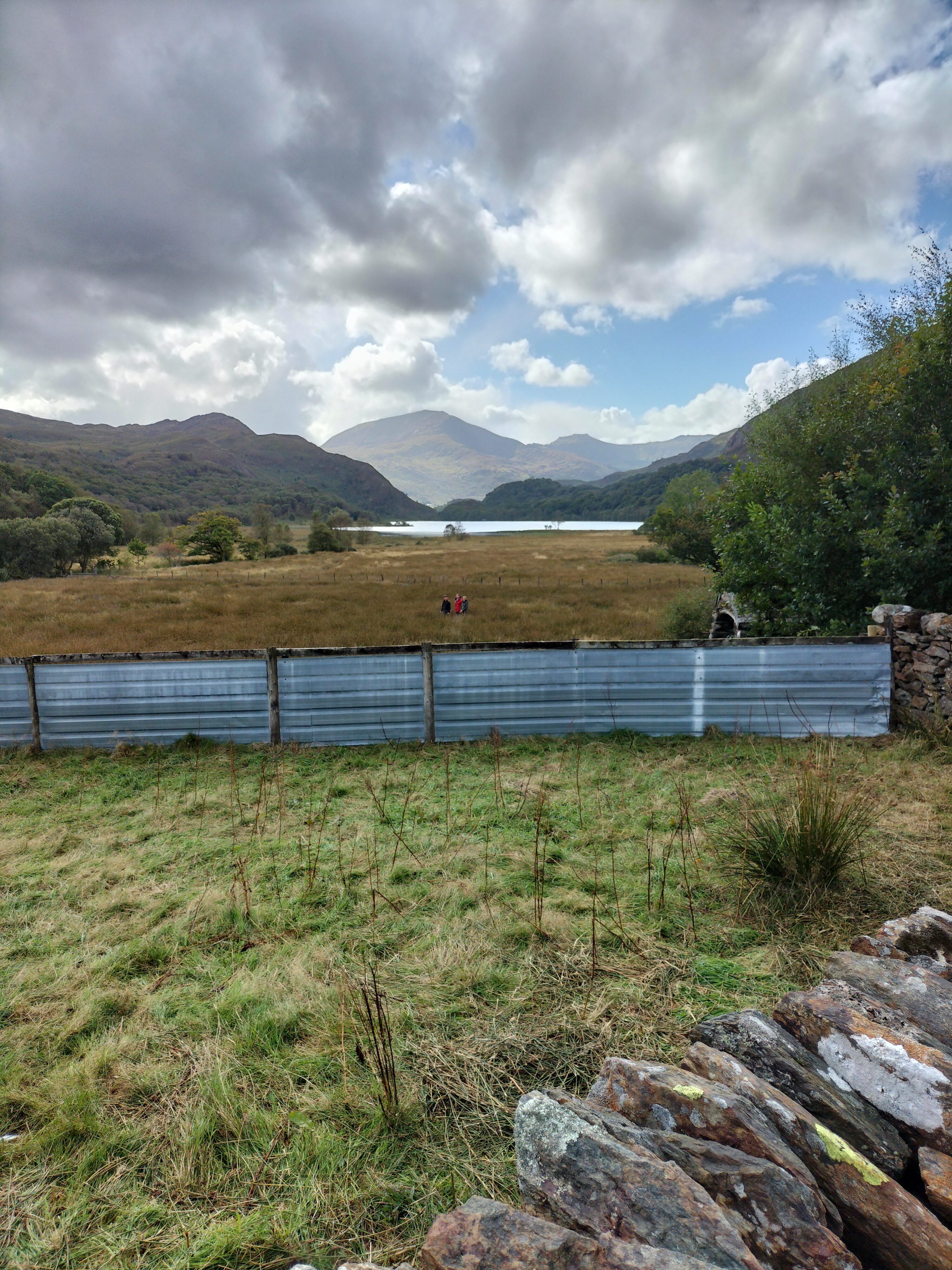
Where we Walked @CraflwynEstate @Beddgelert @Snowdonia @ Eryri @Wales #walks #photographs #mountains #viewpoints

The two hundred acres of  Craflwyn estate is set in the heart of beautiful Eryri (Snowdonia), an area steeped in legend.

A walk of two halves today. We parked at the Crafwlyn Estate car park, just outside Beddgelert and, having read the information board, the Photographer and I decided to do the Green Walk. The sign promised an easy to moderately difficult ascent of only one and a half miles to the viewing point. It was the “spectacular views” that clinched it.

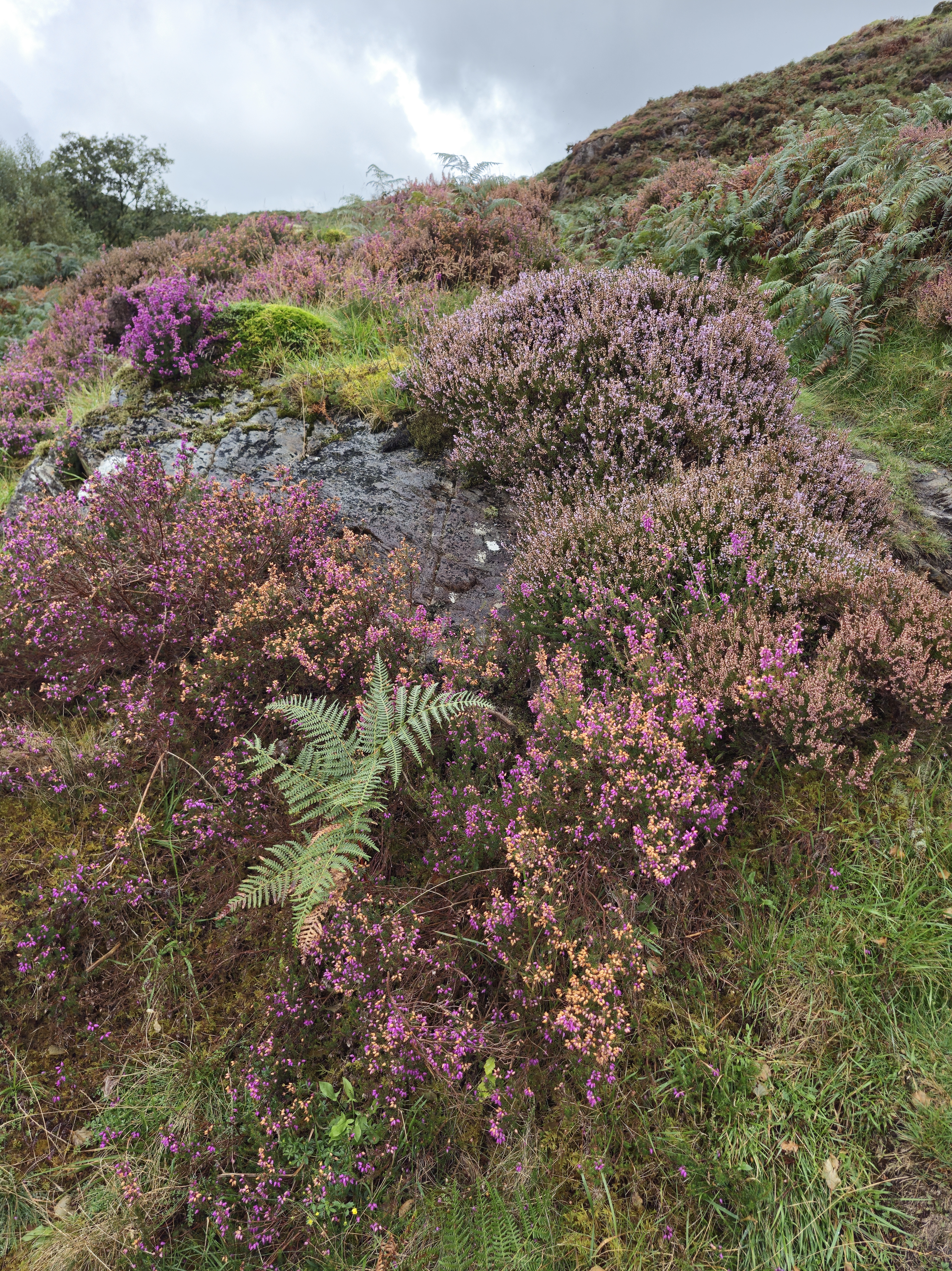
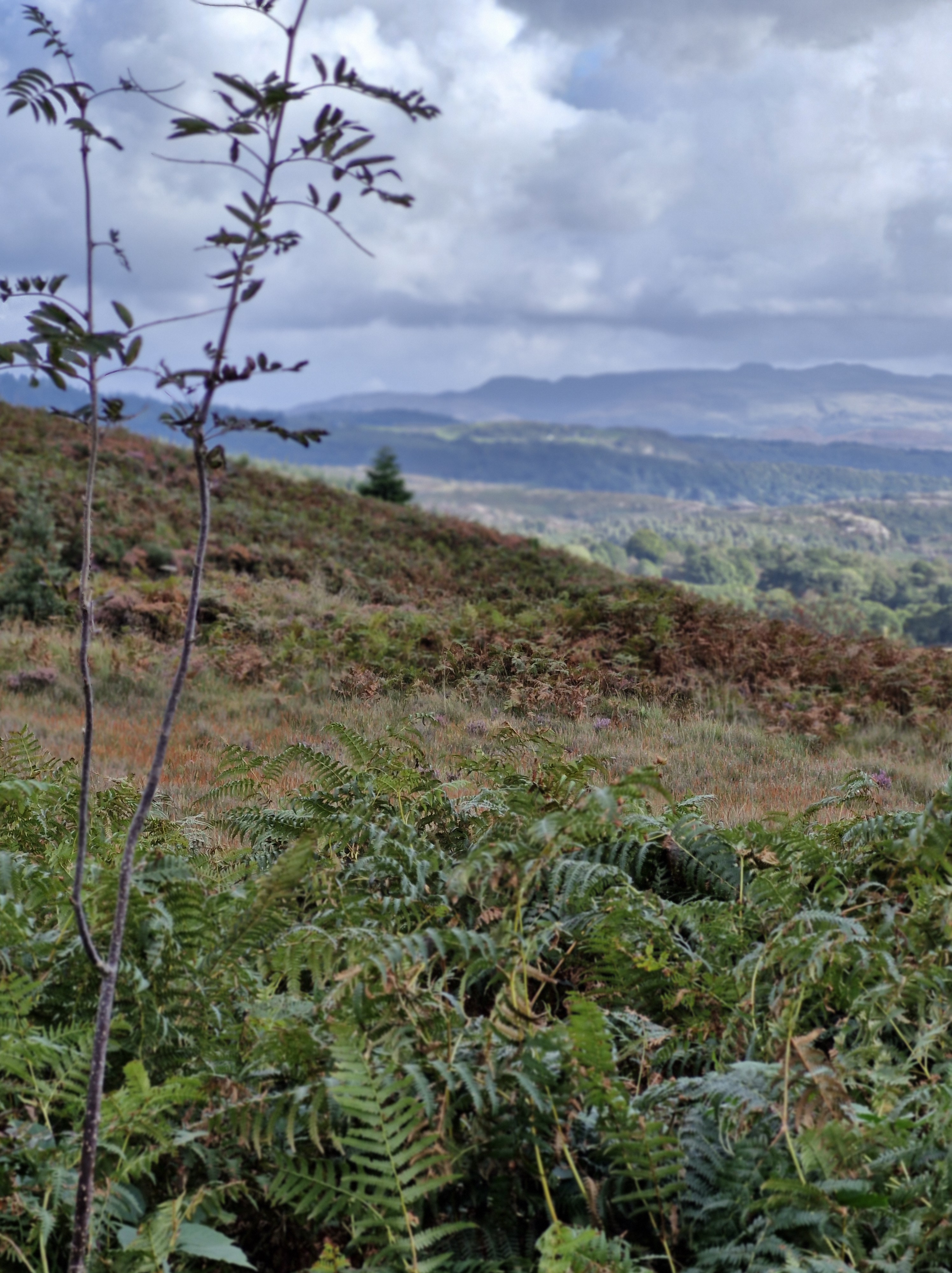
The heather was glorious. The path was … somewhere…
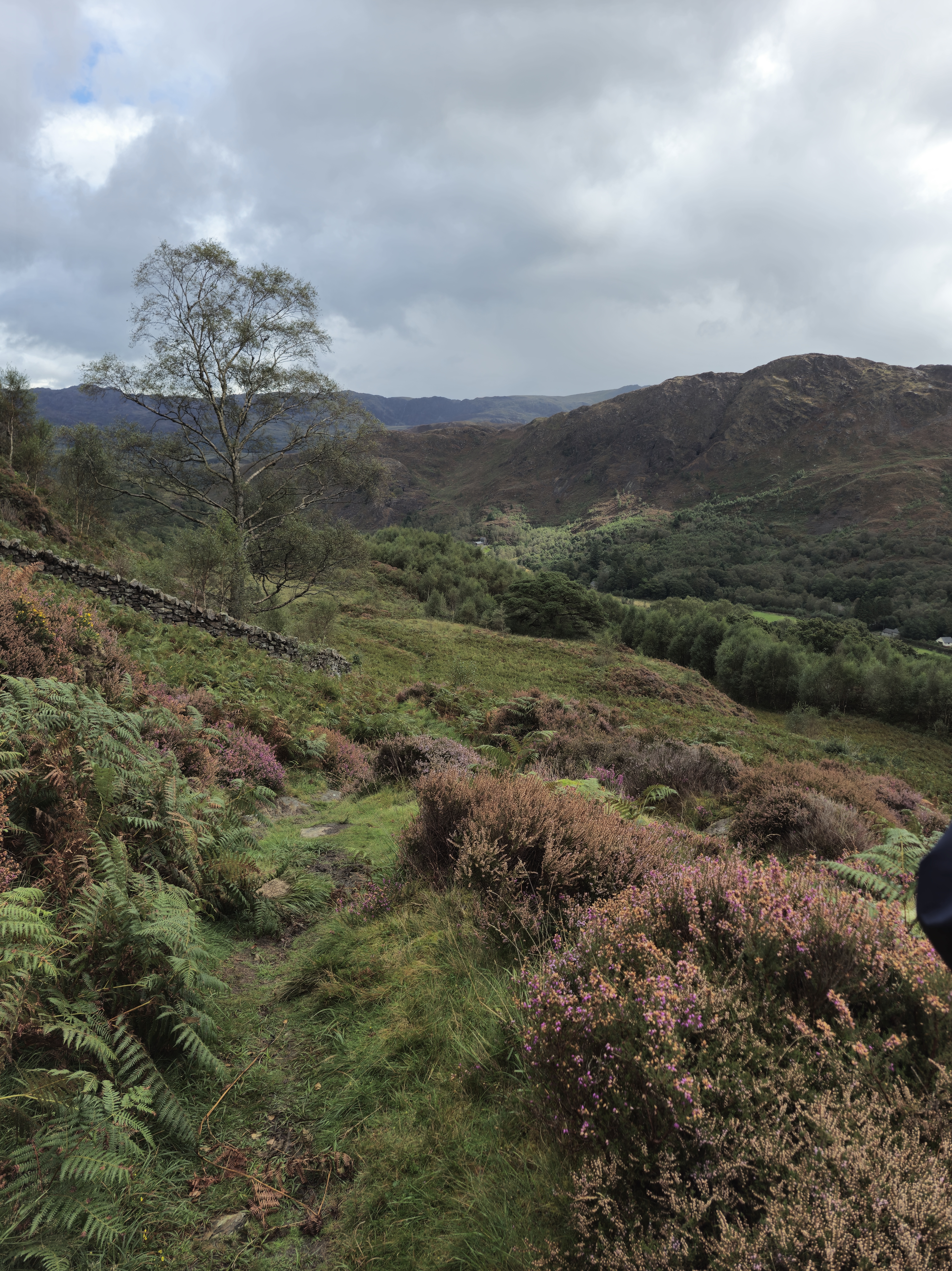
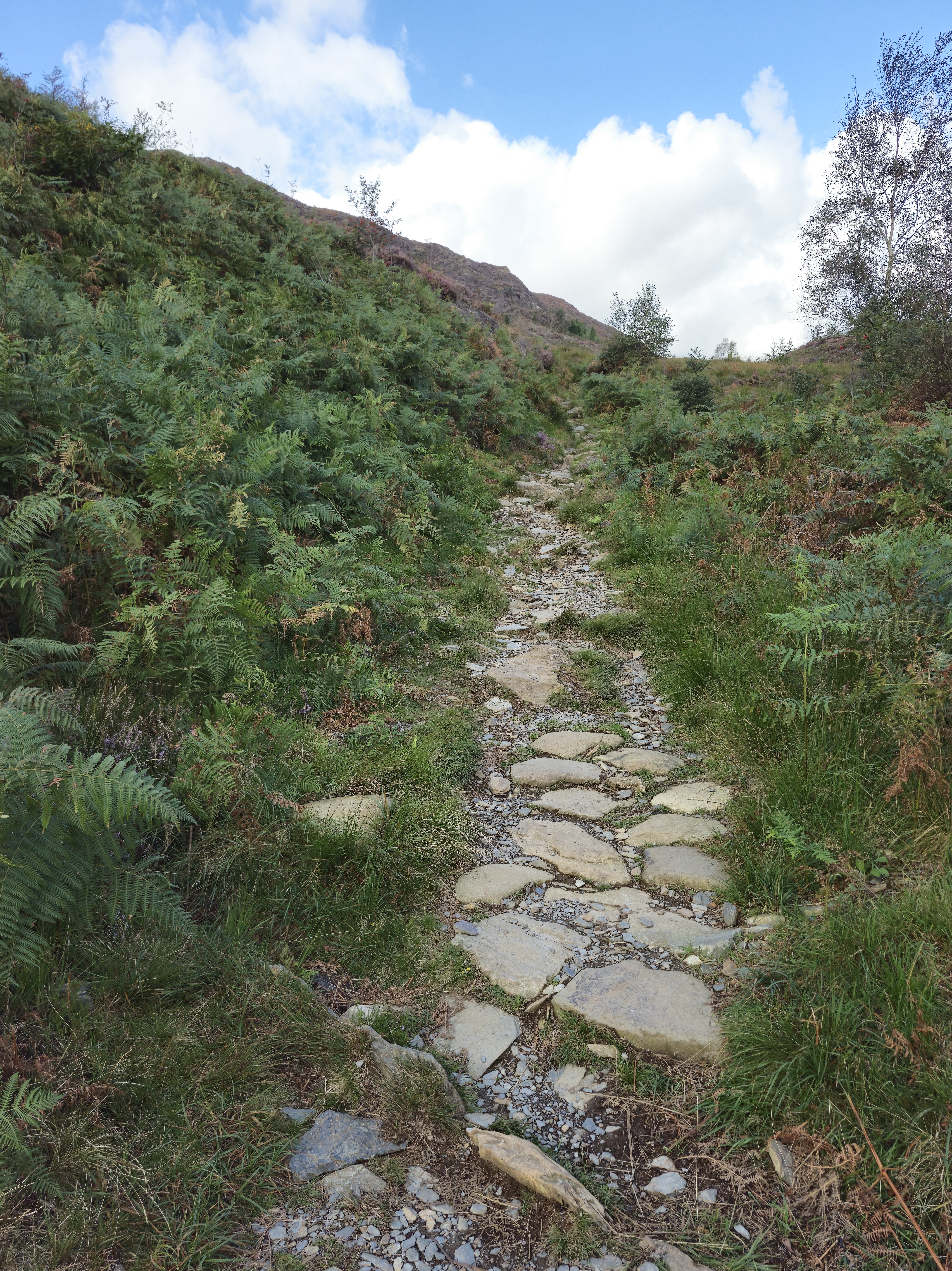
The walk turned out to be difficult, and certainly longer than one and a half miles. Quite the opposite in fact, and it and became steeper almost immediately, and very rocky. We assumed it would level out at some point but it never did and we just kept climbing and climbing.
Dinas Emrys is a rocky and wooded hillock near Beddgelert. Rising some seventy-six metres above the floor of the Glaslyn river valley, it overlooks the southern end of Llyn Dinas. The legend is that it’s where Merlin once trod and where a dragon still sleeps. At the top are the remains of a square tower and defensive ramparts belonging to the ancient princes of Gwynedd. We never saw that at any time over the week… ” the square stone tower at Dinas Emrys in Gwynedd, Wales is believed to be the base of a 12th century tower or citadel. The tower is now in ruins, but its rectangular shape and local rubble masonry are still visible.
According to legend, the tower was built by King Vortigern as part of a castle he wanted to construct on Dinas Emrys. However, the walls would mysteriously collapse each night, which led Vortigern to seek the help of Merlin the wizard. Merlin revealed that two dragons, one red and one white, were fighting in a pool beneath the castle. Vortigern and his men dug into the mountain to release the dragons, and the red dragon eventually won the battle. The castle was then named Dinas Emrys in honor of Merlin, and the red dragon became a symbol of the fight against the Saxons.
oplus_32

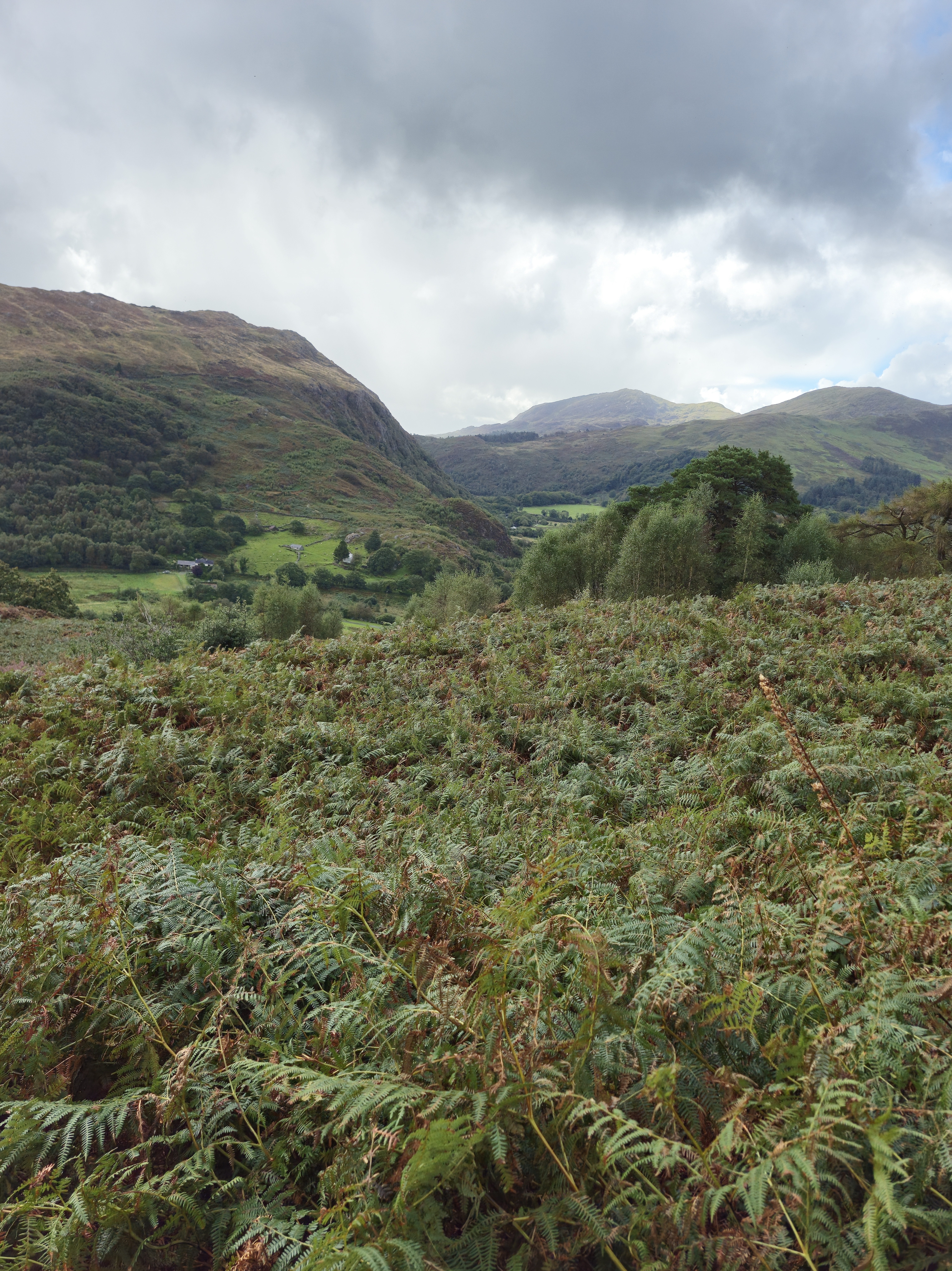
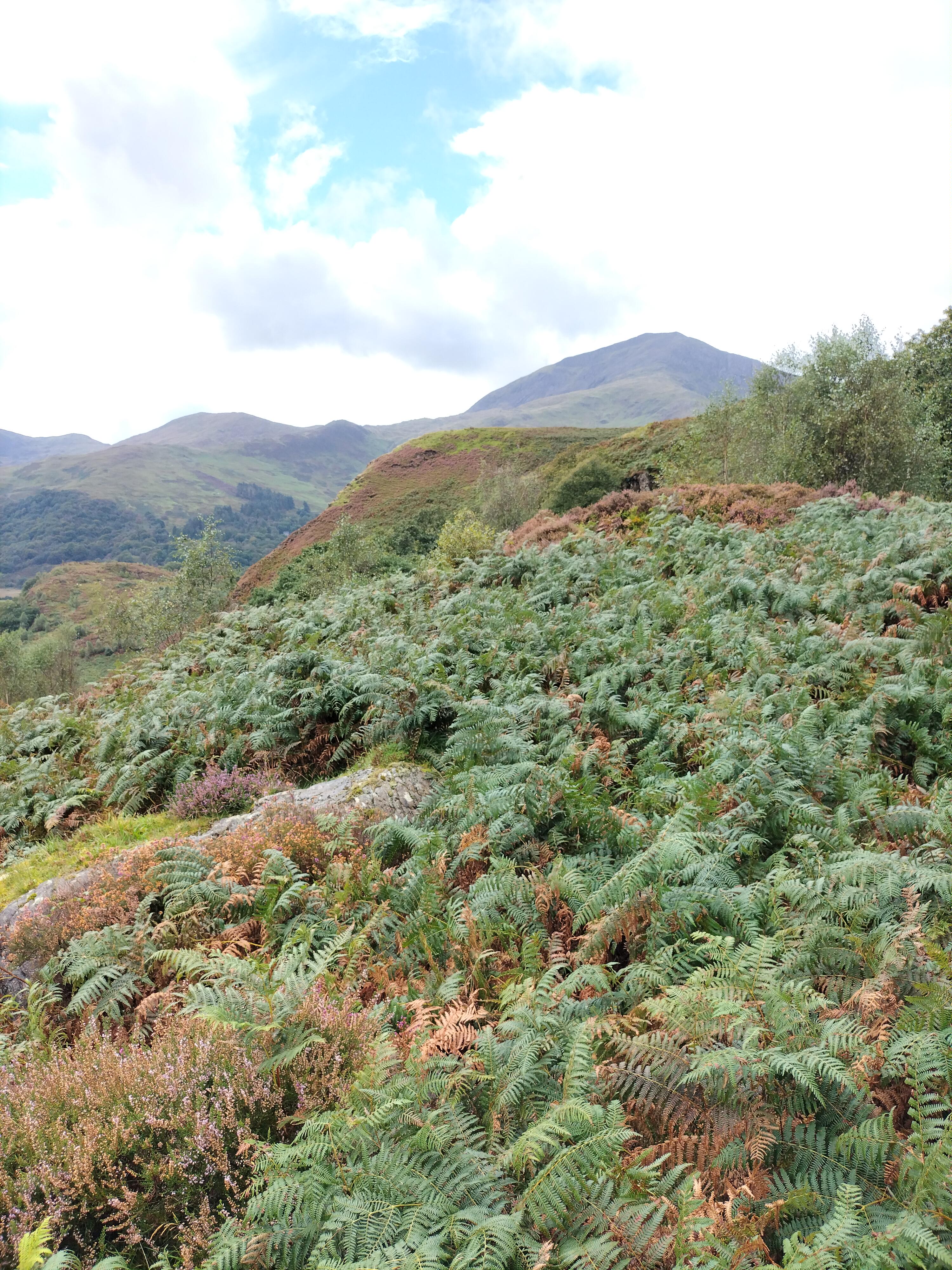
Just at the point where the ferns and tufts of coarse grass petered out, and the way in front of us rose sharply and consisted of sharp rocks, it began to rain and the view disappeared. We turned and scrambled back down – the second time we’d turned back on a walk that week.

One disgruntled Photographer…

Twenty minutes later and wet through, we saw a sign for the Waterfall trail. A footpath lead through the woodland, following a waymarker to the right.

We passed the dragon bench. Too wet to sit on it though.
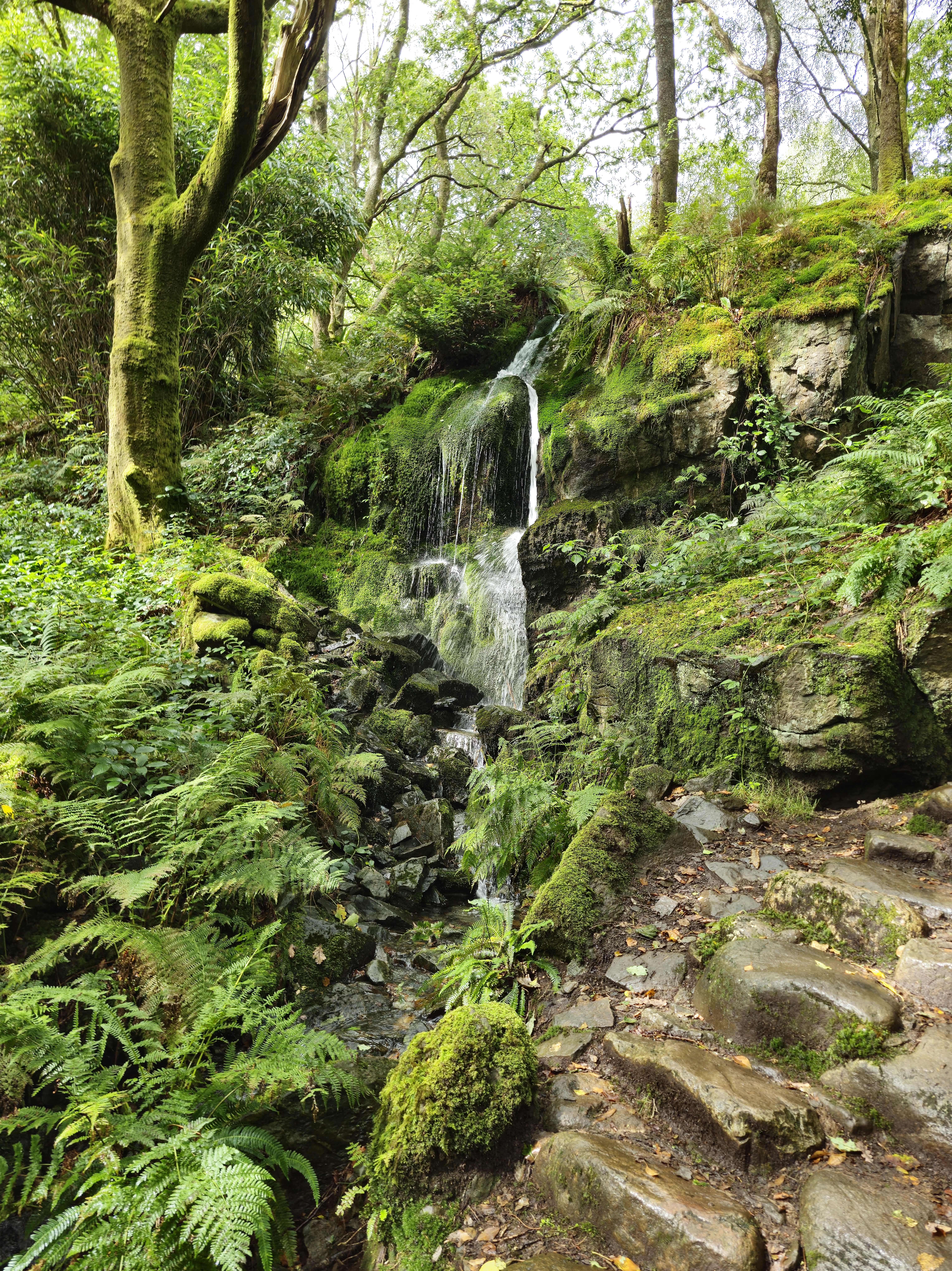
We walked up some steps to see a small waterfall. But we could hear loud splashing further along the path.


The large waterfall. Apparently deep enough to swim in.
I didn’t test that theory.
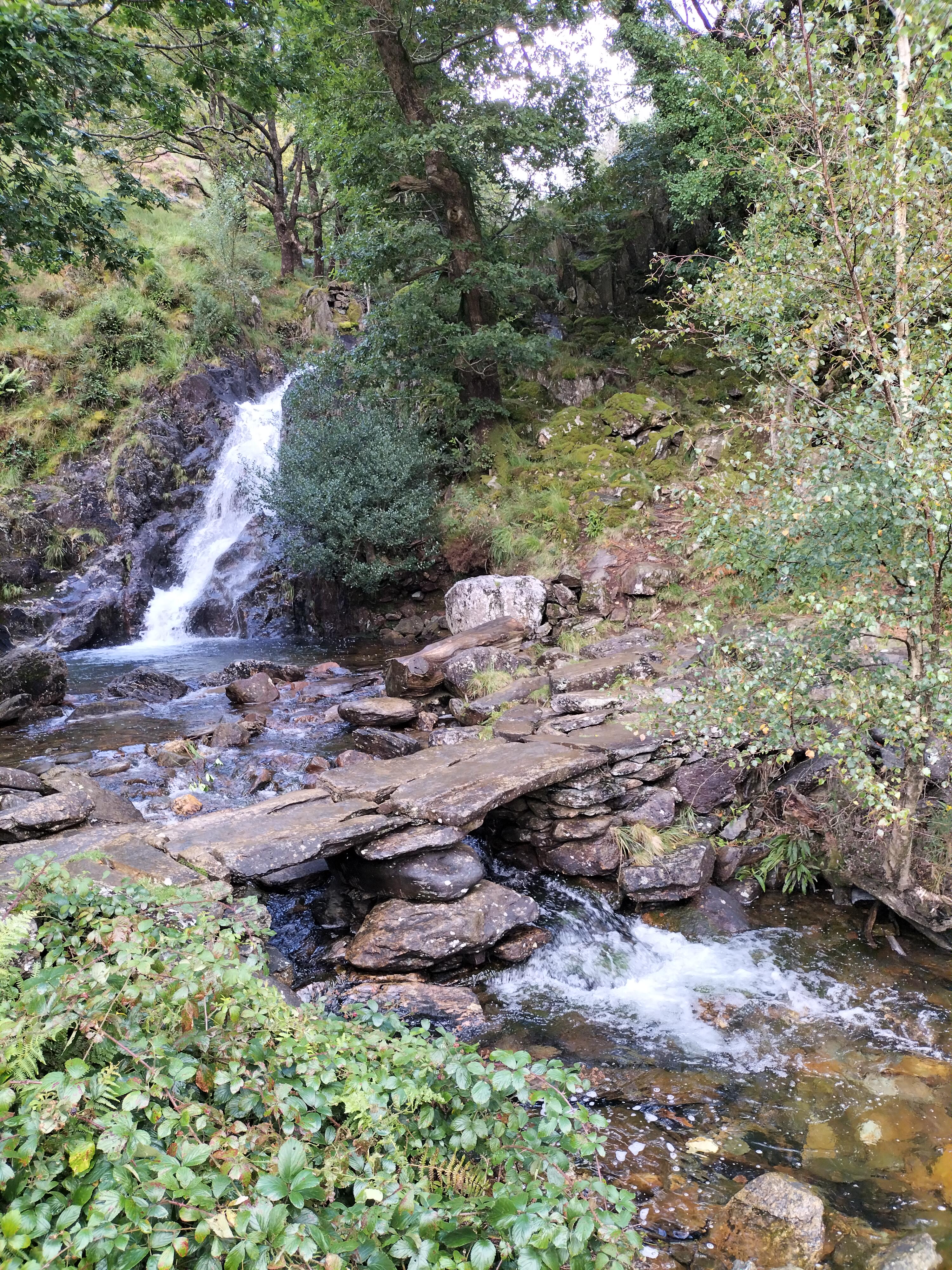
It was a wonderfully peaceful end to the day – and to our last walk of the holiday.

We’d had a great week. The photographer was keen to get home to start downloading, printing off and framimg his photographs.

I was ready to finish the proofreading of my next book, The Stranger in my House, to be published by Honno on the 14th November 2024 .

Described as…

A gripping ‘cuckoo in the nest’ domestic thriller

After the death of their mum, twins Chloe and Charlie are shocked when their dad introduces Lynne as their ‘new mummy’. Lynne, a district nurse, is trusted in the community, but the twins can see her kind smile doesn’t meet her eyes. In the months that follow they suffer the torment Lynne brings to their house as she stops at nothing in her need to be in control.

Betrayed, separated and alone, the twins struggle to build new lives as adults, but will they find happiness or repeat past mistakes? Will they discover Lynne’s secret plans for their father? Will they find each other in time?

The Stranger in My House is a gripping ‘cuckoo in the nest’ domestic thriller, exploring how coercive control can tear a family apart. Set in Yorkshire and Cardiff, from the 60s to the winter of discontent, The Stranger in My House dramatises both the cruelty and the love families hide behind closed doors.https://tinyurl.com/349ucdat

I’m happy to leave things as they are here. So, until next time … thank you for following the Photographer and I on our adventures.

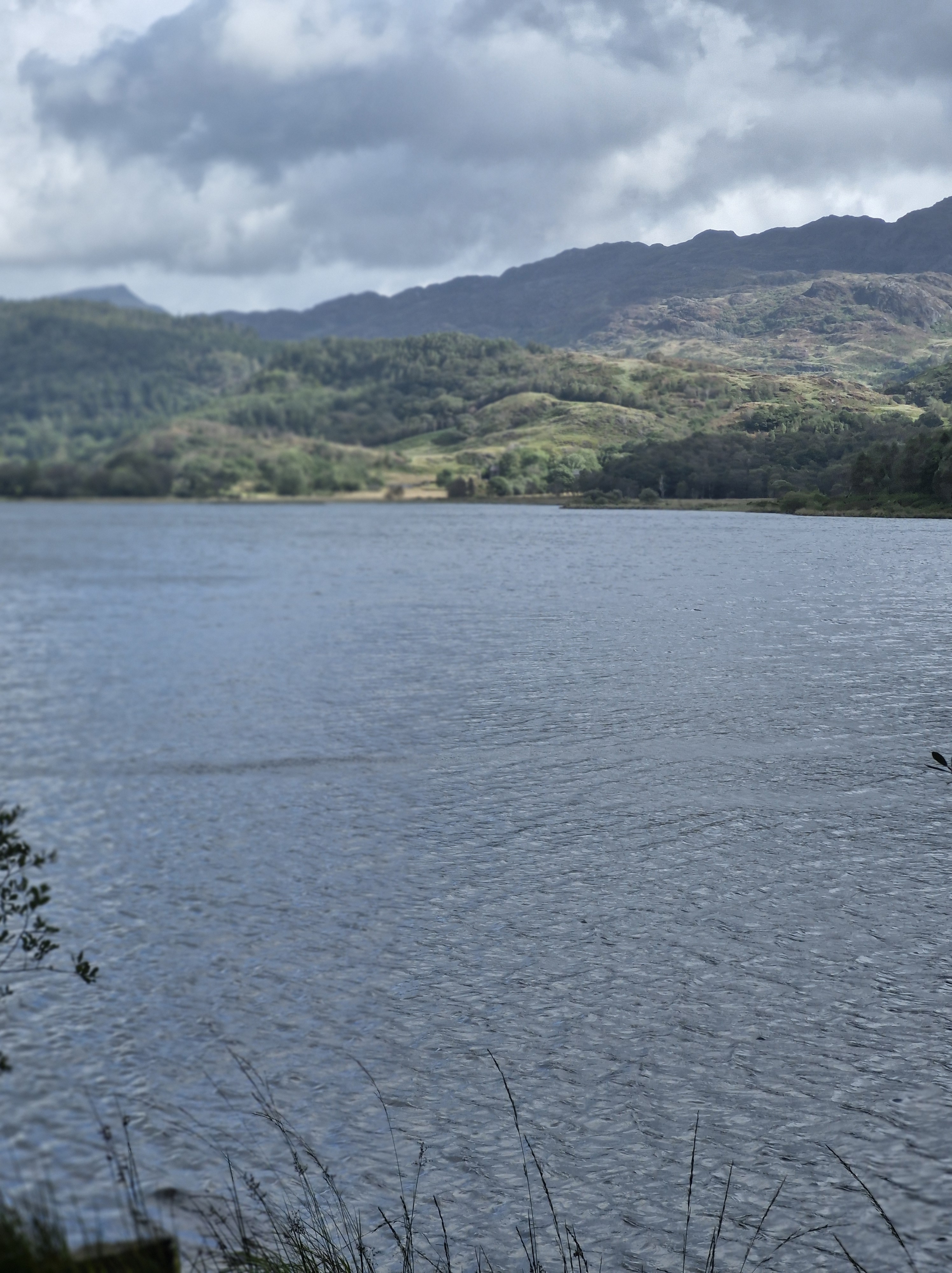
Where We Walked @Dinas Lake @LynDinas @Beddgelert @North Wales #walks #photographs #holidays #MondayBlogs

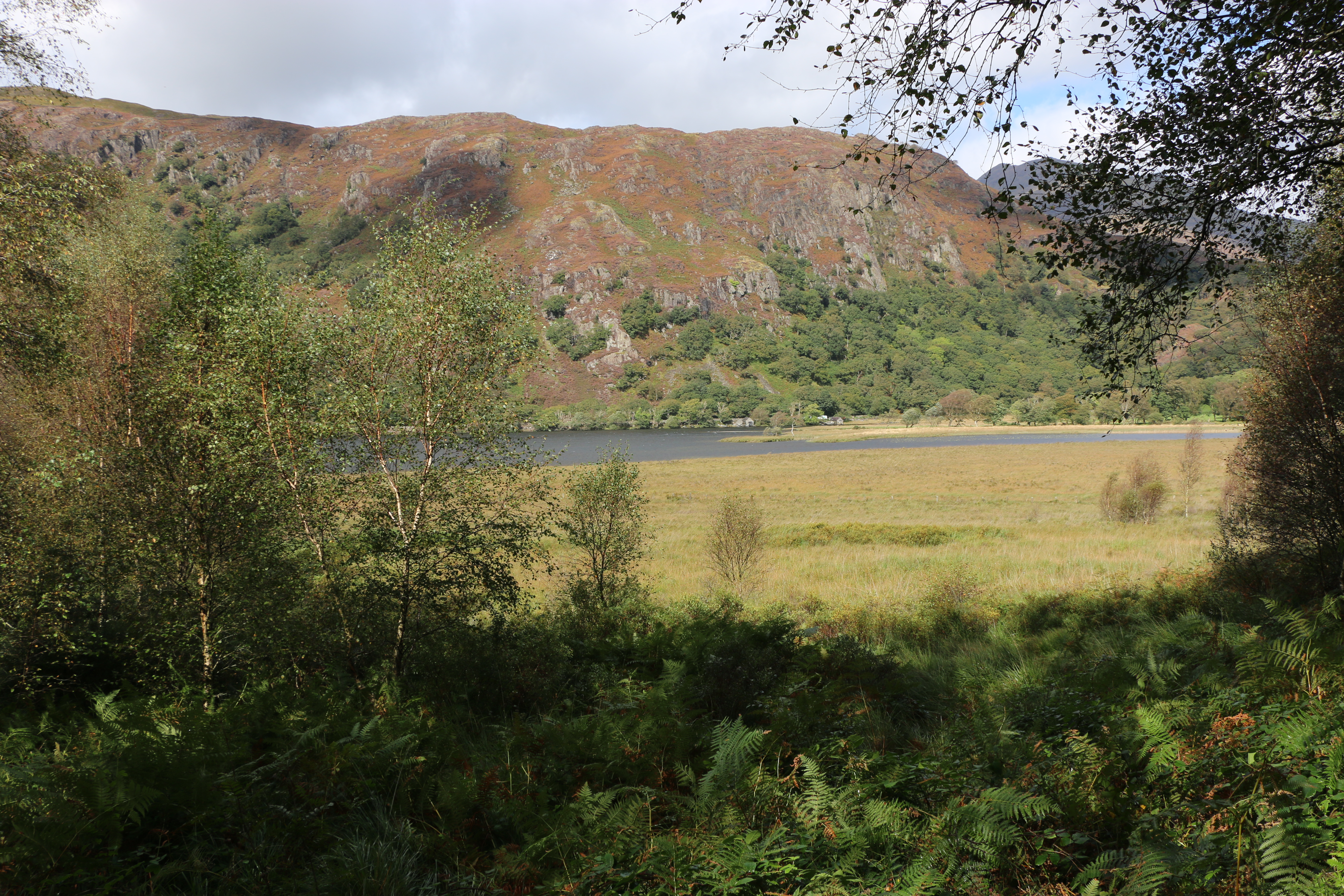
Llyn Dinas is a fairly shallow lake that lies on the valley floor a few miles north of Beddgelert in Gwynedd in north Wales. It is formed by the River Glaslyn. The lake takes its name from the nearby Dinas Emrys, a hill just downstream of the lake where a rock, Carreg yr Eryr (The stone of the eagle), was said ,in a charter of 1198 ,to mark the spot where the boundaries of the three medieval Welsh land division of Aberconwy, Ardudwy and Arfon met. According to Giraldus Cambrensis an eagle used to perch on it once a week, anticipating battle between the men of the three cantrefs.

We walked around Dinas Lake twice. Well, I say that. I should say we attempted to walk around the lake twice.

After that glorious, long day’s walk to Beddgelert, the clouds the following morning promised rain, and it was cold. Not to be thwarted we rugged up and set off.

On that first walk around Dinas Lake, we were attempting the one the National Trust recommended in the brochure we found in the cottage. We later discovered it was 1998 version, so unfortunately, the directions were out of date. Halfway up the hill it petered out into brambles and undergrowth.

This actually turned out to be fortunate. Giving up on the idea of cutting our way through the brambles – mainly because we didn’t have secateurs or knives, we backtracked and decide to walk to the end of the lake. Within ten minutes, we had hailstones bouncing down on us and we needed to shelter close to the stone wall under trees, alongside nine sheep who seemed completely oblivious to us. We gave up and went back to the cottage.

The next day, with the weather just about fine, we decided to try Lake Dinas again.

The water was calm, there was a party of canoeists preparing to go on the lake, and on the far side a group of children were being taken up a fast running stream. Dressed in hard hats and waterproofs it looked as if they were participating in a form of orienteering. From the screams of laughter we presumed they were enjoying themselves. Not for us we decided.

We crossed the bridge over the river to the path just as the rain started.

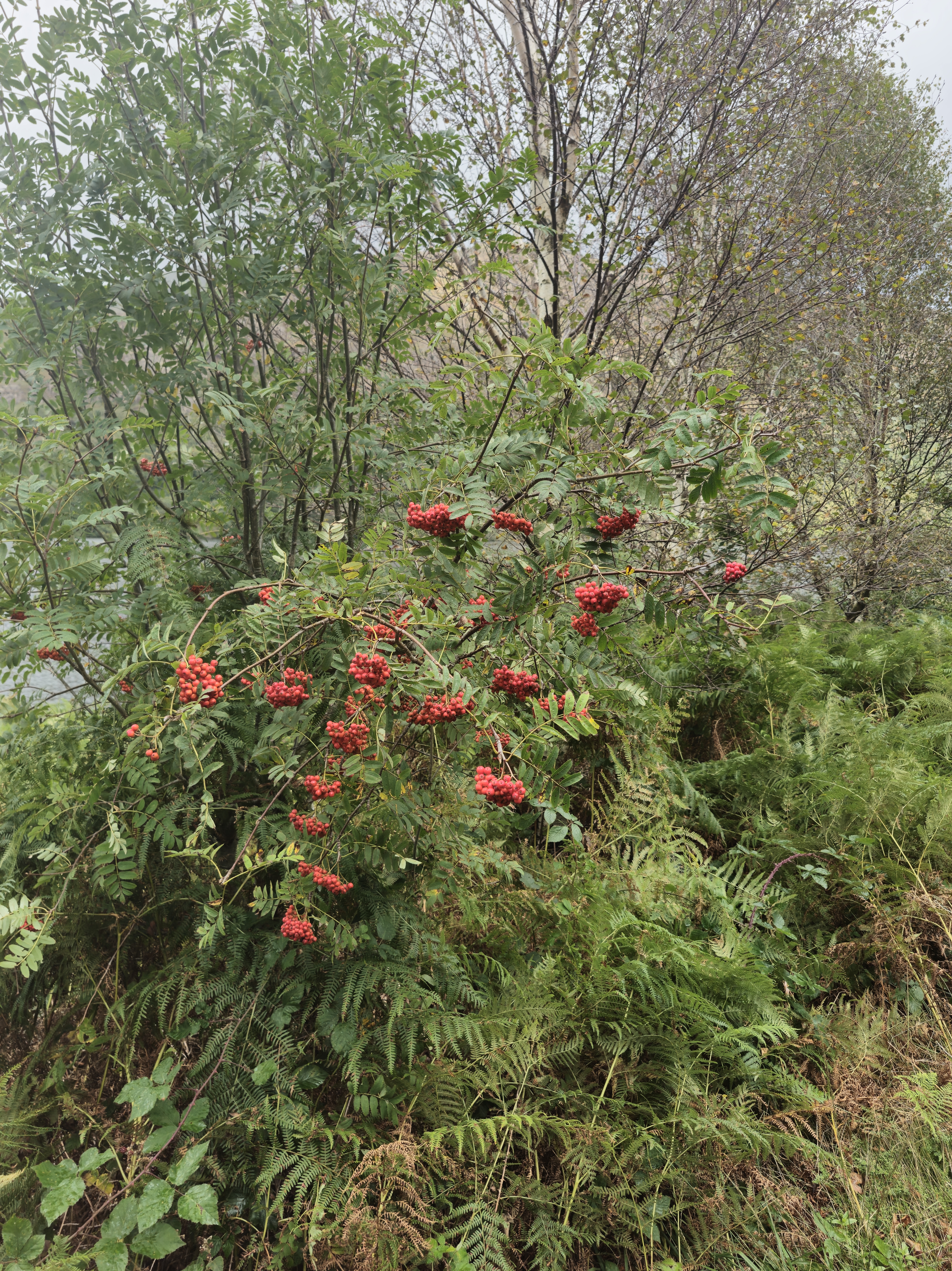
The path is banked by many rowan trees. There was a plethora of berries on them all. Is that a sign of a bad winter to come? Or is that an old wives tale? (as soon as I wrote “old wives’ tale” I wondered why it was called that. Apparently the name “old wives’ tale” comes from the fact that older women would often pass down their advice to the younger generation in the form of sayings that were easy to remember. The “wives” don’t refer only to married women, though. The term came from the Old English word wif, which means “woman.”) Just another rabbit hole I went down!!

At the far end of the lake we saw a farm house with outbuildings. There seemed to be a lot of activity. Despite the rain and being naturally nosy I urged the Photographer on with the words, ” I bet there’ll be a great view looking back along the lake.” It worked!!

This is the farm… Llyndy Isaf, a farm in Eryri (Snowdon) owned by the National Trust, since 2012 (Image: National Trust)

The farm was bought following a public fundraising campaign to preserve it for the nation. It has previously been home to five young farmers on a scholarship, who have managed Welsh Mountain ewes and Welsh Black cattle on the stunning site, which includes several Sites of Scientific Special Interest (SSSI:

Lake Dinas’ geology is important for nature conservation with habitats of saltmarsh, rush pasture, mire, mudflats, and reedbed, so is a natural home to a variety of wildlife, including bird species, such as Red Kites, Pied Flycatchers, Redstarts, Common Sandpipers, Dippers and Grey Wagtails, (a bird twitcher’s dream), over two hundred invertebrate species, and more many species of lichens and mosses, liverworts and hornworts ( bryophytes – non-vascular plants, which have no roots or vascular tissue, so absorb water and nutrients from the air through their surfaces).

When we approached the Llyndy Isaf farmhouse we were told it was a production team for television. They were more than willing to explain what they were working on.The National Trust has been on the hunt for someone to take over Llyndy Isaf farm. The process of choosing a tenant will be documented for Channel 4’s Our Dream Farm with Matt Baker, in early 2025. Applicants are vying for a fifteen year tenancy of the farm by participating in a three-week selection process. The Trust is seeking an individual with a fervour for sustainable farming.

A drone flew overhead filming Matt Baker with the lake in the background at the same time as the Photographer was attempting to take his photograph at the end of the lake. I’m just hoping the drone didn’t capture the two bedraggled people peering over the wall. I guess, when the programme is aired, we’ll see…

Where We Walked: Copper Mine @Cwm Bychan valley in @Snowdoni National Park near @Beddgelert @North Wales #walks #photographs #holidays

The second day, we knew we needed to take it easy, so we planned a short walk for the afternoon. Around three miles from the cottage that we were staying in was the disused Cwm Bychan copper mine, so we decided to explore.


The start of the walk was from the Nantmor National Trust car park, easy enough to find. We went under the railway bridge (still no steam train), and onto the stony path that led up through woods.

We’d been told these were bluebell woods, but, of course, in September no signs of bluebells, but impressive heather anyway.The area also includes internationally rare heathland, found only in the western coastal areas of Europe that provides habitat for numerous butterflies and birds.

The path wound upwards, sometimes not as distinguishable, always following the stream.

We were tempted to sit here, but I knew if I sat down I might not stand up again; the short walk had turned into yet another climb – and the weather looked as though it was changing.

But, gradually the woodland path changed into easier, wider paths on the open mountain, and I was reliably informed that the remains of the copper mines was, “just around the corner”.


And there it was!

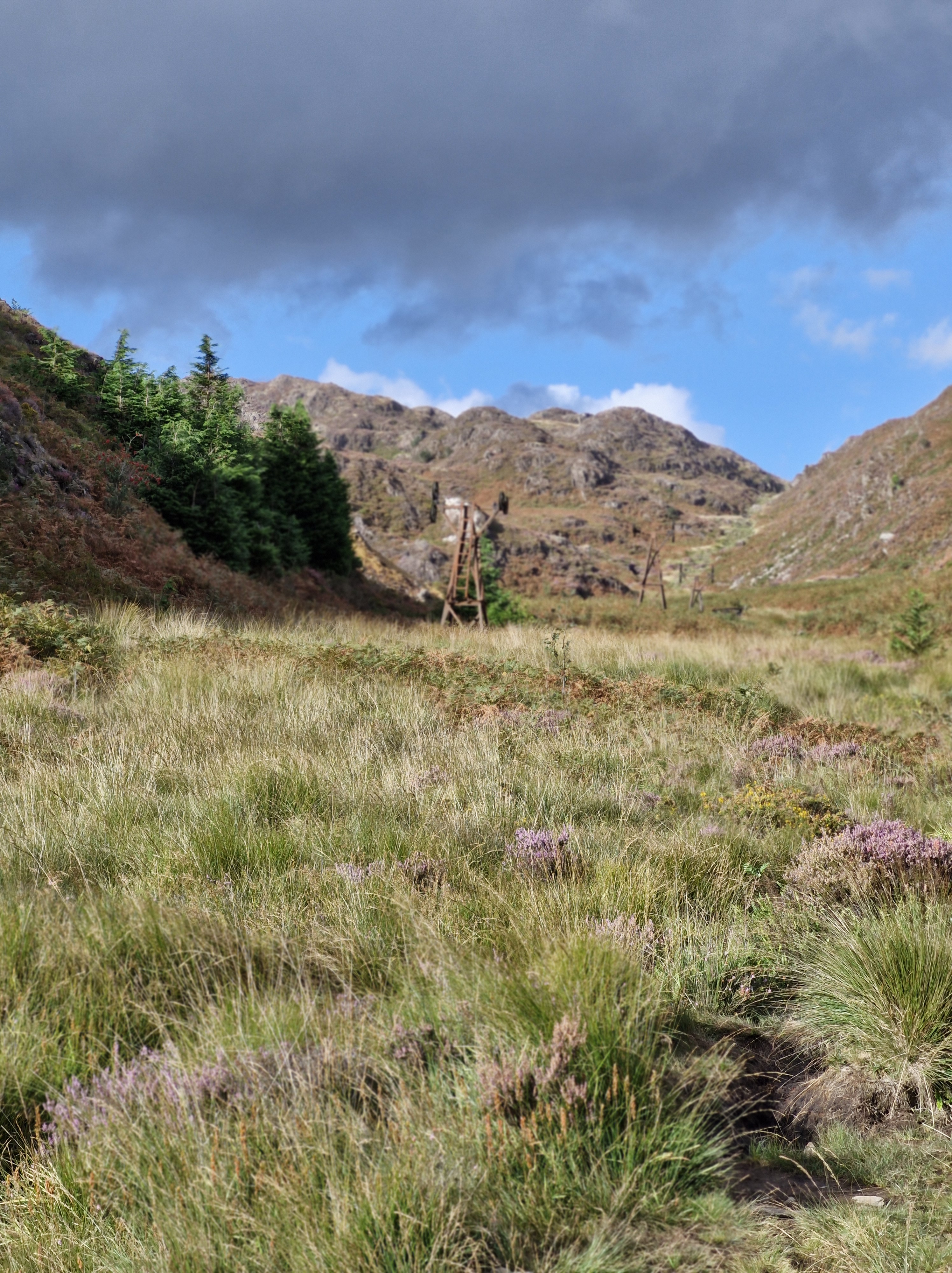
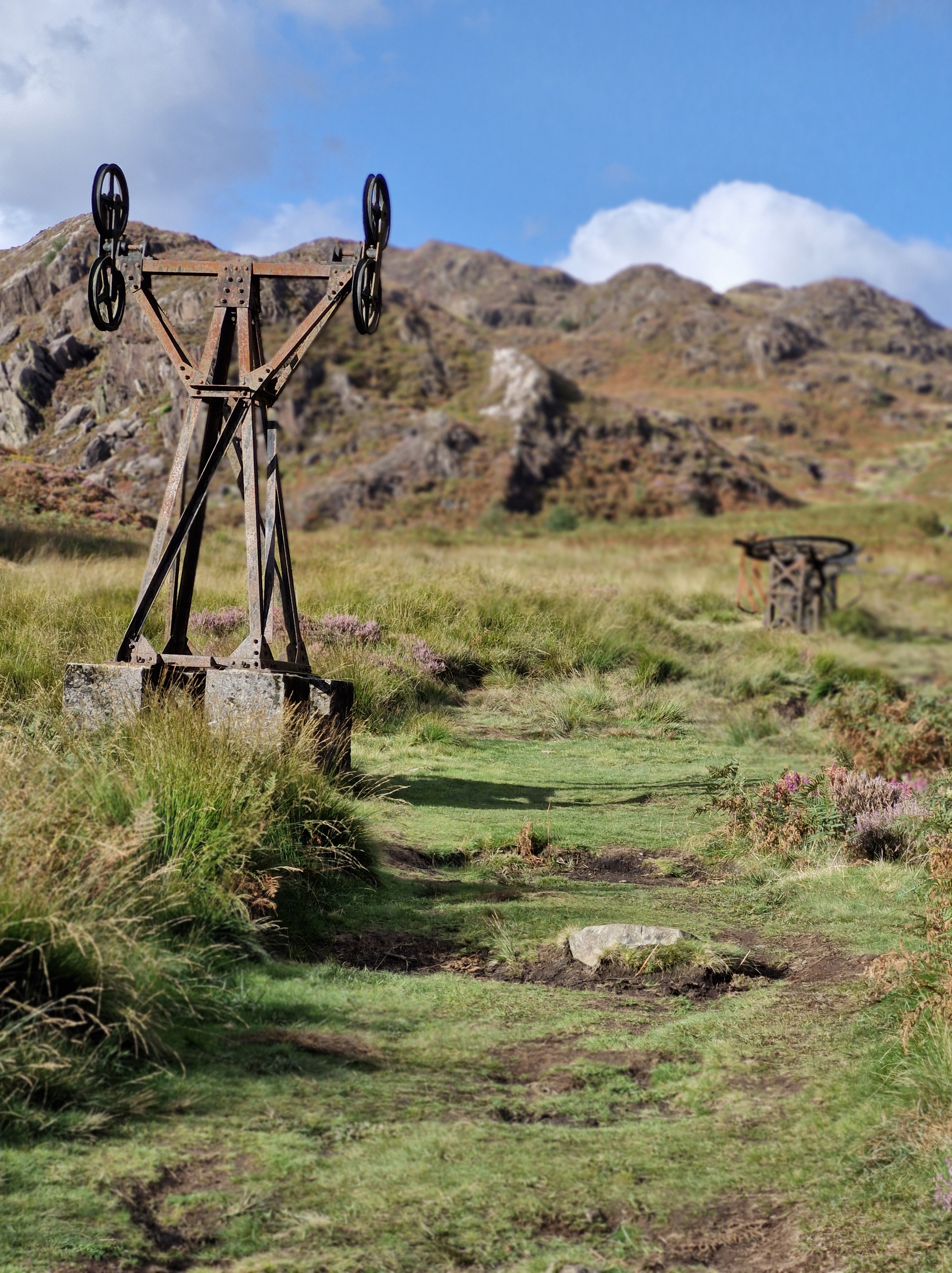
Various relics of that era can still be seen, including the aerial ropeway with its pylons and terminal wheel. And, in the background, the slag heaps of waste copper.

The evidence of the copper mining that used to be carried out here is quite poignant. The silence, broken only by occasional bird calls, the rustle of the breeze through the long grass, the bubbling of the stream, obviously a contrast to how things used to be.

Mining has been dated back to at least the seventeenth century in Cwm Bychan. The mines finally closed in the nineteenth century, then re-opened in the nineteen twenties. It was at this time that an aerial ropeway was built to help remove the Chalcopyrite ore for processing. But the attempt to restart production was short lived and the mine finally closed by the end of that decade.

I needed to research what Chalcopyrite is – a copper-iron sulphide mineral, the primary source of copper metal.

Image courtesy of Wikipedia

I learned that Chalcopyrite, also called Peacock Ore is thought to be an uplifting stone. It may ground nervous energy which allows the body and mind to let go of stress and embrace calm. It also may be used to remove energy blockages, cleansing, activating and aligning the chakras and energy bodies at the same time. To be an excellent aid to increase self-esteem, banish fears and doubts, and soothe the emotions. … fascinating. They must have known this in the nineteen twenties?

.

.

Where We Walked #Nantmor to Beddgelert via Bryn Ddu #Wales #walks #climbs #photographs #holidays – Part Two

Continuing our walk …

From the lookout point we could see Beddgelert – now only two miles away. All down hill. Very downhill!

The village is in the Snowdonia area of Gwynedd, Wales. It’s thought that it’s possibly named after an early Christian missionary called Cilert who settled there to become the leader in the eigth century. The earliest record of the name Beddgelert appears on a document dated 1258( recorded as Bekelert). The local Welsh dialect often shortens the name of the village to Begél.

It didn’t look very much closer through binoculars, to be honest.

Image courtesy of https://en.wikipedia.org/wiki/Welsh_Highland_Railway

Zig-zagging down the steep hillside to reach Beddgelert, and then through the magnificent Aberglaslyn Pass and on to Porthmadog, is the Welsh Highland Railway, the UK’s longest heritage railway. These trains are the world’s most powerful narrow gauge steam locomotives, and run for twenty-five miles from Caernarfon to Porthmadog. They climb from sea level to over six hundred and fifty feet below Snowdon, before descending to Beddgelert. On numerous walks we heard the ‘toot-toot’ of the train. Many times we waited for it to come into view … until we realised the sound echoed all around the mountains … and it was always miles away from where we eagerly anticipated (well, one of us did!) a “great photo opportunity”.

One of the most sought after/ looked for attraction – from a tourist point of view – is the raised mound in the village, called “Gelert’s Grave” and the statue of the faithful hound. The folk tale is synonymous with Beddgelert. By the way, the ‘hill’ (as the photographer first described it to me) in the background is Bryn Ddu mountain – the one we’d just scambled down.

But the grave was actually built by the late 18th-century landlord of the Goat Hotel, David Pritchard, who created it in order to encourage tourism.

We called in to have a wander around the local church, the Church of St. Mary stands at the end of Stryd yr Eglwys (Church Street). Parts of the building date from the 12th century; the chapel section being originally a part of an Augustinian Monastery. the rest the of the monastery was destroyed by fire during Edward I’s war of conquest. It really is a lovely peaceful church. And welcoming, as the following shows …

The village is also linked with the Rupert Bear stories.

Image courtesy of https://www.beddgelerttourism.com/Rupert/

Alfred Bestall wrote and illustrated some of the stories whilst he lived in the village, in a cottage at the foot of the Mynydd Sygun ( Sygun Mountain). There is even a small area known as ‘Rupert Garden’ in the village, dedicated to the Bear; a short walk from Alfred Bestall’s old home.

Lying in the heart of Snowdonia, Beddgelert is small, and a beautiful conservation village in the heart of the National Park, nestled below mountains at the confluence of the Glaslyn and Colwyn rivers. The path alongside the Glaslyn river was the last section of our walk back to Nantmoor. The path sounds so innocuous doesn’t it? Especially when it’s called the Fisherman’s Path – images of quiet contemplation, the swish of fishing rods, the ripple of water…

On to Part Three…