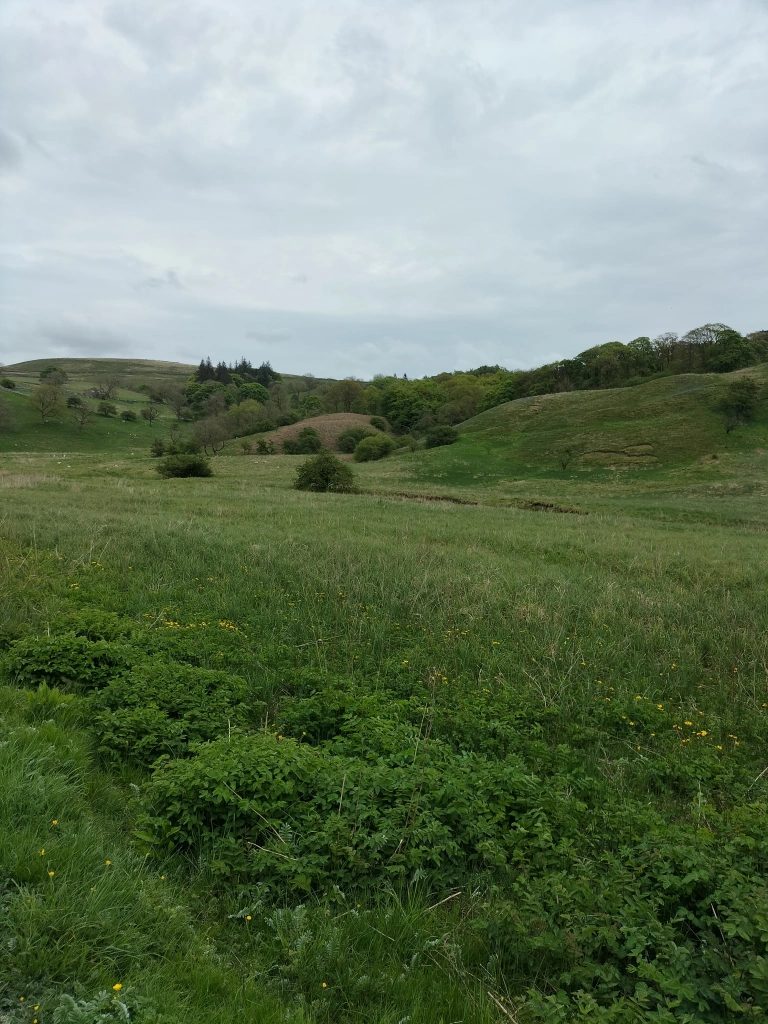
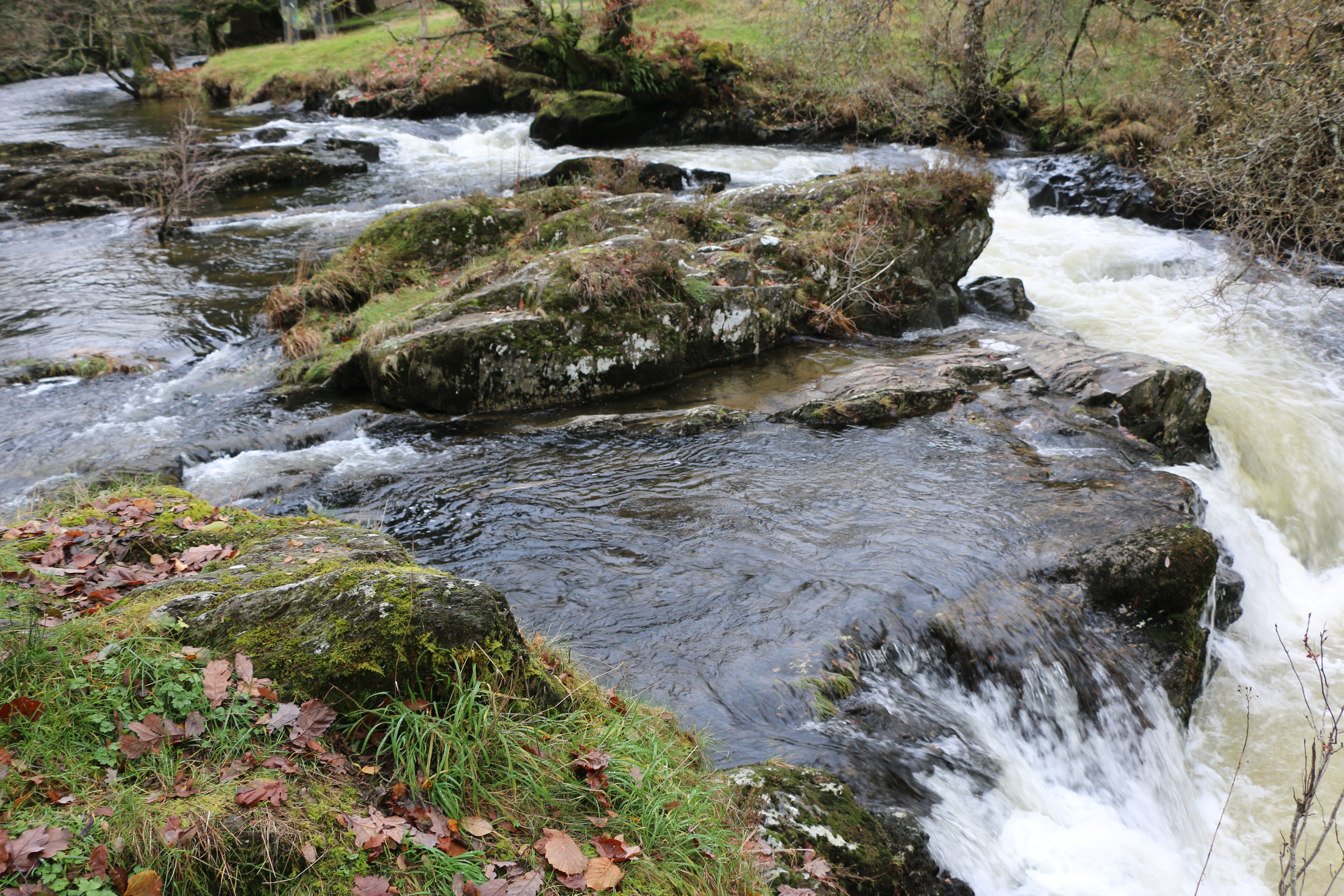
Before we walked through the forest we stopped at PwllGolch (the Washpool), part of the river Irfon, where, with the deep water and broad shallow waterfalls and cascades, there are the remnants of a sheepfold – a dry stone sheep pen – on the far bank which shapes the Irfon and created the different depths in the river. This is where, historically, farmers washed their sheep before shearing them.
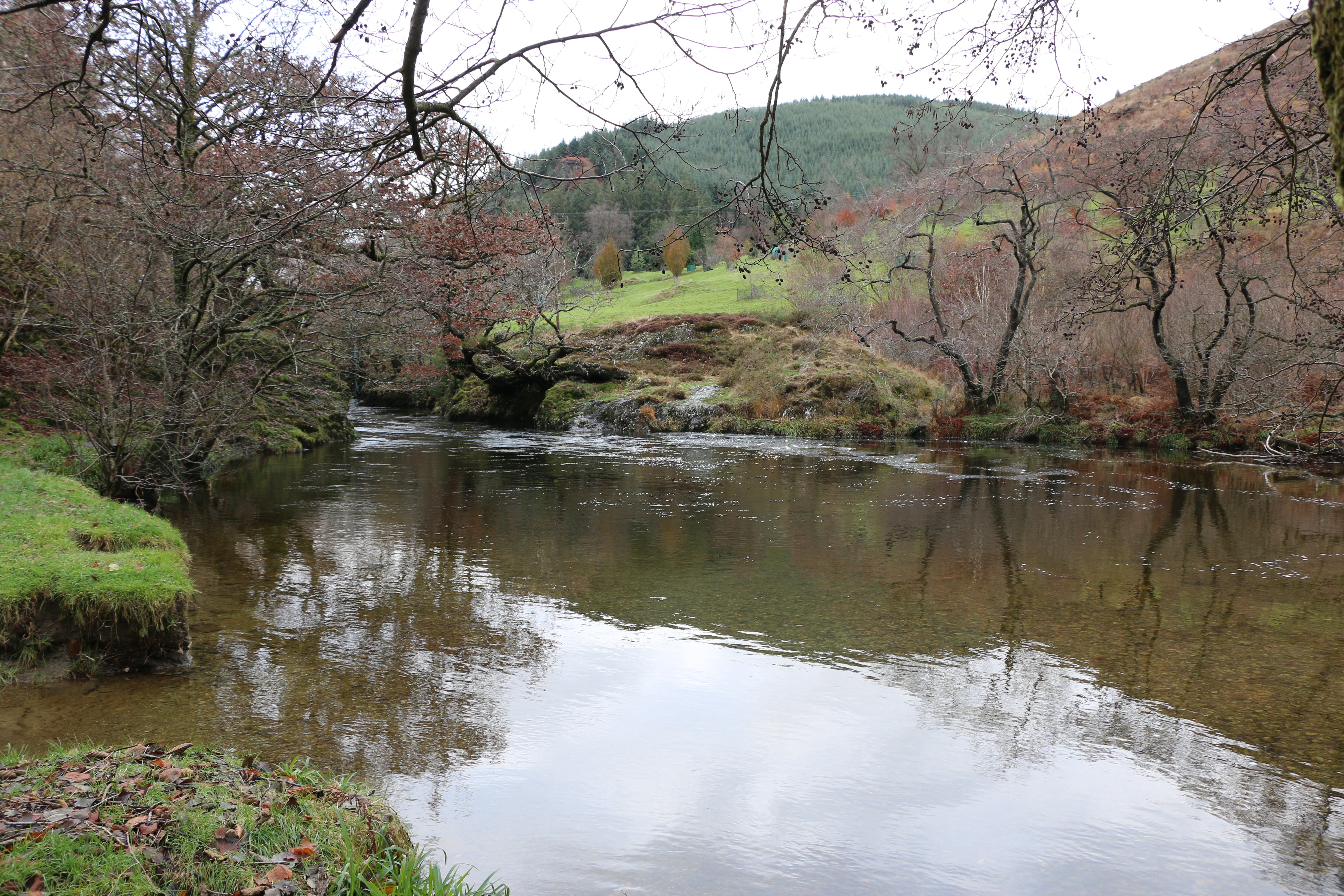
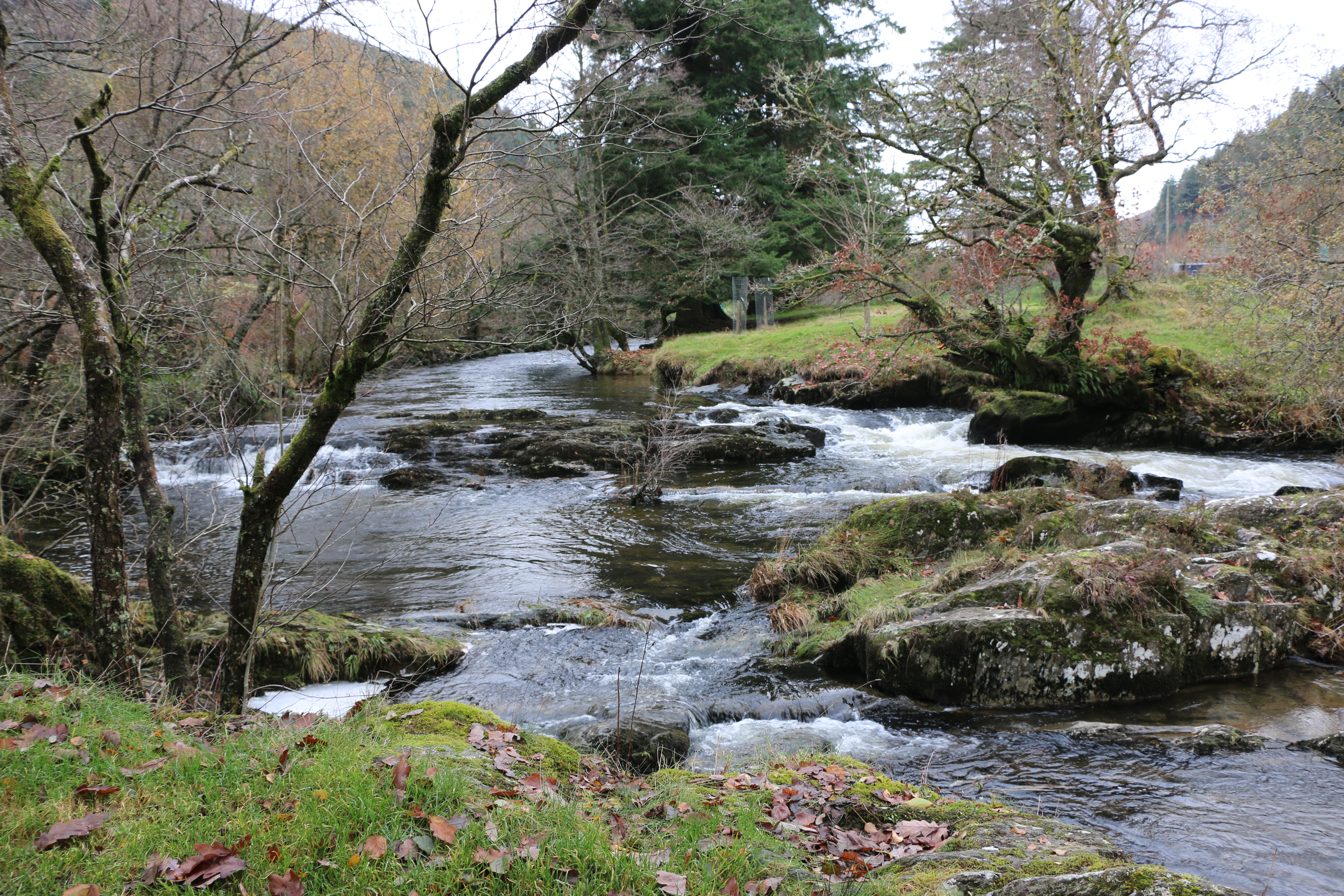
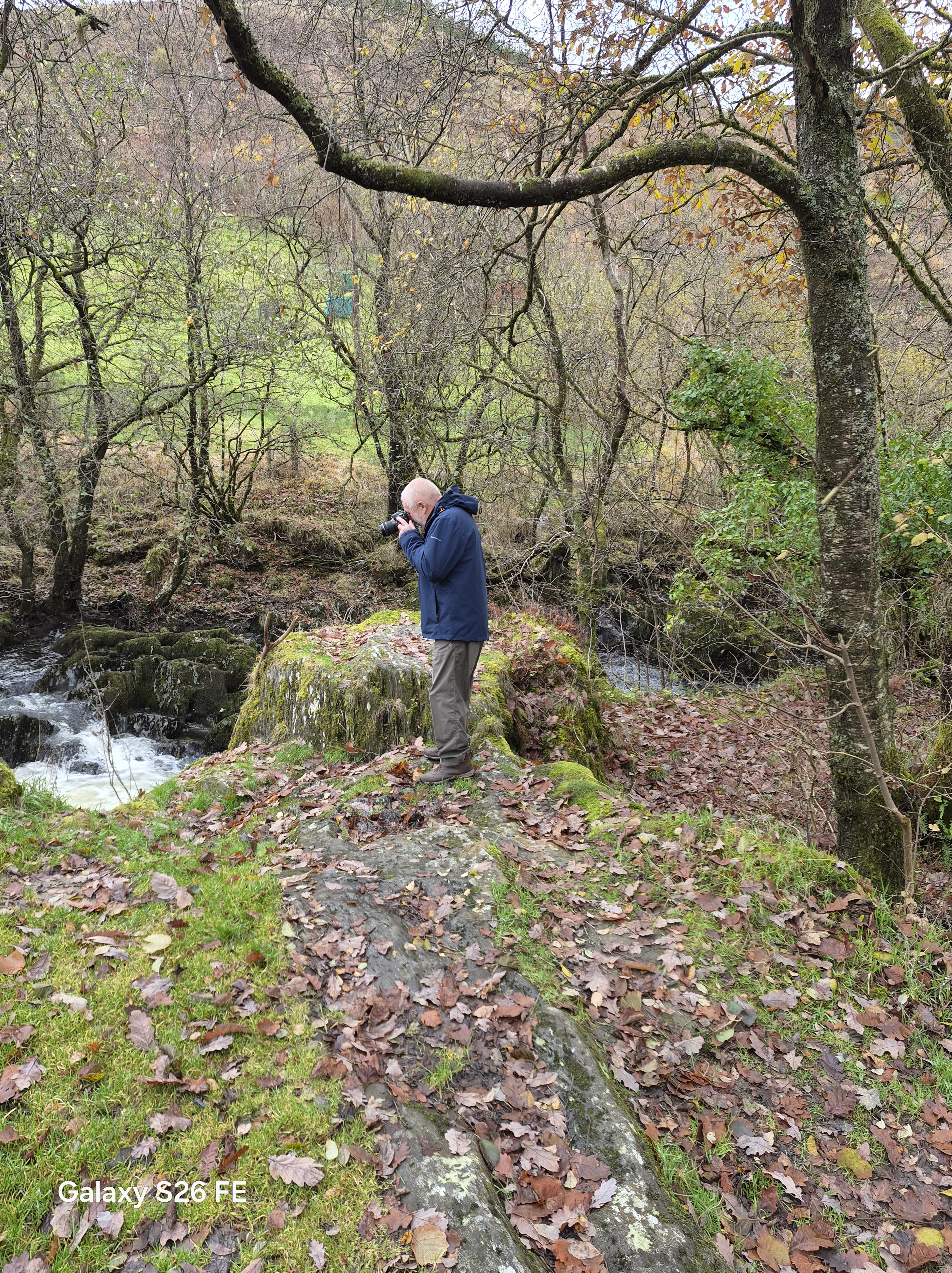
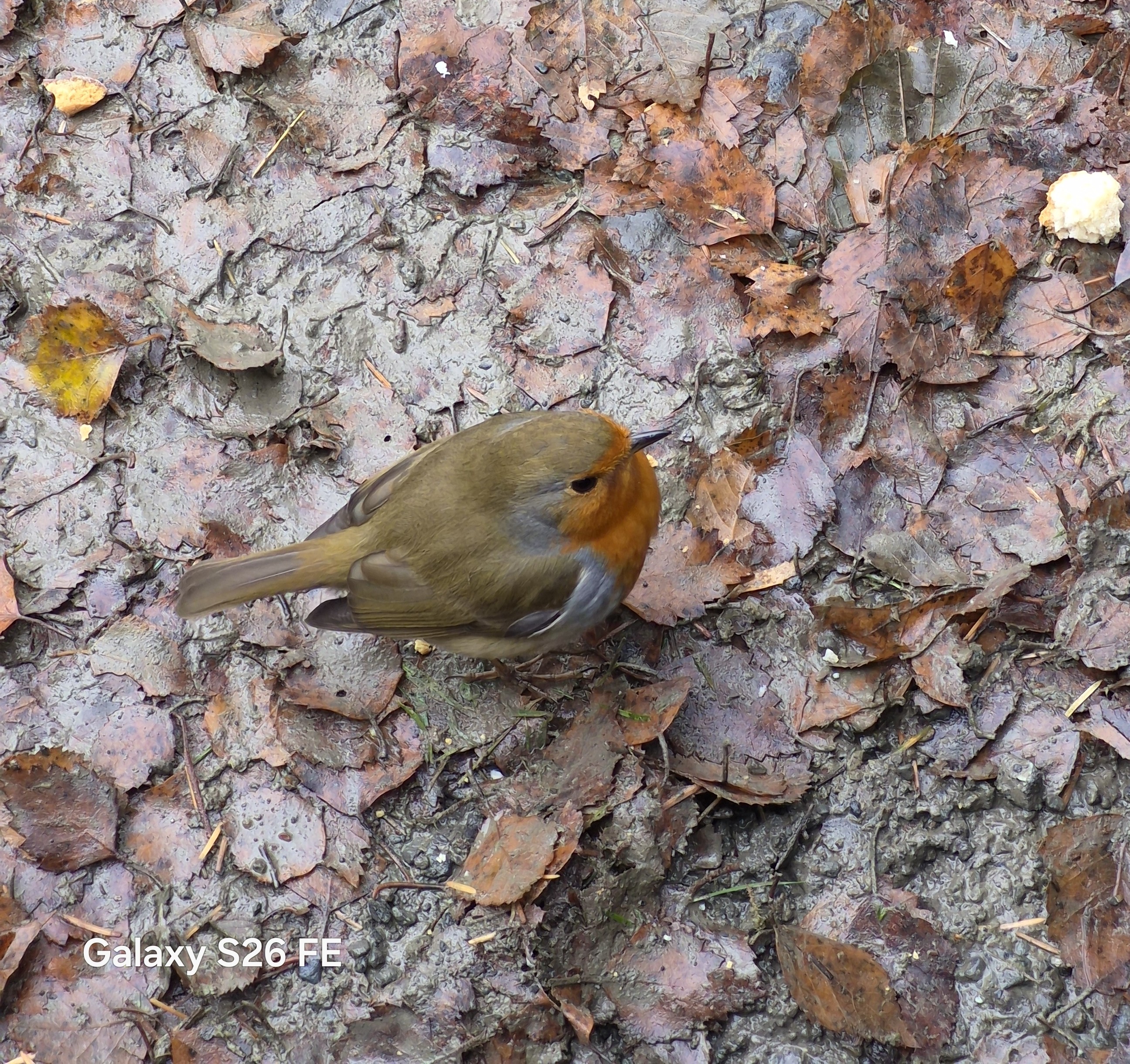
The Photographer was in his element. After a few minutes I persuaded him that we should carry on with the walk and we went along to the Pwll Bo ( Boggy Pool) car park and picnic site, which luckily, didn’t live up to its name. And was where we had a visitor.
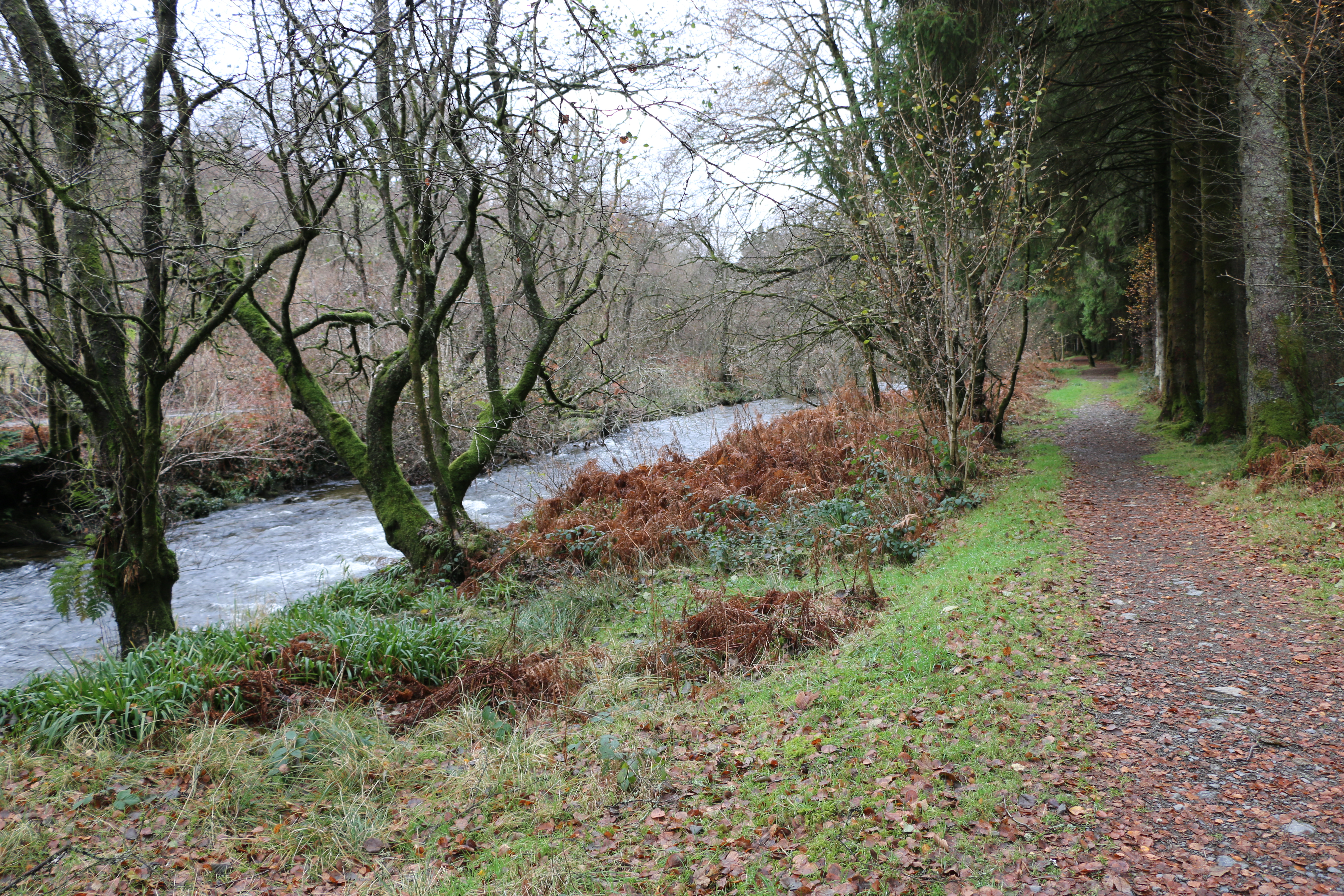
Rather than a walk it’s an easy stroll along the River Irfon as it tumbles down from the Cambrian Mountaini.
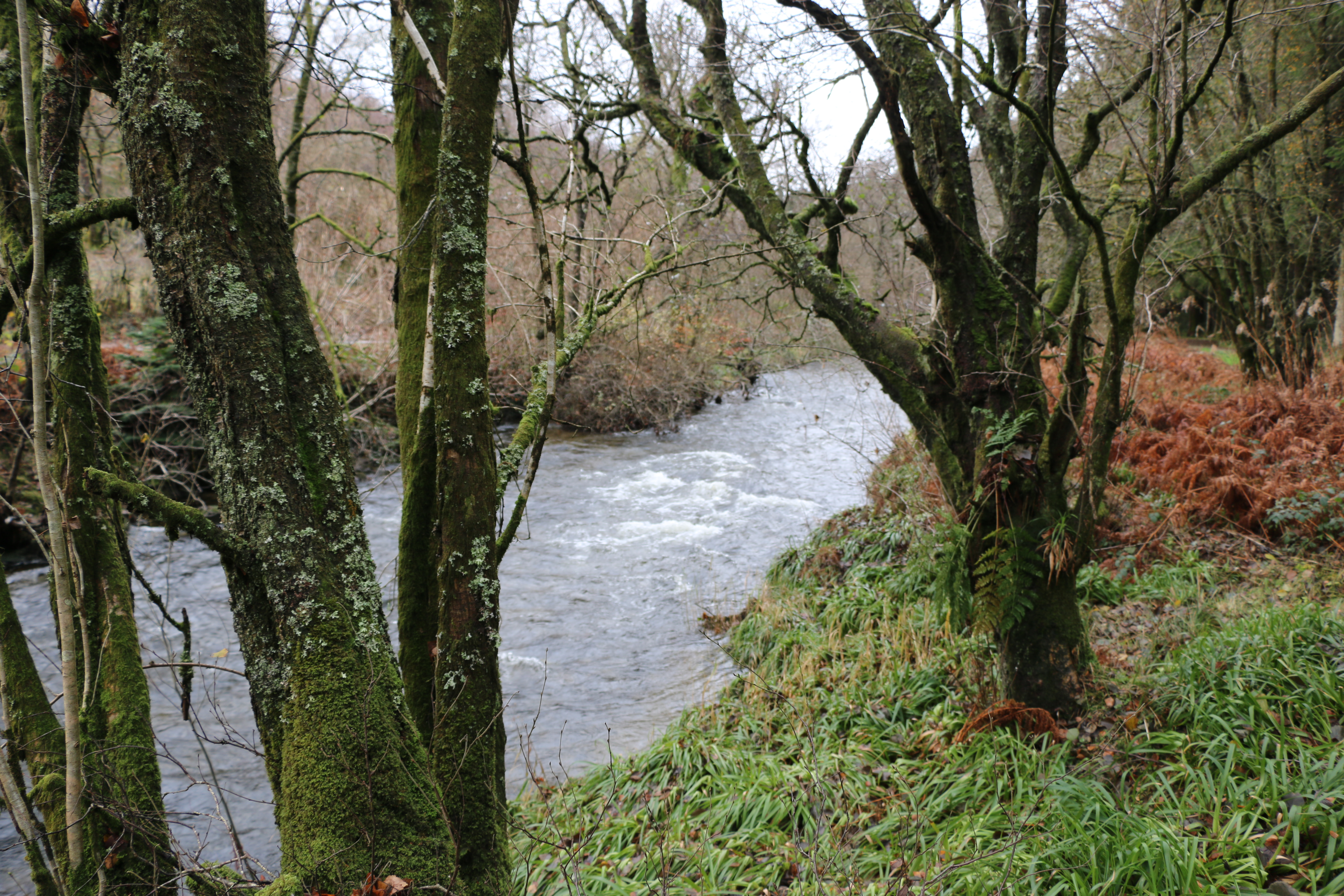
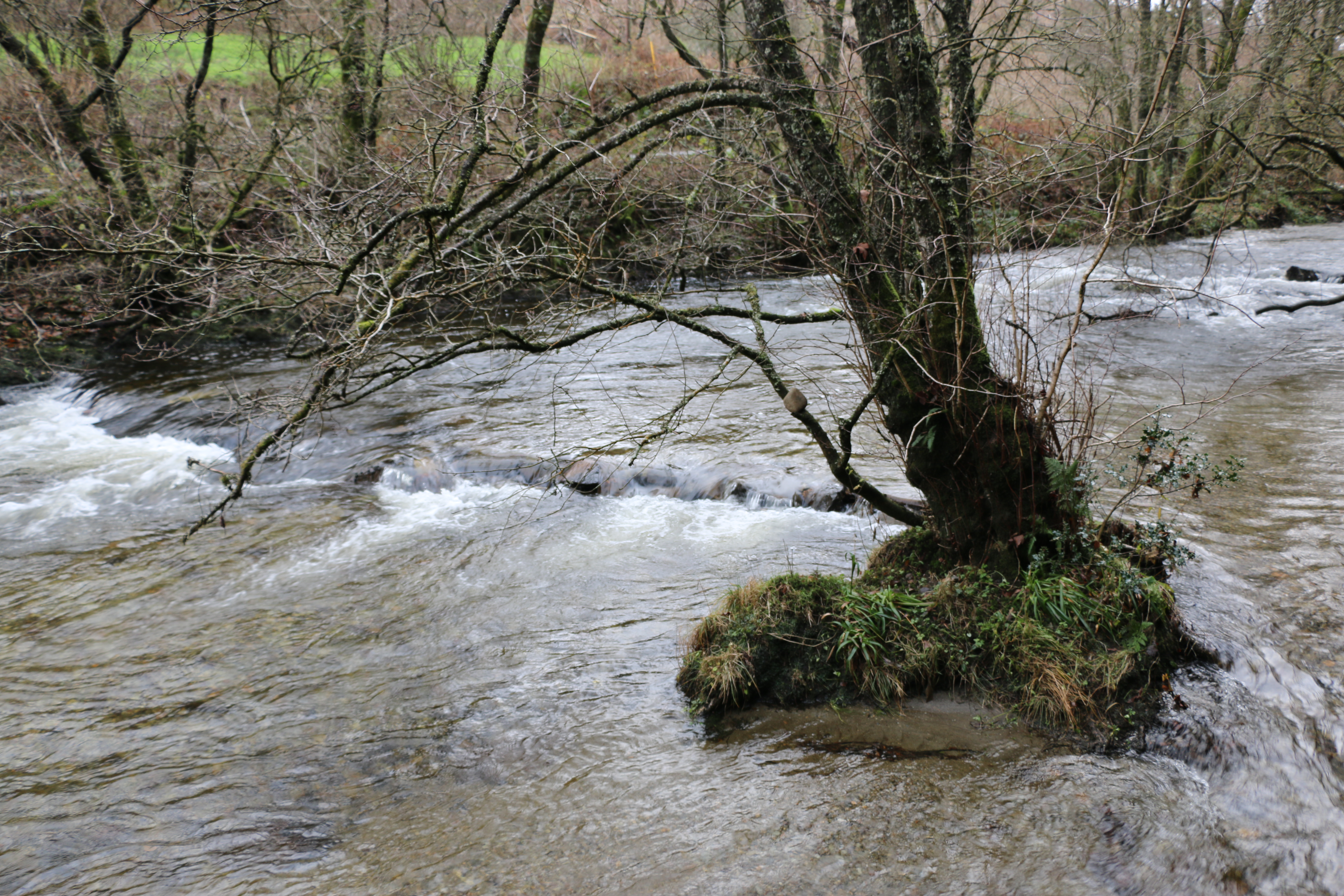
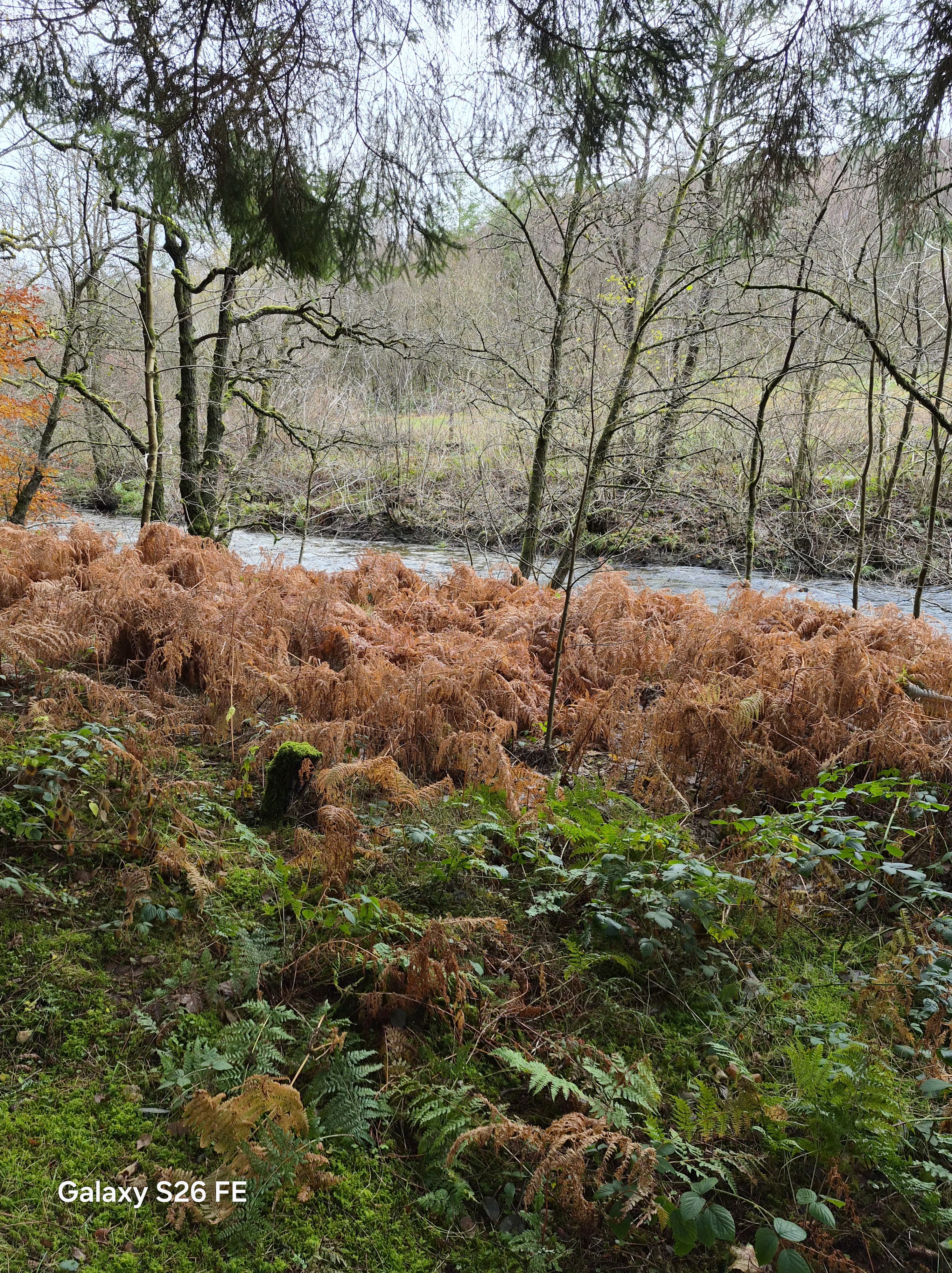
This is where I thought we were turning back along the easy route! I took one last look at the river and took a photograph of my own before accepting we were not having a easy flat stroll.
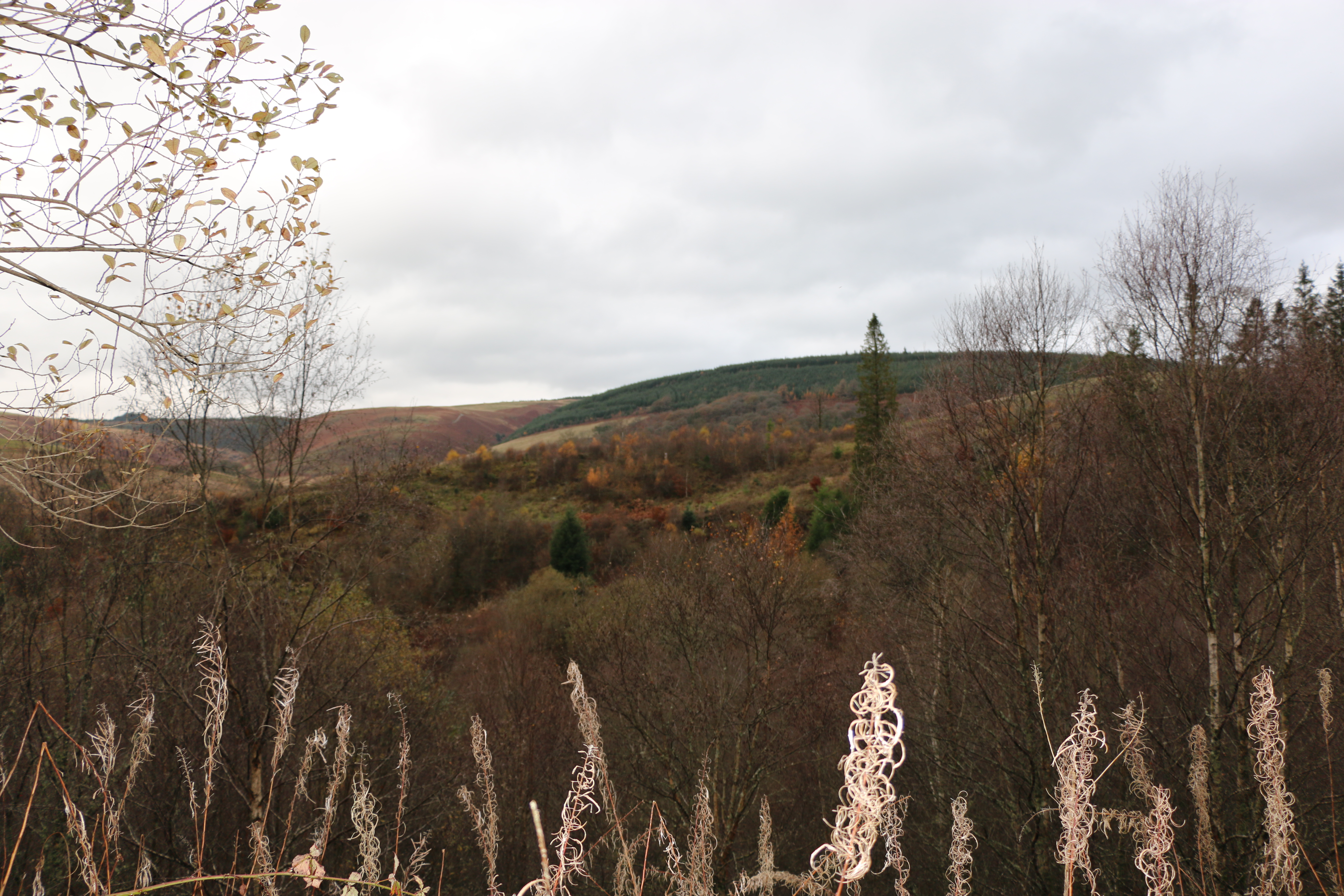
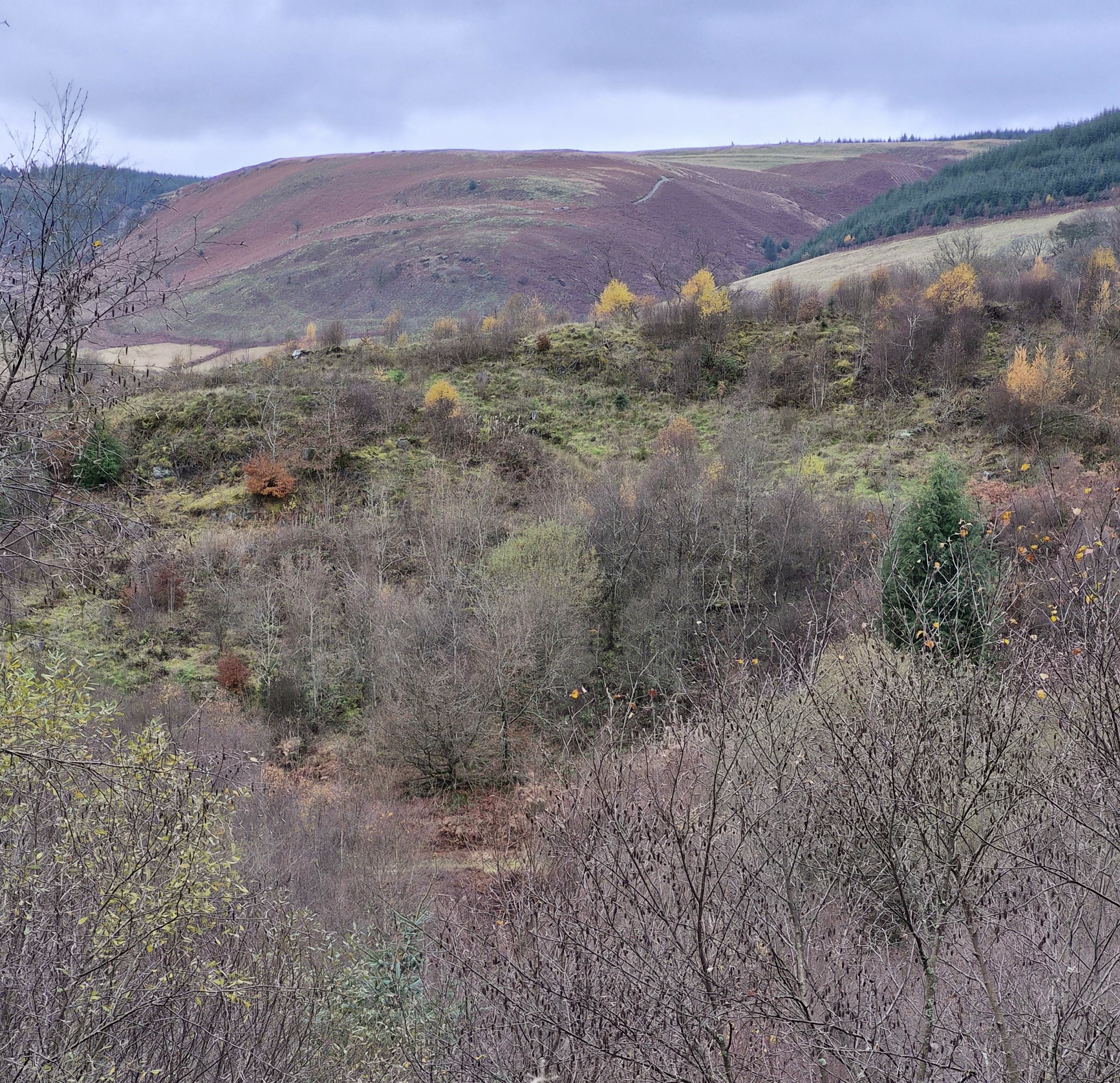
We climbed up a stony track into Irfon Forest, part of the National Forest for Wales and looked out to the valley beyond.
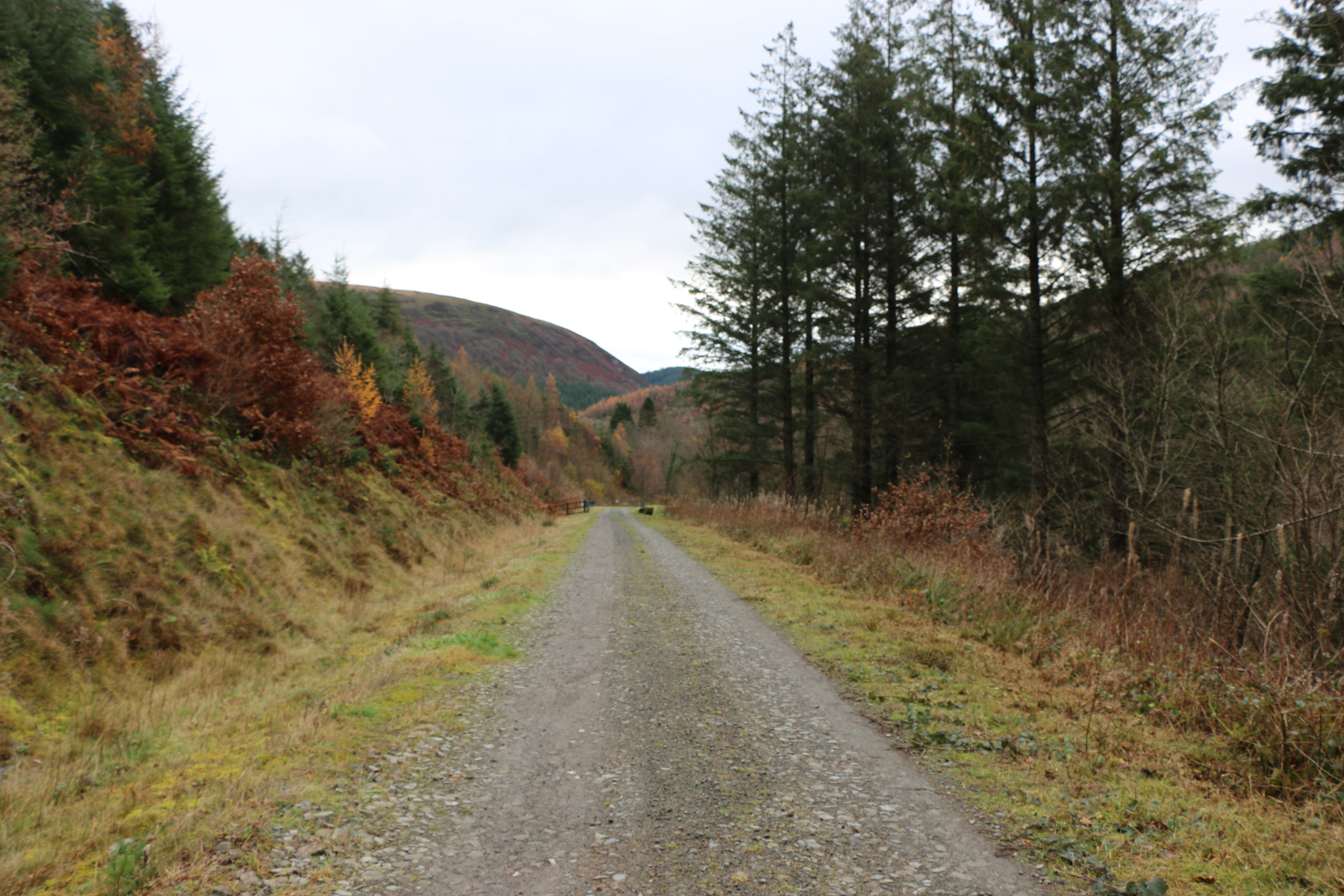
Before joining a forest road.
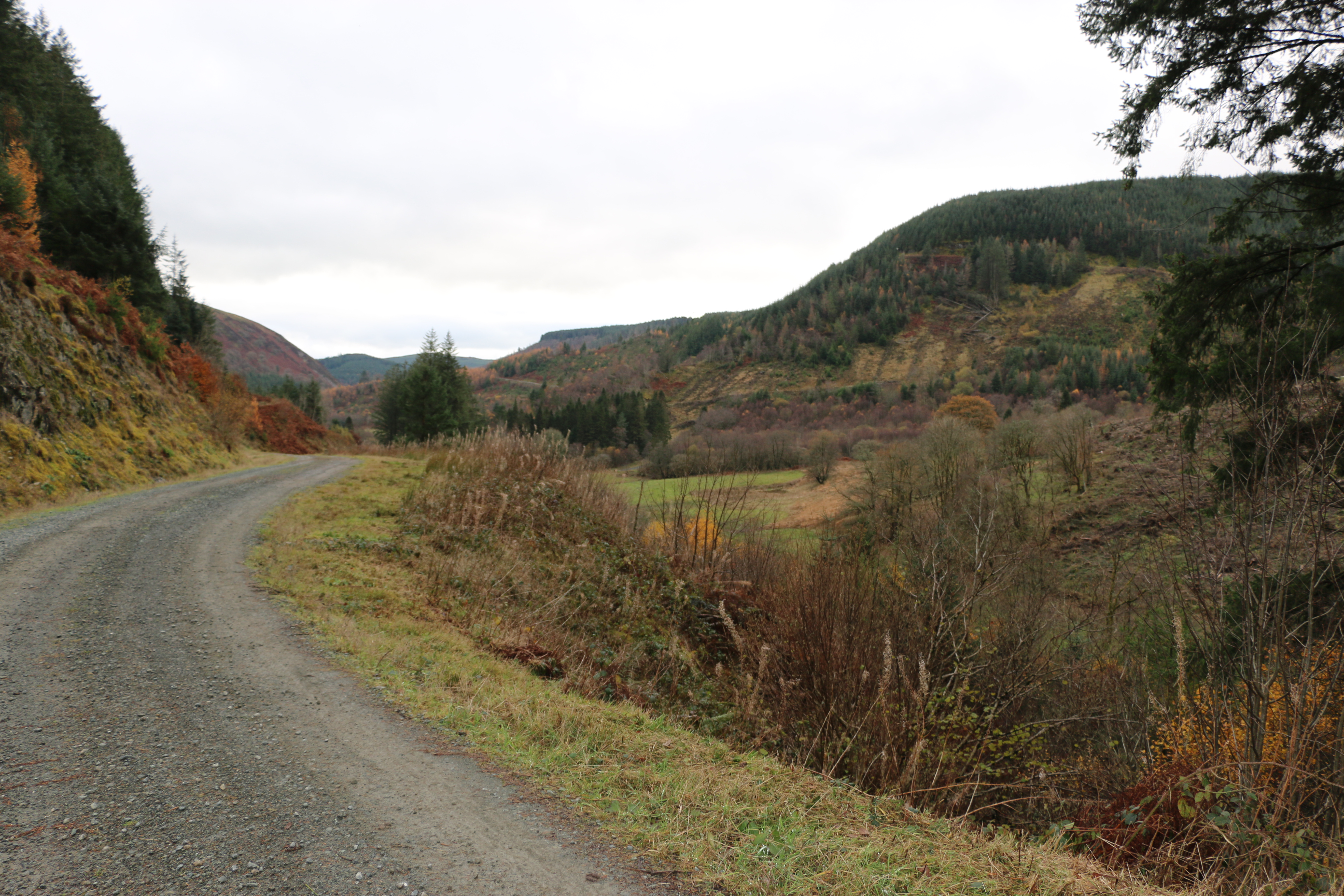
And back to the car park before another visit to setting off for Elan Valley.
As usual, whilst the Photographer is capturing images on these walks, it gives me chance to sit and write. I’m a slow writer, but in those times outdoors, it seems that the words come more quickly. I’m not sure if it’s the intensity of the moment – knowing it will only be a few minutes before he returns, or it’s the peace. Whatever it is I’m grateful that the story is moving on.
At the moment I’m writing another domestic thriller. I’m hoping it will available in 2027. But, as I watch the characters evolve and take their part in the story (and sometimes rebel against the journey I’m trying to give them!), I’m just enjoying seeing the words take the plot along.
Author of Domestic Thrillers, Domestic Noir, Contemporary Fiction & Historical Family Sagas. Link: https://www.amazon.co.uk/Judith-Barrow/e/B0043RZJV6
Although the last book that an author writes can feel as if it’s the story that might be “the one” (well, an author can always dream!!), there is one that lingers long after it’s written…
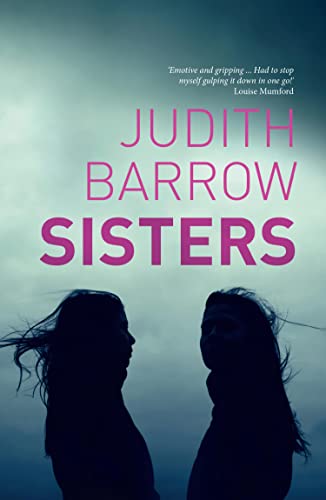
Sisters is based around an accident and a lie that tears apart the lives of two young sisters. The consequences leads them to exist in completely different communities and social structures. The underlying theme throughout the story is the uncertainty of whether familial love and duty can prevail over resentment and hatred. And what it might take for good to overcome the evil that lies hidden behind closed doors.
The initial inciting incident in Sisters is taken from a memory that has stayed with me from childhood. Something that has had long-term consequences and has completely changed the lives of all the members of that family on so many levels.
Review for Sisters: 5.0 out of 5 stars Beautifully written, devastating, but ultimately hopeful family saga…
It’s a funny thing about Judith Barrow’s books. I start reading, thinking they will follow an expected genre, get about halfway through, and realize that they are about something else entirely. In Sisters, for example, I thought I was going to meet another Cinderella, one who lives through and overcomes family trauma, meets her prince, and lives happily ever after. Only… not so much.
When we meet thirteen-year-old Mandy, she’s the classic middle-child of a working-class family on a 1970s housing estate. She’s proudly pushing the pram containing their family’s much-anticipated and beloved baby brother when she runs into her big sister, Angie, a typically boy-crazy young teen. Angie is attempting to show off for a boy when a terrible accident occurs and the precious baby is killed.
A devastated Mandy rushes back to her home, but to her shock is blamed for the tragedy. She waits confidently for her big sister to explain, but Angie doesn’t step forward. Instead, their family falls apart in a meltdown of grief, blame, and shame. Publicly branded a baby-killer, Mandy is bullied at school, shunned by her parents, and lied about by her sister, the one person who could have saved her.
Of course, we can see how the adults who should have provided love and support in spite of what was obviously an accident, instead fail their child. How the sister she’d always looked up to allowed her own fear to keep her from protecting Mandy or even telling the truth. And how all of the social structures of home and school and church fail to protect and support.
I couldn’t end this post without these links to all the wonderful events that happen in Llanwrtyd Wells. I quite fancy the Bog Snorkling myself … NOT!!