Unknown's avatar

About Judith Barrow

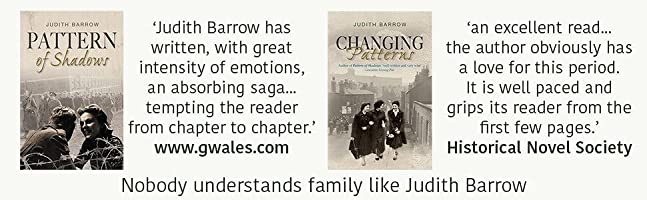
Pattern of Shadows was my first novel, the sequel, Changing Patterns was published in May 2013. The last of the trilogy, Living in the Shadows was published July 2015. In August 2017, the prequel to the trilogy, A Hundred Tiny Threads,was published. In March 2010, The Memory was published by Honno, a contemporary family saga. I also have an eBook, Silent Trauma, a fiction built on fact novel, published as an eBook. I have an MA in Creative Writing, B.A. (Hons.) in Literature, and a Diploma in Drama and Script Writing. I've had short stories, poems, plays, reviews and articles published throughout the British Isles, notably in several Honno anthologies. I am also a Creative Writing tutor and run workshops on all genres and available for talks and workshops.My blogs are on my website: https://judithbarrowblog.com/ where I review,interview other authors, and generally write about walks & photographs. At the moment I'm running a series of posts called Places in our memories, where writers talk about somewhere that brings back a memory. Always happy to hear from anyone who would like to join in with that. When I'm not writing or teaching creative writing I spend time researching for my writing, painting or walking the Pembrokeshire coastline

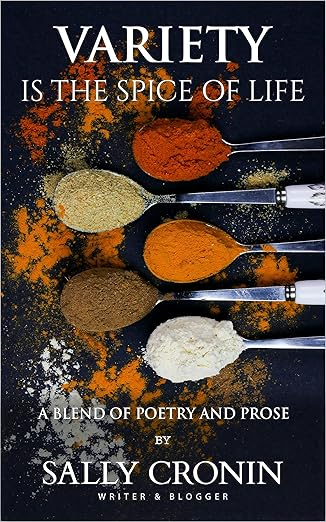
My Review of Variety is the Spice of Life: A blend of poetry and prose by Sally Cronin

Book Description:

Variety is the Spice of Life is a collection of poetry and short stories about relationships with others, including pets and animals inhabiting the world around us. The connection with others brings love and friendship, excitement and sometimes surprises, danger, mystery and sometimes the unexpected.

The poetry explores human nature, the fears, desires, expectations and achievements. Nature offers a wonderful opportunity to observe animals both domesticated and wild. Even in a back garden you can observe a wide variety of creatures and the daily challenges to survive a harsh environment.

The short stories introduces you to a healer whose gift comes with danger, a neighbour determined to protect a friend, a woman on the run, an old couple whose love has endured, an elderly retired teacher who faces a life changing accident, a secret that has been carried for over 70 years and a village who must unite as they face devastating news.

My Review:

I read Sally Cronin’s Variety is the Spice of Life quite a while ago, and recently when ‘tidying up’ my kindle I was surprised and somewhat dismayed to see I’d made notes on this lovely collection of poetry and prose that encompasses such a variety of themes – and not reviewed it.


So here I’m rectifying that.


The poetry at the start of the book is almost a study of the world around us. It’s an invitation to look once more at nature, however small and seemingly insignificant, and is portrayed through wonderfully insightful and sensitive words, so evocative that each piece evokes an image. I remember how, the first time I saw the poems, I read each of them out loud, relishing the sounds, the rhymes, the rhythms. And I would invite any reader to do the same – they come alive in that way, as does all good poetry. Sally has a way of capturing emotions and sensitively showing the uniqueness of the world around us – and the many layers in human nature.


The theme of the individuality, the variety of actions and reactions we are all capable of, is repeated over and over again in many subtle, and sometimes overt ways, throughout her prose. I was tempted to quote, to unpick each of the eight short stories, to describe the core, the main premise that runs through them. But, sticking to my decision not to reveal any spoilers in my reviews, I would just urge any potential reader to discover them for themselves. All reveal the writer’s natural gift for storytelling, of capturing the essence of characters and the world they inhabit. Some stories brought chuckles and a wry smile, others the feelings of sadness, of sharing fears and loss. And tears. Writing a short piece of prose is not an easy task; wrapping up a scene or a journey into a package that reveals a whole plot to the reader in so few words requires a special intuition on the part of the author. Sally Cronin shows she has a talent for such an understanding.


I can do no more, having given Variety is the Spice of Life a second reading, than to stress how much I recommend this offering from Sally. You won’t be disappointed.


A last word on the cover – a brilliant spicy image of the promising within!!

About the author

Sally Cronin is the author of eighteen books including her memoir Size Matters: Especially when you weigh 330lb first published in 2001 which followed her weight loss of 150lbs and the programme she designed to achieve a healthy weight and regain her health. A programme she shared with her clients over her 26 year career as a nutritional therapist and on her blog. This has been followed by another seventeen books both fiction and non-fiction including multi-genre collections of short stories and poetry.

Her latest book Size Always Matters is an extended and updated version of her original book Size Matters and now includes the nutritional element to losing weight and some recipes with ingredients that provide the nutrients necessary for healthy weight loss and continued good health.

As an author she understands how important it is to have support in marketing books and offers a number of FREE promotional opportunities in the Café and Bookstore on her blog and across her social media.

After leading a nomadic existence exploring the world, she now lives with her husband on the coast of Southern Ireland enjoying the seasonal fluctuations in the temperature of the rain.

Find Sally through the following links:

Smorgasbord Blog Magazine: https://tinyurl.com/5xskmavn

LinkedIn: https://tinyurl.com/3tn378xb

Facebook: https://www.facebook.com/sally.cronin

X: https://x.com/sgc58

My Review of A Stolen Future ( A Shade Darker Book 4 by Georgia Rose

Book Description

A rival to overcome… A truth to reveal…

A family firm. A long-held promise. What will it take to protect all she loves?

Alice Fraser has everything she needs. A comfortable home. A few good friends. A satisfying career. But when the promise made doesn’t materialise and everything changes at work she finds herself losing control of all she once held dear.

She could have left. She should have left. Instead she decides to dig in, and make life uncomfortable for her tormentor.

Petty revenge, she calls it. And that’s how it starts. But one day she is pushed too far, and once she takes the next step there is no going back.

A Stolen Future is a gripping domestic suspense novel. If you like character-driven action, suspenseful storytelling and unexpected twists then you’ll love this psychological thriller.

My Review:

From the word go I’ve loved this series from Georgia Rose. In fact I’ve loved all her books, whatever genre. But A Stolen Future is the fourth story that is special, because it’s set in the same village, Melton, and besides being centred on the protagonists and her antagonist, it also touches on and includes characters, now minor ones, whose lives we have seen in depth before.

To that end, I woud encourage any reader to begin – as they say – at the beginning: so it’s

https://tinyurl.com/5n8v36v2

https://tinyurl.com/mw7y2f7b

https://tinyurl.com/55d8brph

I always try not to give spoilers in my reviews, and feel that I’m in danger of doing just that, so I’ll stop there. But what I do need to say is that all these characters are multi layered and immediately identifiable through their dialogue, both spoken and internal. And, together with a cast of wonderful minor characters,, they are embedded in a community that is indicative of so many villages and small towns. And as with all of Georgia Roses’ books the descriptions of the settings give a good sense of place, so I almost felt like on onlooker to life in Melton.

I thoroughly agree with the books description: A Stolen Future is a gripping domestic suspense novel. If you like character-driven action, suspenseful storytelling and unexpected twists then you’ll love this psychological thriller. It’s a book I thoroughly recommend.

About the Author:

Georgia Rose is a writer and the author of the romantic and suspenseful Grayson Trilogy books: A Single Step, Before the Dawn and Thicker than Water. Following completion of the trilogy she was asked for more and so wrote a short story, The Joker, which is based on a favourite character from the series and the eBook is available to download for free at the retailer of your choice.

Her fourth novel, Parallel Lies, encompasses crime along with Georgia’s usual blending of genre and its sequel, Loving Vengeance, has now completed The Ross Duology.

Georgia’s background in countryside living, riding, instructing and working with horses has provided the knowledge needed for some of her storylines; the others are a product of her passion for people watching and her overactive imagination.

She has also recently started running workshops and providing one-to-one support for those wishing to learn how to independently publish and you can find her, under her real name, at http://www.threeshirespublishing.com.

Following a long stint working in the law Georgia set up her own business providing administration services for other companies which she does to this day managing to entwine that work along with her writing.

Her busy life is set in a tranquil part of rural Cambridgeshire in the UK where she lives with her much neglected husband.

The Hidden Danger in Families #coercivecontrol

I love writing about people – especially people in families. There is such a richness of emotion, of action, within families. Nowhere else will love and loyalty vie with dislike and disloyalty, (even hatred in some case), pride with resentment, happiness with complete sadness. Nowhere else are human beings so close.


With The Stranger in my House, I wanted to explore a situation that would completely turn around the characteristic of a family. And I knew that needed to be something drastic. And that the family had to have a weakness within it it. And that weakness in the Collins family was grief, the sadness of losing the mother, the centre of their world. The father Graham is still grieving, bewildered, struggling to cope with running a business and trying to look after his children, eight-year-old twins, Chloe and Charlie.That “something drastic”; the situation that would completely change the characteristic of this family arrives in the form of Lynne, the district nurse who cared for Anna, the wife and mother of the family, who died when the twins were six. Lynne continued to call on Graham after Anna died and slowly but surely becomes part of his life… and consequently of the twins lives, when she and Graham marry.

I’ve always known about coercive control, although that’s not what it’s been called until these last few years. But it’s always been the patriarchal control, the accepted head of the family situation of past times, I was initially aware of. The earliest of my books, A Hundred Tiny Threads the prequel to the Haworth trilogy, is set after WW1 and the protagonist’s father, Bill, is a man of that era; he totally controls the family: by his moods, his temper, his fists.


But these days control of any sort is identified as coercive control, and it’s recognised that this can result in psychological damage that can last for life. It’s difficult, sometimes, for the victim to make sense of what’s happening, to see it as abuse. It’s like imprisoning someone, restricting everything they are. They are robbed of their independence, and their confidence is slowly undermined. It destroys who they are.

Anyone can be guilty of being a coercive controller. And guilt is the right word, because, today, it’s viewed as a crime. To totally have control over another adult human being is a crime. It’s shown in so many ways: physical assault, threats, humiliation, intimidation or other abuse intended to harm, punish or frighten. The perpetrator gaslights the victim by denying things have happened, using the confusion to control, criticising everything they do and say. Victims suffer in silence.

Which is what Graham in The Stranger in my House does, he tells no one, feels completely useless. Isolated, he has no control over what happens to his children or his life.
And neither do his children.

But children grow up. Chloe and Charlie become young adults with minds of their own…

The Stranger in my House: https://bit.ly/3DGwMCU

Find me here:

Amazon: https://bit.ly/3UIid6I

Honno: https://www.honno.co.uk/authors/judith-barrow

Instagram: https://www.instagram.com/judithbarrowauthor/

Threads: judithbarrowauthor

Facebook: https://www.facebook.com/judith.barrow.3/

With Many thanks to @DGKaye for this Review of The Stranger in my House

With many, many thanks to @AnneWilliams for this wonderful review for my latest book, The Stranger in my House. And for all the kind words and reviews (also included) for my earlier books.

A Wonderful Review by Thorne Moore for my Book The Stranger in my House

It’s Been an Odd Day…

 Today – Remembrance Day – has been a day when we paid homage to so many who gave their lives in past wars. A day that must have brought back memories for many. It has for me.

It’s eight years since my mother died. My sister arranged the funeral for eleven o’clock today. Eleven o’clock, on the eleven day of the year – perhaps no one else wanted that time or day – I was never told.

This is a post I wrote shortly afterwards. The relationship between Mum and me, and the one between her and my sister, proved so very different. There’s nothing wrong in that, but at no time was it more obvious than on that day…

I wrote… 

Last week I was at my mother’s funeral. I say at because I felt it was a funeral I was a spectator to, not part of.

During the service I realised something strange. Being the eldest, and living nearer to Mum than me,  my sister had insisted on organising the whole thing. It was a Humanist service which was fine; my mother had no beliefs.

But what was odd, was that what my sister had written about my mother was totally unlike the mum I knew. And I wonder if that is something all siblings share; a different view of the characters of their parents.

The mother my sister saw was a woman who liked poetry. So there were three poems in the service. I’ve never once seen my mother read poetry although she did like to misquote two lines from ‘ What is this life if, full of care…’

The mum I knew read and enjoyed what she herself called ‘trashy books.’ They weren’t, but she did love a romance and the odd ‘Northern-themed’ novels. (I’m always glad she was able to enjoy the first book of my trilogy – dementia had claimed her by the time the next two were published) She still managed a smiling grumble, though, telling me it had  taken me ‘long enough to get a book out there’) And she loved reading anything about the history of Yorkshire and Lancashire. Oh, and recipe books… she had dozens of recipe books and could pour over them for hours. I often challenged her to make something from them. She never did… it was a shared joke.

Mum had a beautiful singing voice in her younger days.  She and my father would sing duets together. Anybody remember Pearl Carr and Teddy Johnson?  My parents knew all their songs. And so did my sister and I… I thought. The songs and singers chosen were not ones I remembered. And Mum loved brass bands! She’d have loved to have gone out to a rousing piece from a brass band, preferably the local band. She loved everything about the area and the house she’d live in for almost sixty years

Which brings me to the main gist of the service. No mention of Mum’s love of nature, of gardening, of walking. Nothing about Mum’s sense of humour; often rude, always hilarious. When telling a tale she had no compunction about swearing if it fitted the story. And her ability to mimic, together with her timing, was impeccable. She was smart, walking as upright in her later years as she had when in the ATS as a young woman, during the Second World War. She worked hard all her life;  as a winder in a cotton mill, later as a carer, sometimes as a cleaner. Throughout the service there was no inkling of the proud Northern woman willing to turn her hand to any job as long as it paid. No mention of her as a loyal wife to a difficult man.

Thinking about it on the way home I realised that my sister had seen none of what I’d known and I knew nothing of what she’d seen in Mum. And then I thought, perhaps as we were such dissimilar daughters to her, Mum became a different mother to each of us? Hence the completely opposite funeral to the one I would have arranged for her.

Is that the answer? A funeral is a public service. Are they all edited, eased into the acceptable, the correct way to be presented for public consumption? Because it reflects on those left behind? I don’t know.

Perhaps, unless we’ve had the foresight to set out the plan for our own funerals, this will  always be the case.

So I’d like it on record that, at my funeral,  I’d like Unforgettable by Nat King Cole (modest as always!), a reading of Jenny Joseph’s When I Am Old (yes, I do know it’s been performed to death but won’t that be appropriate?). I’d like anybody who wants to say anything…yes anything…about me to be able to…as long as it’s true, of course! And then I’d like the curtains closed on me to Swan Lake’Dance of the Little Swans. (Because this was the first record bought for me by my favourite aunt when I was ten. And because, although as a child I dreamt of being a ballet dancer, the actual size and shape of me has since prevented it.)

Thank you for reading this. I do hope I haven’t offended (or, even worse, bored) anyone. I was tempted to put this under the category ‘Fantasy’ but thought better of it!

And, today, I’ve also had thoughts of my grandad. Like do many young men he served in WW1

This is a post from quite a while ago, as well. Today was the day my grandad died. I never really knew him. He was always in bed in the front room of my grandmother’s house and had no patience for a small child. But I do remember that day: my mother crying, the fear of not knowing why, what had happened. Of not knowing what to do.

And I have only one small black and white photograph of him on my study wall. He’s standing in the backyard of the terraced house they lived in in Oldham. Lancashire. This is a poem I wrote about him a long time ago. My mother once told me that he was gassed in WW1 and never recovered.

My Grandad

I look at the photograph.

He smiles,and silently

he tells me

his story…

In my backyard I stand,

Hands wrapped around a mug of tea.

Shirt sleeves, rolled back,

Reveal tattoos – slack muscles.

I grin.

All teeth.

Who cares that they’re more black

Than white.

Underneath

That’s my life.

That’s the grin I learned

When burned

By poison

Spreading

Like wild garlic.

That’s the grin I wear

When I look

But don’t see

The dark oil glistening,

Blistering, inside me.

When I hear, but don’t listen

To my lungs closing.

I posture,

Braces fastened for the photo,

Chest puffed out.

Nothing touches me –

Now.

Later I cough my guts up –

Chuck up.

I trod on corpses: dead horses,

Blown up in a field

Where grass had yielded

To strong yellow nashers.

And in the pastures

I shat myself.

But smelled no worse

Than my mate, Henry, next to me

Whose head grinned down from the parapet –

Ten yards away.

He has perfect, white teeth.

Much good they’ve done him,

Except for that last night at home

When the girl smiled back.

It feels right that I post the images below – if it wasn’t for my mother and grandad, I probably wouldn’t have had the inspiration to write these books.

A Wonderful Review from LoveReading for my next book, published by Honno

Grateful for this review from https://www.lovereading.co.uk/

“This gripping story of harrowing behind-closed-doors coercion has tremendous emotional pull.”

LoveReading Says

Domestic thriller fiction at its most heart-wrenching, Judith Barrow’s The Stranger in My House is also utterly un-put-down-able — readers will be desperate for a family broken by cruel coercive control to be reunited.

The novel opens in 1967 when twins Charlie and Chloe are introduced to their “new mummy” Lynne while they’re still bereft at losing their mother to cancer. Early on, Lynne’s behaviour causes alarms bells to ring for the twins — and readers — which only adds to the mounting tension and fear of where things are going, with their father, Graham, vulnerable to emotional manipulation, rendered powerless to do anything to stop his life from careering out of control, which it does at alarming speed.

Before Graham can catch his breath, he’s lost everything, as have his children, who are separated from their father and each other, while Lynne and her bully of a son continue their campaign of cruelty.

Years later, the twins are living separate lives in different parts of the country, both scarred but their hearts lifted by kind souls. And then comes a race-against-time to find each other and save their dad.

Though weighty and harrowing in subject, The Stranger in My House is grippingly easy-to-read in delivery, which makes it a powerful page-turner that will have fans of family drama thrillers reading long after they’d planned to turn out the lights.

Joanne Owen

Books of the Month

Find This Book In

Primary GenreCrime and Mystery
Recommendations:Books of the Month

£9.99 £8.99

This title will be released on 14/11/2024. Pre-order now.

Add To Wishlist

Buy from our bookstore and 25% of the cover price will be given to a school of your choice to buy more books. *15% of eBooks.

Collections Featuring This Book

Best Domestic Noir Novels – 30+ Brilliant Books about Household Horrors and Domestic Just Desserts.

https://www.lovereading.co.uk/book/9781916821224/isbn/The-Stranger-in-My-House-by-Judith-Barrow.html?awc=30897_1730738102_df174f2c9bf111ec6852167c1371767c

Honno’s Story

Honno is an independent co-operative press run by women and committed to bringing you the best in Welsh women’s writing.

It was established in 1986 by a determined group of volunteers who wanted to increase the opportunities for Welsh women in publishing and bring Welsh women’s literature to a wider public. They asked the people of Wales to show their support for the new enterprise by becoming shareholders in the cooperative and in the first six months more than 400 people bought shares. Honno continues to be supported by hundreds of individual shareholders who believe in its work.

​True to its roots the press still only publishes work by women of Wales. Most of Honno’s titles are novels, autobiographies and short story anthologies in English as well as Classics in both Welsh and English. We have in the past also published poetry, children’s and teenage titles and books in both Welsh and English.

Over the years the Press and its titles have been awarded many prizes.

​It is guided by the Honno Committee of volunteers who set the strategic direction of the Press, decide the publishing programme and manage the office and staff. The Honno office is located in the mid-Wales coastal town of Aberystwyth.

​Honno receives financial support from the Books Council for Wales.

A serious question …

Grateful for this promotion and review of my next book from Sally Cronin of Smorgasbord

Where we Walked @CraflwynEstate @Beddgelert @Snowdonia @ Eryri @Wales #walks #photographs #mountains #viewpoints

The two hundred acres of  Craflwyn estate is set in the heart of beautiful Eryri (Snowdonia), an area steeped in legend.

A walk of two halves today. We parked at the Crafwlyn Estate car park, just outside Beddgelert and, having read the information board, the Photographer and I decided to do the Green Walk. The sign promised an easy to moderately difficult ascent of only one and a half miles to the viewing point. It was the “spectacular views” that clinched it.

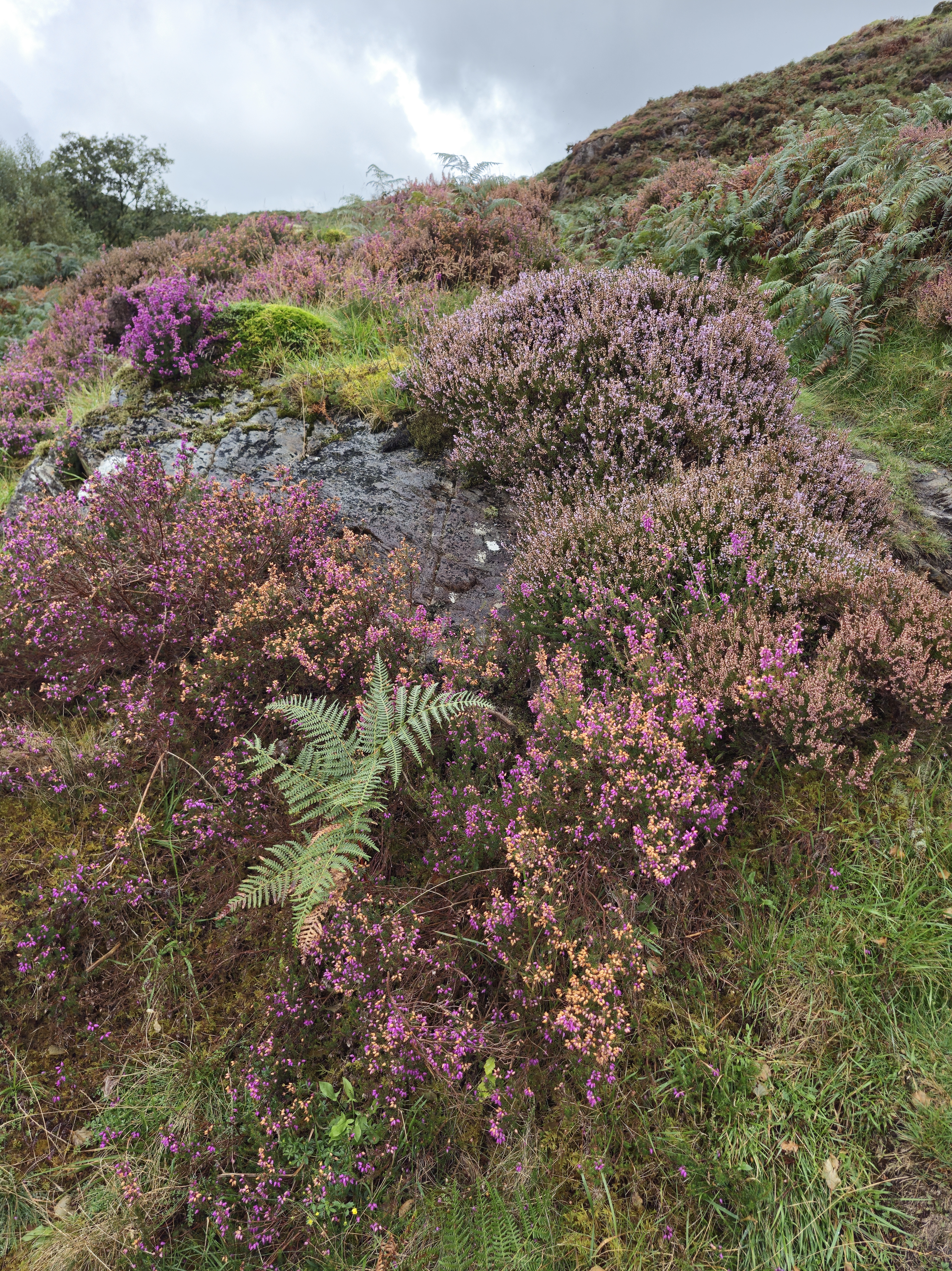
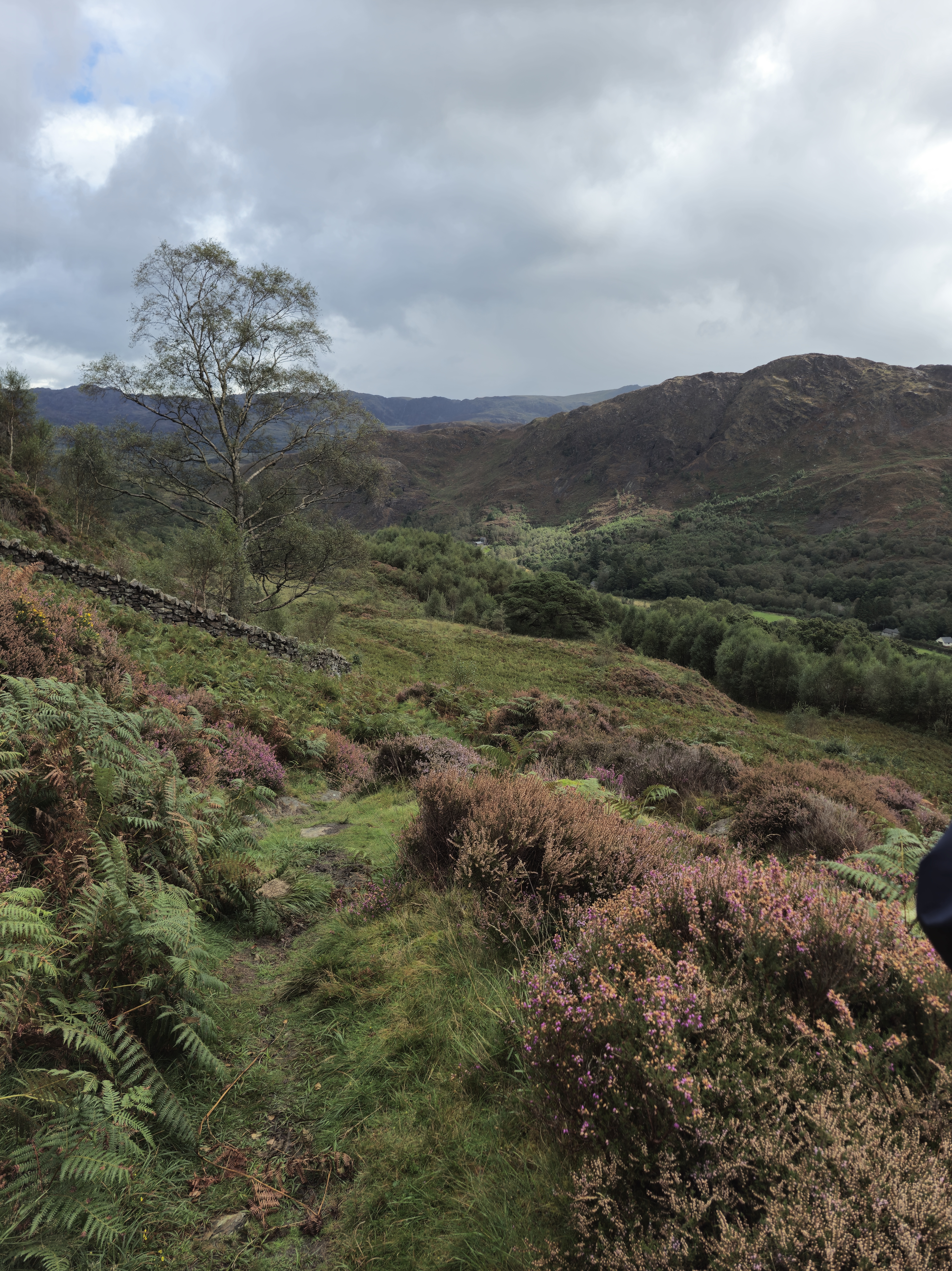
The heather was glorious. The path was … somewhere…

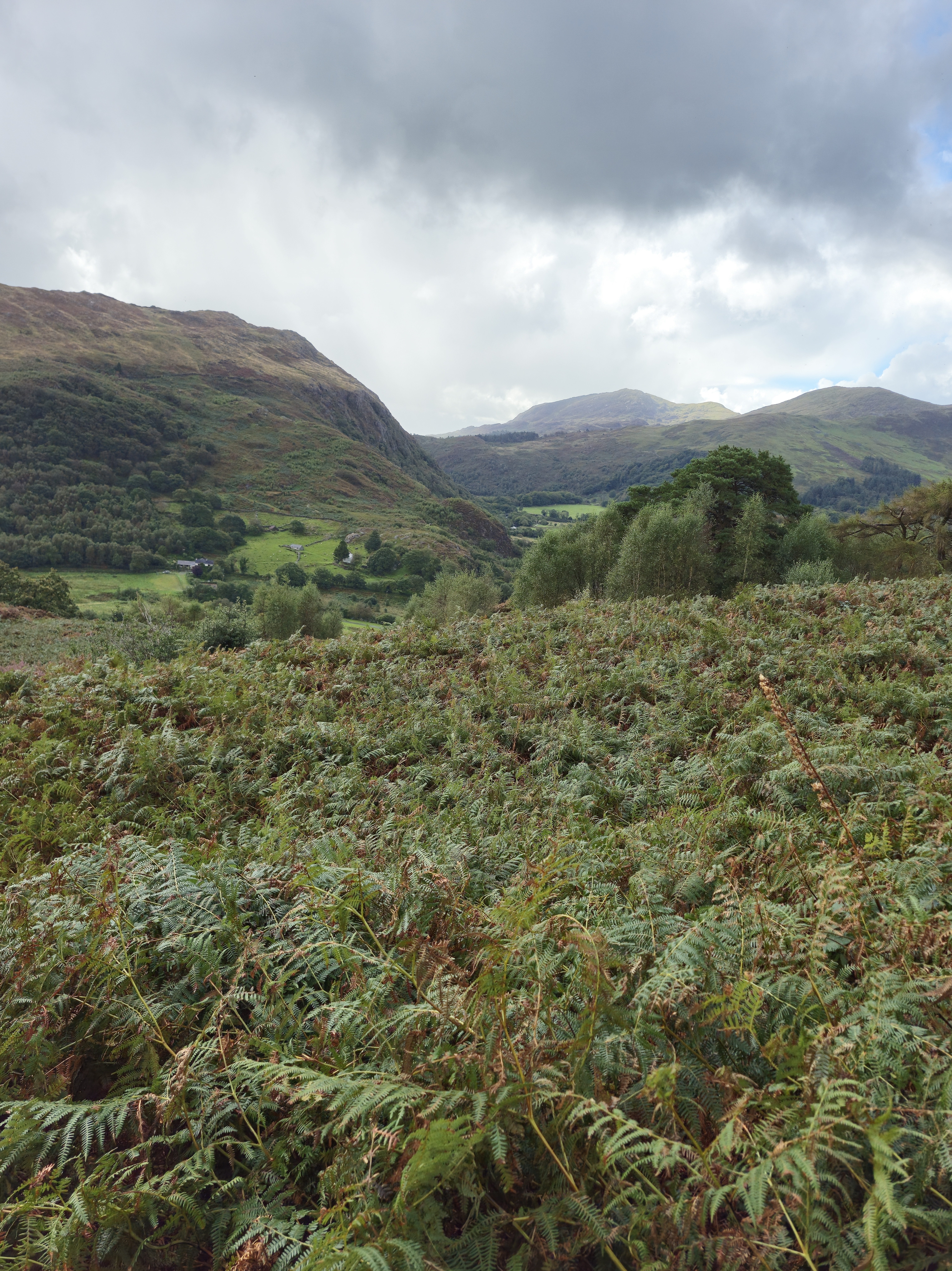
The walk turned out to be difficult, and certainly longer than one and a half miles. Quite the opposite in fact, and it and became steeper almost immediately, and very rocky. We assumed it would level out at some point but it never did and we just kept climbing and climbing.

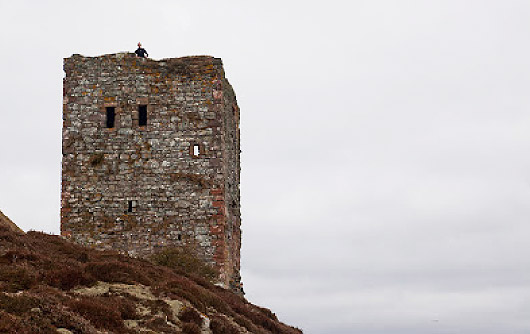
Dinas Emrys is a rocky and wooded hillock near Beddgelert. Rising some seventy-six metres above the floor of the Glaslyn river valley, it overlooks the southern end of Llyn Dinas. The legend is that it’s where Merlin once trod and where a dragon still sleeps. At the top are the remains of a square tower and defensive ramparts belonging to the ancient princes of Gwynedd. We never saw that at any time over the week… ” the square stone tower at Dinas Emrys in Gwynedd, Wales is believed to be the base of a 12th century tower or citadel. The tower is now in ruins, but its rectangular shape and local rubble masonry are still visible.
According to legend, the tower was built by King Vortigern as part of a castle he wanted to construct on Dinas Emrys. However, the walls would mysteriously collapse each night, which led Vortigern to seek the help of Merlin the wizard. Merlin revealed that two dragons, one red and one white, were fighting in a pool beneath the castle. Vortigern and his men dug into the mountain to release the dragons, and the red dragon eventually won the battle. The castle was then named Dinas Emrys in honor of Merlin, and the red dragon became a symbol of the fight against the Saxons.

oplus_32

Just at the point where the ferns and tufts of coarse grass petered out, and the way in front of us rose sharply and consisted of sharp rocks, it began to rain and the view disappeared. We turned and scrambled back down – the second time we’d turned back on a walk that week.

One disgruntled Photographer…

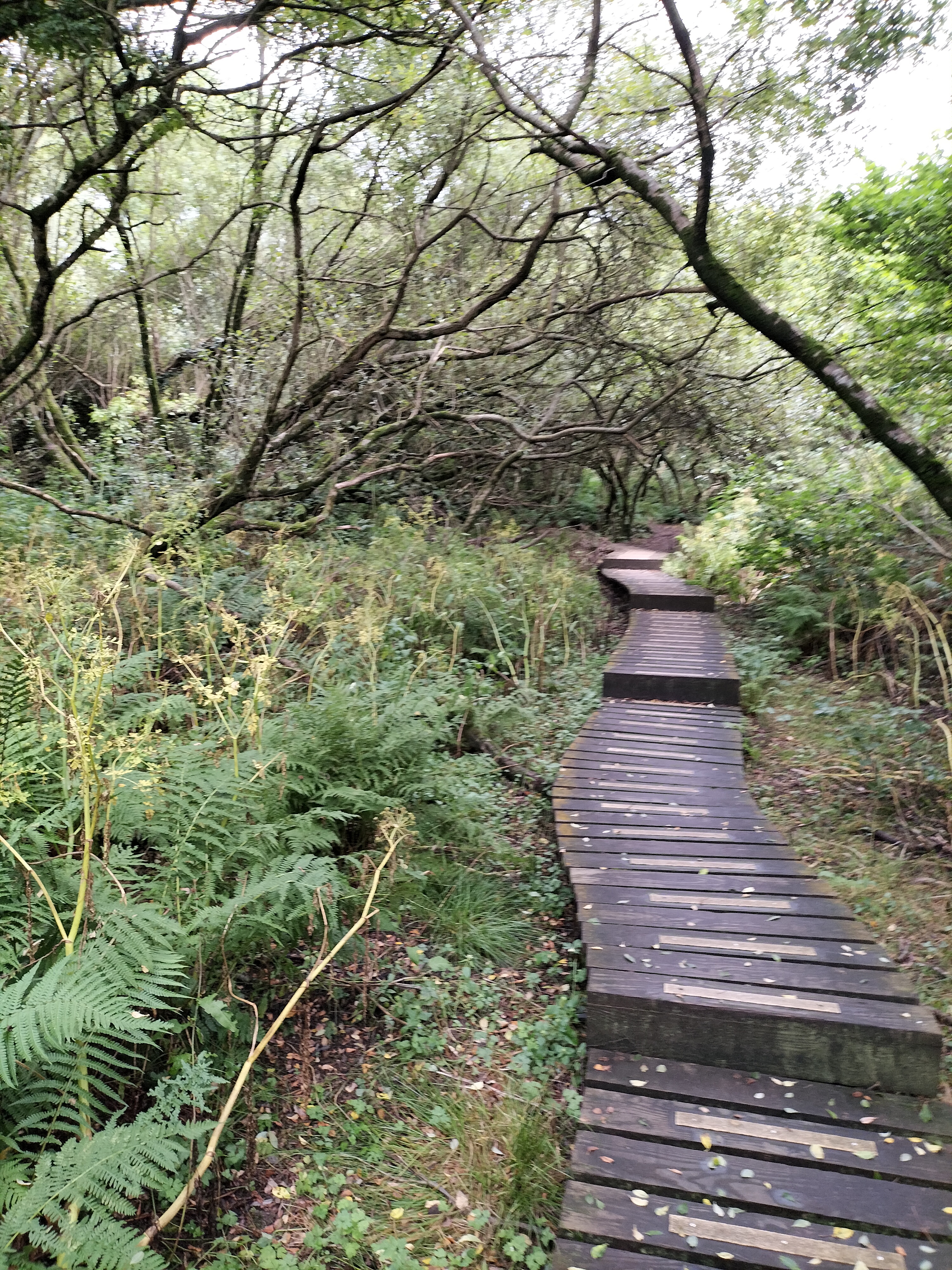
Twenty minutes later and wet through, we saw a sign for the Waterfall trail. A footpath lead through the woodland, following a waymarker to the right.

We passed the dragon bench. Too wet to sit on it though.

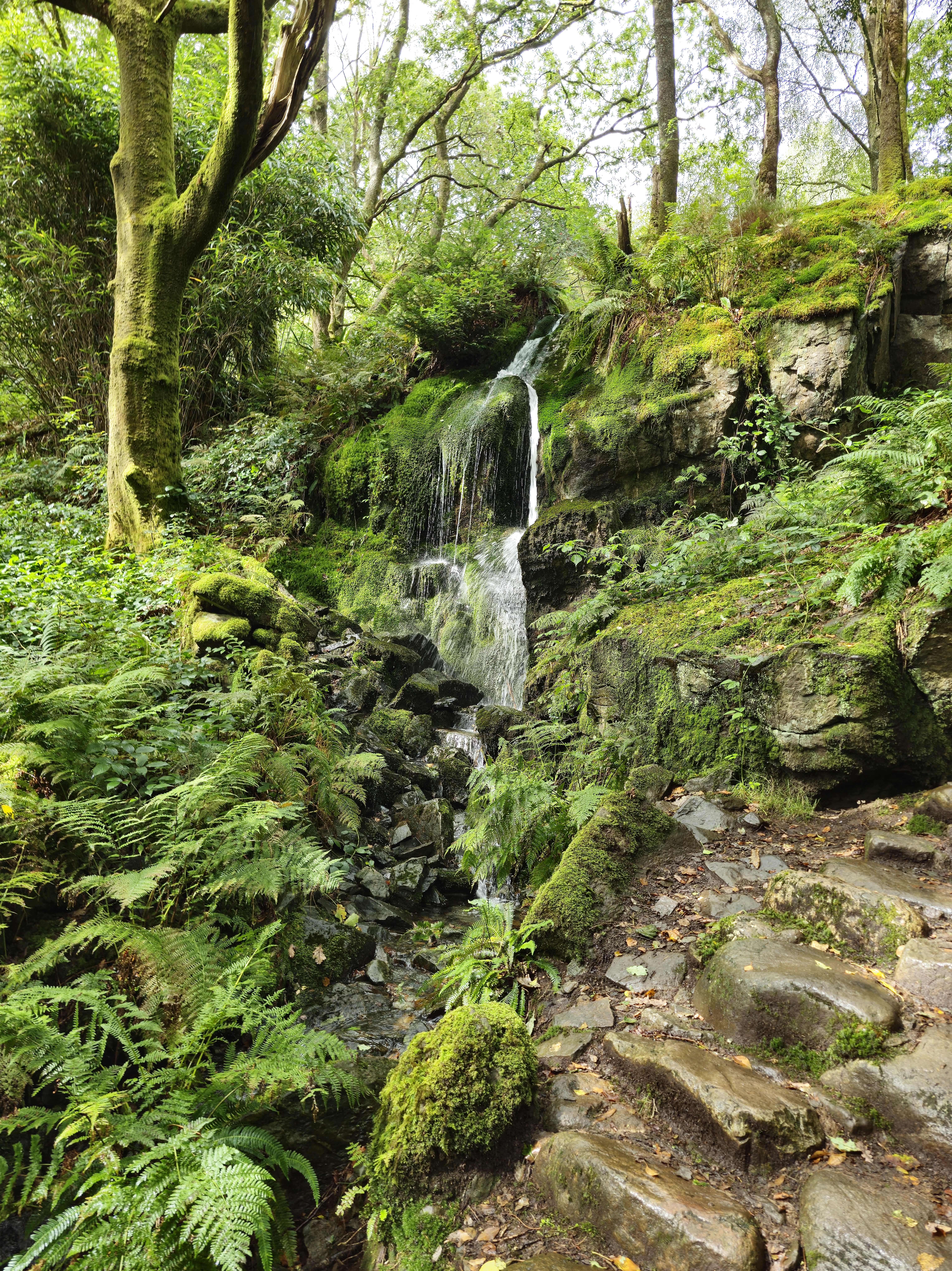
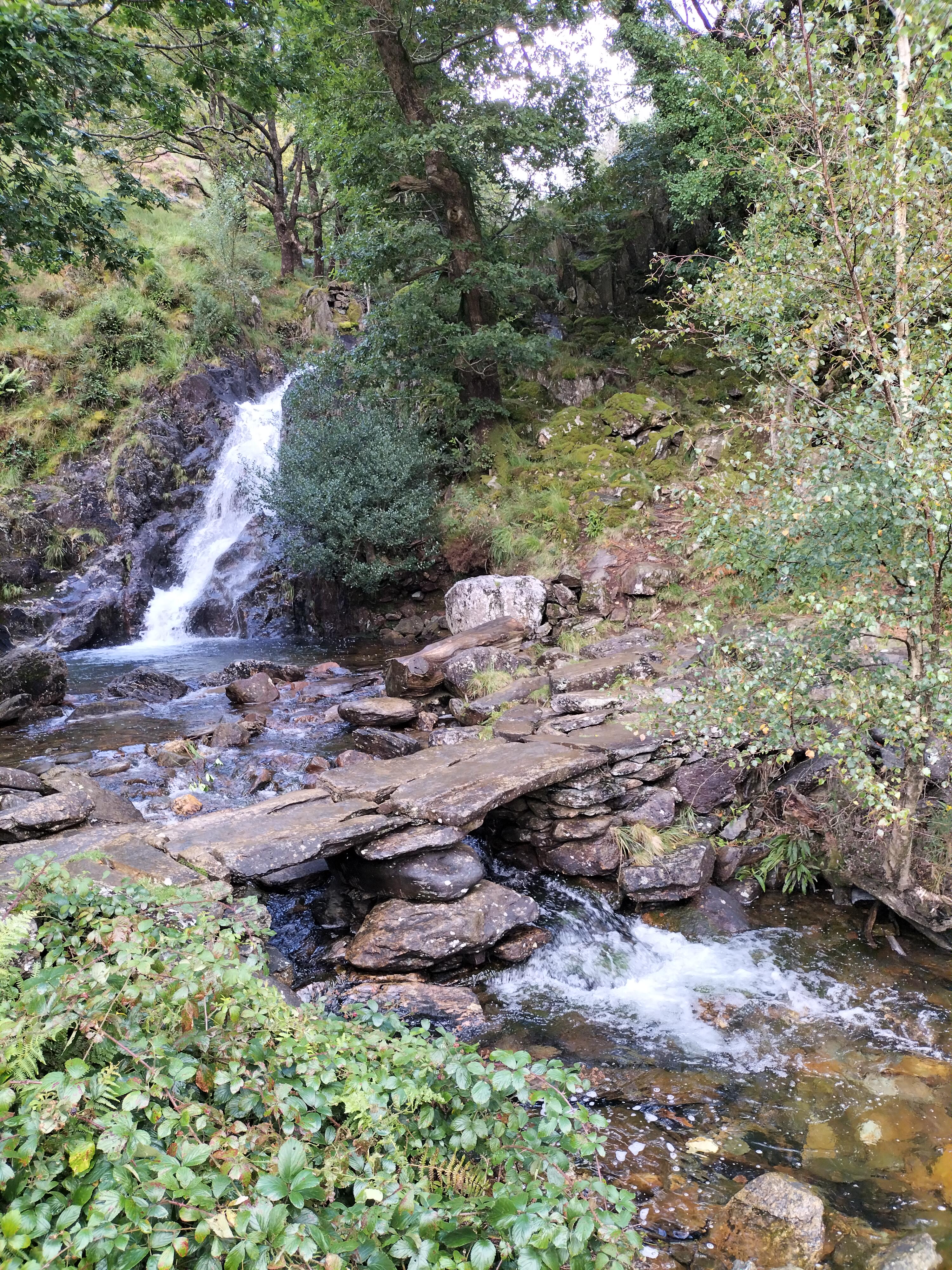
We walked up some steps to see a small waterfall. But we could hear loud splashing further along the path.


The large waterfall. Apparently deep enough to swim in.
I didn’t test that theory.

It was a wonderfully peaceful end to the day – and to our last walk of the holiday.

We’d had a great week. The photographer was keen to get home to start downloading, printing off and framimg his photographs.

I was ready to finish the proofreading of my next book, The Stranger in my House, to be published by Honno on the 14th November 2024 .

Described as…

A gripping ‘cuckoo in the nest’ domestic thriller

After the death of their mum, twins Chloe and Charlie are shocked when their dad introduces Lynne as their ‘new mummy’. Lynne, a district nurse, is trusted in the community, but the twins can see her kind smile doesn’t meet her eyes. In the months that follow they suffer the torment Lynne brings to their house as she stops at nothing in her need to be in control.

Betrayed, separated and alone, the twins struggle to build new lives as adults, but will they find happiness or repeat past mistakes? Will they discover Lynne’s secret plans for their father? Will they find each other in time?

The Stranger in My House is a gripping ‘cuckoo in the nest’ domestic thriller, exploring how coercive control can tear a family apart. Set in Yorkshire and Cardiff, from the 60s to the winter of discontent, The Stranger in My House dramatises both the cruelty and the love families hide behind closed doors.https://tinyurl.com/349ucdat

I’m happy to leave things as they are here. So, until next time … thank you for following the Photographer and I on our adventures.

Where We Walked @Moel Hebog @Beddgelert @North Wales #walks #photographs #holidays

Moel Hebog (Welsh for Bare Hill of the Hawk) is a mountain in Snowdonia, which dominates the view west from the village of Beddgelert.

This was the next walk we did. I say ‘walk’ as a vague description. And I need to say at this point that we hadn’t read the following review beforehand.

“This is very much a steepish persistent trek from the beginning to the end. The path is very sketchy in places and you have to work out the best way forward. You go around the false peak and a bit further up you come to a near vertical wall bit. Be careful here as a number of false paths on where to go up. Take your time to work out the safe route which is on the left side of the paths. It’s only two-four steps scramble then you are back on a reasonably marked trekking path. This trek is not for beginners you really need the experience of being able to work out safe routes and a little scrambling experience. You also need a reasonable level of fitness as it’s very much a full on upwards & downwards trek, not any flattish areas. When I did it mid May 2024 the forest walk on the descent was impassable as flooded, very boggy so had to walk around the gravel tracks that added around 4 miles to the trek. Really enjoyed this trek, it is physically challenging as you gain height quickly, I would fully recommend trekking poles as they help. The downward grassier slope going down to the forest is steep so trekking poles really useful. Enjoy, take your time and stay safe.”

Oblivious to this review (but with our trusty walking poles, as usual), we walked past Beddgelert Railway Station, then along a lane crossing the railway line.

We passed a farm, said hello to the dog who came out to watch us, and walked through a small wood before the land opened up. There was a stone path across crossing a field, and then a post which indicated we needed to go straight ahead to a stile over the stone wall. (Yes, there had to be a stile!!)

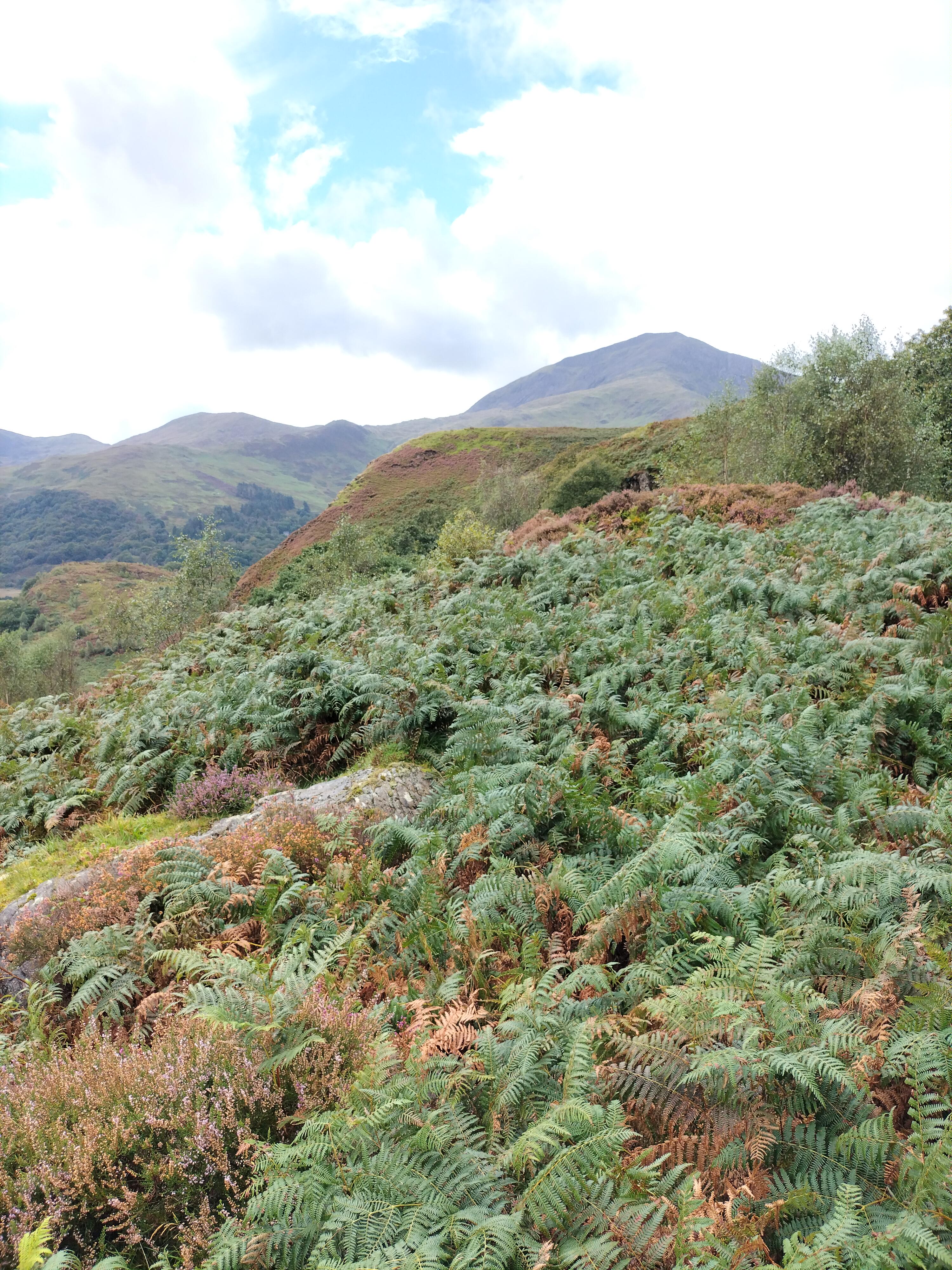
At first the path was a meandering course on spiky grass with golden brown ferns set in a landscape of small outcrops and boulders. (Later in the day, having coffee in a small cafe, we met three young climbers who told us that these boulders were called erratics, glacial boulders or rocks that have been transported by ice and deposited. The type of rock – the lithology – the physical, chemical, and mineralogical properties – that the glacial boulder is made from is different to that of the bedrock where it’s been deposited.) We live and learn!

As we climbed,I took advantage of every photo stop, as usual. (my ‘catching my breath’ time). The landscape was glorious. And there, in the distance, was Llyn Dinas.

We stopped for lunch, debating at this point on whether we’d gone as far as we should (could!) Just then two couples passed, going back down. ” That’s us done,” said one of the men. “We know when we’re beaten. Off for a pint.” They were about twenty years younger than us. We looked at one another, made our decision; if going any further was too much for them, we had no chance. We packed up our things.

So there we are – sometimes ignorance is bliss. Or very foolish. But it was a lovely day, we took our time, had food and water – and knew when we’d got as far as we wanted to.

We took one last look at the dark peak of SnowdonIn in the far distance before we turned and made our way down towards the road.Got some fabulous shots though,” said the photographer, cheerfully. I agreed, relieved to be back on tarmac.

Later, looking back at the walk, I read the following.’The Moel Hebog shield (Welsh: Tarian Moel Hebog) or the Moel Siabod shield, is a large copper-alloy shield from Bronze Age, found in a bog on he north-west slopes of Moel Hebog. Discovered in 1784, it dates from 1300–1000 BC and is now in the British Museum in London.

Richard Blurton (a specialist in South Asian art and archaeology, formerly Assistant Keeper at the British Museum), wrote about the shield in his book The Enduring Image: Treasures from the British Museum (only £209, plus £9.75 postage). He says, “This shield is a splendid example, representative of the rise of large sheet-bronze work in later Bronze Age Europe. Much effort was directed towards the production of ceremonial metal armour indicating the prevalence of the idea of man as a warrior.

Just thought I’d share that!

Where We Walked @Dinas Lake @LynDinas @Beddgelert @North Wales #walks #photographs #holidays #MondayBlogs

Llyn Dinas is a fairly shallow lake that lies on the valley floor a few miles north of Beddgelert in Gwynedd in north Wales. It is formed by the River Glaslyn. The lake takes its name from the nearby Dinas Emrys, a hill just downstream of the lake where a rock, Carreg yr Eryr (The stone of the eagle), was said ,in a charter of 1198 ,to mark the spot where the boundaries of the three medieval Welsh land division of Aberconwy, Ardudwy and Arfon met. According to Giraldus Cambrensis an eagle used to perch on it once a week, anticipating battle between the men of the three cantrefs.

We walked around Dinas Lake twice. Well, I say that. I should say we attempted to walk around the lake twice.

After that glorious, long day’s walk to Beddgelert, the clouds the following morning promised rain, and it was cold. Not to be thwarted we rugged up and set off.

On that first walk around Dinas Lake, we were attempting the one the National Trust recommended in the brochure we found in the cottage. We later discovered it was 1998 version, so unfortunately, the directions were out of date. Halfway up the hill it petered out into brambles and undergrowth.

This actually turned out to be fortunate. Giving up on the idea of cutting our way through the brambles – mainly because we didn’t have secateurs or knives, we backtracked and decide to walk to the end of the lake. Within ten minutes, we had hailstones bouncing down on us and we needed to shelter close to the stone wall under trees, alongside nine sheep who seemed completely oblivious to us. We gave up and went back to the cottage.

The next day, with the weather just about fine, we decided to try Lake Dinas again.

The water was calm, there was a party of canoeists preparing to go on the lake, and on the far side a group of children were being taken up a fast running stream. Dressed in hard hats and waterproofs it looked as if they were participating in a form of orienteering. From the screams of laughter we presumed they were enjoying themselves. Not for us we decided.

We crossed the bridge over the river to the path just as the rain started.

The path is banked by many rowan trees. There was a plethora of berries on them all. Is that a sign of a bad winter to come? Or is that an old wives tale? (as soon as I wrote “old wives’ tale” I wondered why it was called that. Apparently the name “old wives’ tale” comes from the fact that older women would often pass down their advice to the younger generation in the form of sayings that were easy to remember. The “wives” don’t refer only to married women, though. The term came from the Old English word wif, which means “woman.”) Just another rabbit hole I went down!!

At the far end of the lake we saw a farm house with outbuildings. There seemed to be a lot of activity. Despite the rain and being naturally nosy I urged the Photographer on with the words, ” I bet there’ll be a great view looking back along the lake.” It worked!!

This is the farm… Llyndy Isaf, a farm in Eryri (Snowdon) owned by the National Trust, since 2012 (Image: National Trust)

The farm was bought following a public fundraising campaign to preserve it for the nation. It has previously been home to five young farmers on a scholarship, who have managed Welsh Mountain ewes and Welsh Black cattle on the stunning site, which includes several Sites of Scientific Special Interest (SSSI:

Lake Dinas’ geology is important for nature conservation with habitats of saltmarsh, rush pasture, mire, mudflats, and reedbed, so is a natural home to a variety of wildlife, including bird species, such as Red Kites, Pied Flycatchers, Redstarts, Common Sandpipers, Dippers and Grey Wagtails, (a bird twitcher’s dream), over two hundred invertebrate species, and more many species of lichens and mosses, liverworts and hornworts ( bryophytes – non-vascular plants, which have no roots or vascular tissue, so absorb water and nutrients from the air through their surfaces).

When we approached the Llyndy Isaf farmhouse we were told it was a production team for television. They were more than willing to explain what they were working on.The National Trust has been on the hunt for someone to take over Llyndy Isaf farm. The process of choosing a tenant will be documented for Channel 4’s Our Dream Farm with Matt Baker, in early 2025. Applicants are vying for a fifteen year tenancy of the farm by participating in a three-week selection process. The Trust is seeking an individual with a fervour for sustainable farming.

A drone flew overhead filming Matt Baker with the lake in the background at the same time as the Photographer was attempting to take his photograph at the end of the lake. I’m just hoping the drone didn’t capture the two bedraggled people peering over the wall. I guess, when the programme is aired, we’ll see…

The Stranger in my Home #BookLaunch #NationalWritersDay @Gwyl Lyfrau Aberaeron Book Festival #Books #Talks #Interviews #Workshop #CharacterWorkshop #SoYouWanttoWrite

National Day on Writing is celebrated every October 20. It’s a day dedicated to acknowledging the significance of writing as both a crucial skill and a form of art. This special day encourages everyone to appreciate and engage in writing activities.

So, I will be holding a workshop on forming characters at the Gwyl Lyfrau Aberaeron Book Festival. Booking available here: https://tinyurl.com/383zymrz

And the Festival Programme 2024 here:https://tinyurl.com/4jdcjntt

And, courtesy of the organisers of the book festival : https://www.gwisgobookworm.co.uk/ I’ll also be launching my latest book, The Stranger in my House, which is published bu Honno: https://www.honno.co.uk/

A gripping ‘cuckoo in the nest’ domestic thriller

After the death of their mum, twins Chloe and Charlie are shocked when their dad introduces Lynne as their ‘new mummy’. Lynne, a district nurse, is trusted in the community, but the twins can see her kind smile doesn’t meet her eyes. In the months that follow they suffer the torment Lynne brings to their house as she stops at nothing in her need to be in control.

Betrayed, separated and alone, the twins struggle to build new lives as adults, but will they find happiness or repeat past mistakes? Will they discover Lynne’s secret plans for their father? Will they find each other in time?

The Stranger in My House is a gripping ‘cuckoo in the nest’ domestic thriller, exploring how coercive control can tear a family apart. Set in Yorkshire and Cardiff, from the 60s to the winter of discontent, The Stranger in My House dramatises both the cruelty and the love families hide behind closed doors.

“Judith Barrow’s greatest strength is her understanding of her characters and the times in which they live.” Terry Tyler

Where We Walked: Copper Mine @Cwm Bychan valley in @Snowdoni National Park near @Beddgelert @North Wales #walks #photographs #holidays

The second day, we knew we needed to take it easy, so we planned a short walk for the afternoon. Around three miles from the cottage that we were staying in was the disused Cwm Bychan copper mine, so we decided to explore.


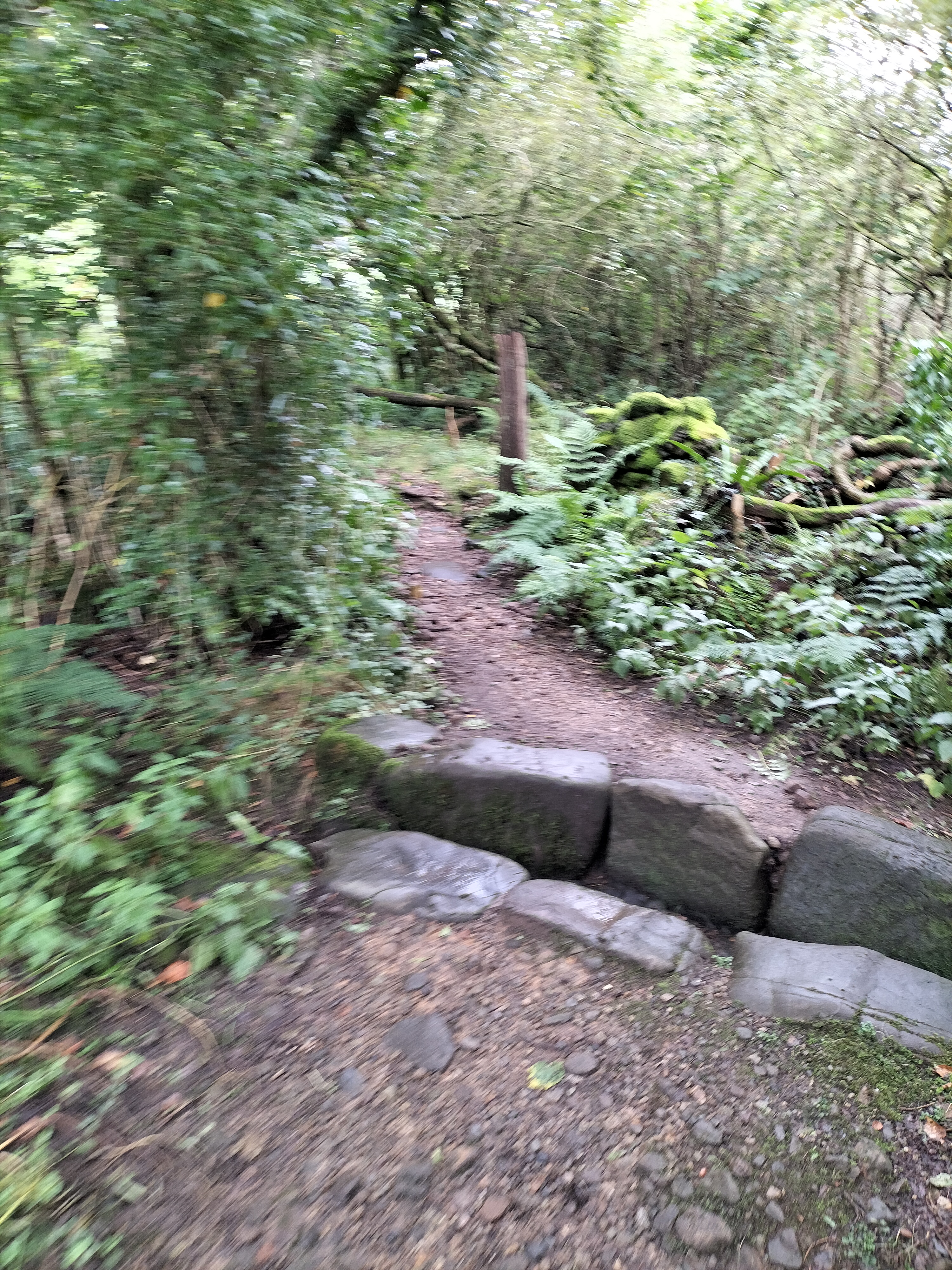
The start of the walk was from the Nantmor National Trust car park, easy enough to find. We went under the railway bridge (still no steam train), and onto the stony path that led up through woods.

We’d been told these were bluebell woods, but, of course, in September no signs of bluebells, but impressive heather anyway.The area also includes internationally rare heathland, found only in the western coastal areas of Europe that provides habitat for numerous butterflies and birds.

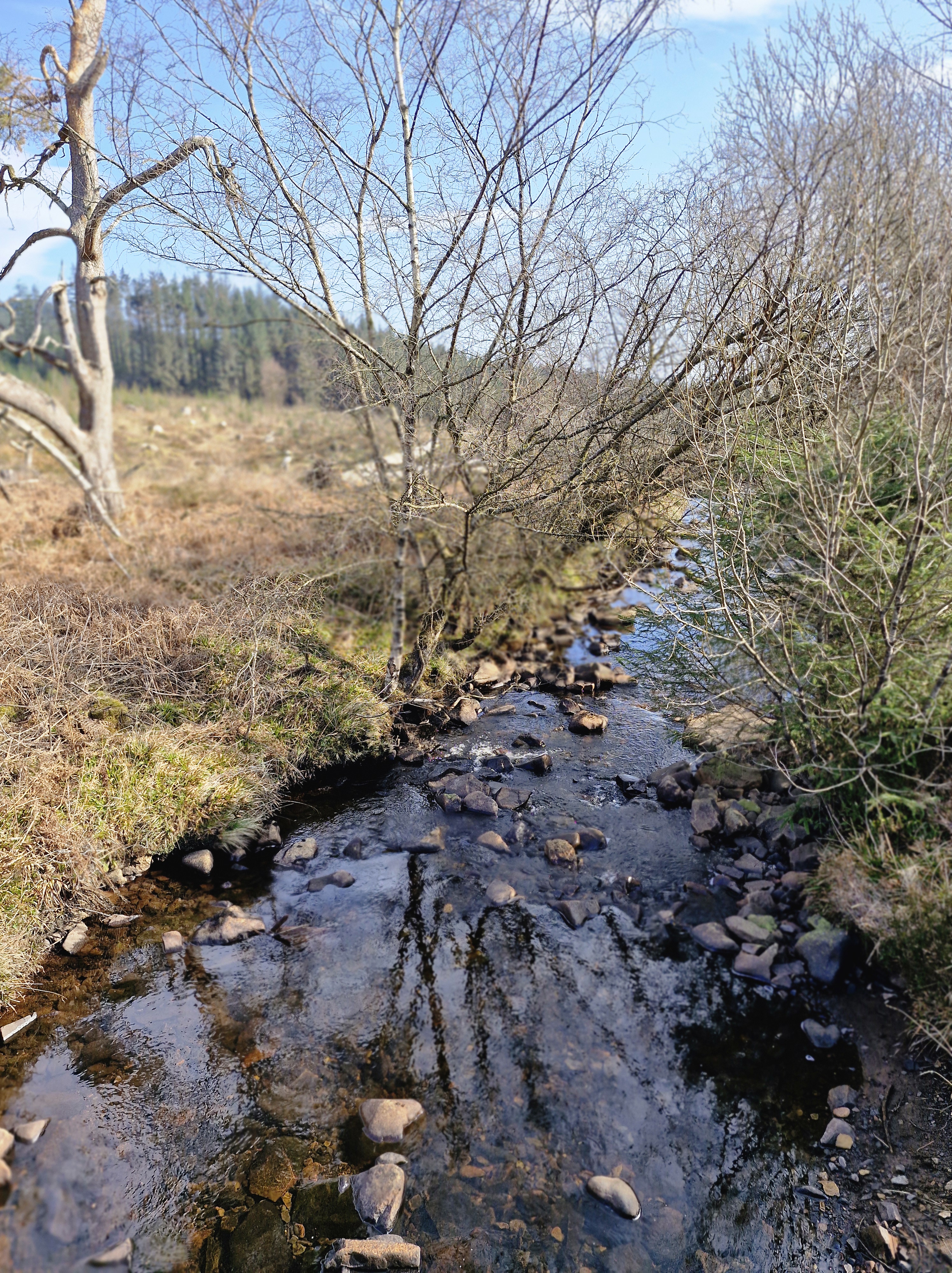
The path wound upwards, sometimes not as distinguishable, always following the stream.

We were tempted to sit here, but I knew if I sat down I might not stand up again; the short walk had turned into yet another climb – and the weather looked as though it was changing.

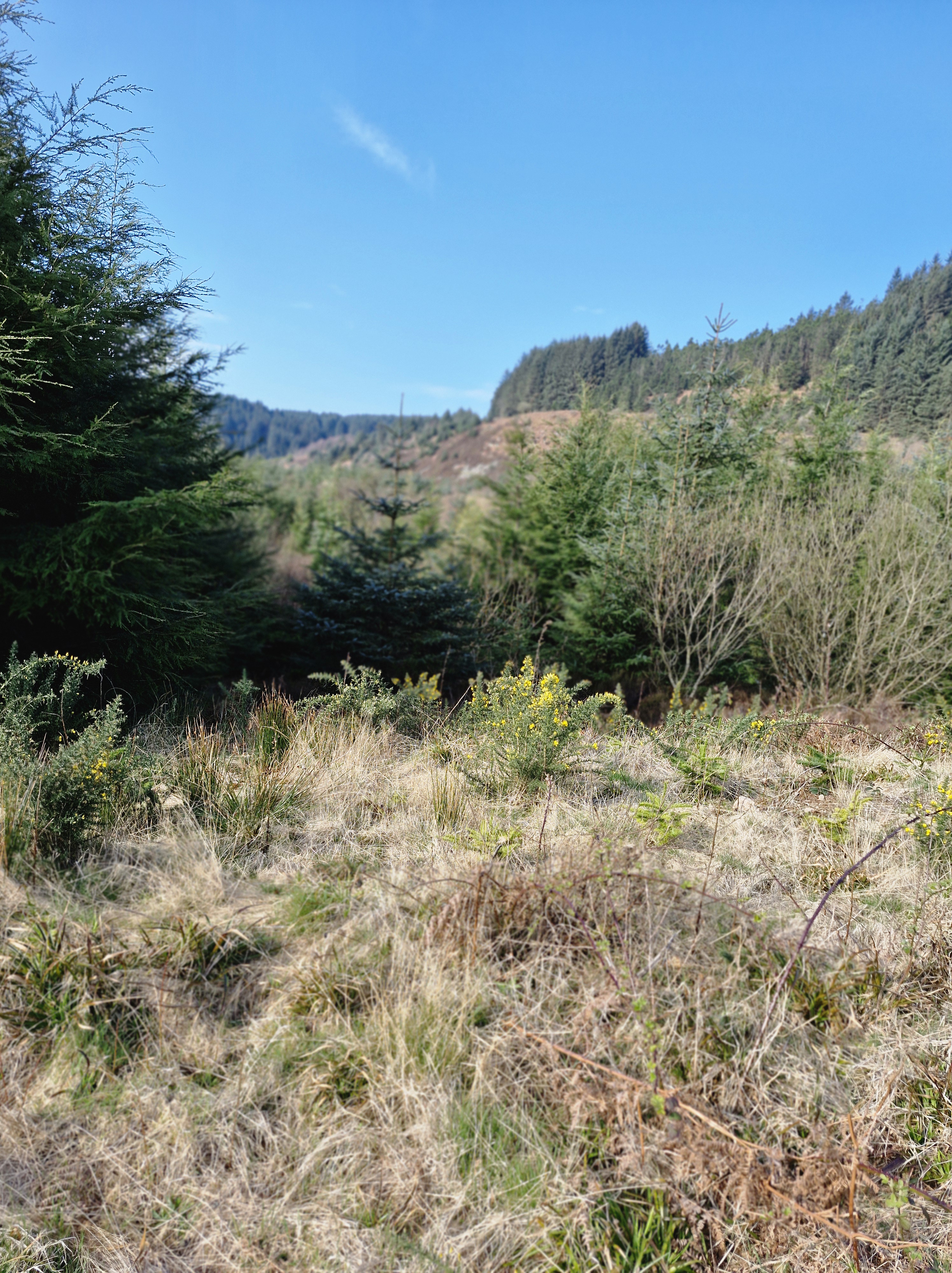
But, gradually the woodland path changed into easier, wider paths on the open mountain, and I was reliably informed that the remains of the copper mines was, “just around the corner”.


And there it was!

Various relics of that era can still be seen, including the aerial ropeway with its pylons and terminal wheel. And, in the background, the slag heaps of waste copper.

The evidence of the copper mining that used to be carried out here is quite poignant. The silence, broken only by occasional bird calls, the rustle of the breeze through the long grass, the bubbling of the stream, obviously a contrast to how things used to be.

Mining has been dated back to at least the seventeenth century in Cwm Bychan. The mines finally closed in the nineteenth century, then re-opened in the nineteen twenties. It was at this time that an aerial ropeway was built to help remove the Chalcopyrite ore for processing. But the attempt to restart production was short lived and the mine finally closed by the end of that decade.

I needed to research what Chalcopyrite is – a copper-iron sulphide mineral, the primary source of copper metal.

Image courtesy of Wikipedia

I learned that Chalcopyrite, also called Peacock Ore is thought to be an uplifting stone. It may ground nervous energy which allows the body and mind to let go of stress and embrace calm. It also may be used to remove energy blockages, cleansing, activating and aligning the chakras and energy bodies at the same time. To be an excellent aid to increase self-esteem, banish fears and doubts, and soothe the emotions. … fascinating. They must have known this in the nineteen twenties?

.

.